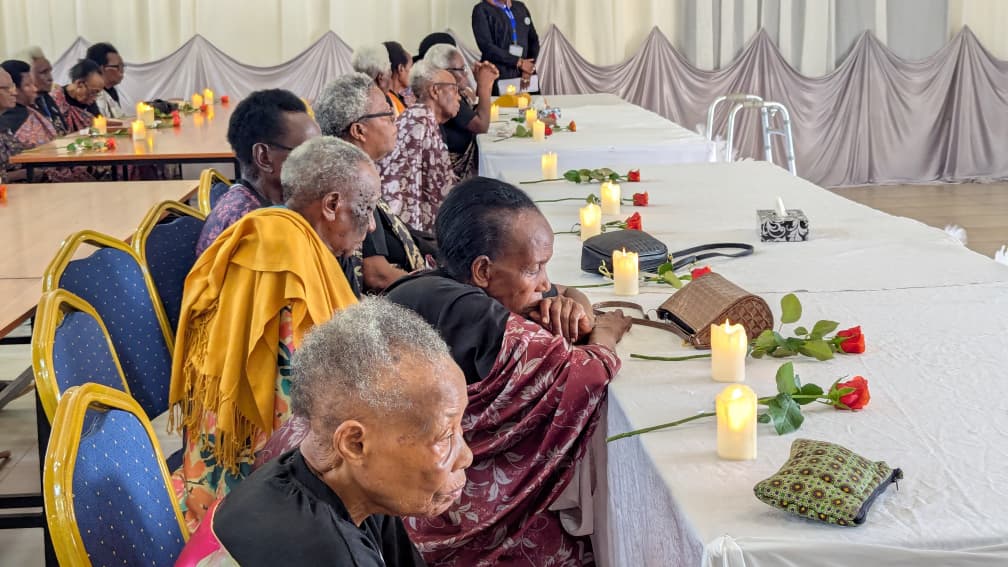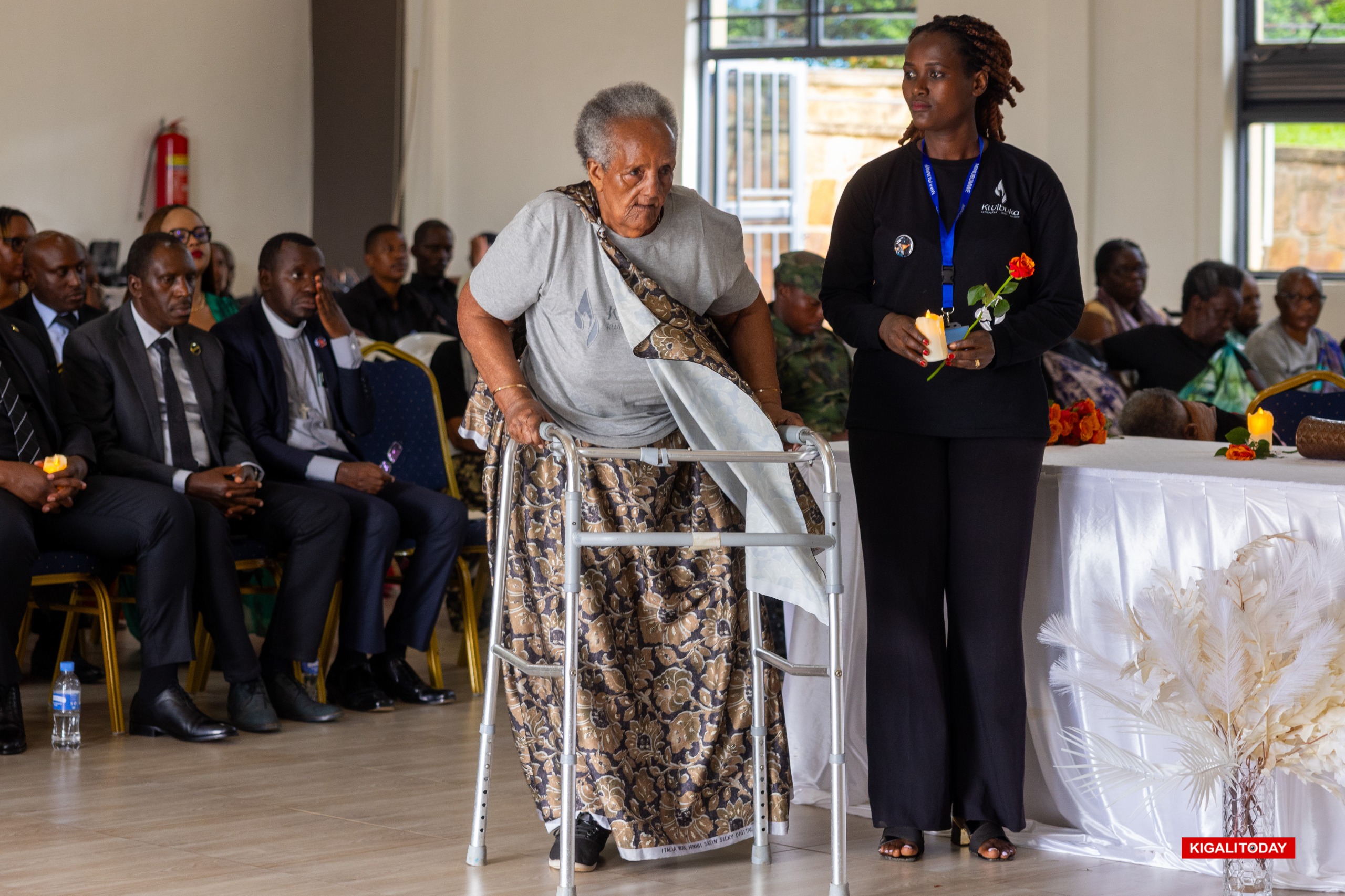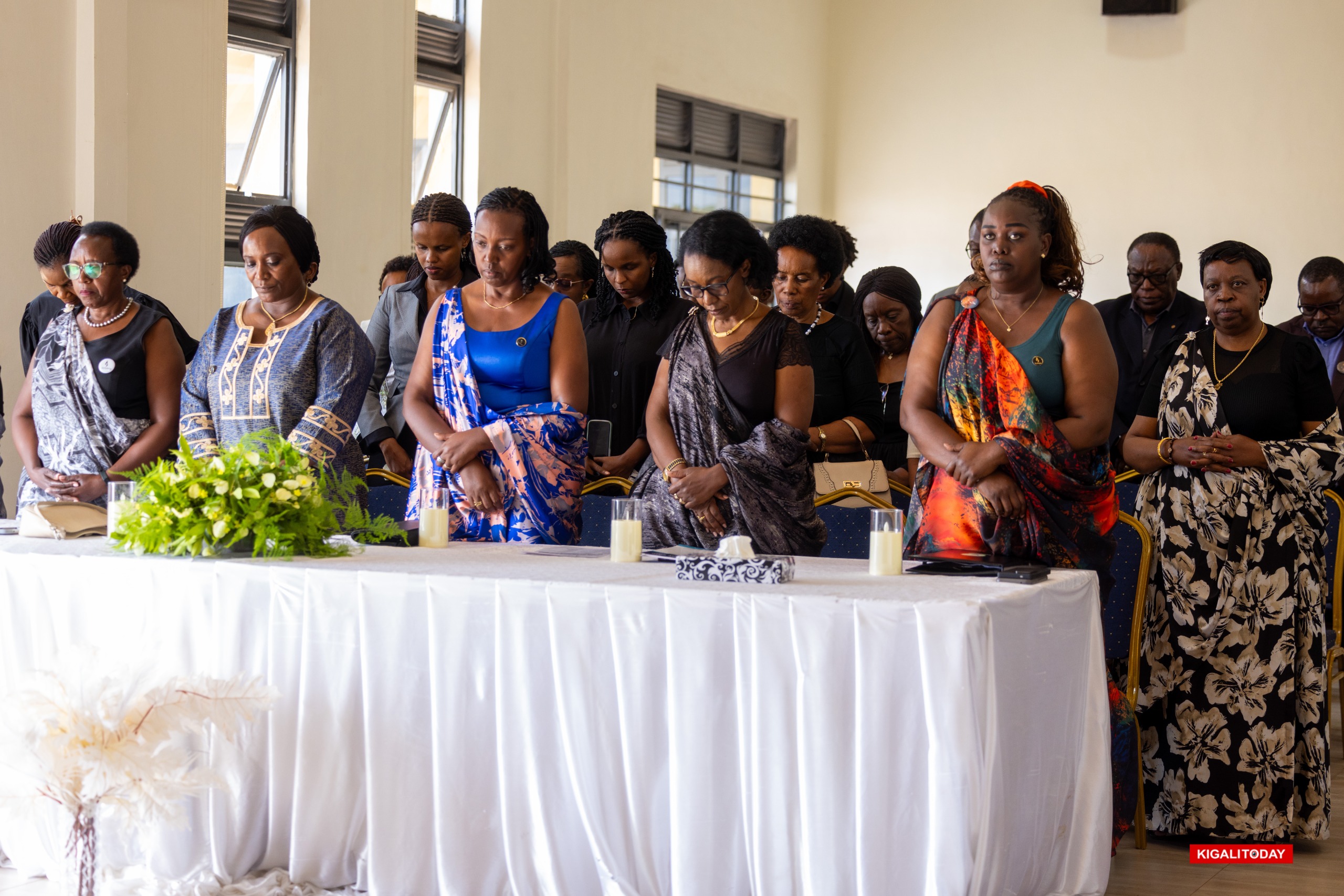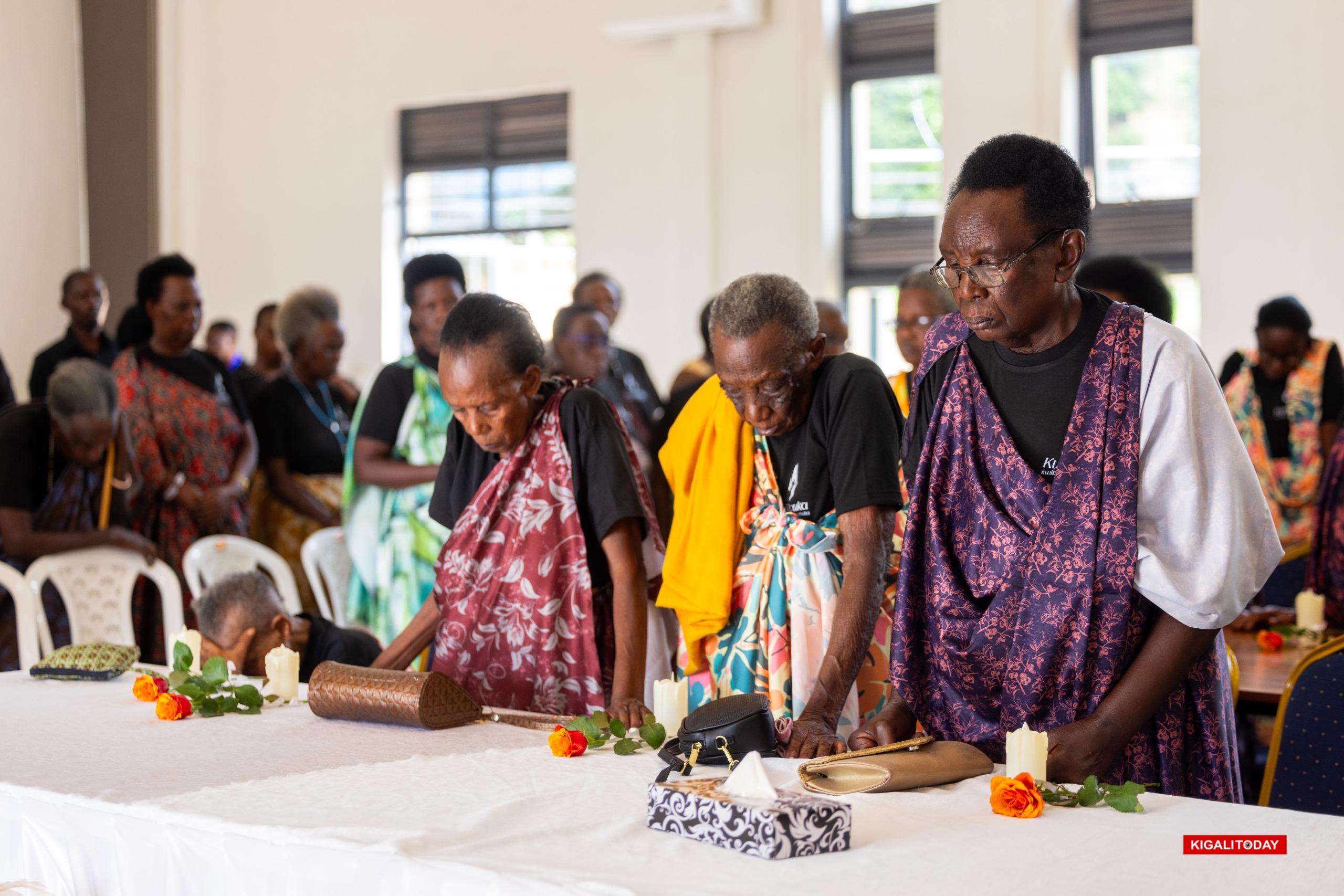



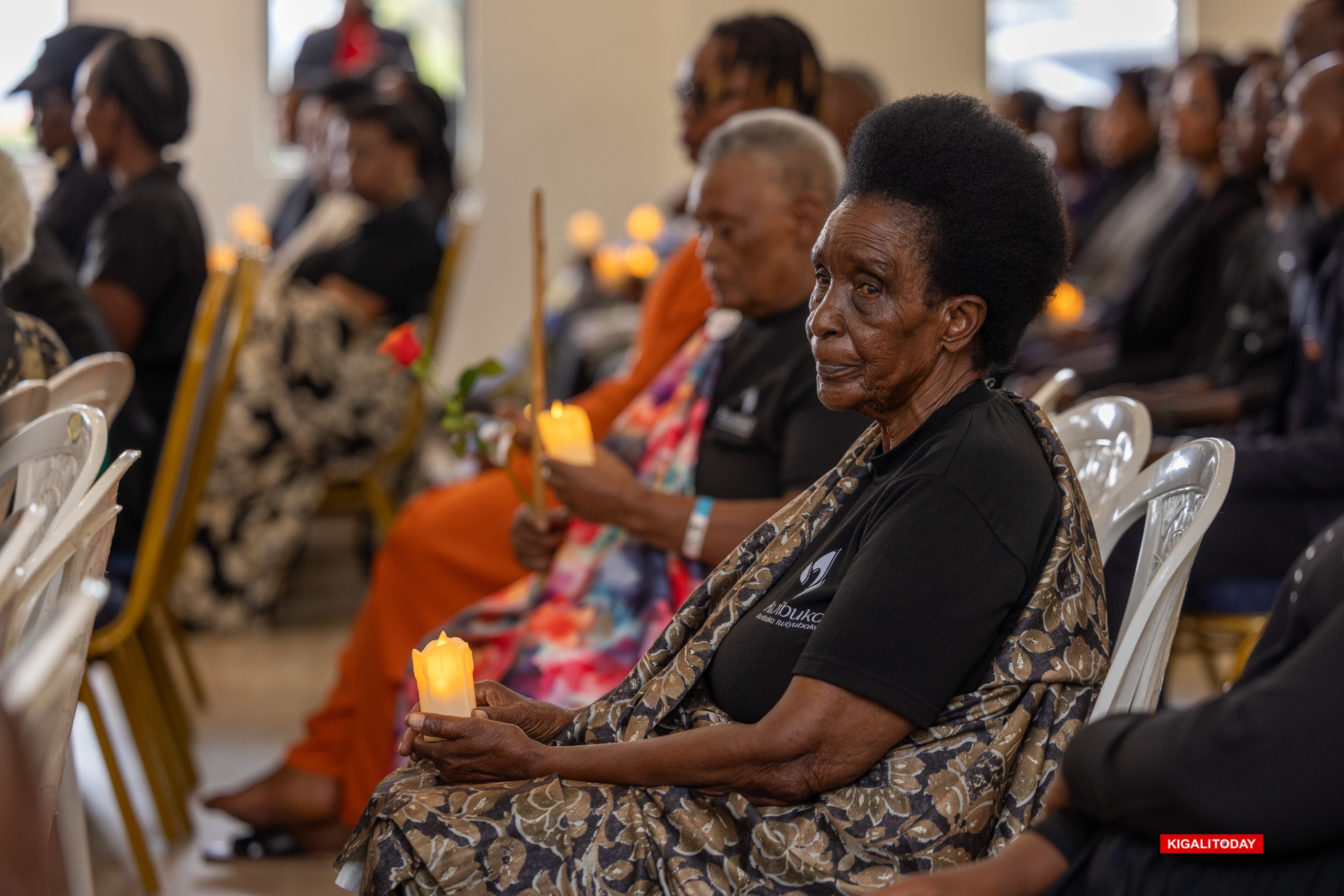
Bugesera — Unity Club Intwararumuri, an organization that brings together current and former senior government officials and their spouses, has joined elderly genocide survivors (known as Intwaza) to commemorate victims of the 1994 Genocide against the Tutsi.
The commemoration, held this Friday focused on using the resilience of elderly survivors to inspire a new generation of leaders to act differently, transform Rwanda’s history, and build stronger communities.
The event is part of the nationwide annual Kwibuka commemoration activities organized by Unity Club Intwararumuri, in other hostels across the country among other commemoration activities events scheduled from April 7 through July 3, 2026.
Rwanda has at least four Impinganzima hostels, established to support elderly widows and widowers who lost their families during the 1994 Genocide against the Tutsi. These community-based housing facilities are located in Bugesera, Huye, Nyanza, and Rusizi districts.
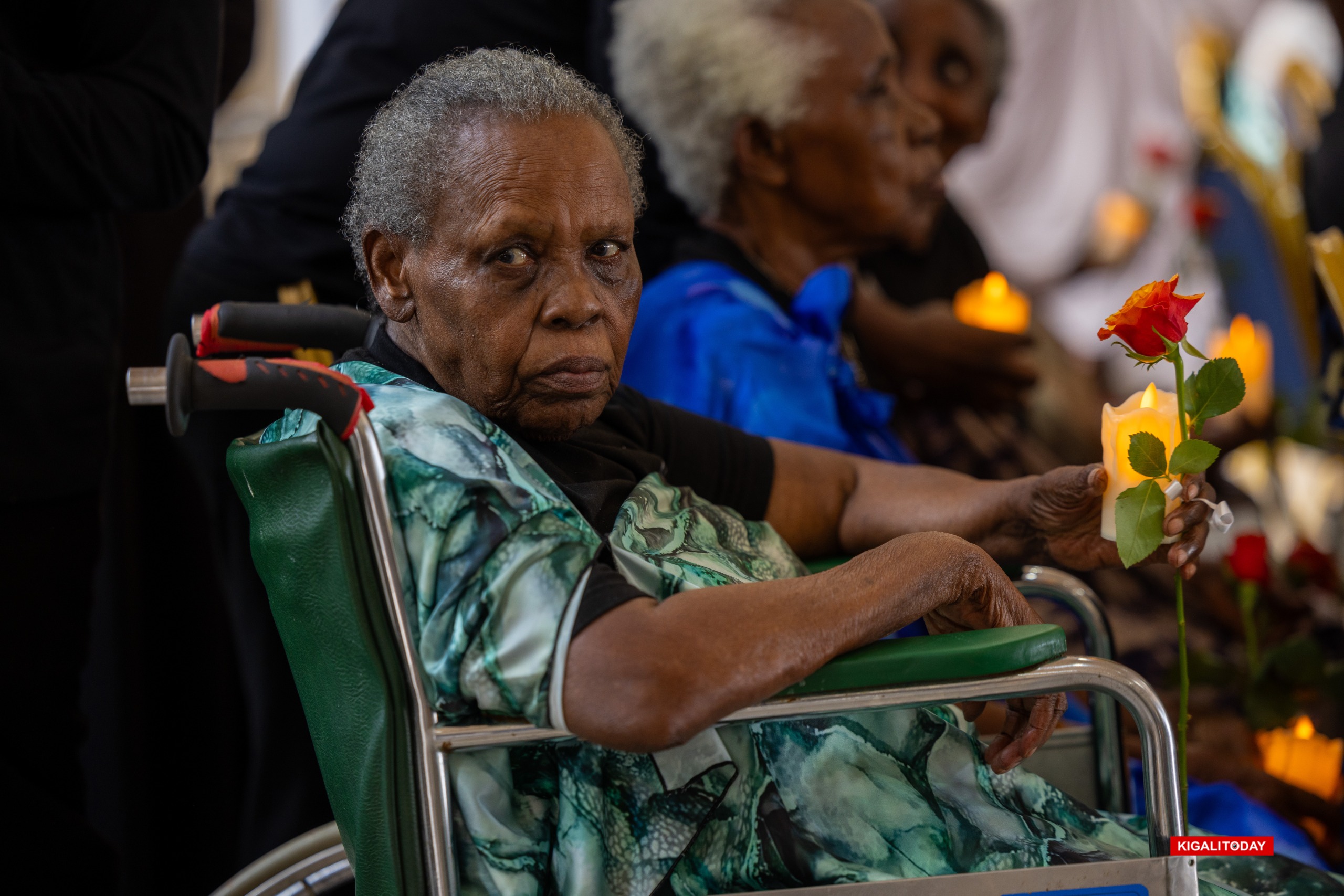
The Bugesera facility, in Rwanda’s Eastern Province, is dedicated to Intwaza—elderly survivors who lost their families—and was inaugurated in 2018 by First Lady Jeannette Kagame. It provides specialized care, comfort, and a supportive community for approximately 70 to 80 residents.
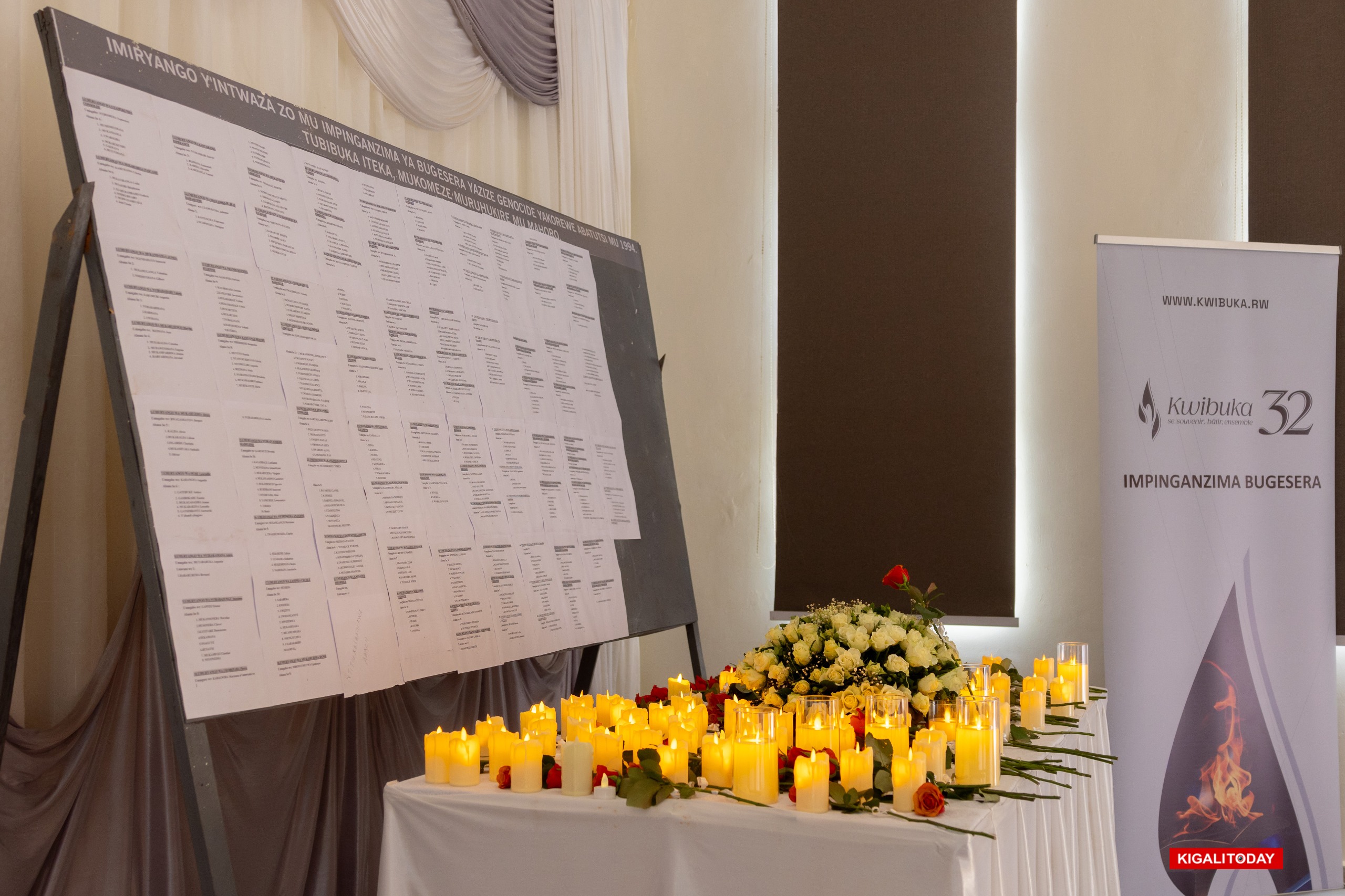
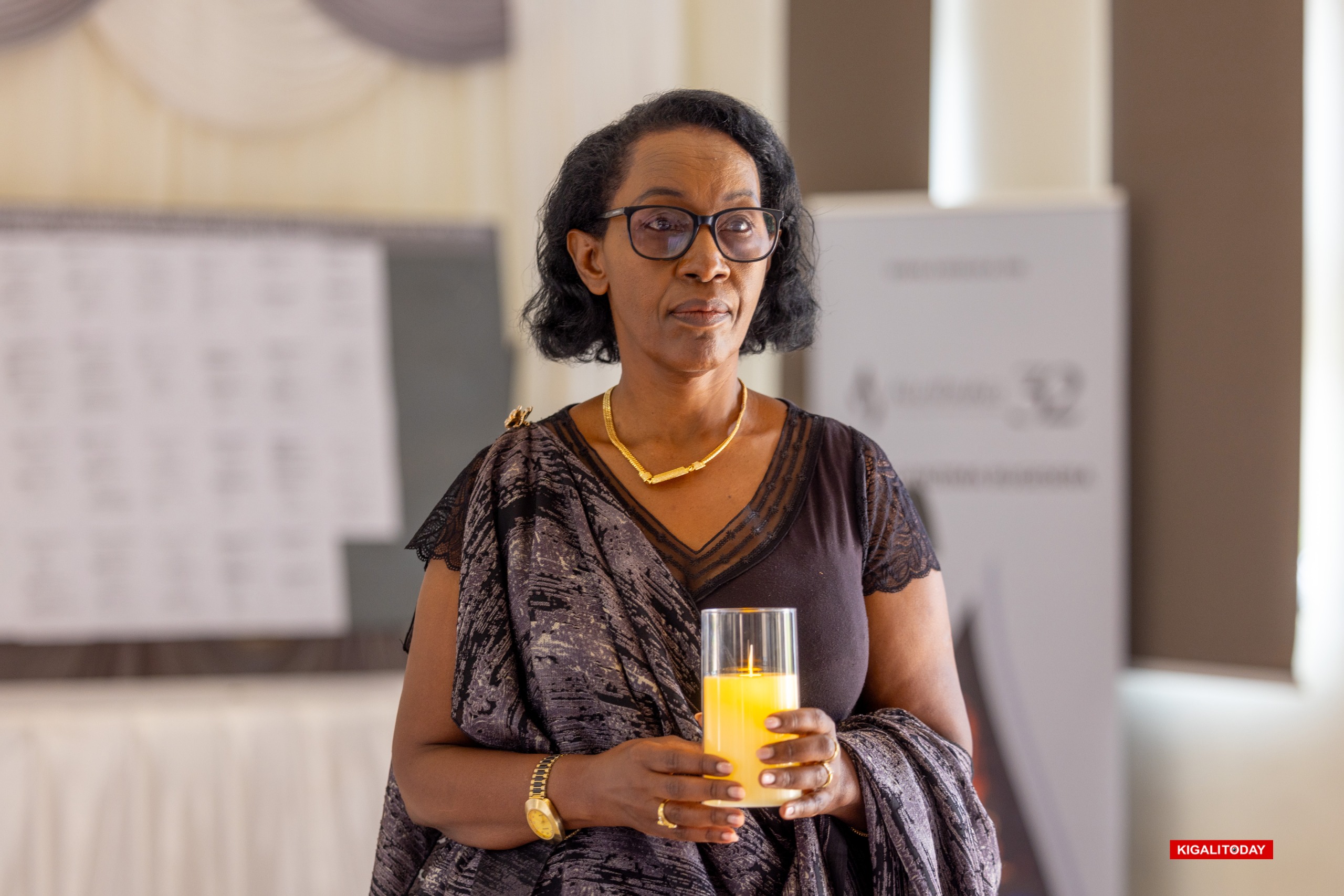
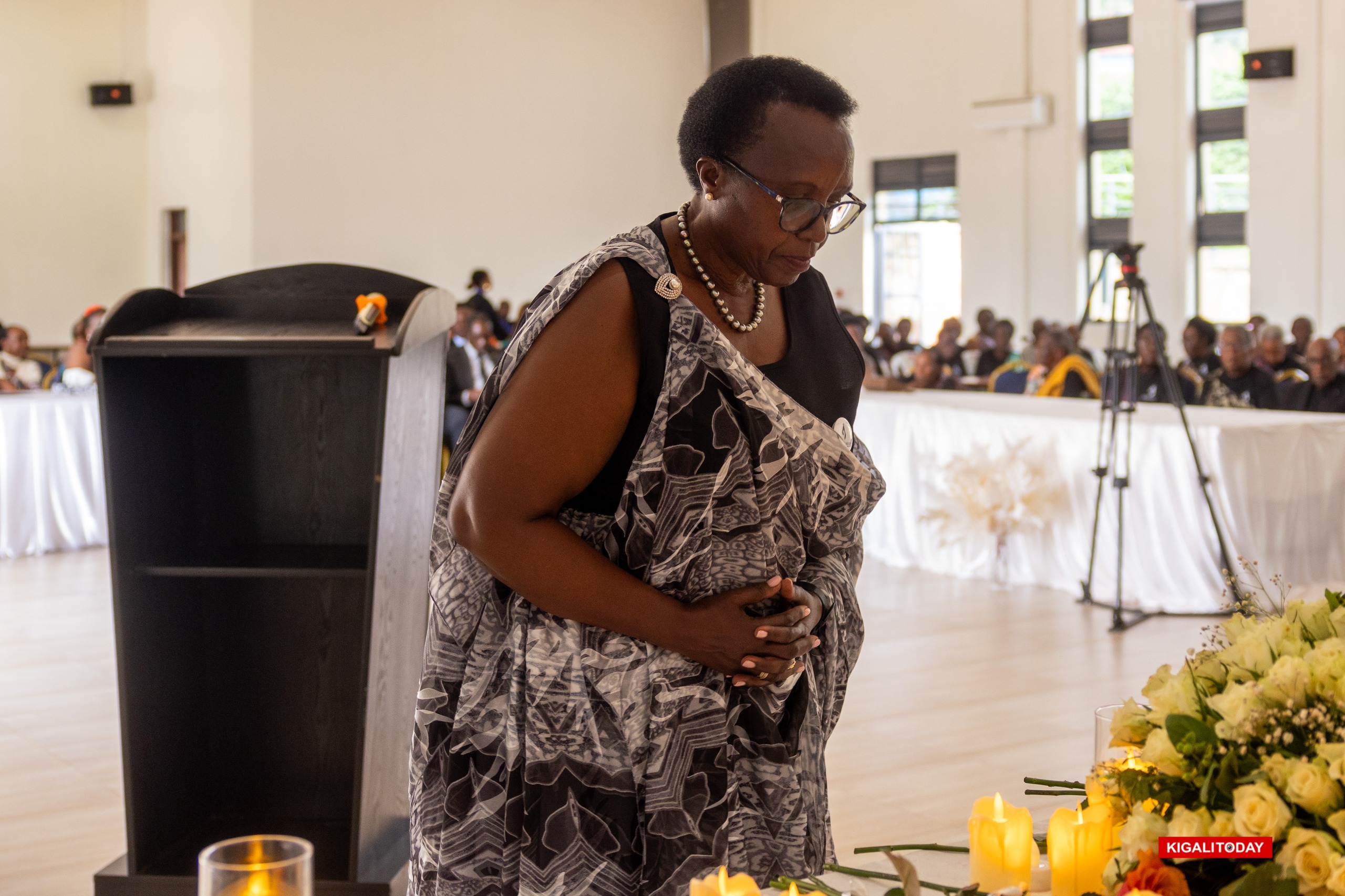
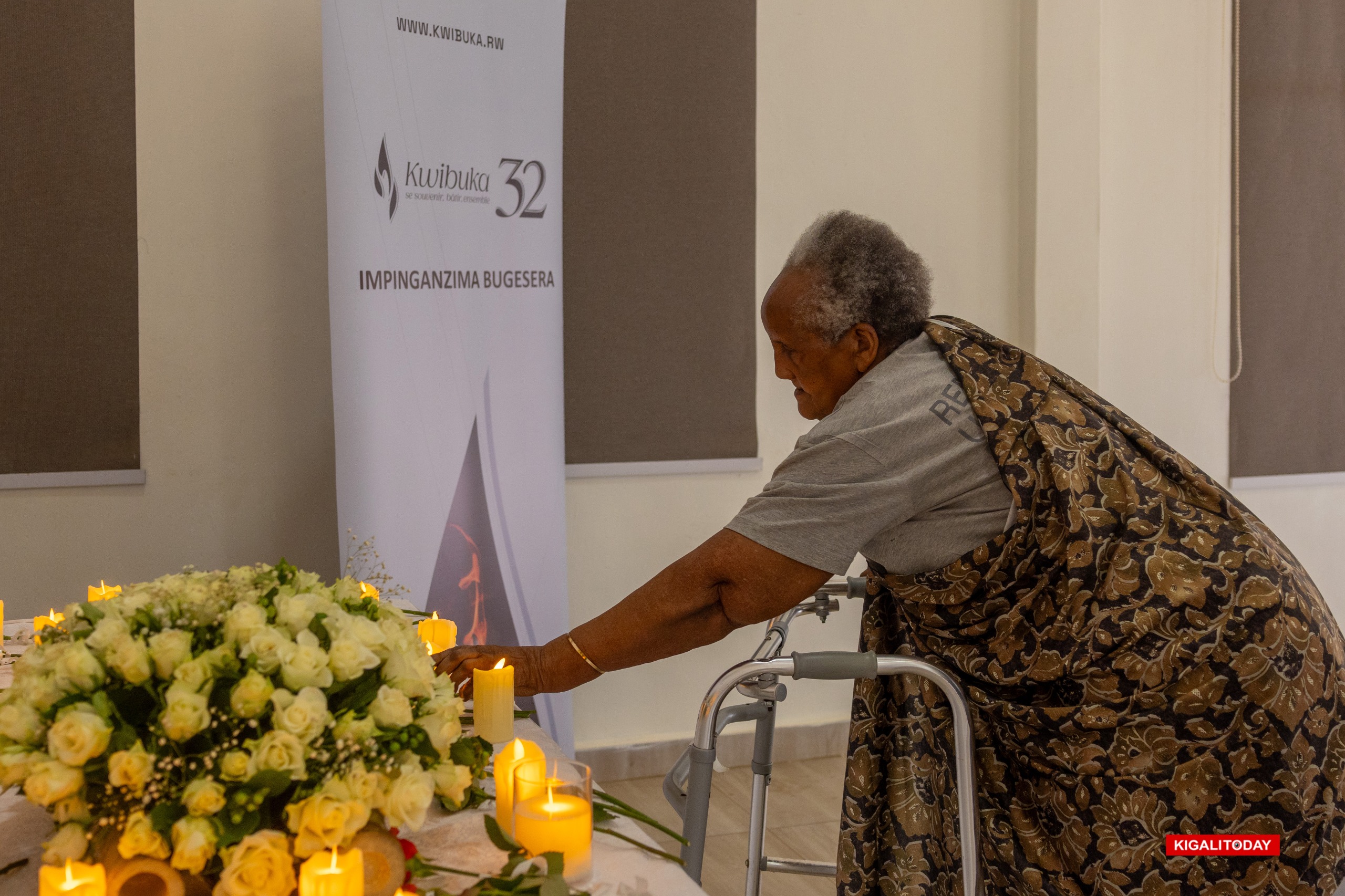
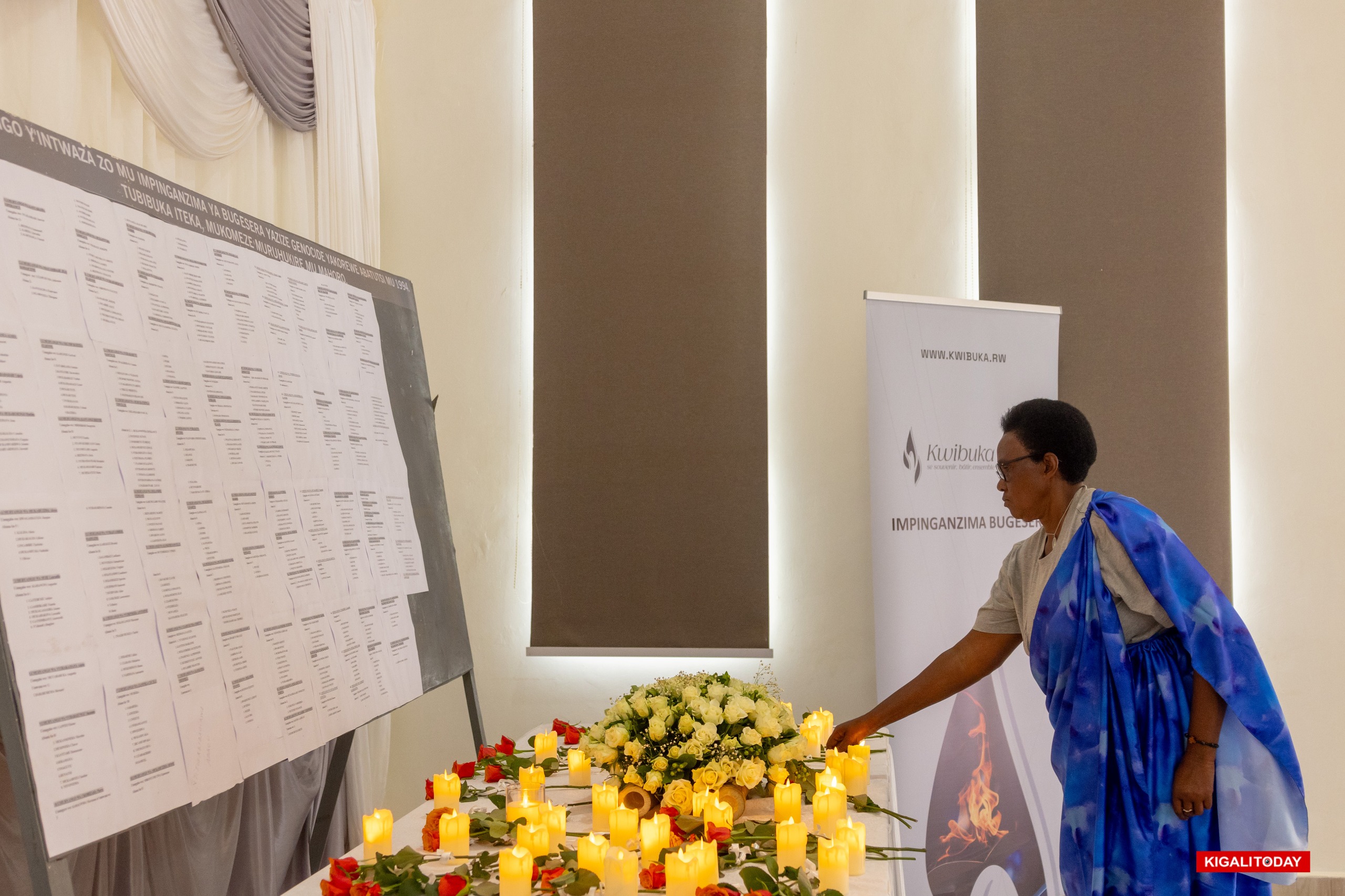
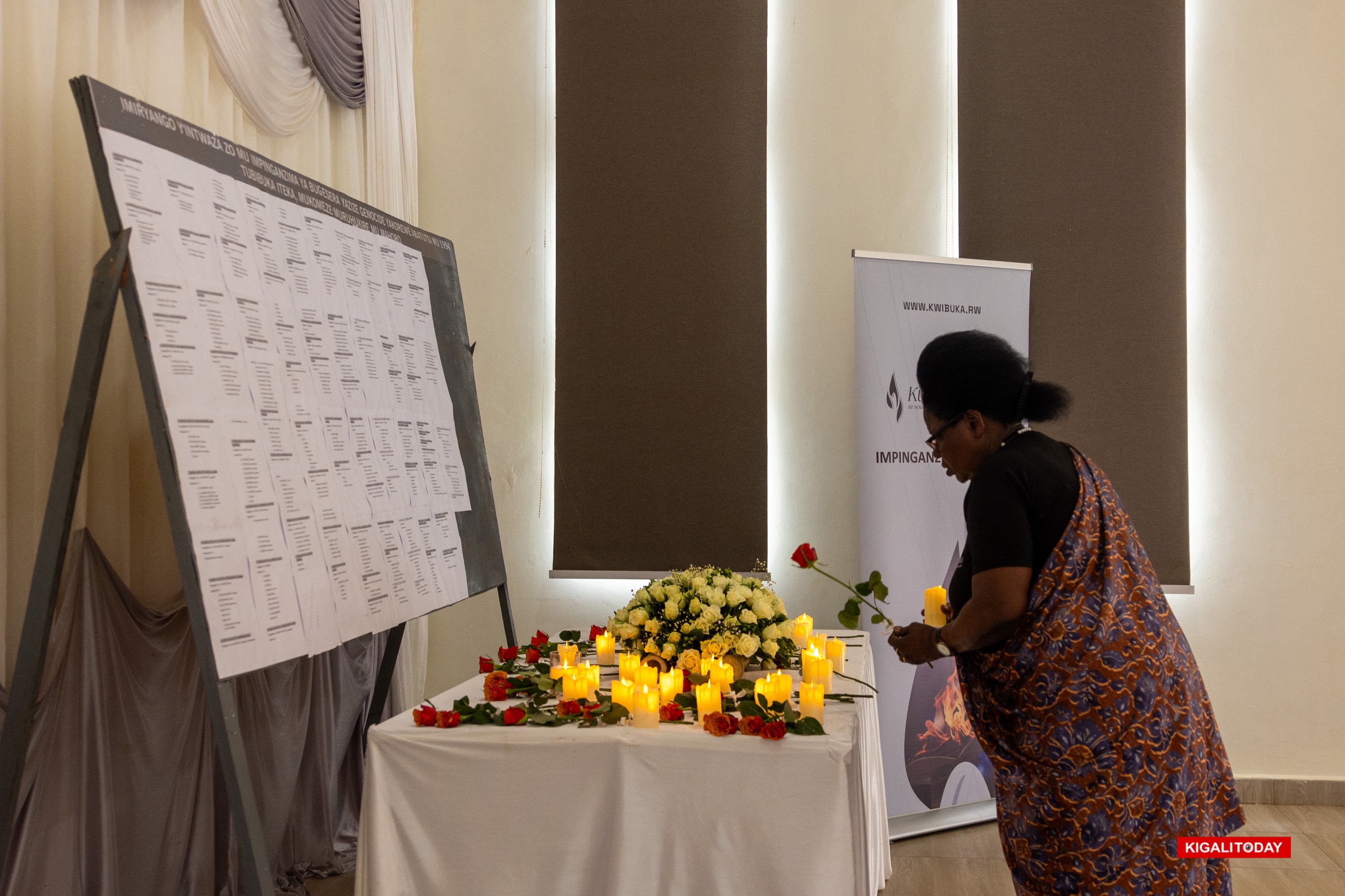
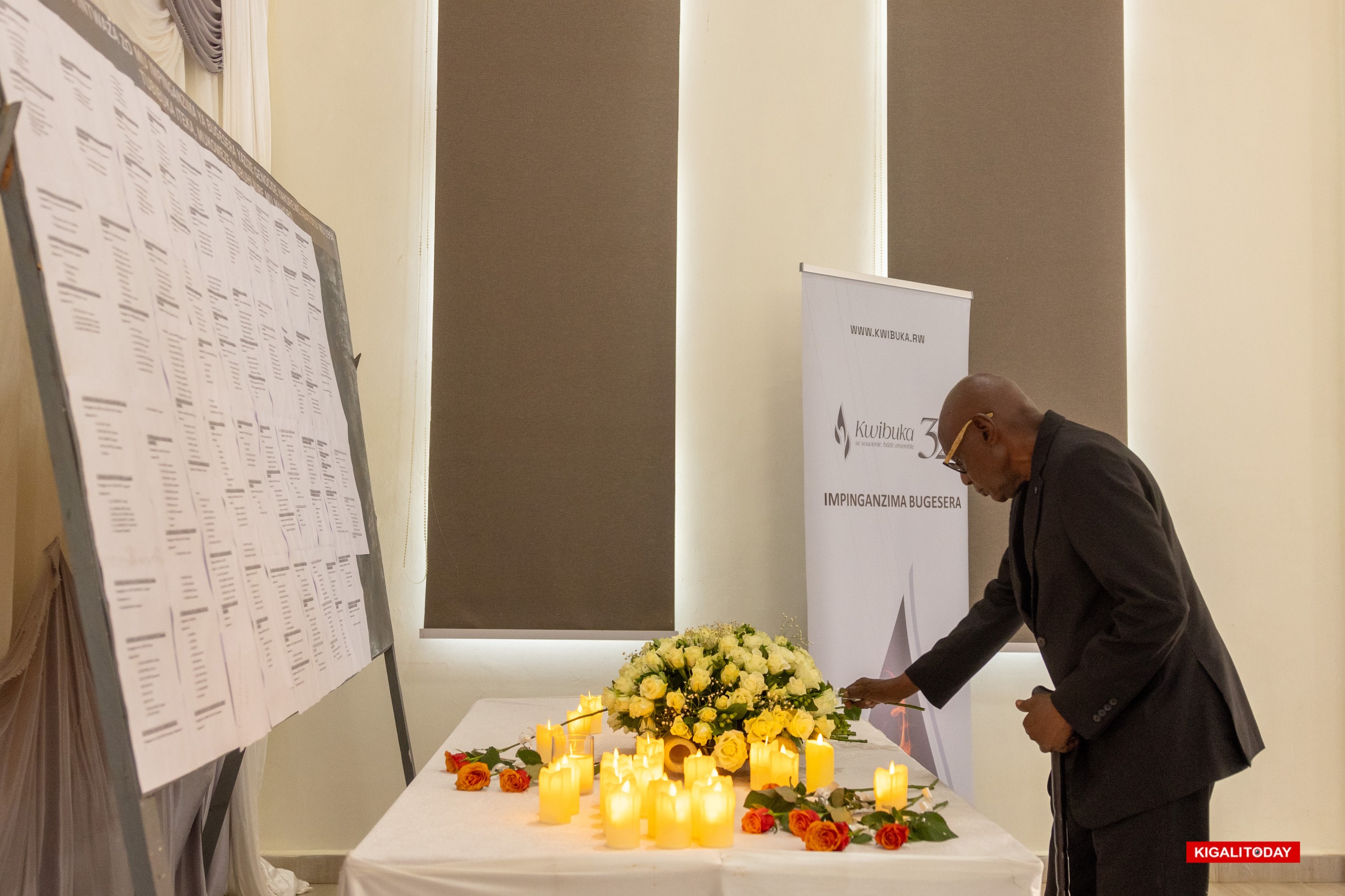
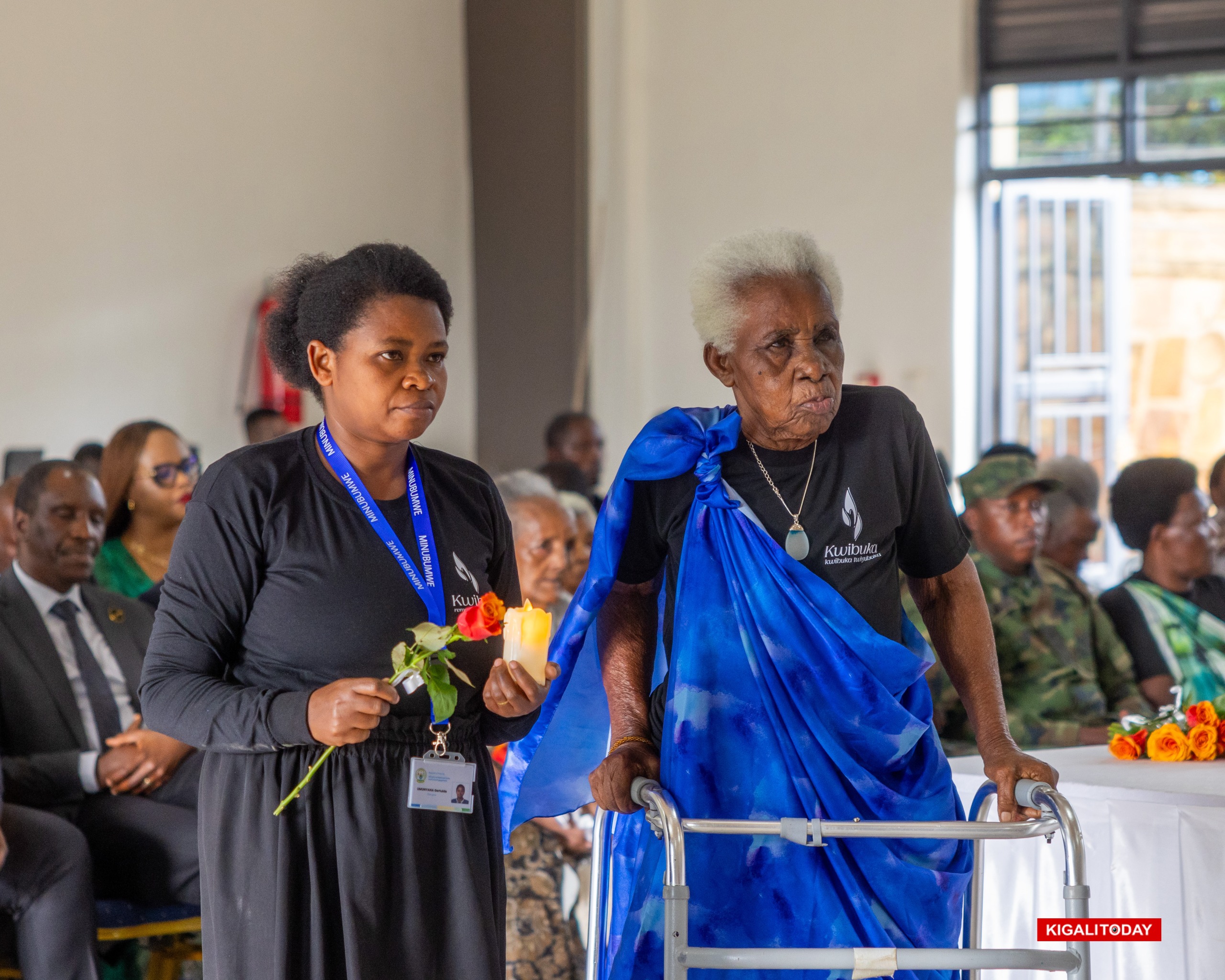
During the commemoration, the names of more than 500 genocide victims whose surviving family members now live in Bugesera were read aloud. Family representatives held flameless candles, which they placed on a table beneath a wall inscribed with many of the victims’ names.
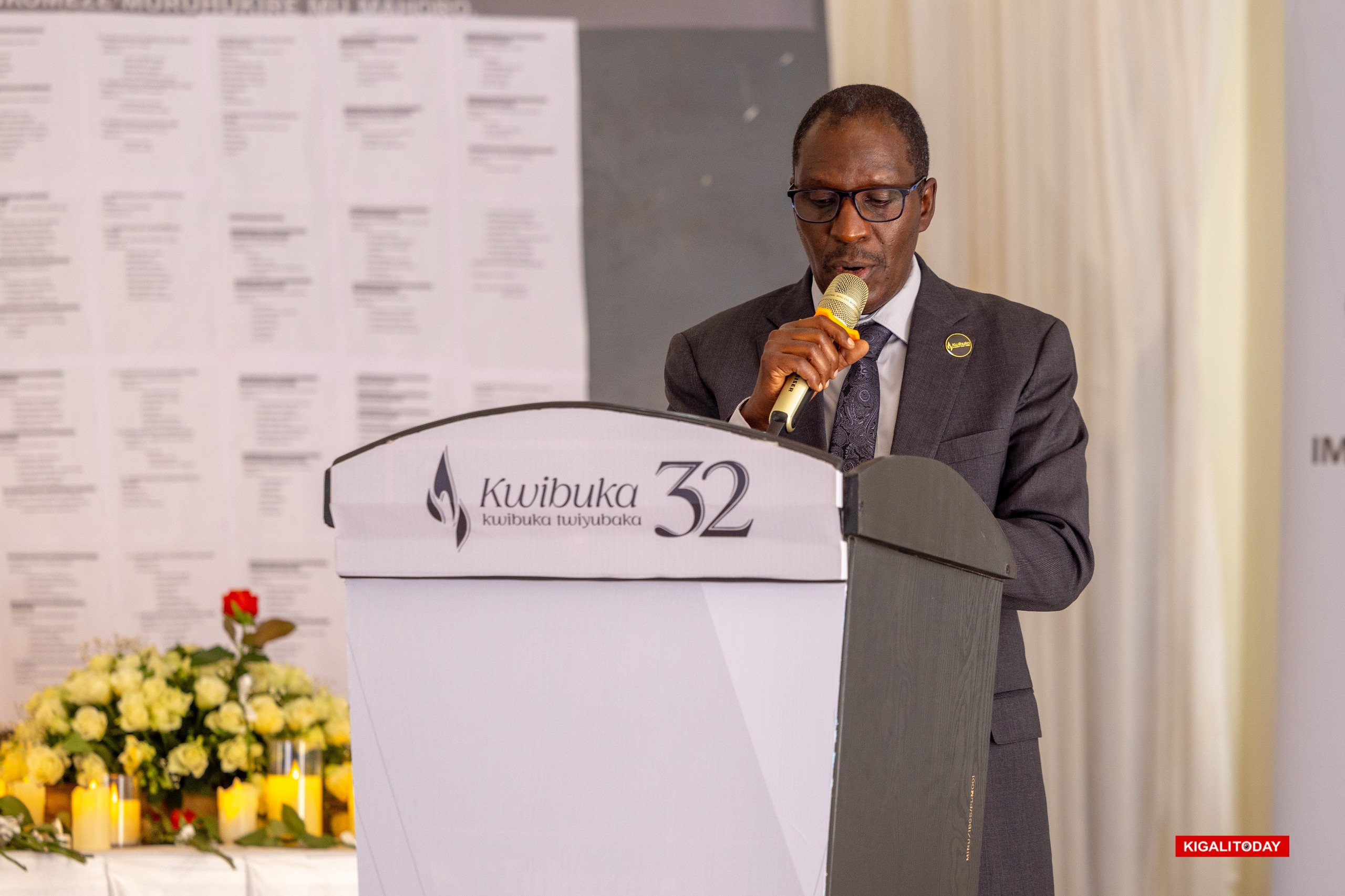
Representing the Ministry of National Unity and Civic Engagement (MINUBUMWE), Theoneste Rutayisire, Executive Director in charge of Research and Policy Development, highlighted the status of the hostel’s occupants. Aged between 58 and 98 years, including six men, the residents come from different districts across the country and live together while learning various life skills.
Rutayisire thanked Unity Club Intwararumuri for its continued support throughout the year, particularly during festive seasons and commemoration periods.
“Genocide perpetrators intended to wipe you out, but we are grateful that you have resisted through your resilience,” he said.
Speaking on behalf of the Club, Intwararumuri Julie Uwamwiza emphasized that all Rwandans have a responsibility to care for survivors. She noted that even after 32 years, the effects of the genocide remain visible, underscoring the importance of commemoration to honor victims and build hope for survivors.
“Your heroism in persevering and not giving up gives us the courage to be strong, strive to be better people, and brings pride to our country,” she said.
She added that the Club stands with survivors and reassured them of continued national support.
Quoting Rwanda’s First Lady, the founder and chairperson of the Club, Uwamwiza highlighted the importance of resilience among Rwandans, noting that the strength of survivors gives the country renewed hope to rebuild and carry forward the legacy of the victims.
Addressing ongoing concerns about genocide ideology, denial, and hate speech in the region, she called on Rwandans to take a firm stand against such practices. She also urged citizens to support hostel residents by standing with them and offering assistance where needed.
She further called on young people to reject genocide ideology and avoid being used by those seeking to destabilize the country.
Although many elderly survivors still remember the names and number of family members they lost, others struggle to recall details. However, the memory of their loved ones—killed because of their ethnicity and identity during the genocide that claimed over one million lives—remains deeply ingrained.
Keeping Memory with Resilience:
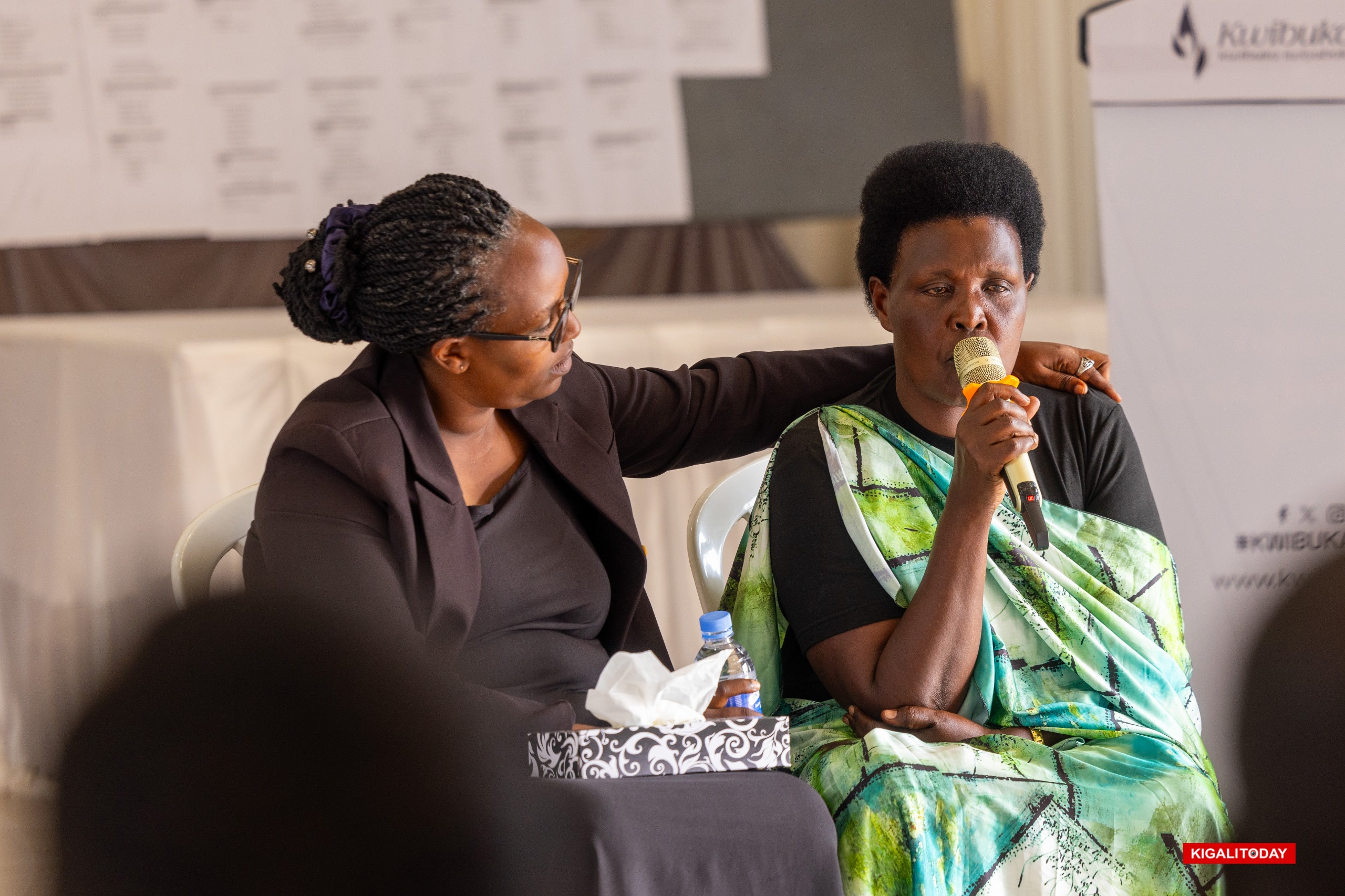
One of the Intwaza, Pelagie Mukakamanzi from Ruhango District, Ntongwe Sector, shared a powerful testimony of her experiences during the 1994 Genocide against the Tutsi. She recounted being repeatedly raped and witnessing the killing of most of her nine children and her husband.
“Before the plane was shot down, a leader named Kagabo had already begun organizing attacks, hunting people from place to place. As soon as the plane was shot down, the killings began,” she said.
“The people we lived with turned into animals. They showed no mercy. Those we shared food and livestock with turned against us and killed us,” Mukakamanzi recalled.
“They killed my children and my husband while I was watching. I escaped and hid in the bushes, living among snakes while injured and unsure where to go,” she added.
After days of fleeing attackers, including individuals who knew her family, Mukakamanzi described how she managed to avoid further abuse by telling one of her attackers that she was infected with a sexually transmitted disease—a claim that deterred him.
She also recounted how an elderly man, whom she initially feared would harm her, instead protected her and arranged for his wife to help her escape before militia members could find her.
Mukakamanzi said she was ultimately rescued by Rwanda Patriotic Front (RPF Inkotanyi) fighters, who stopped the genocide and took her to Ruhuha, where she received medical care and support.
“I am deeply grateful to the RPF Inkotanyi. They were young but valued human life. They cared for us, gave us clothes, and restored our hope. That is how I survived,” she said.
Reflecting on the importance of remembrance, Mukakamanzi urged young Rwandans to learn from history and act differently from those who participated in the genocide.
“Remembering means valuing our history and ensuring that such tragedy never happens again,” she said.
Another elderly male survivor called on current leaders to reflect on the legacy of past leadership, referencing former leaders such as Gregoire Kayibanda and Juvenal Habyarimana, and questioning narratives that were used to divide Rwandans by labeling some as outsiders.