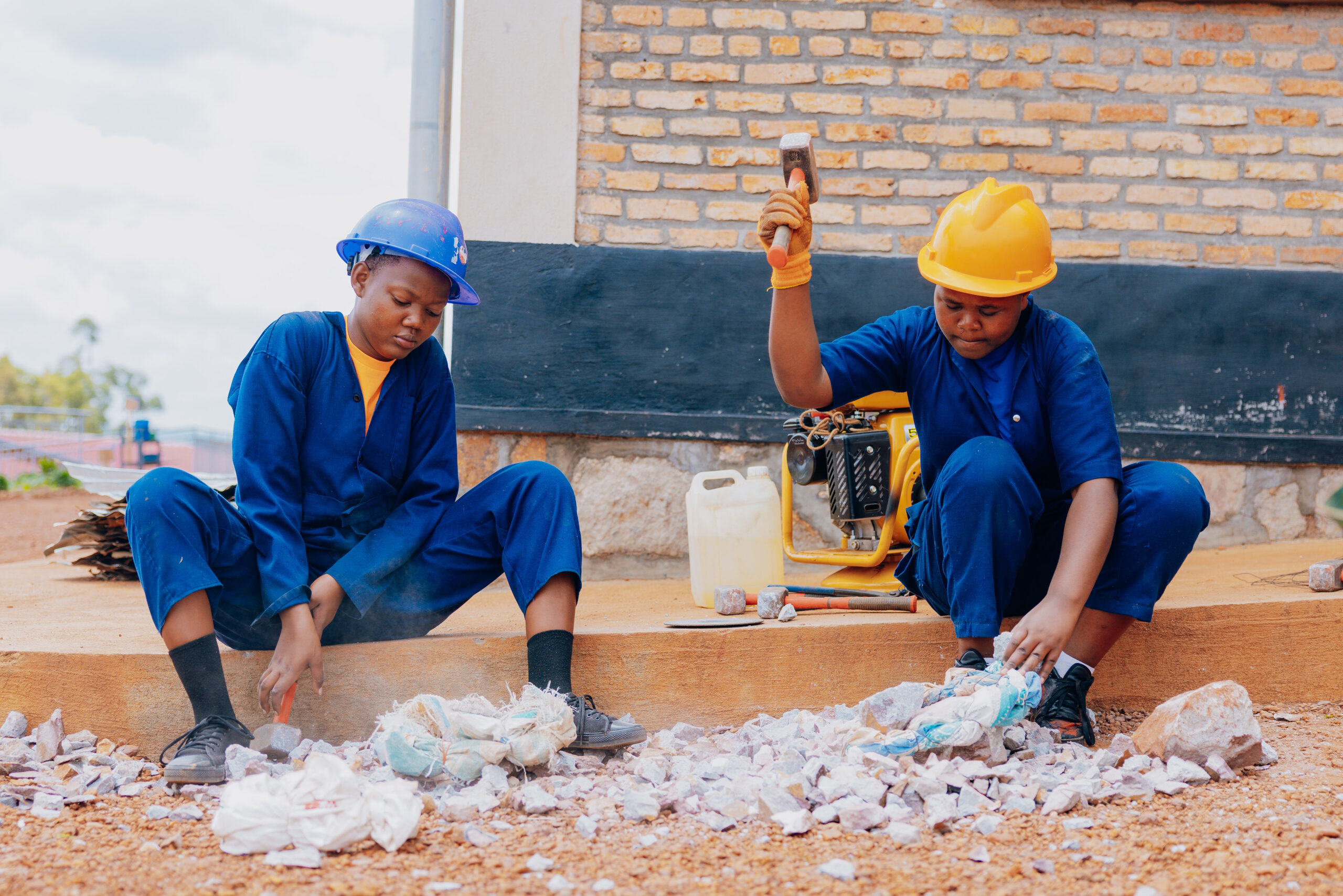
Part of the financing will open TVETs to refugees, bring them.close to their areas – so refugees dont live on dependency forever
KIGALI — Rwanda’s Cabinet has approved a new financing agreement that will allow a major refugee support program to continue, bringing more schools, roads, health facilities and jobs to communities that host refugees across the country.
The decision, approved on Monday, covers the second phase of the Jya Mbere Project, a program that supports both refugees and the Rwandan communities living alongside them.
While refugee programs are often associated with food aid and emergency assistance, Rwanda’s approach has focused on something different: investing in the areas where refugees live so that local residents benefit as well.
Rwanda currently hosts nearly 140,000 refugees and asylum seekers, most of them from the Democratic Republic of Congo and Burundi. Many live in camps located in districts that already face development challenges.
Rather than directing support only to refugee camps, the government and its partners have been investing in infrastructure that serves everyone.
That means building classrooms, improving roads, expanding access to clean water, supporting health facilities and creating employment opportunities in refugee-hosting districts.
According to the World Bank, the second phase of the project is expected to reach about 380,000 people, including 115,000 refugees and 265,000 members of host communities.
The project is backed by US$66.7 million (about Rwf80bn) in financing.
Government says the money will help improve schools, health centres, markets, roads and water systems while also creating more than 10,000 jobs through public works and support to small businesses.
Some of the investments are already visible.
In Kirehe District, the project supported the construction of Bukora TVET School, which can accommodate up to 500 students and provide vocational skills training for young people.
Other investments have included classroom construction in refugee-hosting districts to reduce overcrowding and improve access to education.
The project will also support road rehabilitation in Gatsibo and Kirehe districts, helping farmers and traders reach markets more easily.
Government officials say the idea is simple: when refugees arrive in a community, local residents should also benefit from new investments rather than carrying the burden alone.
The approach is gaining attention because it looks beyond immediate humanitarian assistance and focuses on improving living conditions for entire communities.
For refugees, that can mean better access to services and opportunities to become more self-reliant. For local residents, it can mean better infrastructure, more jobs and stronger local economies.
The Cabinet’s approval this week ensures that the program will continue expanding these investments in some of Rwanda’s most vulnerable districts.
At a time when many countries are struggling with how to respond to growing numbers of displaced people, Rwanda is continuing a model that links refugee support with community development, aiming to improve life both inside and outside refugee camps.