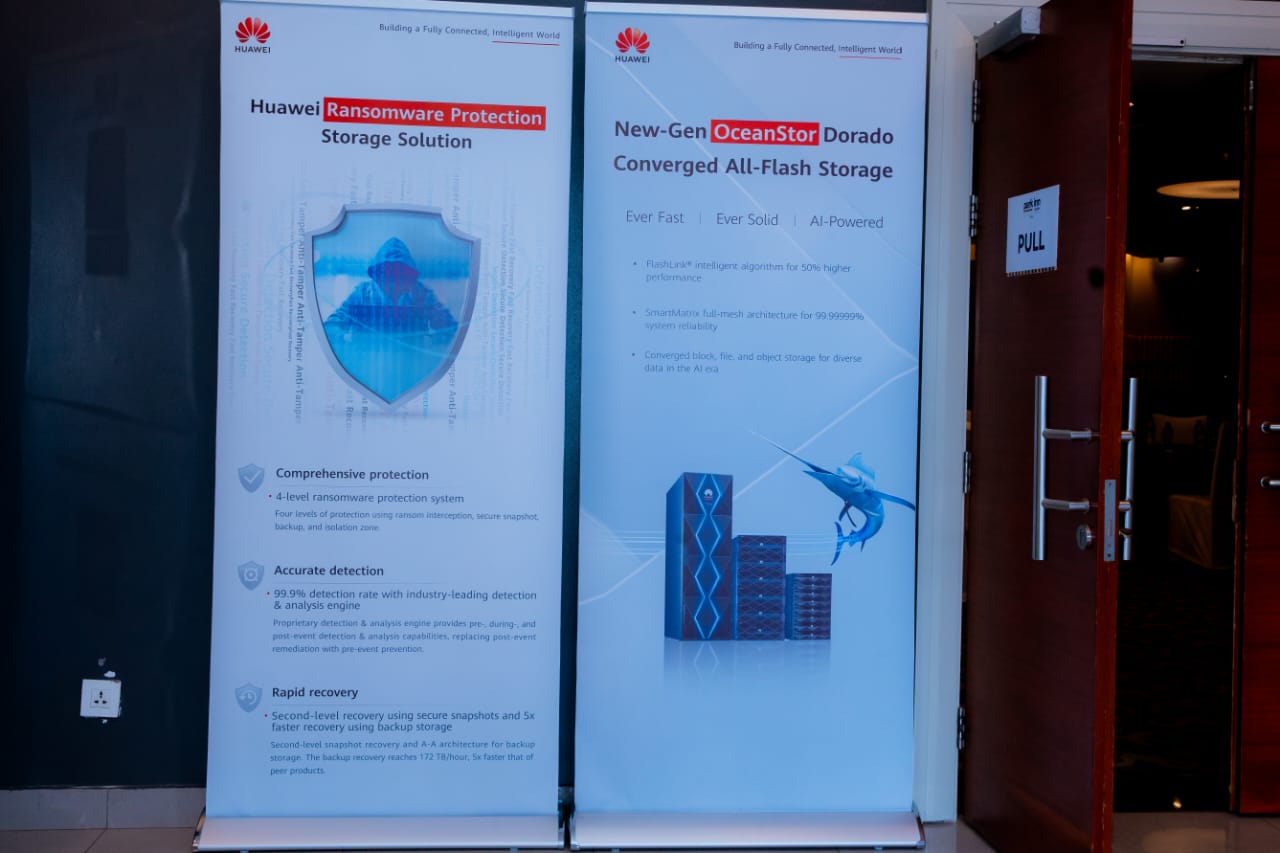



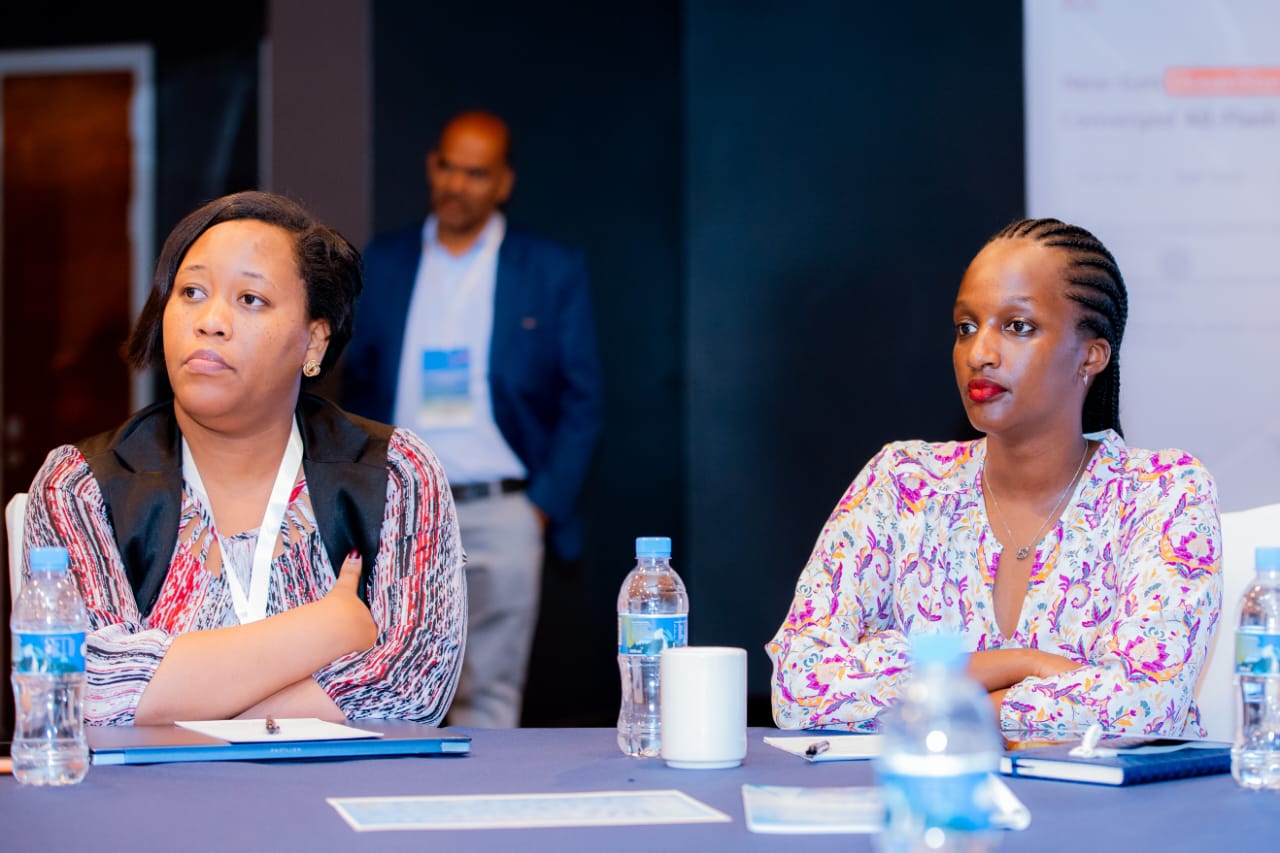
A cross-section of participants at the forum held this Thursday, June 4, 2026
KIGALI — For more than two decades, Chinese tech conglomerate Huawei has been part of Rwanda’s digital transformation story.
The company helped expand connectivity, strengthen information and communications technology infrastructure, and support Rwanda’s ambition of becoming a regional technology hub.
Now, as artificial intelligence begins reshaping industries around the world, Huawei believes the next chapter of that journey will be defined by intelligent technologies capable of transforming not only banking, but entire economies.
That vision was at the center of the Joint Transformation and Digital Banking Conference held in Kigali and organized by SYBL Rwanda Ltd in partnership with Huawei.
The gathering brought together technology leaders, business executives, financial institutions and digital transformation experts to examine how artificial intelligence, cloud computing and digital innovation are reshaping the future of business in Rwanda and across the wider East African region.
Building the Foundation for AI
Opening the forum, Gerald Oola, Industry Solution Manager at Huawei, outlined the company’s long-term vision of “bringing digital to every person, home, and organization for a fully connected and intelligent world.”
But Oola argued that artificial intelligence alone is not the starting point.
Before banks can fully embrace AI, he said, they must first build the infrastructure capable of supporting it.
“A modern bank simply cannot bolt artificial intelligence onto yesterday’s infrastructure and expect it to work,” Oola told participants.
“The institutions that will lead the next decade are the ones building a converged, cloud-ready foundation today — one that is AI-ready by design, so that when they are ready to deploy AI, the platform is already there to carry it.”

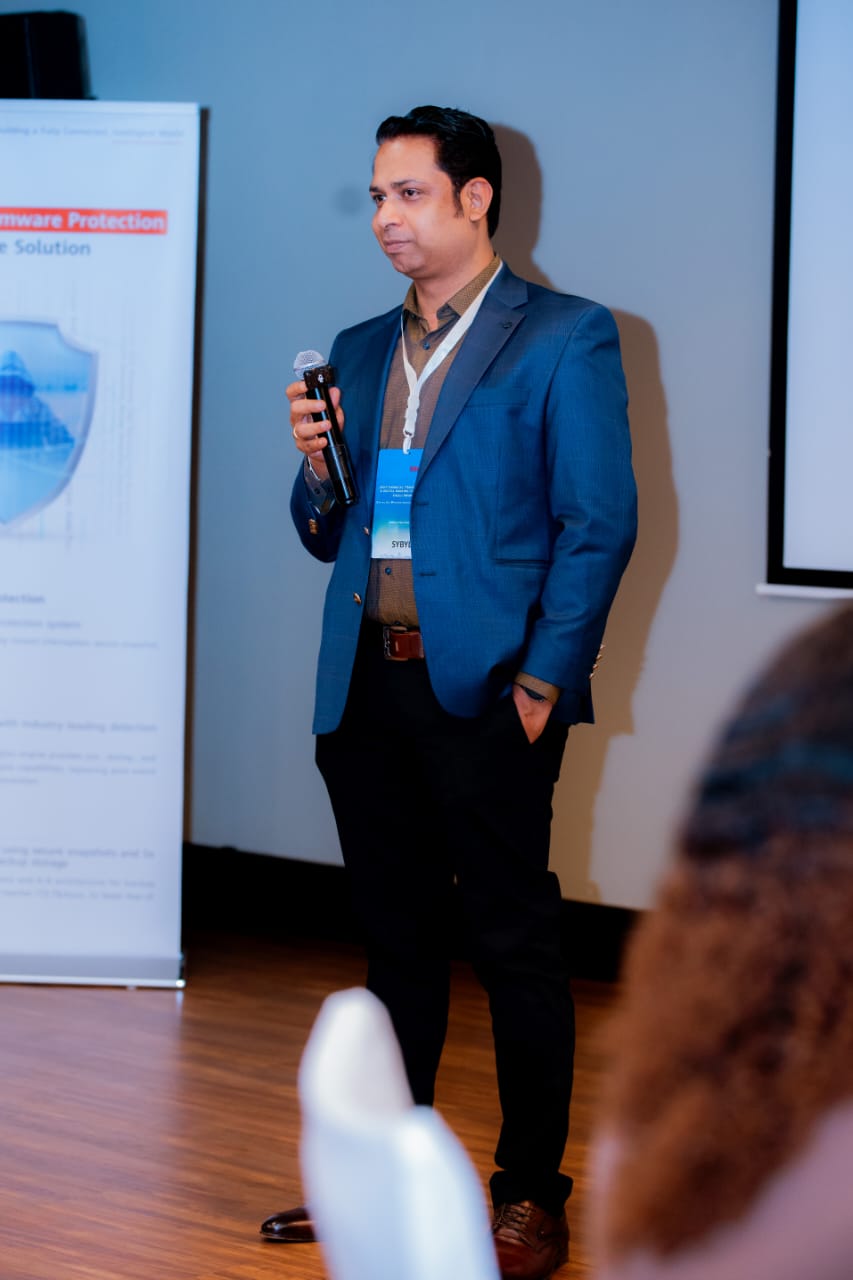
Gerald Oola, Industry Solution Manager at Huaweix speaking at the forum
Huawei’s approach, he explained, is designed to simplify what is often one of the most complex stages of digital transformation: migration.
“What gives banks the confidence to make that move is how we manage the migration itself: a simplified, proven process that has already shifted more than a million virtual machines worldwide, modernizing the foundation while the business carries on running without interruption.”
Banking’s Next Technological Shift
The message resonated particularly strongly with the banking sector, which is undergoing one of the most significant technological transitions in its history.
As customers increasingly expect faster, more personalized and more secure financial services, banks are turning to AI-driven solutions to improve customer engagement, strengthen risk management, detect fraud in real time and streamline operations.
The forum discussions highlighted a growing consensus among financial institutions that artificial intelligence is no longer an emerging technology but a strategic business tool capable of enhancing competitiveness and delivering better customer experiences.
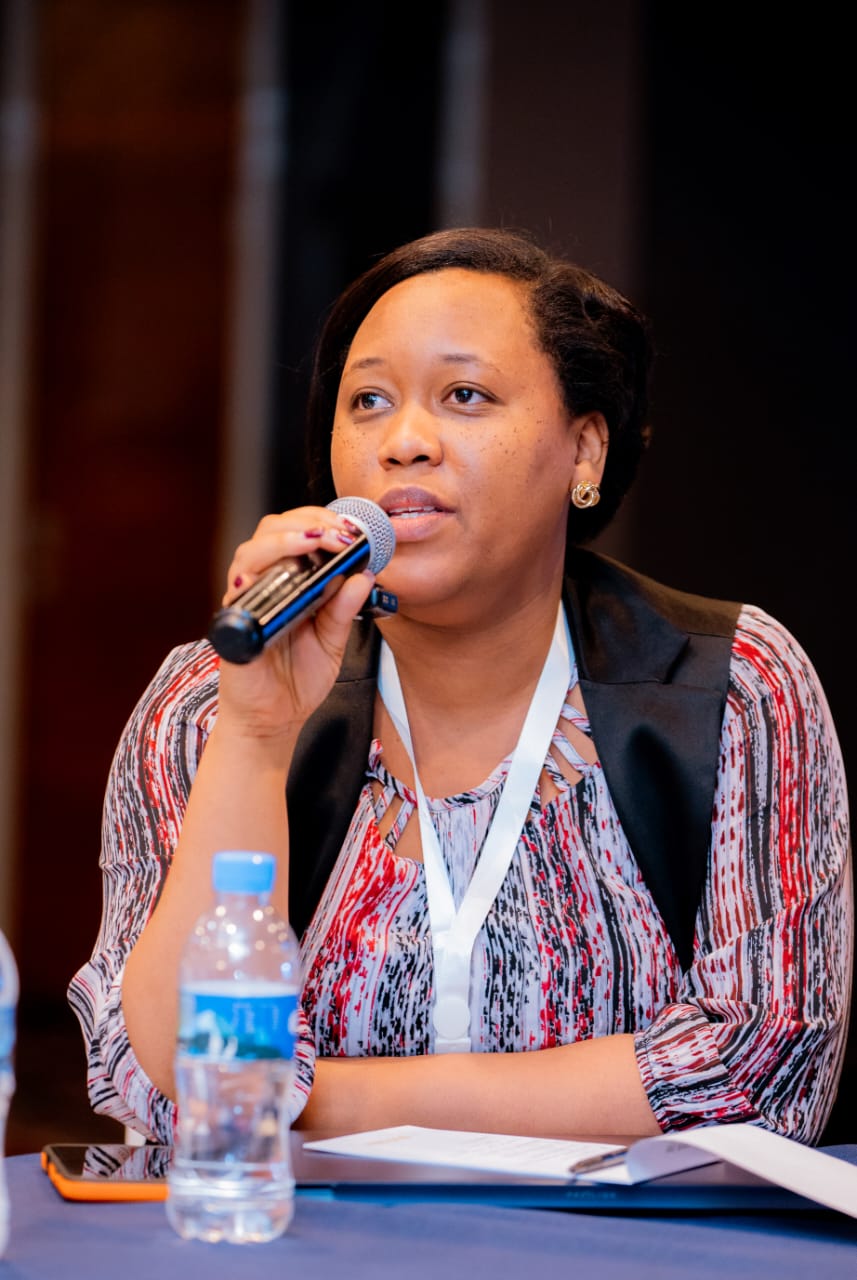
Institutions that successfully integrate intelligent technologies into their operations, participants noted, are expected to be better positioned to meet evolving customer expectations while driving sustainable growth.
Designing for Resilience
Yet digital transformation, Oola argued, cannot succeed without resilience.
“For a bank, downtime is no longer an IT inconvenience — it is lost revenue, regulatory exposure, and, most damagingly, lost customer trust that can take years to rebuild,” he said.
Huawei’s answer is what the company calls the “four zeros”: zero downtime, zero trust, zero touch and zero wait.
“The goal is concrete and measurable — recovery in under fifteen minutes and zero data loss — so that when something fails, and eventually something always does, the customer never even notices.”
The Growing Cybersecurity Challenge
The emphasis on resilience comes at a time when financial institutions face growing cybersecurity threats, particularly ransomware attacks that have disrupted banks and businesses around the world.
According to Oola, traditional backup systems alone are no longer sufficient.
“Backup alone is not protection,” he said.
“The threats facing financial institutions today are too sophisticated for a single line of defence, so we protect at every layer — blocking known attacks before they enter, using behavioural analysis to catch the unknown ones in the act, and keeping a verified clean copy of the bank’s data isolated behind a physical air gap.”
“The real test of any security solution is not whether it can keep attackers out forever, but whether the institution can always recover and keep serving its customers. That assurance is what we set out to deliver.”
Twenty Years of Investment in Rwanda
For Huawei, the conversation is backed by more than 20 years of experience in Rwanda.
During that period, the company has established itself as a long-term technology partner supporting the country’s digital development agenda. Its continued presence reflects what it describes as a foundation built on resilience and reliability — qualities that have become increasingly important as governments, businesses and financial institutions depend more heavily on digital infrastructure.
The company also emphasized its commitment to local talent development.
A significant portion of Huawei’s workforce in Rwanda consists of Rwandan professionals, and the company says it has continued investing in training programs, skills development initiatives and knowledge transfer efforts aimed at strengthening local ICT capacity and supporting the growth of Rwanda’s digital ecosystem.
Beyond Banking
While banking remained a central focus of the conference, discussions extended far beyond the financial sector.
Participants explored how intelligent technologies are transforming telecommunications, healthcare, education, government services, manufacturing, retail and logistics.
In healthcare, AI-powered systems are helping improve diagnostics and patient management. Educational institutions are increasingly using digital platforms to enhance learning experiences and expand access to knowledge. Governments are adopting smart technologies to improve public service delivery, while businesses are turning to data analytics, automation and cloud solutions to improve efficiency and create new opportunities for innovation.
Building Intelligent Networks
The conference also highlighted the growing importance of intelligent networks in supporting digital economies.
“The financial network can no longer simply be ‘up,'” Oola said.
“It has to be agile, secure, and intelligent enough to understand every single transaction it carries.”
Using software-defined networking, he explained, banks can open new branches in minutes rather than months, guarantee performance for critical applications and dramatically improve bandwidth utilization.
“In practical terms, that means lower costs, faster expansion, and a customer experience that holds up at the busiest moments.”
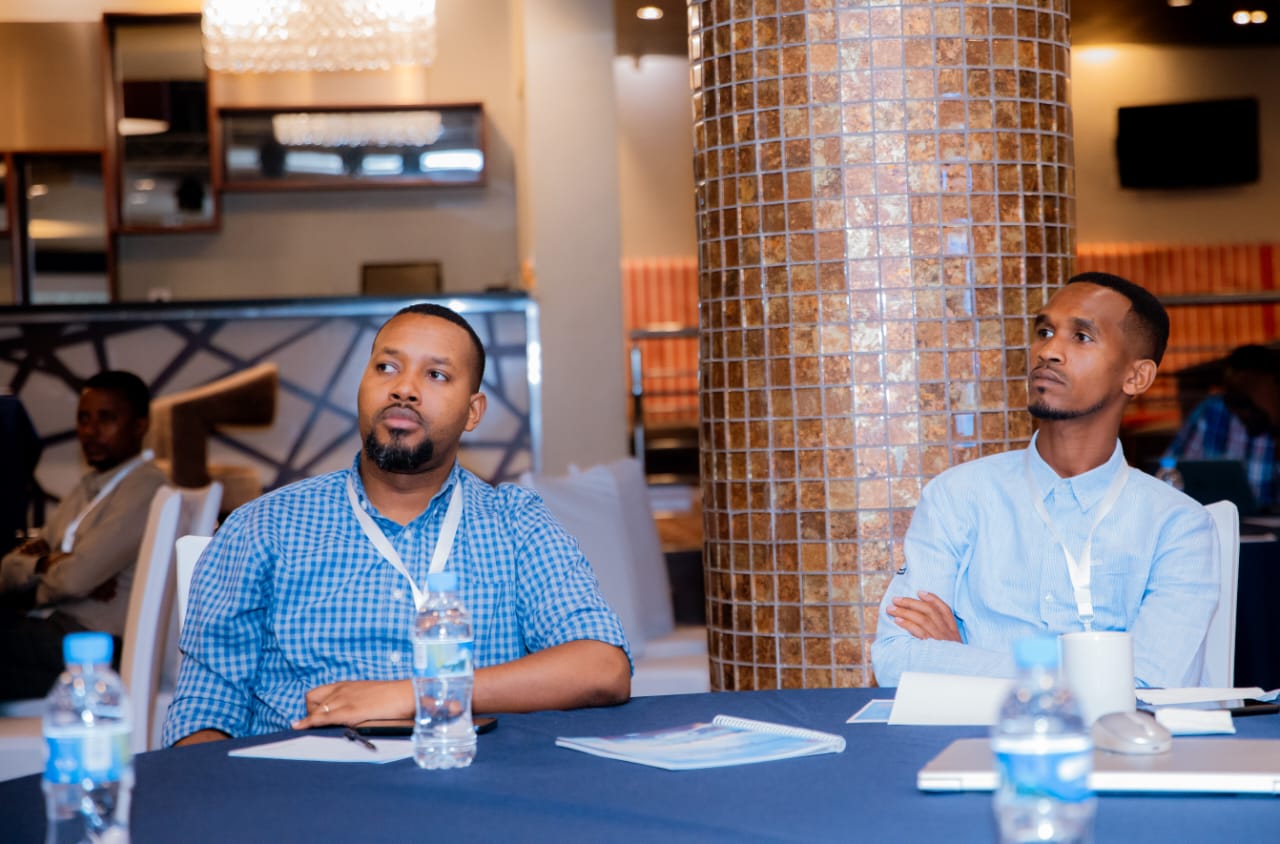
A cross-section of participants at the forum held this Thursday, June 4, 2026
Security in an AI Era
Security, he added, must remain invisible to customers while remaining uncompromising in its effectiveness.
“In finance, security has to be both invisible to the customer and absolute in its effect.”
Huawei’s AI-powered systems, he said, are capable of detecting 95 percent of previously unknown threats, while technologies such as Wi-Fi Shield are designed to prevent sensitive information from being intercepted.
“The result is end-to-end protection that follows the data from the branch counter all the way to the cloud, so that customer information and transactions stay secure at every step of the journey.”
Looking Beyond Rwanda
Huawei’s confidence in intelligent transformation is rooted in its global experience.
The company highlighted its position as the world’s second-largest player in the virtualization market and pointed to more than 18 years of sustained investment in research and development. Today, Huawei serves more than 15,000 customers worldwide through solutions spanning connectivity, cloud computing, data centers, cybersecurity and digital infrastructure.
The discussions in Kigali also reflected broader trends emerging across the East African Community, where governments and private-sector organizations are accelerating investments in digital infrastructure, digital skills, cloud technologies and intelligent services.
Across the region, Huawei has played an active role in supporting those efforts through strategic partnerships focused on connectivity, innovation and sustainable digital growth.
A Message to Africa’s Banks
Before concluding, Oola delivered a direct message to financial institutions across the region.
“You do not have to take this journey alone,” he said.
“Huawei brings three decades of data-centre experience, global leadership in storage and networking, and a proven track record with financial institutions right across Africa — from East Africa to the continent’s largest markets.”
“Digital transformation is genuinely hard, and the stakes for any bank are high. But with the right partner beside you, it is entirely achievable. We have the technology, the expertise, and the local teams on the ground, and we stand ready to fully support every institution that chooses to transform.”
The Next Era of Transformation
The message emerging from Kigali was clear: the future of banking, business and public services will be increasingly intelligent, connected and data-driven.
After more than 20 years of contributing to Rwanda’s digital journey, Huawei is positioning itself not only as a technology provider, but as a partner seeking to help shape the country’s next era of transformation — one powered by artificial intelligence, innovation and a commitment to building what it calls a fully connected intelligent world.

A cross-section of participants at the forum held this Thursday, June 4, 2026