



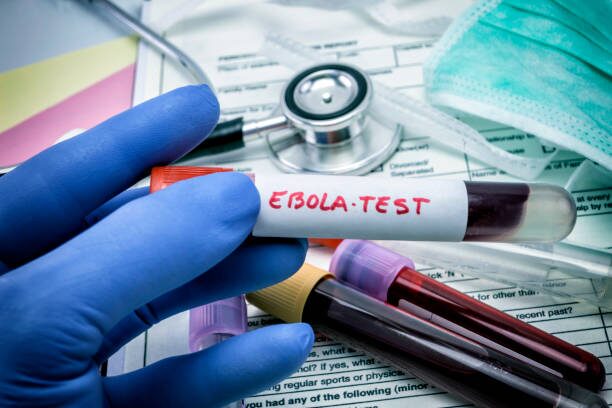
A proposed plan to quarantine American citizens exposed to the current outbreak of the Ebola virus has been met with horror and incredulity, both in Kenya and the USA. Now, a Kenyan court has put a hold on a scheme that managed to unite Kenyans and Americans in opposition to it.
With a number of African countries signing health agreements with the USA, however, might this be a sign of things to come?
It would have been intriguing to have been a fly on the wall as members of the Trump administration discussed what must have seemed like a light bulb moment: a decision to quarantine Americans infected with or at risk of contracting the Ebola virus in Kenya.
“We cannot and will not allow Ebola into the United States…” the American Secretary of State, Marco Rubio, announced to the media. He explained that the administration was determined to restrict the disease at its source, but did not mention the agreement with Kenya, which took both nations by surprise.
The agreement—or as the Americans prefer to describe almost every agreement, “the deal”—was to quarantine any American citizen who may have been exposed to the virus. If they contracted it, they would be treated in a third country, keeping them out of the USA.
Secret Facilities and Immediate Legal Backlash
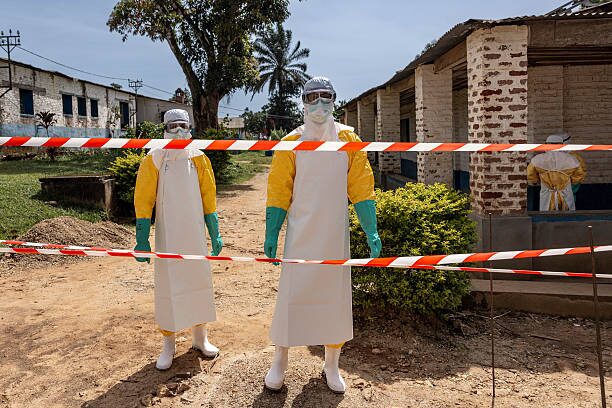
An especially constructed fifty-bed centre had already been completed at an airfield in Laikipia. Over thirty officers from the US Public Health Service were flown to Kenya after a brief three-day training in Washington. According to an American official, the British government had also expressed interest in using the centre.
When Kenya’s own medical professionals got wind of the uncommunicated scheme from a journalist, they raised the alarm. There followed near-universal condemnation in Kenya, alongside strong opposition from some within America’s own Centers for Disease Control and Prevention (CDC).
The Katiba Institute, which campaigns for constitutional implementation and rights in Kenya, successfully petitioned the court to halt the opening. The centre was due to open last Friday, but activists argued it posed “grave and imminent risks” to the public.
The Kenyan High Court barred the opening of the centre and any transfer of patients exposed to Ebola from either the USA or any other country. The block remains in place until the case is officially heard on the 2nd of June.
The Kenya Medical Practitioners, Pharmacists and Dentists Union (KMPDU) threatened to go on strike if the plan is implemented. They argued that the arrangement risks bringing the virus to Kenya at a time when the country’s healthcare system is barely prepared to respond to such an emergency.
Speaking to the media, Dr. Clarence Ebose argued that as a zoonotic virus, there was a risk it could stay incubating in wildlife. This could cause it to spread to Kenyans long after the foreigners have left.
“We will not sit back and watch Kenya be treated as a containment colony for a lethal pathogen that we did not generate… If it is too dangerous for America, it is too dangerous for Kenya…” declared KMPDU Secretary-General, Davji Bhimji Atellah.
Kenya has never recorded a single case of Ebola since the virus was first identified in 1976.
Sovereignty Clashes and Flawed Care Standards
Some inside America’s CDC deplored the scheme. They argued that while Kenyan colleagues would no doubt perform at their best, they simply do not have the same level of specialized care available in America.
An Associate Professor of Public Health and Emergency Medicine at Brown University, who survived Ebola in 2014 while working in West Africa, saw the agreement as “the ramifications of an abdication of US leadership on the global stage.”
He added that there is no way the facility in Kenya, in a few days or even a few months, would be able to stand up the standards of care necessary to really take care of a very sick Ebola patient.
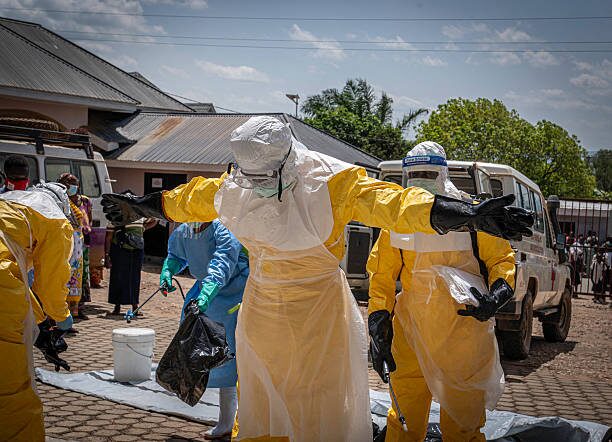
“Over the past decade, the only real good thing to come out of my illness was that we built and sustained a system of specialised treatment centres all around the United States that are capable of managing patients exactly like this,” he stated.
“Right now those are sitting empty, and it would be sad if they continued to sit empty when we have Americans that need this type of specialised treatment… I think that they should be provided that treatment here at home…”
In a statement to diplomats, Kenya’s head of state, William Ruto, talked about discussions with America. He noted that both sides agreed on the importance of cooperation and avoiding isolationism, recognizing that public health threats do not respect borders.
“Kenya will continue to act transparently, responsibly, and decisively to protect lives while contributing to regional and global health security,” he added, notably leaving out any mention of the Laikipia centre.
Over twenty African countries, including Kenya, have signed health agreements with the United States. Critics have condemned these deals as one-sided arrangements that ride roughshod over individual countries’ sovereignty.
The Kenyan High Court suspended Kenya’s own agreement in December of last year. Activists now fear that the Ebola quarantine centre is an alarming sign of what these broad health pacts will mean for every African nation that has signed them.
Regional Threats of the Unresponsive Bundibugyo Strain
The World Health Organization (WHO) has officially declared a global health emergency and advised countries to close their borders. The virus was first detected in the Bundibugyo district in Uganda on the 15th of May, right on the border with the Democratic Republic of Congo (DRC).
According to the WHO, there have been 906 suspected cases to date, resulting in 223 deaths. However, the true numbers are believed to be much higher because the outbreak was only detected after an unknown number of initial infections had already spread.
Cases continue to rise steadily. In the DRC, infections are heavily concentrated in the Ituri province, as well as across both North and South Kivu.
Much remains to be understood about the latest Bundibugyo strain of the virus, which does not respond to available treatments. It is currently restricted to the DRC and Uganda, though eight cases have now been confirmed in Uganda’s capital of Kampala.
In the DRC, the WHO is working closely with national authorities. In a bit of diplomatic understatement, the organization pointed to major “challenges in contact tracing and follow-up, insecurity, inadequate isolation, care, and referral systems for patients complicating response efforts.”
Despite those massive challenges, response measures are underway. National authorities and the WHO are deploying rapid response teams, delivering medical supplies, strengthening local surveillance, confirming laboratory data, and setting up optimized treatment centers.
