


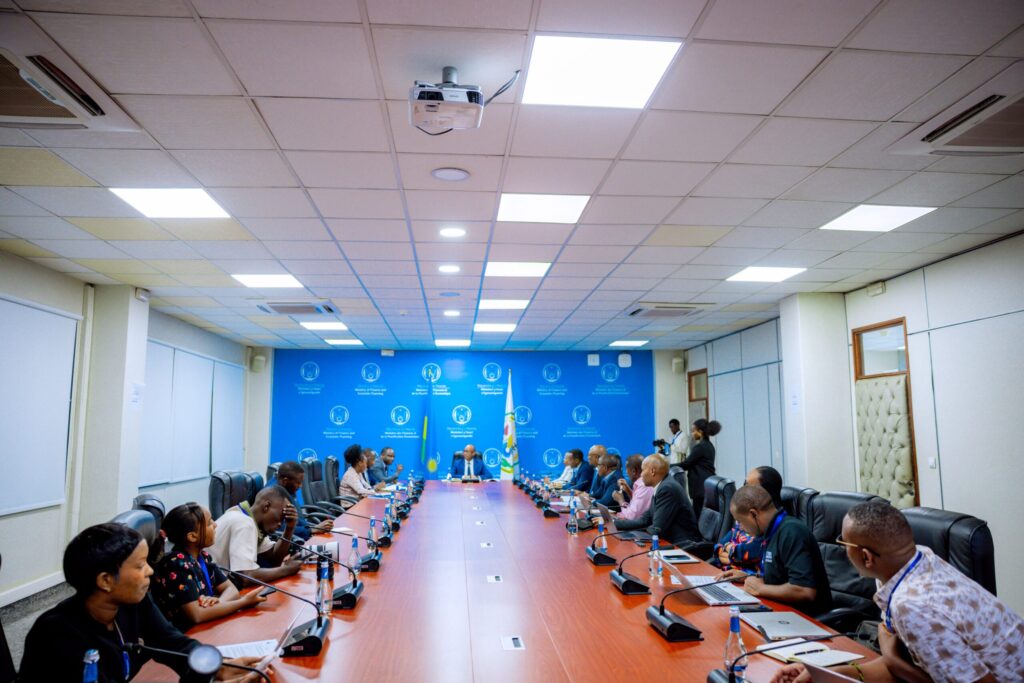
Members of the press during the official release of Rwanda’s Gross Domestic Product (GDP) estimates for the first quarter of 2026.
KIGALI – A steady improvement in the number of people getting back into work, stronger movement of goods in local markets, and rising activity across businesses are among the clearest indicators of Rwanda’s economic growth.
According to Finance and Economic Planning Minister Yusuf Murangwa, Rwanda’s economic progress is increasingly being felt in everyday life basing on what is happening in jobs, incomes, and how actively people are participating in the economy.
“We are seeing growth that is creating jobs and increasing revenues for the population. When unemployment falls and people are able to participate more in economic activity, that is one of the strongest signs that the economy is moving in the right direction,” Murangwa said.
His remarks came during the official release of Rwanda’s Gross Domestic Product (GDP) estimates for the first quarter of 2026.
Figures released by the National Institute of Statistics of Rwanda (NISR), in collaboration with the Ministry of Finance and Economic Planning indicate that the economy expanded by 10 percent compared to the same period in 2025.
A Labour Market Showing Clear Improvement
One of the strongest indicators highlighted during the briefing was the continued recovery in employment levels across the country. NISR data shows that unemployment, which stood at about 22 percent during the Covid-19 period, has now declined to around 11 percent.
NISR Director General Mwizerwa Jean Claude said the performance reflects a broader expansion of economic activity and increased participation in work across different sectors.
“The economy recorded strong and broad-based growth in the first quarter of 2026, driven by positive performance in industry, agriculture and services,” Mwizerwa said.
Officials say the improvement in employment remains one of the most important signs of whether growth is translating into real benefits for households.
The growth seen helps to create jobs and also increase revenues for the population. Even though expectations remain high among citizens, the direction of change is positive.
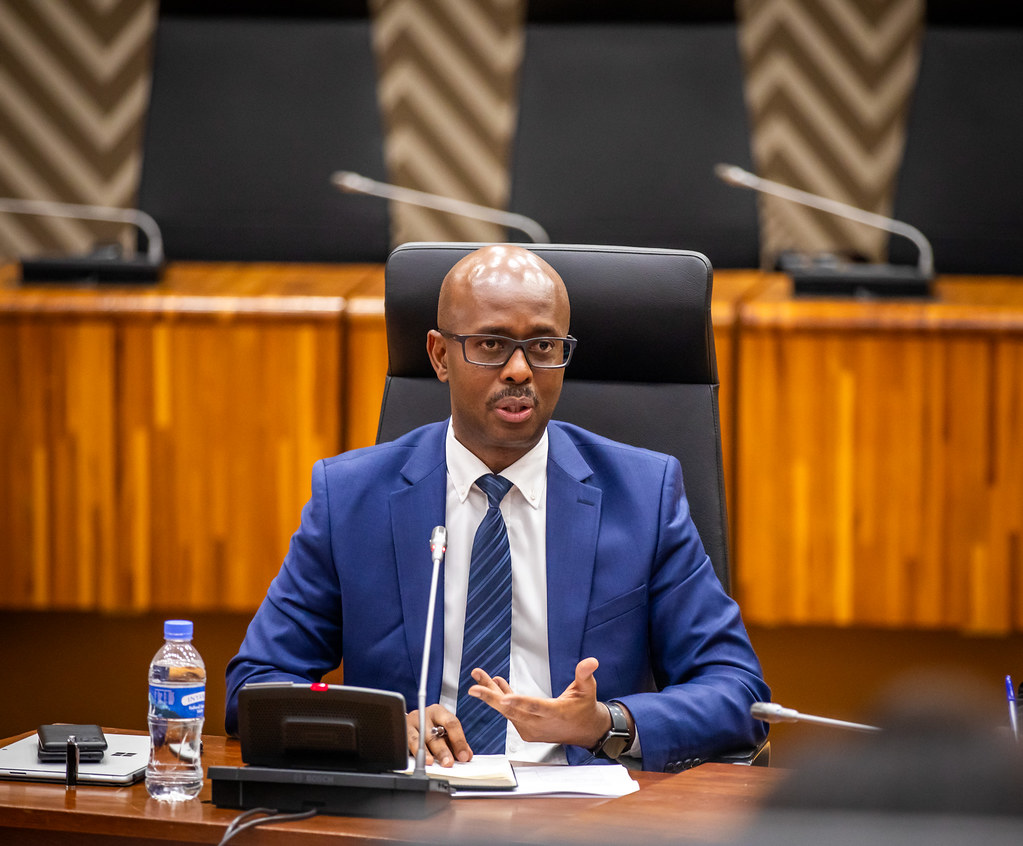
Finance and Economic Planning Minister Yusuf Murangwa says that Rwanda’s economic progress is increasingly being felt in everyday life.
Industry, Agriculture and Services Drive Growth
NISR figures show that the 10 percent growth recorded in the first quarter of 2026 was driven by strong performances across all major sectors of the economy.
Industry led with 13 percent growth, followed by agriculture at 8 percent and services at 7 percent, reflecting a broadly balanced expansion.
Within agriculture, export crops recorded strong growth of 39 percent, supported largely by coffee production, which increased by 86 percent compared to the same period last year. Food crop production also posted modest gains.
Industry performance was driven by mining and quarrying, which grew by 20 percent, construction at 11 percent, and manufacturing at 15 percent. Manufacturing growth was supported by increased production of metal products, machinery, chemicals, cement, bricks and other construction-related materials.
In the services sector, wholesale and retail trade increased by 11 percent, transport services also grew by 11 percent, while information and communication services recorded a strong 22 percent expansion. Hotels and restaurants, however, declined by 16 percent during the period.
NISR noted that the performance reflects broad-based growth across the economy rather than reliance on a single sector, with most productive activities registering positive movement during the quarter.
What Growth Feels Like Beyond the Numbers
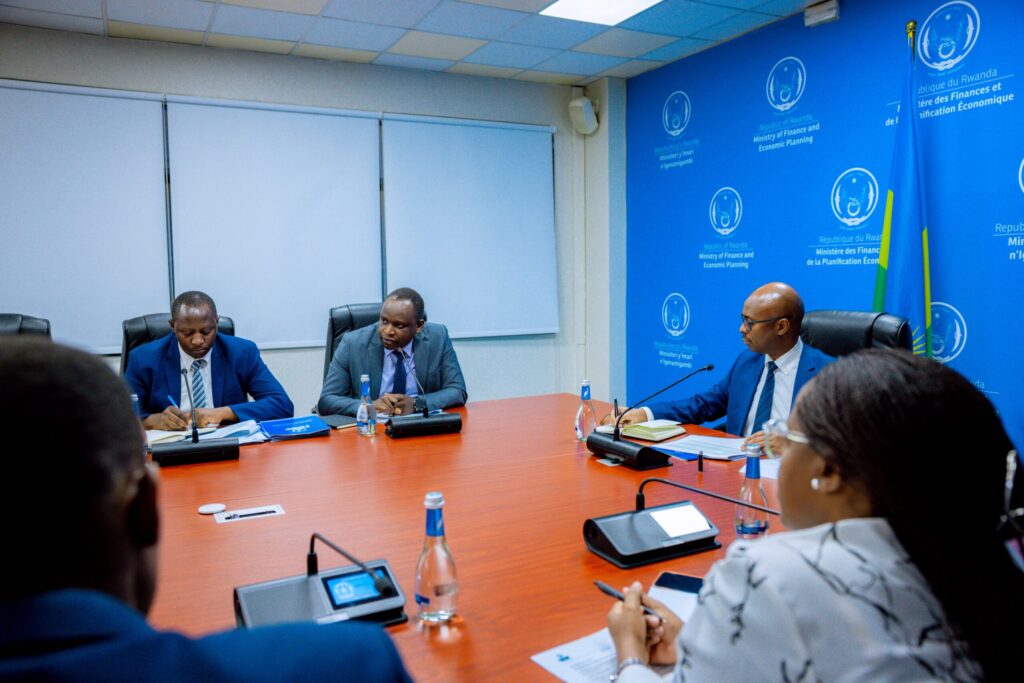
For Murangwa, one of the most telling signs of economic progress is not only production and output figures, but what is happening in everyday transactions between businesses and consumers.
“When wholesale and retail trade grows, it means people are buying more. It means businesses are selling more. That tells us that economic activity is expanding beyond statistics and into people’s daily lives,” he said.
He pointed to the steady rise in wholesale and retail trade, which increased by 11 percent, as an example of growing economic participation and improving household activity.
While acknowledging that citizens continue to expect faster improvements in living standards, Murangwa said the combination of falling unemployment, rising business activity and steady sectoral growth suggests that the economy is moving in a positive direction.
As Rwanda’s economy posted 10 percent growth in the first quarter of 2026, officials say the real measure of progress lies not only in the figures themselves, but in whether that growth continues to translate into improved livelihoods across the country.