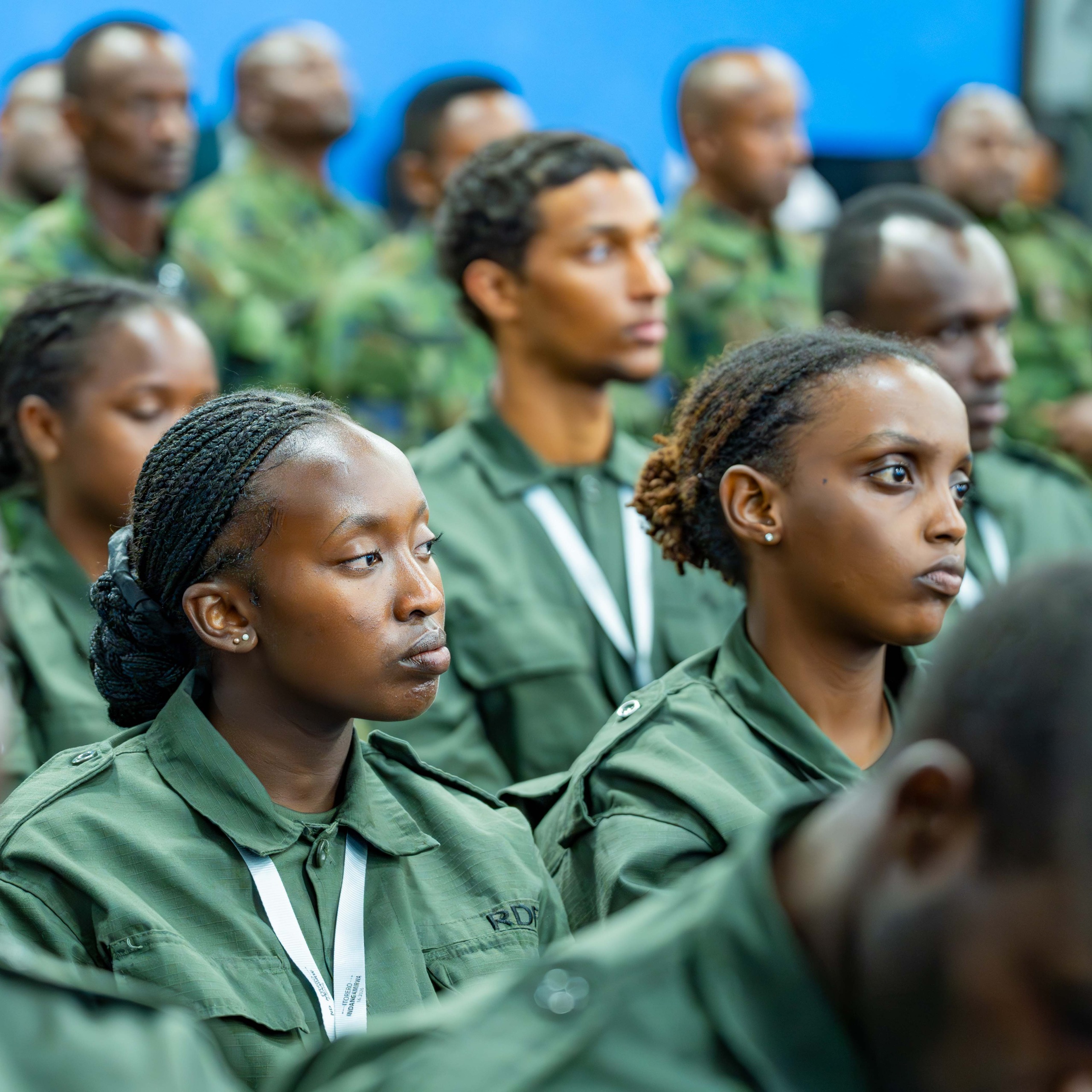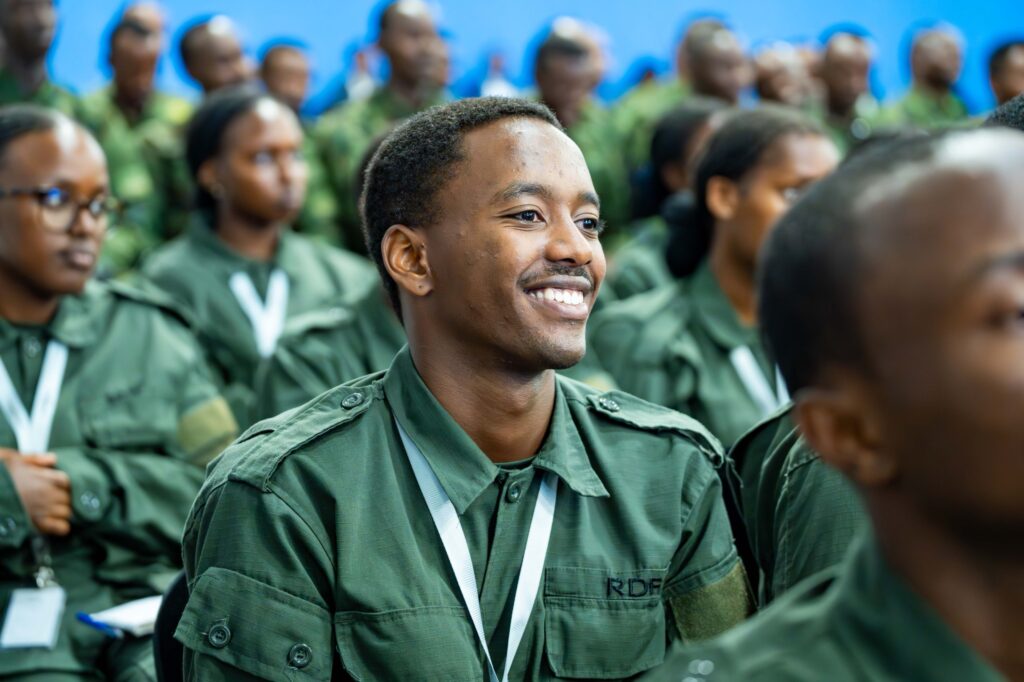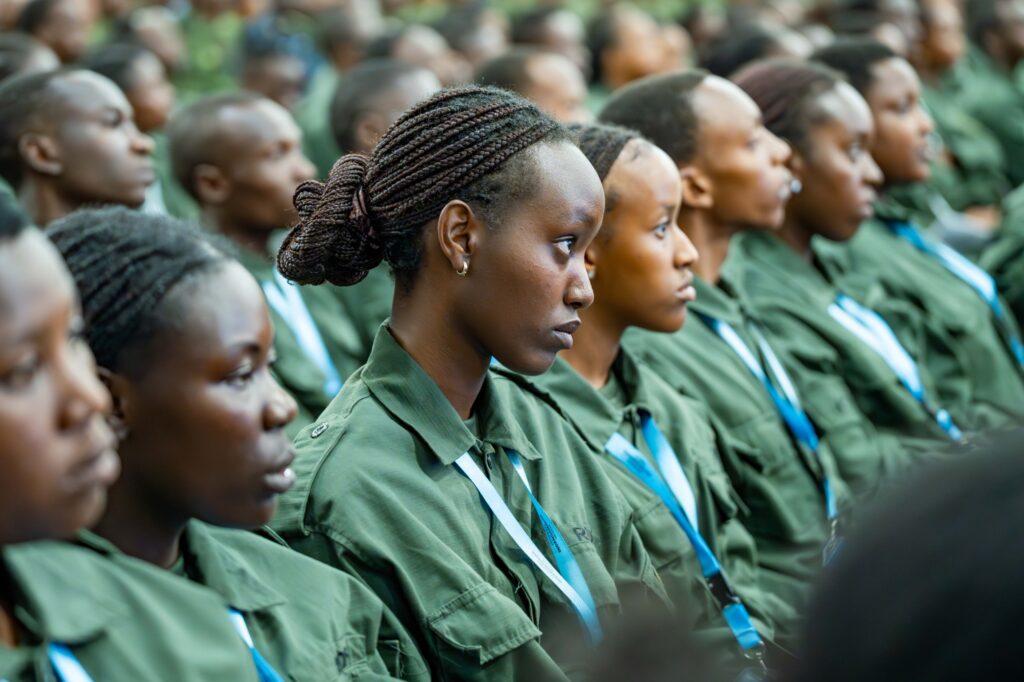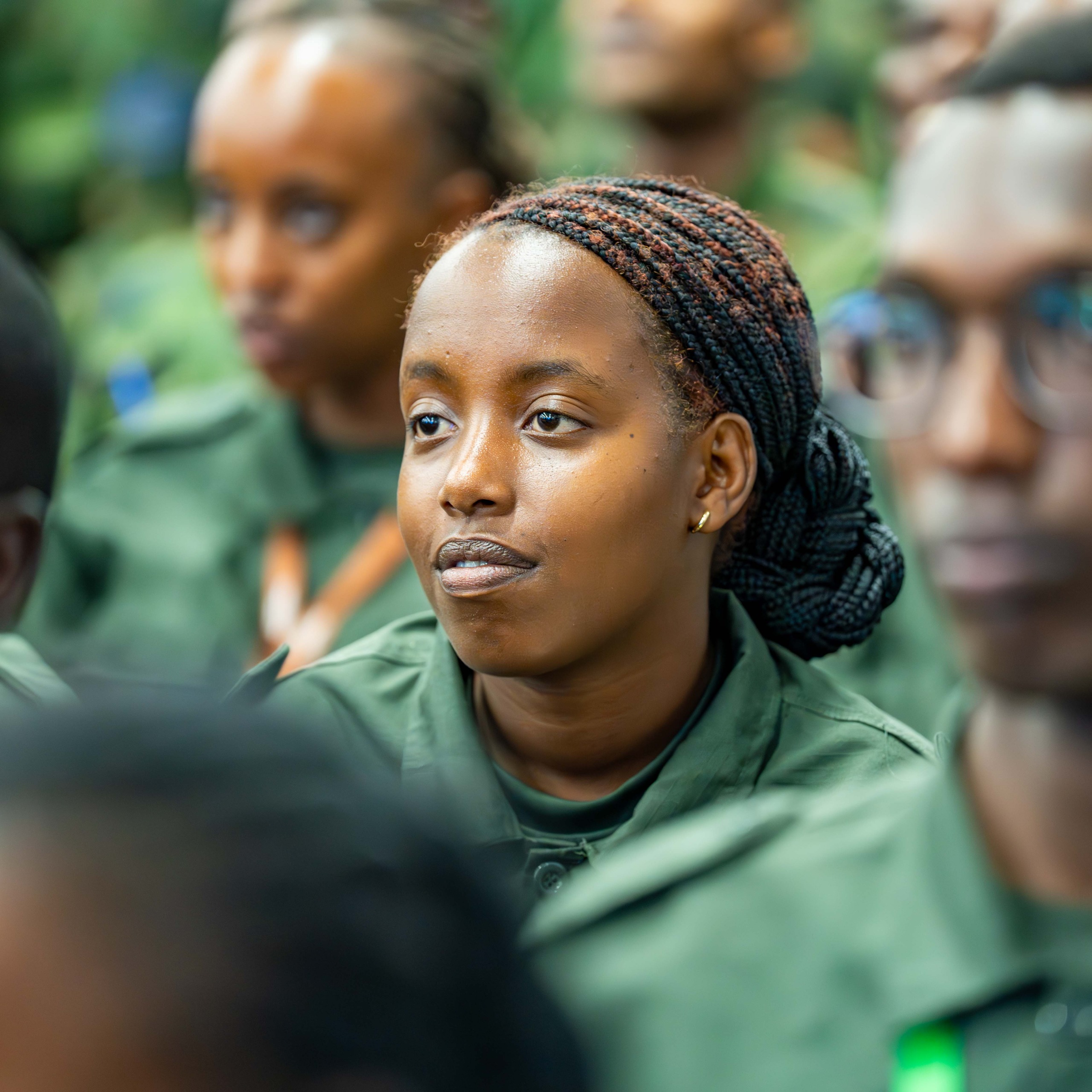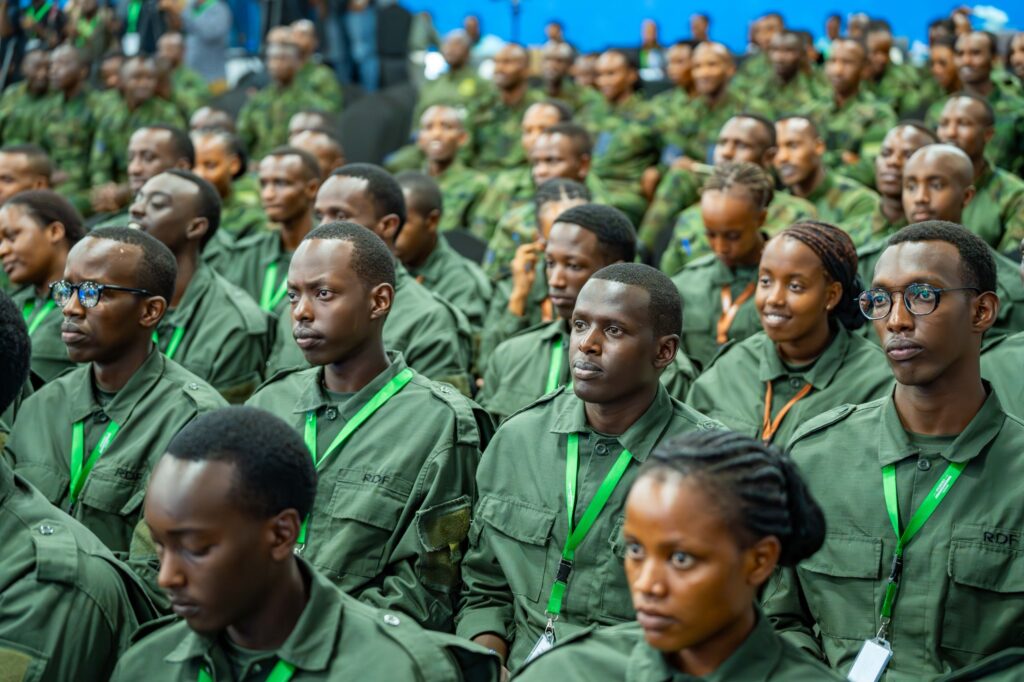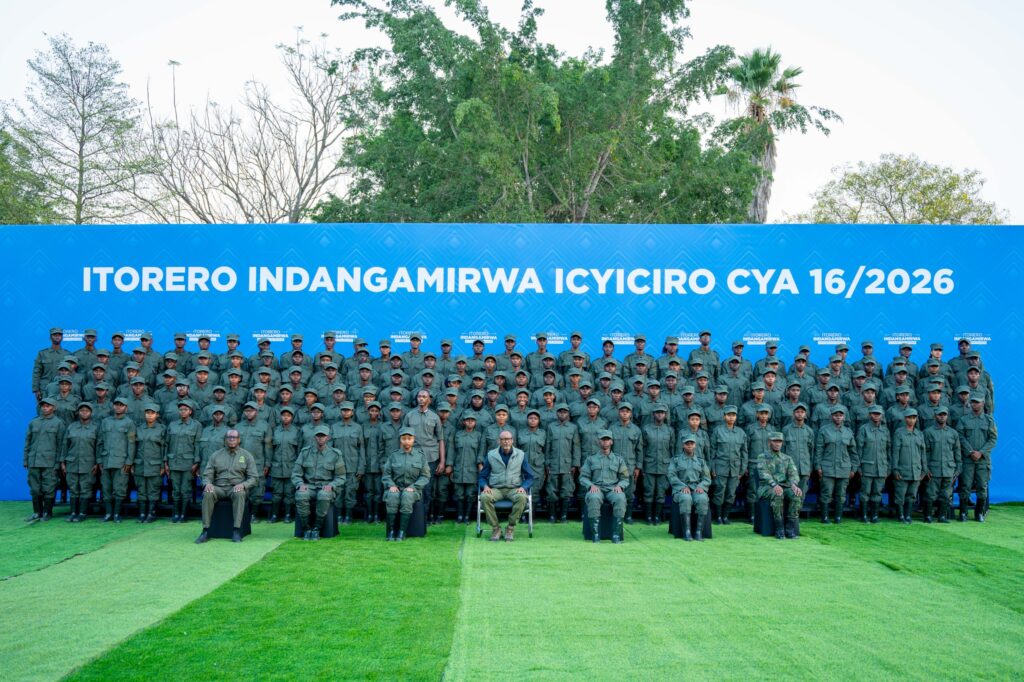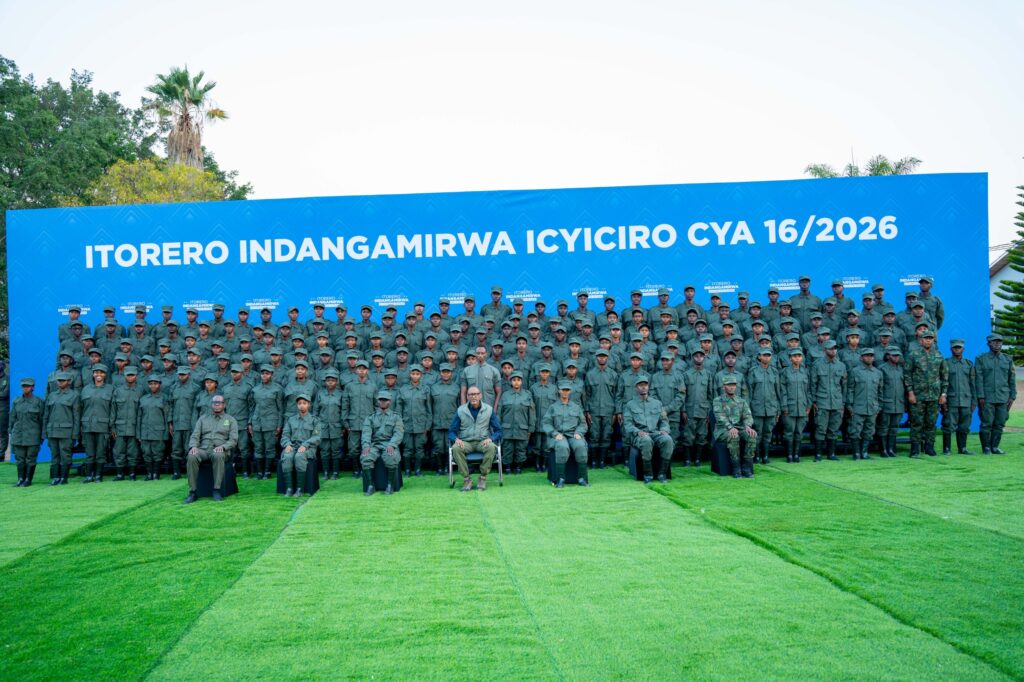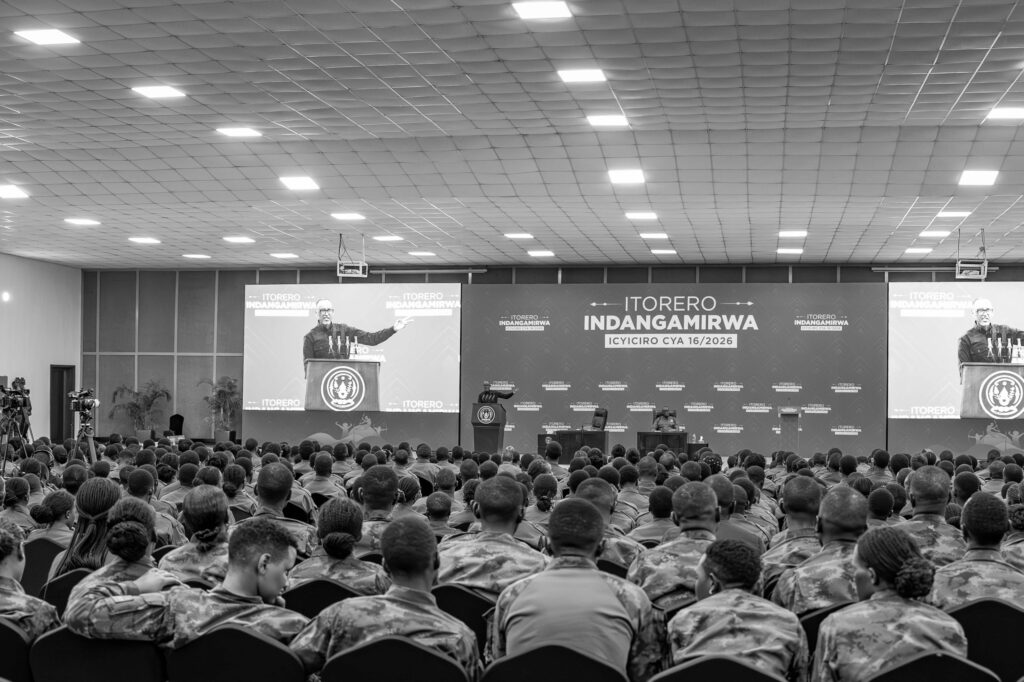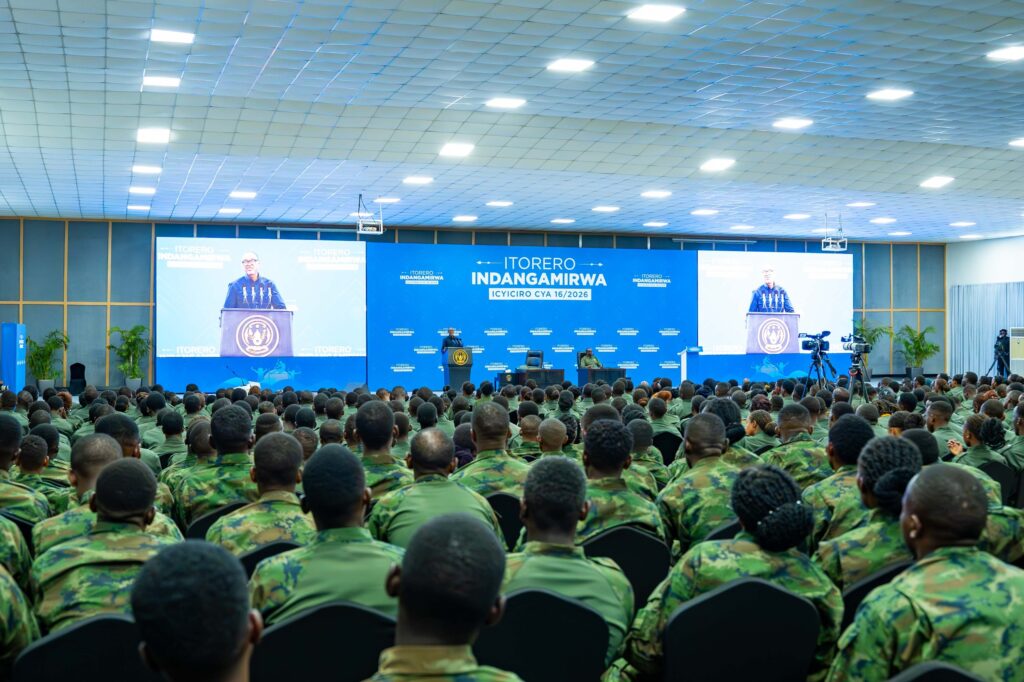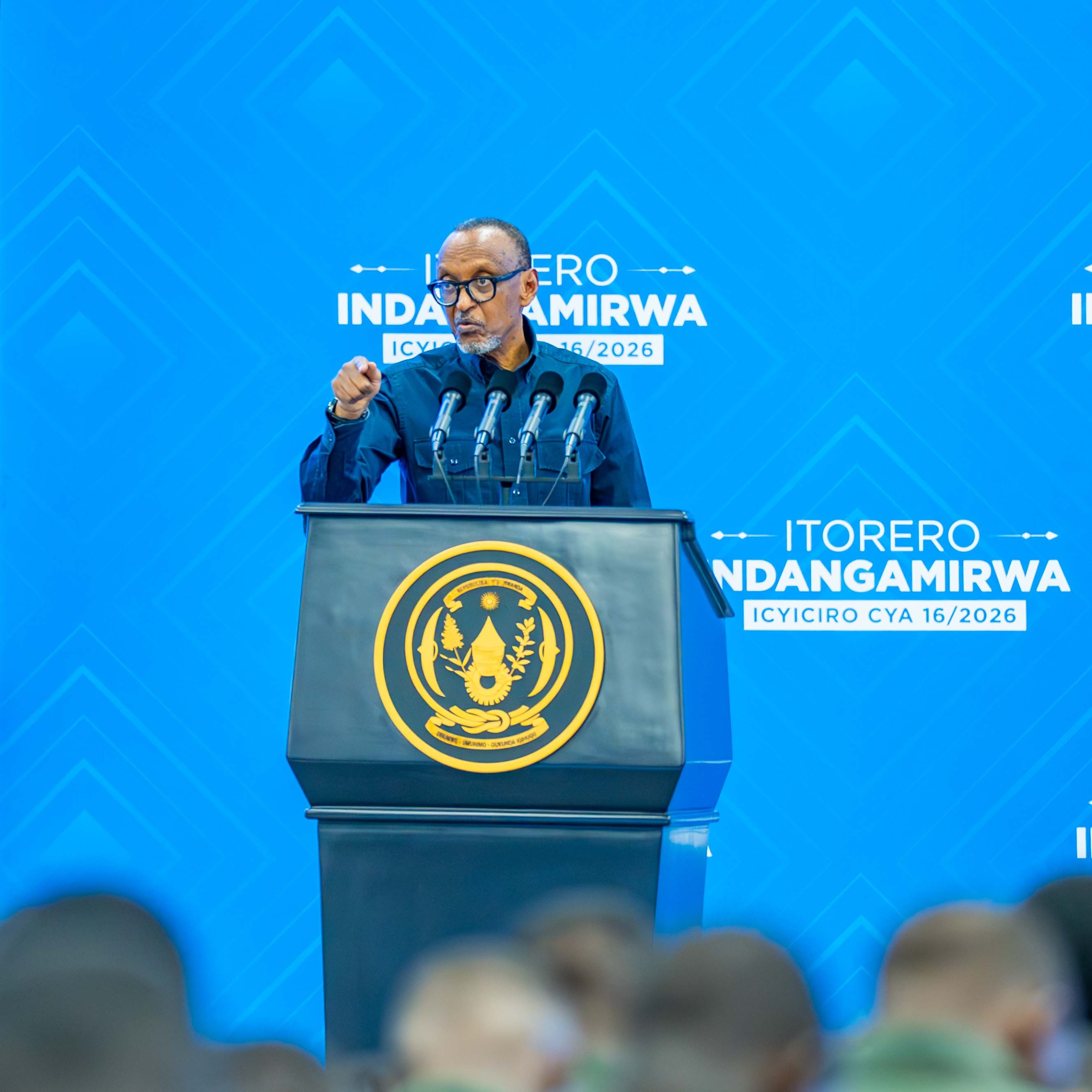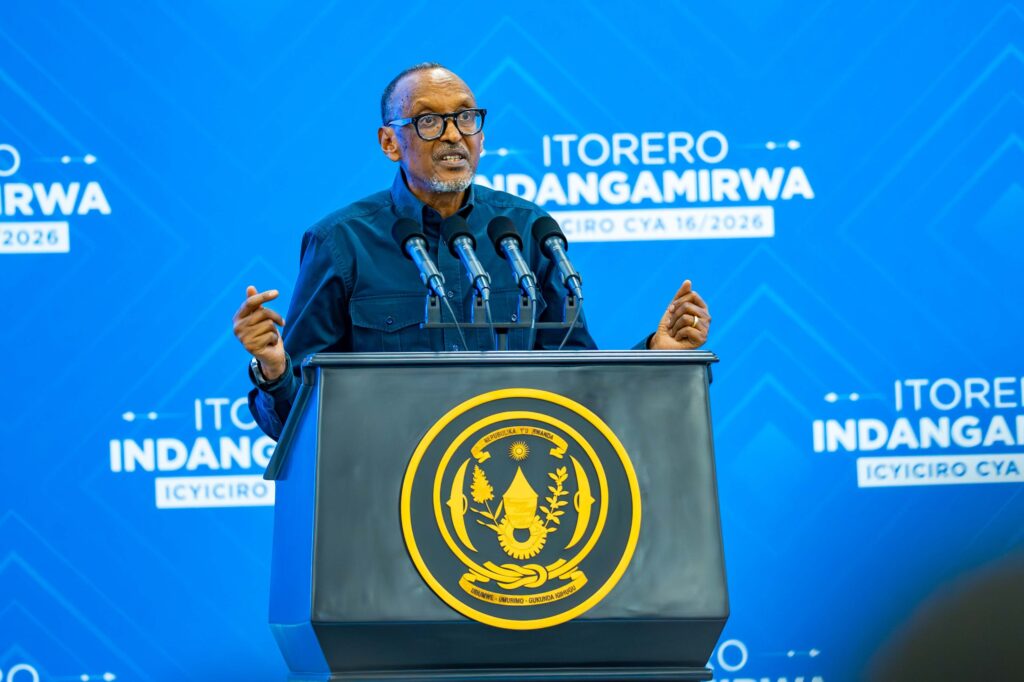


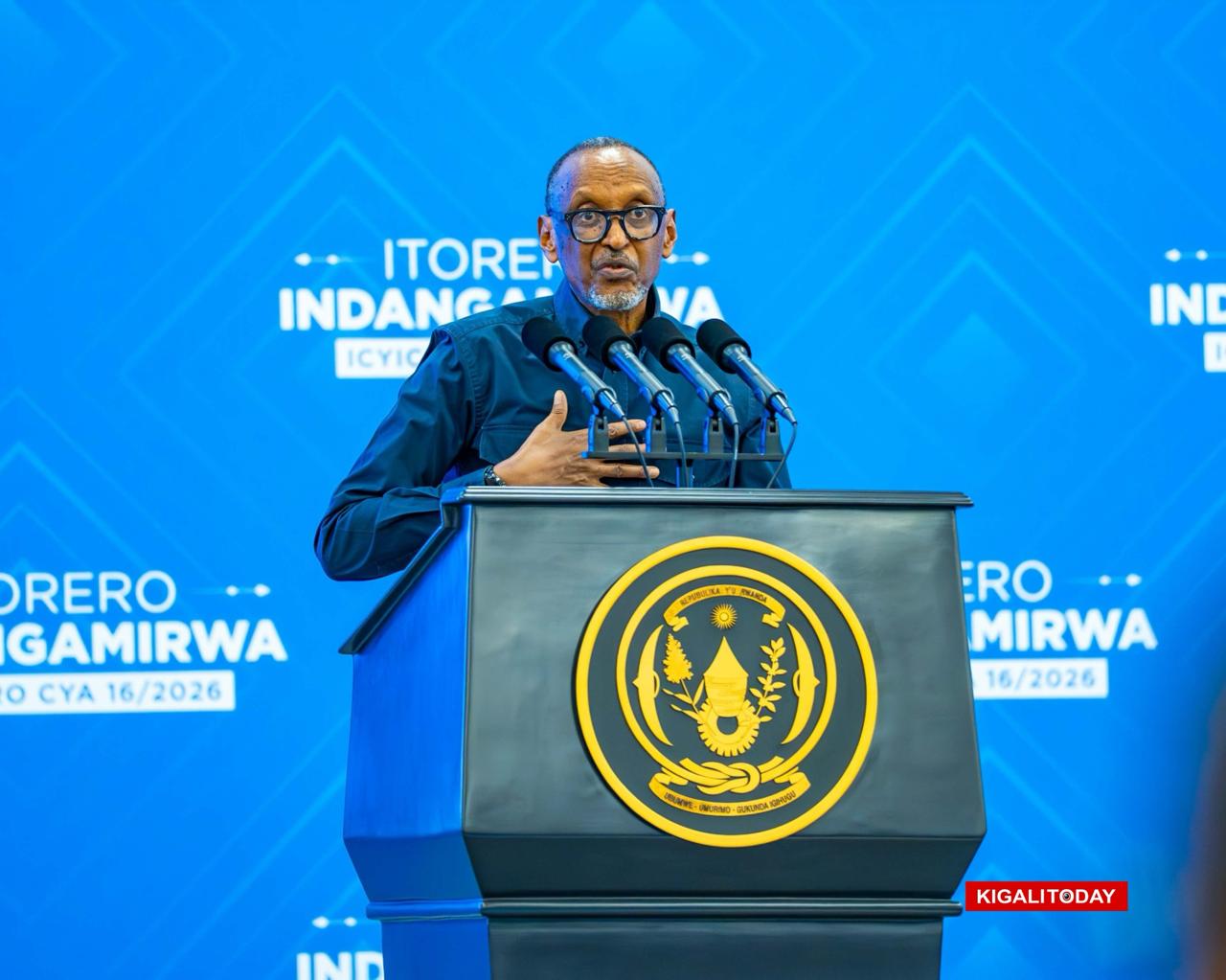
 KIGALI – The kind of generation that will shape Rwanda’s future according to President Paul Kagame, is one that begins preparing for leadership long before they assume positions of responsibility.
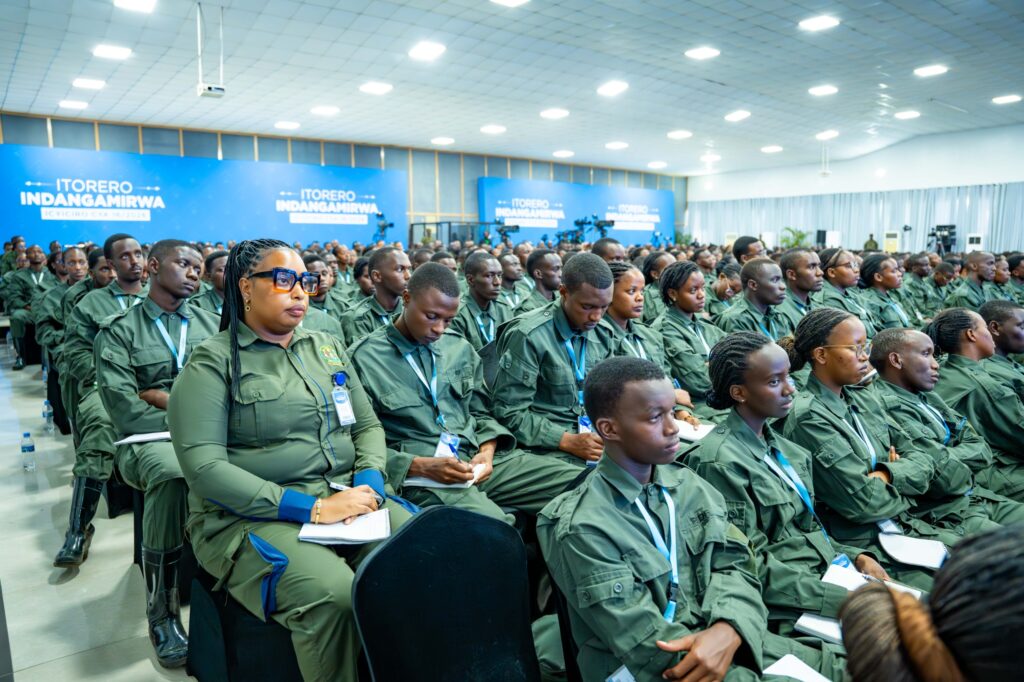
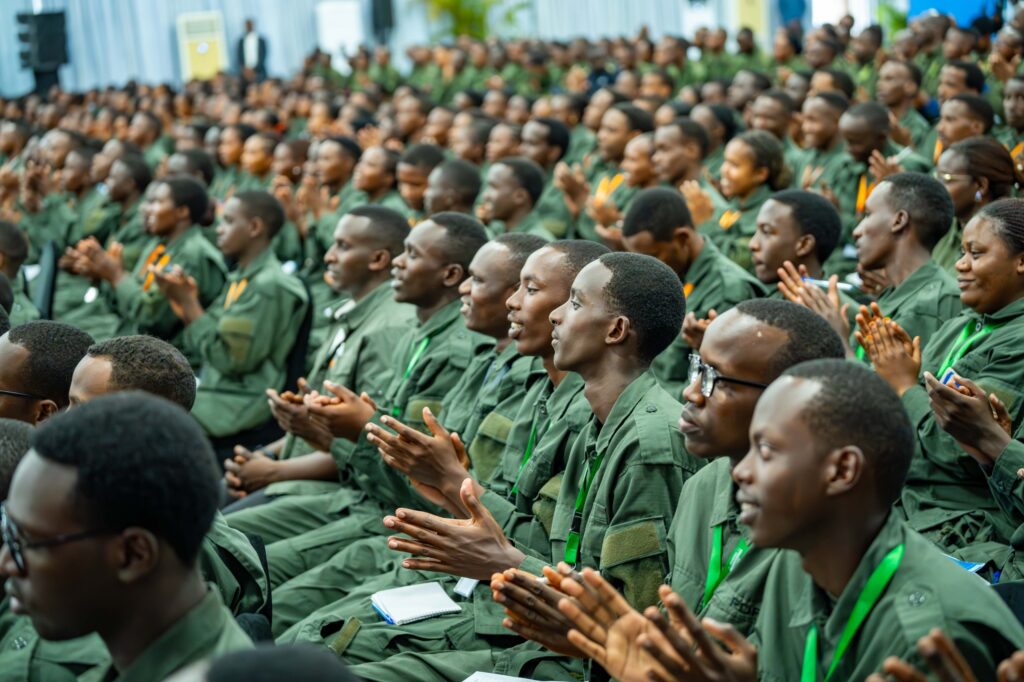
Addressing 769 young Rwandans attending the 16th Indangamirwa Itorero in Gabiro, Kagame challenged them to, adopt and cultivate habits that will distinguish them despite their age or academic achievements
The participants, drawn from Rwanda and the diaspora, have spent the past month undergoing civic education focused on leadership, patriotism, integrity and national values.
But the Head of Sate urged them to see the program as more than a training exercise, describing it as an opportunity to develop a lifelong commitment to solving the country’s challenges.
Reflecting on his own childhood, Kagame recalled that he began thinking about the problems facing Rwandans while living as a refugee at a young age. By the time he was 21, he had sought out other young people who shared the determination to find lasting solutions.
“I reached the age of 21 and realized I needed to join others so that together we could find solutions. Some of them were my age, and by around the age of 23, we had begun working towards those solutions,” he said.
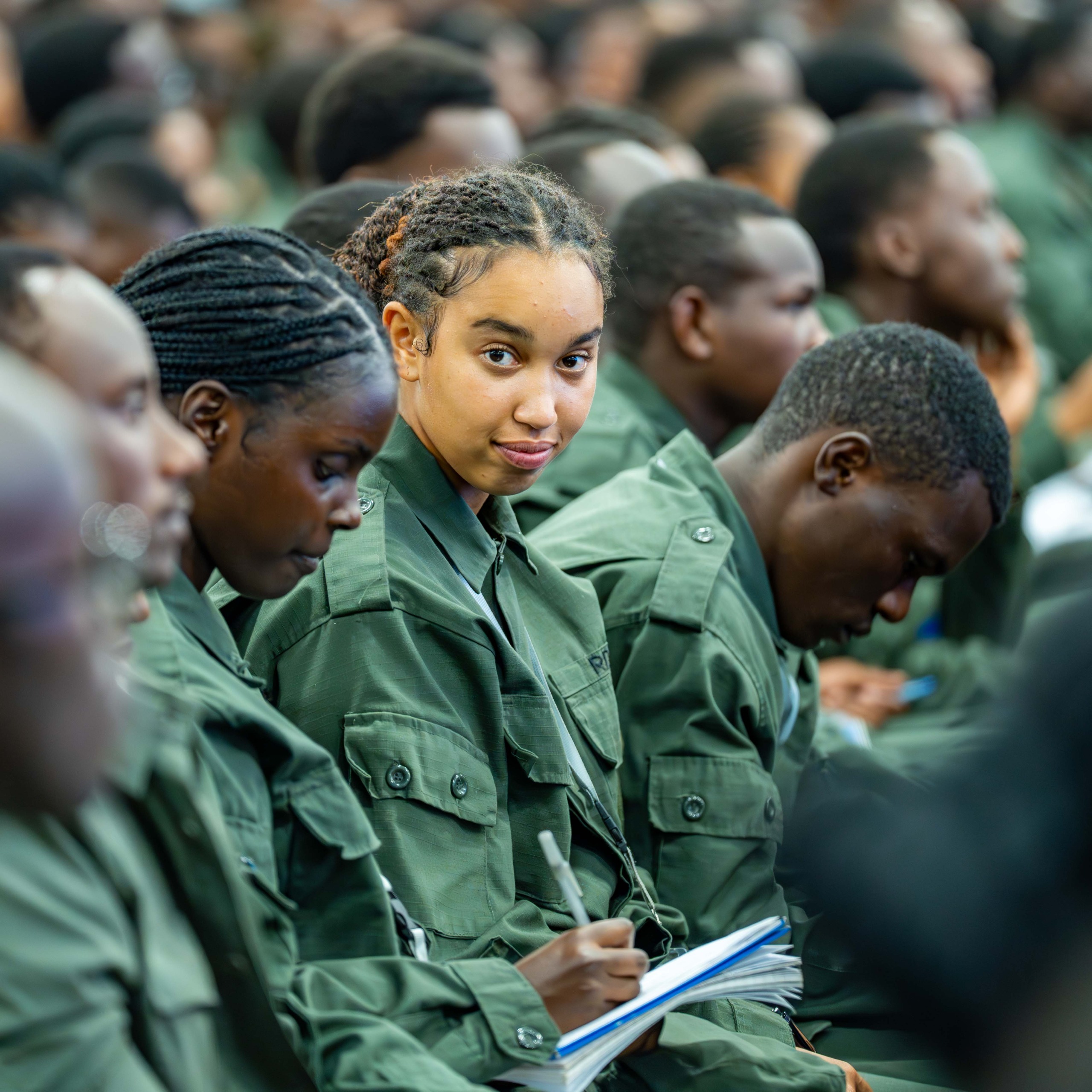
His message to the participants was not to wait until you’re older to start making a difference. “You, too, should start thinking early about how to solve the problems facing society.”
Kagame also placed strong emphasis on preserving Kinyarwanda, describing the language as an important part of Rwanda’s identity.
He praised participants, particularly those from the diaspora, for the progress they had made in learning the language and proposed the creation of a program that would allow them to continue studying Kinyarwanda after returning to the countries where they live.
“Apart from your young people, there are older people who no longer know Kinyarwanda well. Your advantage is that you are still young and you learn quickly. You should establish a program through which they can continue learning Kinyarwanda wherever they are in the world,” he said.
During the interaction, Kagame corrected several common mistakes in spoken Kinyarwanda before extending his call beyond the Itorero programme.
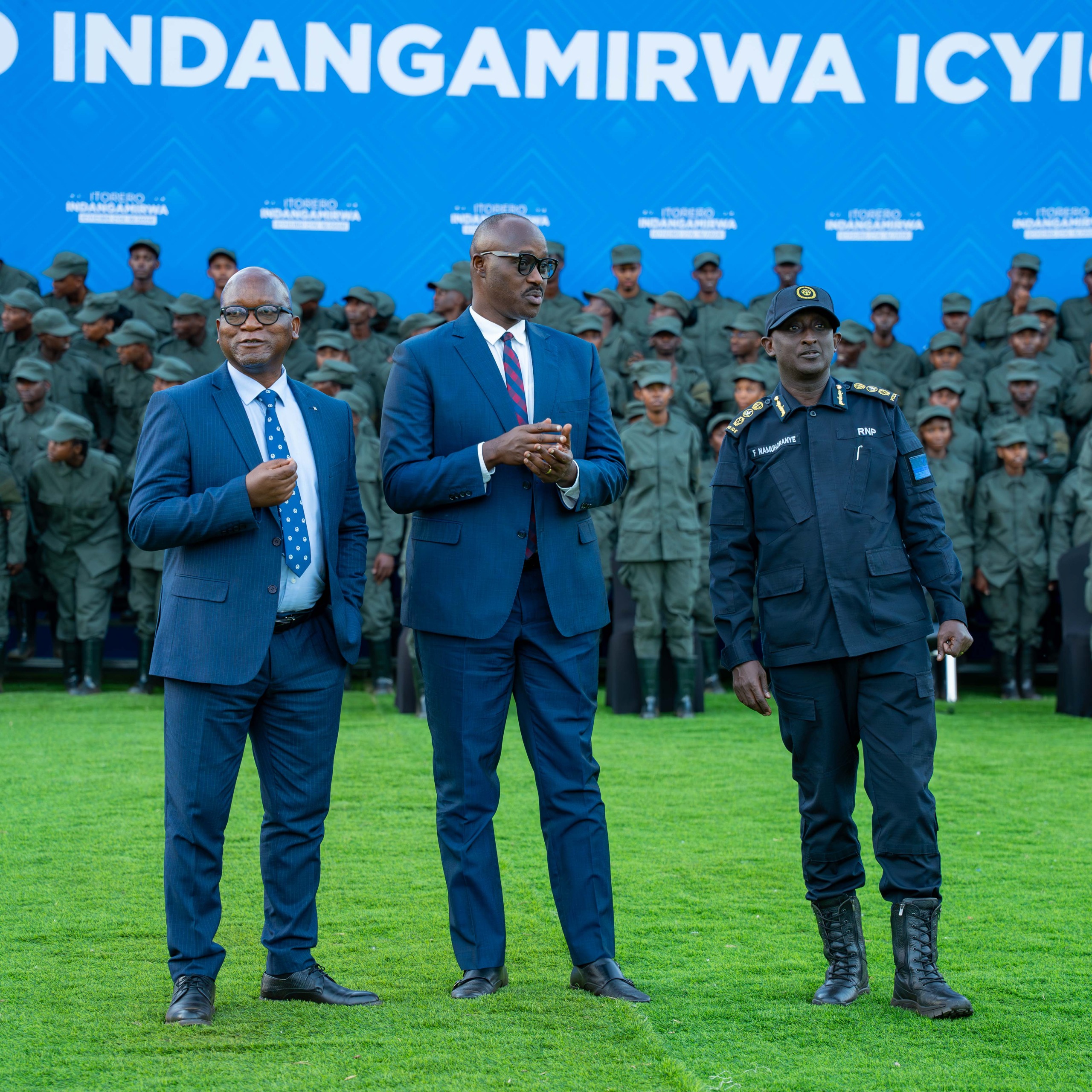
He urged the Chief of Defence Staff, Gen. Mubarakh Muganga, and Inspector General of Police, CG Felix Namuhoranye, to introduce Kinyarwanda lessons within the Rwanda Defence Force and Rwanda National Police.
“There are still people who struggle to speak proper Kinyarwanda,” he remarked, stressing that protecting the country’s identity should be a shared responsibility.
The President also reflected on the military training participants received during Itorero, explaining that learning how to handle firearms is intended to instill discipline, responsibility and self-protection, not to encourage violence.
Drawing from Rwanda’s history, he recalled that generations of Rwandans were denied the right to return to their country and endured hardship in exile.
Even then, he said, taking up arms became necessary only after peaceful efforts to resolve the injustice had failed.
Rwanda’s future, he suggested, will depend not only on educated young people but on citizens who think critically, value their identity, serve with integrity and begin solving problems long before they are called upon to lead.