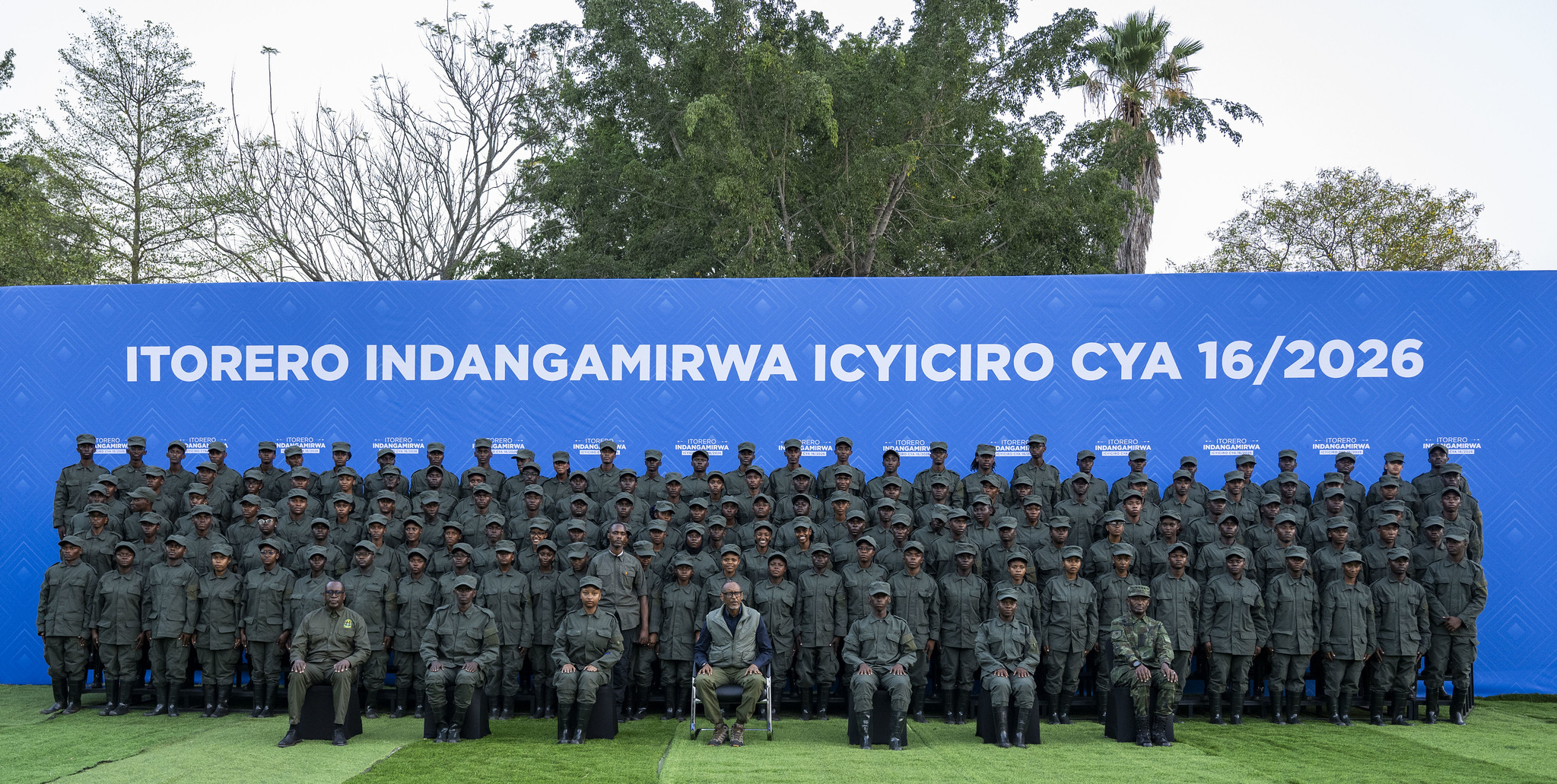
GABIRO, Rwanda — What worries President Paul Kagame is not that Rwanda’s young people lack opportunities. It is that some may be waiting for those opportunities to be handed to them.
On Monday, he told the country’s next generation to resist what he described as a growing mindset of entitlement and dependence.
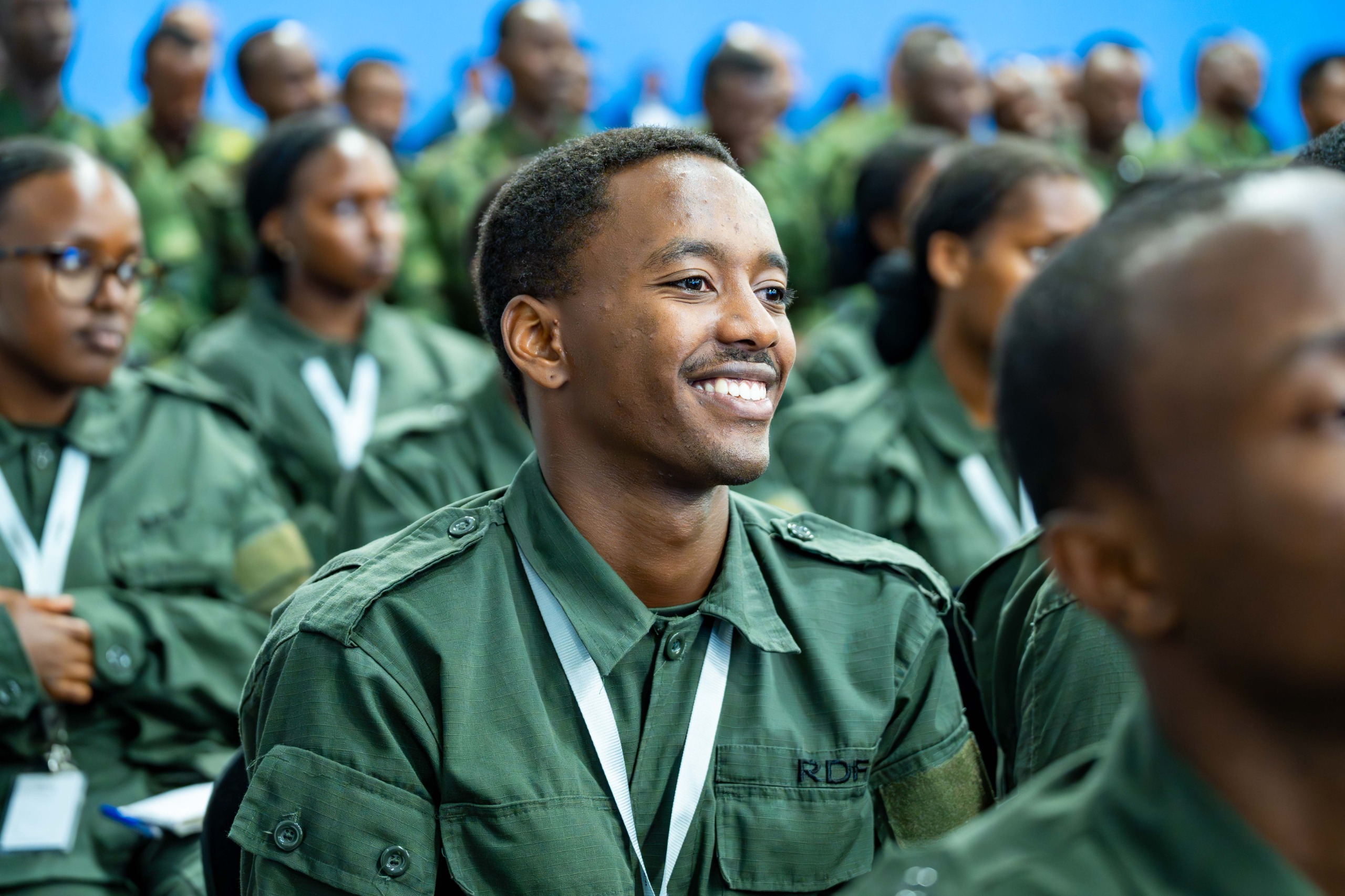
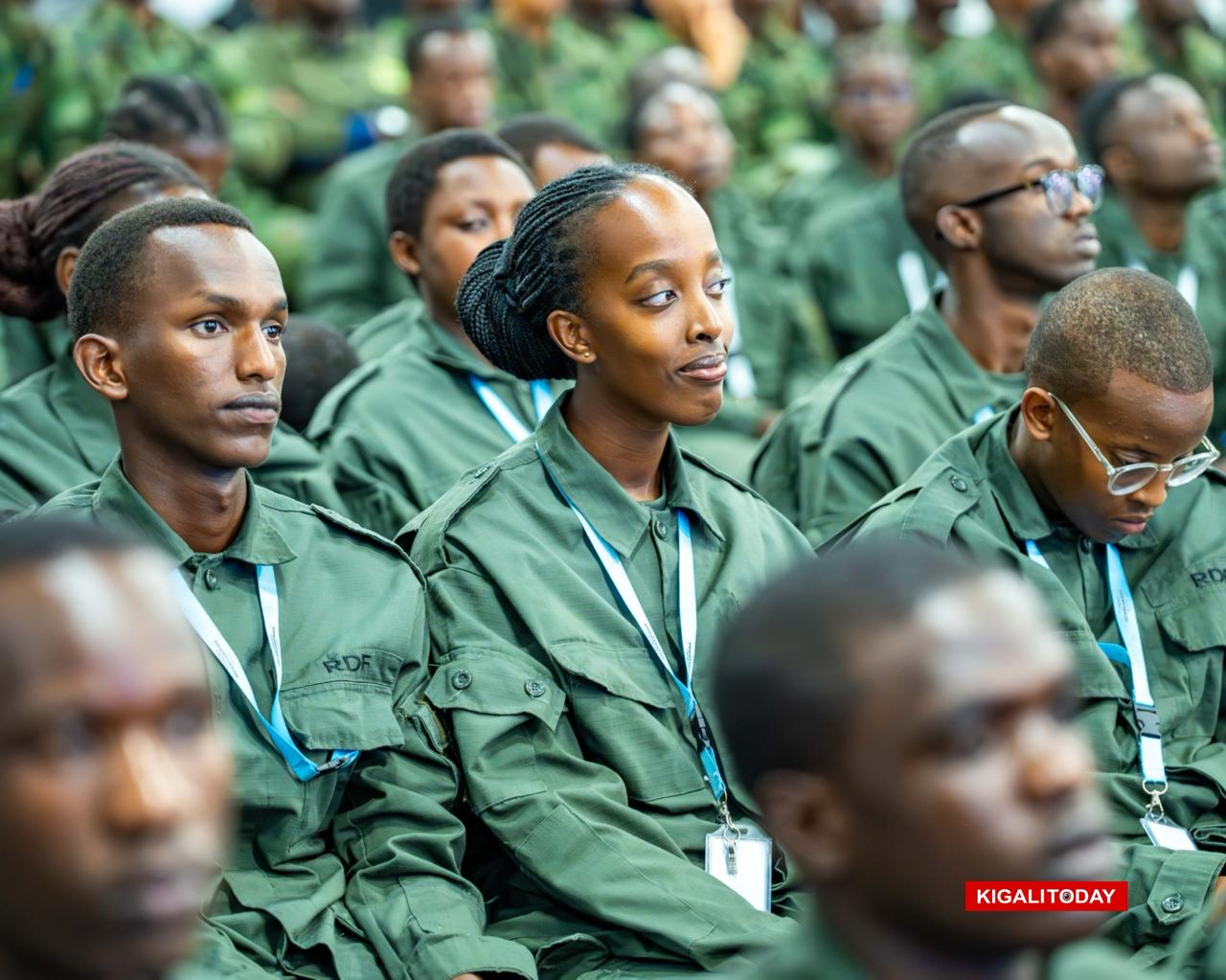
Speaking for more than an hour at the 16th Itorero Indangamirwa, Kagame switched between English and Kinyarwanda. He was addressing mainly Rwandan students studying abroad, alongside colleagues from universities and higher learning institutions at home.
Throughout the address, Kagame returned to one central message. Young people must become problem-solvers. They should reject a habit of complaining and take responsibility for their own success instead of expecting government or others to provide it.
“Be problem solvers,” Kagame told the participants. “You must be confident that you have the ability to find a solution or a part of a solution.”
His remarks came during an interactive session designed to prepare young Rwandans for leadership and civic responsibility. Drawing on Rwanda’s history, the liberation struggle and the country’s development journey, Kagame argued that progress has always depended on initiative rather than dependence.
Complaining is not a solution
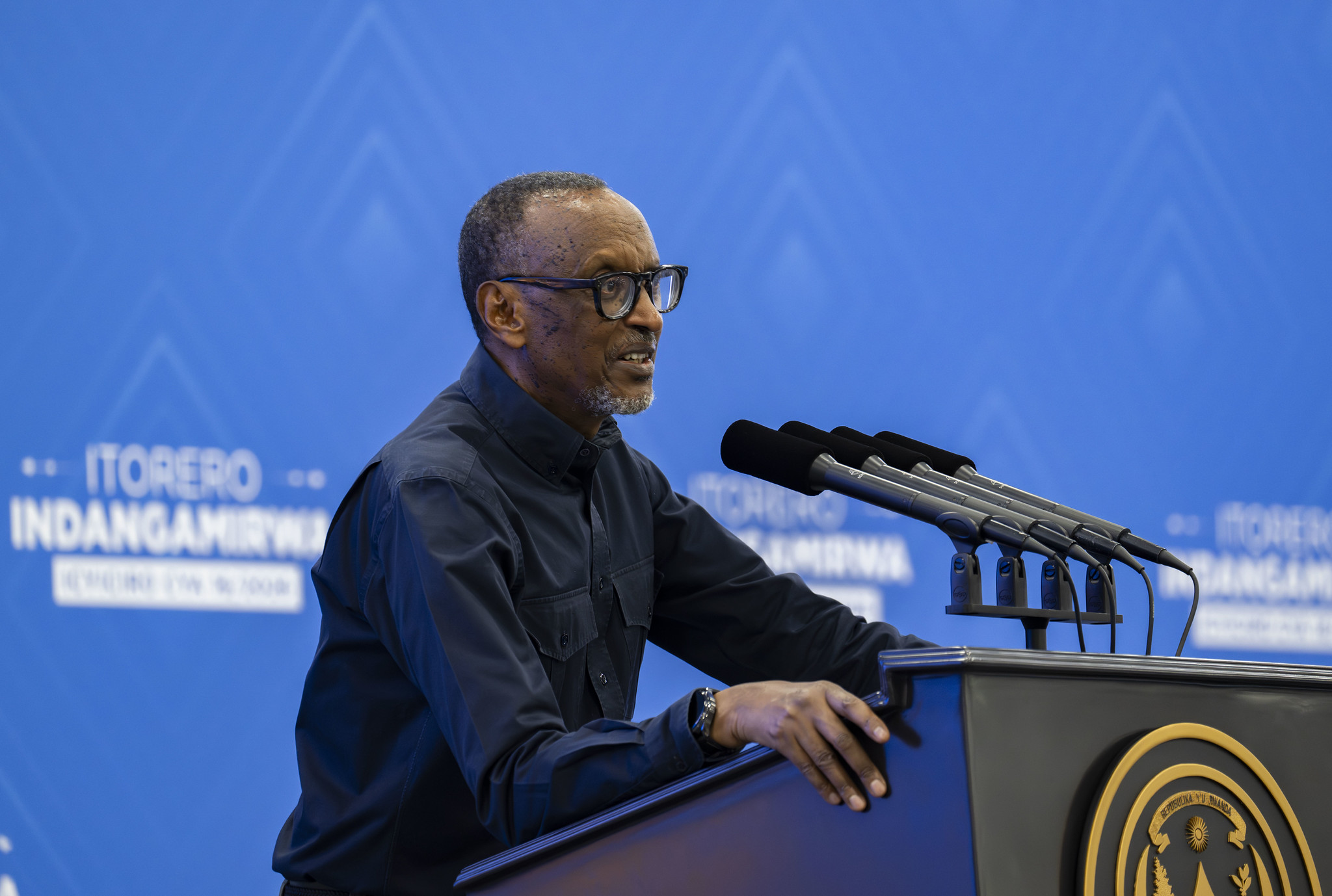
Kagame acknowledged that questioning policies and institutions is both legitimate and necessary. However, he drew a clear distinction between constructive criticism and what he described as a culture of complaining.
“There will always be questions and you should ask questions, should raise questions,” he said. “But don’t raise questions in a complaining manner.”
According to Kagame, complaints often reflect an expectation that someone else bears responsibility for solving one’s problems.
“Complaining means you hold responsible somebody else,” he said. “It’s like somebody else should have provided what you need. Why? Why should somebody provide what you need? It’s not an entitlement.”
Instead, he urged participants to ask themselves what they could do before expecting help from others.
“Why do you feel entitled that somebody else will provide what you need?” Kagame asked. “Why are you not making an effort to give yourself what you need?”
Turn ideas into opportunities
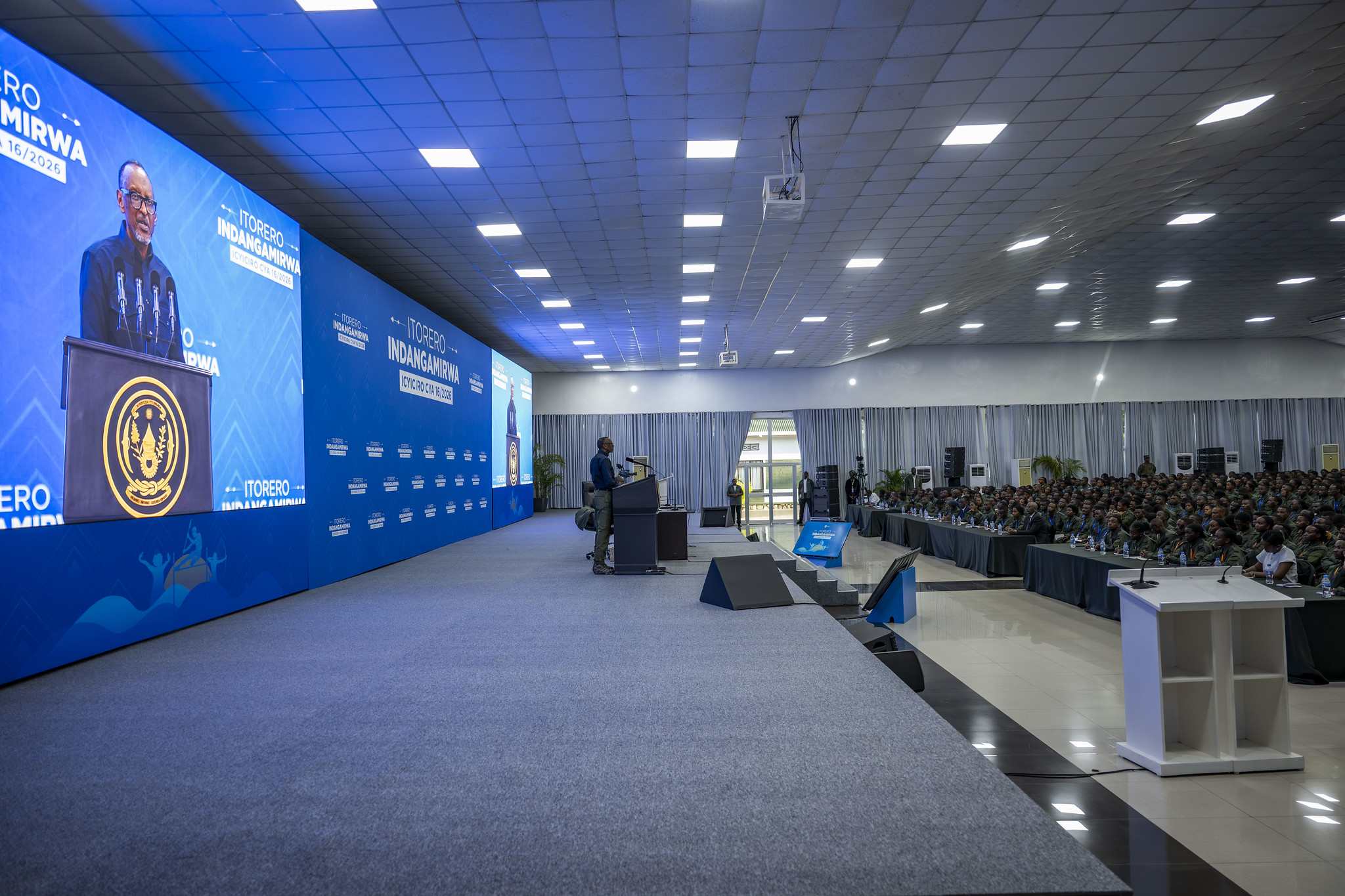
Encouraging entrepreneurship and innovation, Kagame advised young people to work together instead of waiting for jobs or opportunities to come their way.
He painted a picture of friends or classmates pooling their talents around a single idea.
“If one person has an idea and reaches out to a friend or colleague… the three people coming together and say, ‘Let’s do something that is possible,’ it will solve many problems you face.”
Kagame said collaboration could transform simple ideas into viable businesses and solutions that benefit society.
Only after exhausting their own efforts, he said, should young innovators seek assistance from public institutions.
“This is when you can say, ‘Why don’t we go to a government institution that maybe has some means or has a responsibility to support people who have ideas?'”
Even then, he said, support should be sought as a partnership rather than an expectation.
“You can complain the right way. You can say, ‘I had an idea and I think this idea would work if I had this kind of support.'”
Government support should complement initiative
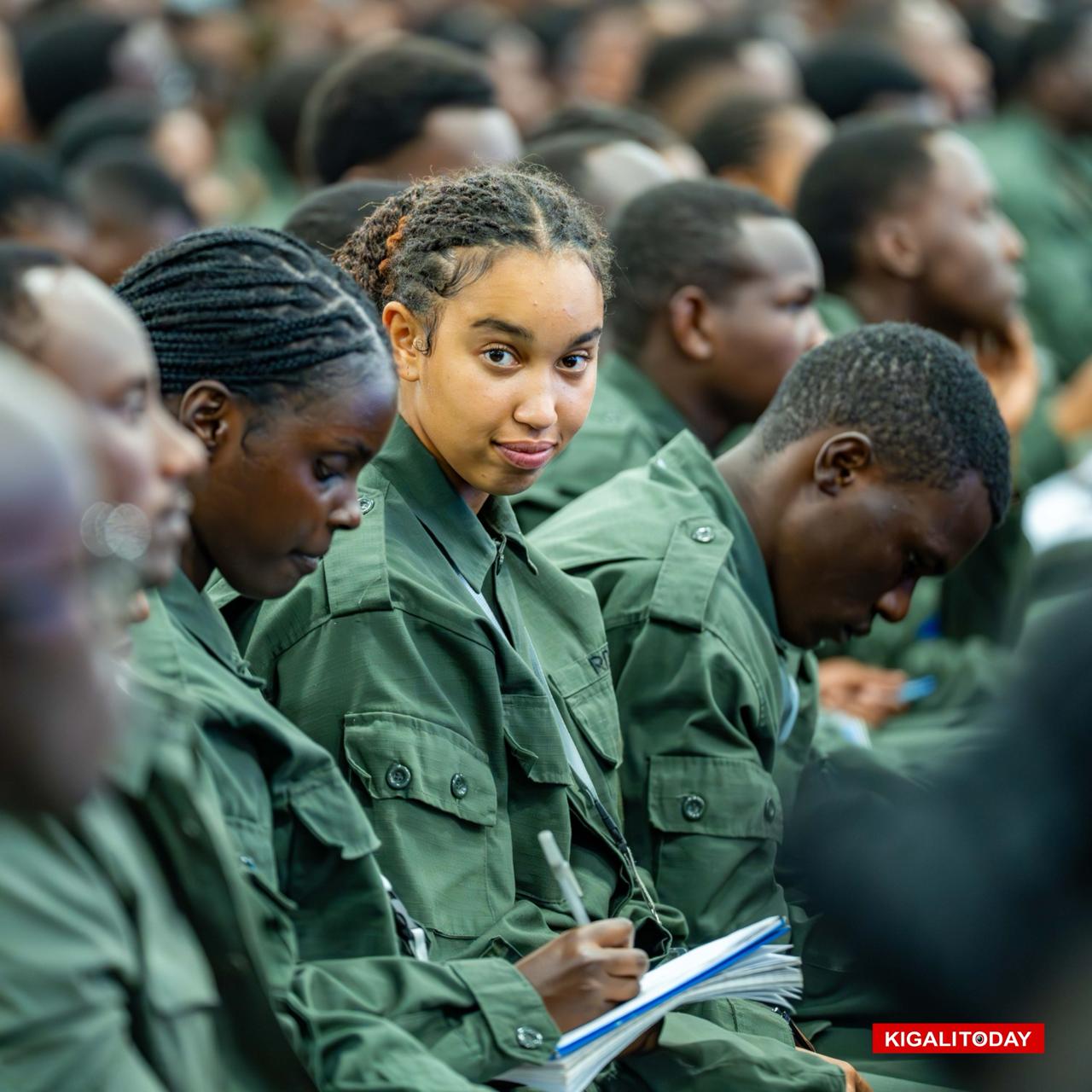
Throughout the address, Kagame made clear that government has a role in supporting citizens, particularly those with innovative ideas. But, he insisted, assistance cannot replace personal effort.
“You are now builders of something,” he said. “You are problem solvers. You are innovators. And you’re also going to contribute to this nation, the national effort.”
He argued that citizens who actively contribute to national development ultimately benefit from the country’s progress.
“If you contribute, if you are thinking like this and you are contributing to the well-being of the nation, that nation will give back to you. There’s no question about it.”
Lessons from Rwanda’s past
Kagame frequently linked his advice to Rwanda’s history. He recalled the liberation struggle and the difficult years that followed.
“During the liberation actually we had nobody to go to… because you complain to who?” he said.
Drawing on his own experience, Kagame warned participants against believing that success can be achieved without sustained effort.
“If there’s anybody who will tell you all kinds of things that you think you need to do so little and get and expect so much, that person is a liar.”
“You invest yourself. You put in effort. You use a lot of energy.”
He also reminded participants that Rwanda’s painful past places a special responsibility on today’s generation.
“The way this country lost people in millions, lost their lives to fellow citizens… if you don’t develop this bearing, this compass that guides you, these things can come back to haunt us.”
“You don’t want the recurrence of that kind of a situation.”
Kagame said preventing such a recurrence rests with the country’s young people.
“I’m not talking about anybody,” he said. “I’m talking about you. You must be the one to do it.”
‘Dependence is another word for stupidity’
Among the speech’s strongest remarks was Kagame’s criticism of dependence, which he argued undermines both personal and national development.
“People call it dependence,” he said. “Dependence is another word for stupidity.”
“If I have a mentality that I will depend on other people, it’s because I’m stupid.”
He urged young Rwandans to reject such thinking and build confidence in their own abilities.
“So you Rwandans avoid that, and time is now.”
According to Kagame, previous generations had already laid the foundations for Rwanda’s transformation. The next phase of development, he said, depends on today’s youth.
“Some others have played their part whether in full or in half. It is up to you to come and fill the gap and then continue beyond that.”
“You can go higher, and it’s you. It’s not somebody we are waiting for from another place—not another planet, not another continent.”
“In short, you are waiting for yourselves.”
Discipline and healthy choices
Towards the end of his address, Kagame said ambition must be matched by discipline and a commitment to continuous self-improvement.
“We need discipline that keeps bothering you in a sense that you want to take it further, upgrade it every time,” he said.
He also warned young people against excessive alcohol consumption, describing it as a growing threat to their ambitions.
“This religion of alcohol… people recruit others into it.”
“Alcohol is killing you. It’s killing young people.”
“I want to warn you and beg you that this thing will kill you before you realise your ambitions.”
A call to build Rwanda’s next chapter
As he concluded his remarks, Kagame reminded participants that Rwanda’s future ultimately rests in their hands.
“We need you. We love you,” he said. “But please, first and foremost, take care of yourselves.”
His address reinforced themes that have long defined Rwanda’s development philosophy, including self-reliance, accountability, discipline and national service. But it placed particular emphasis on the role of young people as the generation expected to carry the country beyond the achievements of the past three decades.
For the students gathered in Gabiro, Kagame’s message was unequivocal: stop waiting for others to provide solutions, invest in your own ideas and abilities, and become the generation that writes Rwanda’s next chapter.