 KIGALI – From identifying learners at risk of dropping out to bringing robotics into classrooms with limited resources, eight Rwandan technology companies are developing solutions to some of the challenges that continue to improve learning outcomes.
Their work is in line with Rwanda’s education technology ambitions of getting technology into schools to ensuring it makes a measurable difference in how teachers teach and learners acquire knowledge and skills.
The eight companies are beneficiaries of the Mastercard Foundation EdTech Fellowship, an 18-month acceleration program launched in Rwanda in June 2026 and implemented through the Rwanda ICT Chamber.
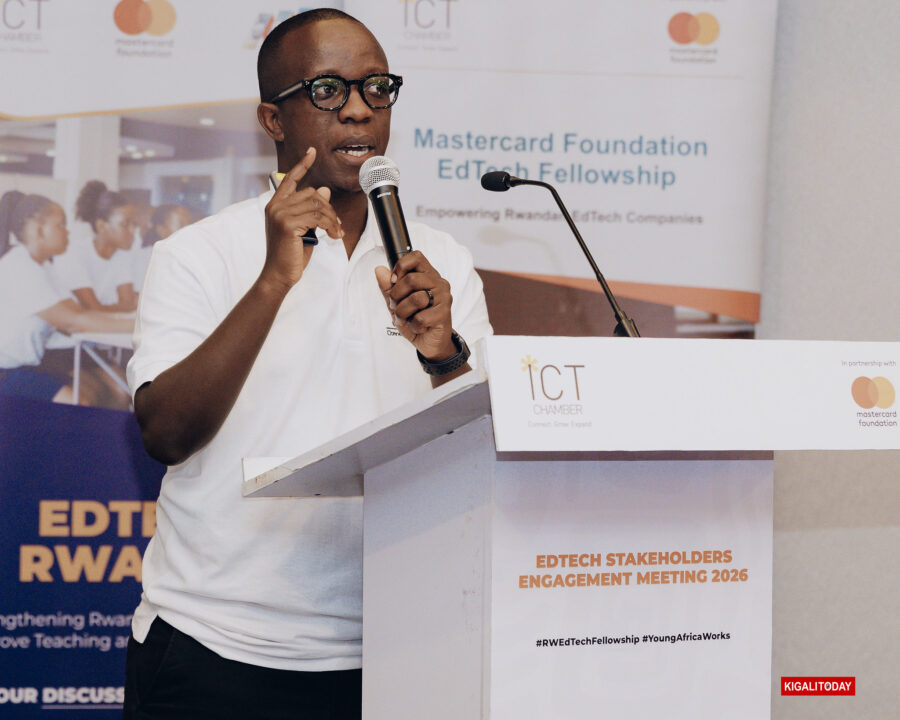
Rwanda ICT Chamber CEO Alex Ntale said the initiative is also an opportunity to examine how emerging technologies are reshaping the way education is delivered and where innovation can make the greatest difference.
“We need to look beyond the innovation itself and ask how these technologies can strengthen the quality of education, improve service delivery and create new possibilities for learners,” Ntale said.

Rwanda ICT Chamber CEO Alex Ntale.
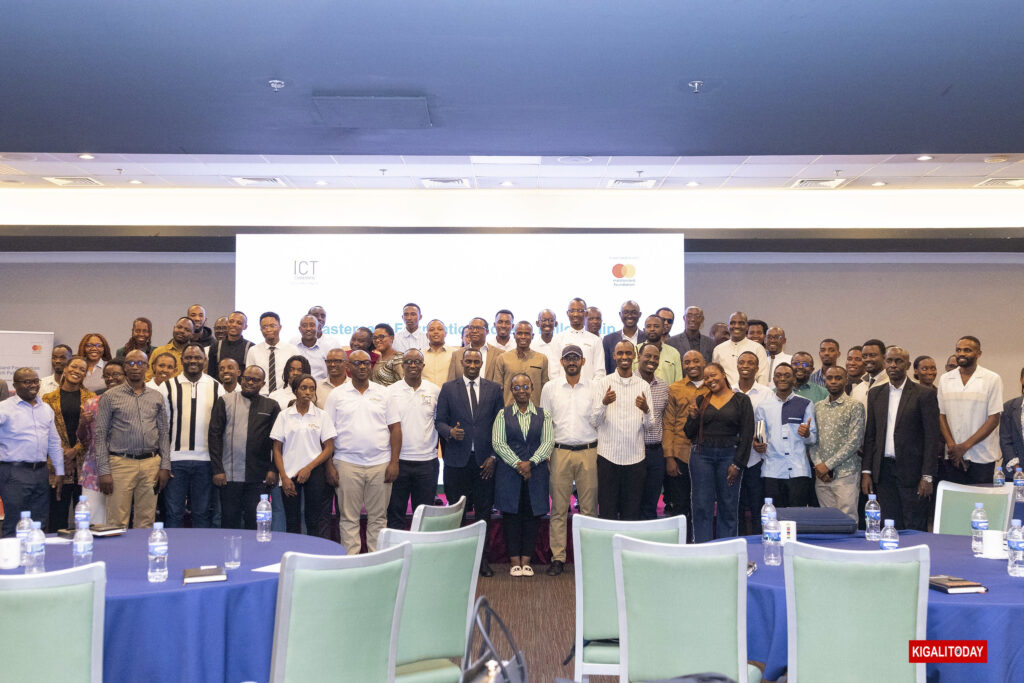
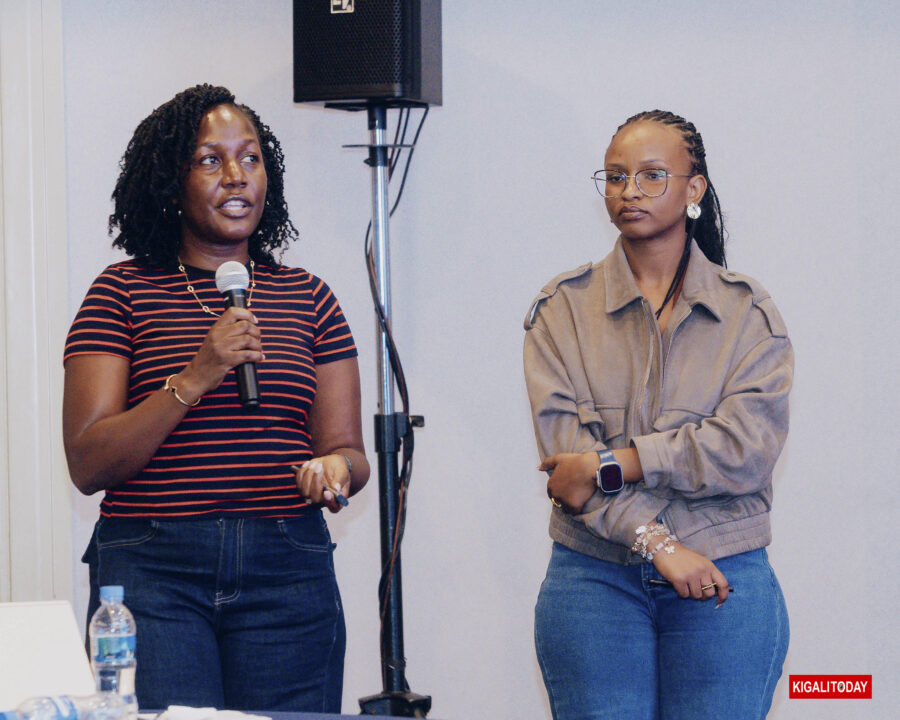
Presenting the program to education officials, technology developers and other stakeholders in Kigali, Dieudonné Dusabimana, Program Manager at Mastercard Foundation EdTech, at the Rwanda ICT Chamber said the priority is to address actual challenges in the education system.
“The objective is not just to have technology in education, but to make sure that technology is solving real problems and improving learning outcomes,” he said.
The eight companies are approaching these challenges from different directions.
Berulo Foundation is developing a system to monitor student attendance and identify learners at risk of dropping out, while Brain Ink Ltd is applying artificial intelligence to grading and assessment, helping teachers provide feedback more efficiently.
Competence by Jobra, connects learners to work-experience opportunities, while Creativity Lab Limited develops STEM and competency-based curriculum materials to make learning more practical.

NyerekaTech uses its Nedu App to promote STEM and robotics education, while Soma Foundation Rwanda’s SOMABOX delivers offline learning content to communities where electricity and internet access remain obstacles.
Zora Robotics, through ZoraBots, is introducing humanoid robotics to create more interactive learning experiences.
Despite their different approaches, the companies face a common test of whether their products can work in the environments where learners and teachers need them most. EdTech Solutions Ltd focuses on digital skills for TVET learners.
“We want these companies to work with schools, teachers and education officials so that the solutions they develop are relevant to the challenges learners and teachers are actually facing,” Dusabimana said.
Making solutions work beyond the pilot
The Fellowship is providing each company with US$50,000 in financial support, alongside assistance in product development, business growth, investment readiness and regulatory compliance.
The startups will also receive mentorship, monitoring and evaluation support, and training in learning sciences from Carnegie Mellon University.
Their solutions are tested in schools, where feedback from teachers and learners help developers refine their products and assess their effectiveness.
The acceleration phase started in June and runs until November 2026, followed by 12 months focused on expansion, investment facilitation and impact tracking.
The program also seeks to extend the benefits of education technology to groups that often face barriers to quality learning, including girls and young women, refugees, persons with disabilities and learners in rural and underserved communities.
For the startups, developing a product is only the beginning. Ensuring that schools adopt it and that its use can be sustained will require both evidence of its value and support from the wider education community.

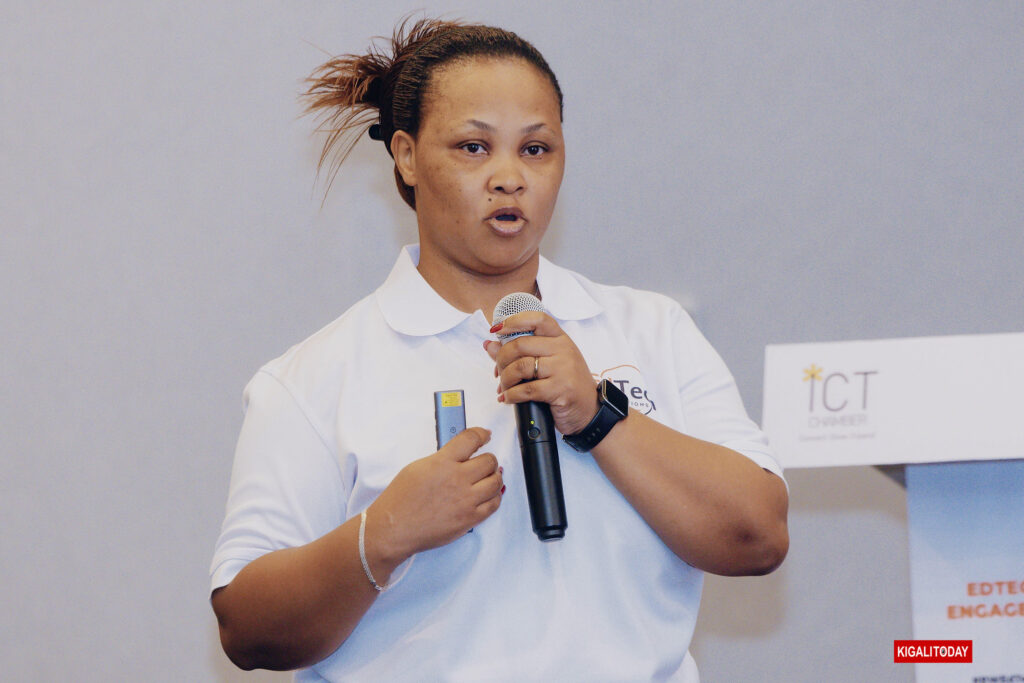
Vivens Uwizeyimana of Competence by Jobra said parents should consider education technology part of their investment in their children’s education.
“As parents fund their children’s education, they should also be supporting these tech solutions. Digital tools can complement conventional education and help learners acquire practical skills,” he said.
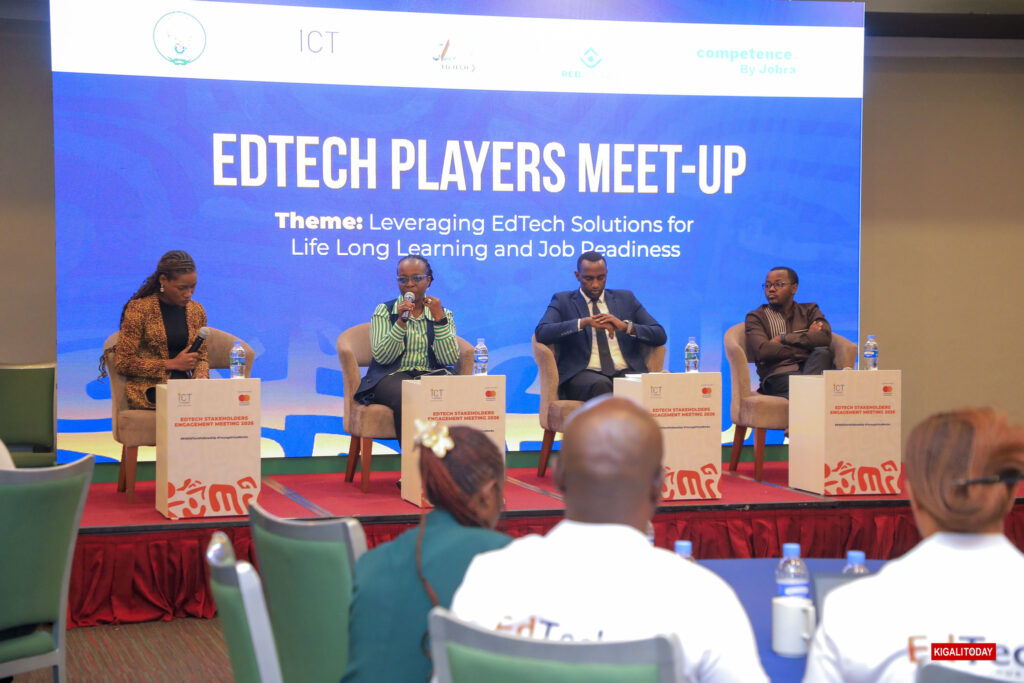
Diane Sengati, Director of ICT at the Rwanda Education Board (REB), said the institution was ready to support technologies that demonstrate clear solutions and measurable impact.
“Don’t develop a technology just because you want money; aim at finding solutions. Schools and teachers must be involved in identifying problems, testing products and determining whether they improve learning.,” she said.