



KIGALI – Rwanda’s Office of the Ombudsman has referred 11 senior political figures to the Rwanda Investigation Bureau (RIB) for investigation after they failed to declare the sources of their wealth as required by law.
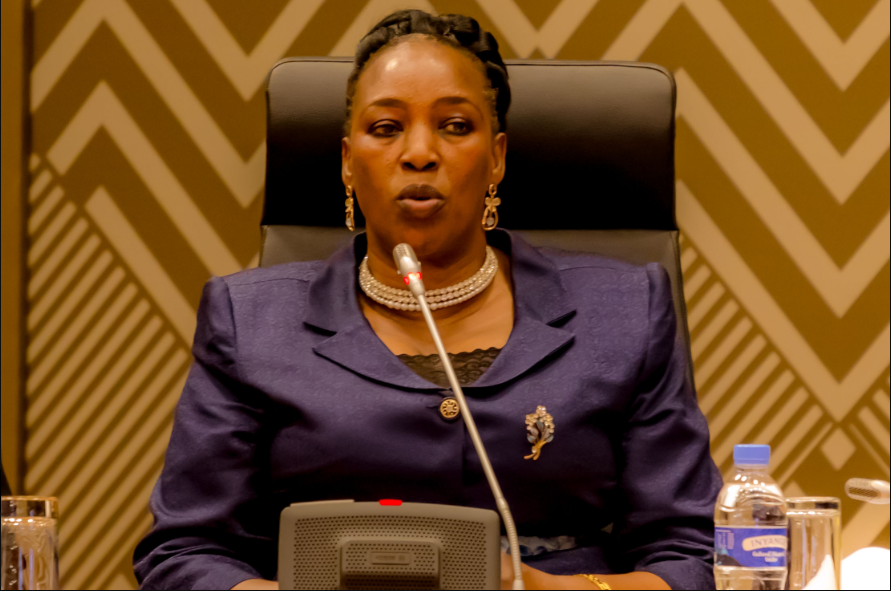
Chief Ombudsman Madeleine Umubyeyi disclosed the cases on Thursday while presenting the office’s 2025–2026 activity report and plans for the current financial year to a joint sitting of Parliament.
The law requires senior public officials, members of Parliament, heads of institutions and political party leaders, among others, to declare their assets and explain their sources of wealth.
“In political parties, 11 people did not declare their assets. Their files have been submitted to RIB for investigation,” Umubyeyi told lawmakers.
She said the office had identified cases in which companies or bank accounts were registered in other people’s names, while the individuals under scrutiny were the actual owners or controlled the funds.
“There are assets that you can see have, in fact, come from fraud,” she said.
Umubyeyi explained that people whose assets are under scrutiny may be required to demonstrate how they acquired them. She described this as a reversal of the burden of proof. Some of the assets that had not been declared included plots of land.
Beyond political parties, the office identified 15 people in other institutions who had also failed to declare their sources of wealth. They were subjected to various legal penalties, she said.
The Ombudsman’s Office plans to audit 6,900 people this financial year out of about 22,000 scheduled for scrutiny. The exercise will prioritise individuals considered to face a higher risk of corruption or misappropriation of public assets.
Umubyeyi also told Parliament that the office had returned more than Rwf100 million to the national treasury from funds allocated to staff salaries during the 2025–2026 financial year.
The disclosure followed a question from Senator Charles Muligande, who noted that the office had inspected only five districts despite reporting budget constraints. He asked why it had returned money to the treasury while carrying out a limited number of inspections.
Umubyeyi said the returned funds were mainly unspent salary allocations, rather than money intended for the office’s core activities.
She explained that some positions were occupied by acting officials who might not qualify for the full salary and benefits budgeted for those posts, leaving part of the allocation unused.
The office also saves money by cooperating with other public institutions. For example, when a ministry requests training and covers the associated costs, the Ombudsman’s Office can avoid spending funds it had allocated for the same activity.
The office’s presentation highlighted its investigations into unexplained wealth and the budget constraints it faces as it prepares to expand scrutiny of public officials and others subject to asset-declaration requirements.
