


 KIGALI – The controversy was already playing out on social media when President Paul Kagame decided to find out for himself why a woman had been arrested over her dressing. He called the Inspector General of Police, and requested an explanation.
After looking at the woman’s photos, Kagame said he saw no indecency, only a woman who was stylish but not inappropriately dressed. The officer, he concluded, may have misunderstood the guidelines.
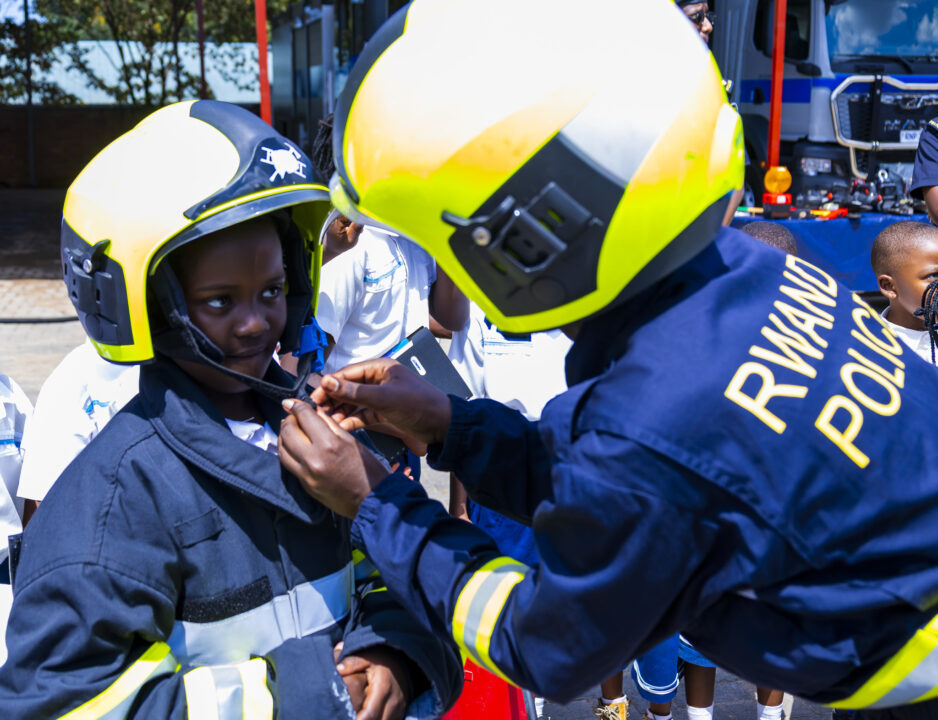
The incident illustrated how an officer’s judgement can turn an interpretation of acceptable behavior into an enforcement action, prompting the Head of State to recognize that police officers can make mistakes under pressure.
“At times you should understand the policemen because sometimes they are also tired. They be doing a lot of things and may act or make some mistakes but they must remain accountable for their actions,” Kagame said.
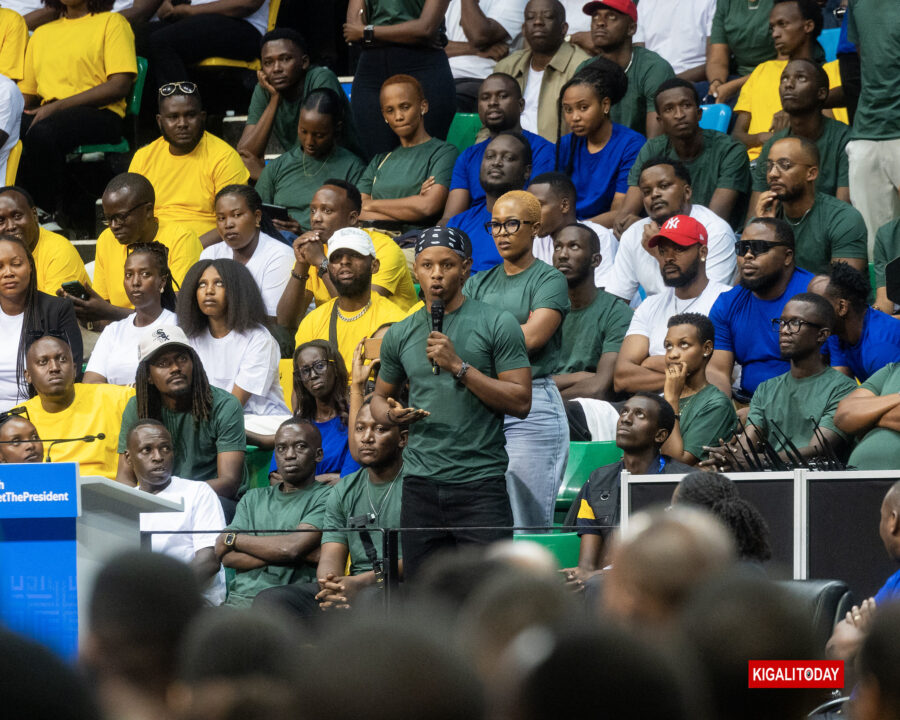
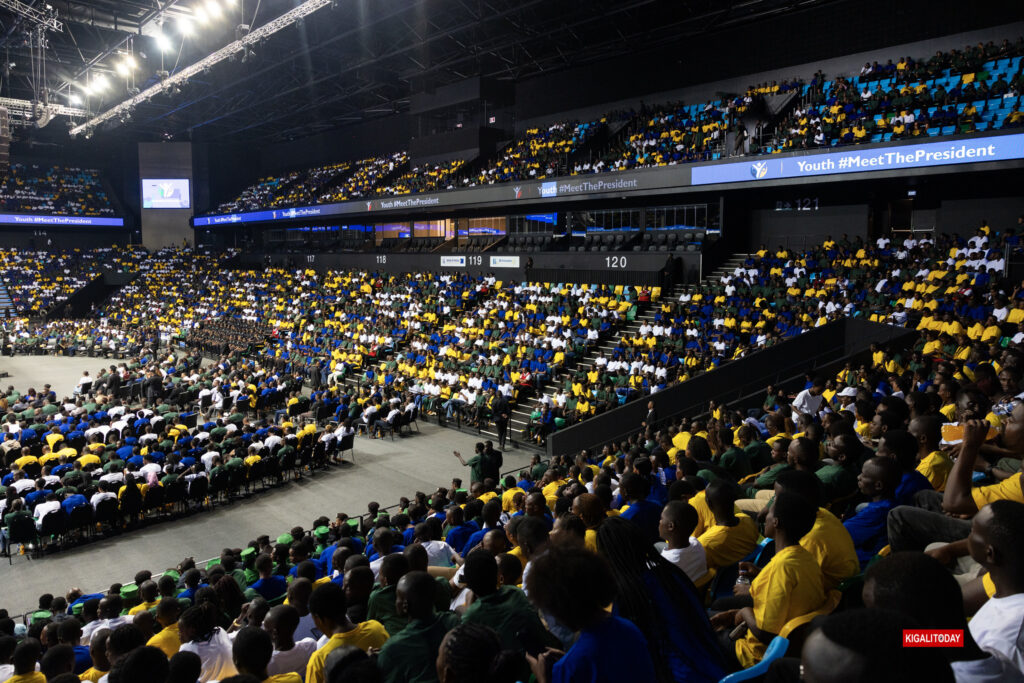
Kagame was speaking on Thursday to over 10,000 youth in BK Arena. He provided clarity to the controversy, advising that dress code issue should not be something that requires being handled by government or any other enforcement agency, but rather urging women and men alike, to dress appropriately with consideration of the occasion.
In a parental tone, Kagame came out conciliatory, calling on everyone to be mindful of how society reacts to their actions, not just dress codes.
“There are somethings individuals or group of people may do, but then society says ‘NO’,” said Kagame.
When Authority Misreads the Situation

Sometimes officers may misunderstand guidelines, and due to demanding responsibilities could make mistakes. However, Kagame drew a clear distinction between an error of judgement and acting outside the law.
“These policemen must act within their powers but should also follow the law. There is no shortcut about it. If they are acting outside of the law, they should also be held accountable,” he said.
Ordinarily, decisions by law enforcement authorities can determine whether someone is questioned, detained or allowed to continue with their day. A misunderstanding may lead to an inappropriate decision but it does not automatically justify the action.
In this case, Kagame said he sought clarification from the IGP and examined the photographs before reaching his own conclusion. This showed the importance of establishing what happened rather than assuming that an officer’s intervention was necessarily justified.
According to the President, the public should allow for the possibility that officers make genuine mistakes, but police officers must also understand the limits of their authority and answer for actions that violate the law.
Where Social Expectations Meet the Law
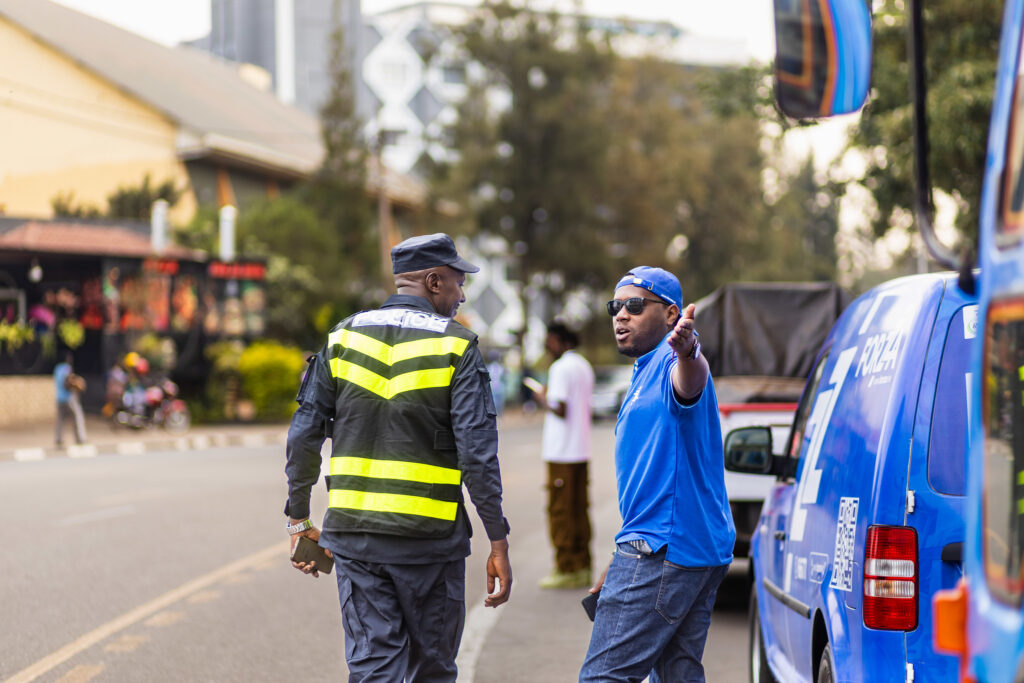
Kagame broadened the discussion beyond the arrest, arguing that what people consider appropriate dressing often depends on the setting and the expectations of the society in which they live.
“When you are going to the beach, the way people dress is different from other functions. If a man came from the gym and straight away joined us in this meeting, everyone will wonder what has happened. So, let’s not always only blame women alone,” he noted.
Kagame explained that societies develop their own expectations of behavior, and that people should consider the values of their communities rather than automatically copying practices from elsewhere.
What society considers inappropriate is not automatically a lawful reason for police intervention. Social expectations may shape how people judge behavior, but officers must still ensure that their actions fall within the law.
Unfamiliar practices can provoke resistance when they challenge established cultural expectations. Such differences, Kagame argued, should be addressed peacefully rather than escalate them into confrontations.
Teaching Values Before Conflict Arises
The President said maintaining a society’s values cannot be left to the police alone. Families and older generations have a responsibility to guide young people from an early age, helping them understand what their communities consider acceptable.
“In order to build a good culture, we the old people need to start and keep training the young ones at an early age. You should identify what is acceptable and what is not acceptable and practice it before the younger generations,” he said.
He also called on leaders to create opportunities for people to discuss disagreements and find common ground without expecting everyone to hold identical views.
“The rest is for the leadership to create an environment where people can meet and discuss issues and agree to disagree,” Kagame said.
Kagame’s position was that officers deserve understanding when they make genuine mistakes under pressure. But that understanding has a limit where police must follow the law, and those who act beyond their powers must not go away with it.