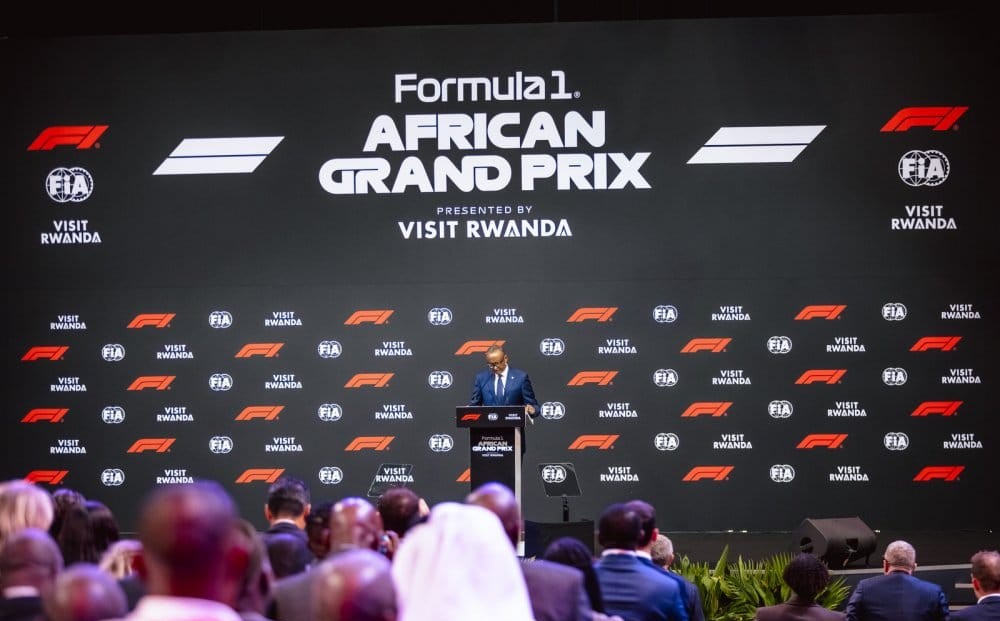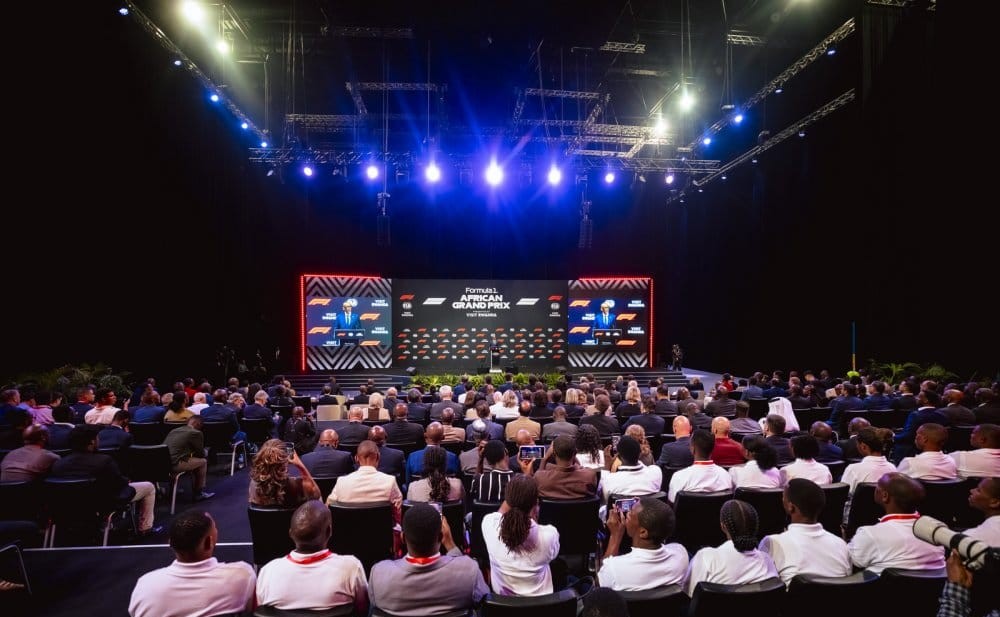



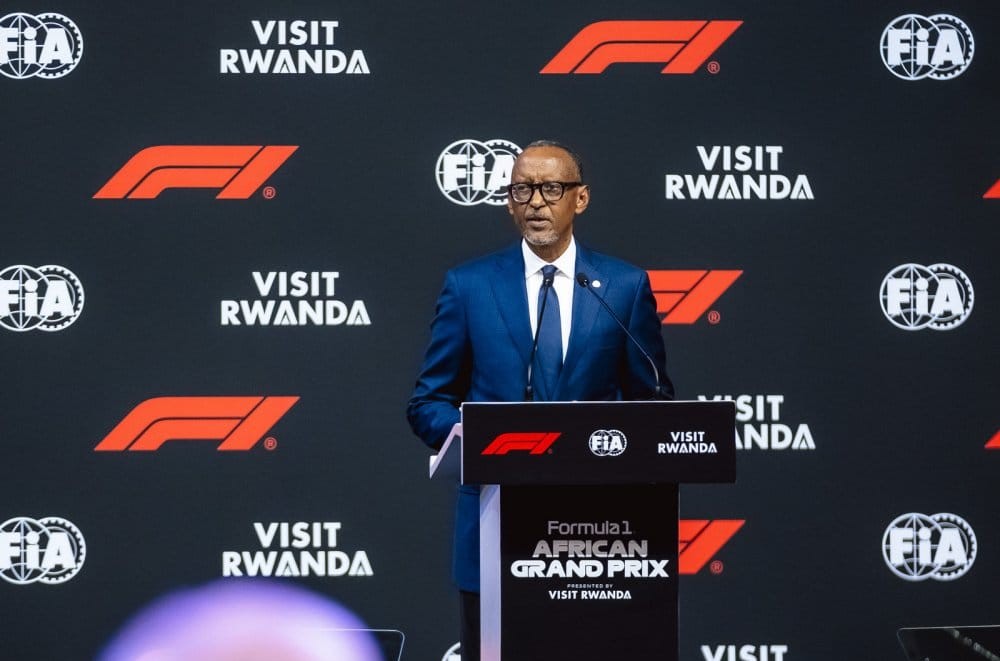
 KIGALI – President Pal Kagame has said that by hosting the 2030 Formula 1 grand prix, Rwanda wants to help Africa gain a greater stake in a global sports industry from which it has long been largely excluded as a host.
Speaking on Tuesday, October 13, alongside Formula 1 President and CEO Stefano Domenicali and FIA President Mohammed Ben Sulayem, Kagame announced plans to open a new chapter for the continent in global motorsport.
“For decades, African athletes have been a pillar of the global sports economy, adding significant commercial value to top leagues, with the continent receiving almost nothing in return,” Kagame said.
The Head of State explained that that Rwanda had been working towards hosting the race, describing the initiative as an opportunity for Africa to claim a greater place in a global sport whose commercial reach and influence have expanded across the world.
Kagame said Rwanda wanted to be an active contributor to motorsport’s future rather than simply a venue for international competition.
“We want to contribute, not just participate, and this new chapter in motorsports starts today,” he said.
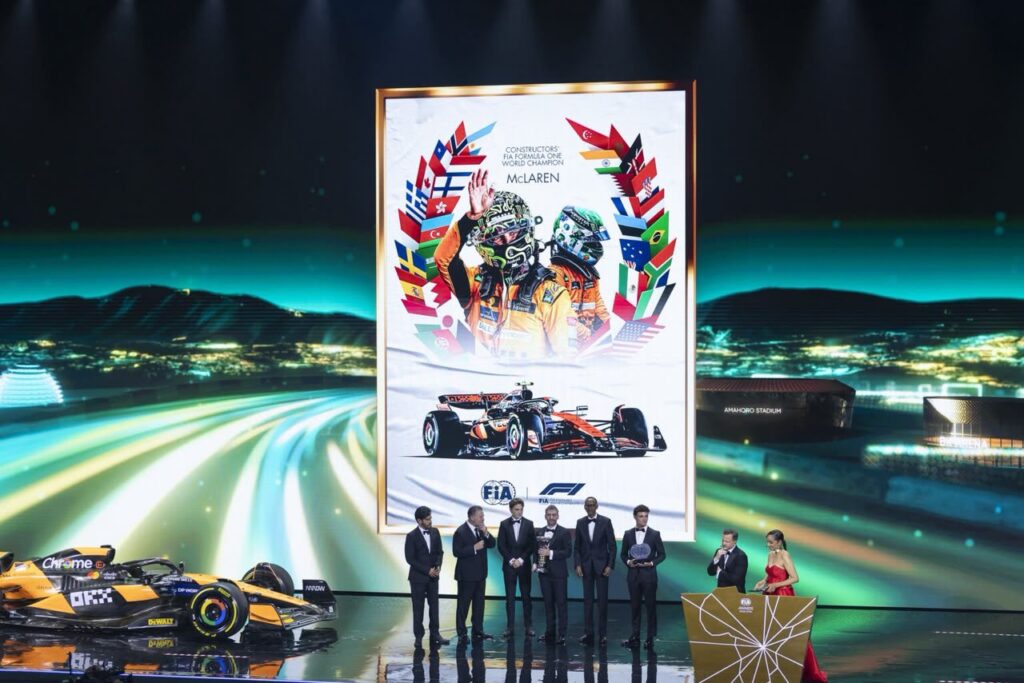
More than 30 years after Formula 1 last raced on African soil, Rwanda is at the center of the championship’s return to the continent, with plans to reach far beyond the roar of engines and the spectacle of race weekend.
The last Formula 1 Grand Prix held in Africa was the 1993 South African Grand Prix. The proposed return through Rwanda would end that prolonged absence and put the continent back on the calendar of a championship watched by millions of fans worldwide.
But Kagame wants the significance of the event to extend beyond Rwanda securing a place among Formula 1’s destinations.
“Ultimately, what we want is for the African Grand Prix to pave the way for other races to be hosted on the continent. This is not impossible to achieve, and what we are doing now proves this,” he said. “
As Rwanda hosts the race, the wider ambition is to make Africa a more established participant in international motorsport.
An African Race, Not Just a Rwandan 1
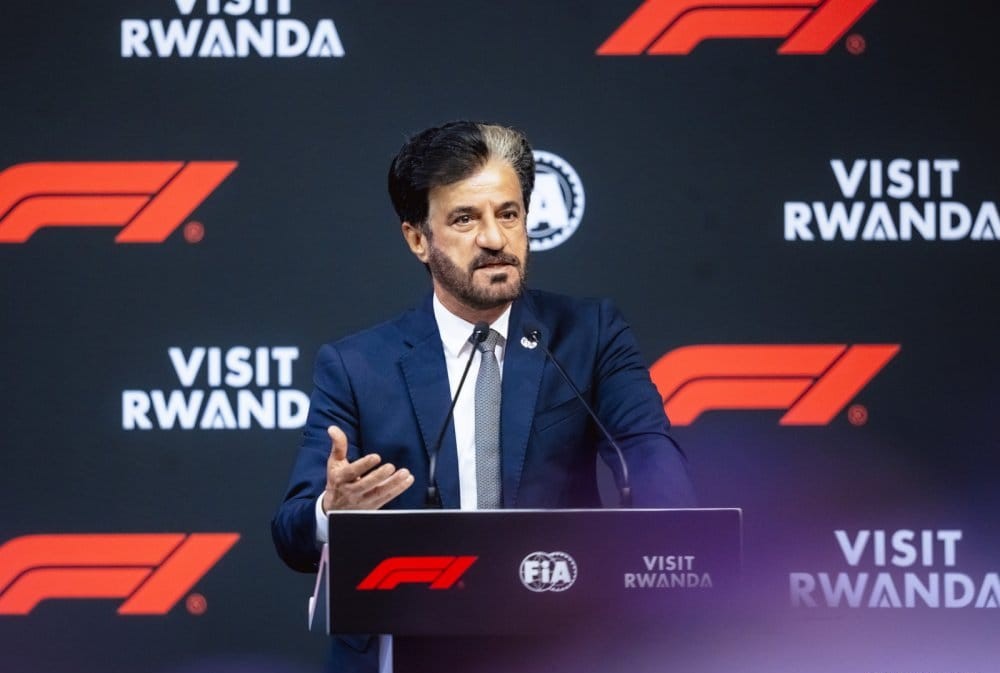
Ben Sulayem underscored that the choice to call it the African Grand Prix was central to the project’s significance which should be measured in continental rather than exclusively national terms.
“It’s not called Rwandan F1. It’s called Africa. This is sending a message. It is about Africa,” the FIA president said.
The decision follows years of discussion about returning to a continent that has remained absent even as the championship has expanded into new markets. The sport had wanted to return to Africa for years, but only with the right partner and a clear vision for the future.
Africa is home to more than 100 million Formula 1 fans, within a global fan base of more than 800 million.
Bringing the championship to the continent, will give younger generations closer access to the sport and help them imagine careers not only as drivers, but also as engineers, technicians, entrepreneurs and innovators.
A Demanding Circuit in The Hills Of Bugesera
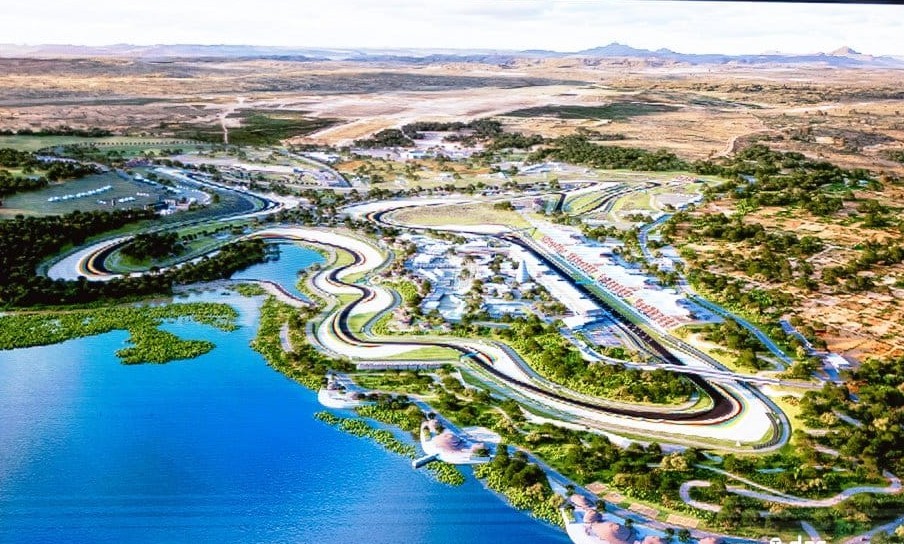
The centerpiece of Rwanda’s plan is a purpose-built circuit in Bugesera, about 40 kilometers south of Kigali and near the new Kigali International Airport.
Details outline a six-kilometre track with 17 corners and an anti-clockwise layout. Rather than flattening the landscape to accommodate a conventional circuit, the design is intended to follow the natural contours of the terrain.
The track is expected to feature a 197-metre elevation change per lap, creating a technical challenge for drivers and engineers while offering spectators varied views of the surrounding landscape.
The location also places the project within Rwanda’s broader effort to connect international events with tourism and infrastructure development.
The scale of the ambition means that construction, certification and preparations for hosting a championship race remain critical steps before the first Grand Prix can take place.
Building A Future Beyond the Race
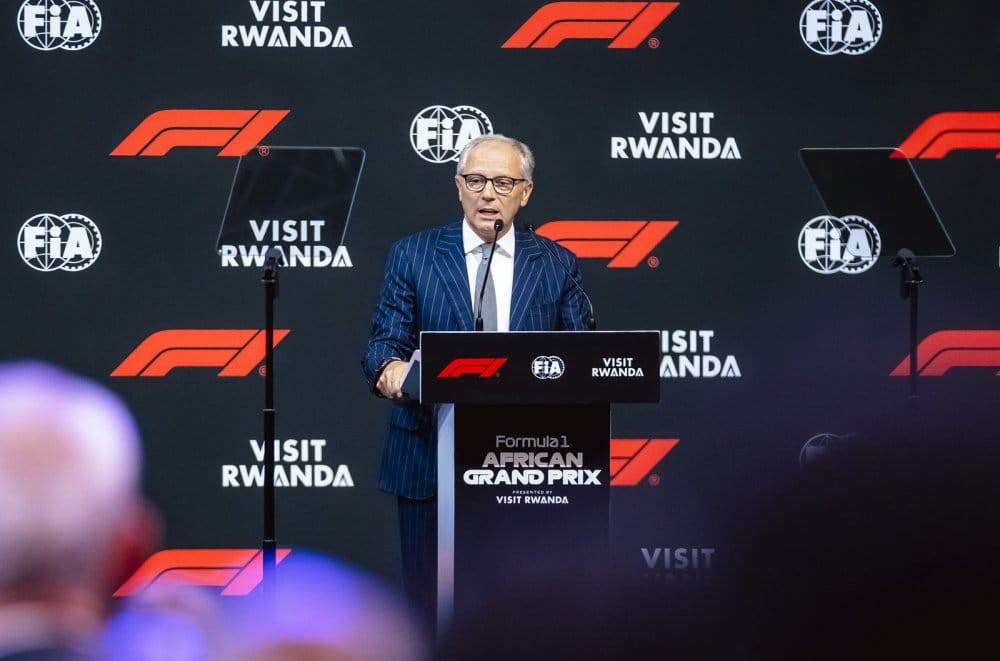
Both Formula 1 and the FIA presented the project as an opportunity to develop a lasting motorsport presence in Rwanda and across Africa.
“This is not simply about hosting a Grand Prix. This is about creating legacy and inspiration. There are opportunities in tourism, investment, skills, education and local business development.,” Domenicali said.
Sulayem said the FIA would continue supporting Rwanda’s motorsport development, including grassroots cross-car racing and karting, as well as training and road-safety initiatives.
Developing these foundations could help ensure that the sport’s return produces opportunities beyond the elite competition.
The agreement envisages the African Grand Prix joining the Formula 1 calendar in the early 2030s, leaving several years to complete the circuit and prepare the systems required to host the event.