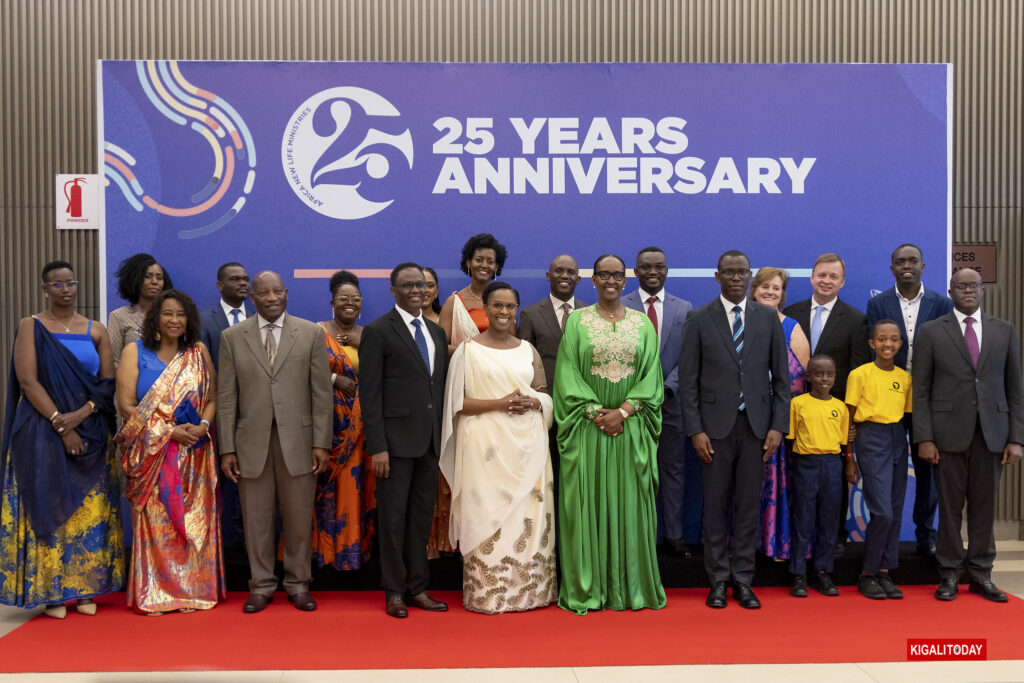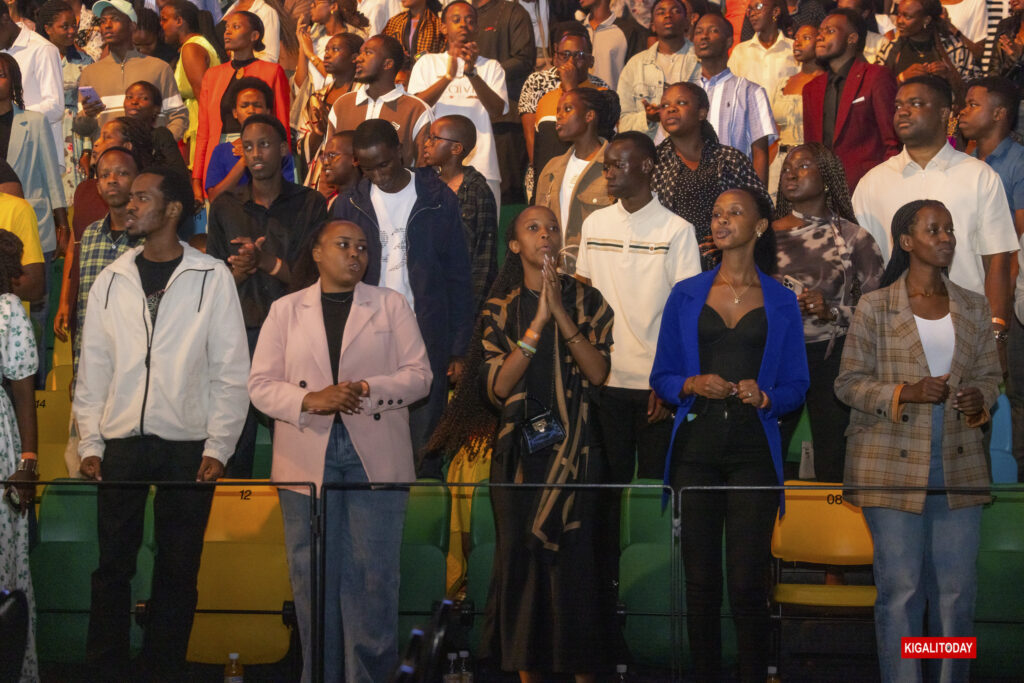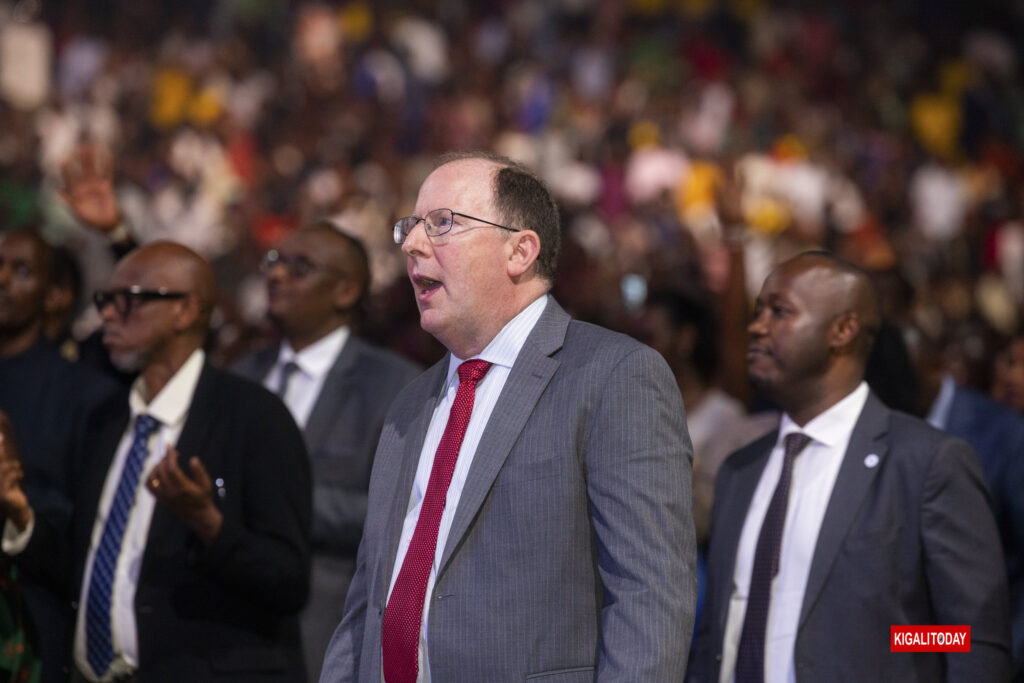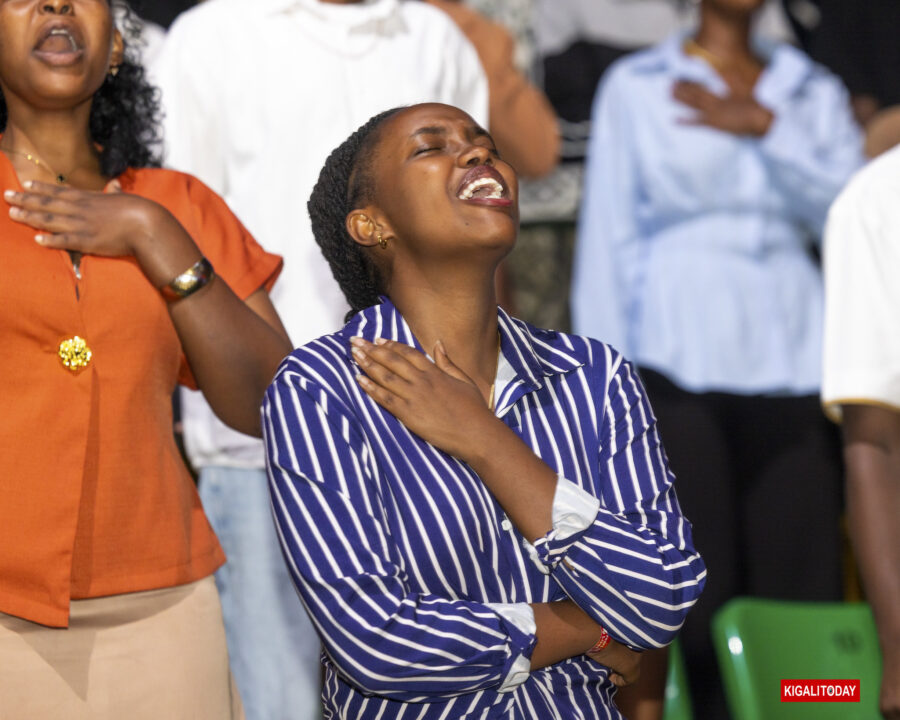



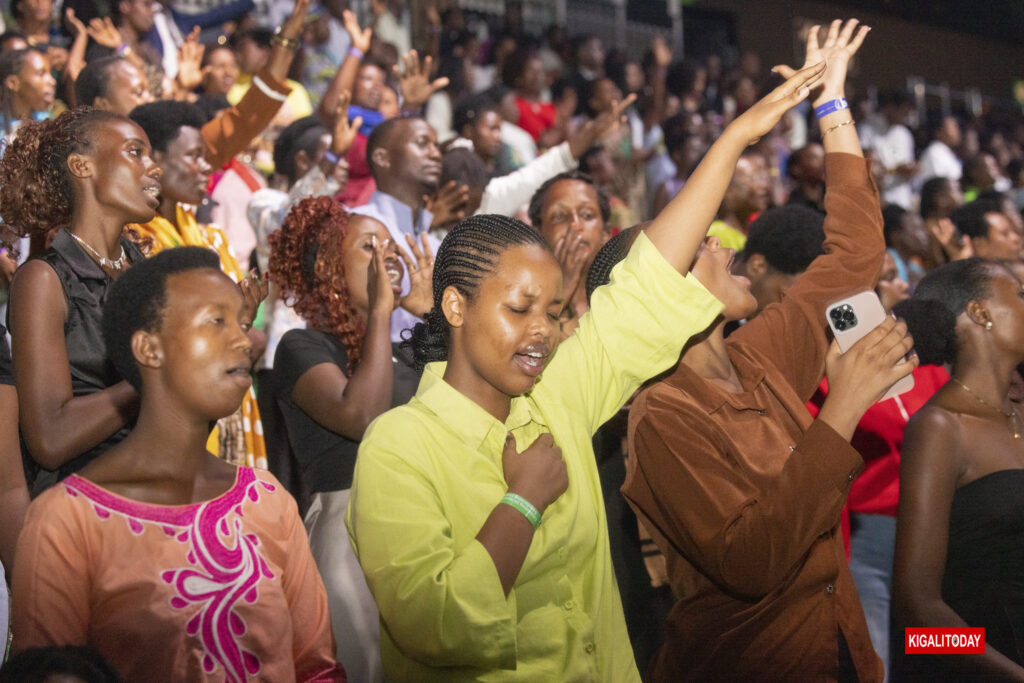
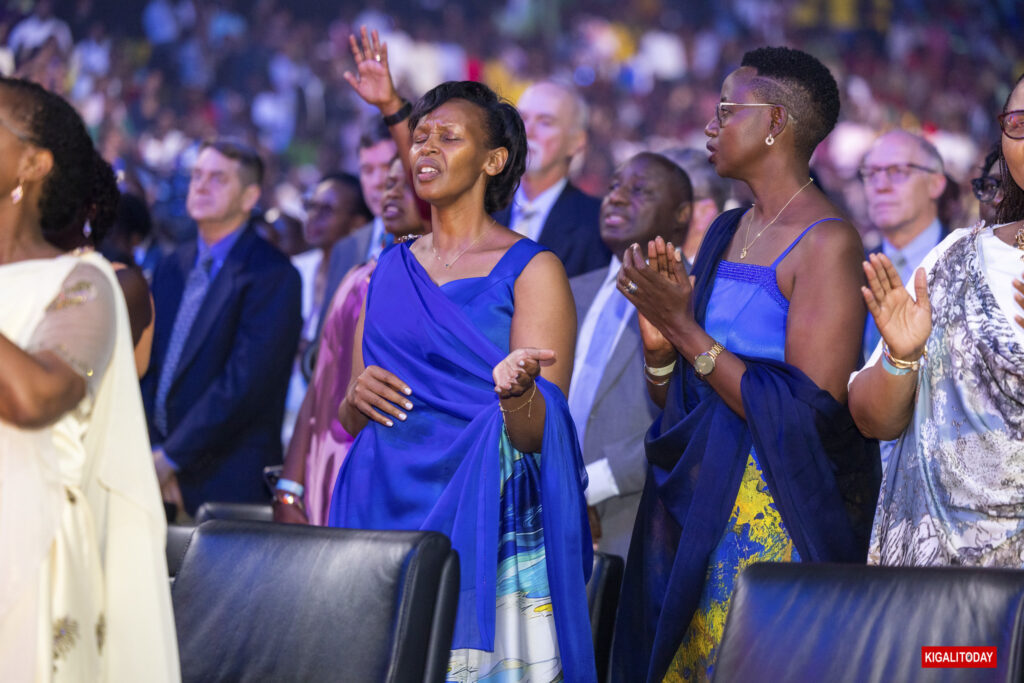
Participants during celebrations to mark the 25th anniversary of Africa New Life Ministries in Kigali.
KIGALI – Many Rwandans who returned from exile after the 1994 Genocide against the Tutsi found themselves in a country they barely recognized, struggling to reconnect with people whose experiences of the past had been different from their own.
Speaking on October 11, 2026, at celebrations to mark the 25th anniversary of Africa New Life Ministries in Kigali, First Lady Jeannette Kagame reflected on the challenges of rebuilding a shared sense of belonging in a country emerging from the darkest periods in its history.
“Although we were all Rwandans, we were, in some ways, strangers to one another. Returnees who spoke different languages after years abroad and encountered fellow citizens who had remained in Rwanda but were also carrying the trauma of the country’s history,” Mrs Kagame said.
For some, returning home meant entering a country they had never known as adults, others had spent years building lives elsewhere before coming back. Reuniting as Rwandans, Mrs Kagame observed, did not automatically erase these differences or the wounds people carried.
It was in this difficult period that Africa New Life Ministries began its work, becoming part of the wider effort to rebuild lives and communities in the aftermath of the 1994 tragedy.
“Africa New Life was not born during a time of peace and tranquility. It emerged at a time when our country was going through tremendous hardship,” she observed.
Church Offers More Than Spiritual Care
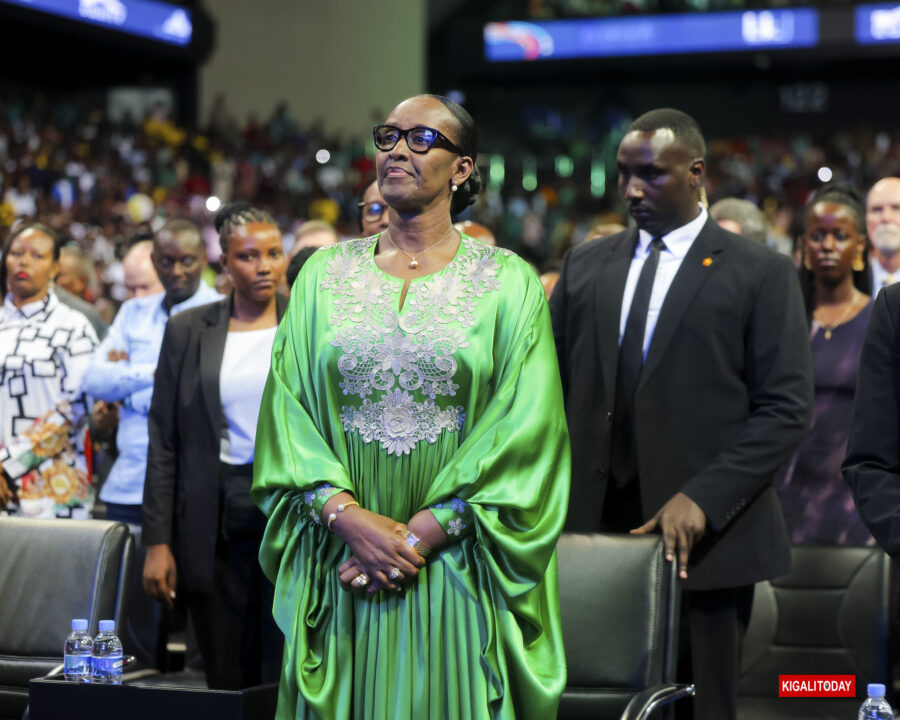
First Lady Jeannette Kagame was Chief Guest at celebrations marking the 25th anniversary of Africa New Life Ministries.
Mrs Kagame credited the ministry with responding to needs that extended beyond religious instruction, helping people regain dignity through spiritual guidance and practical assistance.
“You may have thought you were simply starting a church, but you were responding to a question that many of us were asking ourselves: Where is home? Where do I belong? You nourished broken souls and comforted wounded hearts, while also providing for their physical needs she said.
In light of this, the church provided education, clean water, healthcare and other forms of assistance alongside religious teaching, helping address some of the challenges facing vulnerable families.
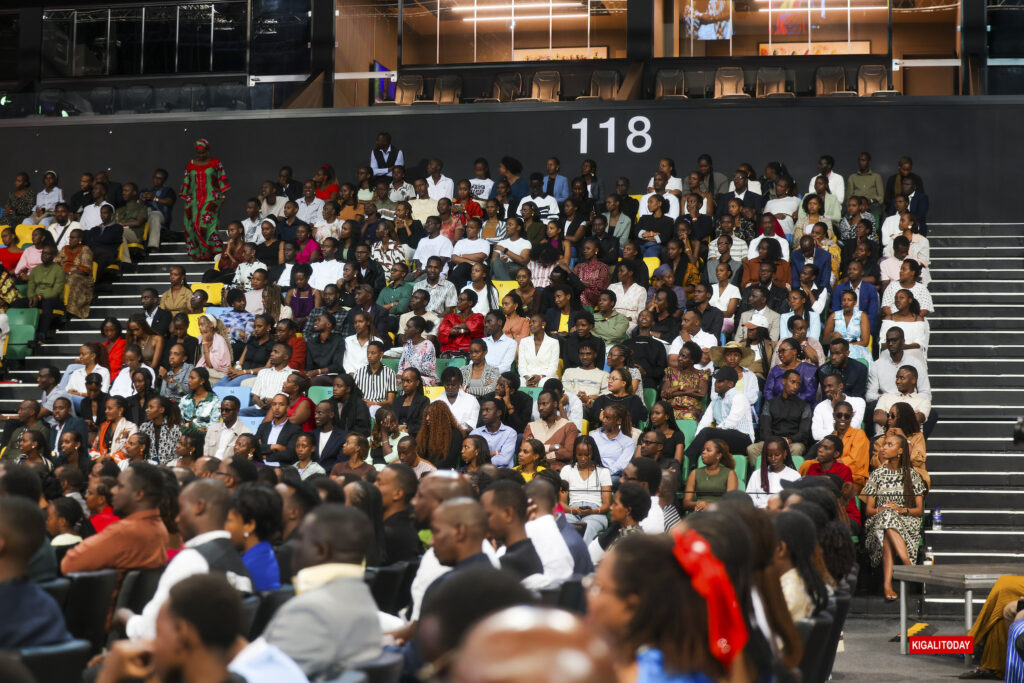
Her remarks honored the ministry’s 25-year journey for acting within the broader challenge of helping Rwandans recover from displacement, bereavement and the disruption of family and community life.
Children who lost their parents during the country’s tragic history were among those she highlighted, commending the organization for providing care to young people who might otherwise have grown up without parental support.
“We thank you for becoming parental figures to children who, because of the circumstances of our history, would otherwise have grown up without knowing a father or mother,” she said.
From Assistance to Self-Reliance
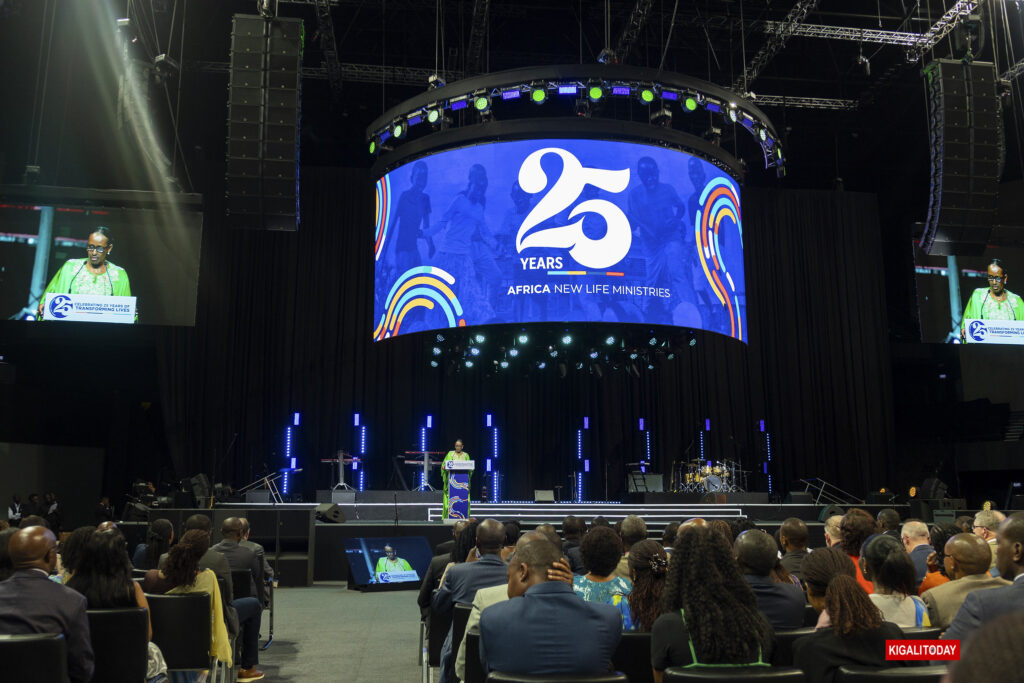
Mrs Kagame said support for vulnerable communities must extend beyond meeting immediate needs to helping families develop the capacity to sustain themselves.
“Sometimes we must first feed the hungry, care for them and listen to them before we can teach them. You recognized that a family needs material support, but you also understood that it needs hope and the ability to become self-reliant and sustain itself,” she said.
She praised the ministry for combining practical care with spiritual guidance, concurring that addressing people’s immediate needs is an important part of serving them.
Her remarks highlighted the role faith-based organizations can play in supporting communities through education, healthcare and social care, while helping individuals rebuild their lives and become more independent.
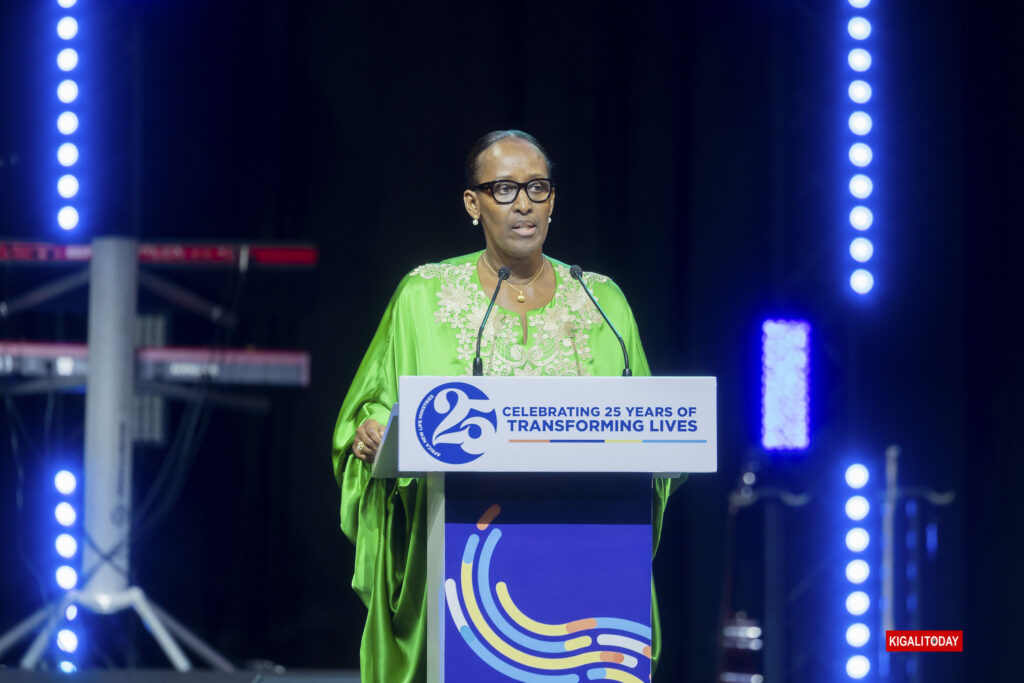
First Lady Jeannette Kagame reflected on the challenges of rebuilding a shared sense of belonging in a country emerging from the 1994 Genocide against the Tutsi.
She also challenged the church to maintain a broader understanding of its mission, saying its contribution should be measured not only by religious teaching but also by its impact on people’s lives.
“The Gospel is not merely about preaching that there is a heaven, but also about building God’s family in the lives we live here on earth today,” she said.
As Africa New Life Ministries marked its silver jubilee, Mrs Kagame thanked its founders and partners for their contribution to Rwanda’s transformation and urged them to continue supporting families and strengthening communities.
She wished the organization continued success as “a church, a family and a home that offers hope, heals hearts, looks to the future and continues to contribute to building the Rwanda we aspire to create.”
25 Years of Impact
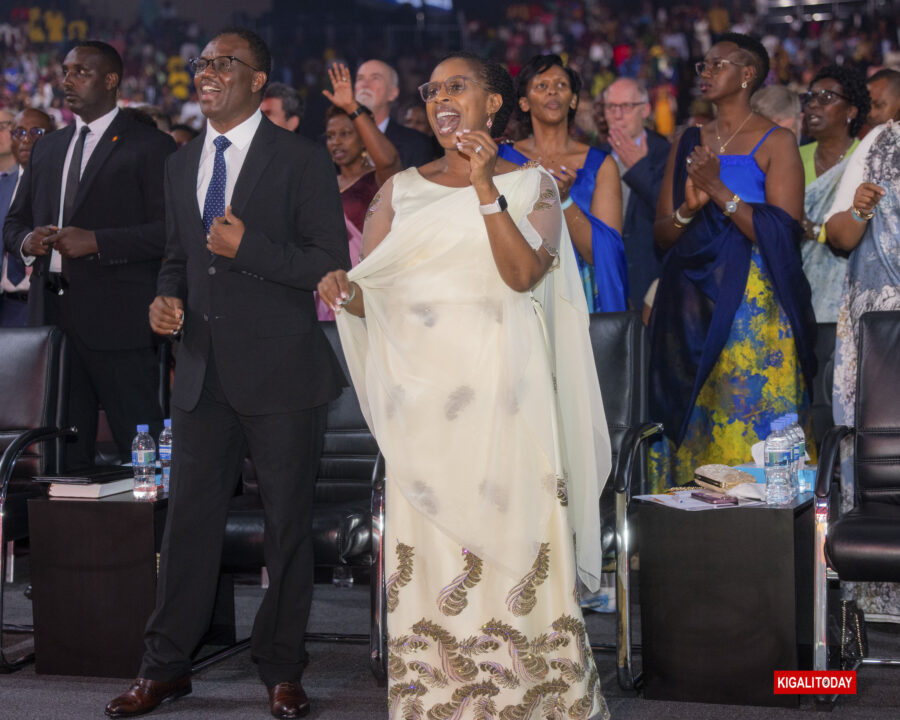
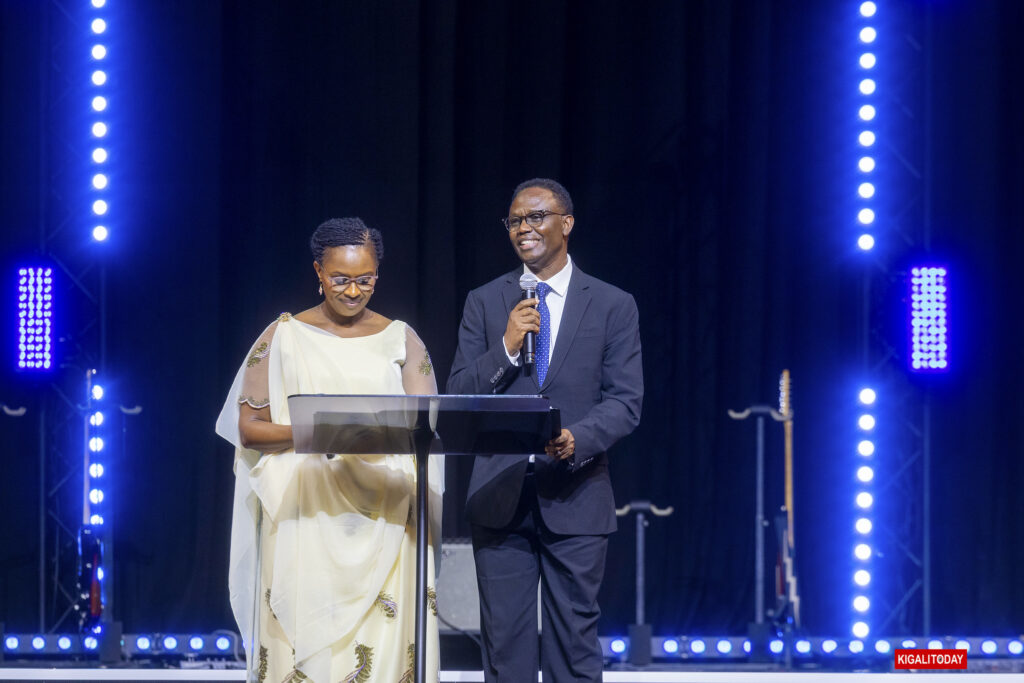
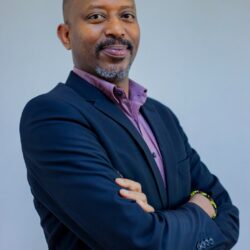
Rev. Dr. Charles Buregeya Mugisha and his wife, Florence Mugisha.
Founded in Kayonza district in September 2001, Africa New Life Ministries began by supporting 30 children before expanding its work to reach more families across Rwanda.
Over the past 25 years, the organization has supported more than 21,900 students with educational assistance, with 12,060 still receiving support. It has also provided values-based leadership training to more than 206,000 young people nationwide.
Since 2018, Dream Medical Center has served 528,000 patients, while targeted initiatives have helped vulnerable families access food and brought clean water to communities in eight districts.
More than 1,900 women have received vocational and entrepreneurship training, with 94% going on to establish businesses, helping their households strengthen their economic independence.
The organization has also invested in community infrastructure, helped vulnerable families access health insurance and established centers supporting early childhood development and school readiness.
Reflecting on the journey, the founders, Rev. Dr. Charles Buregeya Mugisha and his wife, Florence Mugisha, said their shared purpose had sustained them through difficult moments.
Both grew up in Rwandan refugee families in Uganda, an experience that helped shape their commitment to supporting vulnerable children and their families.
“We had a shared purpose that brought us together. At different times, the journey was difficult, and there were moments that required courage and perseverance, but we continued moving forward,” they said.
Their experience of displacement, combined with the ministry’s work over the past quarter-century, pushed them to understand that rebuilding lives requires meeting immediate needs, restoring dignity, strengthening families and giving people the tools to build their own futures.
Photos by Mellisa Isimbi