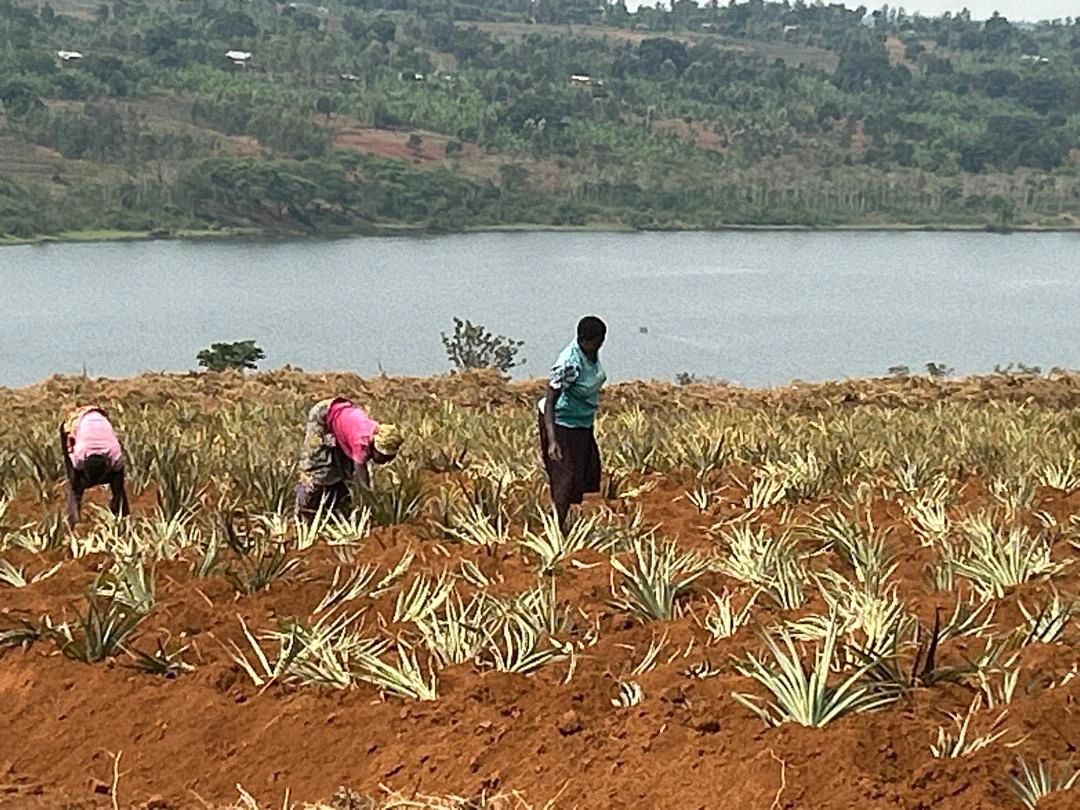
Women planting pineapples along Lake Mugesera shores
On the shores of Lake Mugesera, a massive 500-hectare farmland is now buzzing with activity as farmers plant and harvest pineapples, with businesses thriving around it.
This transformation is striking compared to decades ago, recalls Alexis Muzerwa, president of the Mugesera Pineapple Cooperative (KOABANAMU).
He grew up watching his parents cultivate cassava and live in grass-thatched houses.
“We practiced subsistence farming. When my brother grew the first pineapples, he made a lot of money, and our father asked him where the money had come from,” Muzerwa narrated.
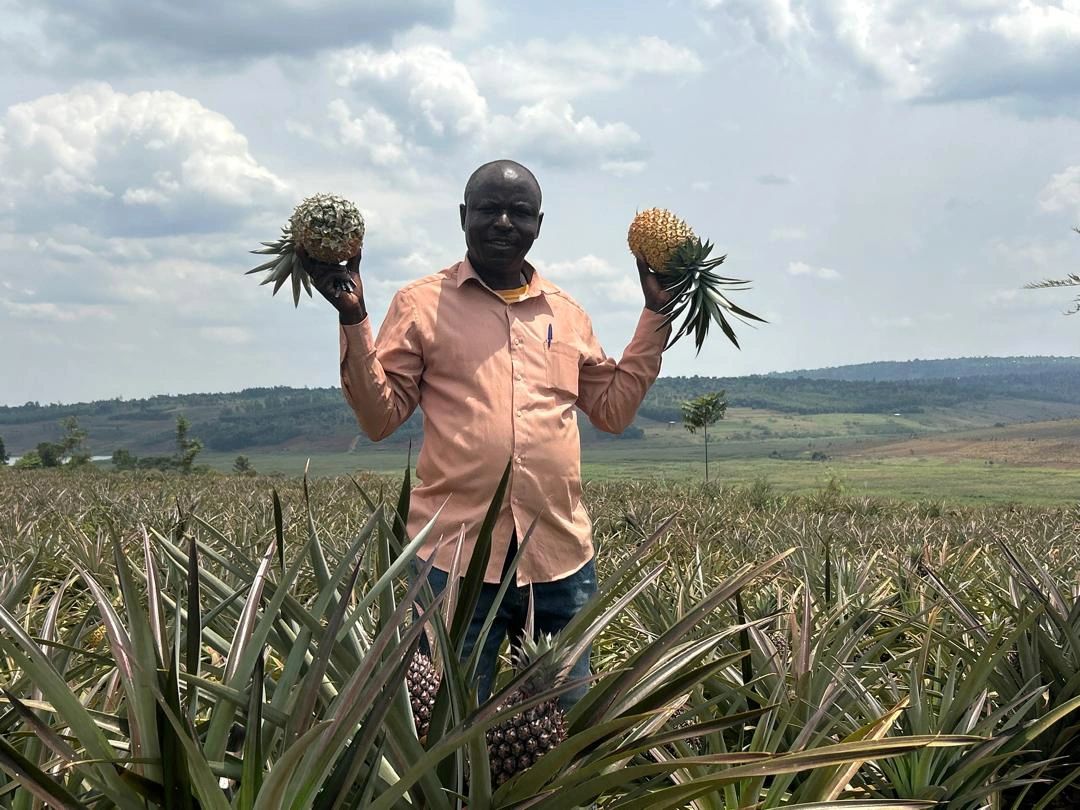
Alexis Muzerwa
Inspired by such success stories and encouraged by district authorities in 2011, Muzerwa and 100 other farmers formed a cooperative and shifted from subsistence crops to large-scale pineapple farming.
However, the cooperative quickly collapsed due to poor management, lack of quality seeds, and members reverting to their old ways.
In 2022, 63 farmers, including 29 women, revived the cooperative with lessons from past mistakes. In just three years, pineapple farming has flourished, but farmers still faced challenges transporting produce to their main buyer, Inyange Industries.
To solve this, the cooperative secured a Rwf50 million matching grant from the Commercialization and De-Risking for Agricultural Transformation (CDAT) project.
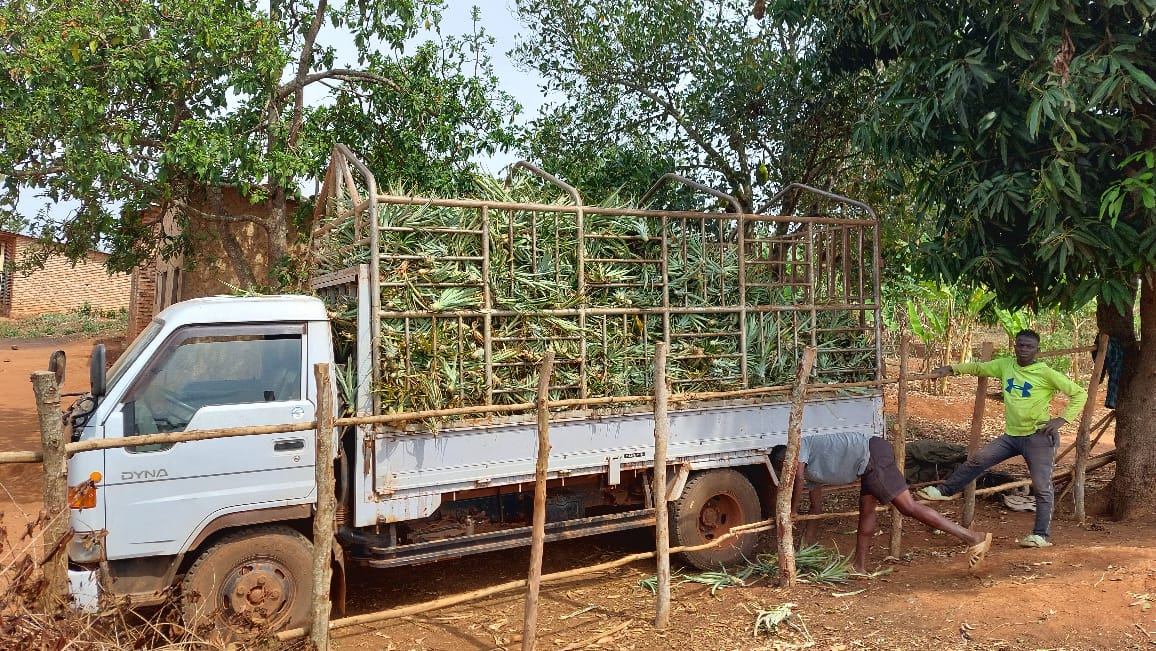
With 50% of the cost contributed by members, they purchased a Fuso truck, cutting out middlemen and enabling direct delivery of 70–80 tonnes of pineapples to buyers.
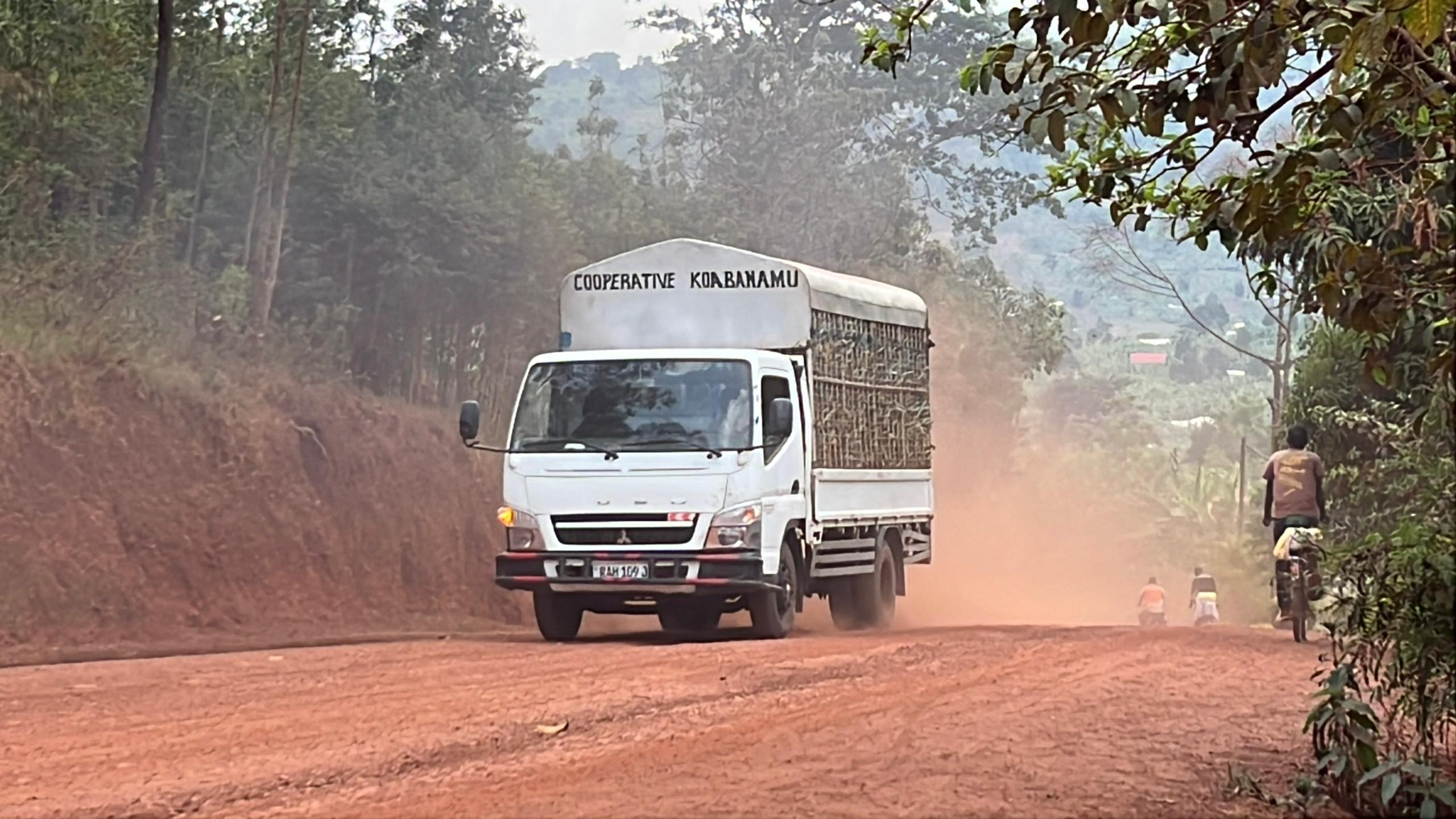
The truck from a CDAT Rwf50 million matching grant delivers at least 4 tonnes of pineapples in a single delivery
“This truck reduced post-harvest losses, helps us collect produce from farms, and ensures timely delivery to the market,” Muzerwa said. “It has improved efficiency and boosted our earnings.”
For example, one hectare generates about Rwf15 million per harvest, meaning the cooperative earns significantly from its 500 hectares (with close to Rwf7.5billion per harvest).
Muzerwa proudly notes that members no longer rely on subsistence farming or live in poverty.
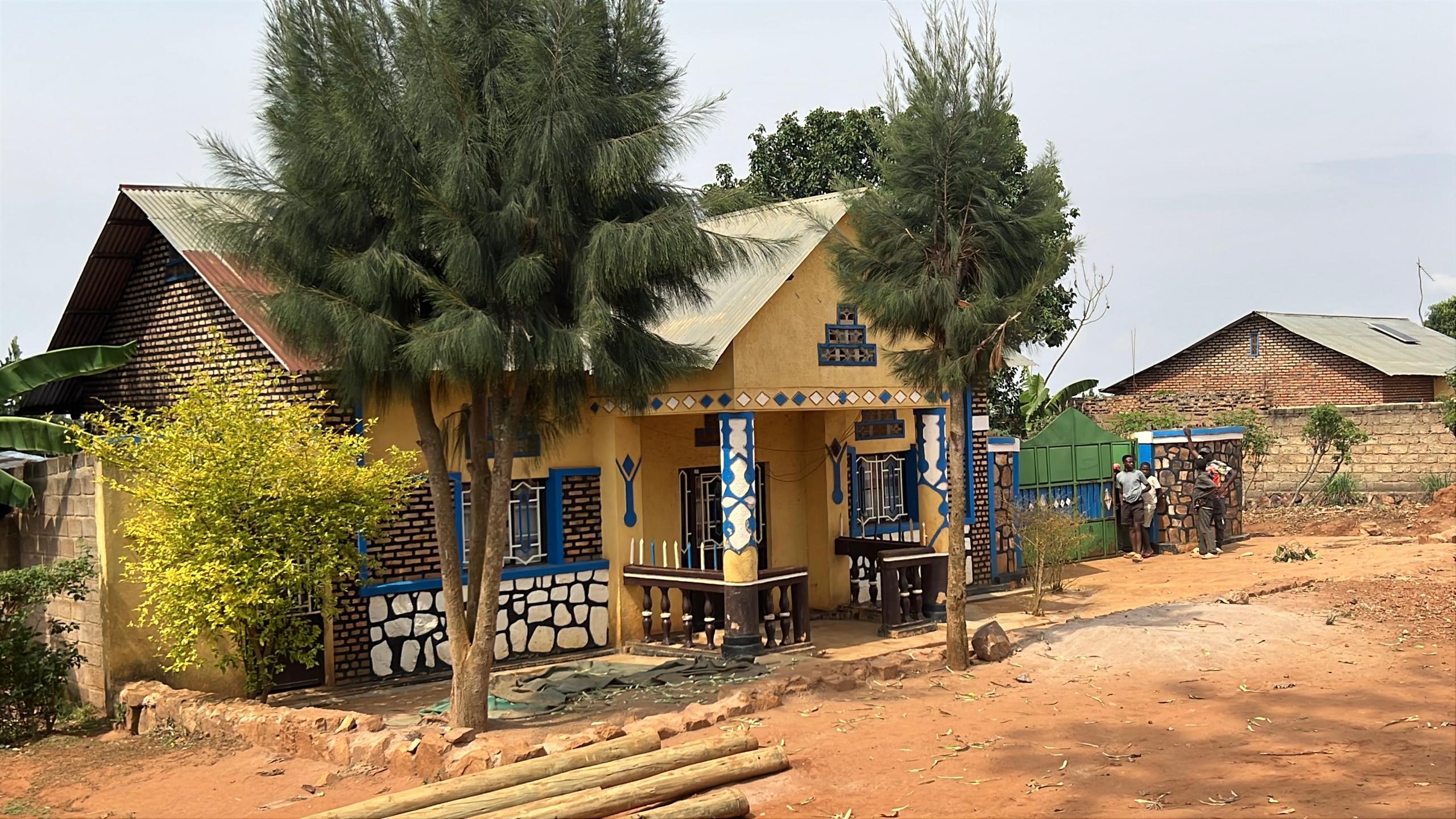
“Today, members buy household necessities in bulk, live in modern homes, and own transport—at least a motorbike or bicycle. Youth are employed, and with the rising pineapple prices, lives have changed completely,” he explained.
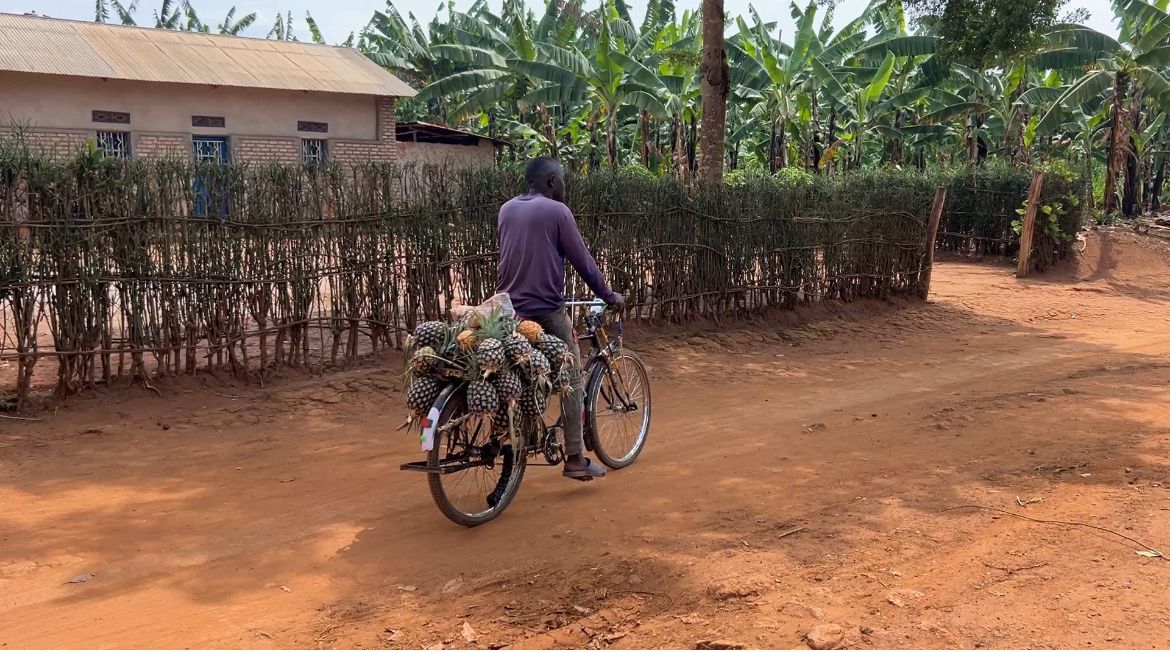
To demonstrate the impact, Muzerwa gave local media a tour of Mugesera sector—modern houses replacing grass huts, busy shops, and vibrant farms. Young men were seen loading pineapples onto trucks while women planted new stems for the next harvest.
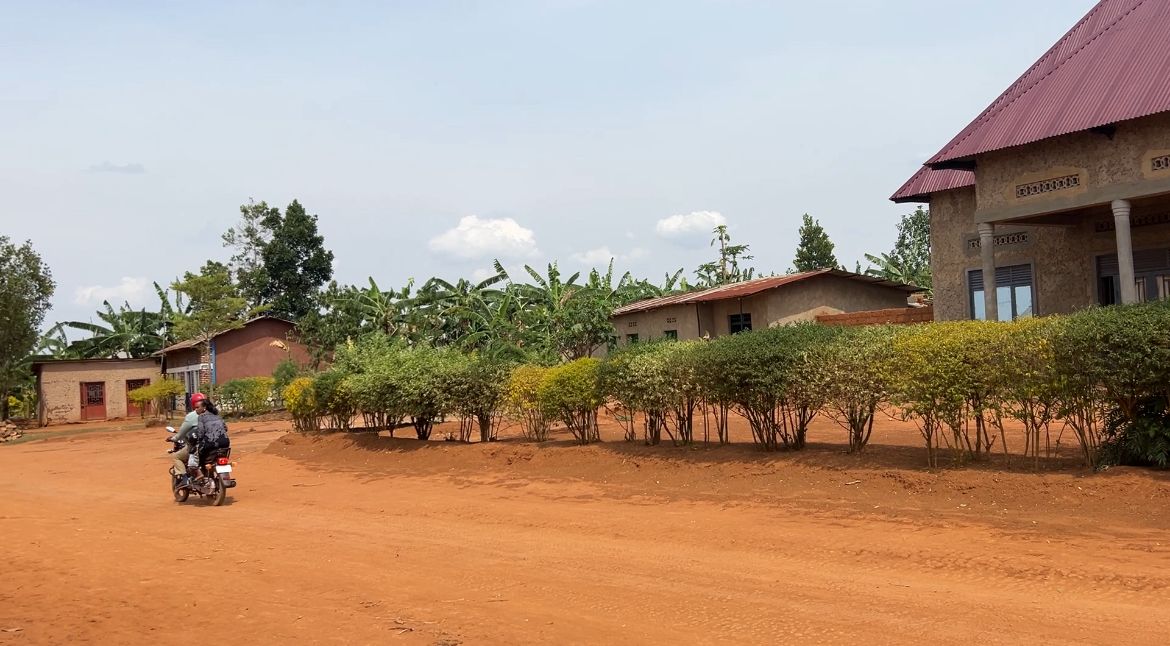
Mugesera pineapple farmers now own better houses and modes of transport
Big Dreams:

Riding on this success, the cooperative has purchased more land in nearby Zaza sector, plans to apply for another grant to buy a Rwf70 million truck, and hopes to lobby for a larger processing plant to supplement the small private one already operating.
The CDAT project, a $300 million World Bank-funded initiative, aims to attract youth and transform agriculture into a modern, profitable venture. It also supports Rwanda’s National Strategy for Transformation (NST2).
Prime Minister Dr. Justin Nsengiyumva yesterday noted that employment in agriculture has increased from 41.7% in 2017 to 48% today, with 52,700 people now employed compared to 84,300 in 2017.
He added that more than 19,000 farms covering 587,000 hectares have been earmarked for inclusion in the national agricultural development program.
According to Bonfils Olivier Mugambira, CDAT’s Access to Finance Specialist, the project is on track to meet its goals, with a second call for proposals soon to prioritize youth-led innovations in agriculture and job creation.