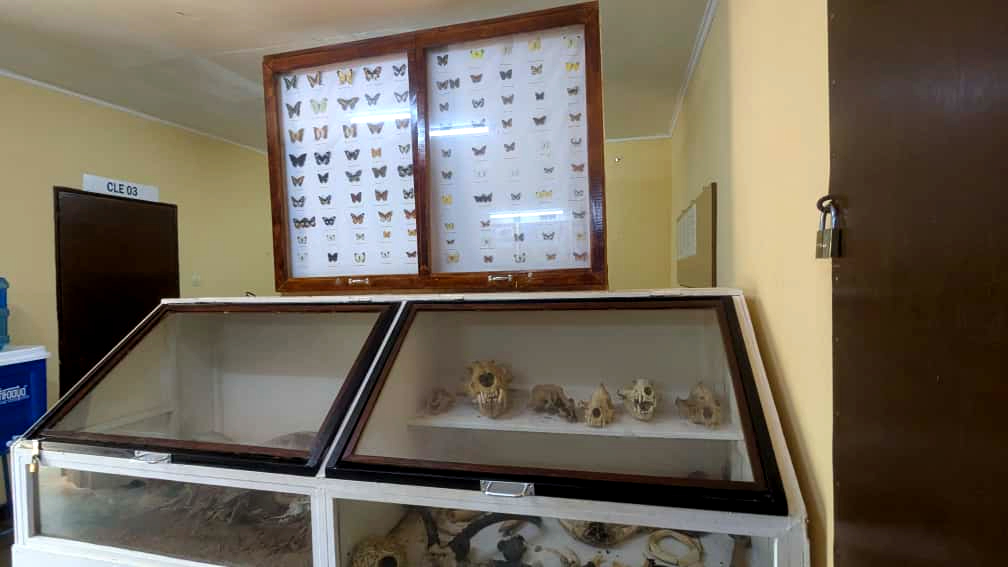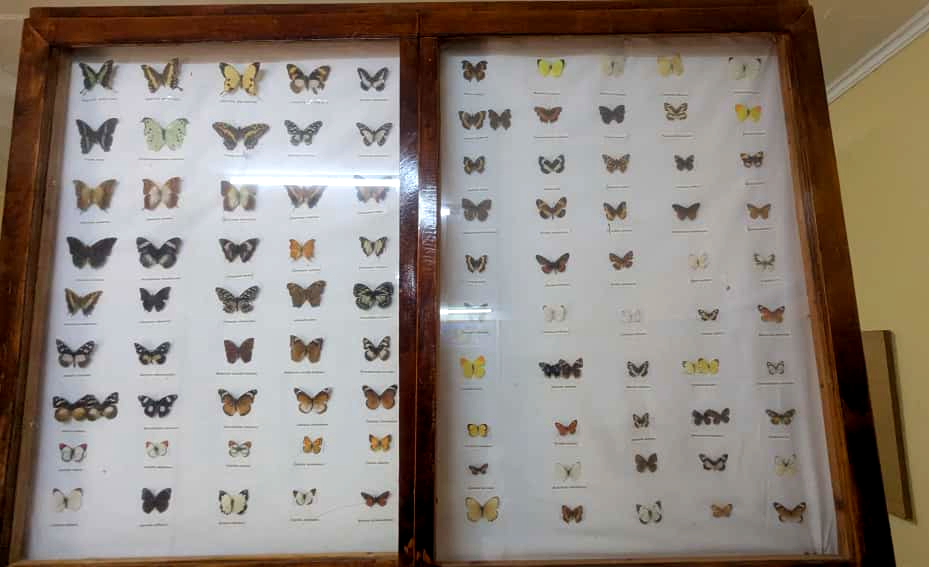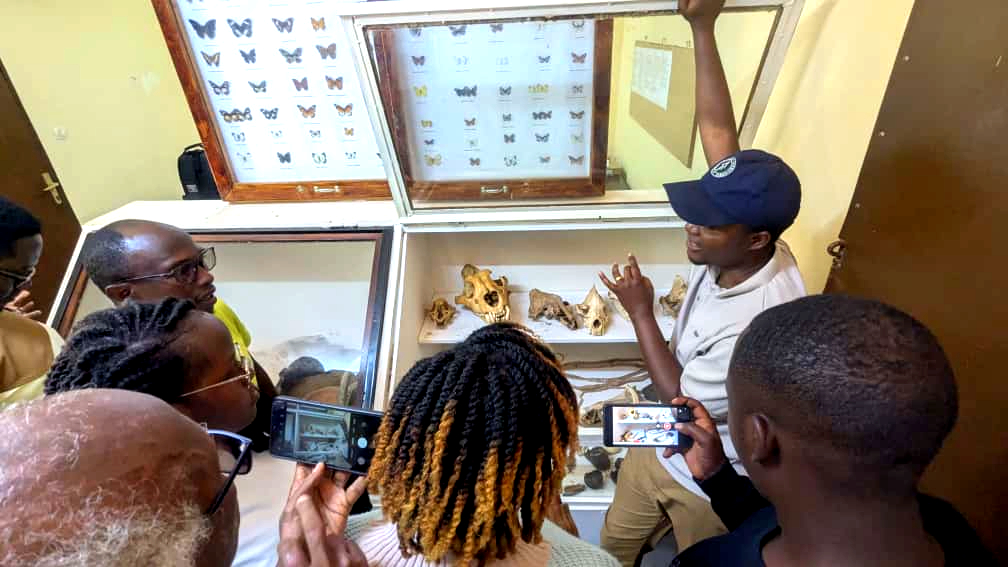
Akagera National Park has embarked on an intensive, multi-year survey of butterfly species as part of efforts to understand the impact of climate change on Rwanda’s ecosystems.
So far, more than 179 butterfly species have been recorded in and around the park. Officials say the findings will guide future conservation strategies and inform national climate-mitigation policies.
Butterflies play a much larger role in conservation science than many people realize. Beyond their beauty, their behavior, distribution, and population changes offer early signals of ecological disturbances.
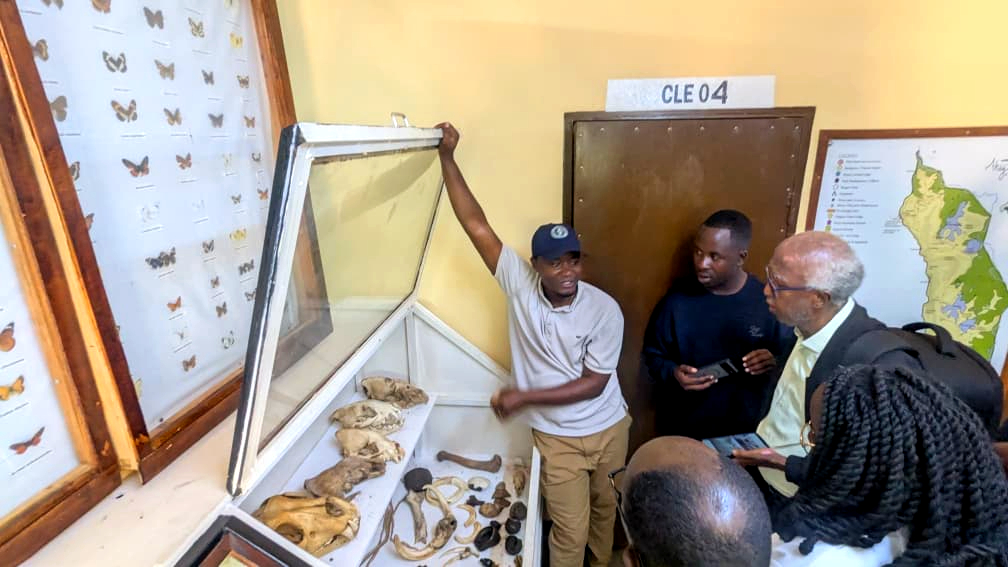
Park managers say butterflies can help identify areas at risk of fires or other climate-related hazards. Their sensory abilities allow them to detect distant disturbances—sometimes fleeing an area even before a fire breaks out.
Their numbers may rise or fall depending on shifts in temperature, rainfall, soil composition, and vegetation.
“Butterflies are important indicators of environmental health,” said Jean Paul Karinganire, the park’s Funding and Reporting Manager.
“Long-term monitoring helps park management detect potential ecological changes, including shifts linked to climate change.”
Monitoring Across Key Sites:
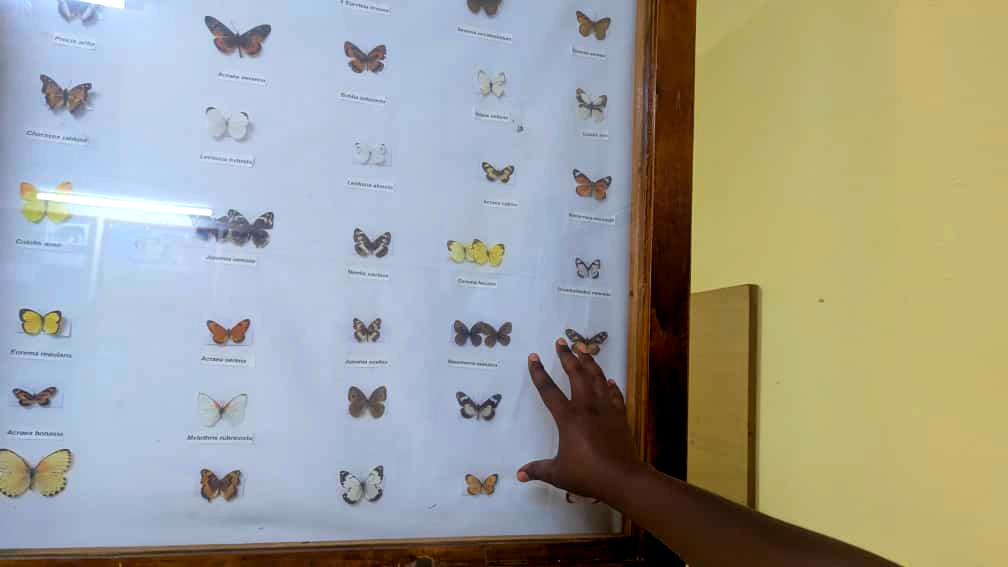
Akagera’s core department of Conservation and Research monitors butterflies in six permanent sites: Birengero, Mihindi, Mutumba, Nyungwe, Ruzizi, and the park headquarters area.
At each site, monthly surveys are conducted along a one-kilometer transect during daylight and afternoon hours. Surveyors document every butterfly encountered, noting colors, patterns, wing structure, and other identifying features.
This data helps the park determine conservation measures, however Karinganire said that it can also be useful in contributing to broader national assessments on the environment and climate change impact.
So far, butterfly species from 75 families have been identified, with the Nymphalidae family proving the most abundant—recording 68 species.
Karinganire noted that the diversity and number of butterflies in surveyed areas largely depend on soil type and vegetation cover, which also guides habitat management.
Tourism Value Beyond the Big Five:
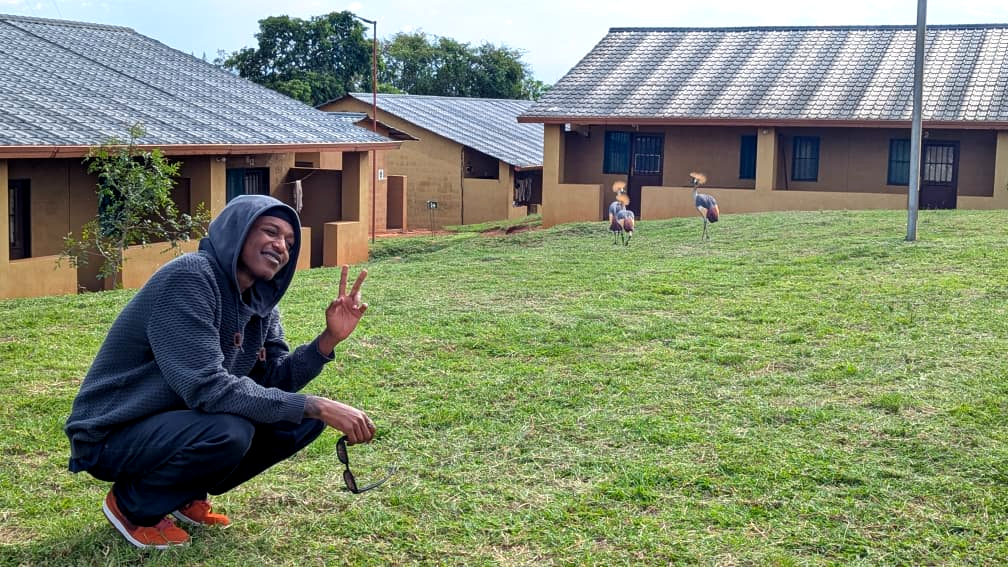 While many visitors travel to Akagera to see the iconic Big Five—lions, leopards, elephants, buffaloes, and rhinos—the wide variety of butterfly species continue to add another layer to the park’s biodiversity appeal and attractions which can also be useful for scientific research purposes.
Tourists interested in trees, birds, and butterflies increasingly view this monitoring work as part of Akagera’s conservation story that is expected to go on for years.