


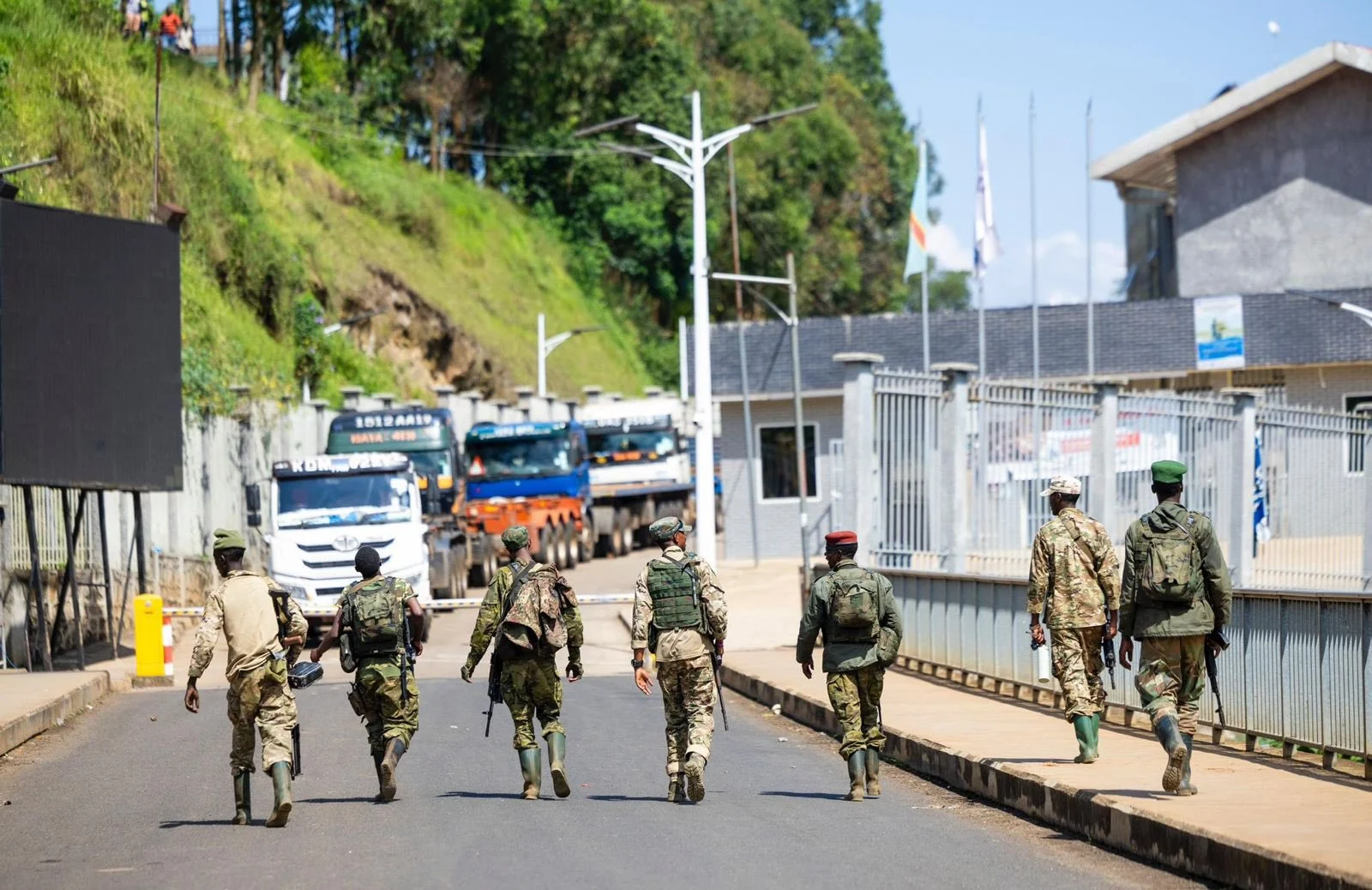
On the morning of December 16, 2025, residents of Uvira woke to unexpected news: the Alliance Fleuve Congo (AFC/M23) announced a strategic withdrawal from the city it had captured only days earlier.
In a conflict defined by sudden advances and fragile ceasefires, the announcement brought both relief and uncertainty.
In its communiqué, AFC/M23 framed the move as a unilateral trust-building measure to give “the Doha peace process the maximum chance to succeed,” despite what it described as provocations by the Congolese army (FARDC) and its allies.
Observers immediately questioned whether it was a genuine step toward de-escalation or a tactical pause.
Uvira is no ordinary city. Situated on Lake Tanganyika and bordering Burundi, it serves as a commercial hub, humanitarian corridor, and a temporary administrative center for South Kivu.
Its rapid capture triggered displacement and heightened fears of regional escalation. Relinquishing such a strategic location is therefore far from neutral.
Reactions among residents were mixed. Some expressed cautious relief, while others—particularly communities sympathetic to AFC/M23—feared reprisals or abandonment.
Joseph Hakuzwumuremyi, senior journalist and political analyst, said, “Withdrawing from Uvira was the best AFC/M23 could do, since advancing to Kinshasa was unlikely. But those forcing them out must plan how civilians will be protected.”
Albert Rudatsimburwa, another analyst, noted that U.S. involvement, including President Donald Trump’s Washington Accords for Peace and Prosperity, adds credibility to the de-escalation process.
“The accords offer a framework to end cycles of violence between the DRC and Rwanda, normalize relations, and anchor peace in shared economic interests. But for mediation to succeed, perception matters as much as the text.”
Despite claims of a withdrawal, AFC/M23 conditions complicate matters. The group demands that Uvira be demilitarized before their exit, that FARDC or allied militias not remain inside, and that civilians and infrastructure be protected.
They also call for neutral monitoring of the ceasefire and warn against opportunistic recapture by government forces or allied militias.
The withdrawal comes amid growing international pressure, particularly from the United States, which called the Uvira offensive a “serious mistake” and reiterated allegations that Rwanda backs M23, which Kigali denies.
By stepping back, AFC/M23 signals responsiveness to diplomacy, seeks political legitimacy, and aims to avoid further isolation.
Yet Uvira exposes the fragility of the Doha framework. Promising a cessation of hostilities, civilian protection, and political dialogue, its implementation remains weak, undermined by mistrust and continued fighting.
Withdrawals create vacuums, and without credible monitoring, such moments can quickly spiral into renewed violence.
The city’s strategic location means instability risks spilling into Burundi and the wider Great Lakes region. For now, Uvira stands between uncertainty and hope.
The success of this withdrawal—and the broader peace process—depends not on declarations but on what follows next.
So far, diplomats, the DRC government, pro-government politicians, and regional influencers have yet to respond to AFC/M23’s announcement

1 comment
I like to join chrome
Comments are closed.