



 The growing absence of parents in raising their children is fueling serious social problems in Rwanda, Tito Rutaremara, Chairperson of the Rwanda Elders’ Advisory Forum, warned on Tuesday, placing primary responsibility on families for what he described as “incomplete education” among the country’s youth.
Speaking at a national forum on parenting in Rwanda this December 30, Rutaremara said parents are increasingly disengaged from their traditional role of guiding and shaping children’s moral and cultural values, leaving schools to shoulder responsibilities they cannot fulfill alone.
“Today, we have incomplete education,” Rutaremara said. “Teachers provide knowledge, but parents are often absent. Children are left in the care of domestic workers, while rural parents are busy farming or seeking other resources.”
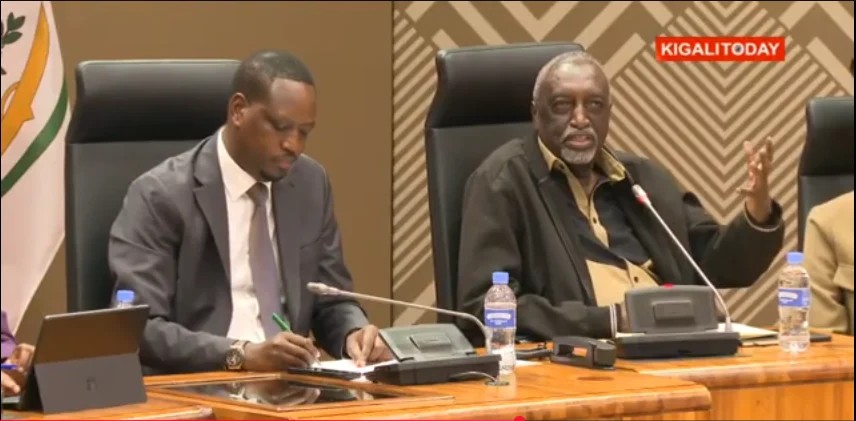
Tito Rutaremara (right)
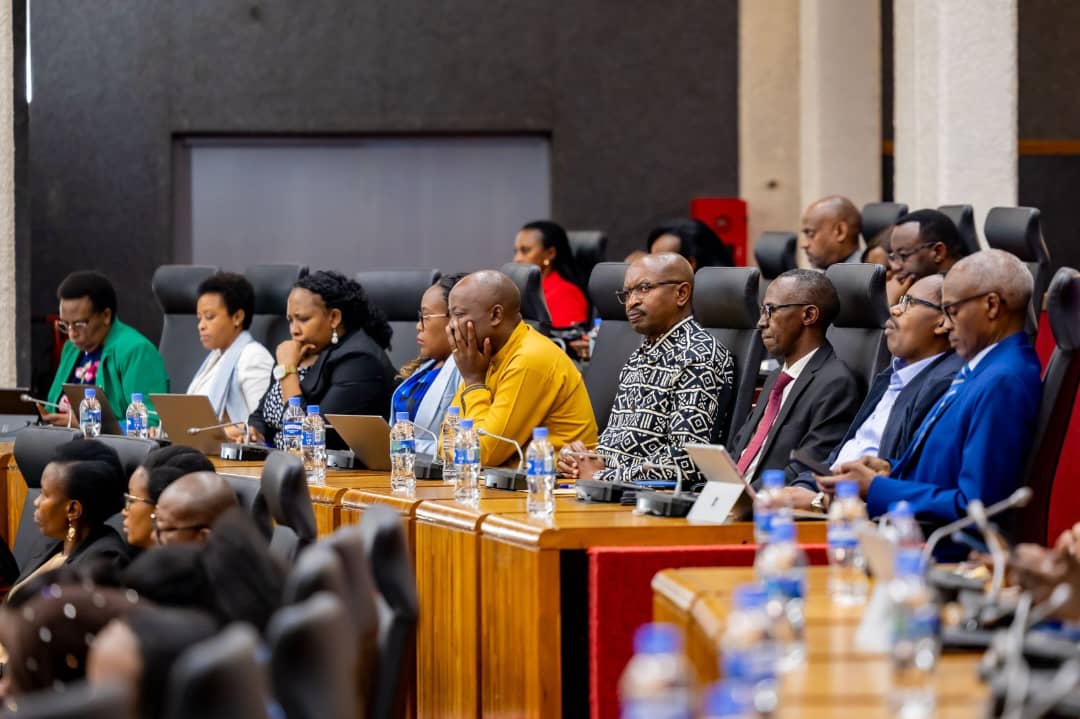
The forum, organized by the Women’s Parliamentary Forum (FFRP), brought together lawmakers, government officials, and civil society representatives to examine the root causes of family instability and its impact on youth behavior in today’s Rwandan society.
Rutaremara lamented the erosion of the traditional Rwandan family structure, where child-rearing was a collective responsibility involving grandparents, aunts, uncles, and the wider community.
“In the past, children were raised by the family, not just biological parents,” he said. “Today, what we call a family is often just a household. It is no longer the Rwandan family we knew.”
He argued that while schools play an important role, they cannot replace the moral and cultural guidance that should begin at home.
“Children may acquire academic knowledge, but cultural and moral values are missing in many homes. That is where the problem starts,” Rutaremara said.
He also criticized the growing dependence on technology, warning that digital tools are increasingly replacing family-based learning and cultural transmission.
“If a child wants to learn about their father’s ancestors or traditional poetry and instead turns to Google, does Google carry our culture or values?” he asked. “That should worry us.”
Rutaremara acknowledged that many parents attempt to spend time with their children but said demanding work schedules often make meaningful engagement impossible.
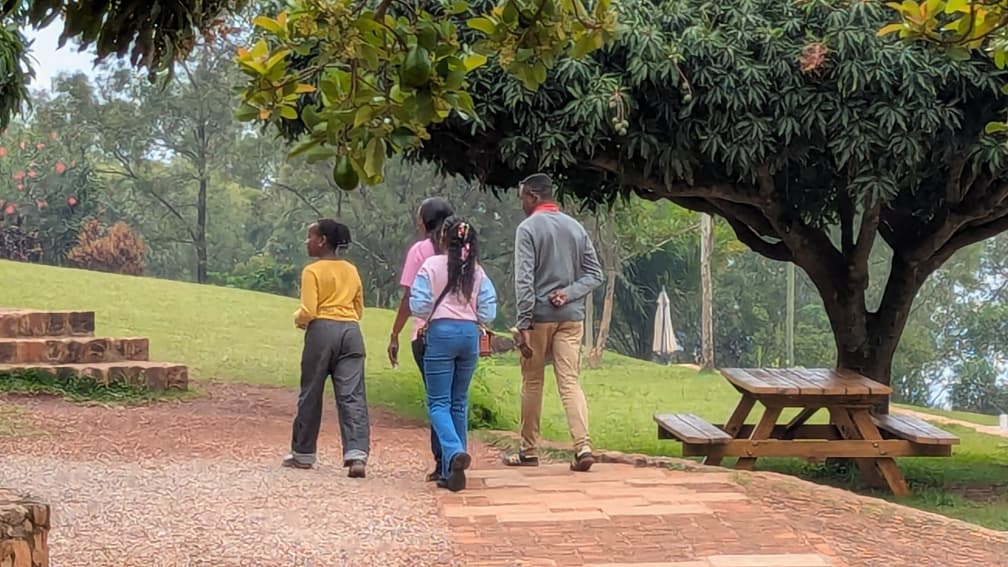
“Parents leave early, return exhausted, feed the children, and everyone goes to bed tired,” he said. “In the past, grandparents filled this gap. Today, that support system is gone.”
While calling on parents to reclaim their responsibility, Rutaremara urged closer collaboration between families and schools, proposing that teachers also help nurture discipline, ethics, and social responsibility alongside academic instruction.
Family Stability and Mental Health:
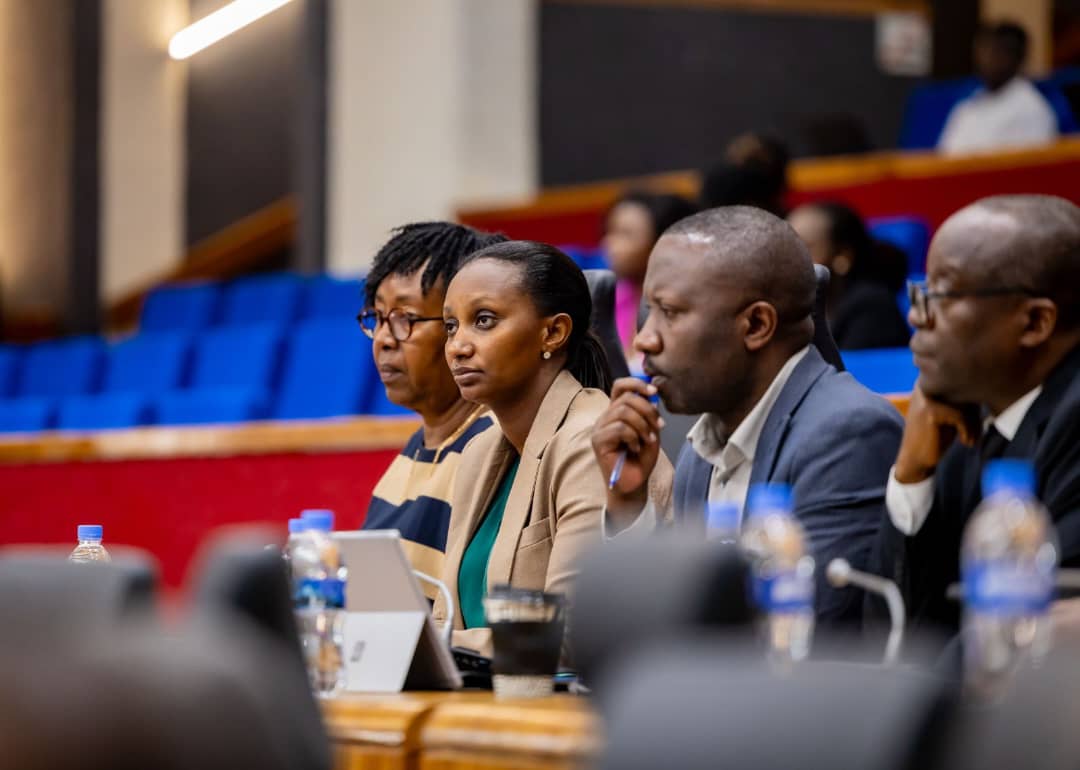
Echoing Rutaremara’s concerns, psychology and mental health expert Dr. Chaste Uwihoreye said family breakdowns often stem from neglected parental roles and unresolved emotional issues.
“A family without cohesion becomes sick,” Uwihoreye said, warning that poor communication between parents, emotional neglect, and unaddressed trauma can leave children vulnerable to street life, substance abuse, and long-term psychological harm.
“Wounded hearts do not build safe families,” he added. “Unhealed trauma affects parenting and the wellbeing of children.”
Participants in the discussion agreed that absentee parenting, combined with overreliance on technology, poses a growing threat to family stability and youth development.
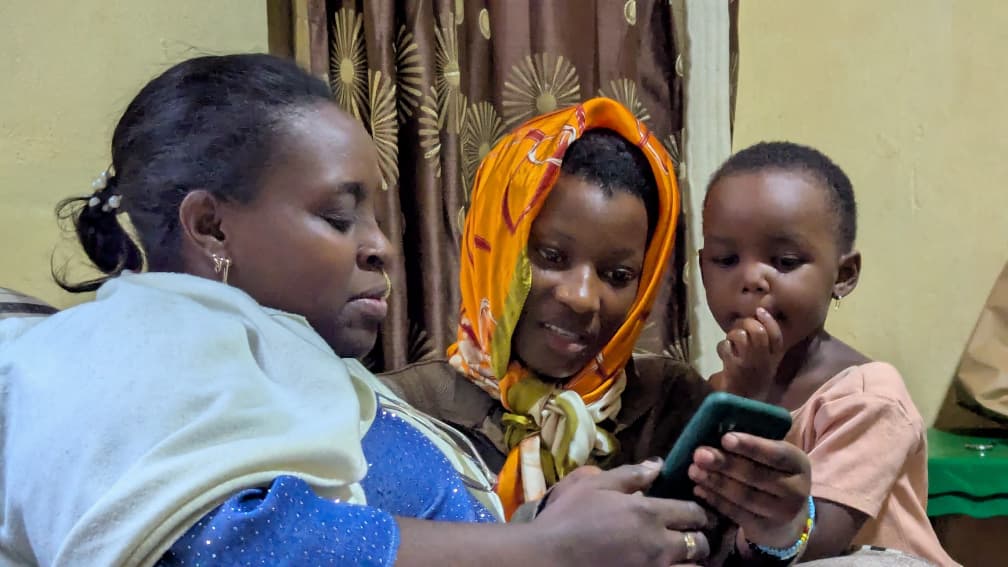
Parental Guidance: A Kigali parent takes time to educate her children using available technology
