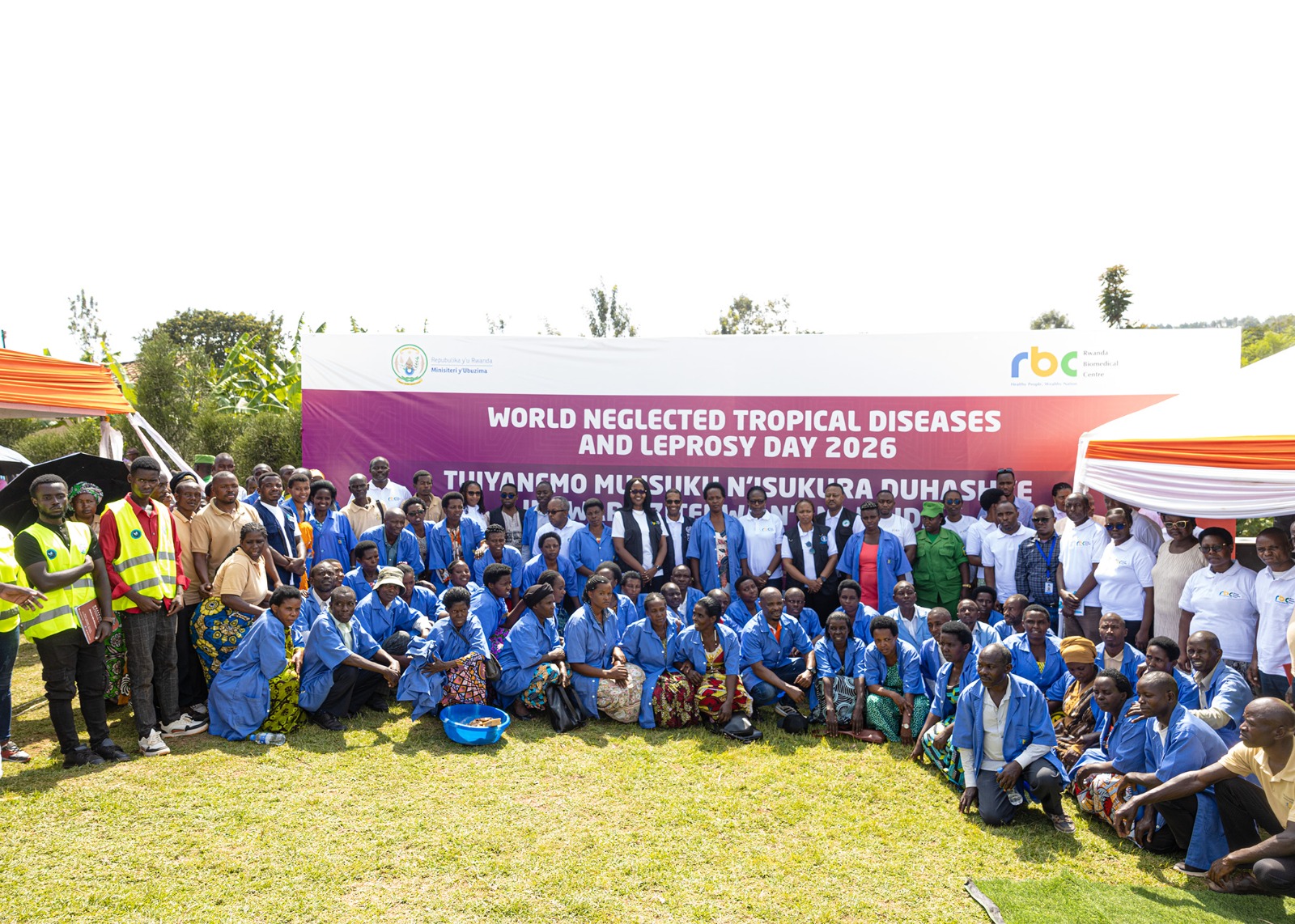
The World Health Organization (WHO) has commended Rwanda for its example of using minimal resources in its efforts to eliminate Neglected Tropical Diseases (NTDs) and urged others to do likewise in order to attain the 2030 targets.
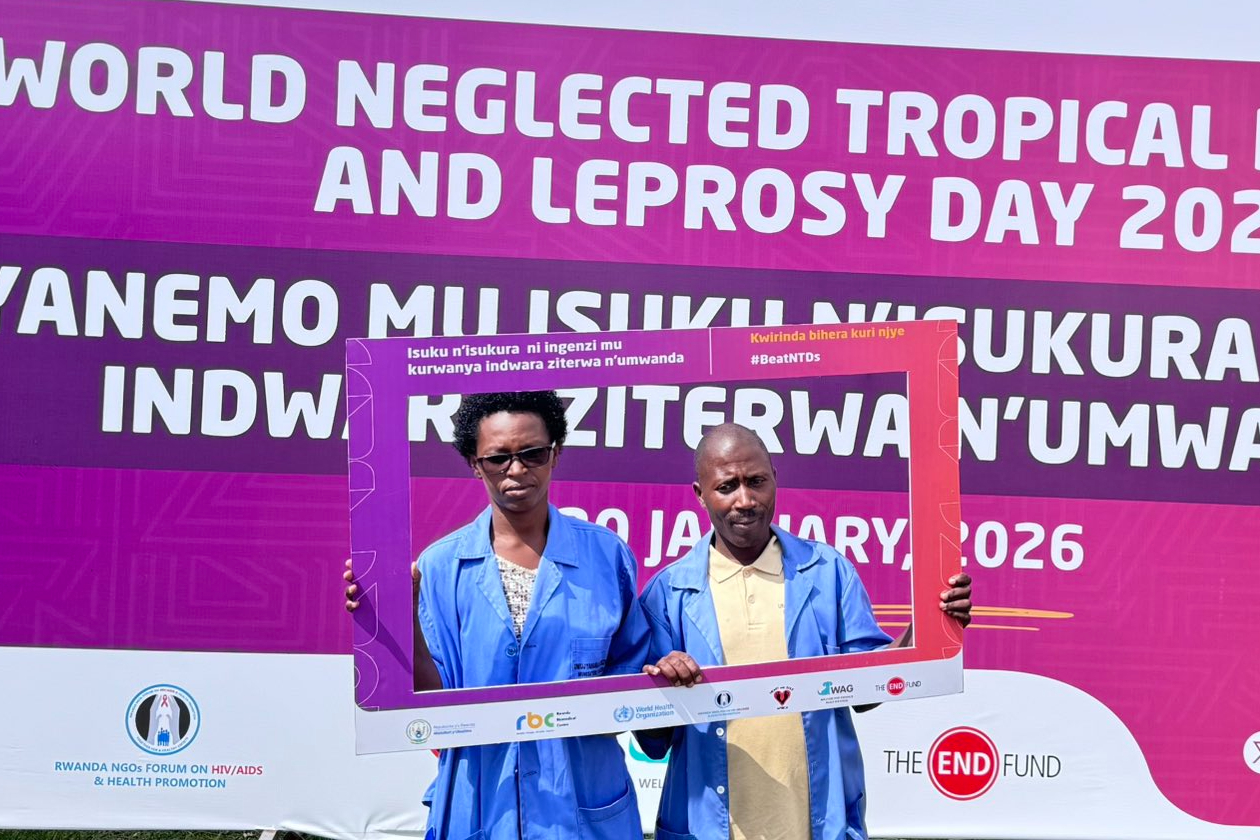
Speaking at the World NTDs and Leprosy Day in Ruhango district, WHO Rwanda Country Representative, Dr. Brian Chirombo, said that on this day, the message is clear: eliminating NTDs and leprosy is possible, but the challenge remains if best practices are not addressed.
Chirombo stated that NTDs can be prevented if enough effort is put in place, especially since 1.4 billion people are in need of help, which is a significant number.
Compared to Rwanda’s population of 13.4 million, this is about 100 Rwandans who need help in the whole world to be protected from NTDs.
“Out of 195 countries in the world, progress is being made, and out of all, 58 countries have eliminated one NTD, including Rwanda. This shows that elimination is possible,” he said.
Rwanda is one of the countries that has made strong progress in fighting NTDs. It was certified by WHO in 2022 for eliminating sleeping sickness, a major achievement showing what strong leadership and community engagement can do.
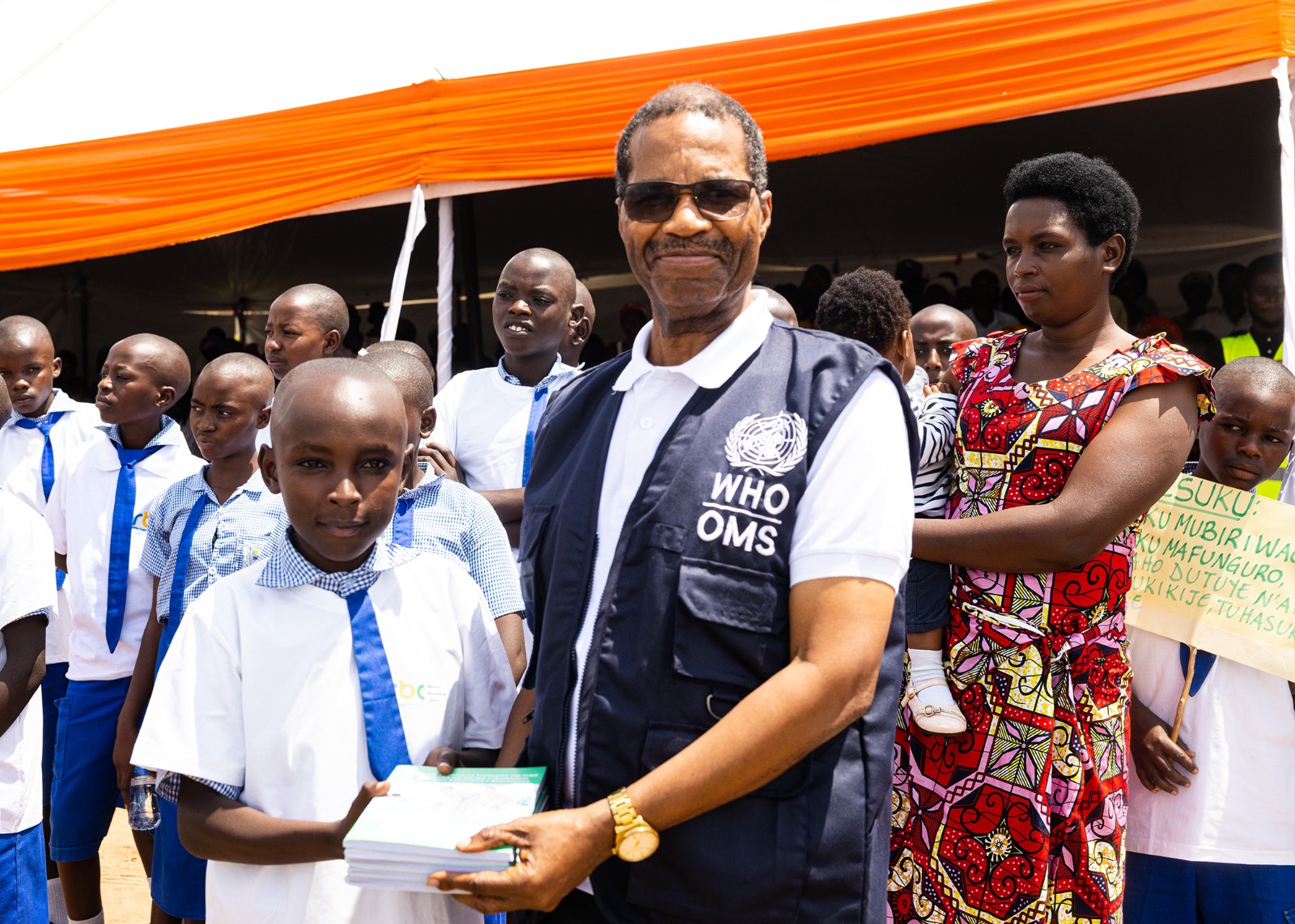
Dr. Brian Chirombo awards one of the children with good knowledge on NTDs
“We at WHO commend Rwanda for working with other ministries and local partners for the good progress that the country is making and the contribution made to end NTDs.”
On leprosy, Chirombo said it is curable, treatment is free, simple, and available, but the fear and stigma of getting treated that comes with it are still alive.
He said, “We must end this stigma. Anyone can get leprosy, and anyone with leprosy can get cured. Let us treat them with care and encourage early treatment.”
To do this, one strategy is ensuring the integration of services and would like to commend the RNGOF for putting this into practice, not only addressing HIV/AIDS but also including other health and human interventions.
“Besides eliminating sleeping sickness, Rwanda has recorded no cases of Yaws, which are under surveillance to document its elimination as a public health problem.
Progress in reducing leprosy from 61 to 30 persons (2003/4-2024/5), and control measures of jiggers, scabies, snakebites, river blindness, and Podoconiosis (elephantiasis) among the nine common NTDs in the country.
Rwanda’s Sustainable Approach:
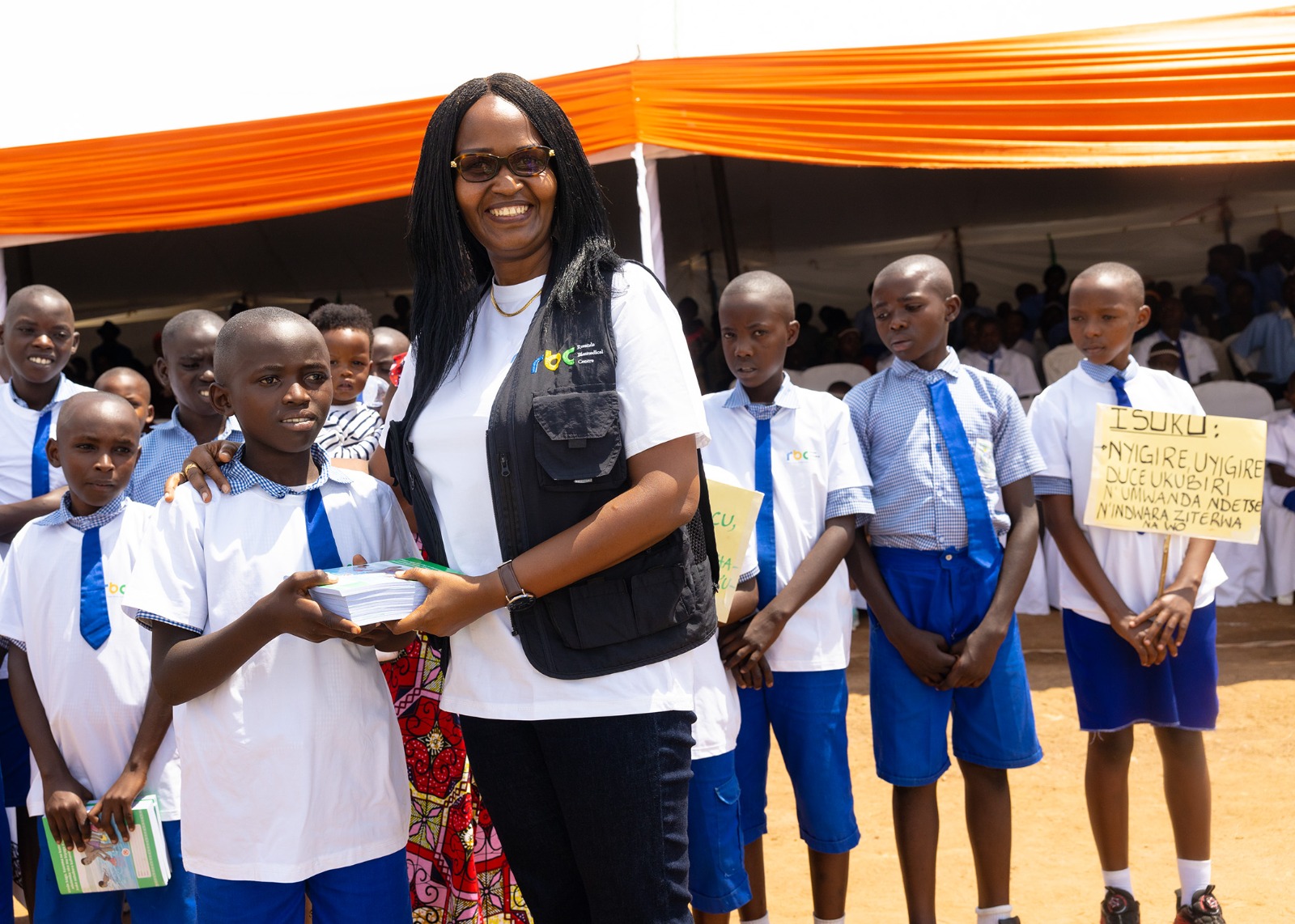
Dr. Isabella Mukagatare awards child champs with good NTDs knowledge
Dr. Isabella Mukagatare, Head of the Department of Biomedical Services at the Rwanda Biomedical Centre (RBC), showed that Rwanda managed to reach these achievements through efforts that include increased medication distribution, hygiene and sanitation levels, mobilization, and treatment.
This was because of good leadership and collaboration with health partners and citizens,” Mukagatare said, however, called for more efforts, especially in eliminating common NTDs such as Intestinal Worms, Bilharzia, Leprosy, Elephantiasis, Rabies, snakebites, and Scabies in the next four years.
“The existing efforts to fight these diseases are not equal to the courage needed to eliminate them. That is why we need to work in extraordinary and unusual ways,” she said.
“This means working innovatively to ensure that we don’t fail to access medication and vaccines, focus on endemic areas, and put citizens’ role at the center of the elimination efforts but also work with local partners in strategic planning,” Mukagatare said.
Citizens and Youth At the Center:
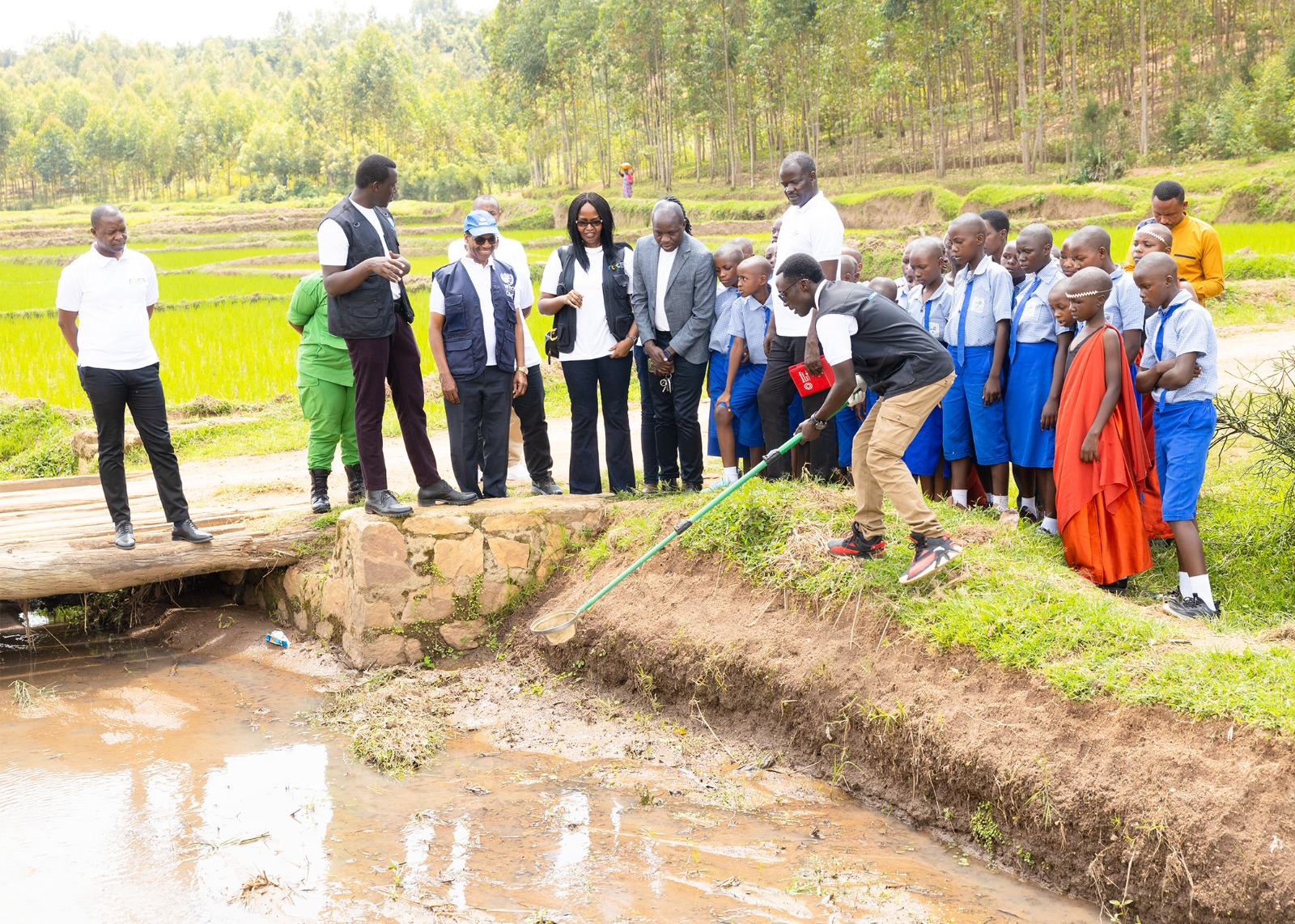
Rwanda NGOs Forum on HIV/AIDS and Health Promotion (RNGOF) Executive Director, Nooliet Kabanyana, said that to reach the 2030 NTDs elimination targets, citizens need to take personal action, especially in prevention in areas of hygiene and sanitation.
Kabanyana stated that NGOs support the government in eliminating NTDs, but the most sustainable way is to educate citizens, encourage close collaboration with other organizations, the private sector, and local leaders and ministries to solicit funds, assess progress, and strategies.
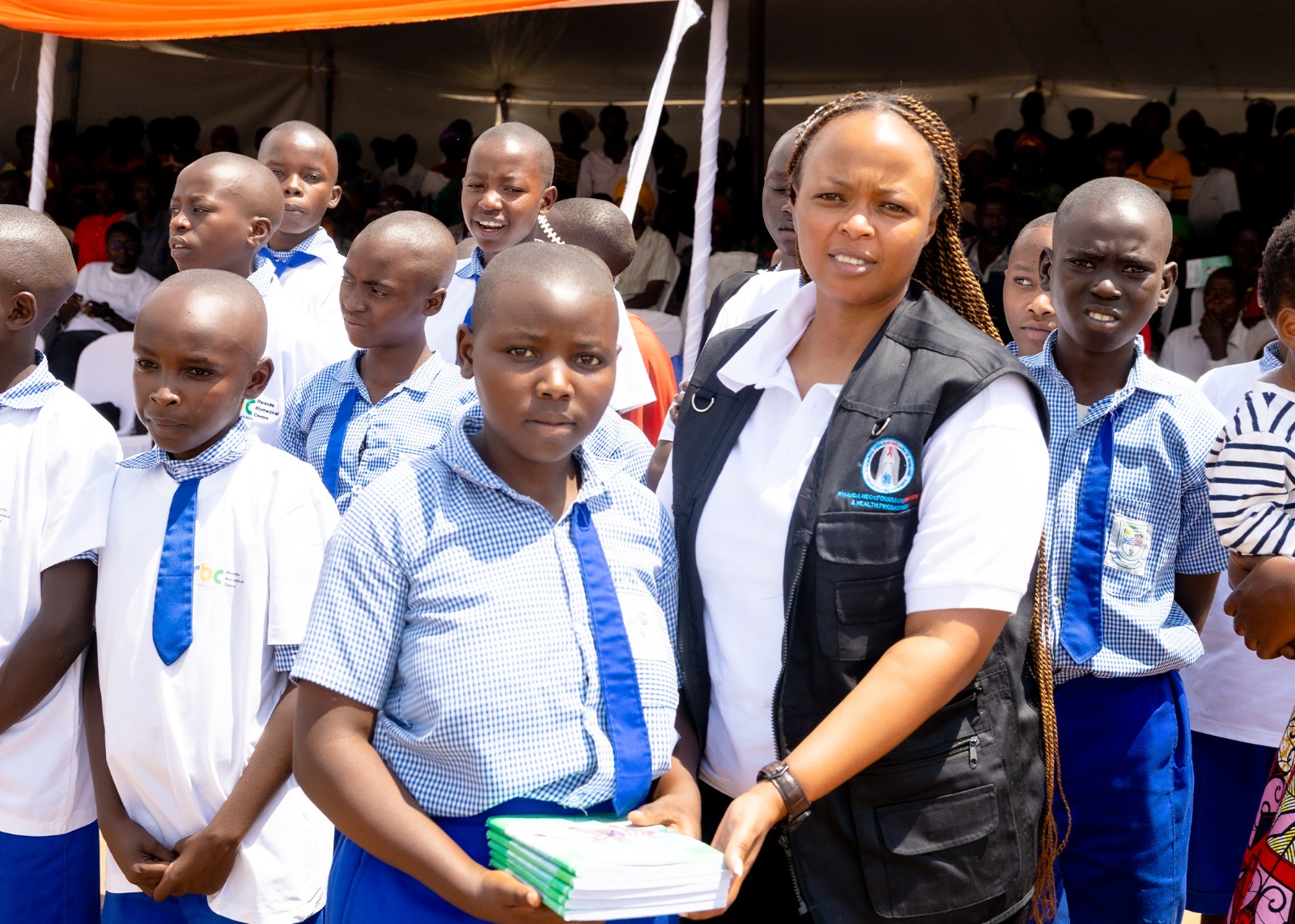
Nooliet Kabanyana hands books to one of the best pupils in answering general knowledge questions on NTDs
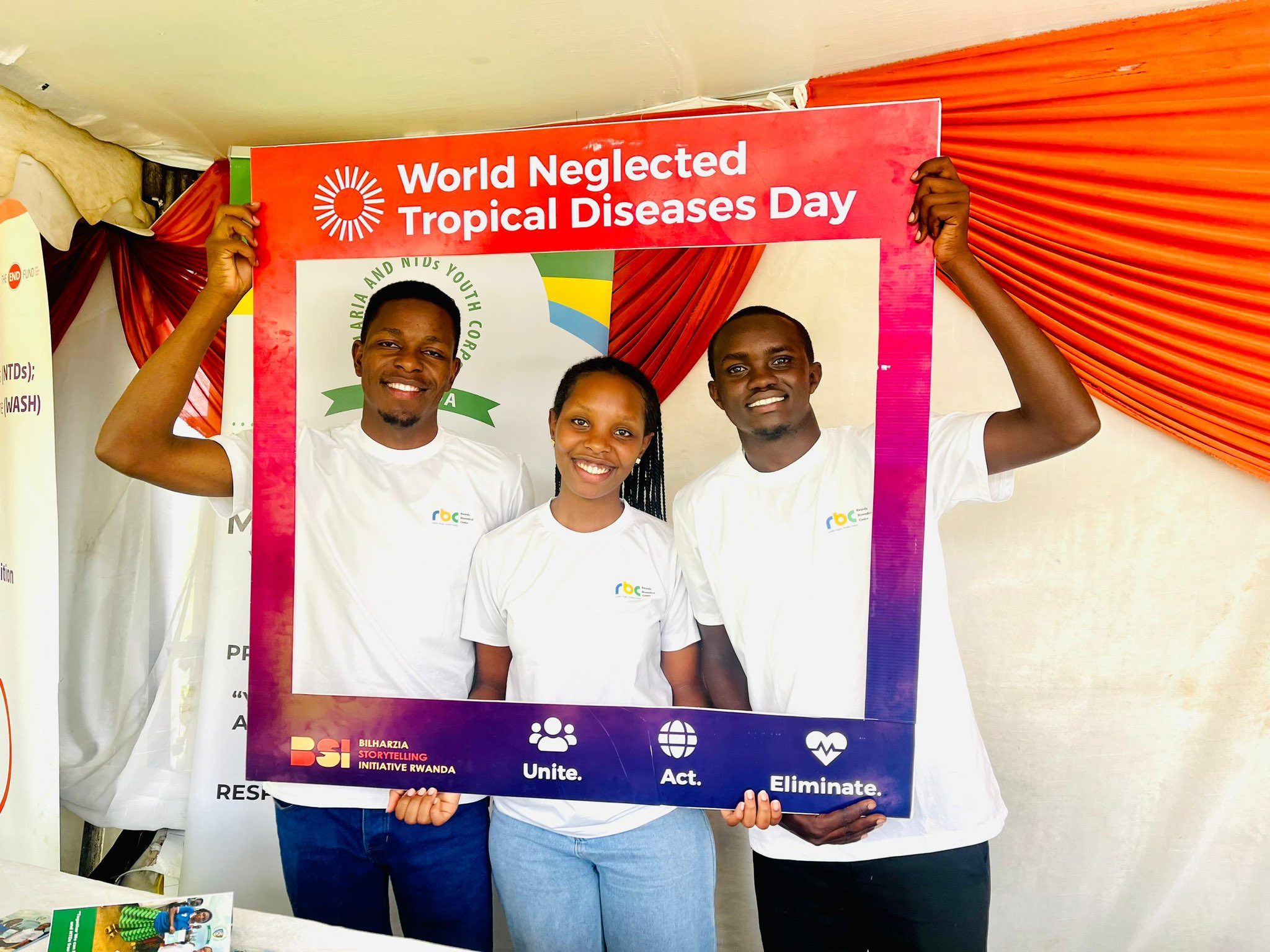
Youth innovation was also highlighted at the event, with youth-led organizations such as the Rwanda Malaria and NTDs Youth Corps showcasing its contribution and support to Rwanda’s commitment to eliminating NTDs and improving public health for all.
With the support of RNGOF, the organization composed of 400 youth is currently focusing on educating citizens on preventing NTDs in Kigali city, Bugesera, and Ruhango districts.
The internationally affiliated organization does this through engaging modules and activities such as sports, creative arts competitions, to raise awareness, promote hygiene and sanitation practices through community general cleaning exercises.
“We are already seeing positive feedback from the community, especially in eliminating unhygienic practices such as open defecation. We hope for the best and more to come,” said Christian Tunga, the NGO leader.
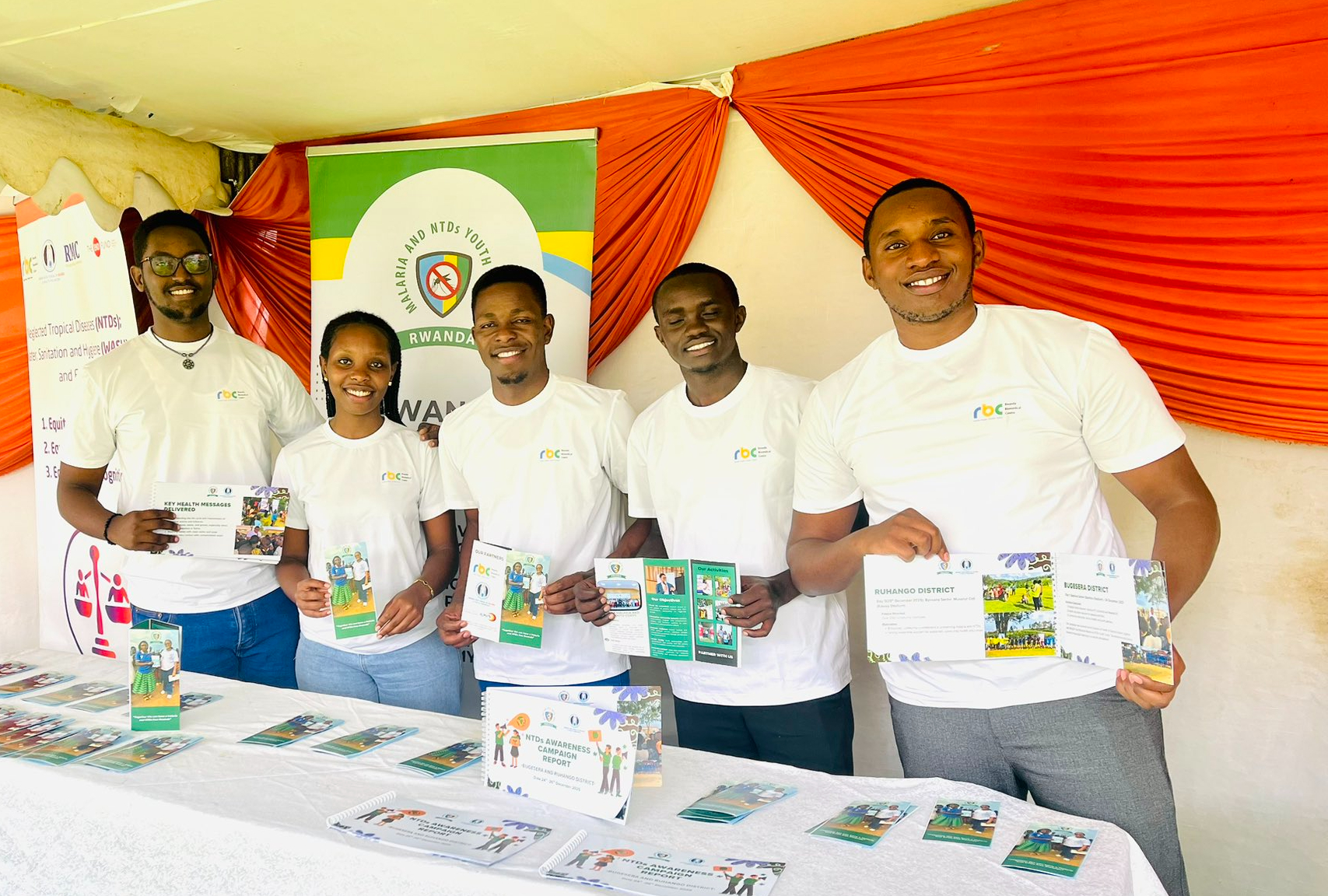
Members of the Rwanda Malaria and NTDs Youth Corps
This effort will add to another sustainable community education methodology of using a Community Health Workers (CHWs) Handbook on eliminating specific NTDs that was unveiled at the celebration.
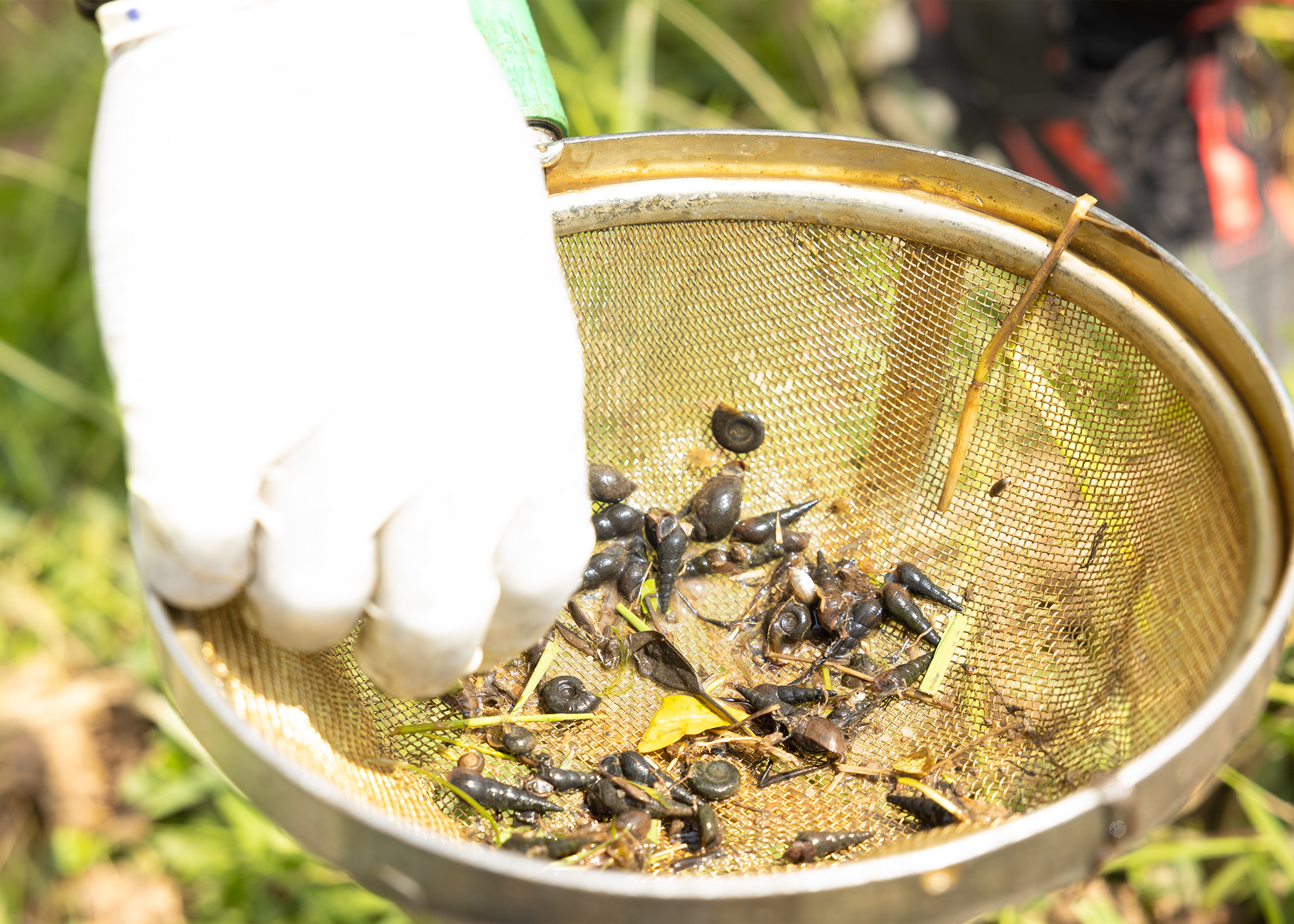
The RNGOF says that the handbook equips CHWs with hands-on skills to train citizens on how to curb Soil-Transmitted Helminths (intestinal worms) and bilharzia, which have a direct correlation with poor hygiene and sanitation and only need continued education to eliminate.
Besides Bugesera and Ruhango districts, which have a bilharzia prevalence rate of 15%, the other marshland communities in the remaining 28 districts stand at a 40% rate.
While Rwanda has not achieved its goals to have 100% access to clean water, this approach has seen a 90% coverage in all 1,013 endemic villages.
According to RBC, the plan is to cover the remaining 10% with the support of local organizations and partners in tackling mindsets and practices, among the few setbacks in attaining zero bilharzia.