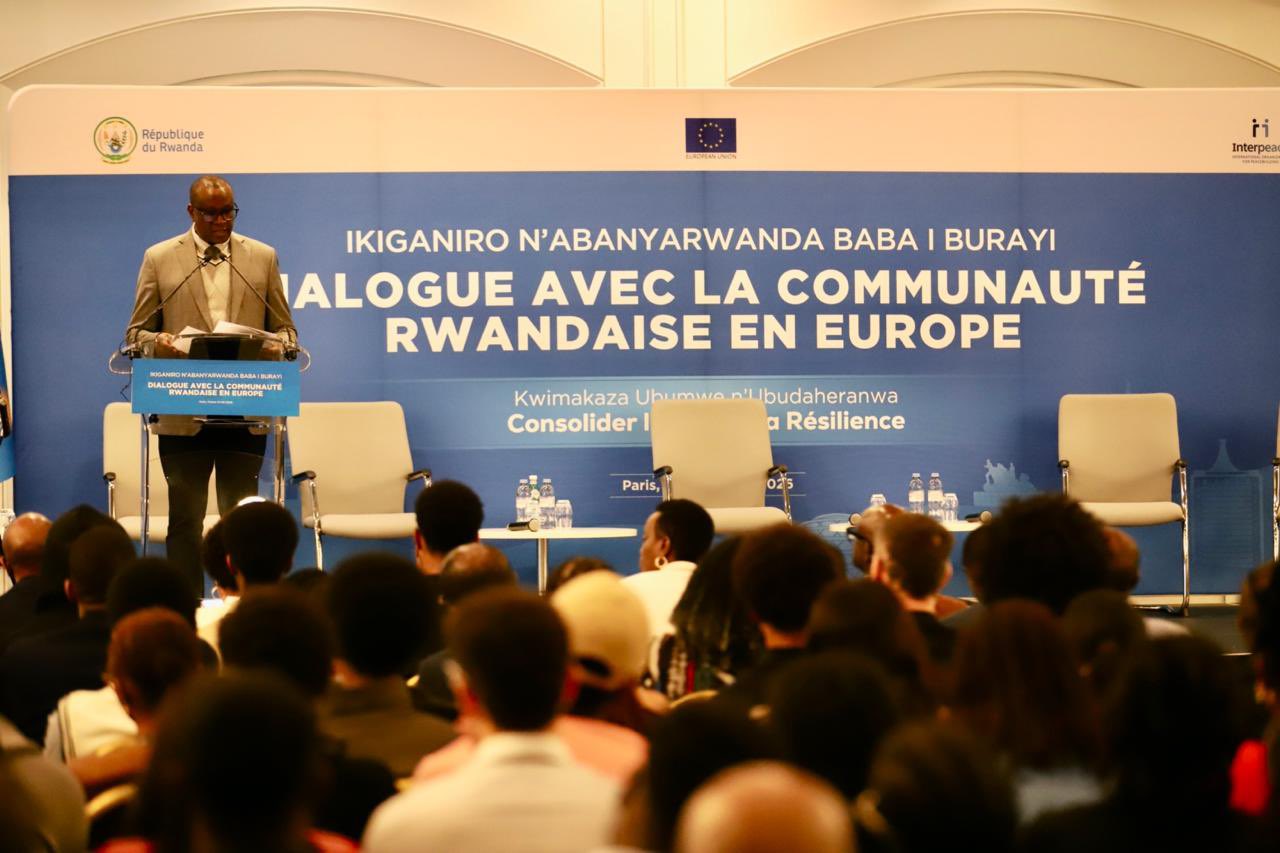
Rwanda’s minister of national unity and civic engagement, Dr. Jean Damascene Bizimana, speaking at the event
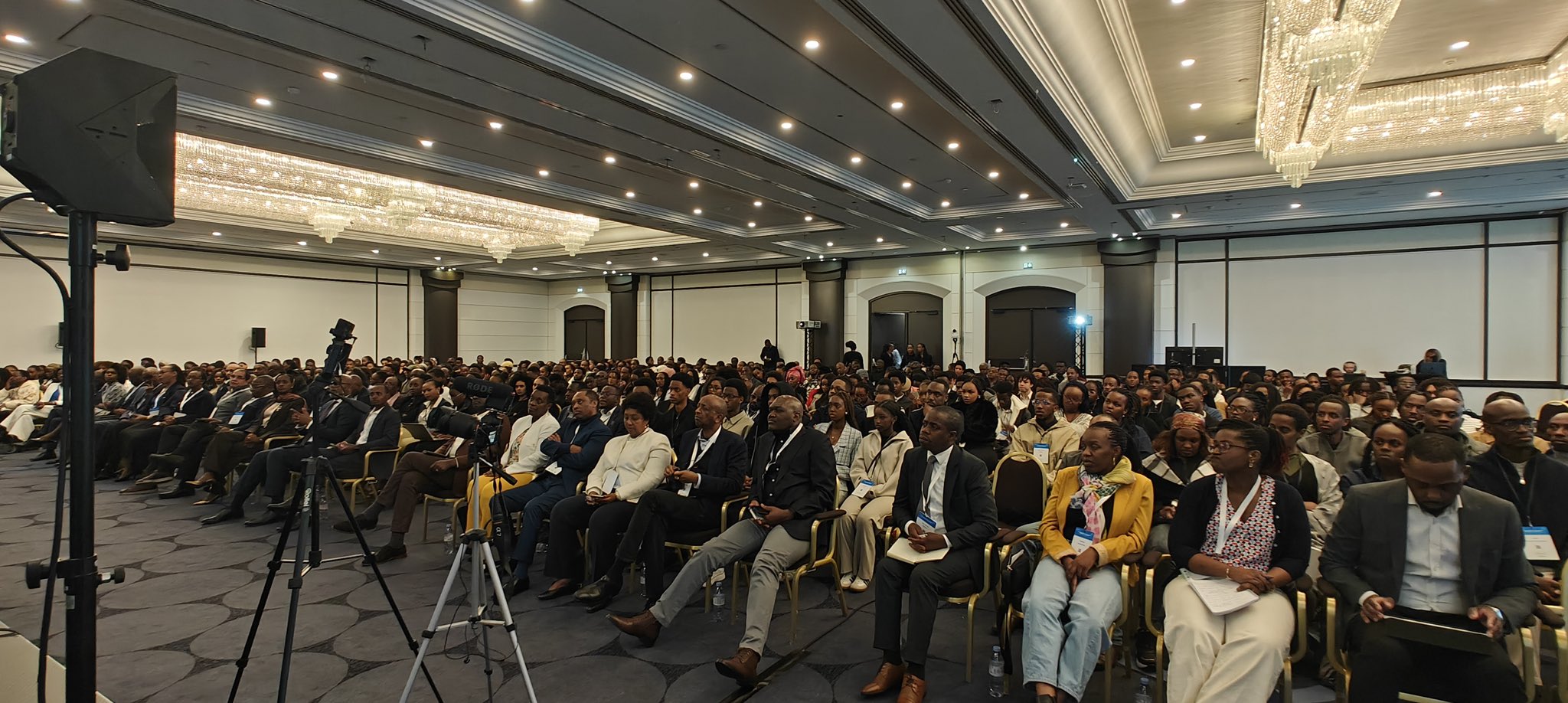
PARIS — In a packed conference hall on the outskirts of the French capital, more than 500 Rwandans — many of them young people born or raised in Europe — gathered this weekend for what organizers described as an unprecedented dialogue about memory, truth and belonging.
The two-day meeting, themed “Dialogue with the Rwandan Community in Europe,” was convened by Rwanda’s Ministry of National Unity and Civic Engagement (MINUBUMWE) under the theme “Consolidating Unity and Resilience.”
It is the latest in government efforts to convene a broad cross-section of the European diaspora for sustained, intergenerational discussion.
Participants included youth leaders, representatives of diaspora associations from several European countries, ambassadors and diplomatic staff, senators and community organizers.
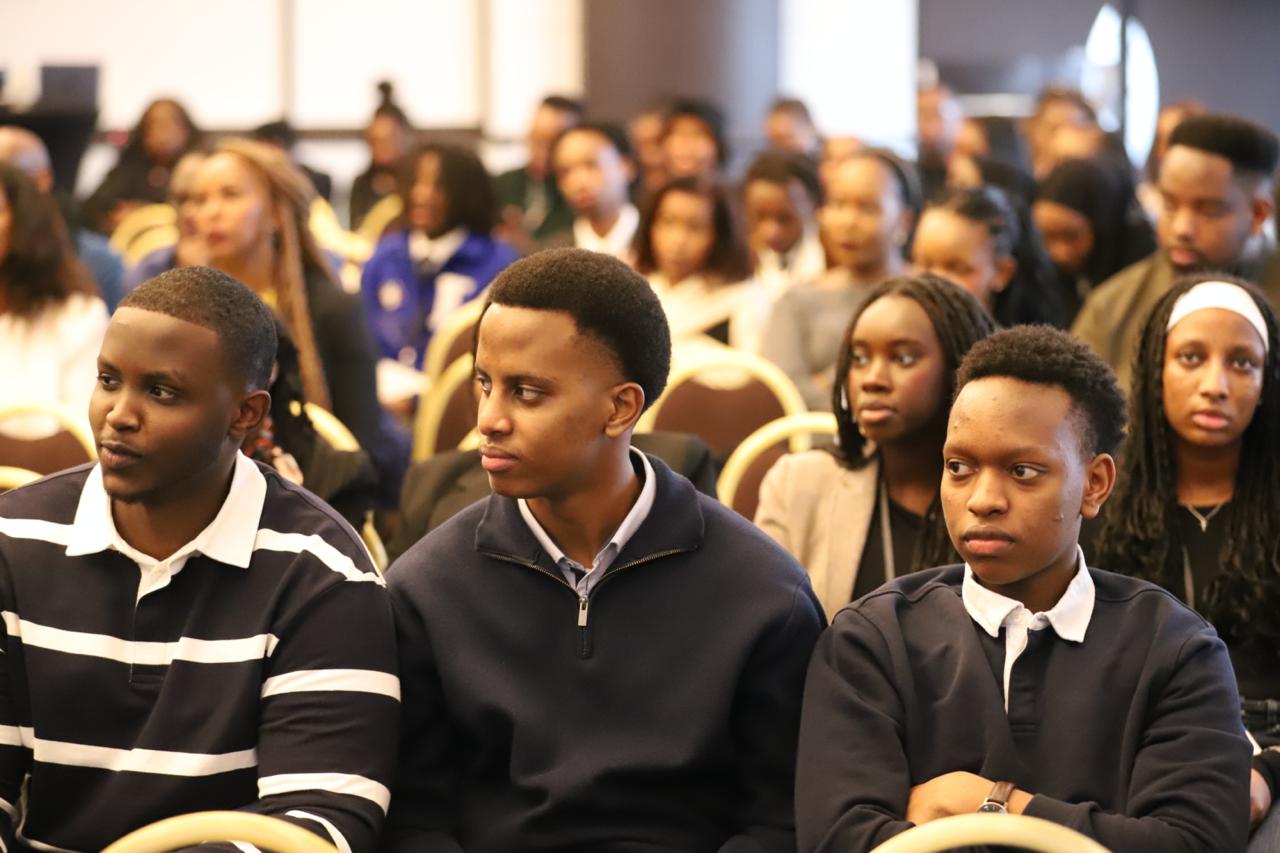
Many in the audience were born abroad or left Rwanda as small children during or shortly after the 1994 Genocide against the Tutsi.
For some, the weekend offered a first structured engagement with senior officials from Kigali on questions that have lingered in families and online spaces for years.
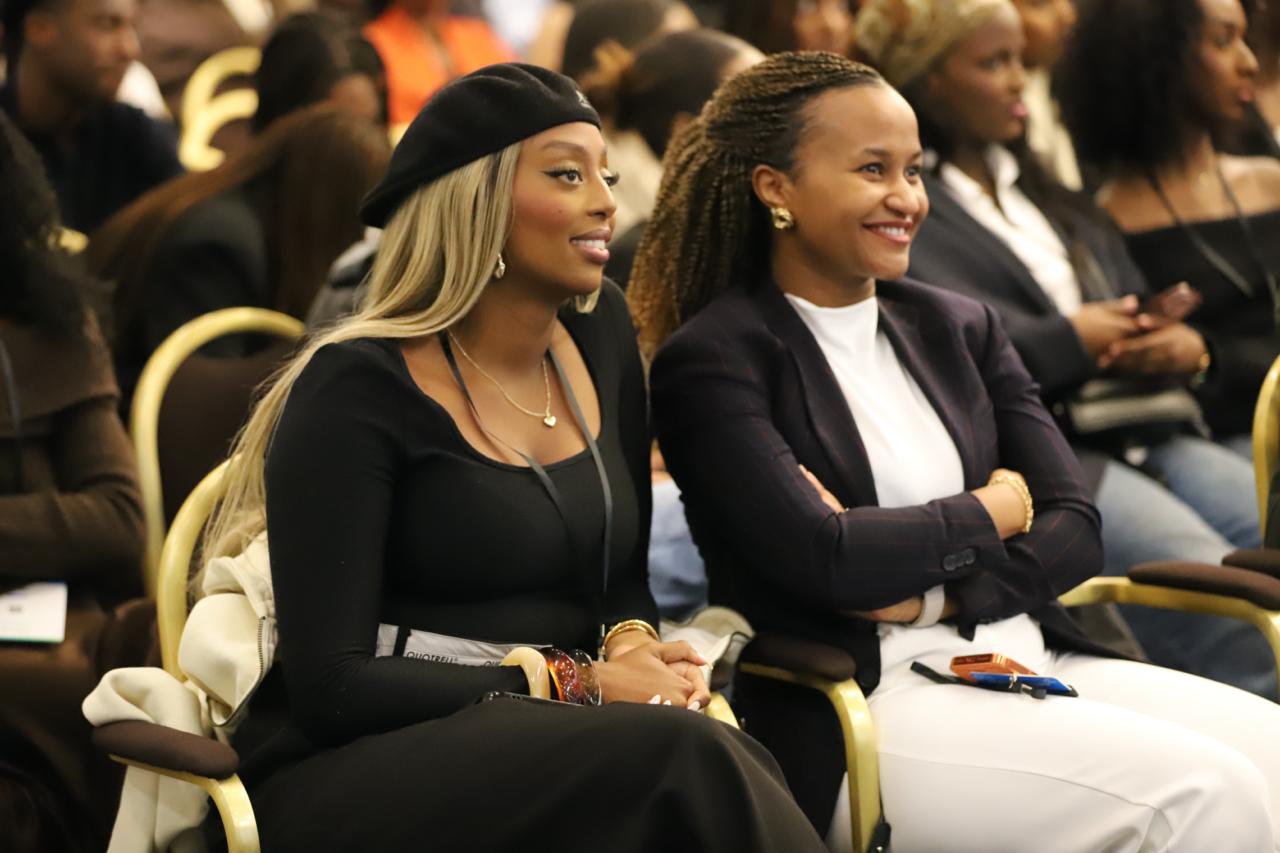
A cross section of the attendees
The tone of the gathering was set by the keynote address from Rwanda’s minister of national unity and civic engagement, Dr. Jean Damascene Bizimana, whose remarks were delivered with unusual directness.
“We are not here to present theories to you,” he told the audience, “but to share concrete and factual realities from the field that respond to your questions, expectations, aspirations, and challenges.”
At the heart of his message was a line that was repeated throughout the weekend and quickly circulated on social media: “Criminal responsibility is individual, not familial.”
In European diaspora communities, where some families include individuals accused or convicted of participation in the genocide, younger generations often confront competing narratives about Rwanda’s past. The minister addressed that tension head-on.
“The challenging issue affecting young people in the diaspora lies in the proliferation of false narratives about Rwanda circulating on social media, spread by genocide fugitives, denialists, and their supporters,” he said. “Some of them may be your relatives or close acquaintances.”
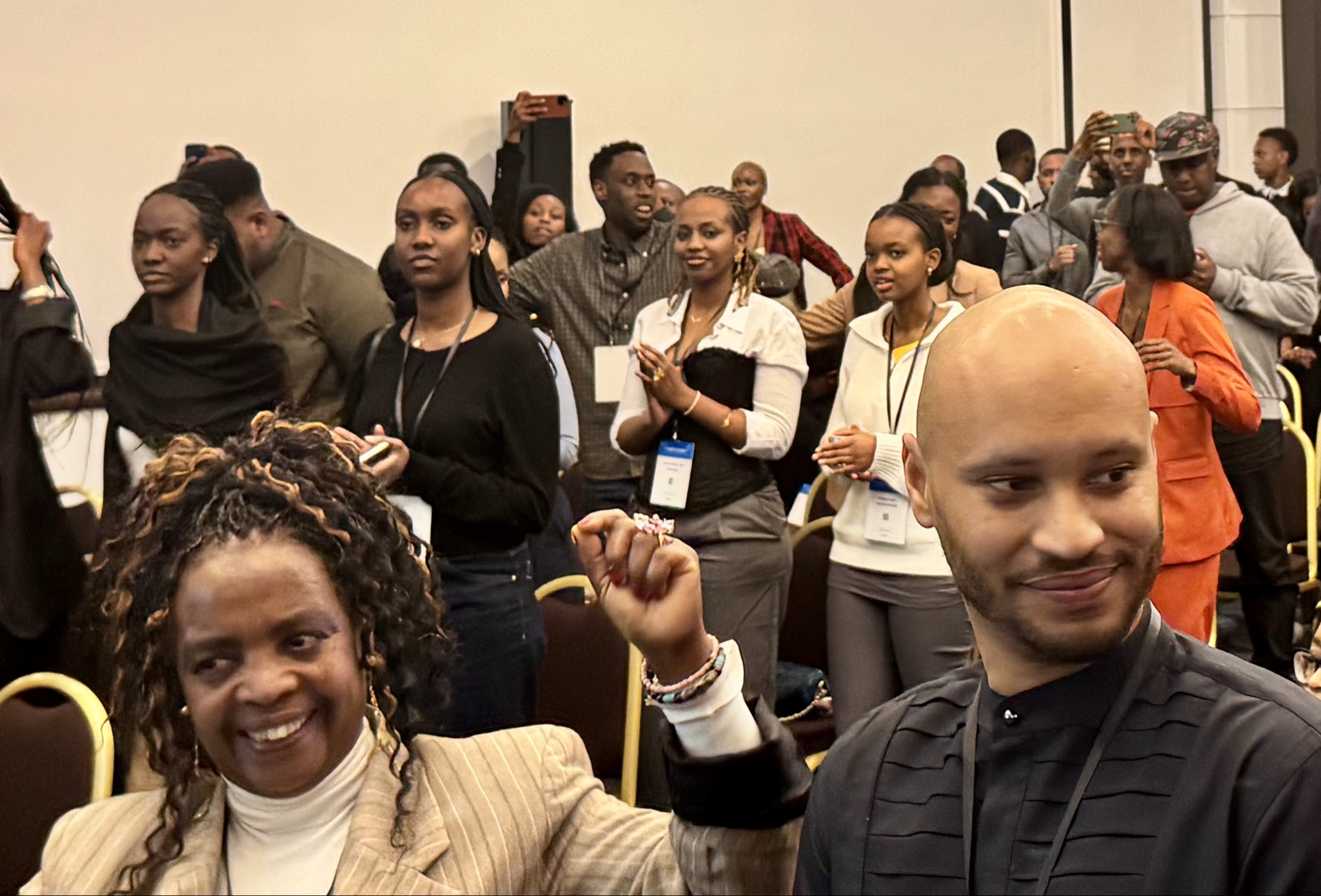
It was song, dance and history
Then came the admonition that drew the longest applause: “Do not be prisoners of their lies, their hatred, or their ideology. Criminal responsibility is individual, not familial.”
The message, participants said, was intended as both moral reassurance and political instruction: young people should neither inherit guilt nor feel bound by loyalty to divisive ideologies.
Instead, they were urged to anchor themselves in what the minister described as established historical fact and a commitment to national unity.
“Rwanda belongs to all of us,” he said. “The history of the genocide has taught us the irreversible importance of our unity. Let us defend it resolutely, out of love for our country, its future, and that of our descendants. Today, tomorrow, and always.”
Throughout the weekend, discussions moved beyond speeches. Organizers described the format as participatory rather than ceremonial. Youth posed questions about identity, misinformation and their role in Rwanda’s development.
Panels and smaller exchanges explored how online narratives — especially on social media — shape perceptions of the country among second-generation diaspora members.
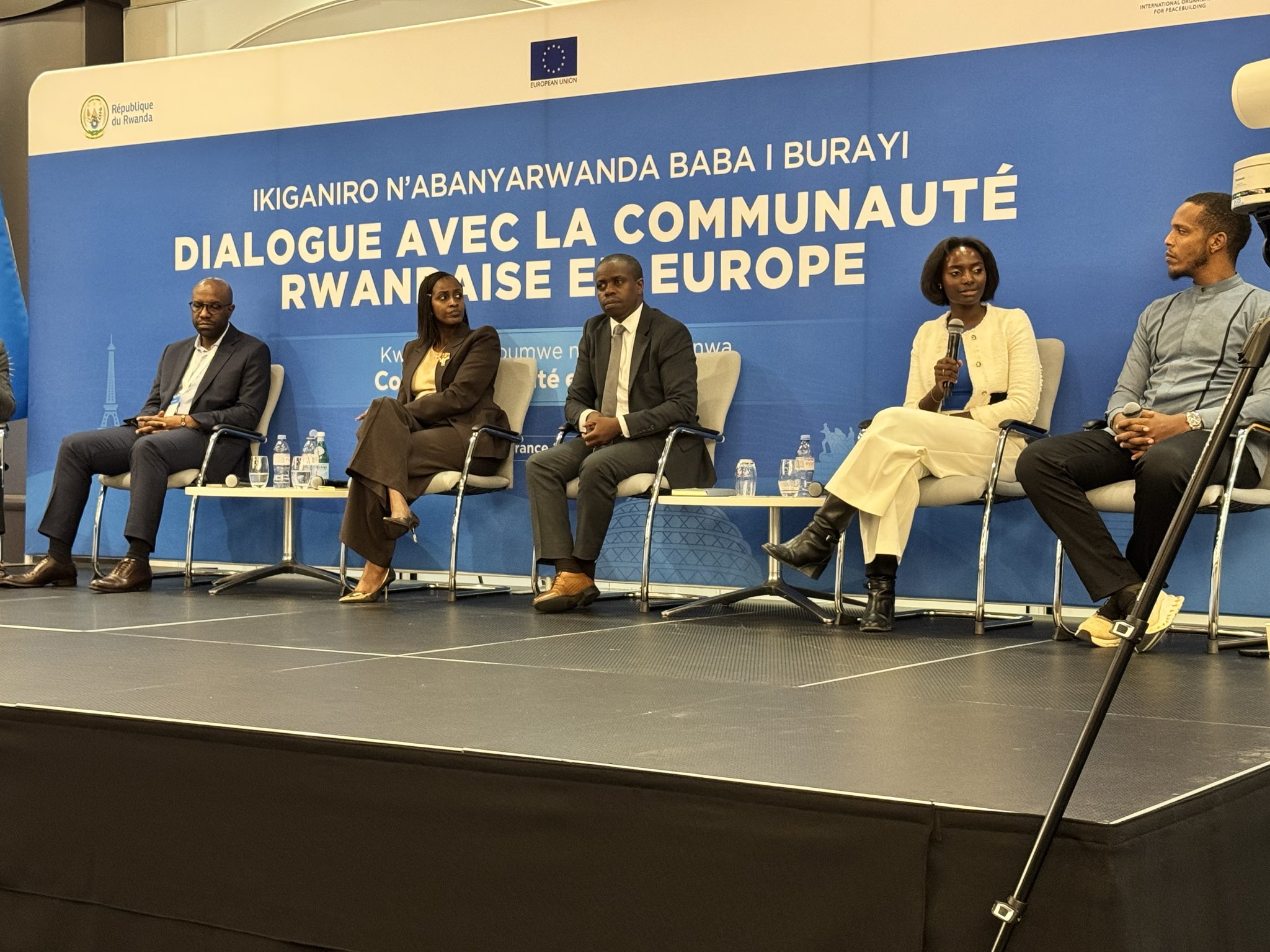
There panel discussions aimed at opening free exchange, away from written and scripted speeches
The gathering addressed three recurring themes: combating hate speech and genocide denial, preserving the truth about the 1994 genocide, and strengthening diaspora contributions to national development.
In posts following the event, Rwanda’s ambassador to Sweden, Diane Gashumba, who attended the gathering, described moments that blended solemn reflection with celebration.
“Unity is not just words,” she wrote. “It’s joy, connection, and being present with one another. The energy was contagious… Together, we didn’t just talk about unity — we lived it.”
At one point, officials and attendees joined in song, an impromptu interlude that participants later described as emblematic of the event’s attempt to balance remembrance with forward-looking optimism.
The dialogue also unfolded against a broader backdrop. In recent years, Rwandan officials have intensified outreach to the global diaspora, viewing it as a strategic partner in economic development and as a key constituency in safeguarding the memory of the genocide against denialist narratives that circulate in some European circles.
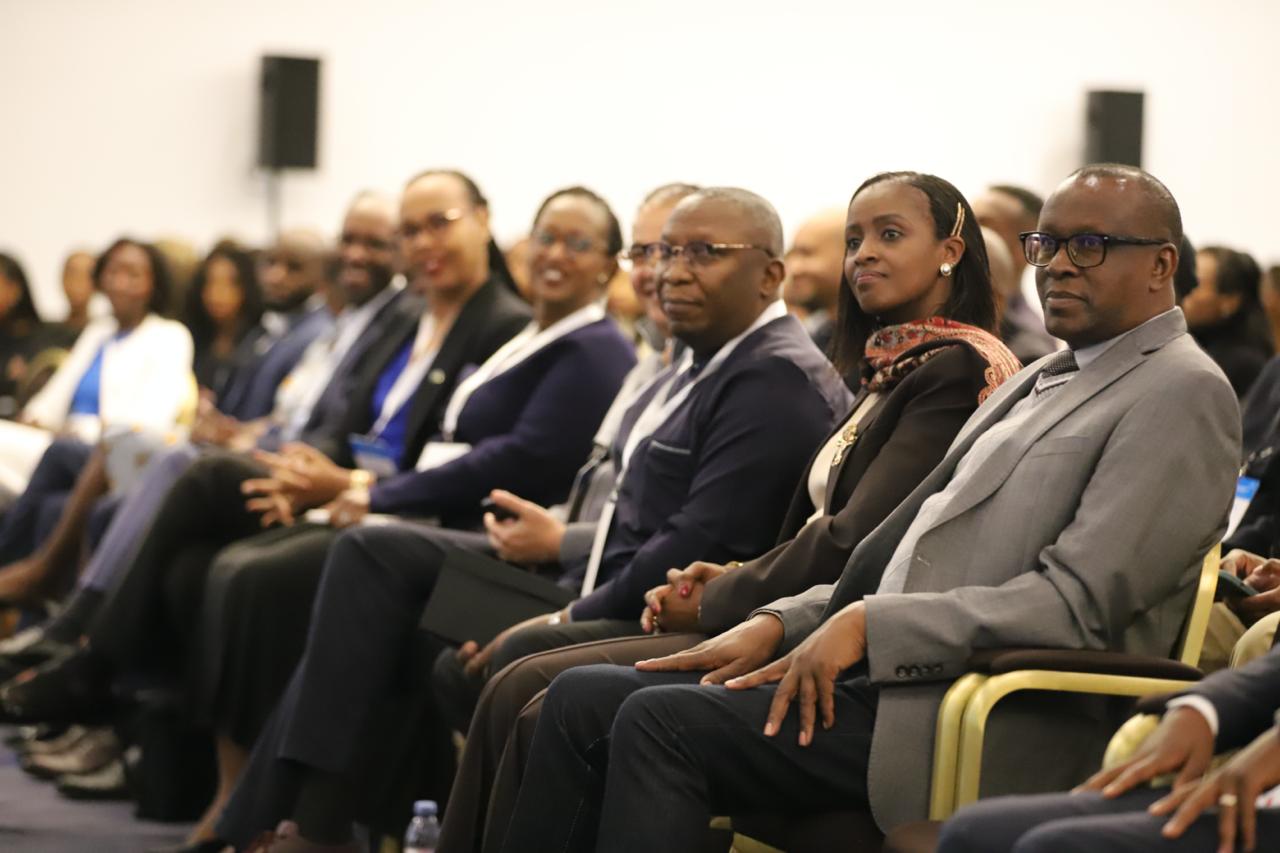
From R-L: Rwanda’s minister of national unity and civic engagement, Dr. Jean Damascene Bizimana; Sports Minister Nelly Mukaziyire, Senator Amandin Rugira; Rwanda’s envoy to Germany, Igor Cesar; Ambassador and Permanent Representative of Rwanda to the United Nations Office at Geneva, Urujeni Bakuramutsa; Ambassador to Luxembourg, Aurore Mimosa Munyangaju
Critics in parts of the diaspora have characterized such initiatives as one-sided, arguing on social media that they leave limited space for dissenting political views.
But inside the Paris hall, the dominant atmosphere was one of engagement rather than confrontation.
No incidents were reported, and photographs shared widely btmy attendees, showed a hall filled largely with young faces listening attentively.
For many at the venue, the most resonant idea was the insistence that history, however painful, does not assign inherited blame.
“The patriotic commitment each of you makes following this meeting will be a liberating decision for your entire personal life and that of your descendants,” Dr. Bizimana said, framing unity not as a slogan but as a personal choice.
As the conference concluded on Sunday, participants lingered in clusters, exchanging contacts and taking photos beneath banners bearing the theme of resilience.
Whether the dialogue will translate into lasting shifts in diaspora discourse remains to be seen.
But for a weekend in Paris, the message from Kigali was unmistakable: responsibility for genocide is borne by individuals — and the future, officials insisted, belongs to a united generation unburdened by inherited guilt.