


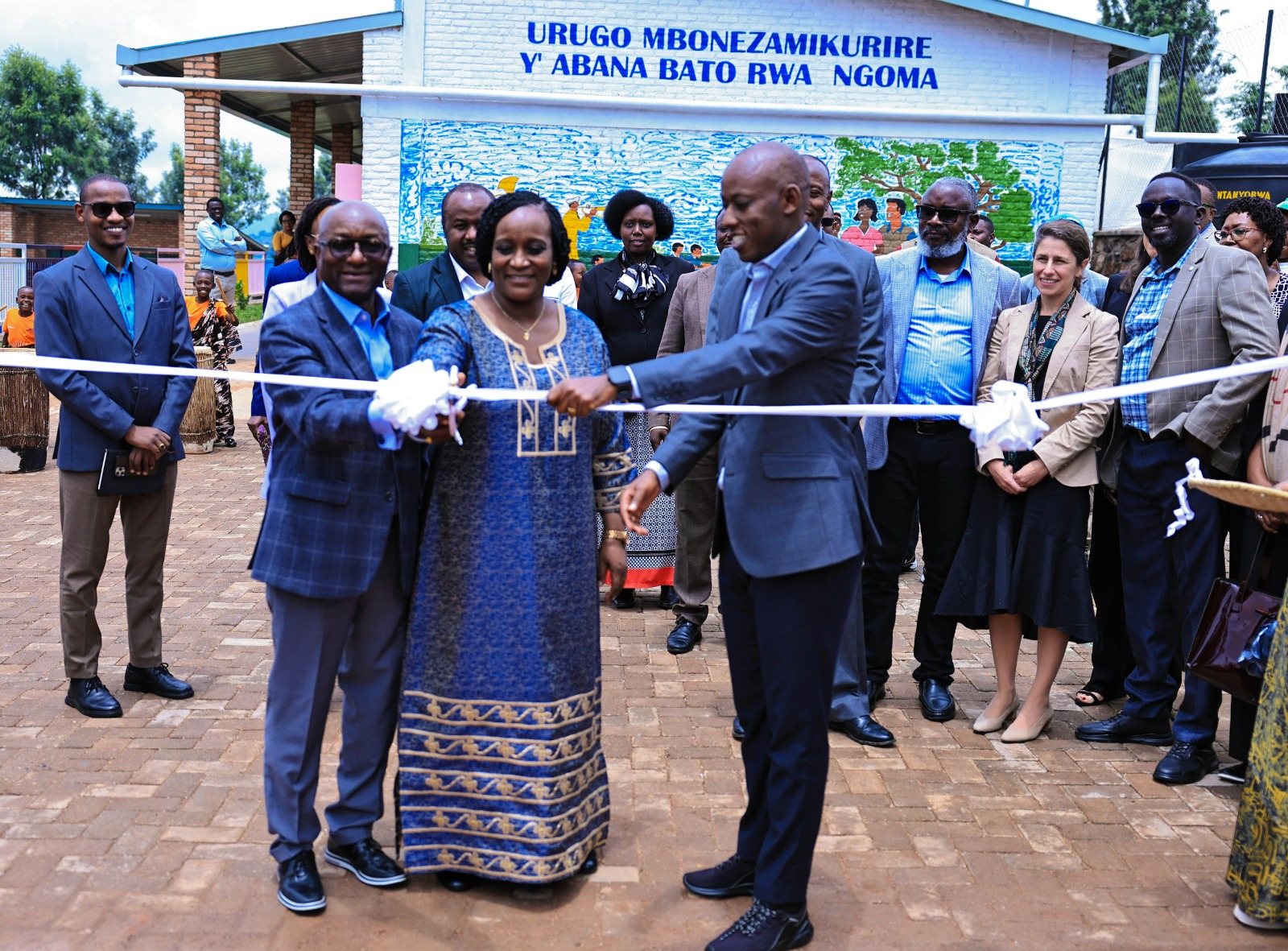
The Minister of Gender and Family Promotion, Consolée Uwimana, (C), Huye district mayor Ange Sebutege, (R) and a representative of the World Bank launch the ECD centre in Huye.
HUYE – Rwanda has taken another step in strengthening early childhood development with the launch of a model childcare and learning centre designed to support both children and working parents in Huye district.
The facility, inaugurated on March 24 at Ngoma primary school, will cater for children as young as six months up to those completing pre-primary education. The centre was officially opened by Consolée Uwimana, Rwanda’s Minister of Gender and Family Promotion.
Constructed with support from the World Bank, the centre is expected to serve as a model for integrated early childhood development services. It currently hosts 20 children aged between six months and two years, alongside 60 others enrolled in nursery school.
Parents have welcomed the initiative, noting that it provides a safe and structured environment for their children throughout the day, from morning until evening, allowing them to focus on their livelihoods without constant concern for childcare.
Valentine Nyiramana, a mother of two enrolled at the centre, described the facility as transformative. Previously, she struggled to balance childcare with her tailoring and small business activities due to the lack of reliable support at home.
With access to the centre, she says her productivity has improved and her income has stabilized. Local authorities say the initiative addresses a growing need, particularly in urban areas where traditional community-based childcare arrangements are less viable.
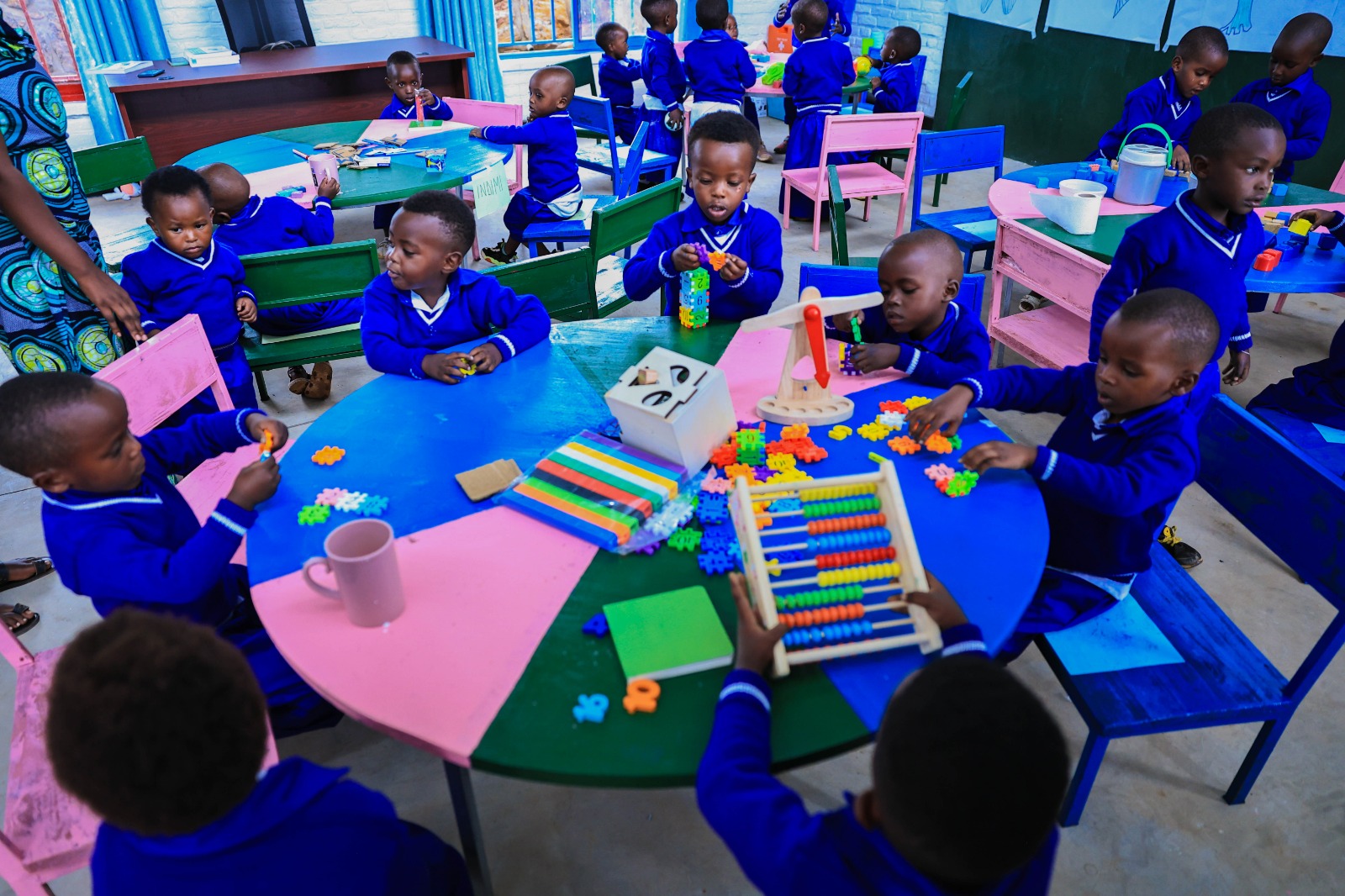
The centre currently hosts 20 children aged between six months and two years.
According to district officials, Huye already has over 1,200 early childhood development centres, the majority of which are home-based. However, model centres like this one are designed to meet the needs of families without extended support systems.
Speaking at the launch, Uwimana emphasized that early childhood development remains a national priority, noting that up to 80 percent of a child’s brain development occurs within the first three years, and 90 percent by the age of five.
She encouraged parents not only to utilize such centres for childcare, but also to engage with the parenting education offered, aimed at strengthening family well-being and stability.
“This centre should not only be a place where children are left during the day. It should also serve as a space where parents gain knowledge and skills to build stronger, more resilient families,” she said.
She also called on families to foster positive home environments, free from conflict and harmful behavior, stressing that children’s development is closely tied to the stability and harmony within households.
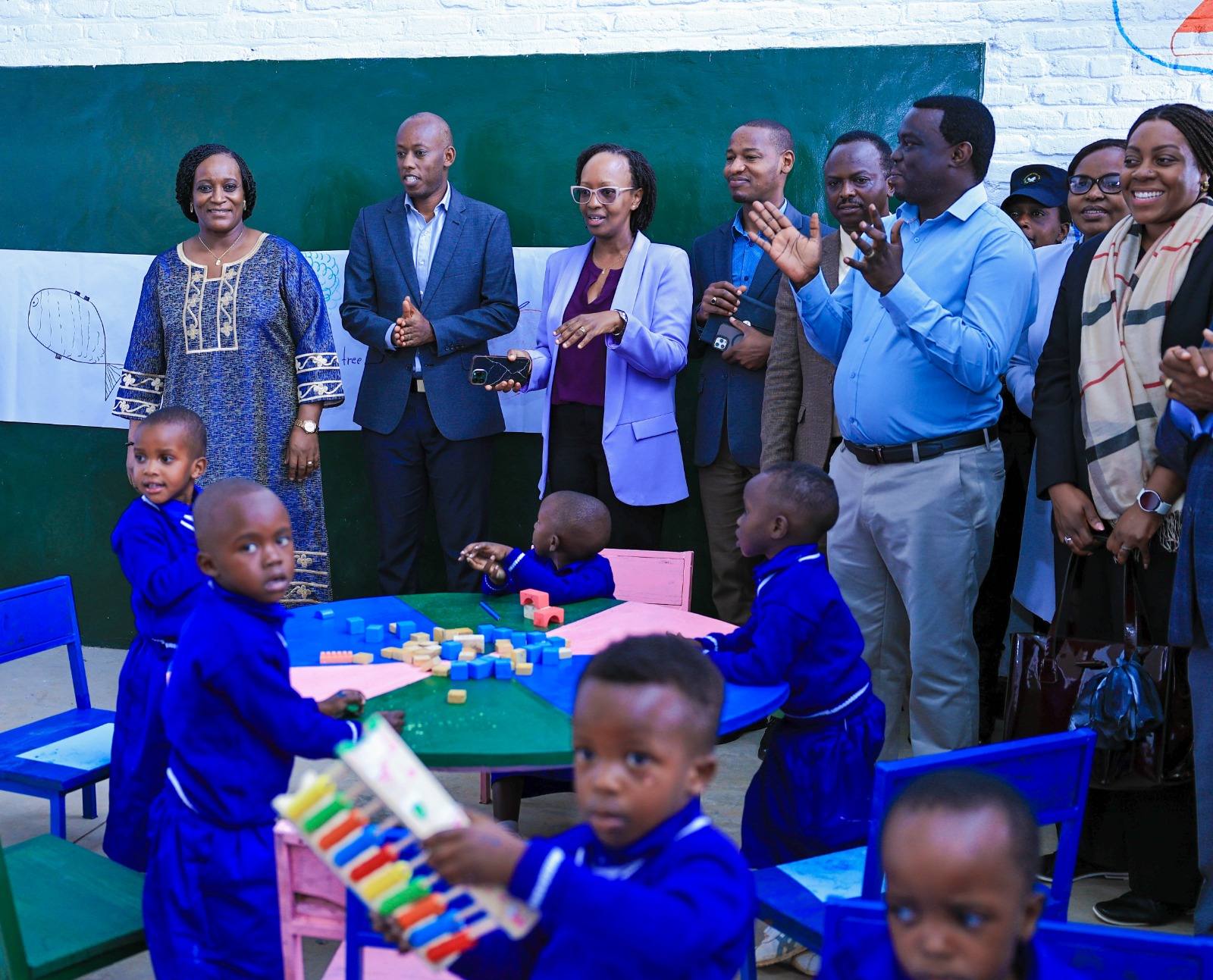
Local authorities say the initiative addresses a growing need, particularly in urban areas where traditional community-based childcare arrangements are less viable.
The rollout of model early childhood centres is set to continue across the country, with similar facilities scheduled to open in Rusizi and Rubavu districts later this week.
Additional centres are under construction in 12 districts, reflecting a broader national push to expand access to quality early learning and childcare services.
As Rwanda continues to prioritize human capital development, such initiatives highlight the country’s integrated approach, supporting children’s growth while enabling parents to actively participate in economic life.
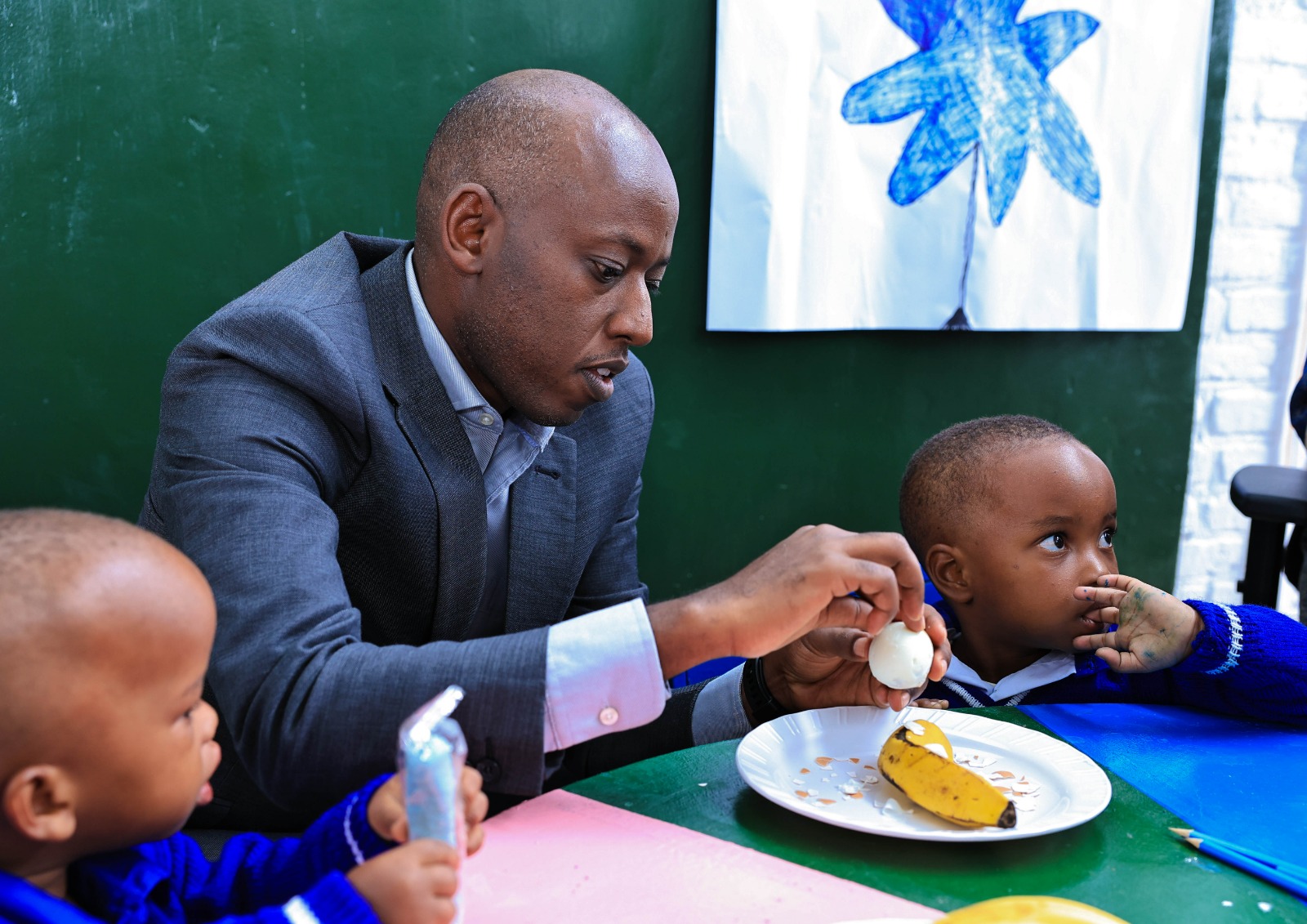
Huye district mayor Ange Sebutege, feeds a child at the newly launched ECD centre in Huye.
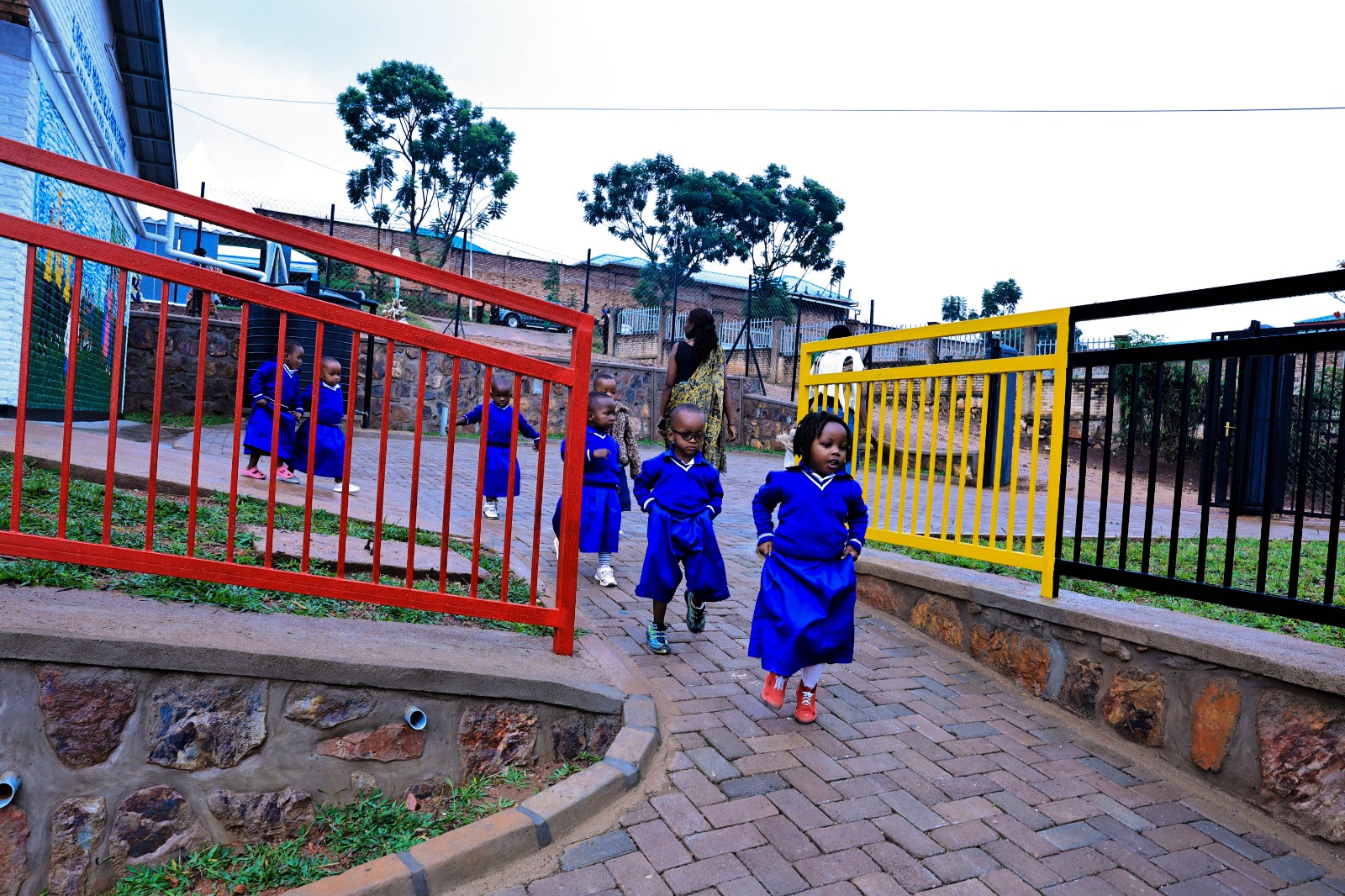
The centre also has 60 children enrolled in nursery school.
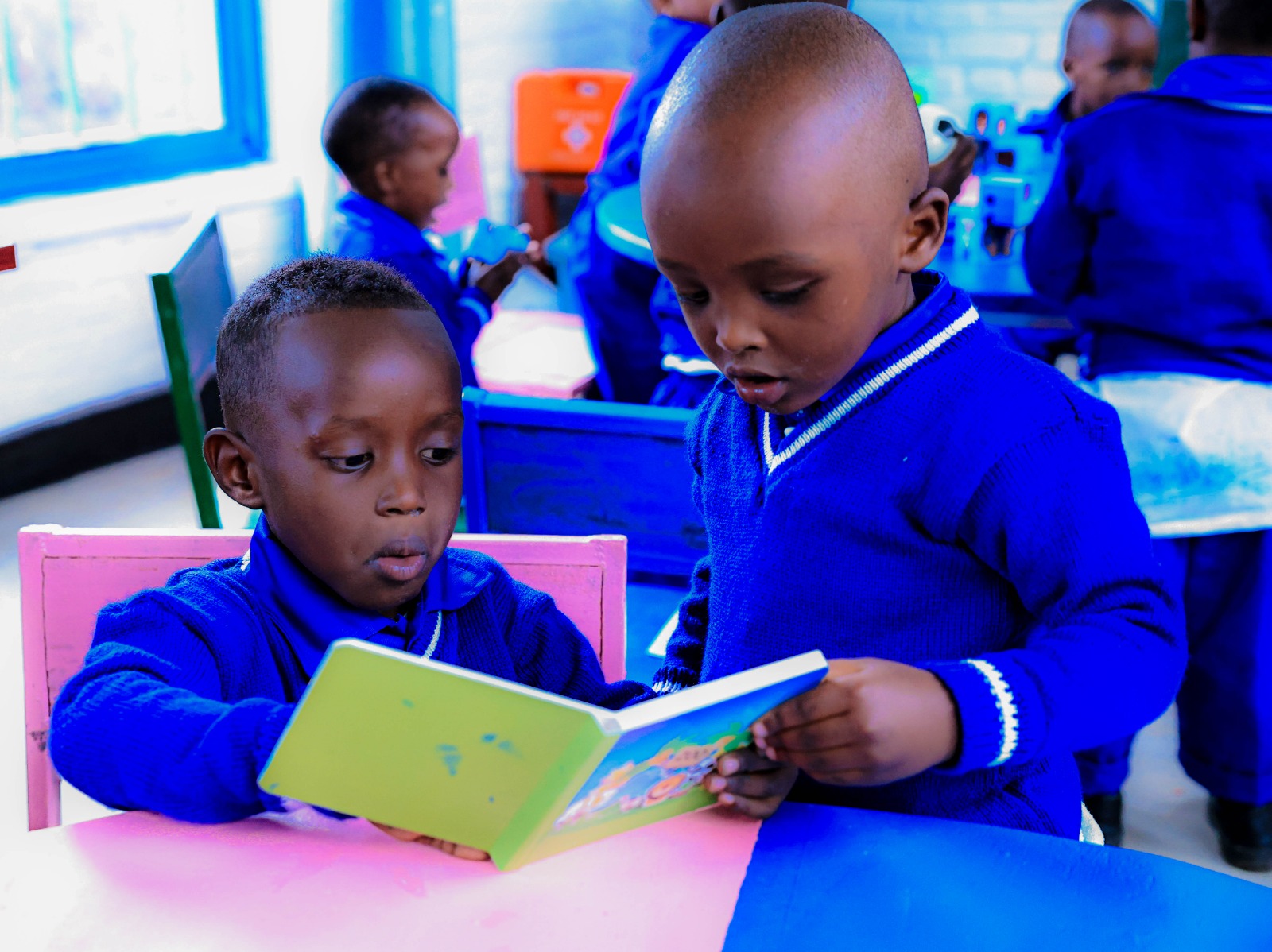
Parents say the initiative provides a safe and structured environment for their children throughout the day.
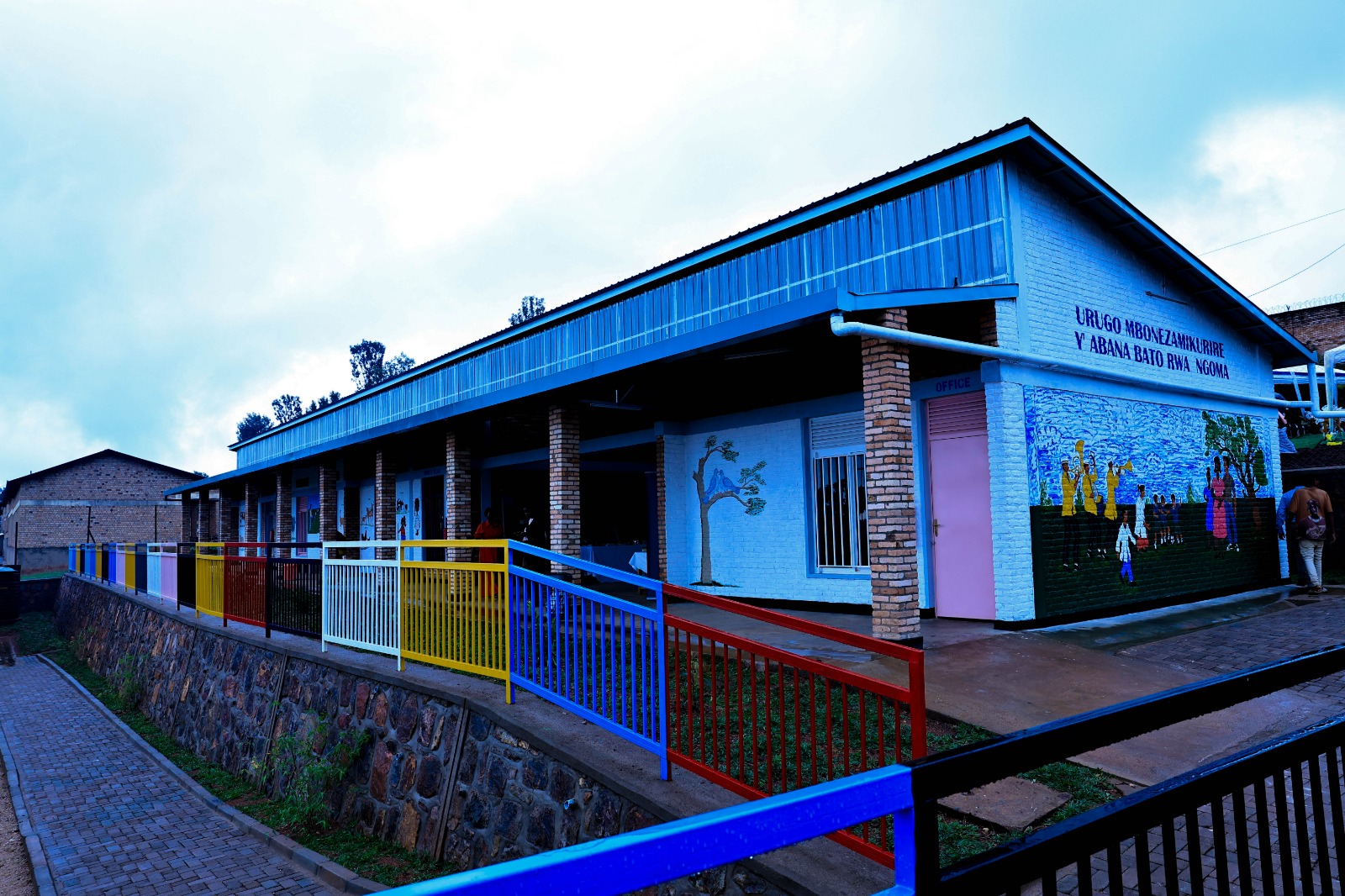
Huye already has over 1,200 early childhood development centres, the majority of which are home-based.
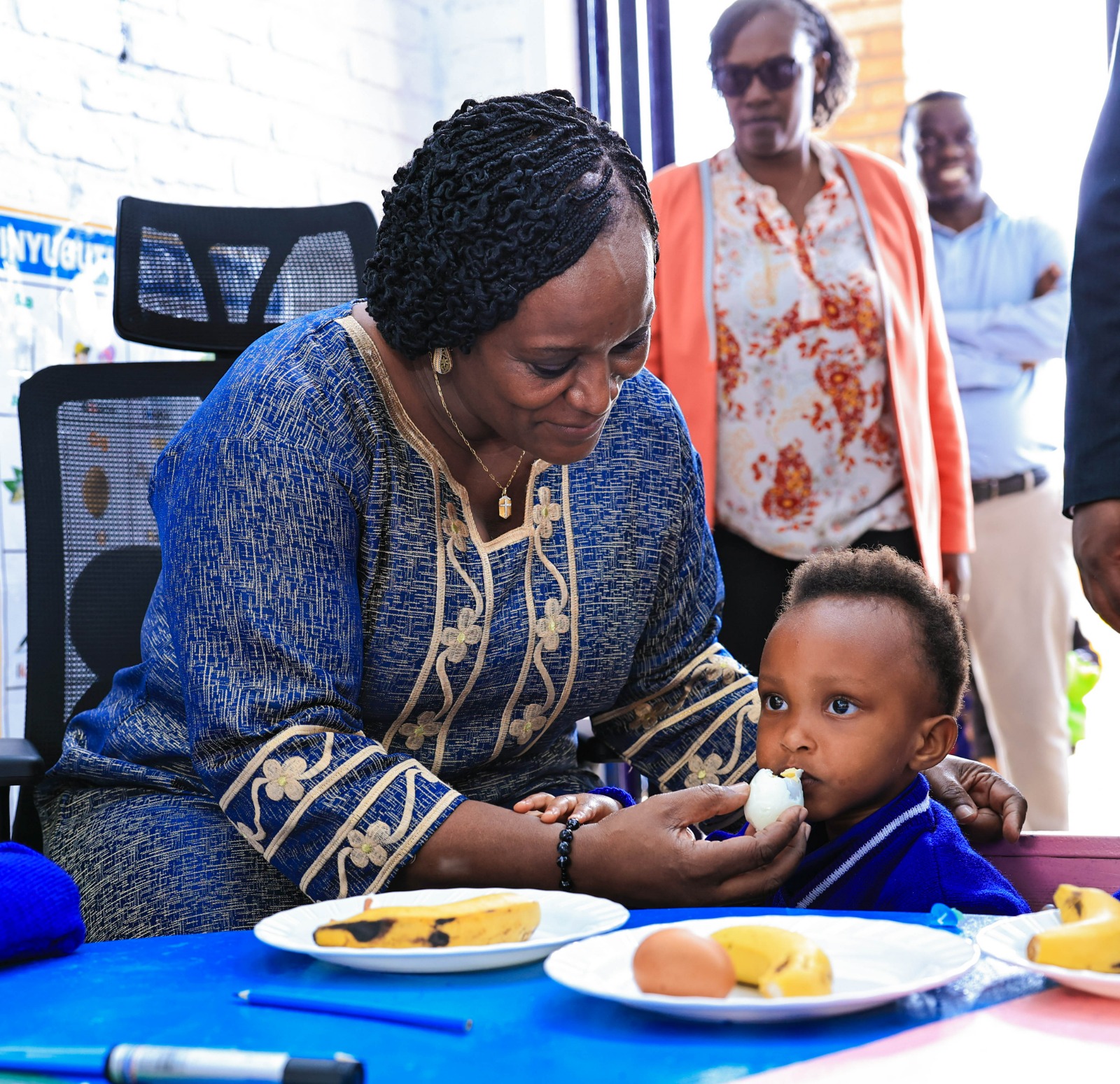
Consolée Uwimana, Rwanda’s Minister of Gender and Family Promotion feeds a child during the launch of the early childhood development centre in Huye district.
