KIGALI — Rwanda is moving to position the care economy—the long-overlooked engine of daily life—as a central pillar of its national development strategy.
The care economy encompasses both the paid and unpaid work that sustains households and individuals. This includes childcare, elder care, cooking, cleaning, and essential labor like fetching water or firewood.
While these tasks form the bedrock of society, they have historically remained invisible in economic data. Currently, this work is disproportionately carried out by women and girls, often at the expense of their own professional growth.
A New Strategic Priority
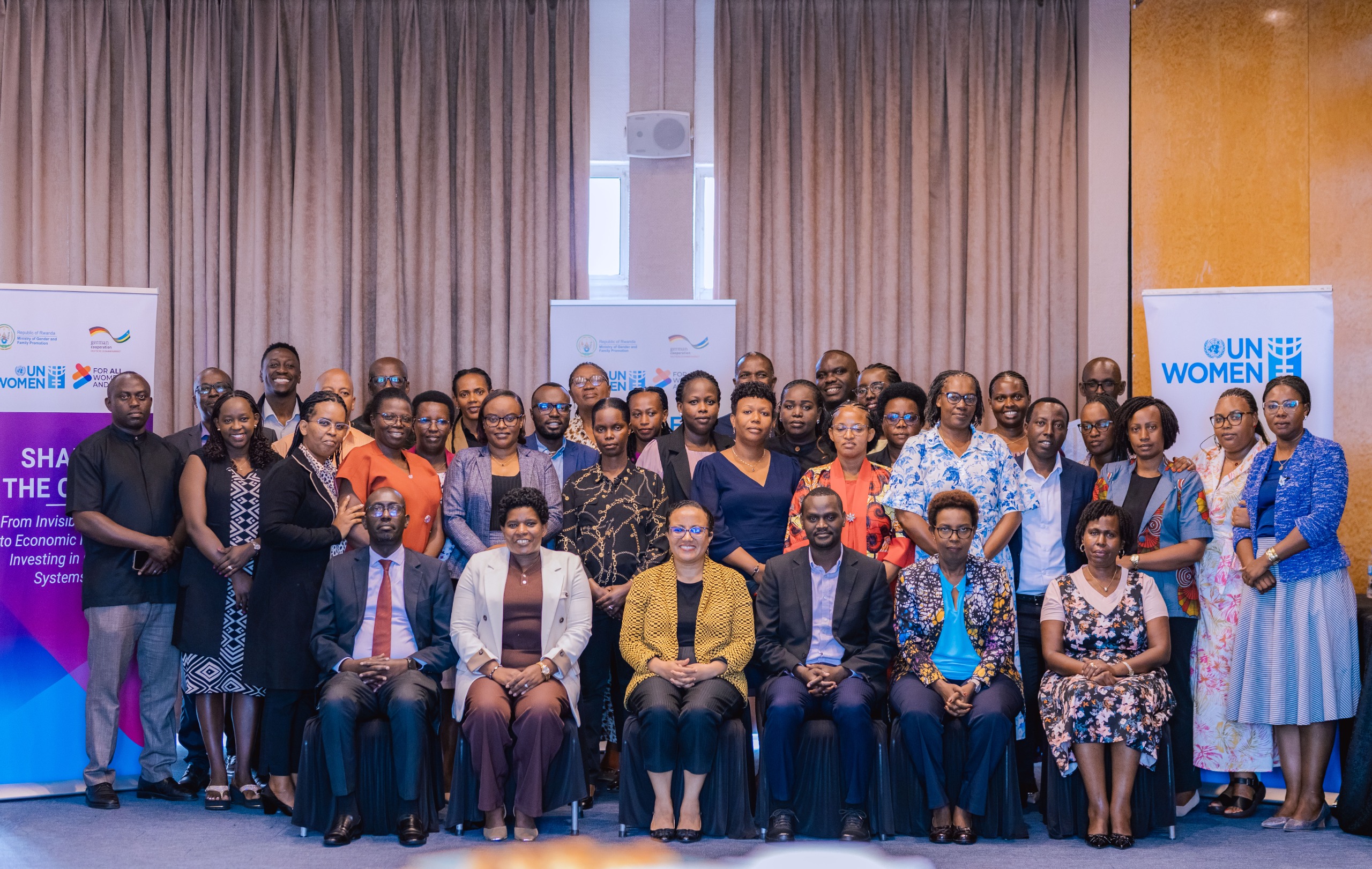
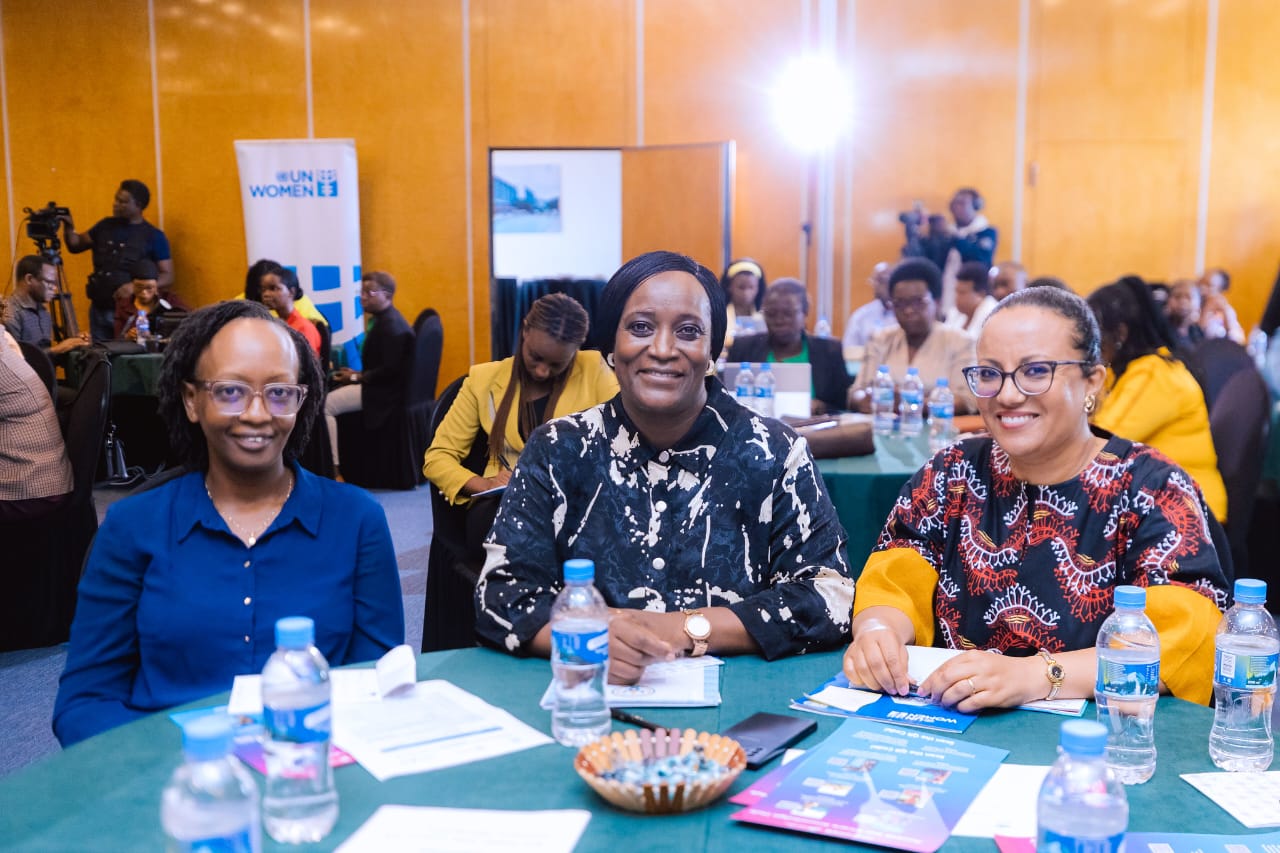
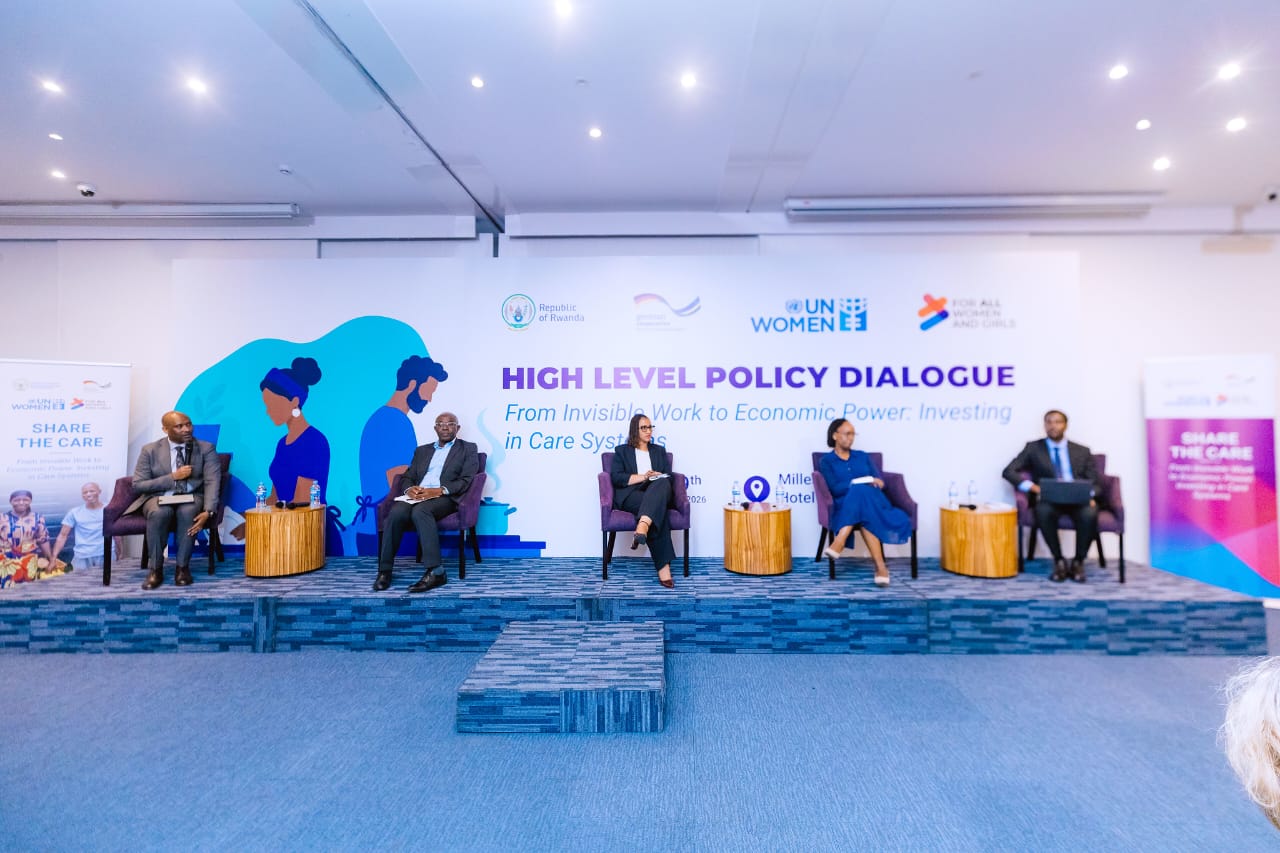
This shift in focus follows a high-level policy dialogue held on April 28–29, 2026, organized by the Ministry of Gender and Family Promotion (MIGEPROF) in partnership with UN Women.
The forum brought together government officials, development partners, and private sector leaders. The goal was to find practical ways to integrate care systems into national planning, budgeting, and service delivery.
“Care is not simply a private or household matter; it is a foundational pillar of our societies and economies,” UN Women Rwanda stated during the dialogue. They emphasized that care sustains labor markets, enables human capital development, and contributes directly to economic productivity.
The Burden of Unpaid Labor
The urgency of this policy shift is backed by stark data. A 2022 baseline survey across eight districts reveals that women in Rwanda spend an average of 7.1 hours per day on unpaid domestic work, while men spend just 2.1 hours.
Even in urban settings, women dedicate nearly seven hours daily to household responsibilities. Participants at the dialogue emphasized that this “time poverty” is a major constraint on national growth.
When women are tethered to unpaid care, their ability to participate in education, entrepreneurship, and leadership is limited. This imbalance ultimately drags down overall national productivity and development outcomes.
The Roadmap for Change
To address these gaps, the forum equipped local government leaders with the 5R framework, a globally recognized strategy to transform the care sector.
The strategy begins by recognizing the value of unpaid care through official statistics and reducing the time spent on chores by investing in better infrastructure. It further aims to redistribute these responsibilities more fairly between households and the state.
Additionally, the framework ensures professional caregivers are rewarded with fair pay and decent conditions. Finally, it ensures representation by giving care workers a formal voice in the economic decisions that shape their lives.
The Investment Case
The dialogue reframed care services—such as expanded childcare and labor-saving technologies—not as social costs, but as high-yield investments.
“The care economy must increasingly be understood as an investment case,” UN Women noted. They pointed out that investing in childcare and social protection creates jobs and frees up the female workforce to drive economic growth.
As Rwanda deepens its focus on inclusive development, officials maintain that supporting the care economy is the key to unlocking women’s full economic potential and ensuring long-term prosperity for the nation.