Rwanda’s Higher Education Council (HEC), has launched a nationwide tour of higher learning institutions to assess their performance and strengthen collaboration aimed at improving the quality of education in Rwanda.
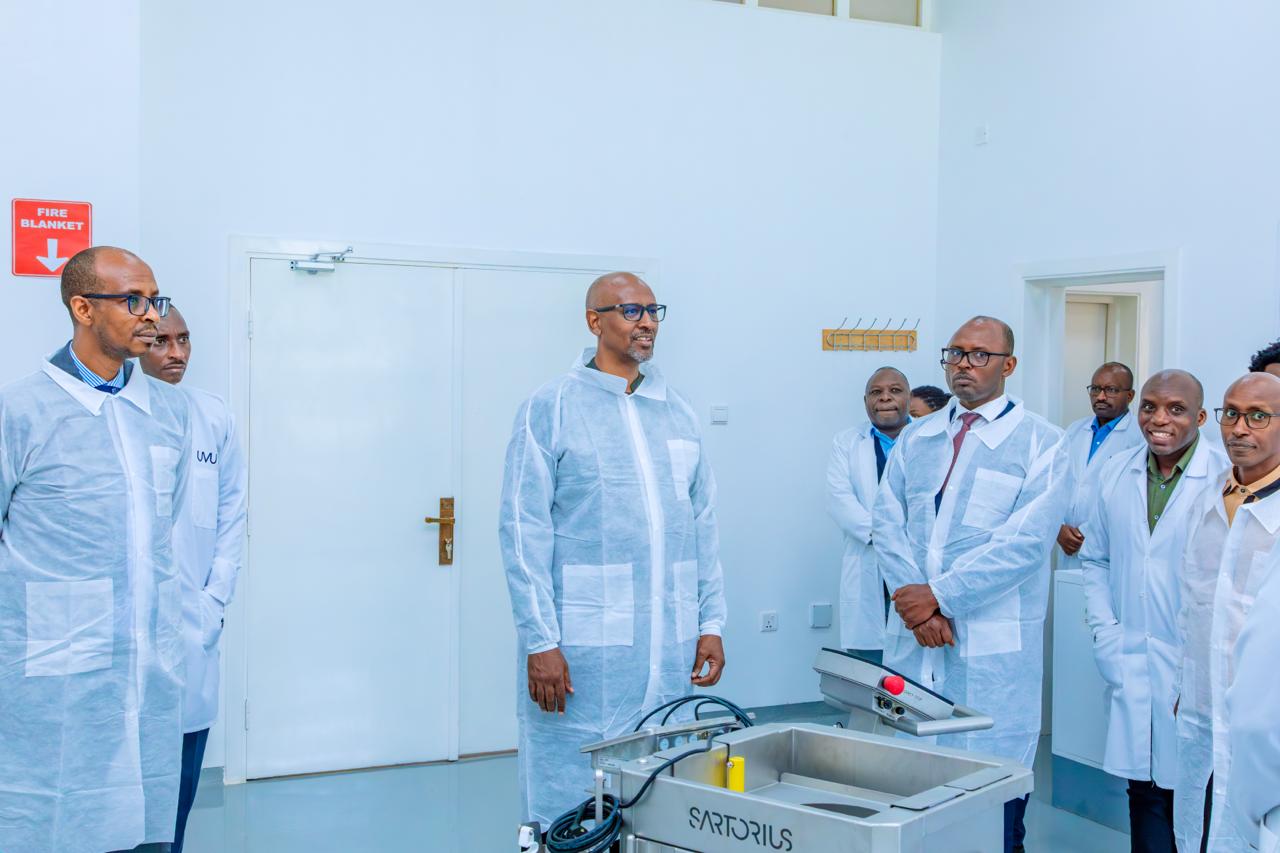
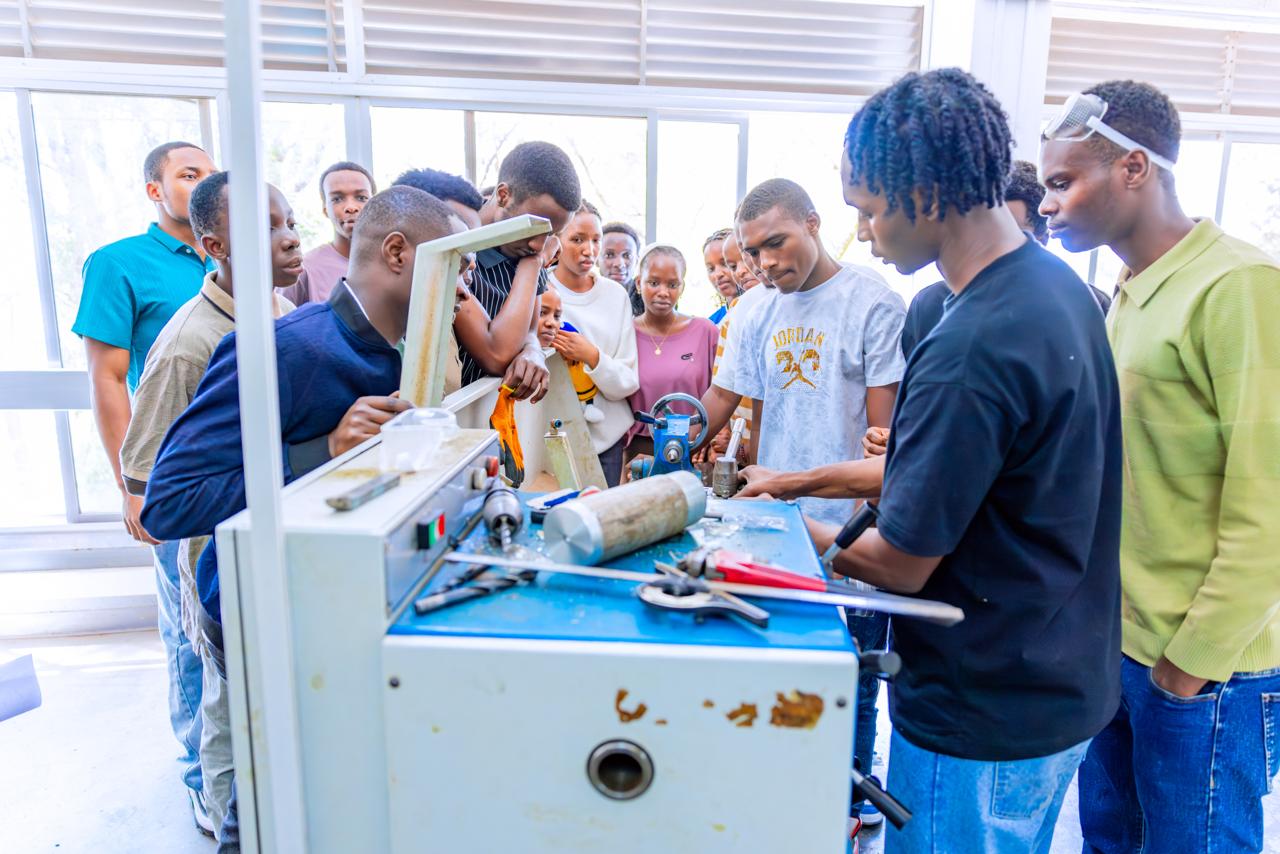
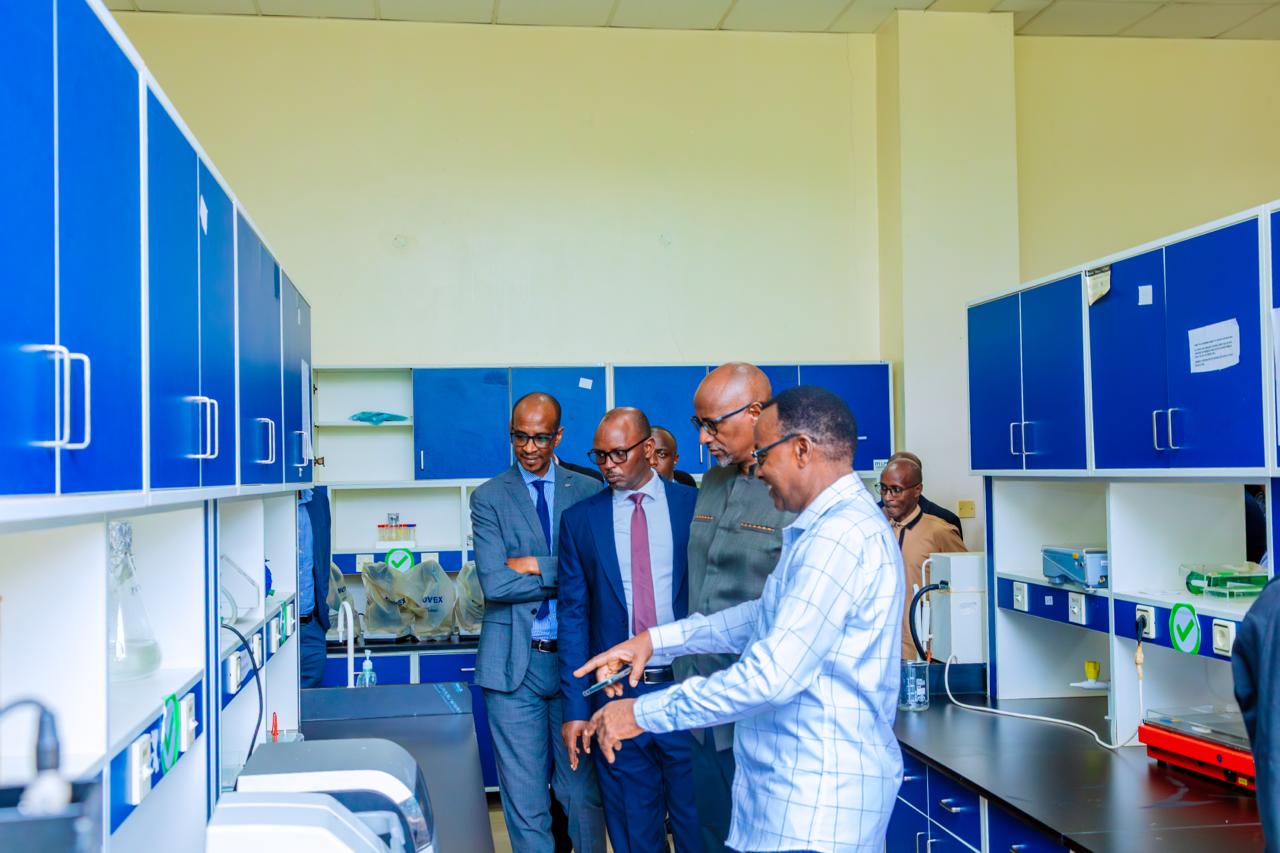
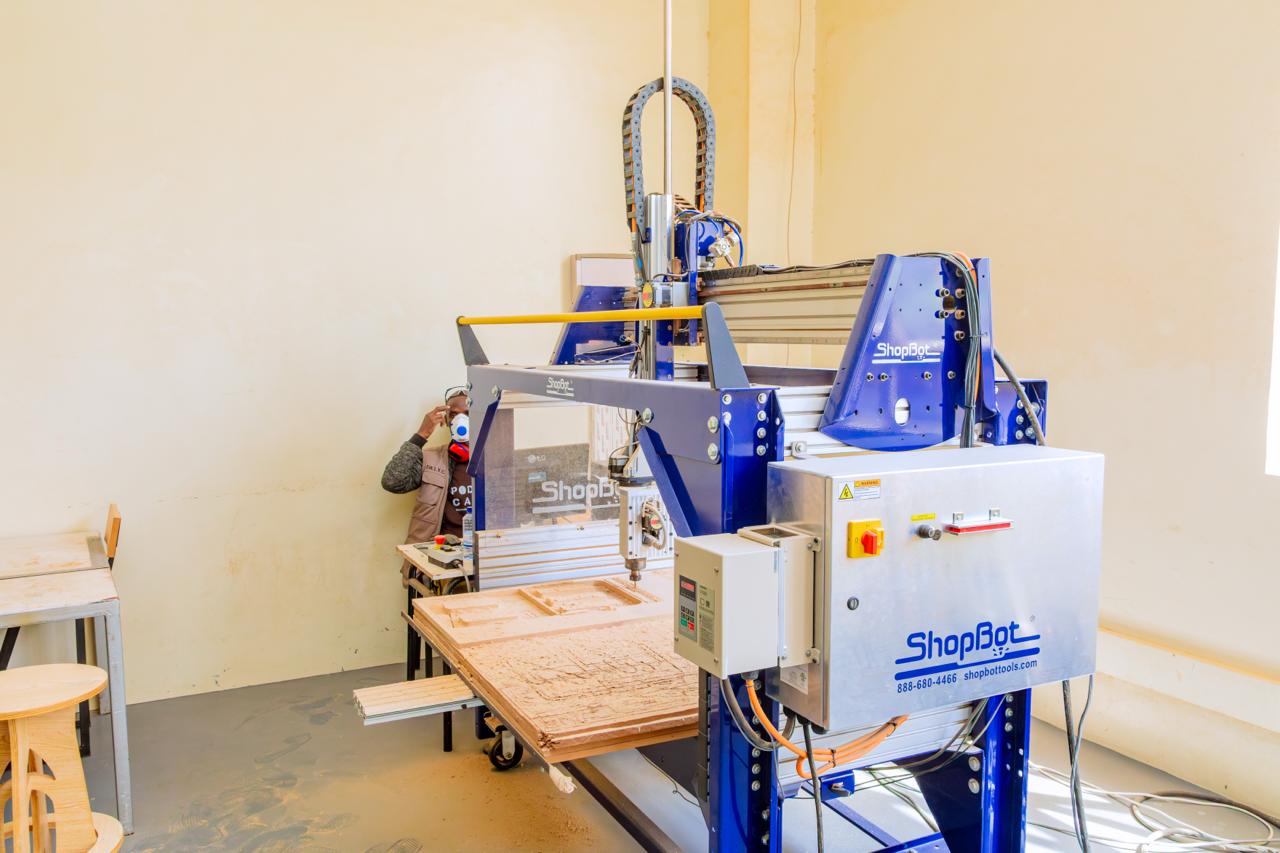
The exercise began at the University of Rwanda’s College of Science and Technology (formerly KIST), where officials from the Ministry of Education and HEC visited student laboratories used for practical training.
University of Rwanda Deputy Vice-Chancellor, Prof. Kayihura Muganga Didas, said the institution is performing well overall, but still has gaps to address.
He said the university is not yet at the level it aspires to, but remains on a strong footing overall. “We are not yet at 100 percent of where we want to be, but generally we are doing well,” he said.
Prof. Kayihura noted that while several laboratories already meet international standards and attract researchers and students from abroad, others still lag behind.
“Some of our labs are fully at international level, others are around 80 percent, while a few are still below,” he said, adding that discussions with the Ministry of Education and HEC are focused on upgrading the remaining facilities.
He explained that achieving international accreditation would expand the role of the laboratories beyond teaching.
“Once accredited, they won’t only support teaching, they can also serve the private sector with internationally recognized services,” he noted.
Discussions also highlighted broader challenges at the university, including limited laboratory support staff and a shortage of lecturers compared to the growing number of students.
University leaders and partners pledged support to address the gaps.
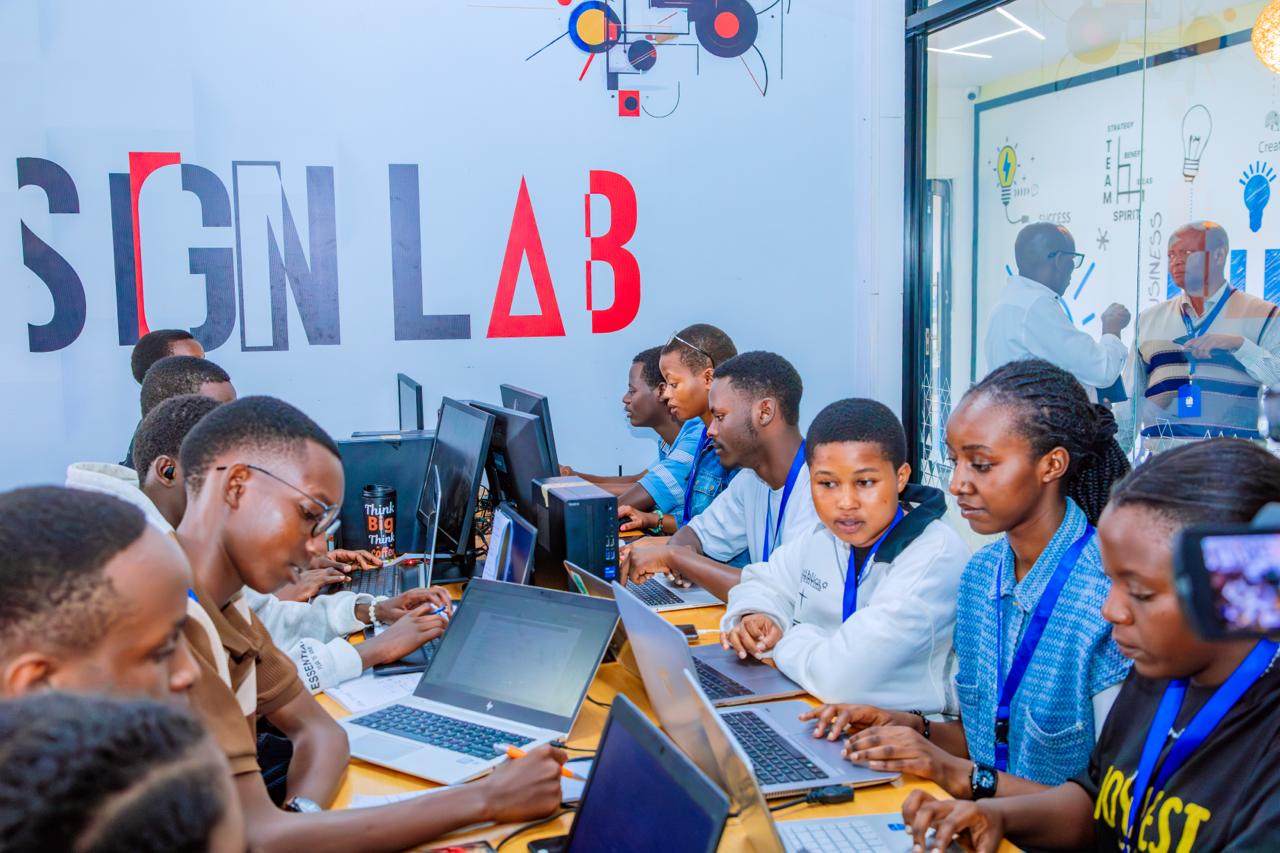
HEC Director General, Dr. Edward Kadozi, said the assessment is placing emphasis on how education aligns with labor market needs.
He said HEC is reviewing how universities collaborate with the private sector, particularly in shaping relevant skills and improving graduate employability. “We are looking at how universities work with the private sector to address education challenges,” he said.
Kadozi added that the exercise also focuses on infrastructure and teaching capacity.
“We are checking whether students get enough practical time in labs and whether they are taught by qualified lecturers,” he noted.
Minister of Education Joseph Nsengimana said the initiative is intended to ensure graduates leave university with practical, job-ready skills.
He warned that students without hands-on experience risk falling behind in the job market. “Students go straight to the job market after graduation. If they lack hands-on experience, they fall behind,” he said.
Nsengimana said the government will strengthen collaboration with the private sector to better align training with industry needs.
“We want students to leave university knowing exactly what they will do,” he said, adding that closer cooperation with employers will help produce graduates with practical, relevant skills.
The visits will also extend to private universities and higher learning institutions across the country.
Officials say the initiative will provide a platform for dialogue with university leaders, lecturers and other stakeholders to identify challenges, gather views and agree on reforms needed to improve higher education in Rwanda.