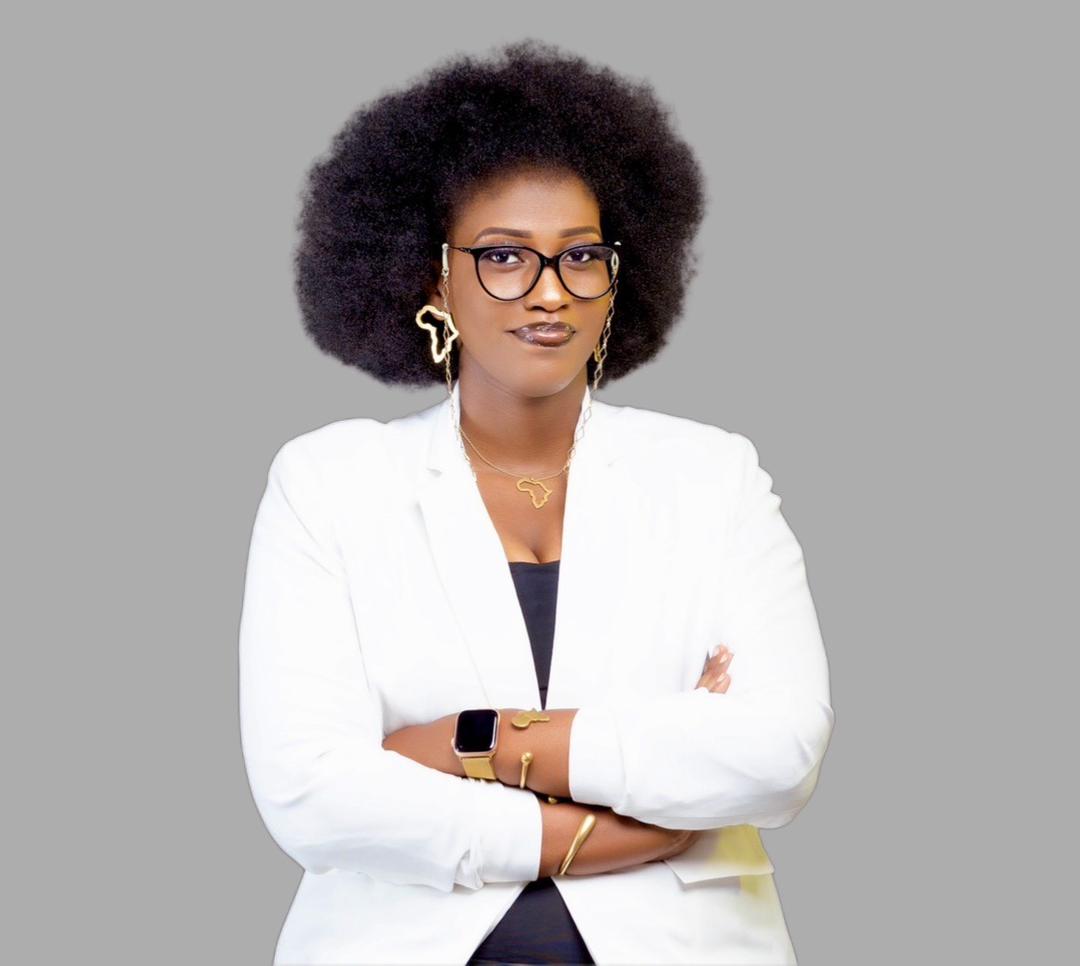
Sylvie Sugira
A generation’s promise to remember , protect the truth, and build a future that never repeats the past.
We Will Never Forget, And Here’s Why
The other day, Olivier Nduhungirehe shared something that stayed with me.
He said that some people have told him that Rwandans should “forget and move on.”
Forget?
Move on?
That will never happen.
We remember not because we are stuck in the past, but because we are protecting the future.
Memory is not weakness.
Memory is responsibility.
We remember because forgetting is dangerous.
Why We Must Always Remember
As a generation born after the 1994 Genocide against the Tutsi, we carry a duty.
We did not live through it, but we live because of those who survived it.
Some of the people who committed these crimes fled. They regrouped and passed the same hatred to their children.
Even today, false narratives about Rwanda continue to spread across the world.
There are still groups and ideologies that promote division and threaten stability.
Because hatred does not disappear on its own.
If it is not challenged, it is taught.
And we still see the consequences of that today, especially in the Democratic Republic of the Congo, where Rwandophone Congolese who identify as Tutsi continue to face violence from groups like the FDLR.
If you have never heard of the FDLR, I will tell you what it is:
When the genocidal government collapsed in July 1994, soldiers and militias fled across the border into the DRC, forcing civilians along with them. In the camps, they reorganized into what became the FDLR and launched a sustained insurgency against Rwanda, costing tens of thousands more lives.
So, this is not just history.
This is a warning.
BUT AREN’T THEY OLD NOW?
Some people say, “The people who committed the genocide are old now.”
Yes, many are.
But hatred does not grow old.
It is passed down.
Children are not born with hate. They are taught.
to ensure that those taught to hate do not carry forward what their parents started.
And that is why remembering matters.
For many Rwandans, even with all the pain our parents carry, they made a choice.
They chose love.
They could have passed down anger, silence, and bitterness.
But instead, they raised us with hope.
They taught us that even after suffering, love is still possible.
And now, it is our turn to carry that choice forward.
What Rwanda Chose Instead
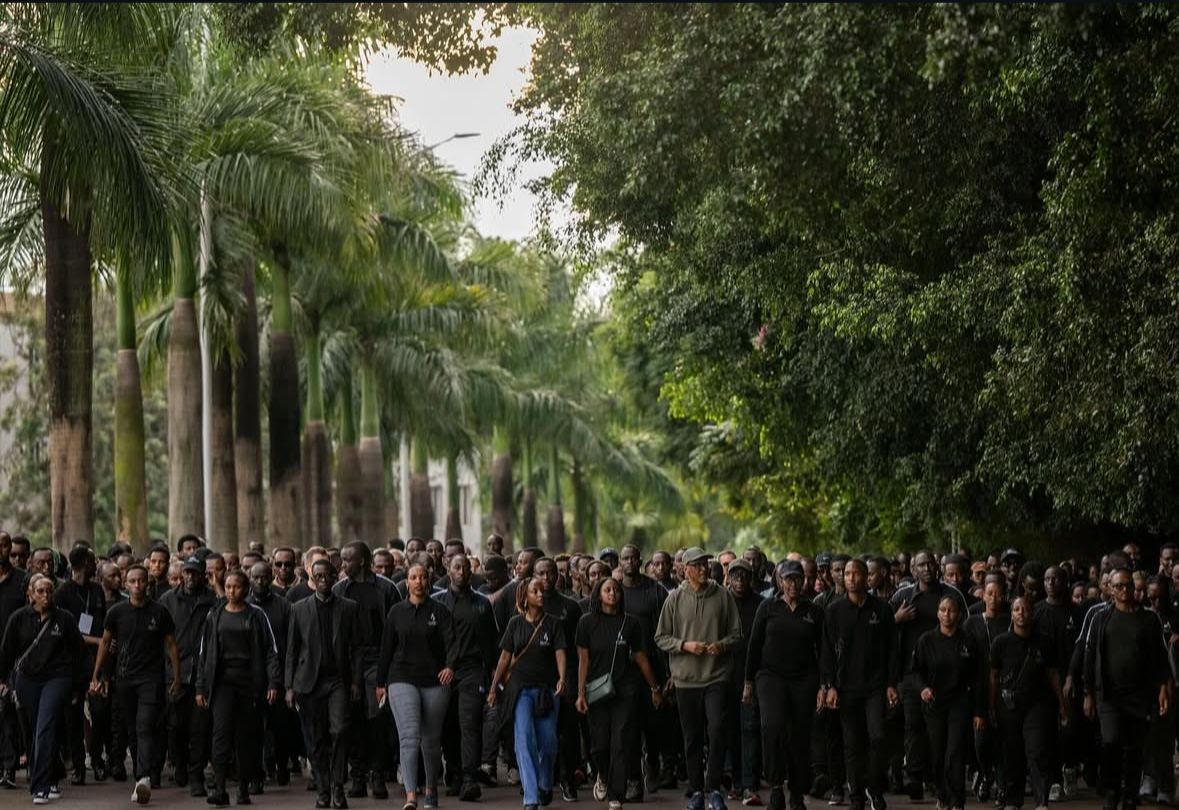
President Paul Kagame leads the #Kwibuka32 Walk to Remember accompanied by thousands of mainly young people
After the genocide, when the country was broken, Rwanda made a different choice.
Under the leadership of H.E President Paul Kagame, the focus was rebuilding, not revenge.
We were taught unity through “Ndi Umunyarwanda,” the idea that we are all Rwandans first.
And today, we live that truth:
We study together.
We work together.
We build together.
Many young people in Rwanda (including myself) today cannot even identify others by ethnicity, and that is powerful. That is healing.
Even more powerful is this: children of those who participated in the genocide are not defined by their parents’ actions.
They are given equal opportunities.
They grow based on their ability, not their history.
That is what true reconciliation looks like.
Two Paths: Hate or Healing
While Rwanda chose unity, others continue to spread division.
While Rwanda teaches love, others still teach hate.
While Rwanda builds, others still try to destroy.
So when someone tells us to “forget and move on,” they do not understand what remembering means.
We are not remembering to divide ourselves.
We are remembering to protect ourselves.
So No, We Will Never Forget
As we mark Kwibuka 32, we stand firm in its message:
Remember. Unite. Renew.
And understand this clearly:
While those driven by hate stay busy trying to destroy,
we will stay busy building.
While they pass down division,
we will pass down unity.
While they hold onto the past with anger,
we will hold onto it with purpose.
We remember not to live in pain,
but to make sure it never happens again.
We will never forget.
We Will Not Stay Silent
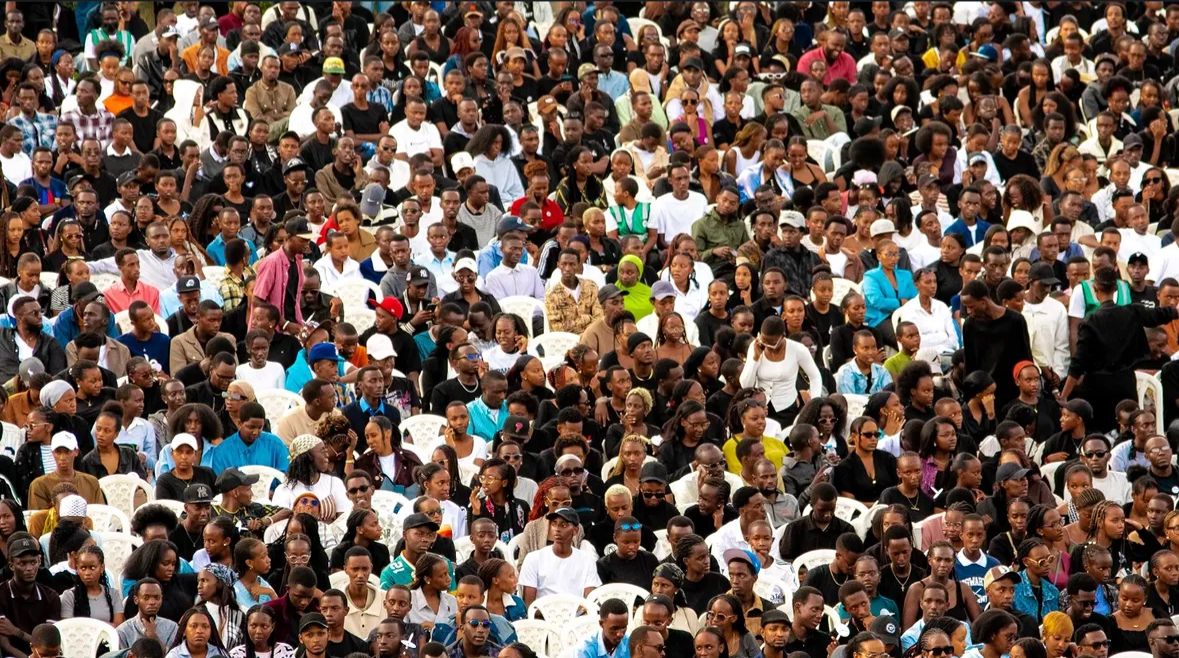
This is my letter to the generation after the 1994 Genocide against the Tutsi.
Our elders know what happens when the world turns away.
They know the cost of silence.
And they refused to pass that silence on to us.
They gave us voices, and the courage to use them.
We have seen that if our lives don’t happen to align with someone else’s interests, they are not worth saving.
That is a harsh reality.
So, it is up to us to speak.
To question.
To stand.
To protect ourselves.
Our Responsibility as a Generation
There have been many sacrifices made for us to be here today and live peacefully, and there are still sacrifices being made by those who continue to protect this country.
They dedicated their lives to protecting us.
And we should never take that for granted.
So, we are not being asked to pick up weapons and go fight anyone.
But the least we can do is protect what was built for us.
We exist in the same digital spaces where history is twisted, neglected, and misrepresented,where genocide ideology is still being spread.
What matters is that we show up in those spaces and speak the truth of our history.
Because when we are silent in moments like this, we create space for distortion to take hold.
We must keep rebuilding our country.
And that can never happen if we forget our history.
As H.E. President Paul Kagame said:
“We cannot afford to repeat the mistakes of the past. Genocide ideology is still spreading in our region. Left unchecked, it has the power to take us all backwards again.”
He also said:
“But the power we will always have is to use our minds to see the truth, and our voices to speak up when something is not right. You can never silence us in whatever form.”
The Power of Learning Our History
Many of those who carried out the genocide against the Tutsi were young.
They were taught hate.
They were misled.
They were not taught the truth.
And that is why education matters.
What happened in 1994 was documented.
We have memorials. We have testimonies.
Yes, it is painful to see.
Yes, it is difficult to hear.
But it is the least we can do.
Survivors lived through it.
They witnessed it.
So, the least we can do is listen to their testimonies and take the time to learn.
Because there is power in knowledge.
Telling Our Story the Right Way
Denial of the Genocide against the Tutsi has not disappeared.
Genocide ideology still exists.
Those who try to distort the truth do not rest.
So, we must not rest either.
We must keep learning.
We must keep speaking.
We must keep telling our story,truthfully and responsibly.
Because when we understand our history, we protect ourselves from lies.
We protect ourselves from hate.
We protect our future.
Our Promise
We will not let the stories of survivors fade.
Their stories are now our stories.
And when the day comes when they can no longer tell them, we will carry those stories, loudly, boldly, and truthfully.
So, dear world:
No, we will never forget and move on.
We will always remember. Unite. Renew.
And above all:
We will never forget.
Sylvie Sugira is Kigali Today Ltd’s Brand and Communications Consultant. She can be followed on Travel with Sy (@sylvie_sugira) – Instagram