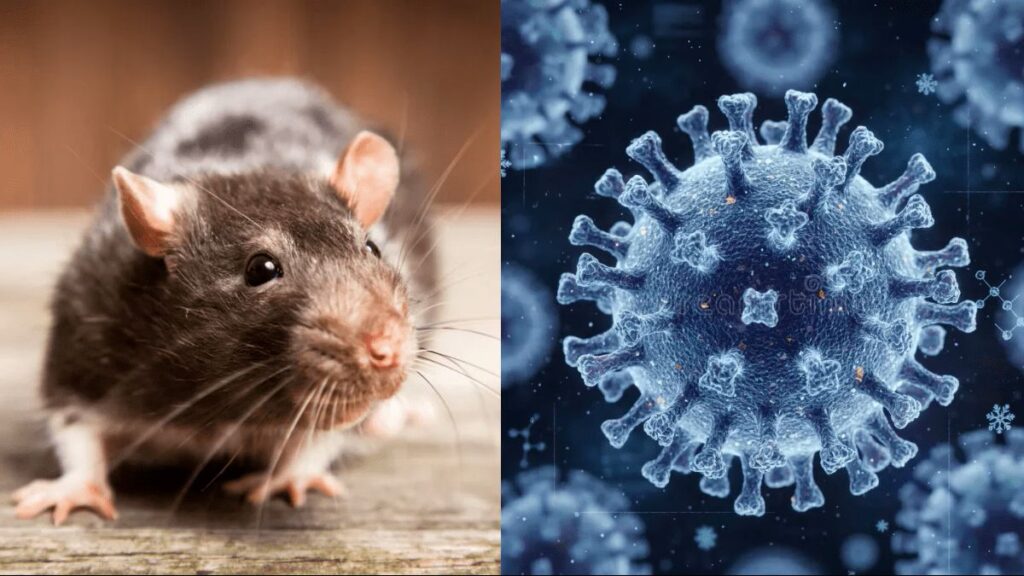
A representational image indicating that Hantaviruses are a group of viruses found across the world that are usually carried by rodents.
KIGALI – A localized outbreak of the rare Andes hantavirus aboard a South American cruise ship has sparked a global tracing effort, testing the world’s ability to distinguish a contained threat from a burgeoning pandemic.
The recent cases, connected to passengers aboard the Dutch-flagged MV Hondius, have triggered international monitoring after eight infections and three deaths were reported. With passengers hailing from 12 different countries—including the U.S., UK, and Singapore—the incident has reignited the “COVID-era” anxiety that lingers in public discourse.
However, health officials are moving quickly to replace panic with perspective. “This is not COVID-19 revisited,” emphasized WHO epidemiologist Maria Van Kerkhove. While the virus is serious, its biology makes it a very different kind of adversary.
Why the Andes Variant Is Drawing Attention
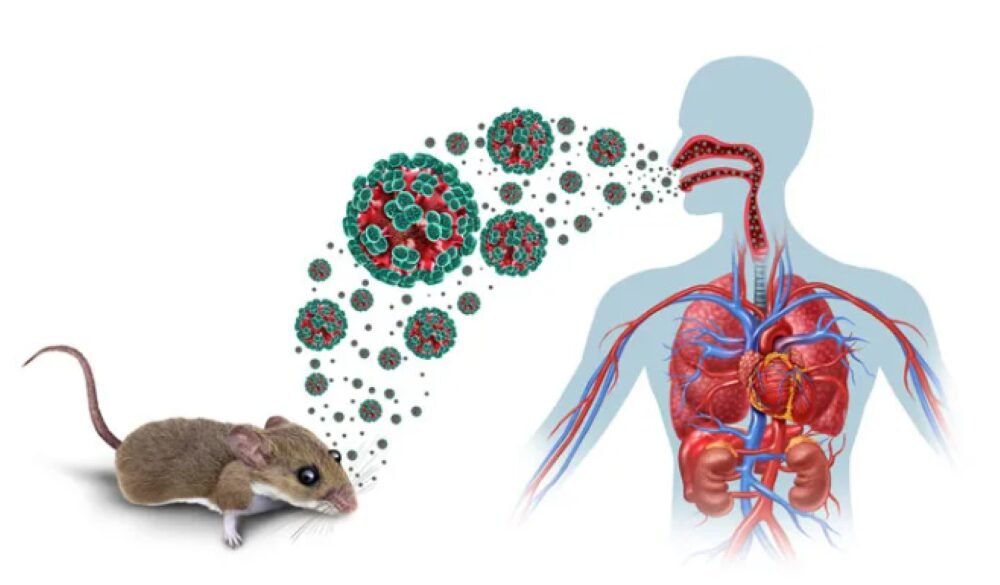
People may get infected by breathing in aerosolized particles of dried rodent urine or feces containing the virus.
The current concern surrounding the MV Hondius voyage stems from the suspected involvement of the Andes strain. Unlike almost all other hantaviruses, the Andes variant is unique because it is capable of limited person-to-person transmission through prolonged, close contact.
This rare trait is exactly why health authorities are meticulously tracing travelers. Even so, the overall risk remains low. In 2025, the Americas recorded 229 cases across eight countries; while tragic, these numbers are a small fraction of those seen in major respiratory pandemics.
According to WHO and the U.S. Centers for Disease Control and Prevention (CDC), symptoms usually appear between one and eight weeks after exposure. Early warning signs include fever, headaches, muscle pain, chills, dizziness and fatigue, often followed by nausea, vomiting and abdominal pain.
In more severe cases, patients can develop persistent coughing, breathing difficulties and acute respiratory failure.
Scientists say fatality rates vary significantly depending on the strain involved. Some forms carry mortality rates of less than one percent, while severe pulmonary strains recorded in the Americas can reach fatality levels of up to 50 percent.
No Need to Panic
Dr. Jenipher Niyonziza, a Critical Care resident doctor at Kibungo Level 2 Teaching Hospital in Ngoma district, notes that transmission is still largely linked to environmental exposure and suggests the public focus on hygiene and accurate information instead of panic.
“Hantavirus is serious, but it behaves very differently from viruses like COVID-19. Transmission is largely linked to environmental exposure, especially contact with infected rodent waste. The public should focus on prevention, hygiene and accurate information instead of panic,” she explained.
She noted that the outbreak also highlights the growing importance of international disease surveillance and rapid information sharing between countries.
“In today’s interconnected world, even a localized outbreak can quickly attract global attention. That is why strong public health systems, early detection mechanisms and clear communication remain extremely important,” she said.

Dr. Jenipher Niyonziza says the outbreak should be treated as an important public health reminder rather than a source of widespread fear.
Prevention Still Matters Most
With no specific cure or widely available vaccine currently available for hantavirus, prevention remains the strongest line of defense.
Health authorities advise against sweeping or vacuuming dry rodent droppings because doing so can release contaminated particles into the air. Instead, experts recommend soaking affected areas with disinfectant or a bleach-and-water solution before cleaning.
Public health agencies also encourage households to seal entry points where rodents can enter homes, food storage areas or workplaces. Niyonziza says public understanding will remain critical as global health agencies continue monitoring the outbreak.
“Every outbreak should encourage preparedness, not misinformation. The reassuring part is that hantavirus is scientifically understood, and health authorities already know the measures needed to reduce exposure and save lives,” she said.
Scientists Move Closer Toward a Potential Hantavirus Vaccine

The rare hantavirus outbreak linked to a cruise ship in South America.
Meanwhile, scientists are reporting encouraging progress in the search for long-term prevention measures. Researchers at the University of Bath are currently developing a promising new hantavirus vaccine that has already produced strong immune responses during laboratory and animal testing.
The research team, led by Professor Asel Sartbaeva, says the vaccine is being developed using advanced mRNA technology combined with an innovative stabilization method known as “Ensilication.”
The technology protects vaccine ingredients within microscopic silica coatings, allowing the vaccine to remain stable at normal temperatures without requiring constant refrigeration.
Scientists believe the breakthrough could become especially important for developing countries and remote regions where maintaining vaccine cold-chain systems remains difficult and expensive.
According to researchers, failures in refrigeration systems contribute to significant vaccine losses globally each year, limiting access to life-saving treatments in vulnerable communities.
Although the hantavirus vaccine has not yet entered public use and still requires clinical trials and regulatory approval, researchers say the early results represent an important step forward.
At a time when global attention is focused on emerging infectious diseases, the development is offering cautious optimism that more effective prevention tools could eventually become available.
The MV Hondius outbreak is a sobering reminder of our interconnected world, but it is also a testament to modern surveillance. With a scientifically understood virus and new vaccine technology on the horizon, the global health community is far better equipped to anchor this threat before it reaches the shore.
WHO officials insist hantavirus is fundamentally different from COVID-19 and does not pose the same level of pandemic threat.