



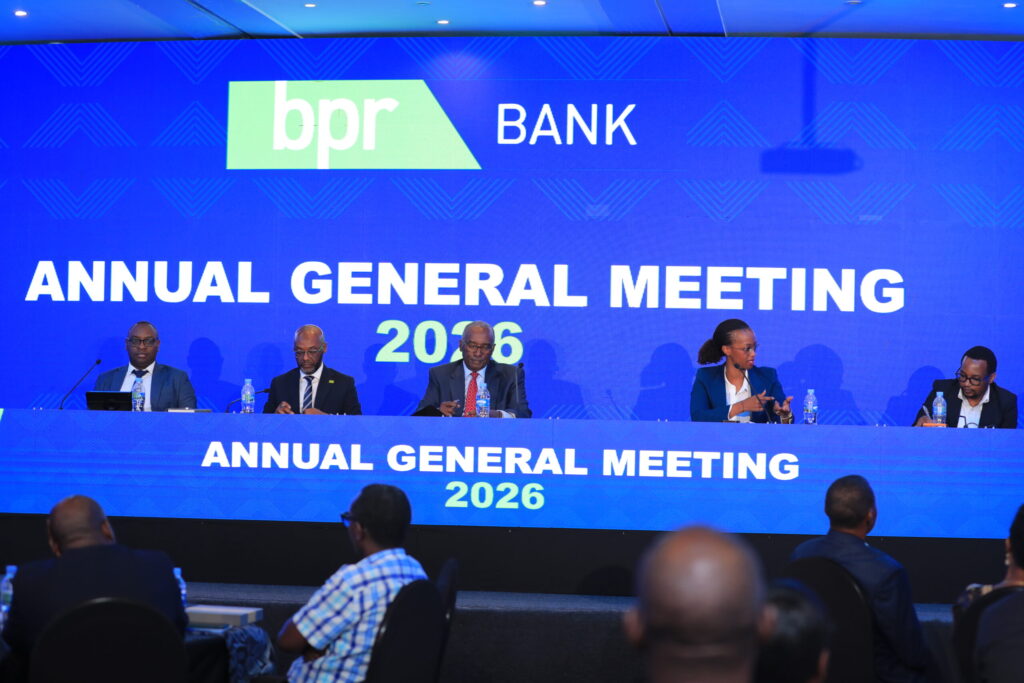
BPR Bank Rwanda held its Annual General Meeting in Kigali on Saturday May 16, 2026.
KIGALI — Thousands of Rwandans who opened accounts at Banque Populaire between the 1970s and the early 2000s might be sitting on a hidden fortune, unaware that they still own shares in one of the country’s largest banks.
While some abandoned their accounts years ago, other early members have since passed away without ever informing their families that their savings had transitioned into equity when the cooperative transformed into a commercial lender in 2007.
Now, nearly half a century after it was founded as a grassroots people’s bank, BPR Bank Rwanda is calling those shareholders home—and it has the dividends to prove it.
At its Annual General Meeting in Kigali on Saturday, May 16, shareholders approved a dividend payout exceeding Frw 4.3 billion, drawn from the bank’s 2025 net profit of Frw 40.8 billion.
The payout marks only the second dividend distribution since the bank merged with KCB Group five years ago. According to executives, this milestone represents both a robust financial recovery and a return to the institution’s foundational roots.
The Shareholders Who Never Knew
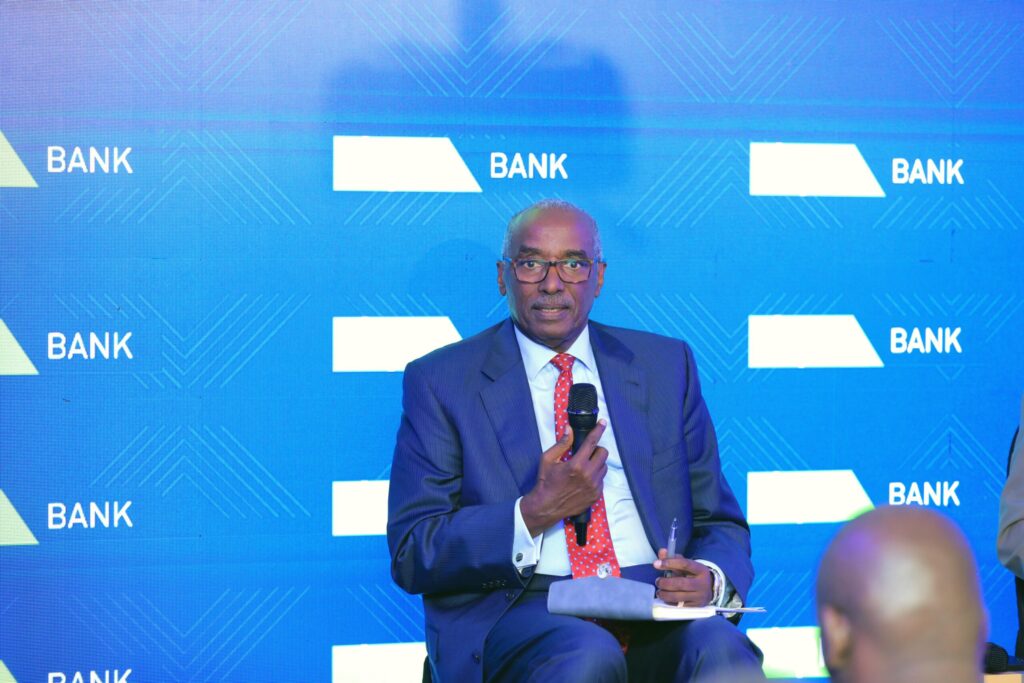
BPR Board Chair George Rubagumya explained that generations of shareholders had never received dividends despite decades of ownership.
Long before evolving into a modern commercial enterprise, Banque Populaire was established to serve ordinary Rwandans who were locked out of the formal banking sector. The cooperative model empowered everyday customers, particularly farmers and rural savers, to become active members and co-owners of the institution.
As the bank expanded nationwide, it became deeply woven into Rwanda’s social and economic fabric. Even students receiving government stipends through local branches opened accounts, entirely unaware that they were becoming shareholders in the process.
But the transition to a commercial bank in 2007 created a disconnect, leaving many customers unaware of their ownership status. Others drifted to competing institutions during the turbulent years of restructuring and recapitalization that followed.
According to BPR Board Chair George Rubagumya, generations of investors have held stakes for decades without ever seeing a return.
“People who have been with Banque Populaire since its formation had never seen a dividend payout,” Rubagumya noted.
Today, these minority shareholders hold a 12.44% stake in the bank, with KCB Group retaining the majority share of 87.56%. Remarkably, that minority fraction represents more than 528,000 everyday Rwandans across the nation.
To bridge this gap, a nationwide registration campaign has been launched to identify thousands of shareholders who previously lacked formal proof of ownership. Furthermore, families are being actively encouraged to come forward and claim inherited shares belonging to deceased relatives.
From Rural Cooperative to Financial Powerhouse
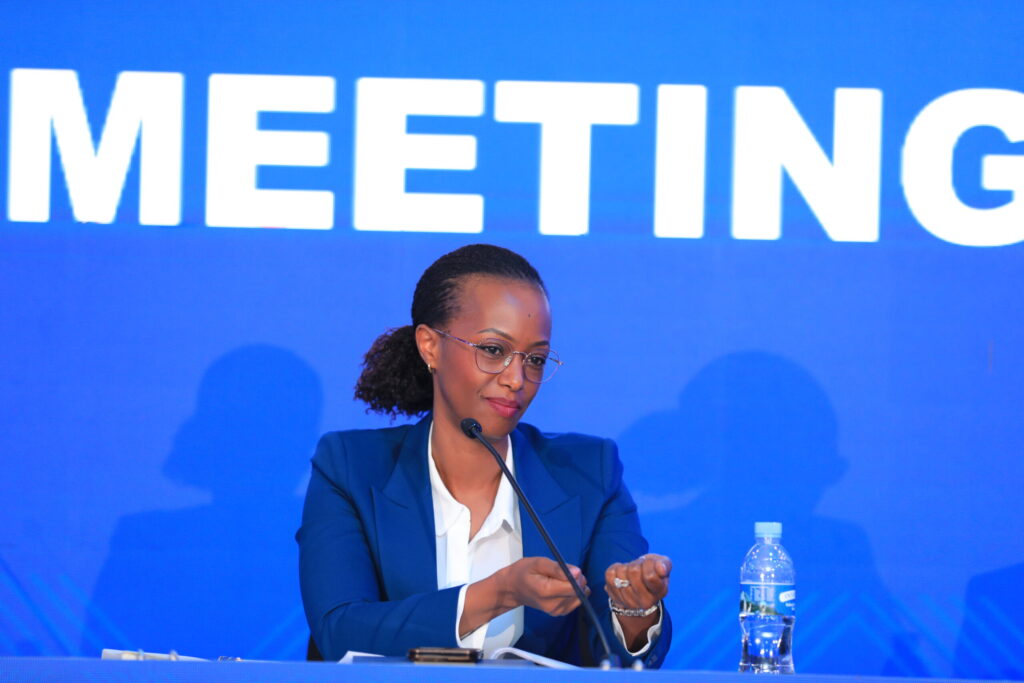
BPR Bank Rwanda’s Managing Director Patience Mutesi says that the bank’s total assets have gradually increased over the years.
This development comes at a time when BPR posts some of the strongest financial results in its history.
BPR Bank Rwanda’s Managing Director Patience Mutesi said the bank’s total assets increased from Frw960 billion in 2024 to Frw1.4 trillion in 2025, while profit before tax rose from Frw43 billion to Frw58 billion. Profitability grew by 35 percent year-on-year.
The transformation reflects how far the institution has evolved from its cooperative roots.
Following its merger with KCB Rwanda, BPR emerged as part of a larger regional banking network with access to capital, technology and cross-border financing capacity through the KCB Group.
The bank now describes itself as Rwanda’s second-largest lender and increasingly plays a central role in financing sectors such as agriculture, construction, manufacturing and real estate.
One of the biggest transactions highlighted during the AGM involved the development of the new Bugesera International Airport project, where BPR led a syndicated guarantee arrangement worth about $322 million involving four banks.
For executives, the deal symbolized the bank’s growing ability to participate in projects once considered beyond the reach of local lenders.
Bringing the “People’s Bank” Back
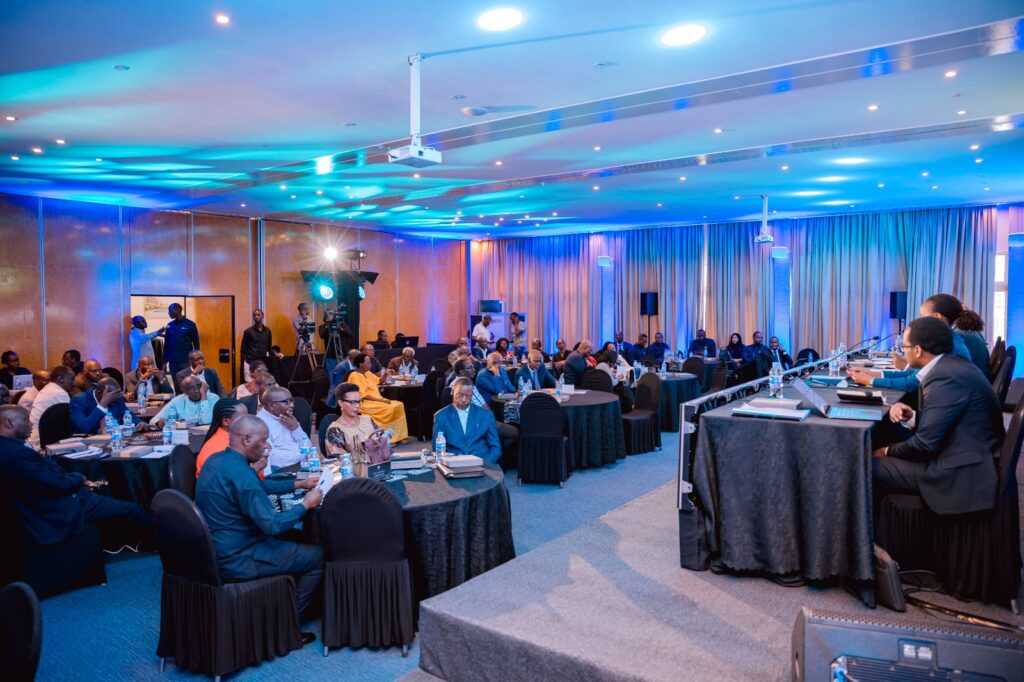
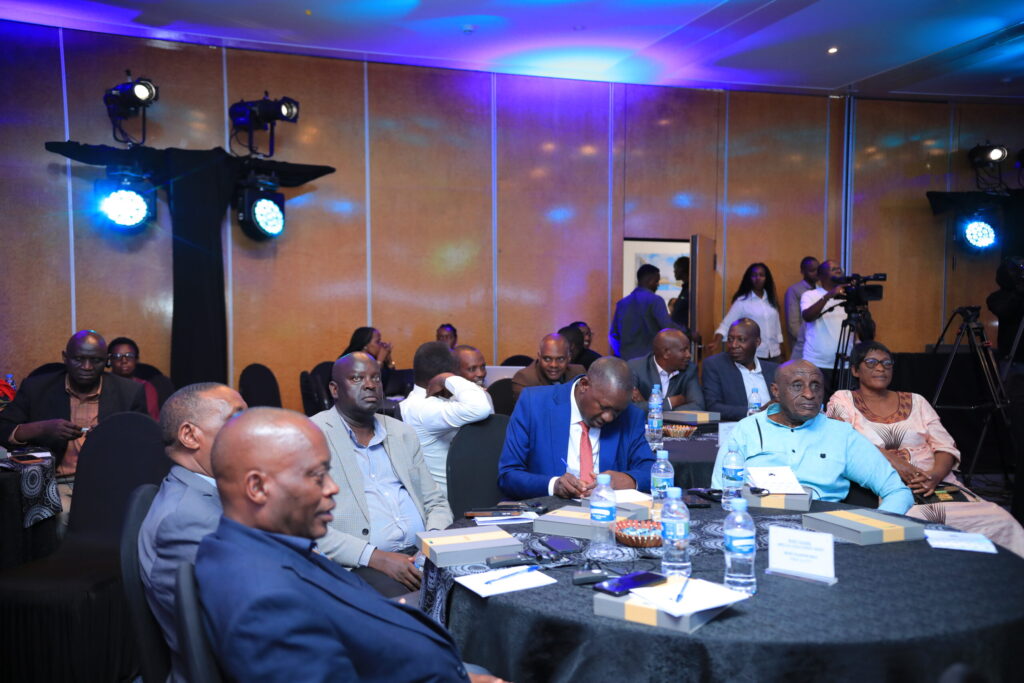
At its Annual General Meeting in Kigali on Saturday May 16, shareholders approved a dividend payout.
Despite its rapid growth in corporate banking, BPR insists its future remains rooted in serving ordinary Rwandans and small businesses.
Management emphasizes that the bank’s greatest strength is its nationwide branch network and its deep-rooted historical connection to communities outside Kigali. The next phase of growth is expected to focus heavily on SMEs, agriculture, and digital banking.
The bank has already secured international guarantee partnerships to mitigate risks in SME lending, particularly within agricultural value chains such as coffee, tea, dairy, rice, and horticulture.
Concurrently, BPR is investing heavily in digital banking platforms that will enable customers to open accounts, borrow, save, and transact remotely.
While executives acknowledge growing pressures from cybercrime, inflation, and global economic uncertainty, the bank remains optimistic. For the coming year, BPR projects at least 20% profit growth above last year’s figures.
The Shareholders Perspective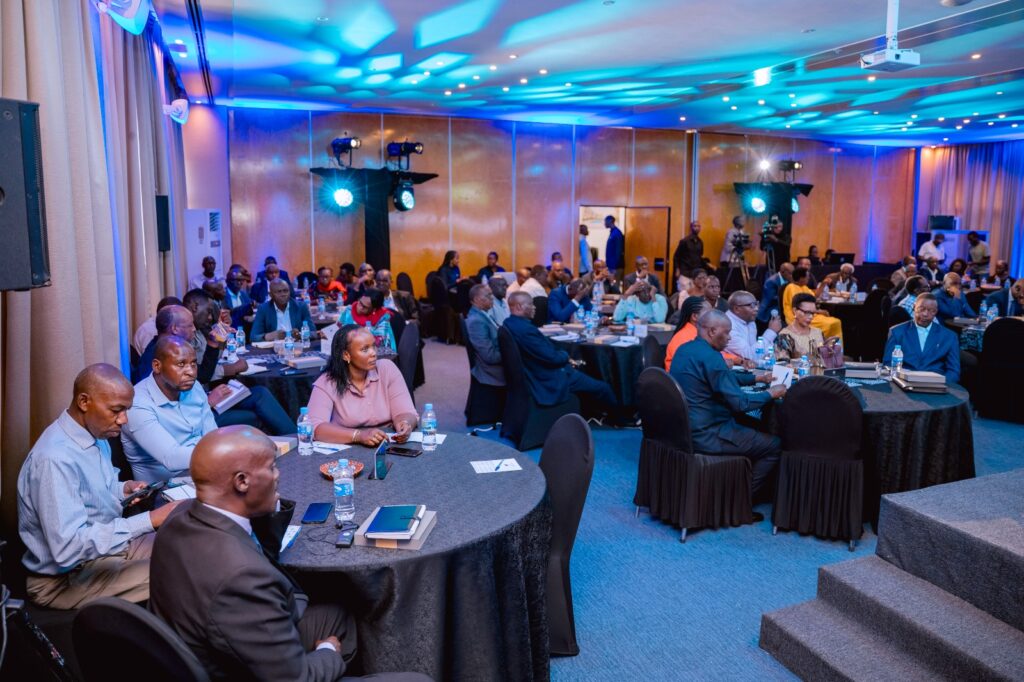
For many shareholders, however, the significance of this moment extends far beyond profits.
It is the story of a bank founded nearly half a century ago as a cooperative savings movement, now actively working to reconnect with the ordinary Rwandans who helped build it—many of whom are only discovering today that they still hold an ownership stake.
“Some shareholders didn’t even know they existed in the system, but a national registration campaign was conducted. We were issued certificates, the bank was evaluated, and we are now happy to receive dividends for the second time,” said Romuald Mukwiye, a representative for the minority shareholders.
This recent growth has allowed many investors to formally confirm their ownership. Ultimately, the registration process has also resolved long-standing uncertainties surrounding valuation, documentation, and the identities of shareholders who had remained untraceable since the 2007 transition.

1 comment
Show me my profit
Comments are closed.