



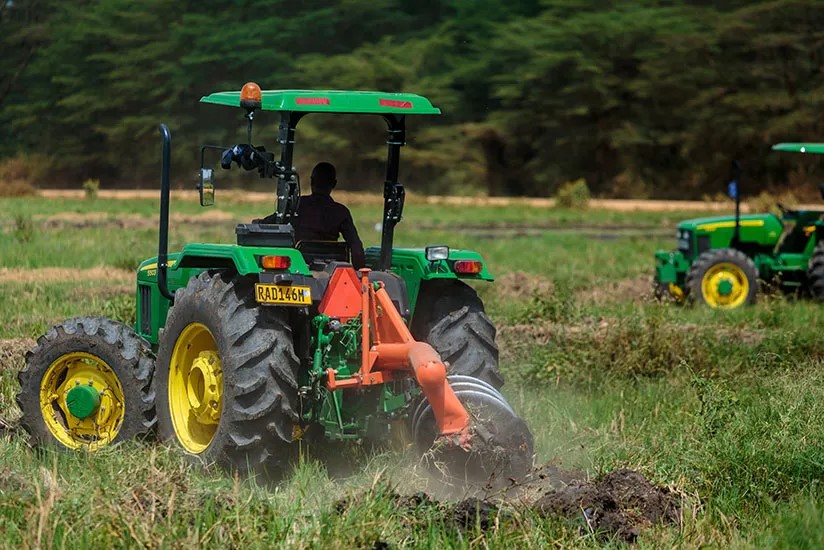
Mechanized Farming in Rwanda still poses some challenges that require constant financing.
KIGALI – New budget documents show that the government’s efforts to push for more food produce, modernize farming and protect farmers from climate shocks is gradually creating a growing financial burden that the national treasury is increasingly struggling to contain.
According to the 2026/27 draft budget presented to Parliament, the agriculture sector expects to carry more than Rwf 29.4 billion in unpaid fertilizer and seed subsidy arrears into 2026.
The figure exposes the rising cost behind Rwanda’s agricultural transformation and the hidden pressure sustaining its growth model.
For many farmers, subsidies make modern agriculture possible by lowering the cost of fertilizer and improved seeds. Without them, production costs would rise sharply and many would struggle to maintain yields.
The arrears therefore reflect a system becoming more expensive to sustain as Rwanda expands irrigation, food reserves and export-oriented farming.
Fertilizer subsidies account for more than Rwf 25.4 billion of the unpaid balance, while seed subsidies stand at nearly Rwf 4 billion. The government also plans to spend Rwf 83.9 billion next year under the Crop Intensification Program, a flagship agriculture initiative.
The Hidden Cost of Agricultural Transformation
Over the past decades, Rwanda has invested heavily in modern farming through fertilizers, irrigation, livestock programs and climate-resilient agriculture. These efforts have boosted productivity and reduced dependence on rain-fed farming, but the cost of maintaining them is rising.
The agriculture budget is projected to grow from about Rwf 245 billion to more than Rwf 354 billion in 2026/27. Despite this increase, financing gaps remain. The ministry still needs more than Rwf 17.2 billion for fertilizer, seed and lime subsidies, while other gaps persist in storage and export logistics.
Modern agriculture now depends on costly systems beyond farming itself such as fertilizer imports, irrigation maintenance, farmer insurance, and export infrastructure such as cold storage and transport networks. As these systems expand, so do long-term financial obligations.
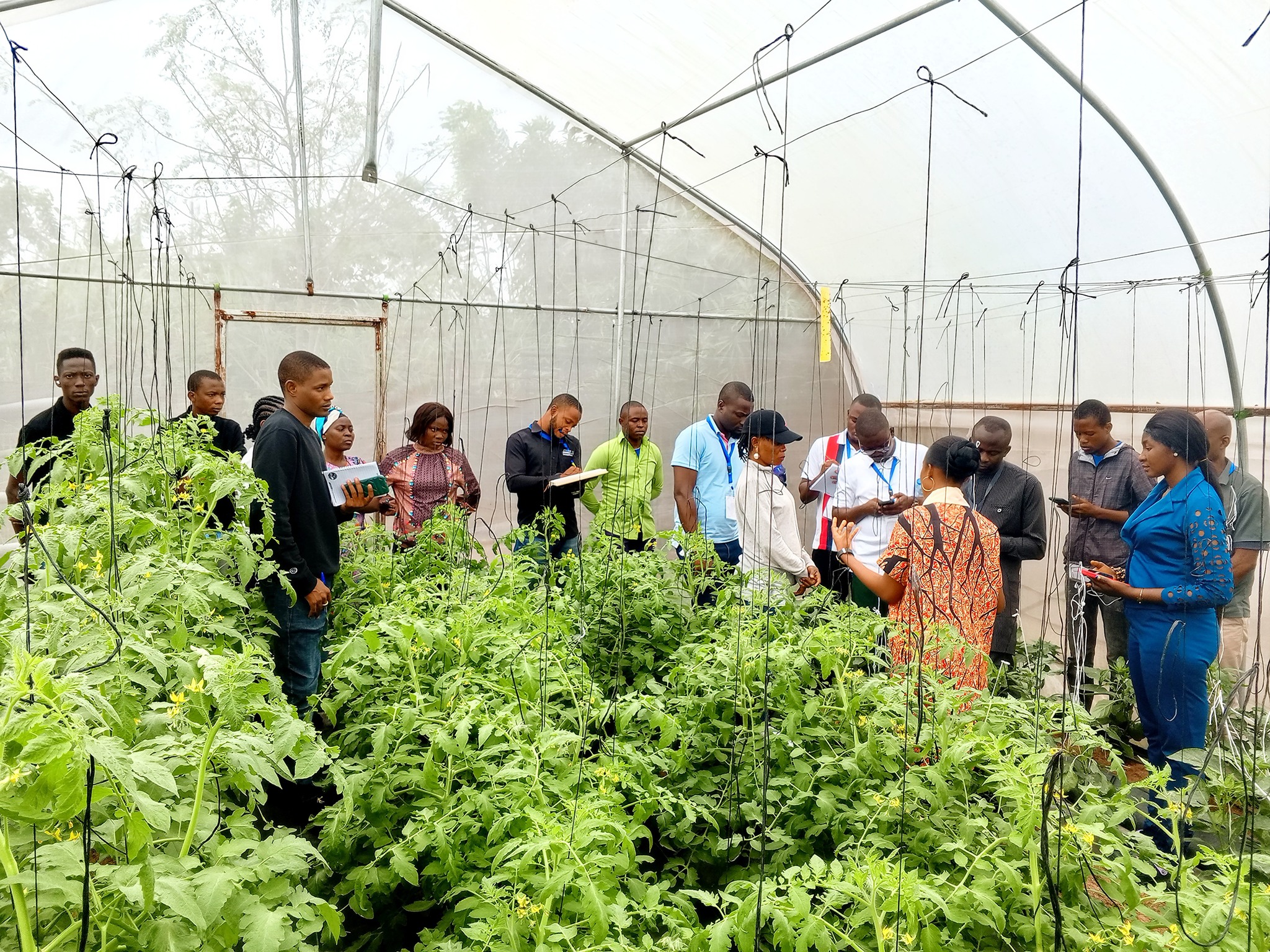
The global food system is rapidly changing and those who adapt with the latest knowledge, technology, and advanced agronomy practices will largely scale.
A Farmer’s Reality
32-year-old Faustin Kayitavu, a coffee farmer in Rutsiro district, says rising input costs are already shaping how he farms, with decisions influenced by forces sometimes beyond his control.
“Farming is no longer only about land and rain. It is about whether you can access fertilizer on time and at a price that is still favorable. Even with subsidies, price changes and delays quickly affect output and income,” he said.
He explains that when fertilizer prices rise or arrive late, you reduce usage, the garden responds immediately, and for coffee, that means lower yield and quality.
Global disruptions are part of the problem because fertilizer prices remain unstable due to insecurity in key production and transit regions, including parts of the Middle East, which has disrupted shipping routes, raised freight costs and constrained raw material supply.
These shocks move through global supply chains and reach farmers who depend on stable pricing and timely delivery.
“We hear about global issues, but what matters is whether inputs arrive on time. If prices rise or support is delayed, the farmer in most cases, absorbs the shock. Without support, many farmers would reduce production,” Kayitavu explained.
Despite these challenges, he says subsidies remain essential. From global markets to local coffee farms, the pressures are tightly linked, shaping costs, yields and rural livelihoods.
Agriculture is central to Rwanda’s economy, employing nearly 70% of the workforce and generating one-quarter of the GDP. Driven by smallholder farmers who produce 80% of the nation’s yield, the sector continues to lead export earnings through key commodities like coffee, tea, and horticulture.
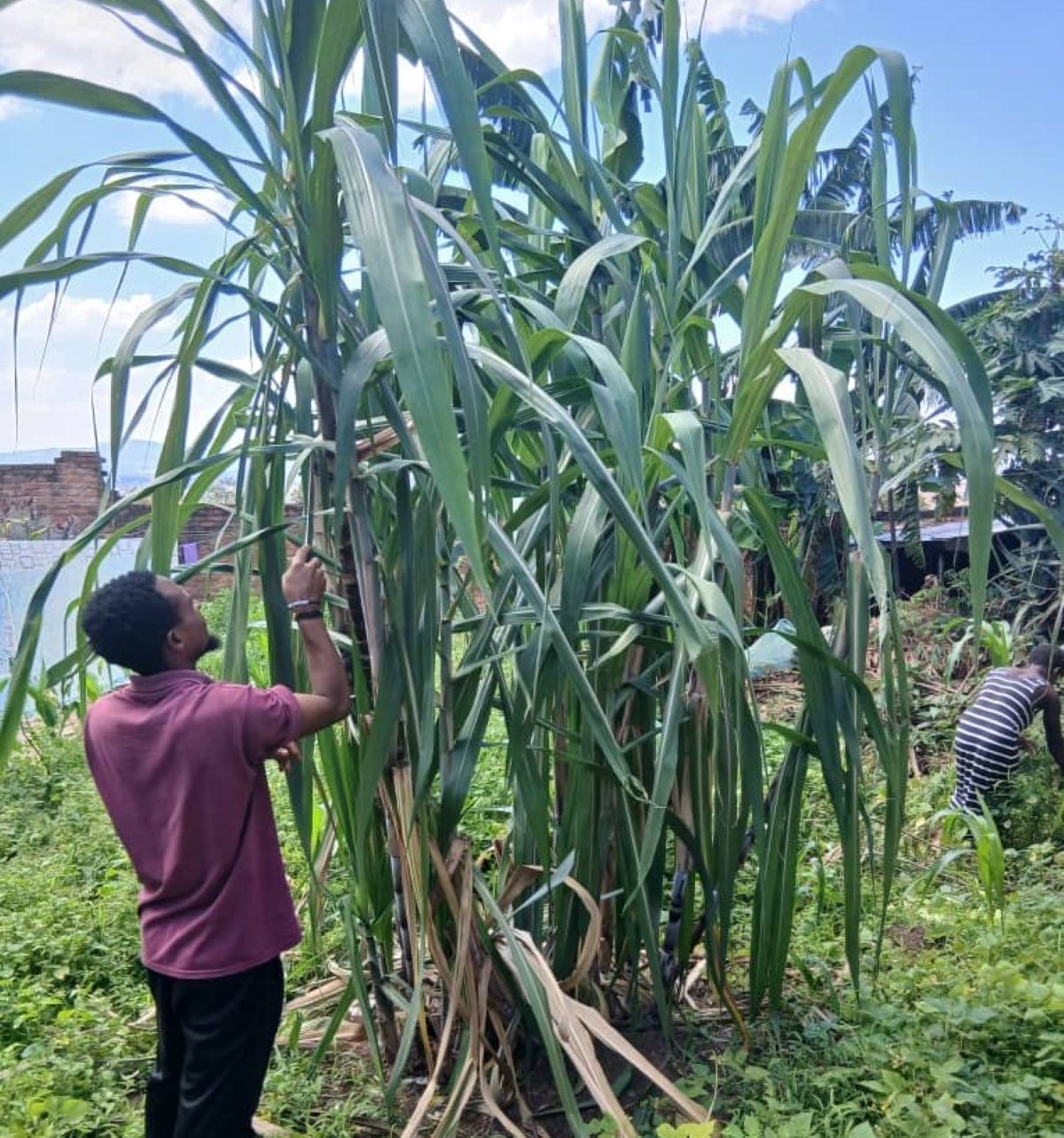
32-year-old coffee farmer Faustin Kayitavu working on his home side garden. He says that rising input costs are already shaping how he farms.
Paradoxical Pressure Beneath the Growth
The sector’s expansion is also facing operational strain. Some projects report delays due to procurement issues, unpaid invoices and financing constraints. In other cases, imported equipment is held at ports awaiting clearance and payment.
Large programs are also slowed by contractor delays and approval processes. These challenges come as Rwanda expands irrigation, grain reserves, dairy modernization and coffee rehabilitation projects.
Unlike infrastructure that requires one-time spending, agriculture systems require continuous funding. Subsidies cannot easily be removed without affecting production. Insurance and irrigation systems also require ongoing public support.
This creates a difficult balance between sustaining gains and managing fiscal pressure. However, cutting support risks lowering productivity, while maintaining it increases strain on public finances.