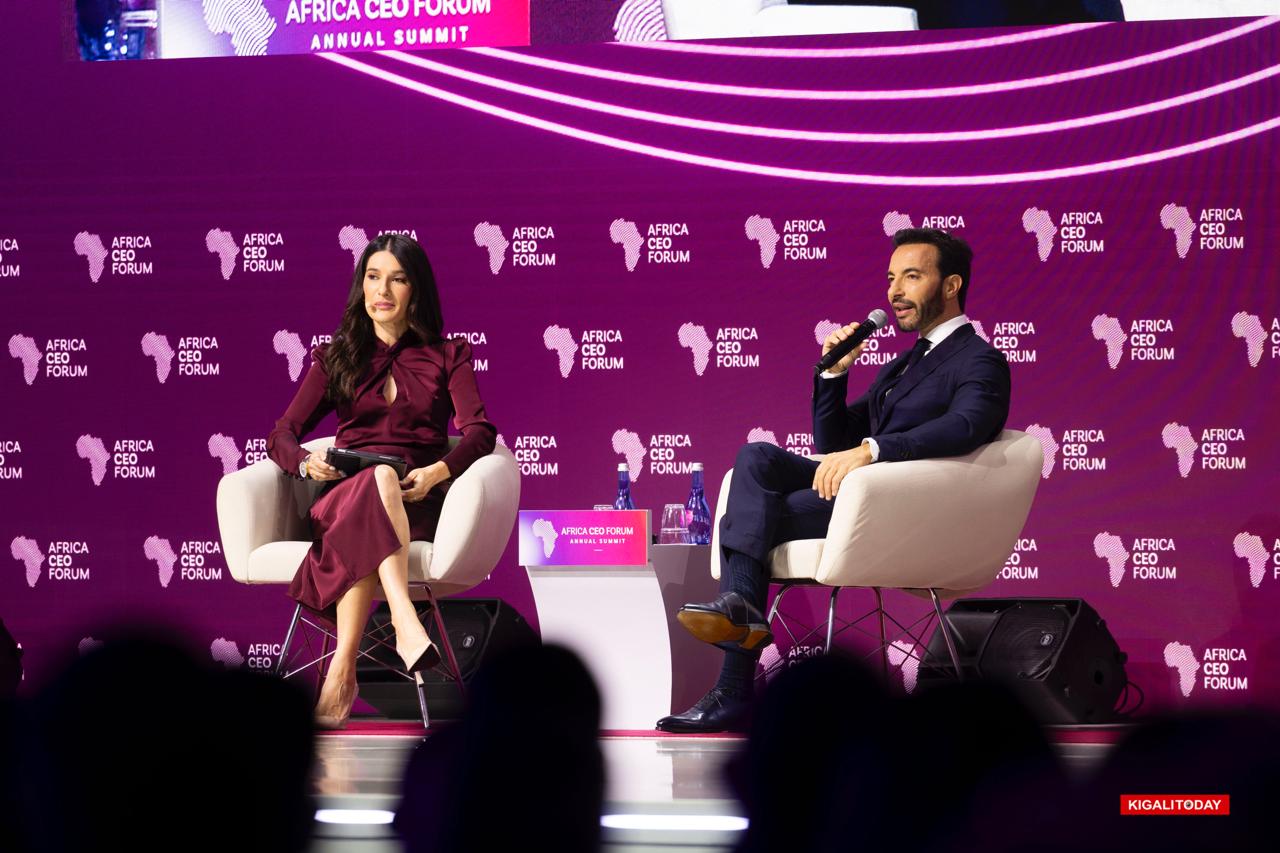
KIGALI – The 2026 Africa CEO Forum opened in Kigali with a strong call for African leaders and businesses to reposition the continent in a rapidly evolving global economy.
Speakers said Africa must overcome fragmentation and build larger, more integrated markets, stronger ownership structures and greater control over its capital if it is to compete effectively on the world stage.
Amir Ben Yahmed, Chief Executive Officer of Jeune Afrique Media Group and co-founder of the Africa CEO Forum, said the global economic order is increasingly shaped by corporate power, technology and access to capital.
He noted that major powers are actively backing companies in strategic sectors such as artificial intelligence, energy and finance, warning that Africa risks being left behind if it fails to organize itself at scale.
“The world has changed. We are now in a world where power is exercised through corporate influence and capital. We have the money; the issue is how to direct it where it creates value,” Yahmed said.
Yahmed said Africa continues to bear the consequences of crises it does not create.
“Every time there is a crisis, Africa pays the price,” he said, adding that the continent must choose between remaining reactive and building leverage through deeper integration.
He pointed to nearly $2 trillion held in African pension funds, insurance pools and sovereign wealth funds, arguing that the main challenge is not the availability of capital but how it is deployed.
Yahmed also urged faster implementation of the African Continental Free Trade Area (AfCFTA), saying policy commitments must be matched by accountability, harmonized regulations and easier cross-border capital flows.
Rwanda Calls for Action and Shared Responsibility
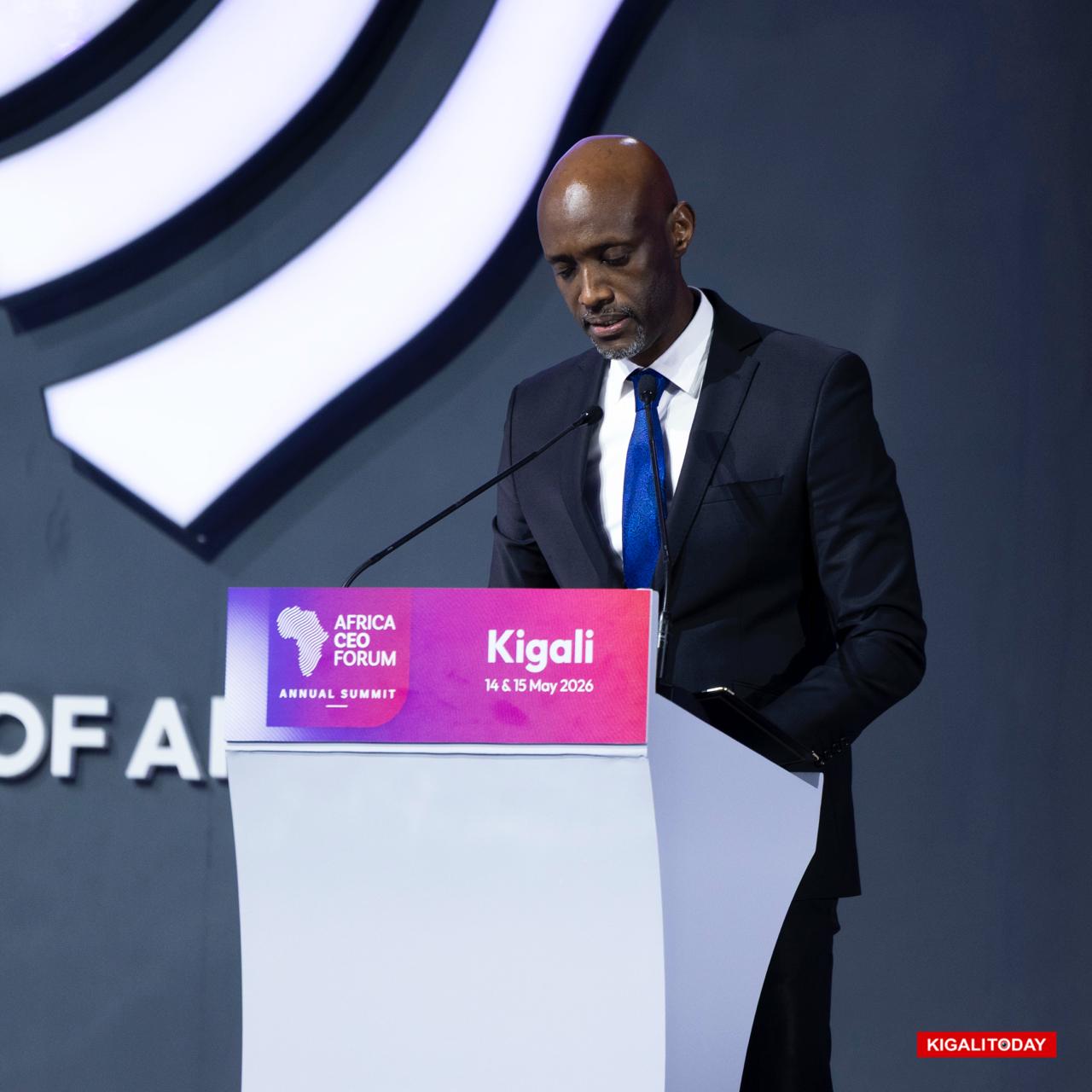
Jean-Guy Afrika, Chief Executive Officer of the Rwanda Development Board (RDB), said the Africa CEO Forum has become an important platform for aligning public and private sector priorities.
He said Africa is navigating a volatile environment marked by rising financing costs, shifting supply chains and rapid technological change, making execution more important than ambition alone.
“Scale will not be achieved by governments, businesses or investors acting in isolation. It will require shared responsibility, shared risk and shared execution,” Afrika said.
He said Africa’s youthful population offers significant opportunities, provided countries invest in infrastructure, deeper capital markets and stronger regional cooperation.
Afrika added that Rwanda’s development model shows how smaller economies can remain competitive by focusing on openness, connectivity and a predictable business environment.
He said Rwanda continues to invest in logistics, aviation, finance and technology to strengthen its role as a regional hub.
Africa Must Industrialize Its Resources
Makhtar Diop, Managing Director of the International Finance Corporation (IFC), said Africa is at a pivotal moment as global instability, high debt levels and economic realignments reshape development prospects.
He noted that shocks such as inflation, food insecurity and tighter financial conditions are directly affecting African economies, but said the continent’s long-term outlook remains promising.
“Within a generation, one in three workers in the world will be African. The question is whether we can connect African talent, African capital and African markets into engines of growth,” Diop said.
He identified energy, agriculture, infrastructure, healthcare, manufacturing and artificial intelligence as sectors with the potential to drive large-scale transformation.
Diop said Africa must avoid repeating historical patterns in which infrastructure served primarily to extract raw materials rather than create local value.
“That logic must be buried,” he said, stressing that future infrastructure projects should support industrialization, job creation and domestic value addition.
On critical minerals and emerging technologies, Diop said Africa must move beyond exporting raw materials.
“The minerals powering the global AI revolution lie beneath African soil,” he said. “Africa must not remain only a supplier while others capture the value.”