


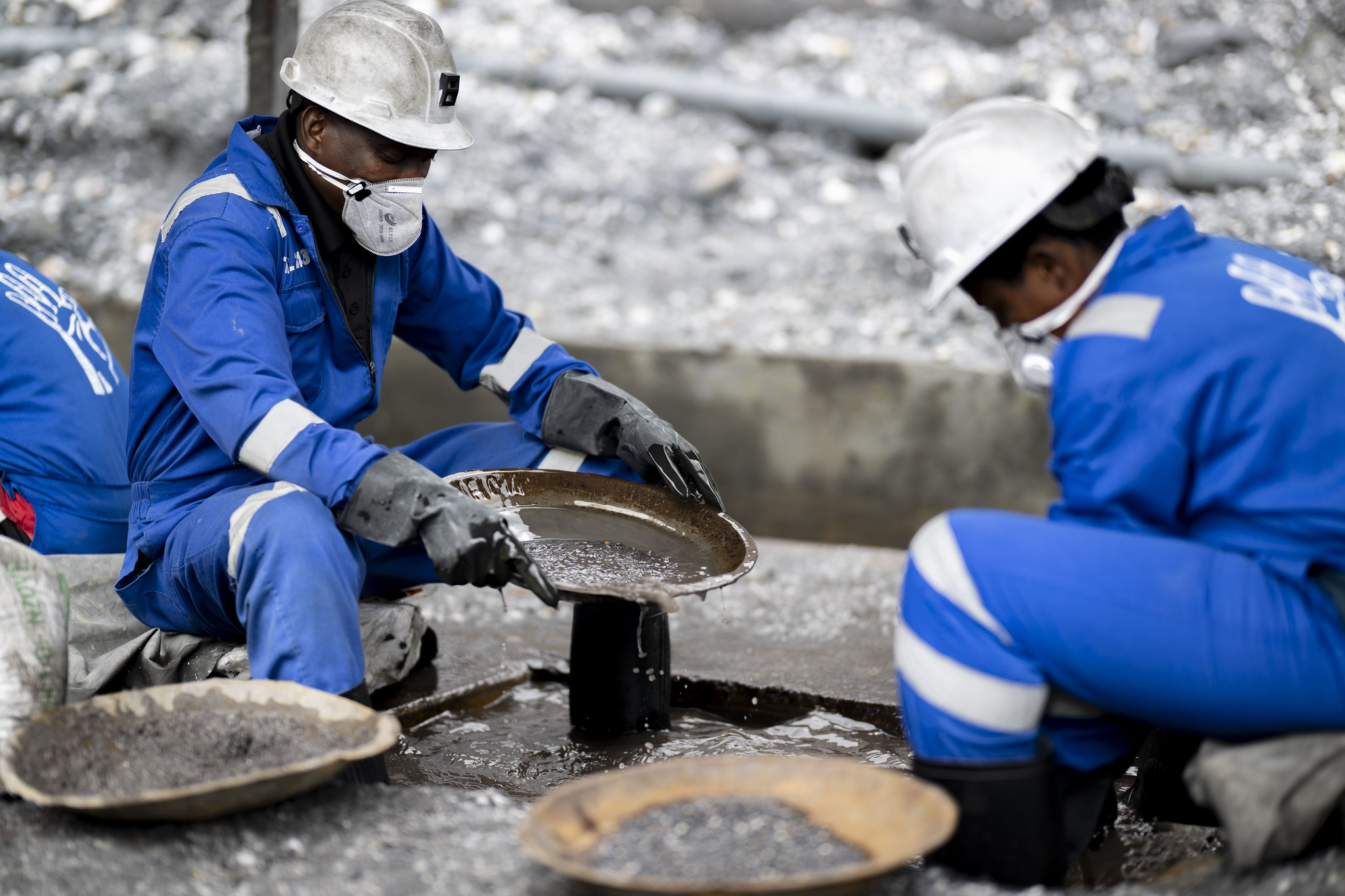
KIGALI, Rwanda — A tungsten mine in Gakenke district, northern Rwanda, now accounts for up to 20 percent of U.S. primary tungsten concentrate consumption, according to Trinity Metals, highlighting the country’s growing role in global critical mineral supply chains.
The Nyakabinga mine, operated by Rwanda-based Trinity Metals, supplies tungsten concentrate that is processed in the United States for industrial and defense applications. The company said shipments from the mine have reached more than 320 tonnes since August 2025, following a commercial agreement between its offtake partner Traxys and Global Tungsten & Powders in Pennsylvania.
Trinity Metals said supply to its U.S. customer has doubled in recent weeks, making the mine a significant contributor to American tungsten imports at a time when domestic U.S. production remains negligible.
Tungsten is used in aerospace components, industrial cutting tools, electronics and defense manufacturing. The United States relies heavily on imports of the mineral, with China controlling the majority of global supply and tightening export controls on selected materials in recent years.
“Demand for tungsten in the U.S. is growing fast, both for defense and industrial applications,” said Shawn McCormick, chairman of Trinity Metals. “With that growth, import requirements are increasing, while U.S. domestic production remains at zero.”
He said China accounts for more than 80 percent of global tungsten output and that export restrictions have increased the importance of alternative suppliers.
Trinity Metals said its output from Rwanda is increasingly important to U.S. supply chains under these conditions.
The company also said it sees scope for a broader strategic minerals partnership between Rwanda and the United States.
“As Rwanda’s largest mineral producer and exporter, Trinity Metals is proud to support Rwanda’s role in meeting America’s strategic requirements,” McCormick said. “There is a clear opportunity for a U.S.–Rwanda Strategic Partnership Agreement on Critical Minerals.”
Trinity Metals was formed in 2022 through the merger of Nyakabinga Tungsten Mine, Rutongo Tin Mine, and Musha Tin and Tantalum Mine. It employs more than 6,500 workers and is Rwanda’s largest producer of critical minerals.
The company said it also has early-stage lithium exploration at its Ntunga prospect.
Traxys, the New York-based trading firm handling exports, said it helps connect the mine to industrial customers in the United States and Europe.
“Traxys is proud to be the catalyst in enabling the international reach of Africa’s most significant tungsten producer,” said Ioannis Kallinikos, head of tin and specialty metals at Traxys. “The product is distributed to established consumers in the American and European markets.”
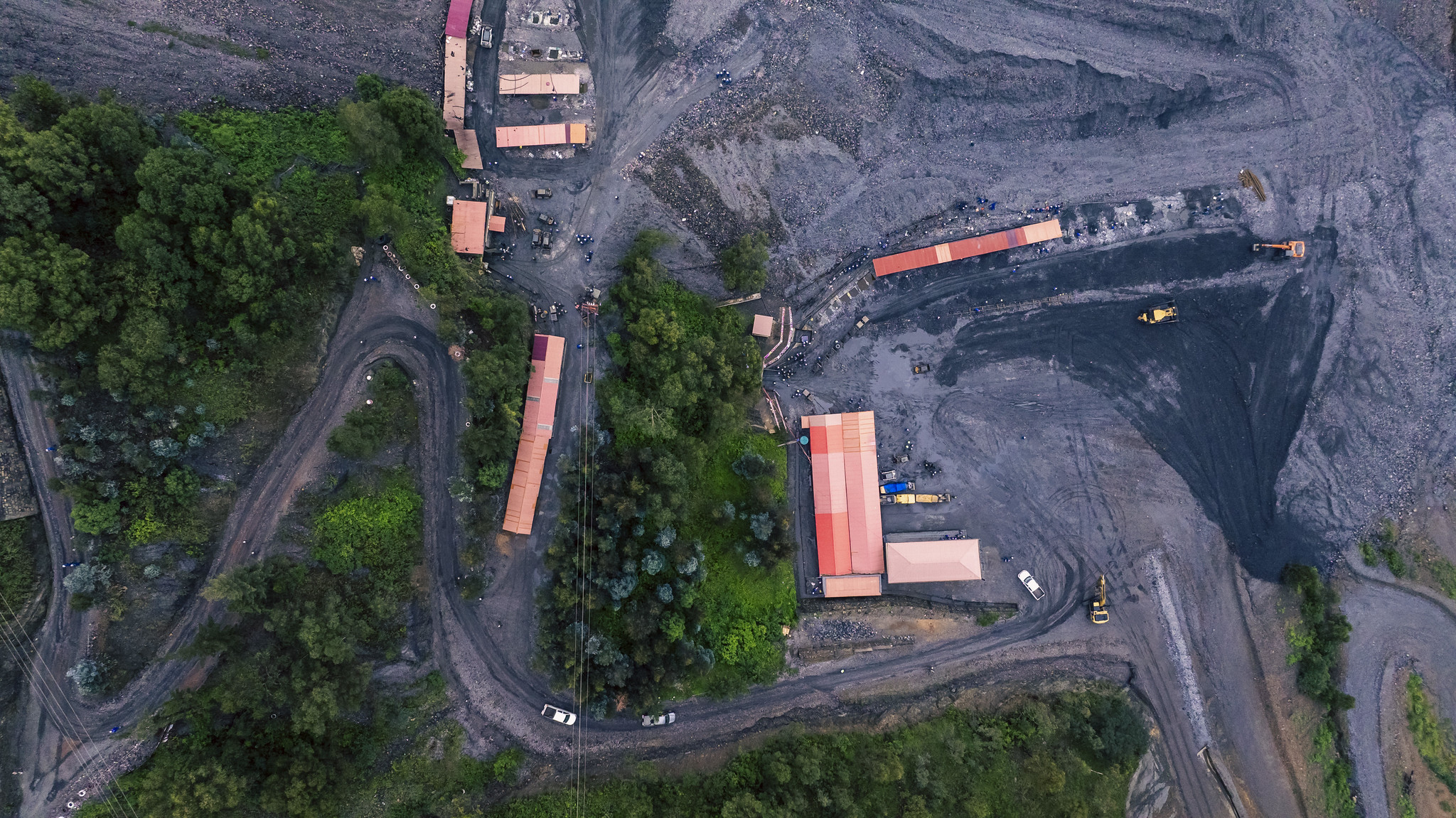
The Nyakabinga concession covers about 1,600 hectares and is estimated to contain more than 30,000 tonnes of recoverable tungsten, with additional potential at deeper levels under exploration.
Current production exceeds 100 tonnes of wolframite per month, according to the company, under a 25-year license issued in 2015.
Trinity Metals said its production is certified as conflict-free and child labour-free and is fully traceable from mine to customer.
As global competition for critical minerals intensifies, Rwanda’s tungsten sector has become more closely tied to shifting supply chains for industrial and defense manufacturing in major economies.
