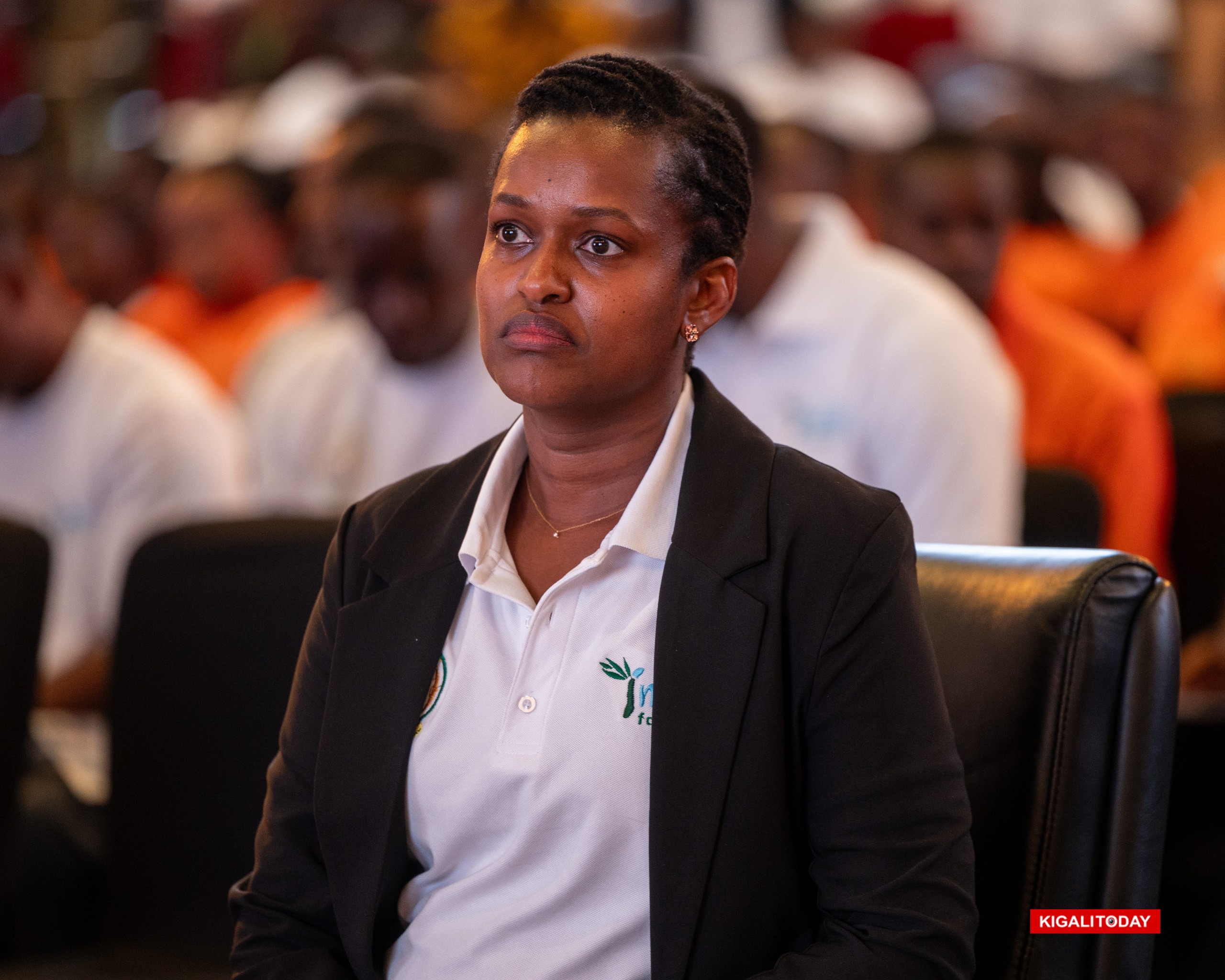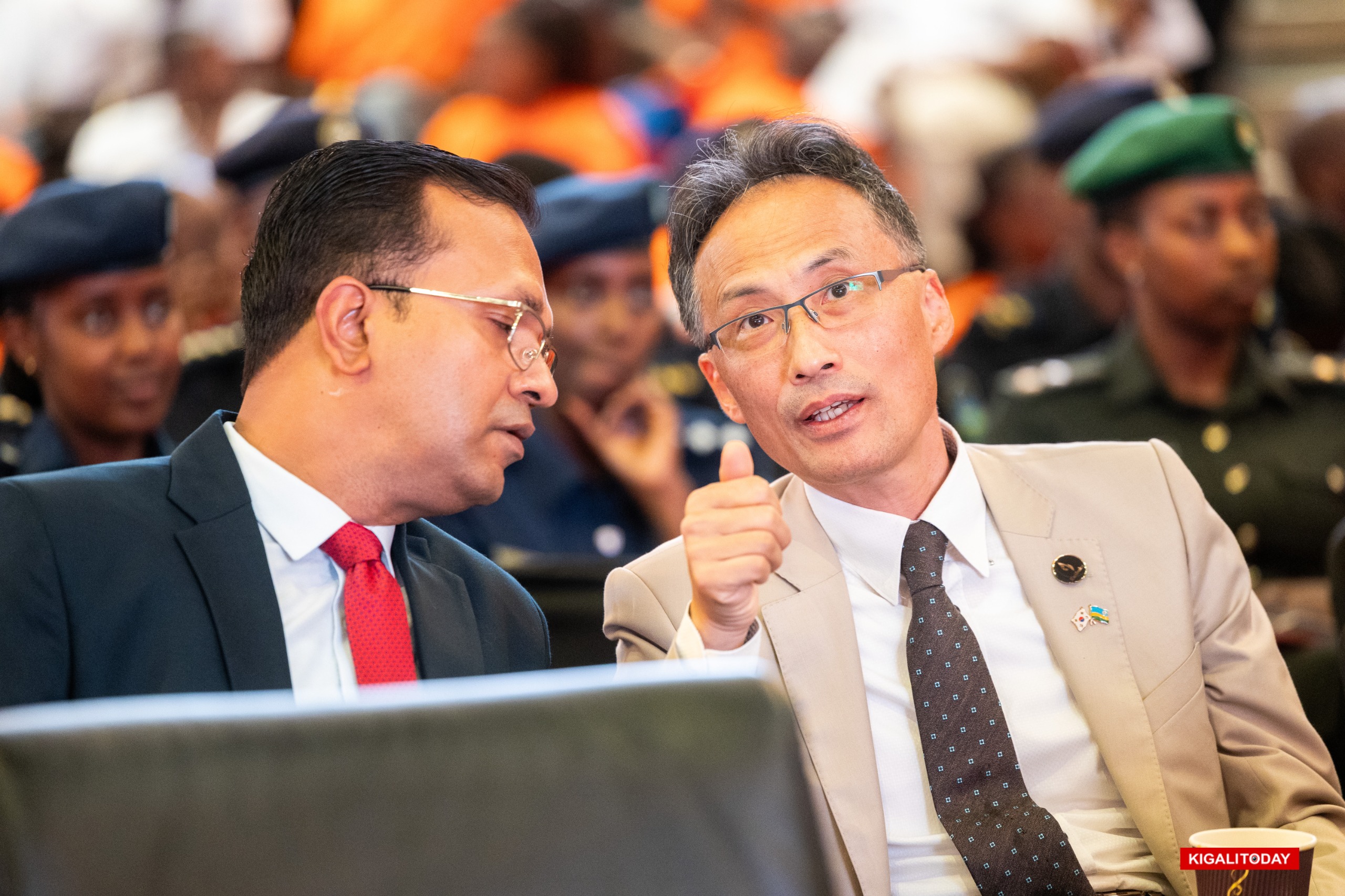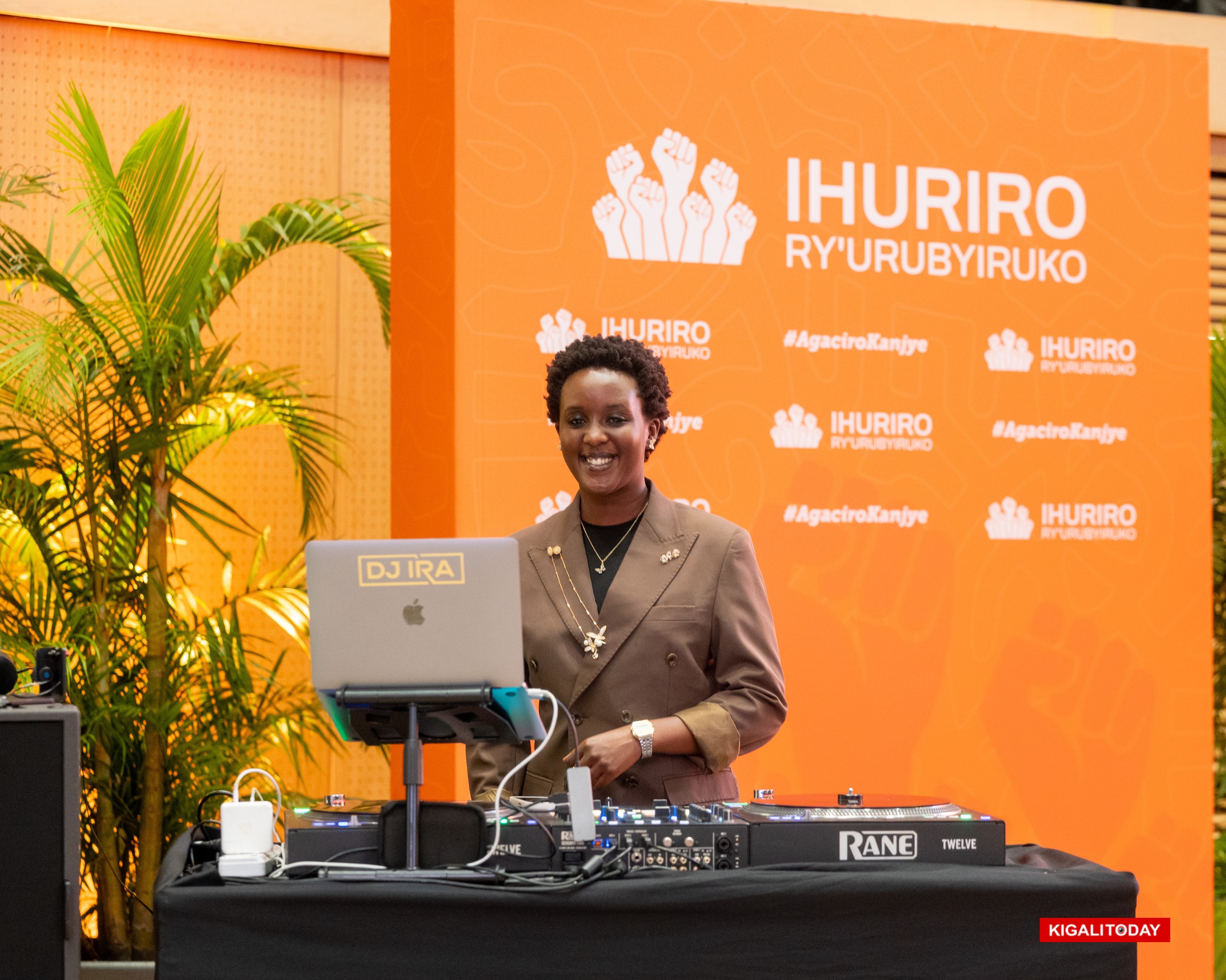


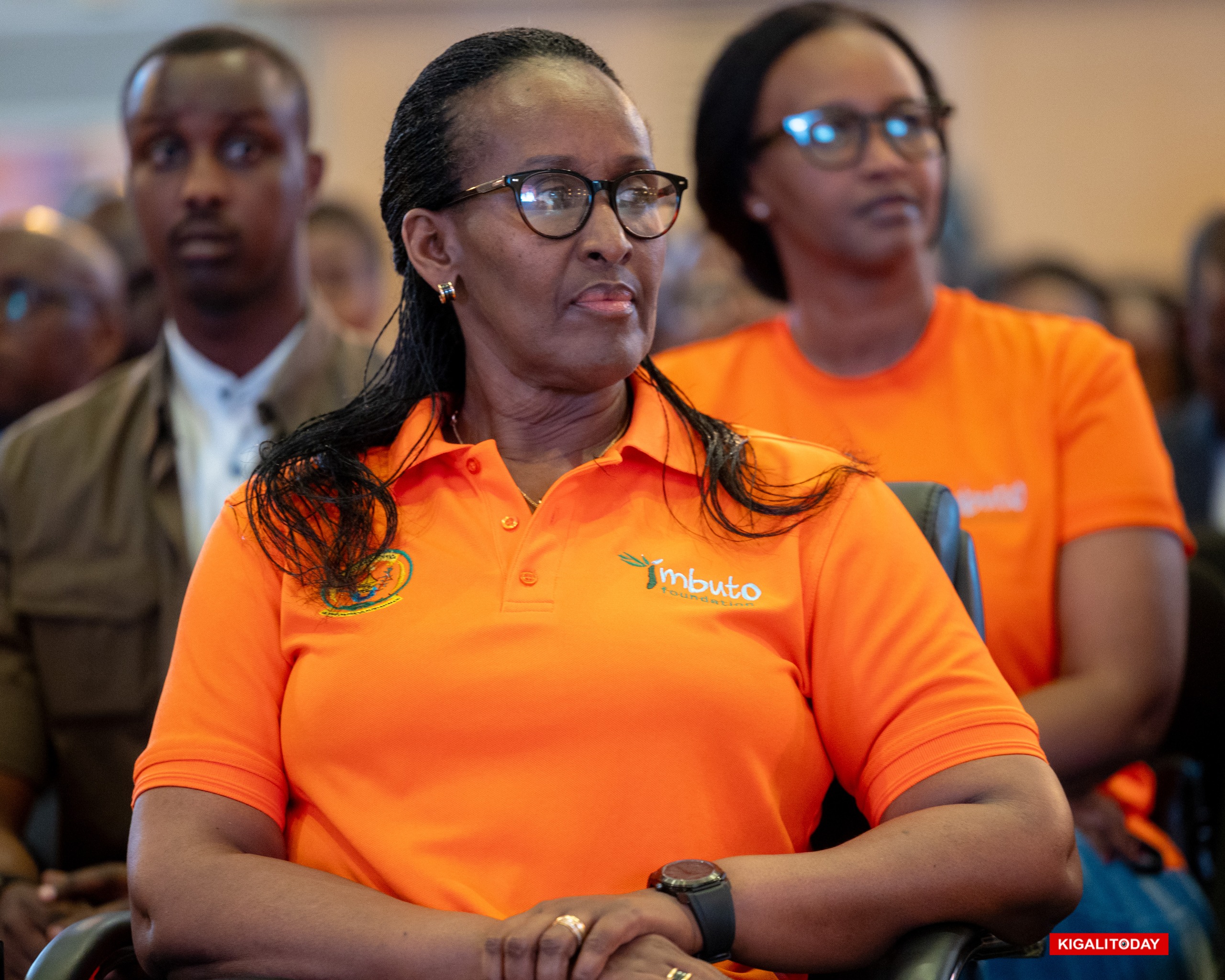
First Lady Mrs Jeannette Kagame attended the Forum
KIGALI — Rwanda has launched a new national guide aimed at helping parents hold open conversations with their children about sexual and reproductive health, as the country intensifies efforts to tackle teenage pregnancies affecting more than 23,000 girls every year.
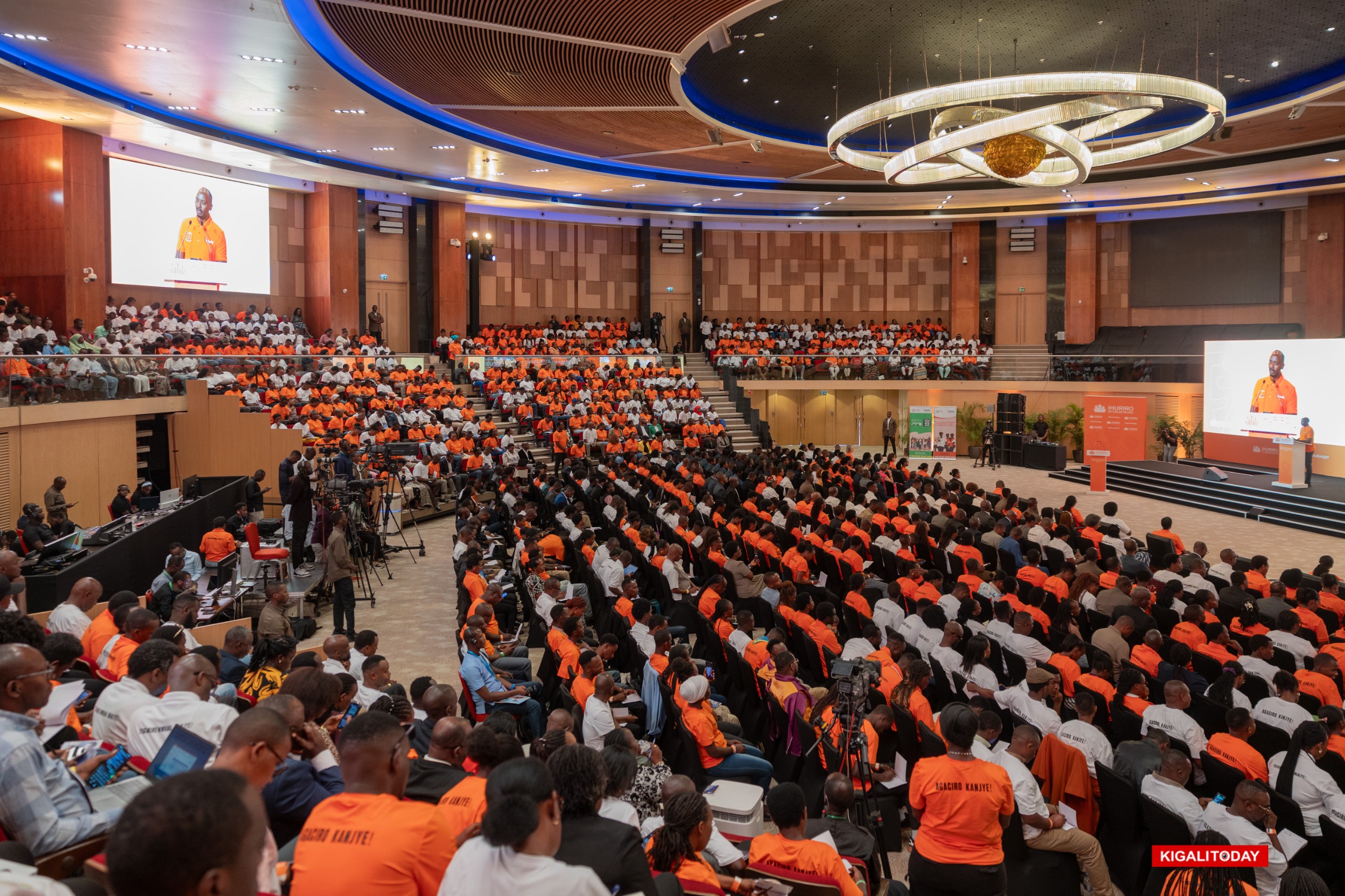
The Parent–Adolescent Communication (PAC) Training Guide was unveiled on Friday during the National Youth Forum at the Kigali Convention Centre, where nearly 2,000 young people, parents, policymakers, artists, development partners and community leaders gathered to discuss strategies for preventing teenage pregnancies.
MORE PHOTOS – Youth Forum On Ending Teen Pregnancy
Organized by the Imbuto Foundation under the patronage of First Lady Mrs Jeannette Kagame, the forum was held under the theme “Accelerating Actions to Prevent and Eradicate Teenage Pregnancies” as part of the broader campaign “Empowering Youth, Strengthening Families.”
The newly launched guide builds on the Foundation’s long-running Tuganire Mwana Wanjye (“Let’s Talk, My Child”) initiative and is intended to equip parents, community facilitators and trainers with practical tools to encourage honest family discussions on values, decision-making, sexual and reproductive health, and risk prevention.
Speaking at the forum, Imbuto Foundation Executive Director Elodie Shami described teenage pregnancy as a national challenge whose consequences extend far beyond individual families.
“When a girl becomes pregnant as a teenager, it is not only a problem for her and the child she will give birth to, but also a burden on the nation,” she said.

Shami urged families to abandon the culture of silence surrounding sexual and reproductive health, arguing that conversations once considered taboo must become part of everyday parenting if teenage pregnancies are to be reduced.
Health Minister Dr. Sabin Nsanzimana said Rwanda records more than 23,000 teenage pregnancies every year—an average of more than 60 cases every day.
He warned that teenage pregnancies contribute to school dropouts, increase the risk of maternal deaths among adolescent mothers and can have long-term consequences for children’s health, including stunting.
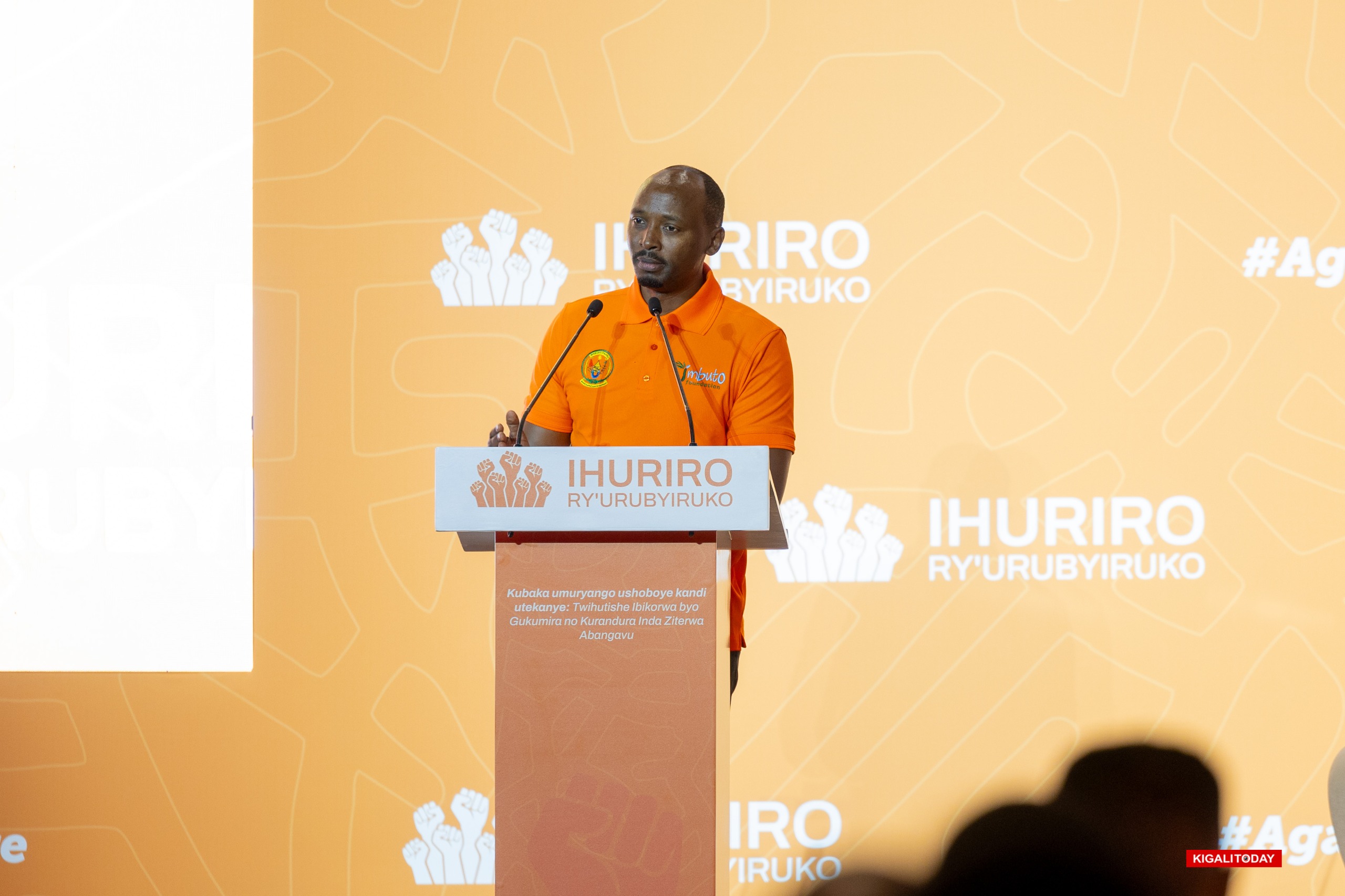
The minister identified poverty, lack of accurate information, peer pressure, harmful myths and sexual violence among the main drivers of teenage pregnancy.
“No child should drop out of school before completing secondary education,” he said, urging parents and teachers to support rather than stigmatize girls who become pregnant.
“You face it together. It is not a time to insult them.”
Nsanzimana also called for greater access to youth-friendly health services, improved sexuality education and stronger family dialogue, saying responsibility for preventing teenage pregnancies rests with parents, schools, communities and young people themselves.
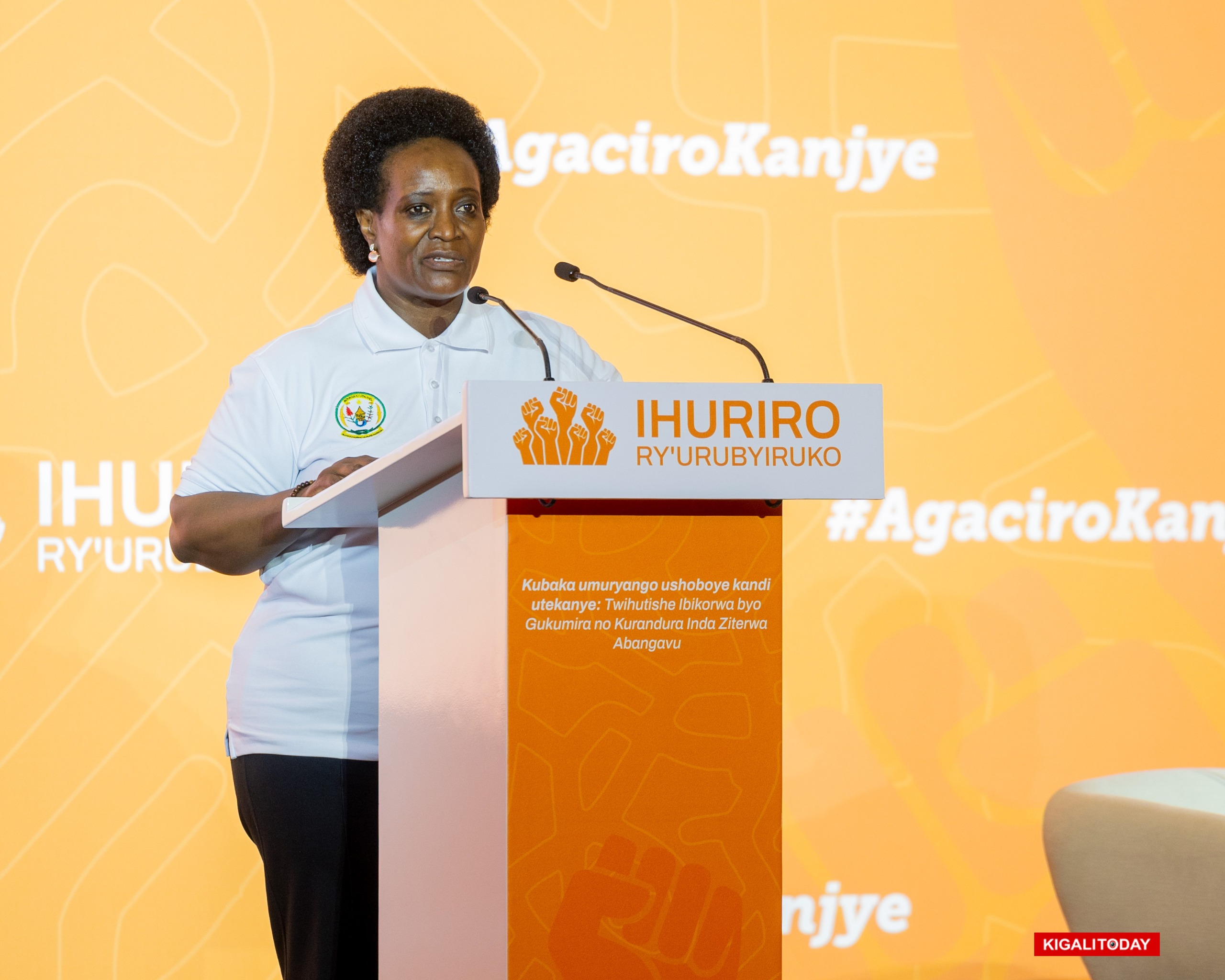
Consolée Uwimana is the Minister of Gender and Family Promotion (Migeprof)
The forum featured testimonies from parents and youth, including families who shared how open communication had helped them overcome the challenges associated with teenage pregnancy instead of facing isolation and stigma.
Development partners, including the United Nations Population Fund (UNFPA), reaffirmed their support for Rwanda’s adolescent sexual and reproductive health programs and committed to continued collaboration on youth empowerment, family communication and access to information and services.
Participants, many dressed in orange “Agaciro Kanjye” (“My Dignity”) shirts, called for a shift from stigma and blame toward prevention, education and collective responsibility.
The forum concluded with renewed calls for families to become the first line of prevention, positioning parent-child communication as one of the country’s most important tools in reducing teenage pregnancies and safeguarding young people’s future.