


KIGALI, Rwanda — Rwanda’s Parliament on Monday officially unveiled a memorial dedicated to the victims of the 1994 Genocide against the Tutsi, creating a permanent place of remembrance at the country’s legislative headquarters.
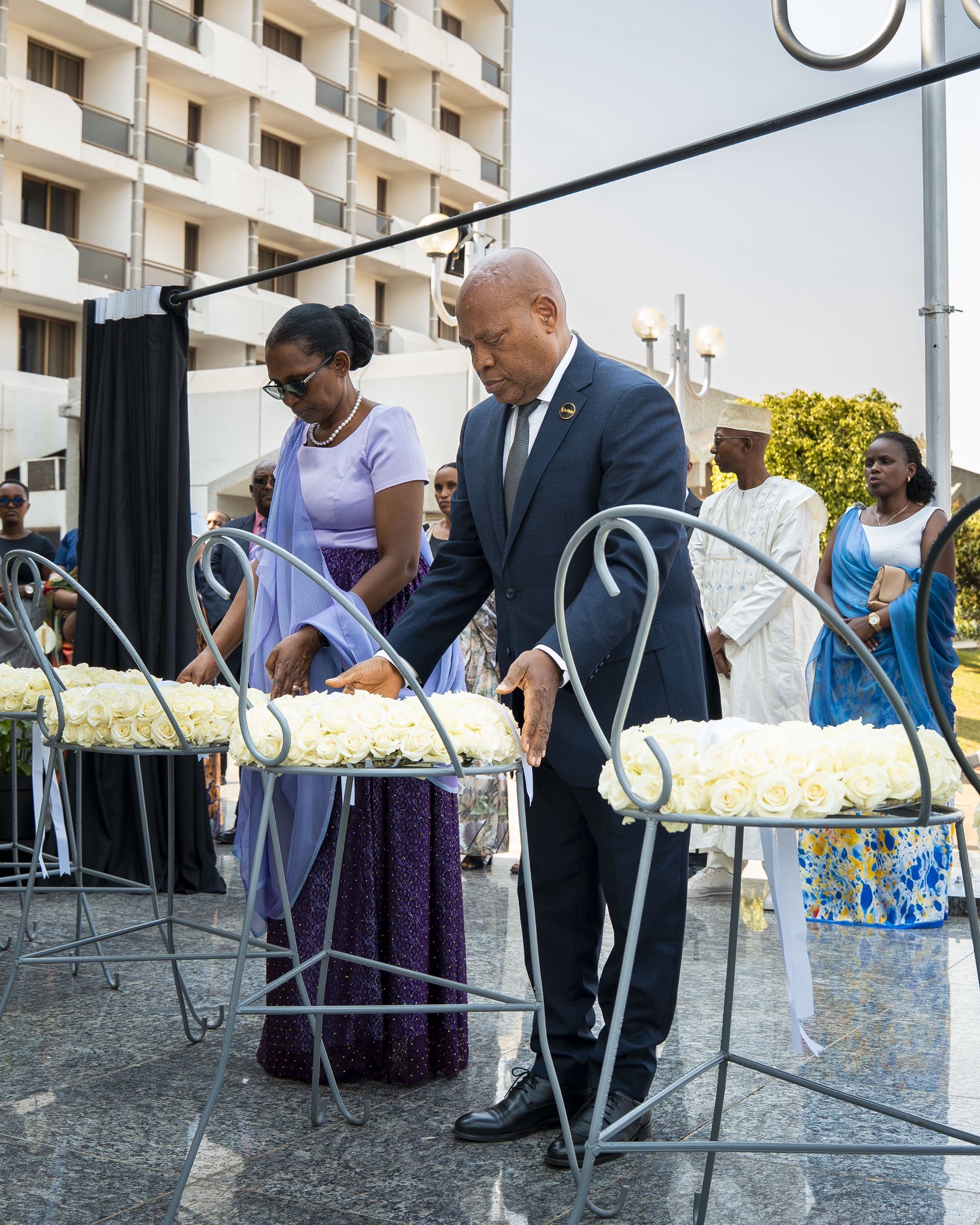
The memorial was inaugurated by Senate President, Dr François-Xavier Kalinda and Speaker of the Chamber of Deputies Gertrude Kazarwa as part of activities marking the 32nd commemoration of the Genocide against the Tutsi.
This year’s ceremony paid special tribute to four former employees of the National Development Council (Conseil National de Développement – CND), the institution that occupied the current parliamentary premises before and during the genocide.
The four victims honored were Pierre Célestin Gashayija, Célestin Kayiranga, Jean Louis Mugenzi, and Aloysie Mukantembe.
The new memorial adds to Parliament’s growing role as a national site of remembrance.
Since 2017, the parliamentary complex has also housed the Campaign Against Genocide Museum, which chronicles the military campaign by the former Rwanda Patriotic Army (RPA) to stop the Genocide against the Tutsi.
The museum occupies the former CND building, where about 600 RPA soldiers were stationed under the 1993 Arusha Peace Accords to help oversee the transition to a power-sharing government. When the genocide began on April 7, 1994, those troops played a pivotal role in rescuing civilians and launching the military offensive that ultimately ended the killings.
While the museum focuses on Rwanda’s liberation campaign, the newly unveiled memorial honors victims who once worked within the same historic complex.
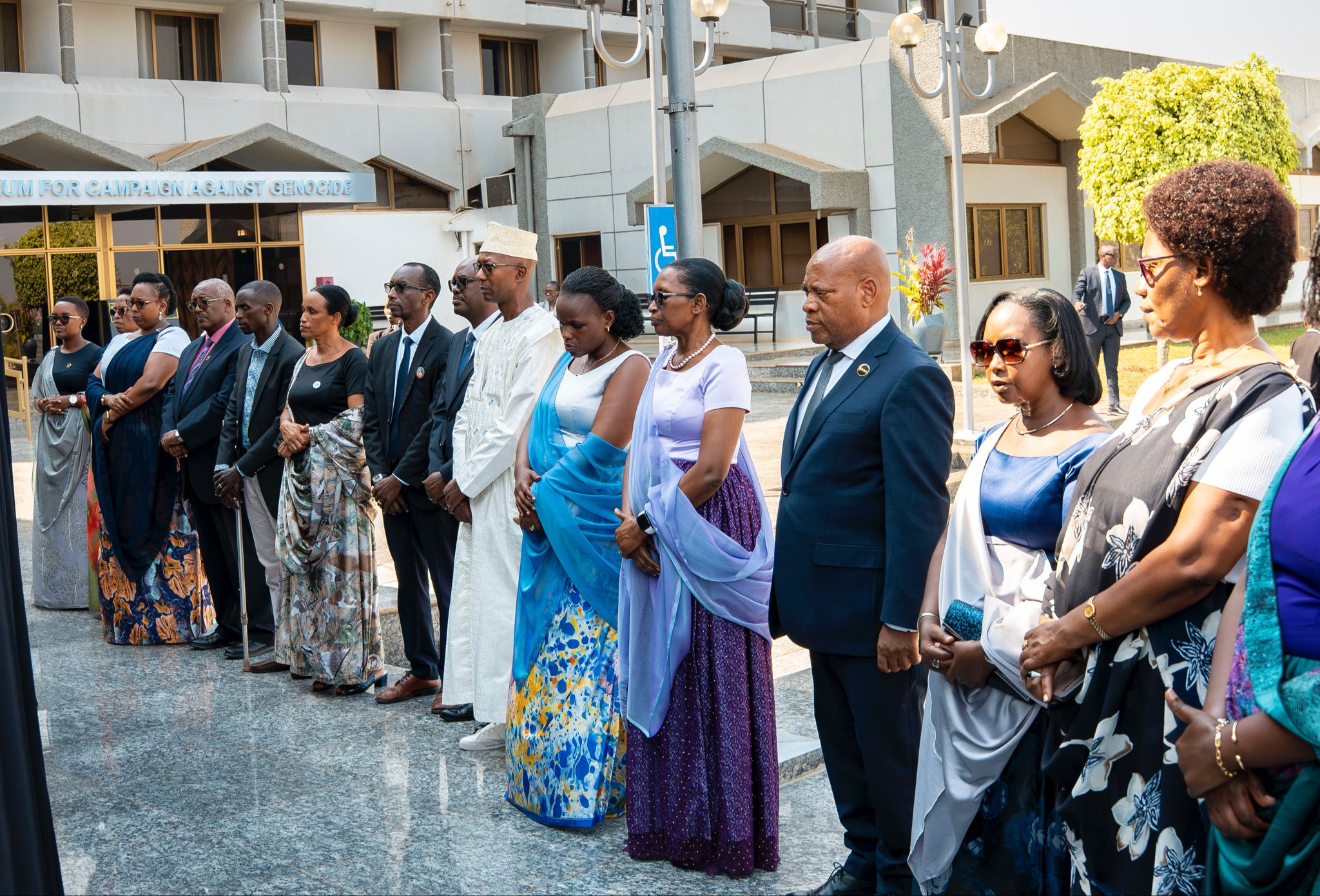
The new memorial has been designed around four symbolic features: the Wall of Messages, the Four Memorial Pillars, the Memorial Garden, and the Light of Hope.
Speaking at the unveiling, Senator Prof Jean Pierre Dusingizemungu said each element conveys a distinct message intended to preserve the memory of the victims while educating future generations.
He explained that the Wall of Messages calls on visitors to commit themselves to preventing genocide, combating genocide ideology, rejecting genocide denial and minimization, and eliminating all forms of discrimination and division. It also encourages Rwandans to strengthen unity and resilience as the foundation for a peaceful future.
The Four Memorial Pillars commemorate the four former CND employees who were murdered during the genocide.
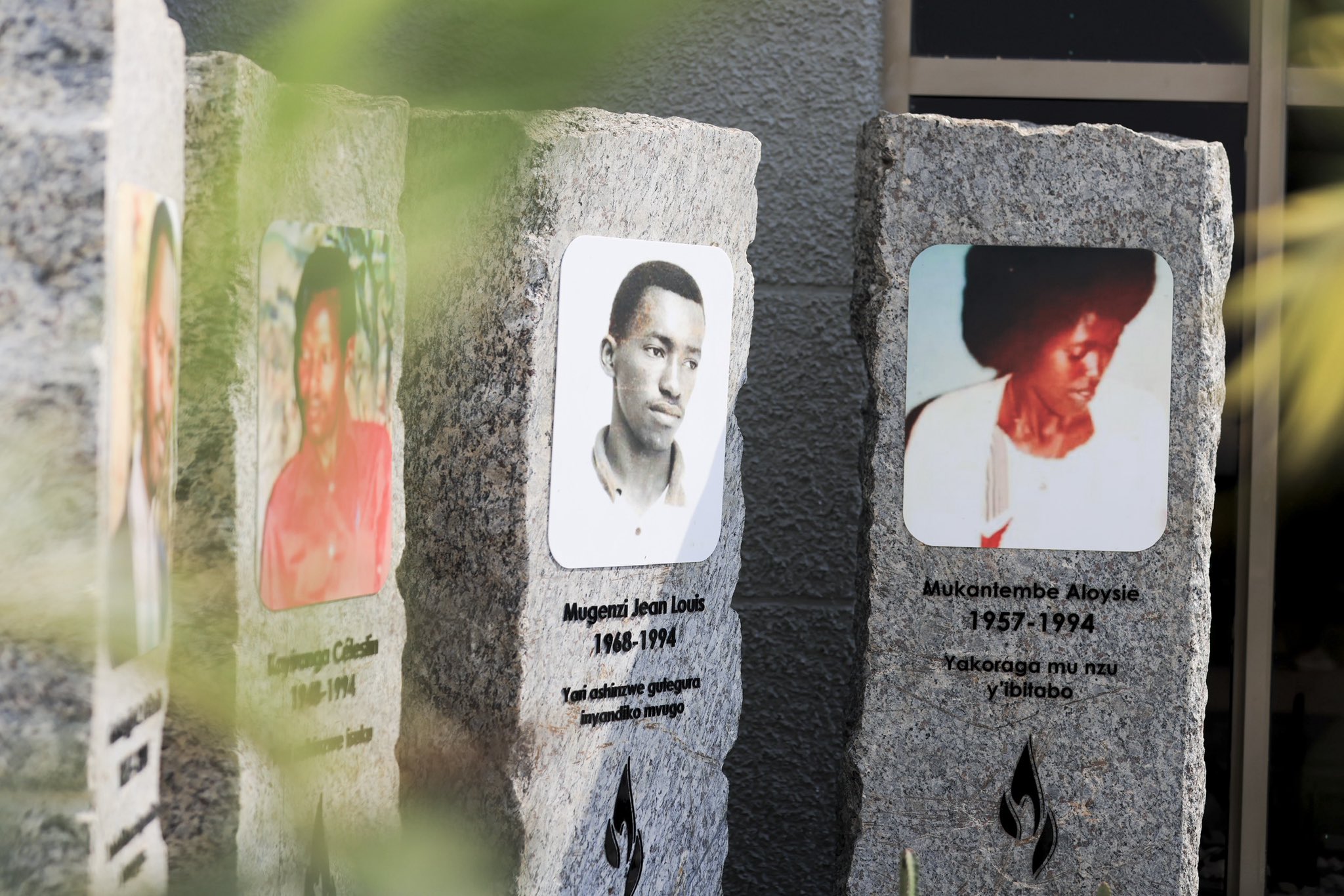
Dusingizemungu said the pillars were built from carefully selected natural stones whose durability and weight symbolize permanence, reflecting the enduring memory of the victims.
“The large natural stones signify that the memory of those we honor is firmly rooted and will endure,” he said.
He added that the pillars rise above eye level to inspire reverence among visitors, while the weight of the stones reflects the gravity of the Genocide against the Tutsi.
The Memorial Garden has been designed as a quiet space for remembrance and reflection.
It is planted primarily with cactus, chosen for its ability to survive and flourish in harsh conditions. According to Dusingizemungu, the plants symbolize resilience, perseverance, self-confidence and the strength of the human spirit in the face of adversity.
The final feature, the Light of Hope, represents Rwanda’s determination not to be defined by the tragedy of the genocide. Instead, it symbolizes resilience and hope as the country continues to build a future founded on unity, perseverance and development.
