



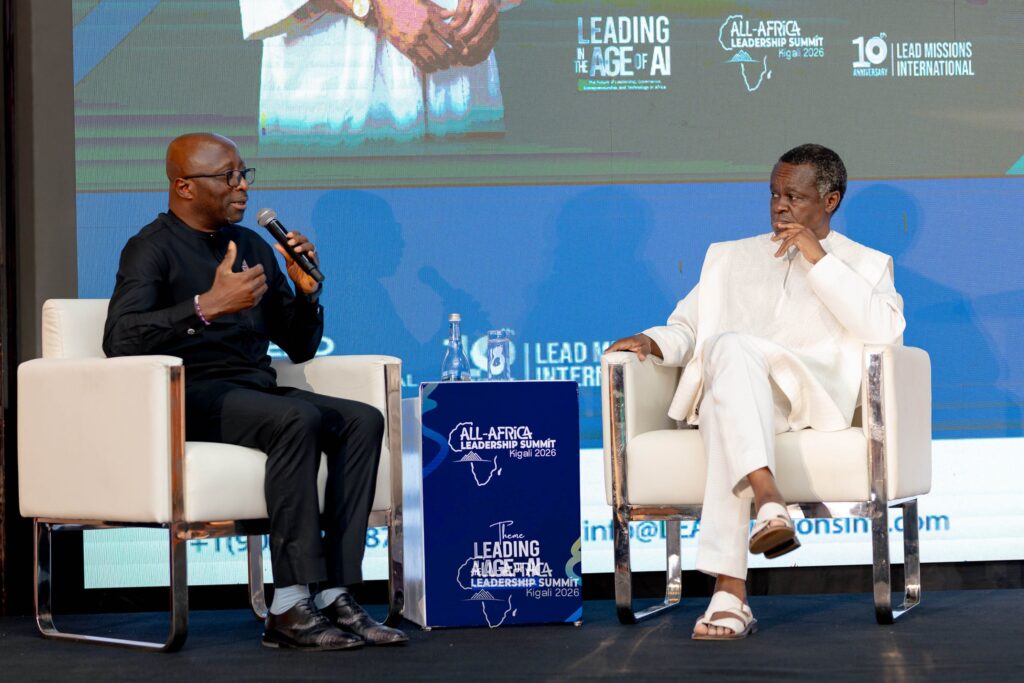
PLO Lumumba during a fireside chat at the All Africa Leadership Summit in Kigali.
KIGALI – Africa is often described as a continent rich in opportunity. It possesses vast natural resources, the world’s youngest population and growing economic influence.
Yet for Professor PLO Lumumba, none of these advantages will determine Africa’s future unless they are matched by one critical ingredient of responsible leadership.
In an exclusive interview with Kigali Today at the sidelines of the All Africa Leadership Summit in Kigali, the renowned Kenyan Pan-African scholar argued that the continent’s greatest challenge is not what it lacks beneath the ground, but what is often missing in positions of public responsibility.
Leadership Before Resources
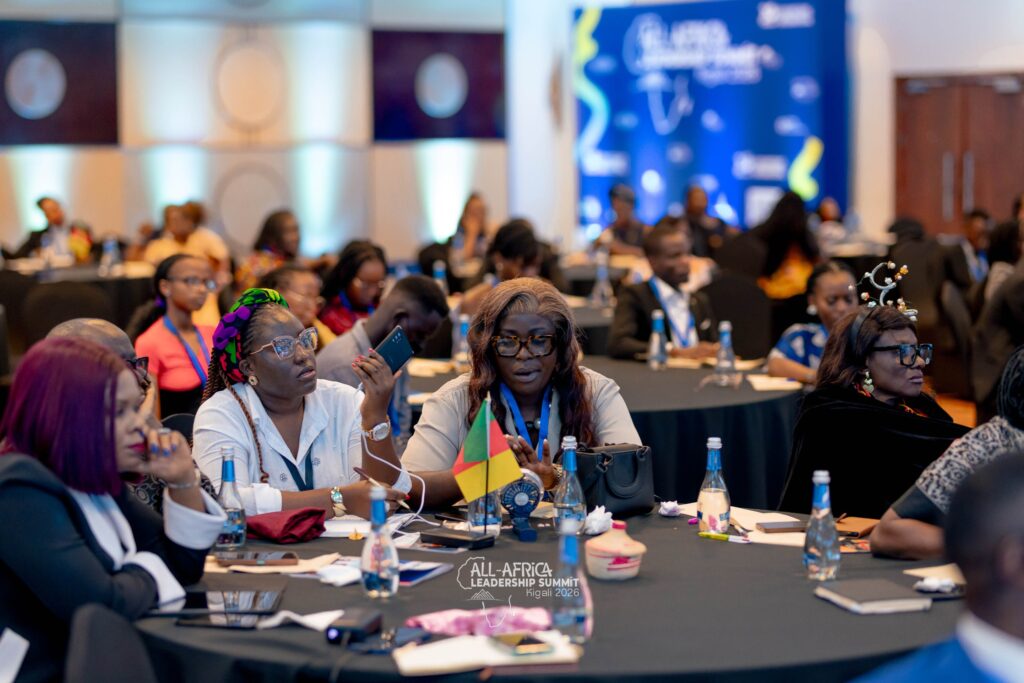
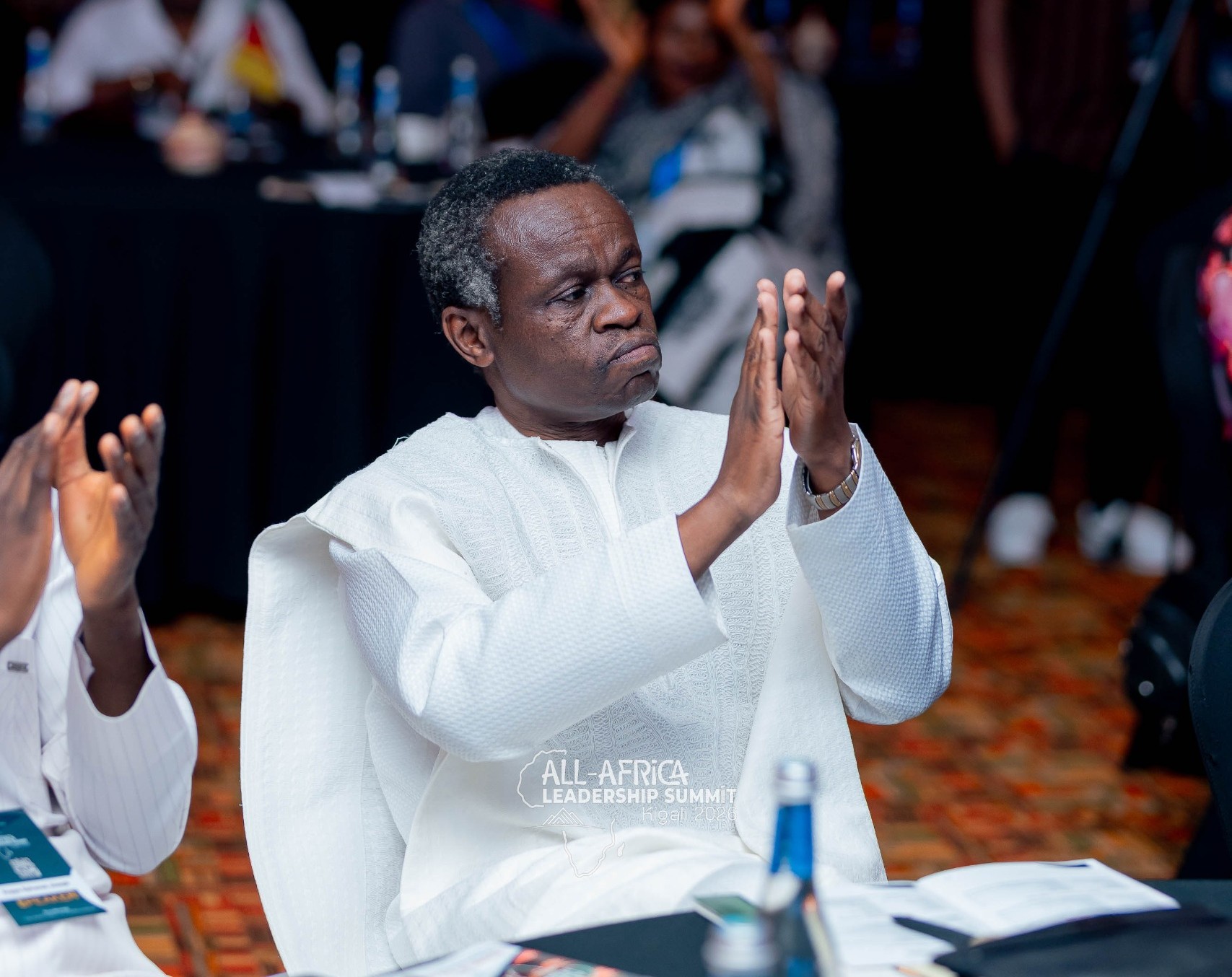
Guests at the All Africa Leadership Summit held in Kigali.
For years, Lumumba has travelled across Africa speaking about governance, patriotism and the continent’s untapped potential. He says his passion comes from witnessing the contrast between Africa’s immense wealth and the daily struggles faced by millions of its people.
Seeing children affected by malnutrition, preventable diseases and limited access to quality education, he said, is a constant reminder that Africa’s resources have not yet translated into better lives for many of its citizens.
“What Africa is suffering, at least in the majority of African countries, is unethical leadership. When there are no ethical anchors and no moral anchors, a leader can very well become a monster,” he said.
Lumumba argues that leadership is not measured by academic qualifications or prestigious titles but by integrity, compassion and a genuine commitment to public service. Without those values, he believes even the most educated leaders can fail the people they are meant to serve.
Building Nations That Others Respect
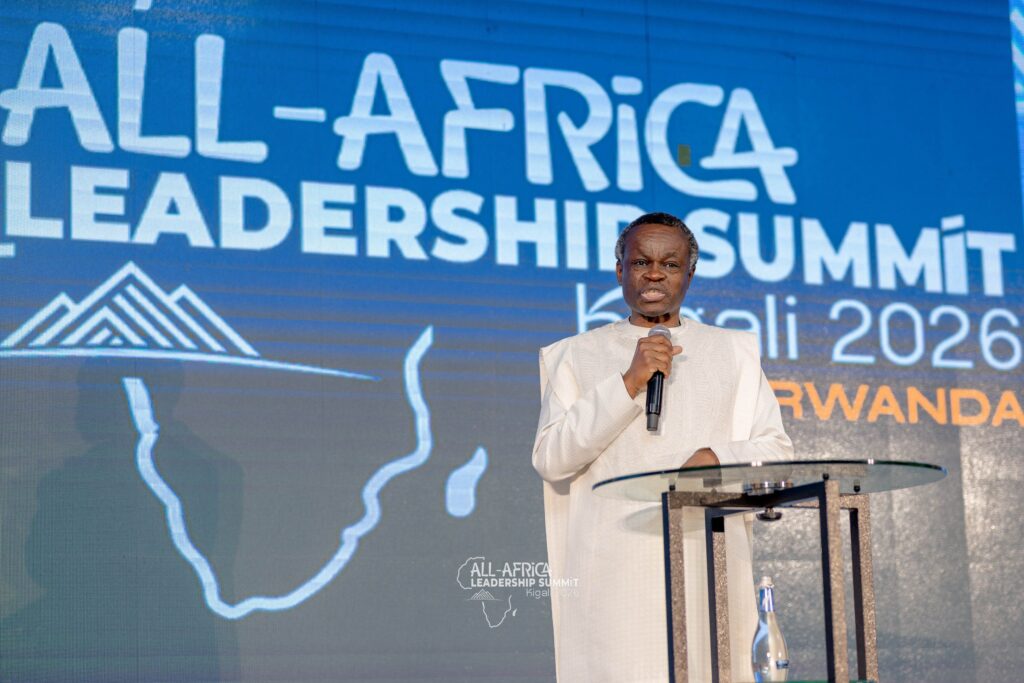
PLO Lumumba addresses guests in Kigali.
As global powers compete for influence across Africa, Lumumba believes the continent should focus less on seeking recognition from others and more on strengthening itself.
Rather than negotiating from a position of weakness, he said African countries should build institutions, economies and systems capable of attracting partnerships on their own terms.
“It is Africa to recognize our interests so that people can negotiate with us. Let us be strong, and when we are strong, meetings will be held in Kigali. They’ll be held in Addis Ababa. They’ll be held in Lagos. They’ll be held in Ouagadougou. They’ll be held in Nairobi, Dar es Salaam and Kampala.” he said.
In his view, the continent’s greatest leverage will come not from foreign interest in its resources, but from its own ability to define and pursue a shared vision for development.
Rwanda’s Lesson
Among the countries drawing attention for their development journey, Lumumba points to Rwanda as an example of what disciplined leadership can achieve.
“Discipline is half the journey. What the administration of President Kagame has instituted in Rwanda is discipline. Once you have discipline as the lifeblood of activities, it gives birth to honesty, vision and compassion,” he said, with pride written all over his face.
He believes discipline creates accountability throughout public institutions, encouraging leaders and public servants to deliver results while discouraging corruption and misuse of public resources.
For Lumumba, the true measure of progress is not found in economic statistics alone, but in whether ordinary citizens experience improvements in their everyday lives through better schools, healthcare, infrastructure and public services.
“When you hear countries talk about GDP most of the time, those are statistics. You go to rural villages in Musanze and talk to a woman or a man, are they happy? Are the schools, hospitals and the agricultural sector delivering? I think, the administration is doing that,” he said.
He also believes Rwanda’s long-term success will depend on whether future leaders preserve and strengthen the systems that have driven the country’s transformation.
A Legacy of Service
As the continent continues to navigate its leadership crisis, Lumumba believes leadership is a temporary responsibility, but its impact can last for generations.
“Use this God-given opportunity to serve so well,” he said, urging leaders to empower citizens and create opportunities that improve lives long after they leave office.
For him, history will remember leaders not for the offices they occupied, but for the societies they helped build.
“Change the quality of people’s lives and enable them to realize their potential, so that in your absence people may say, ‘There came a man or a woman who empowered us and enabled us to change our lives for the better. That requires compassion, courage and humility,” he said.
At a time when the world is changing rapidly, Lumumba remains convinced that Africa already possesses the resources needed to prosper. The question, is whether the continent can produce enough leaders willing to place the public good above personal interest.
Watch the full interview with Professor PLO Lumumba here: