Government is significantly accelerating the country’s transition away from conventional plastics and strengthen its green economy.
KIGALI – Rwanda is preparing to officially endorse biodegradable packaging materials as part of a broader national recycling framework, a move that could significantly accelerate the country’s transition away from conventional plastics and strengthen its green economy.
Minister of Trade and Industry Antoine Kajangwe, recently revealed during an Expo 2026 tour, that his ministry is working with that of Environment to establish a policy that promotes biodegradable packaging while creating a system to ensure such materials are collected and recycled after use.
Rather than simply replacing one type of packaging with another, Kajangwe said the focus is on building a complete recycling ecosystem that can sustain Rwanda’s environmental ambitions.
“We have two weeks to agree on that recycling framework at government level. Once that is in place, we can officially endorse biodegradable packaging materials and begin scaling them across the country,” the minister said.
He noted that public awareness will also be critical, saying many consumers still do not understand the difference between biodegradable and conventional plastics or how each should be handled after use.
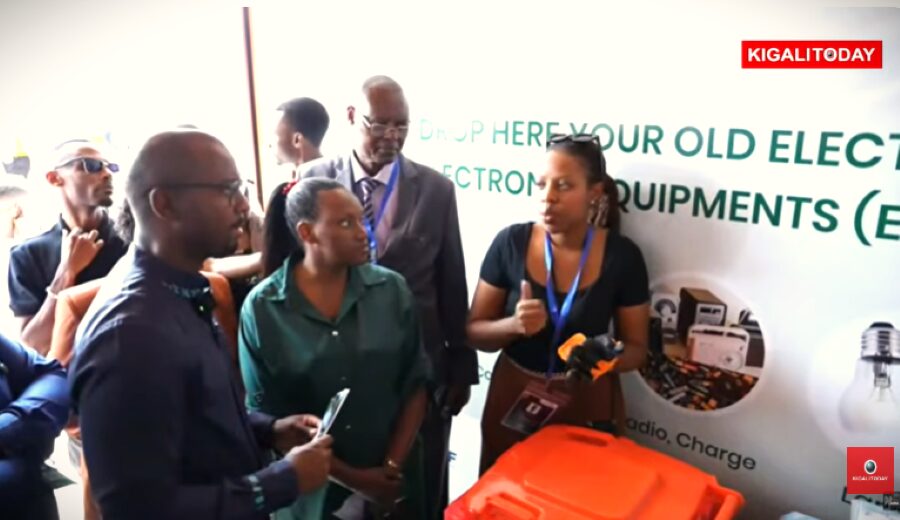
Minister of Trade and Industry Antoine Kajangwe, recently met bioplastic investors during an Expo 2026 tour.
The policy direction comes as Rwanda shifts its focus from restricting harmful plastics to building the infrastructure needed for a fully functioning circular economy.
To support that transition, the Private Sector Federation (PSF) has established a collaborative platform that brings together companies investing in waste management. The initiative mandates PSF to coordinate the collection, transportation and recycling of biodegradable waste.
PSF says Rwanda currently has eight companies recycling different categories of plastic waste.
The federation is also working with the Rwanda Utilities Regulatory Authority (RURA) on a comprehensive electronic waste recycling system, with plans underway to acquire advanced recycling technology that is not yet available in the country.
Among the innovations showcased during Expo 2026 was Arth Biobag Ltd, a Rwandan company producing biodegradable shopping bags and packaging materials made from bioplastics.
Unlike conventional plastics, which can remain in the environment for up to 500 years, bioplastics are manufactured from renewable plant-based materials such as maize, cassava and sugarcane.
Compostable products naturally break down into organic matter, leaving no long-term waste behind.
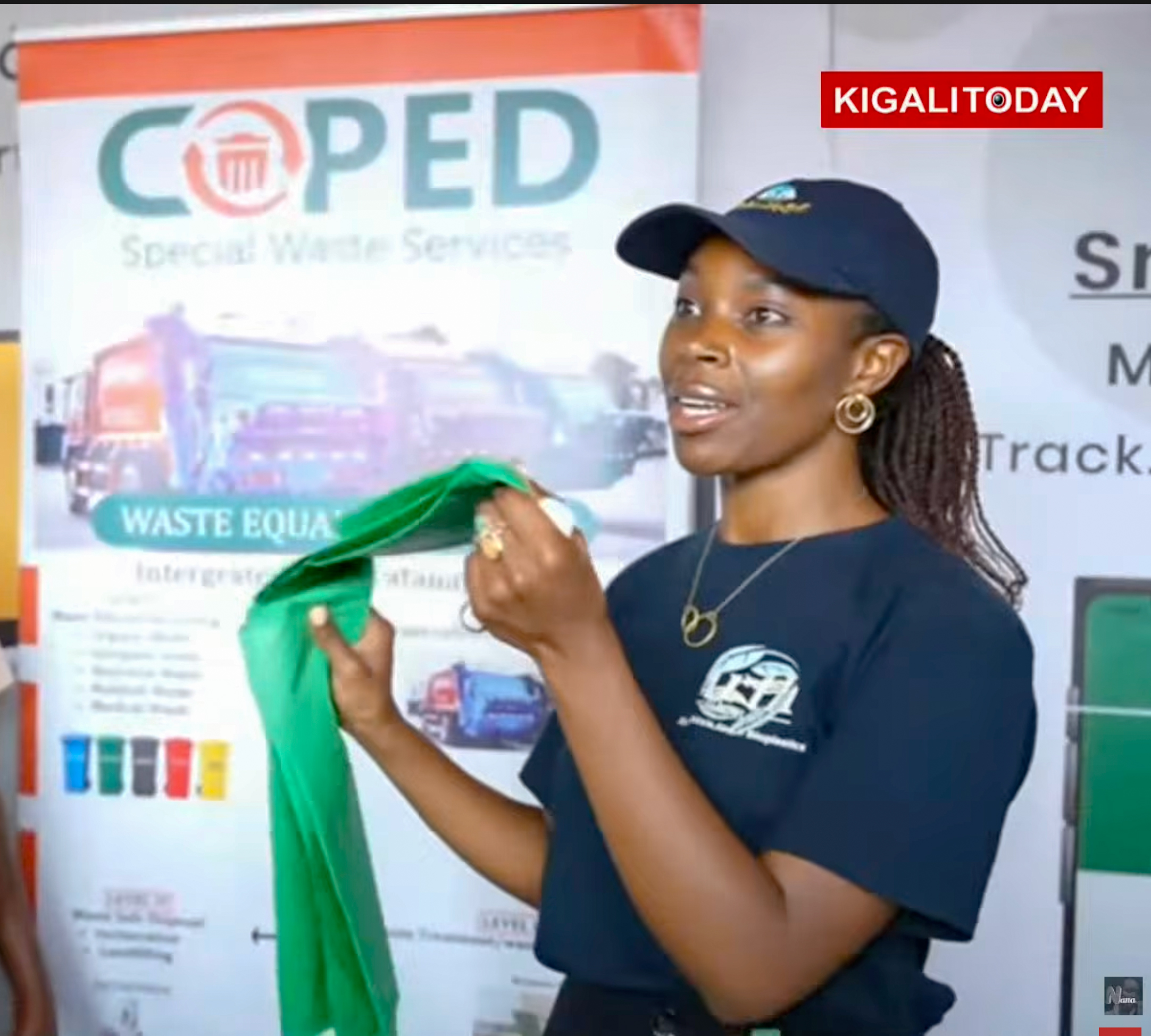
Niyigena Mignonne, the Sales and Marketing Officer at Arth Biobag Ltd explains about biodegradable plastic products.
The company’s Sales and Marketing Officer, Niyigena Mignonne, said Arth Biobag Ltd was established to offer a locally developed solution to one of the world’s fastest-growing environmental challenges while supporting Rwanda’s vision of a green economy.
She said the company is ready to contribute to the country’s transition but called for stronger public education to help consumers understand the value of biodegradable products and encourage wider adoption.
“Biodegradable packaging is a practical solution that is already being produced in Rwanda. What we need now is stronger public awareness and a supportive ecosystem that enables more businesses and consumers to embrace sustainable alternatives,” she said.
She applauded government’s commitment to establish a national recycling framework referring to it as a strong signal that Rwanda is moving beyond regulating plastic waste to creating an ecosystem where environmentally friendly innovation can thrive.
As government prepares to roll out the new framework, officials and industry players alike believe the combination of policy support, private-sector investment and homegrown innovation are vital in sustainable packaging and circular economy solutions.
The government’s planned endorsement, coupled with growing private-sector investment and homegrown innovations makes Rwanda’s fight against plastic pollution focus on building a sustainable system that makes environmentally friendly alternatives the new standard.

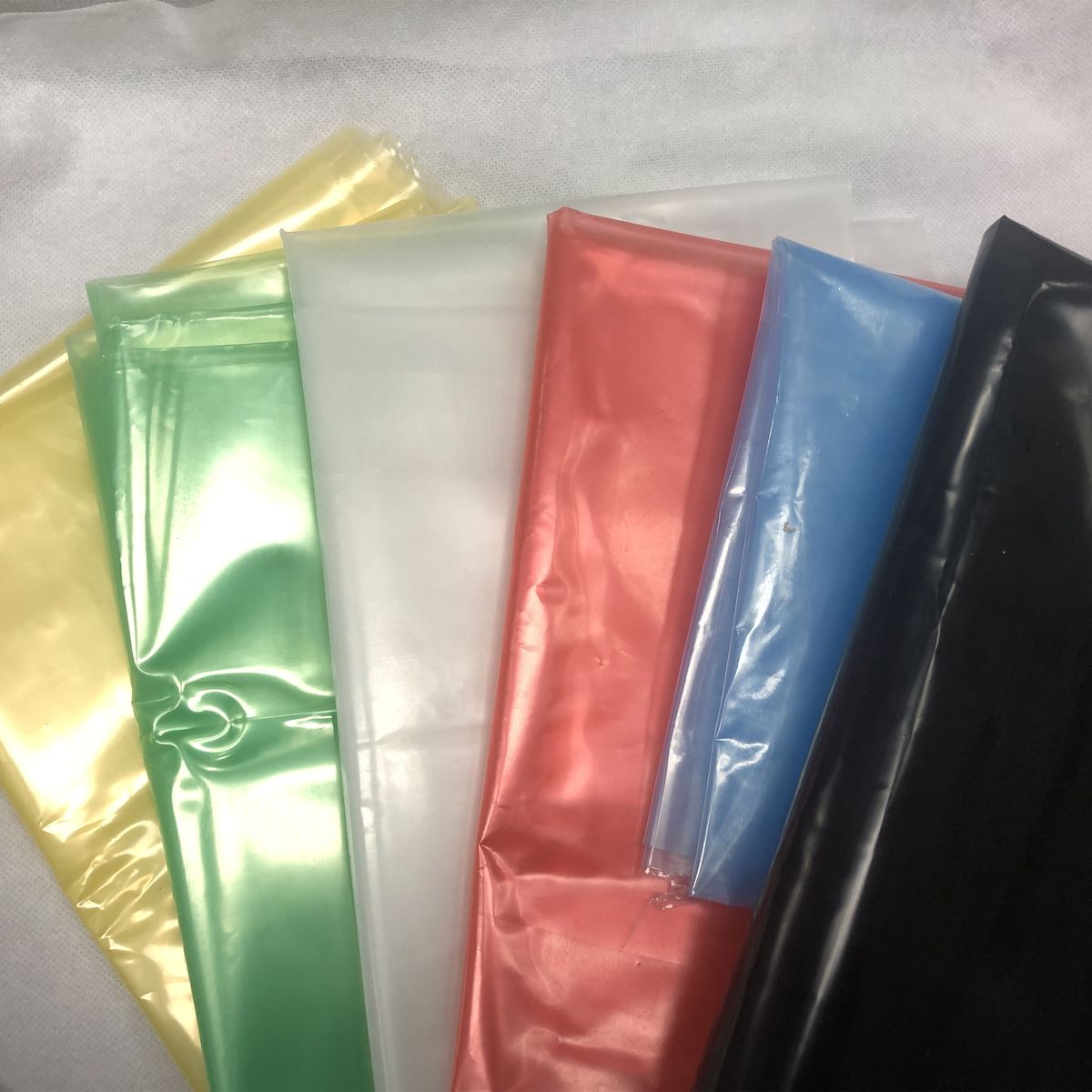
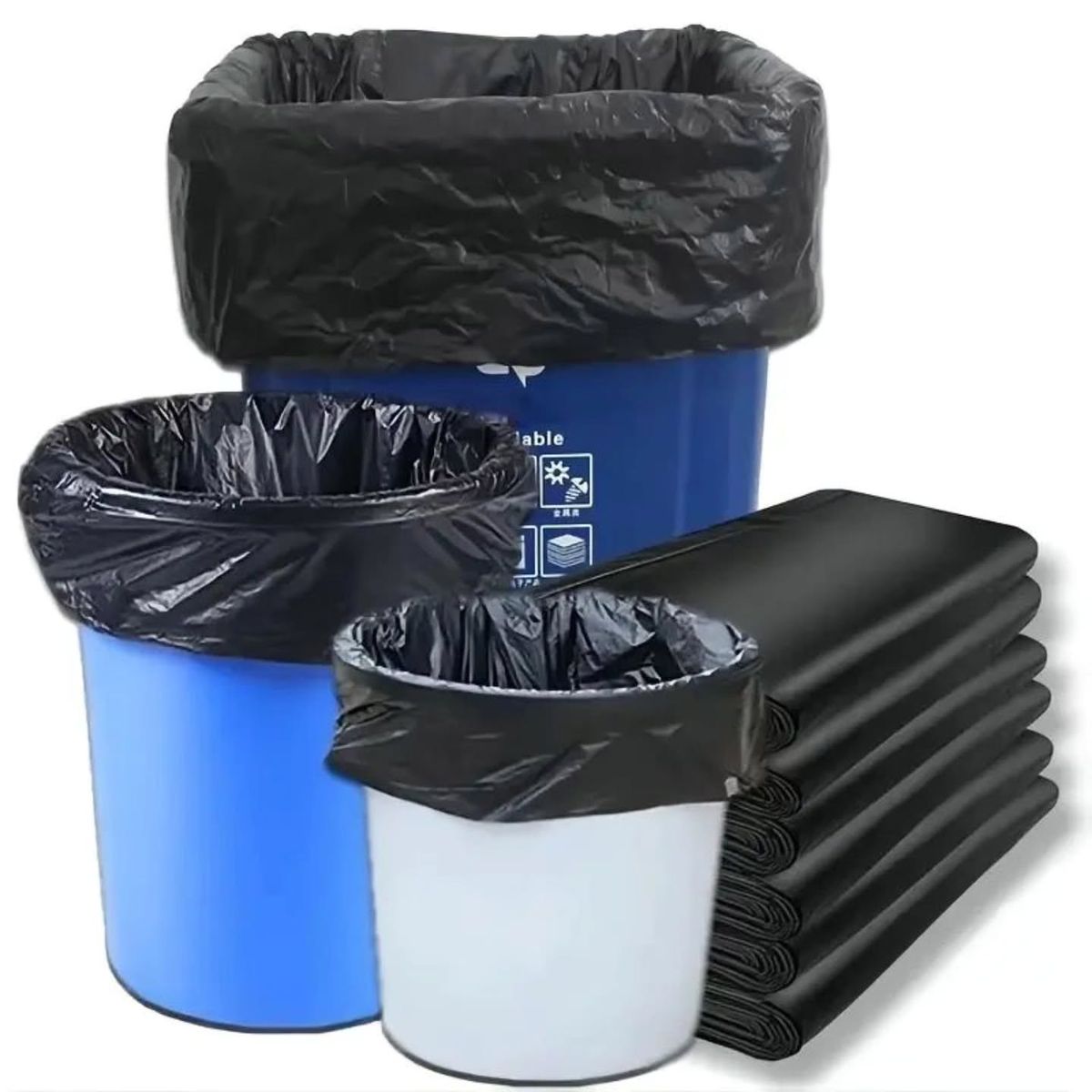
Biodegradable plastic is good for packaging of different products.