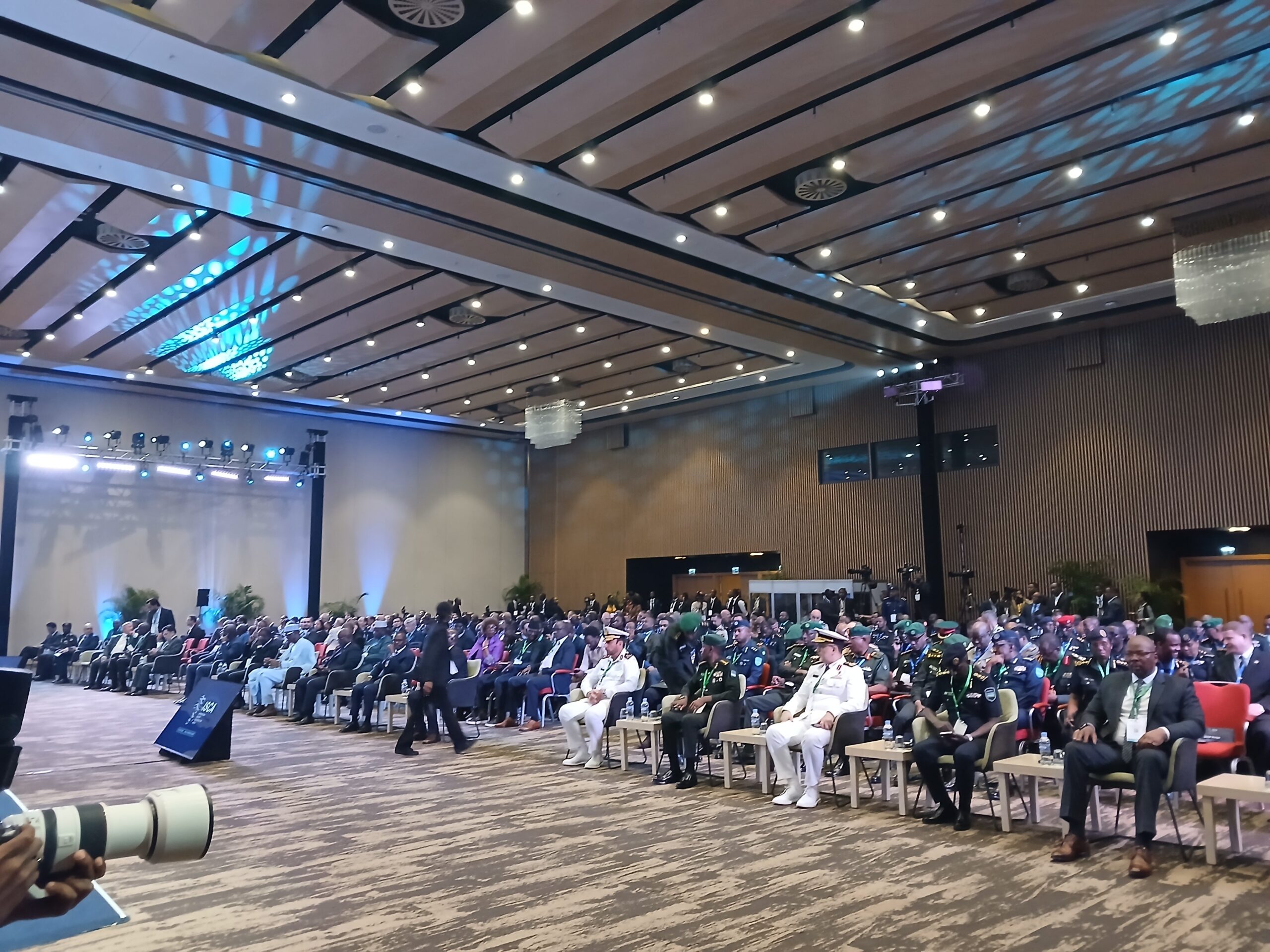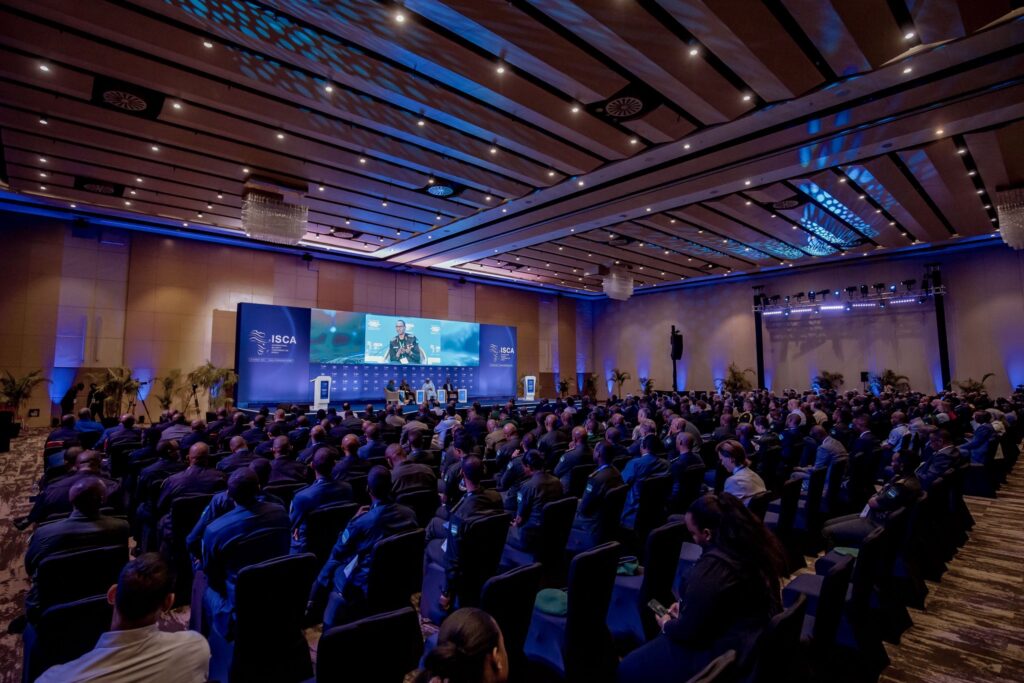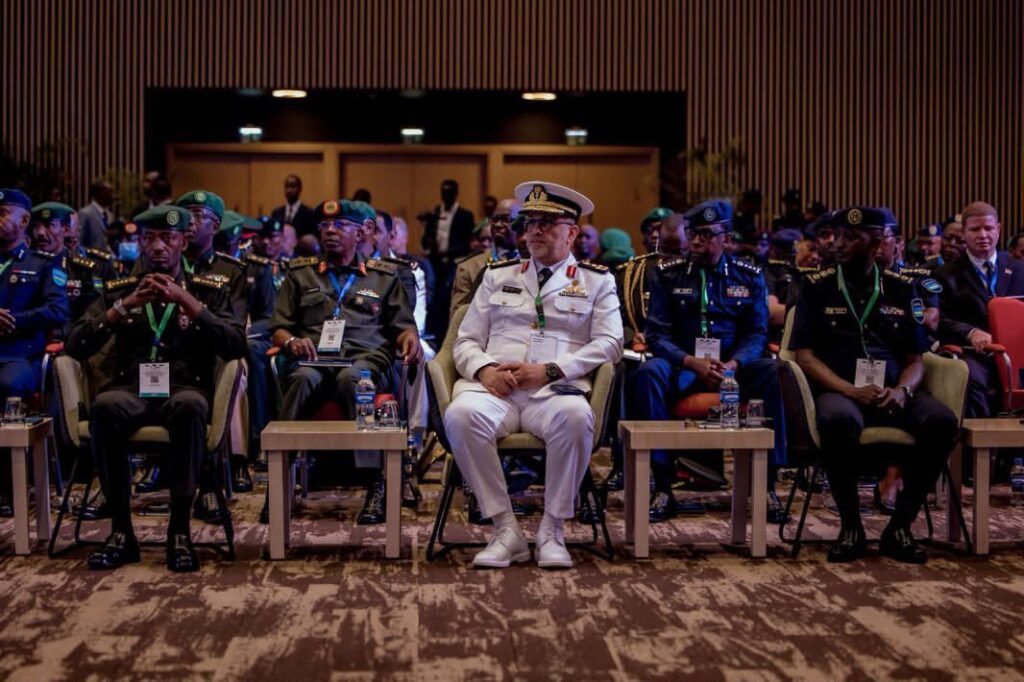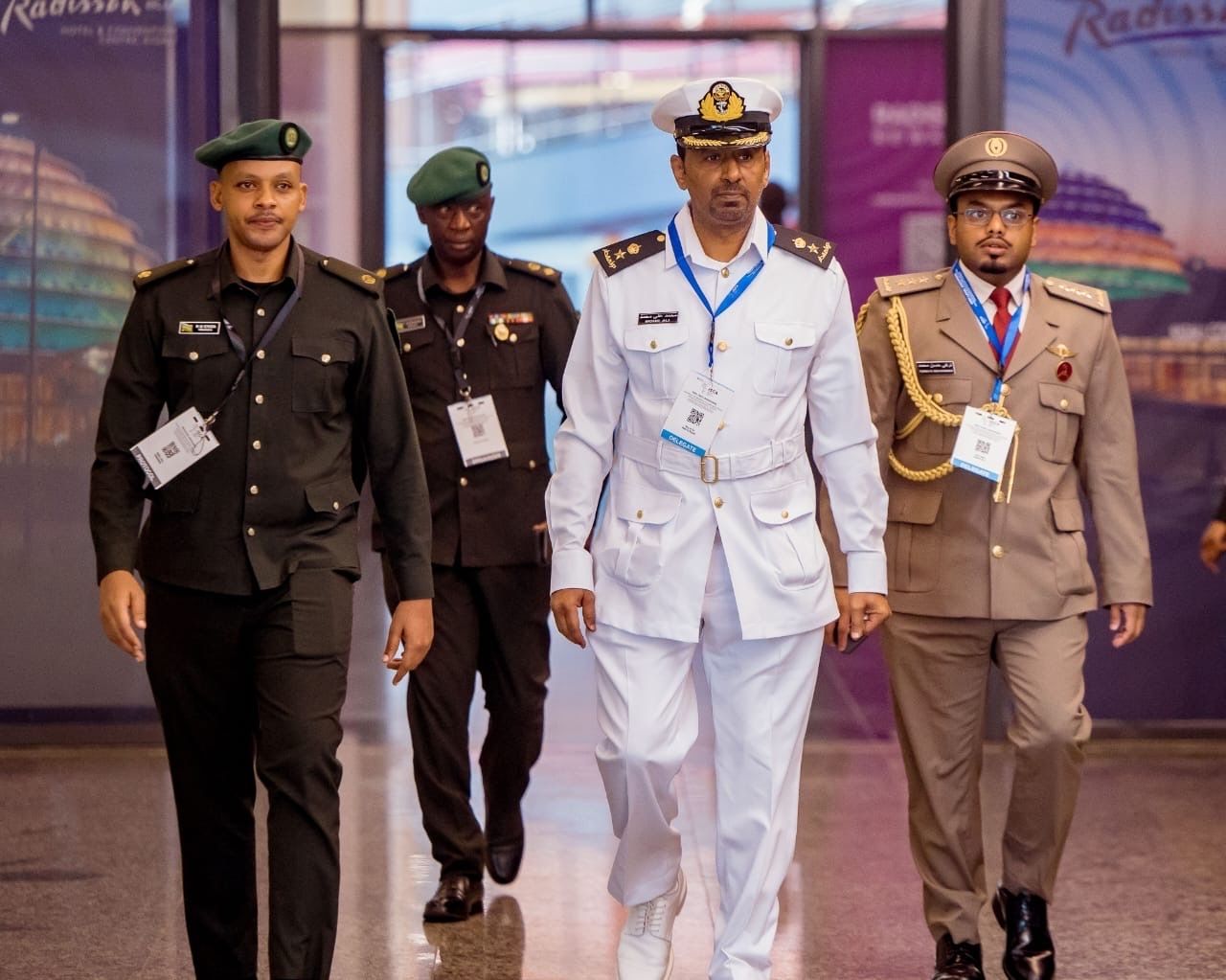
Delegates arrive for the International Security Conference on Africa (ISCA) in Kigali.
KIGALI – A drone may be the most visible face of autonomous technology, but the real power behind such systems lies in data, computing power, technical talent and institutions capable of turning technology into practical capability.
At the International Security Conference on Africa (ISCA) in Kigali, African countries agreed to look beyond the machines themselves in order to benefit from the rapidly developing field of autonomous systems.
Majority of the delegates concurred that purchasing sophisticated equipment does not automatically give a country the ability to develop or control autonomous capability.
The wider view is that behind every autonomous system is an ecosystem of information, computing infrastructure, skilled people and institutions that can continuously adapt as the technology evolves.
Here are the four foundations that Africa should control in order to build reliable intelligent systems.
Rethink New Doctrines
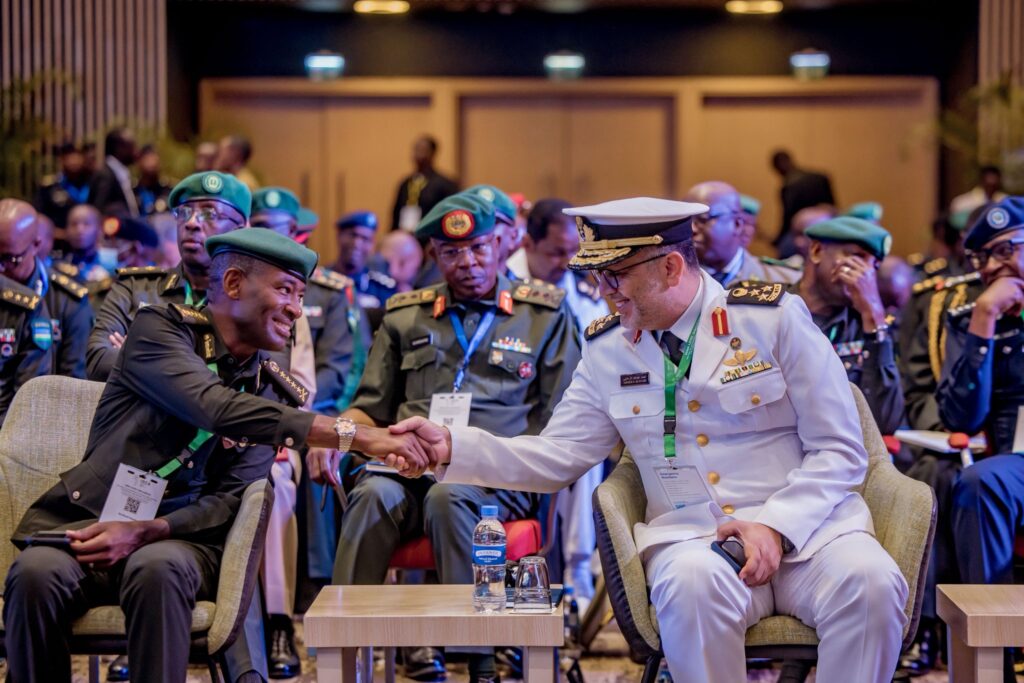
RDF Chief of Defence Staff Gen Mubarakh Muganga (L) engages a senior colleague at the conference
Dr. Paul Simon Handy, Regional Director for East Africa and representative to the African Union at the Institute for Security Studies, said the emergence of autonomous systems requires African countries to rethink how they approach technology, particularly in defence and security.
“Adopting this technology is not just a matter of automating existing doctrines. We need to rethink doctrines in light of this development,” Handy said.
Treating autonomous systems simply as new equipment to be added to existing military structures, he argued, does not automatically translate into strategic capability.
While acquiring new technology, Africa’s starting point should be trying to prepare, solve and make critical decisions while maintaining meaningful human control over new technology and evolving modern machines.
“Most importantly, African states should resist the belief that faster decisions are always better decisions. We should avoid the trap of just giving human legitimacy to machine decisions,” he said.
Build and Own Competitive Products
Under normal military doctrine, African governments purchase technology but autonomous systems are increasingly intertwined with national security and foreign policy as countries can become dependent on the suppliers behind the technology.
Governments are thus required to know who owns the data collected by a system, who can update its software, whether suppliers can restrict its use and whether the technology can communicate with systems from other partners.
Hence, procurement no longer becomes merely a commercial transaction but part and parcel of foreign policy and national security strategy.
This calls for greater regional cooperation in acquiring compatible systems despite the competition in supply, logistics and technological competition
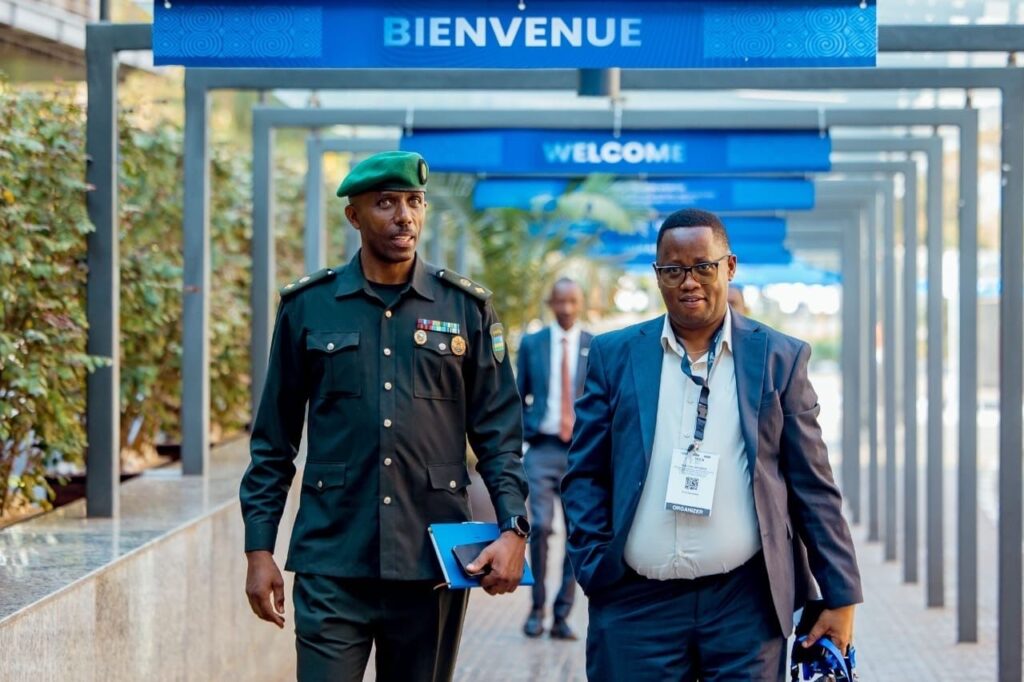
Dr Eric Ndushabandi (R), Director of Research and Publications at international security conference on Africa (ISCA), arrives for the conference alongside other guests
Moise Busogi, an Assistant Teaching Professor at Carnegie Mellon University Africa, holds great admiration for Africa’s ability to develop and trust its own talent though most often, the continent assumes that technologies developed in Western countries are more efficient and reliable.
“We should trust our own ambition. Allow ourselves a room for imperfection, but also that imperfection sometimes comes with advantage. Africa’s young population can become a major technological asset if students and researchers are given the space to experiment and develop solutions for African conditions.,” Busogi said.
Giving local innovations little opportunity to prove themselves, he argued, is a cycle that results African technologies struggling to receive funding, testing and deployment, making it even harder for local innovators to build competitive products.
The Power to Turn Data into Intelligence
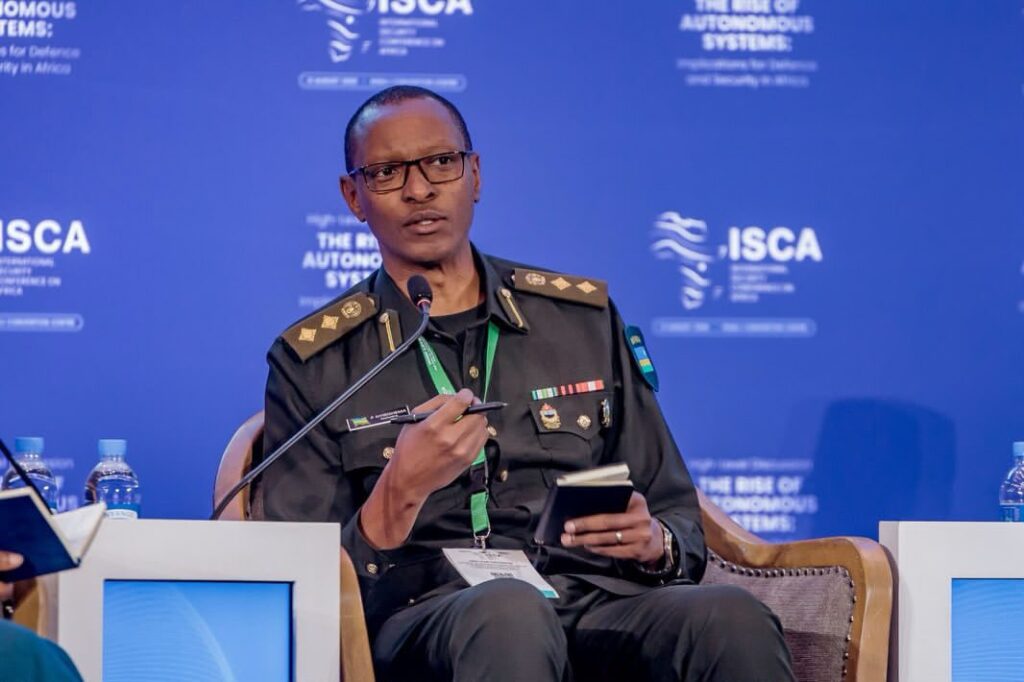
Col. (Rtd) David Kanamugire, CEO of Rwanda’s National Cyber Security Authority,
According to Col. (Rtd) David Kanamugire, CEO of Rwanda’s National Cyber Security Authority, the discussion rolls back to the technological foundations required to make autonomy possible.
“You can’t buy autonomy. That’s not possible. It’s like you get two people, give them similar computers, same manufacturer but they will perform totally different tasks. The difference lies in what exists behind the machine: data, computing power, talent and institutions,” he said.
“If you don’t have access to data, you will never have autonomy,” he said, pointing to information generated through everyday transactions, weather, geography and security operations as potential inputs for autonomous systems.
Computing then determines whether that information can be transformed into useful intelligence, while skilled scientists are needed to connect technical solutions to specific African problems.
Creating an Educated Society

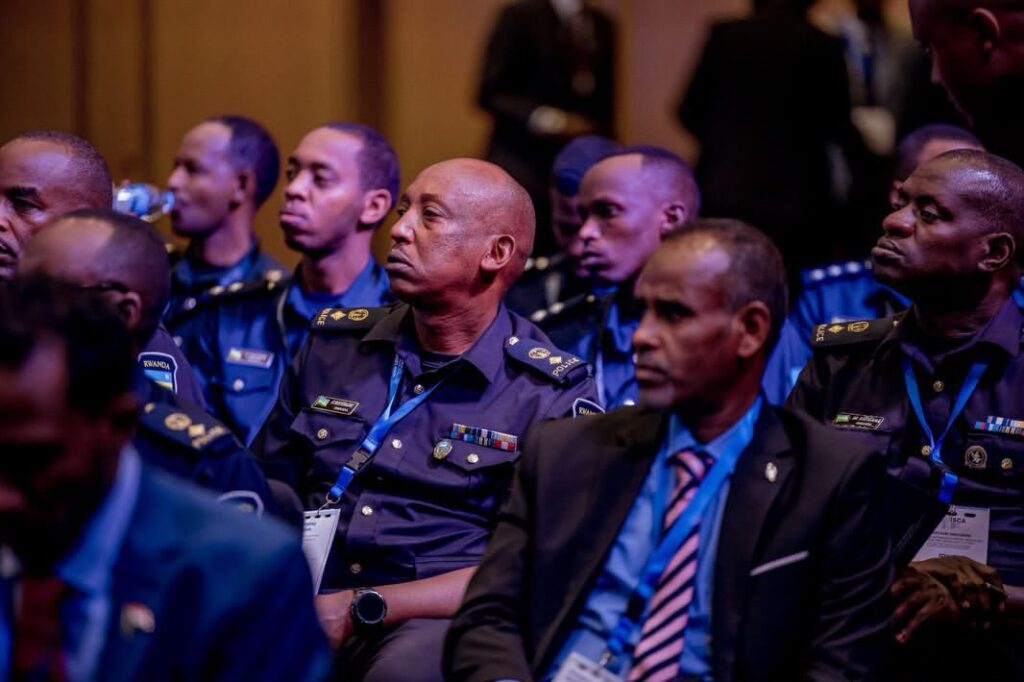
The Ugandan army (UPDF) delegation at the conference
Even with available data and resources to buy the computer power, without scientists capable of correlating and providing technical solutions, the dream is far from over.
Training institutions are bound to raise capacity to avoid a scenario where countries may buy sophisticated systems but fail to generate genuine capability to operate them. The stakes are particularly high because autonomous technology is no longer confined to defence.
Given Africa’s vast agricultural areas, porous borders and environmental challenges, autonomous systems could deliver major gains, from precision agriculture to persistent surveillance and environmental monitoring.
But the limitation is more on the imagination and ability to employ this specific technology within a specific context.
Africa should not avoid acquiring autonomous technologies, but that acquisition must be accompanied by the ability to understand, adapt, secure and eventually improve them.