


Government of Rwanda is seeking greater international investment in electricity infrastructure, urban resilience, green industrialisation and climate-smart agriculture as it works to turn its climate commitments into projects that can attract financing and deliver measurable results.
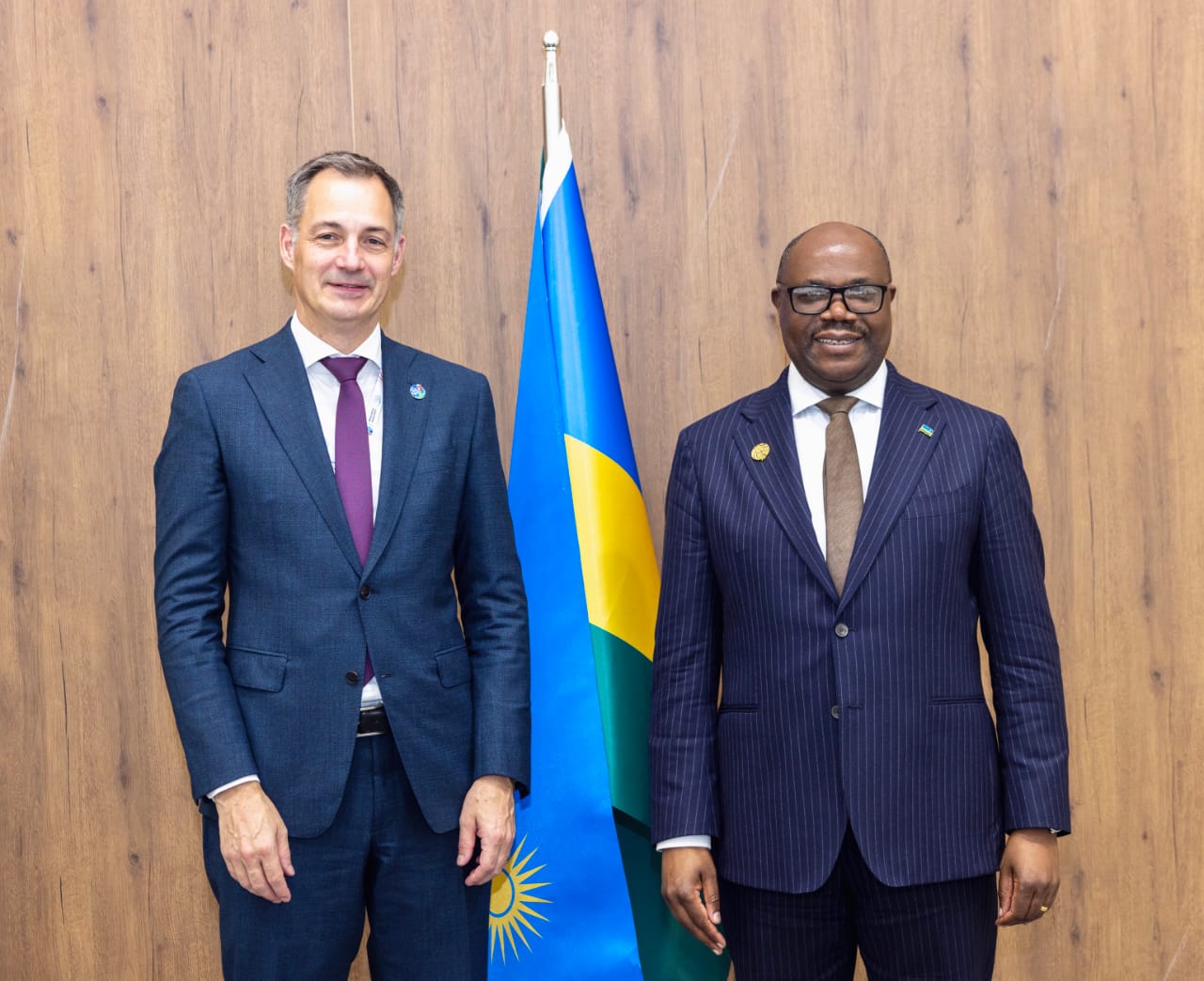
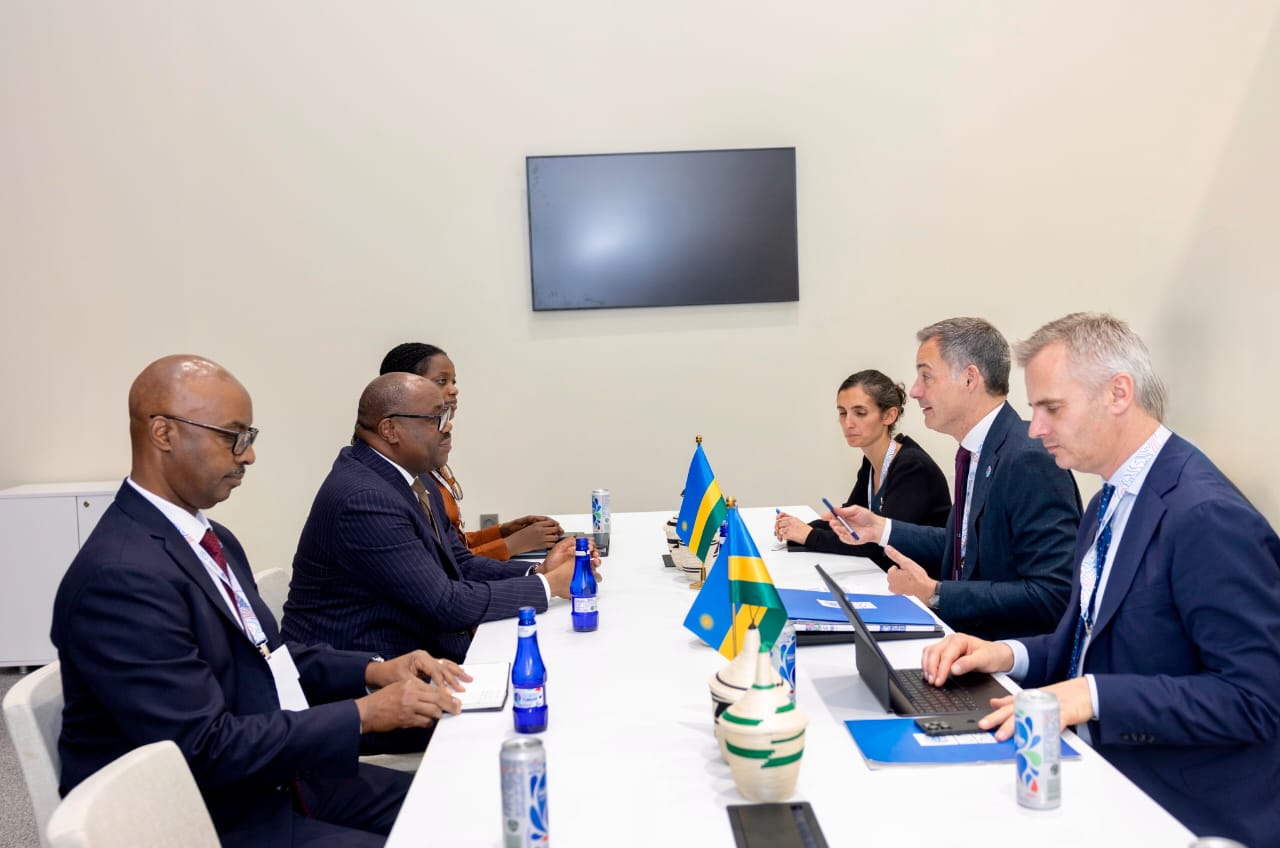
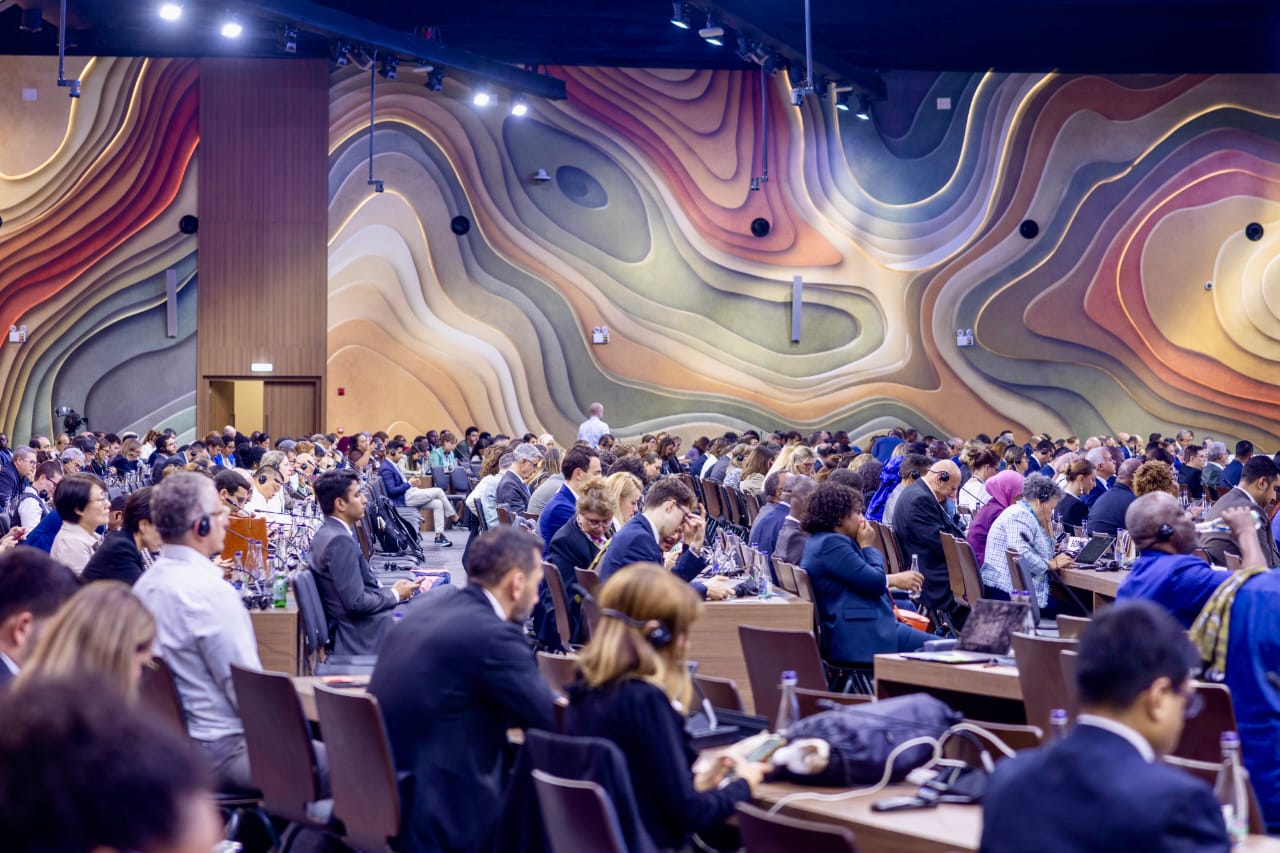
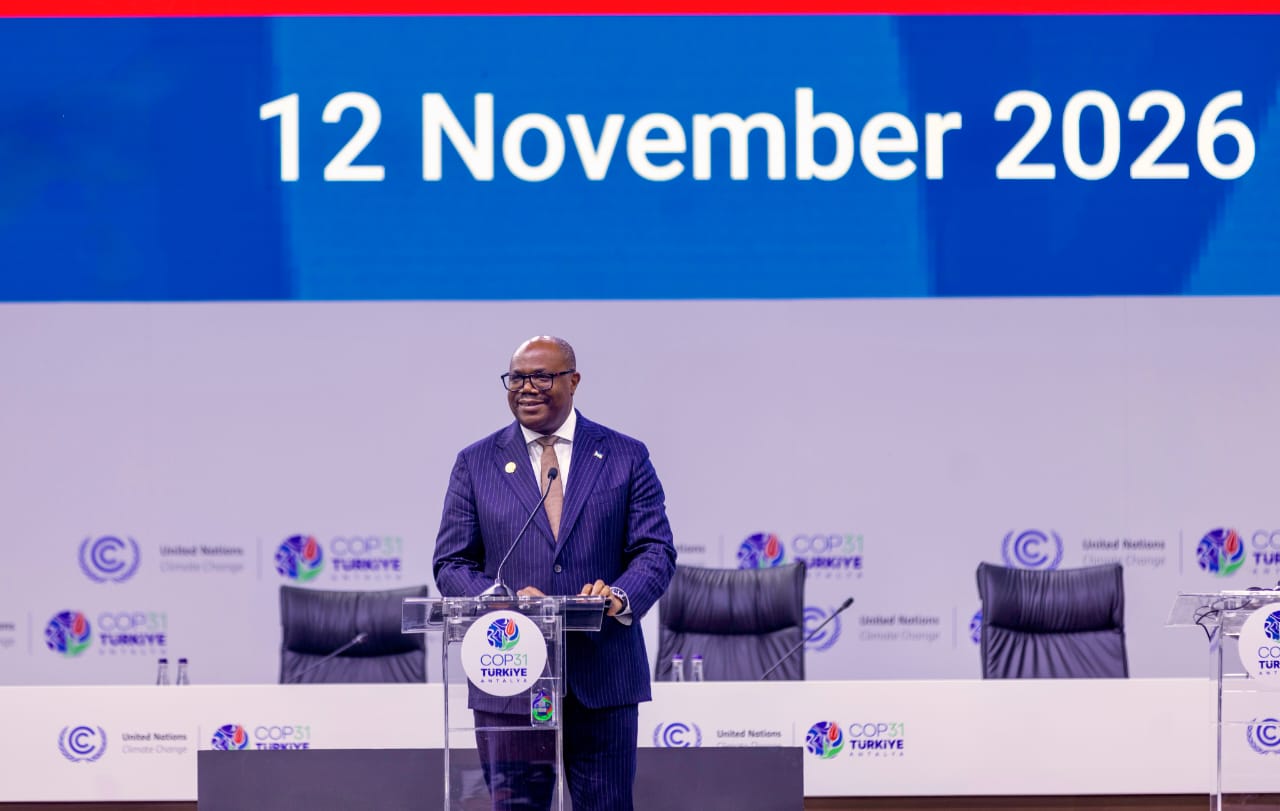
Prime Minister Justin Nsengiyumva outlined the country’s priorities during several high-level engagements at the COP31 climate conference, where Rwanda called for stronger partnerships with multilateral development banks, development finance institutions and other international partners.
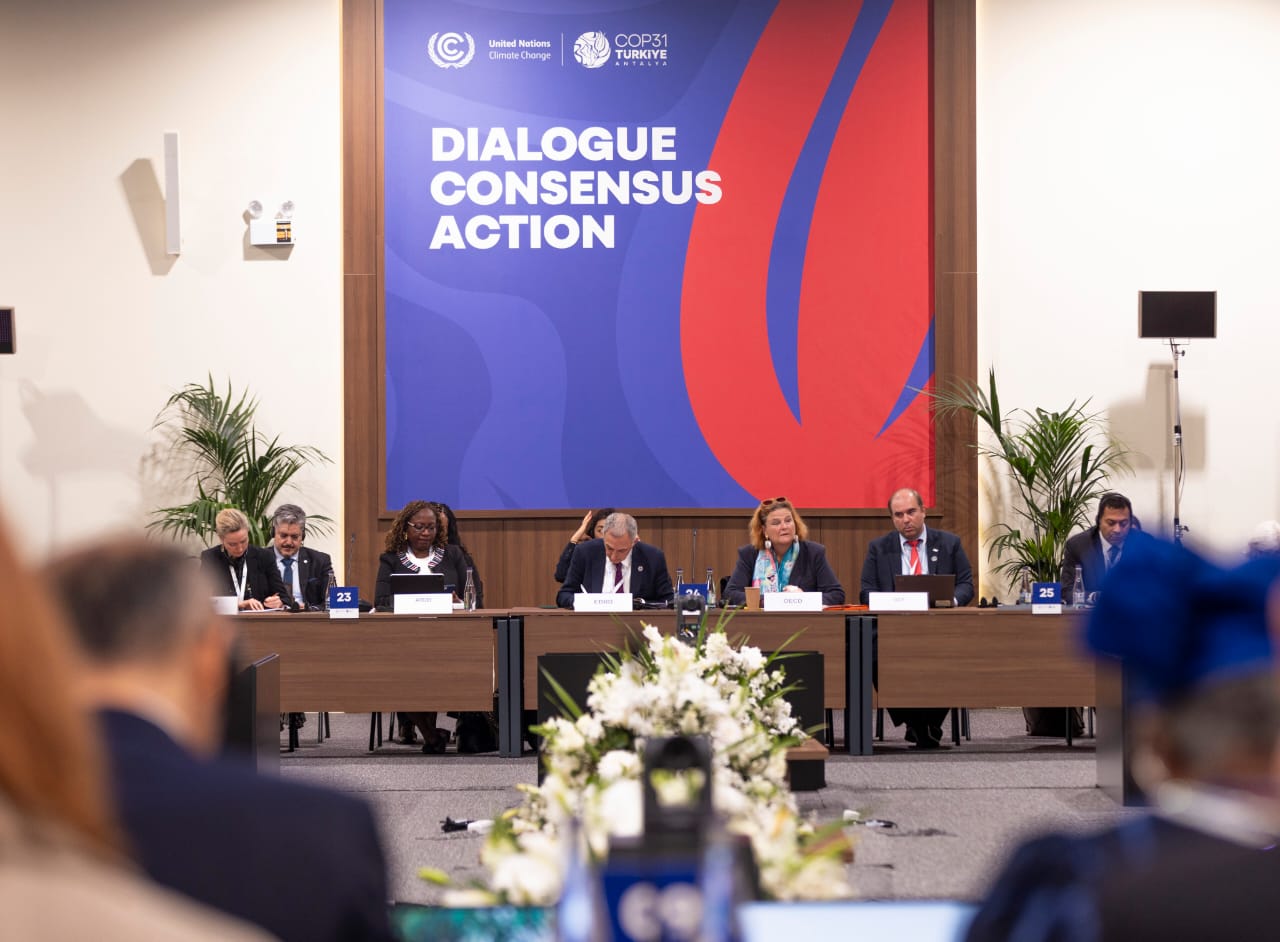
On November 11, Nsengiyumva participated in the High-Level Dialogue on Seizing the Green Industrial Opportunity – Investment, Jobs and Growth for Every Economy.
The discussions examined how countries can use the transition to cleaner economies to attract investment, create jobs and expand industrial capacity. Rwanda highlighted opportunities in renewable energy, clean cooking, electric mobility, sustainable agriculture and the circular economy.
On November 12, the Prime Minister attended the High-Level Event on the Global Grids Accelerator, titled Powering the Future – Grids for Energy Security and Prosperity.
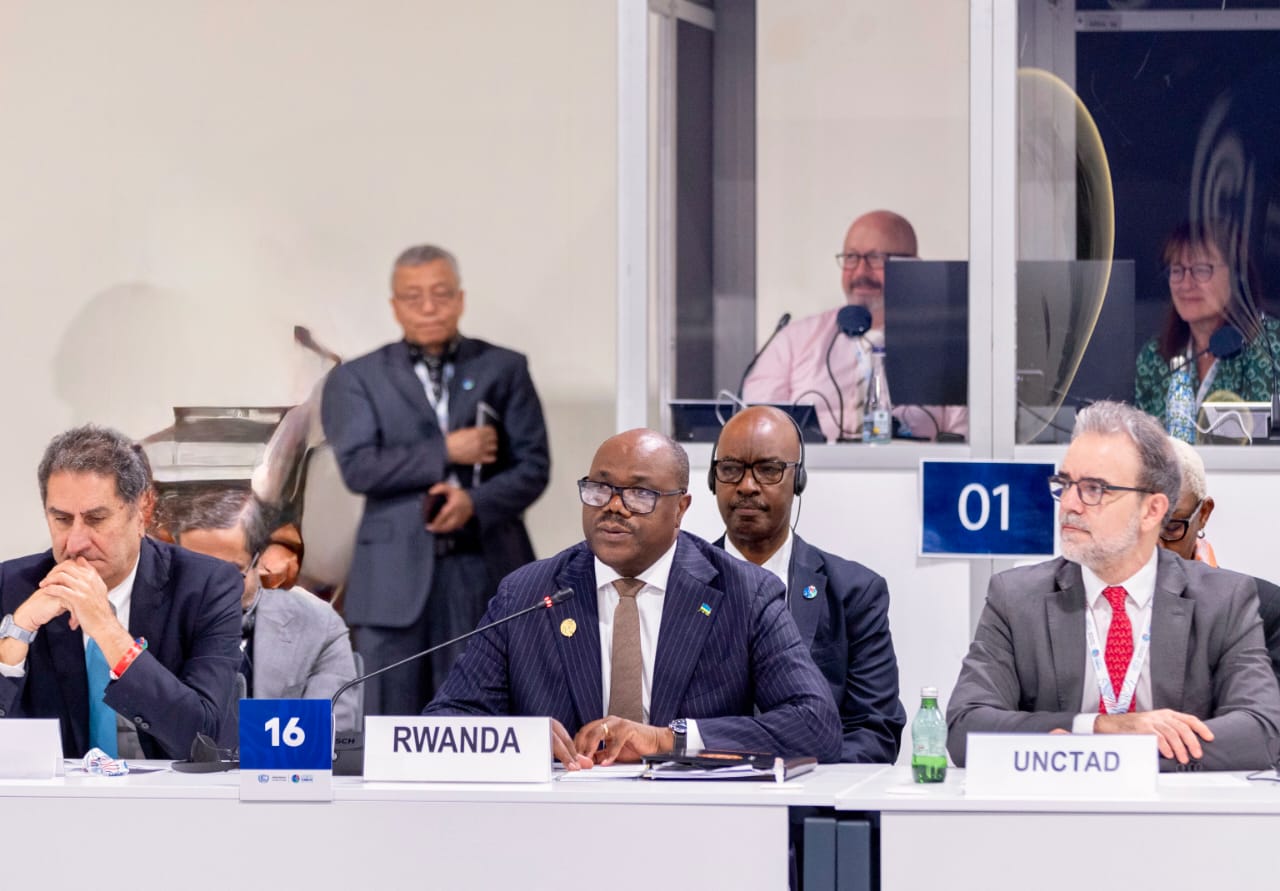
The event was presided over by United Nations Secretary-General António Guterres and focused on the role of electricity transmission networks in improving energy security, expanding access and supporting economic growth.
The discussions included the Mission 300 initiative, which aims to connect 300 million people in Africa to electricity by 2030. Rwanda highlighted the need to expand transmission capacity by 70 per cent and increase regional electricity trade from 100 megawatts to 200 megawatts as part of its wider ambitions for the power sector.
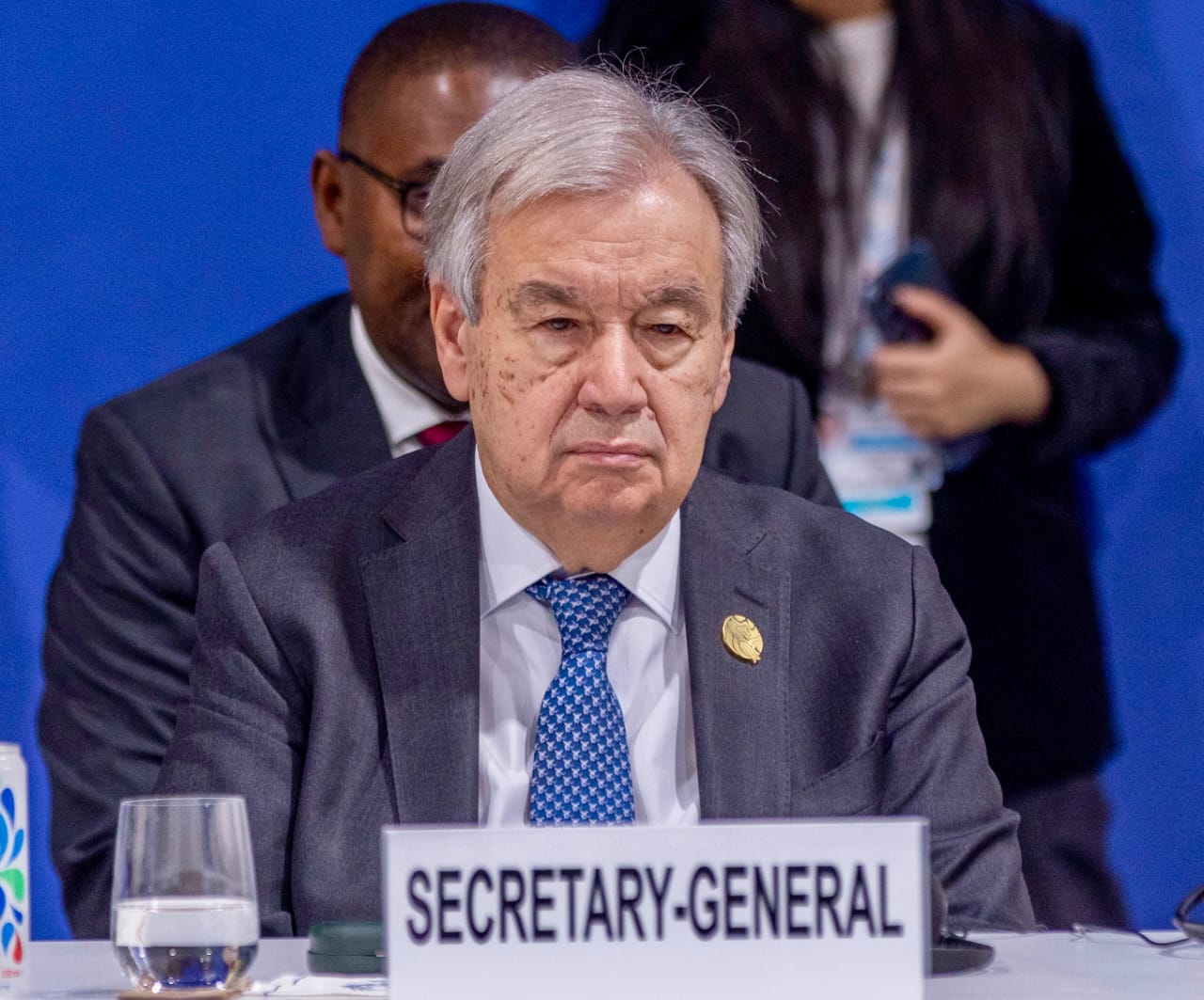
The country presented an estimated US$3.05 billion in overall investment needs for its electricity ambitions, including US$1.3 billion for grid infrastructure. It called for greater access to project financing from multilateral development banks and development finance institutions to help deliver the required infrastructure.
Nsengiyumva also participated in a high-level roundtable marking the second decade of the Paris Agreement, which focused on accelerating implementation and improving access to climate finance.
Rwanda outlined its national frameworks, including Vision 2050, the Green Growth and Climate Resilience Strategy and the Rwanda Green Fund, as mechanisms for guiding climate investments. The country also highlighted climate budget tagging and its Green Taxonomy as tools to align public and private financing with environmental priorities.
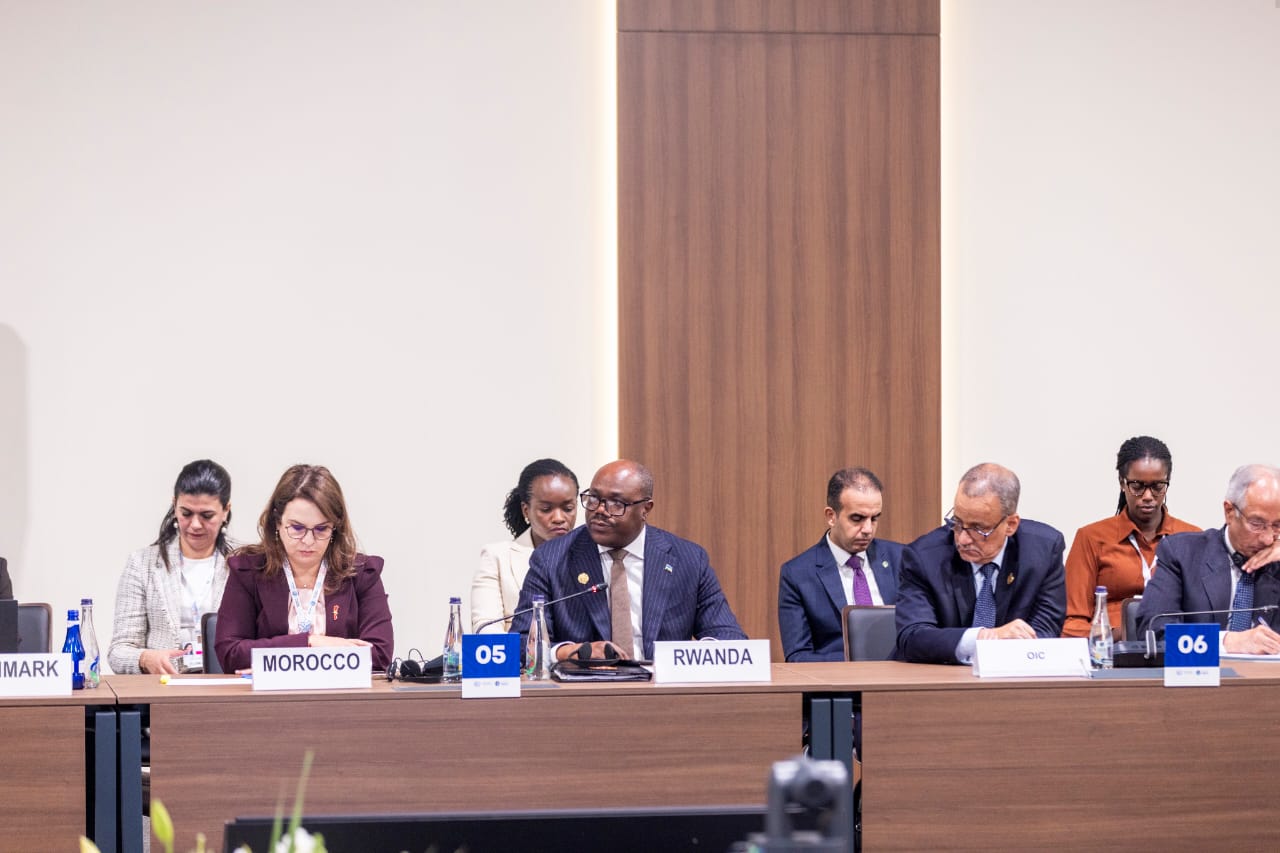
Rwanda called for climate finance that is more accessible, predictable and responsive to the needs of developing countries, arguing that the implementation of climate commitments depends on the availability of adequate resources.
Urban resilience was another major focus of the Prime Minister’s engagements. At the High-Level Dialogue on Urban Resilience, Adaptation and Climate Action, discussions centred on the growing costs of climate-related risks in cities and the financing required to protect urban populations and infrastructure.
Developing countries are estimated to need more than US$300 billion annually for climate adaptation by 2035. Rwanda presented investments of about US$195 million in Kigali, including the restoration and protection of five wetlands covering approximately 500 hectares. These interventions are intended to reduce flooding risks for more than 220,000 residents.
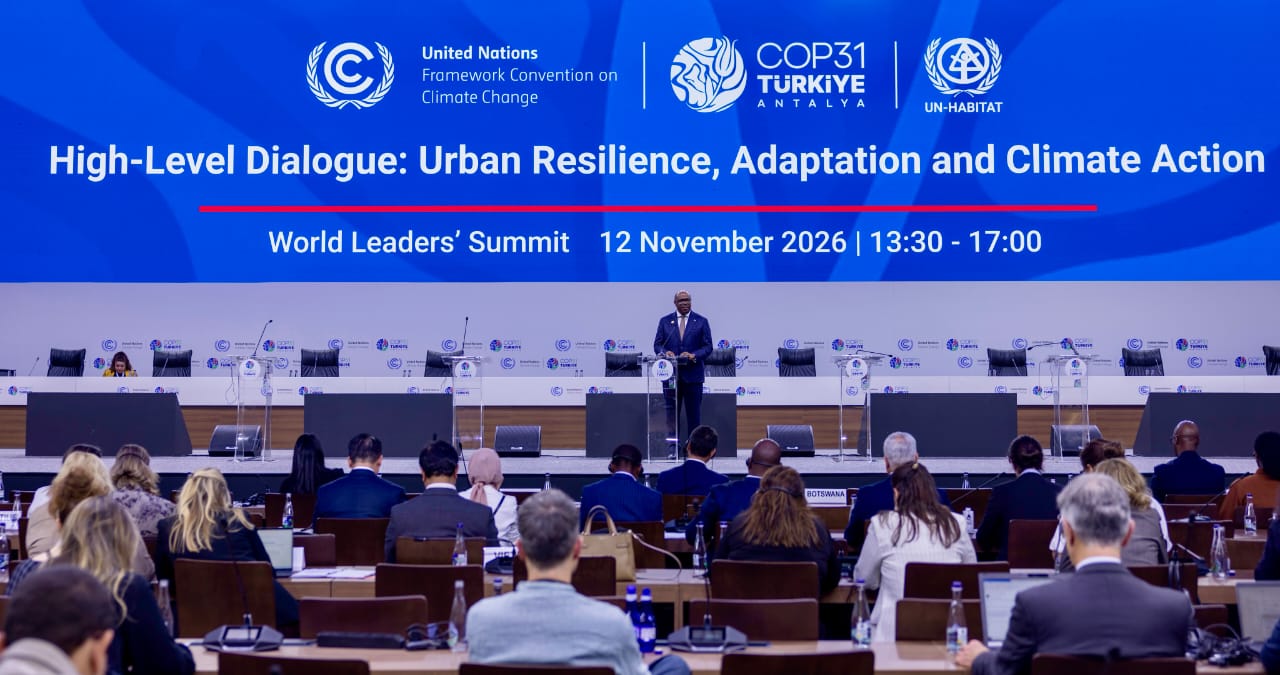
The country also highlighted the need to strengthen resilience in secondary and satellite cities as urbanisation expands beyond Kigali. Its updated climate commitments under the third Nationally Determined Contribution (NDC 3.0) provide a framework for addressing these challenges.
Rwanda also pointed to international cooperation, including Türkiye’s Sustainable Urban Resilience for the Future Fund (SURFF), as an example of how partnerships can support urban adaptation and resilience programmes.
Agriculture featured in another high-level side event on climate-smart agriculture hosted by the Rwanda Green Fund. The discussions examined how climate investment can protect food production, improve farmers’ livelihoods and strengthen the resilience of agricultural systems.
Rwanda highlighted the Green Gicumbi project, which has supported climate resilience in Gicumbi District and benefited approximately 249,000 people. The initiative combines landscape restoration, sustainable land management and measures to help communities adapt to changing weather conditions.
The country also linked climate-smart agriculture to its wider economic targets under the second National Strategy for Transformation (NST2) and the fifth Strategic Plan for Agriculture Transformation (PSTA5). These include increasing crop productivity by 50 per cent, maintaining agricultural growth above 6 per cent, and doubling agricultural exports and private investment by 2029.
Agriculture accounts for approximately one-fifth of Rwanda’s gross domestic product, making climate resilience in the sector important not only for food security but also for employment, exports and economic growth.
Across the different engagements, Rwanda’s message was that climate commitments must be backed by financing and partnerships capable of delivering projects on the ground. The country is seeking to move beyond policy commitments towards investments in power infrastructure, resilient cities, green industries and agriculture that can support its long-term development ambitions.