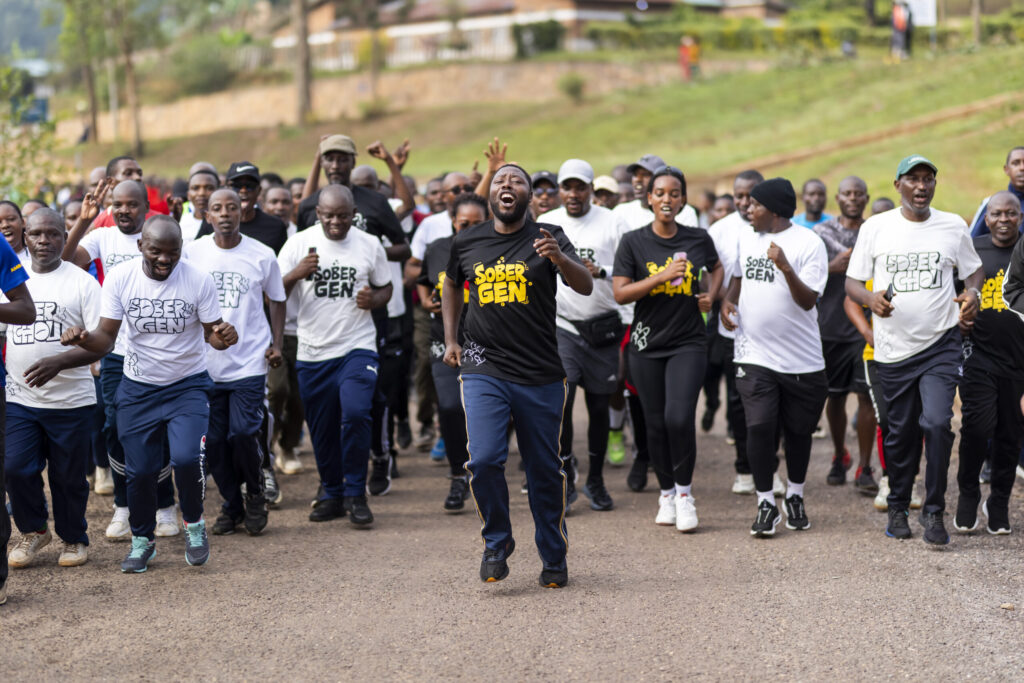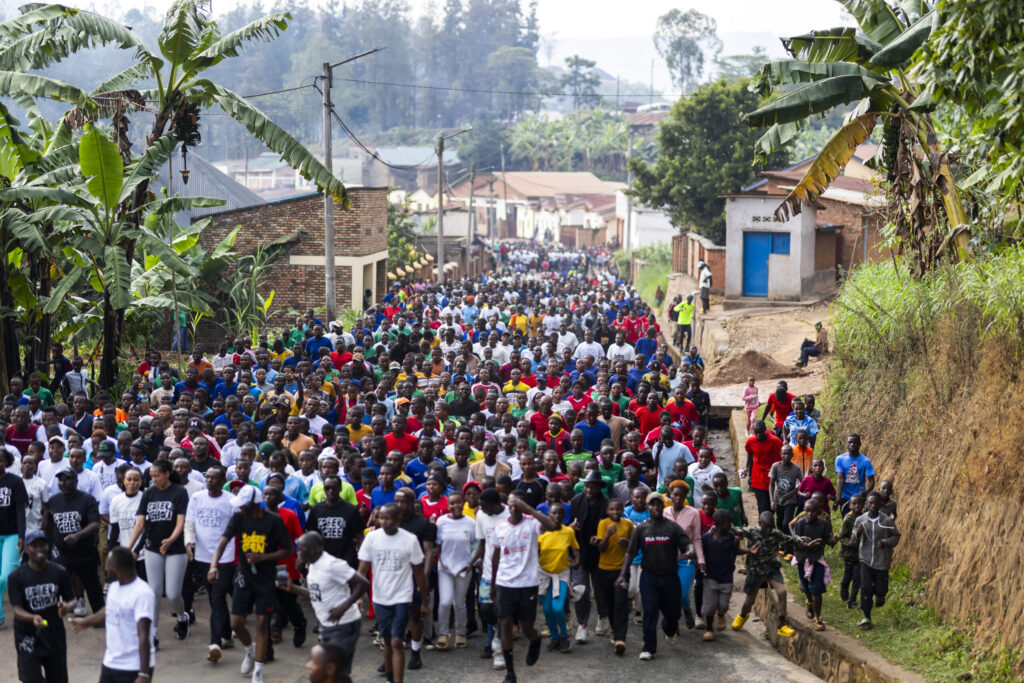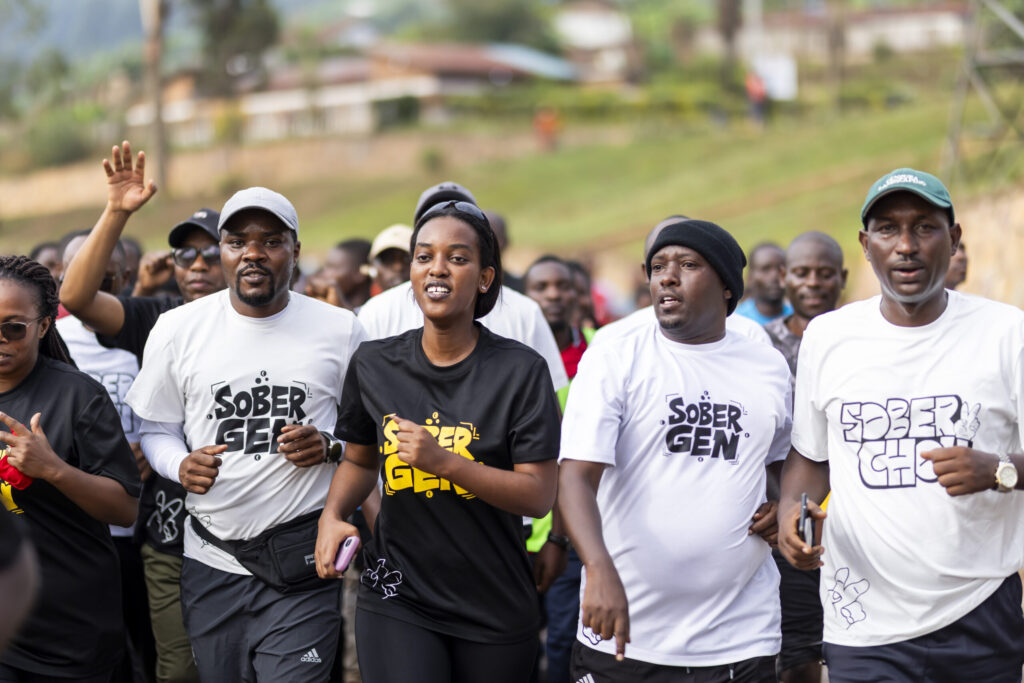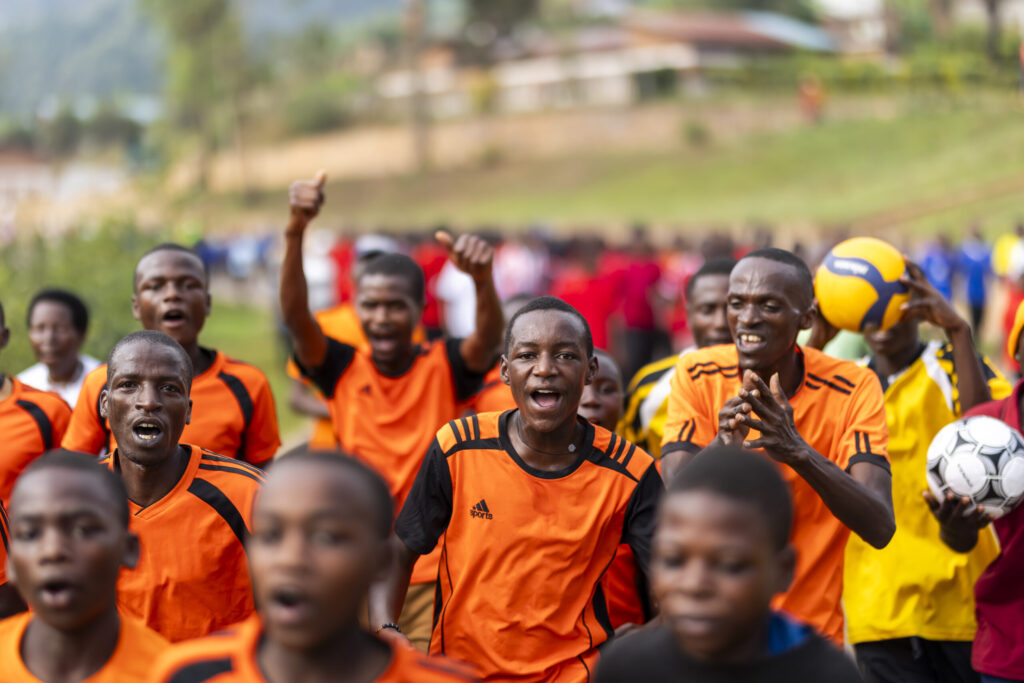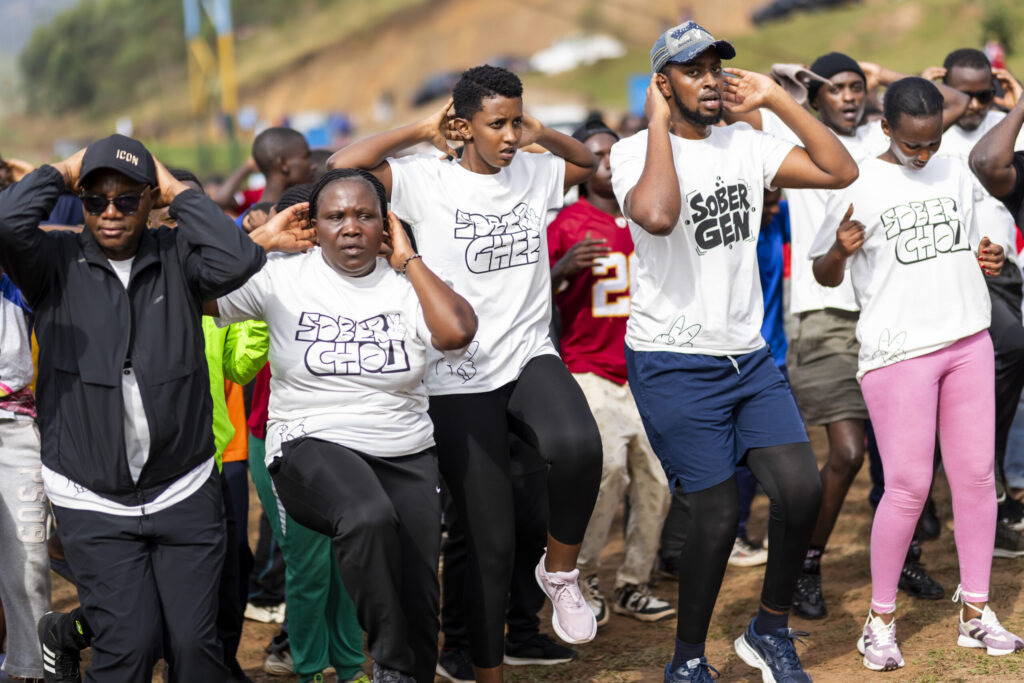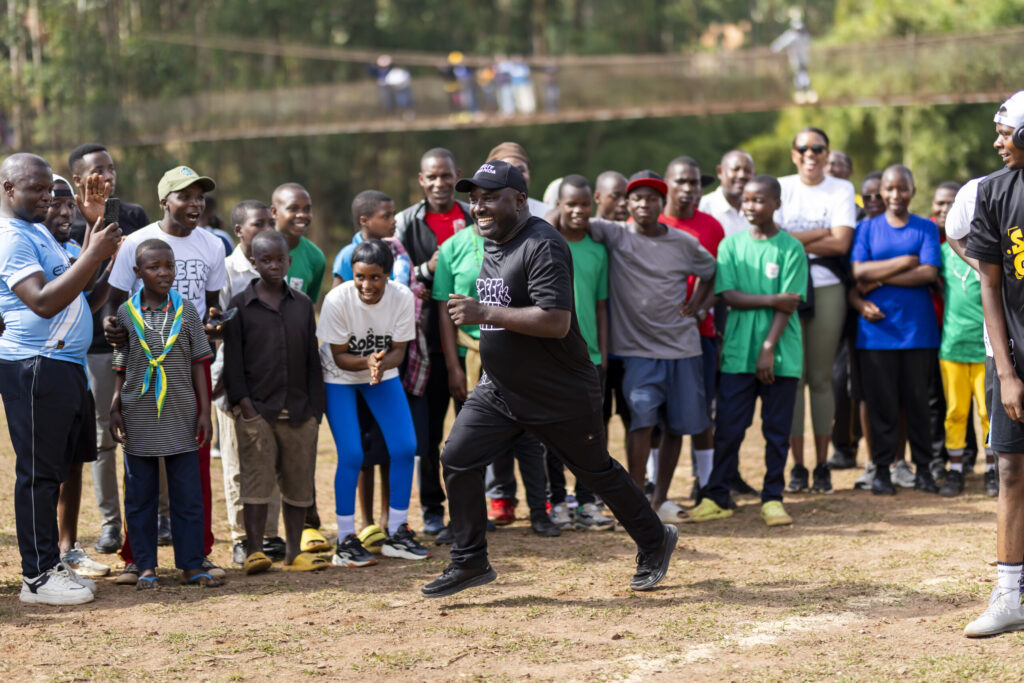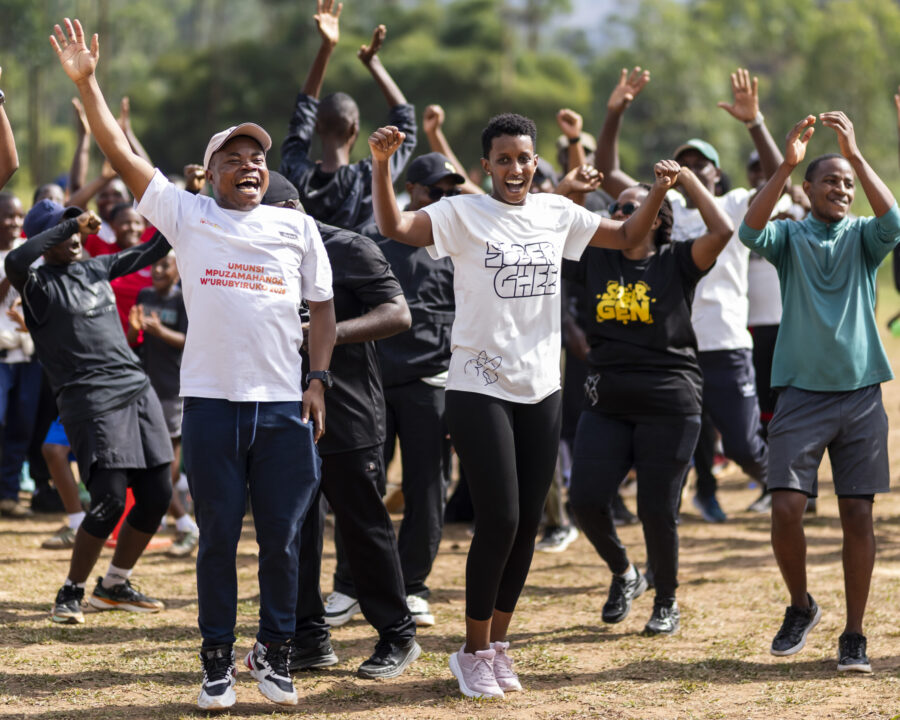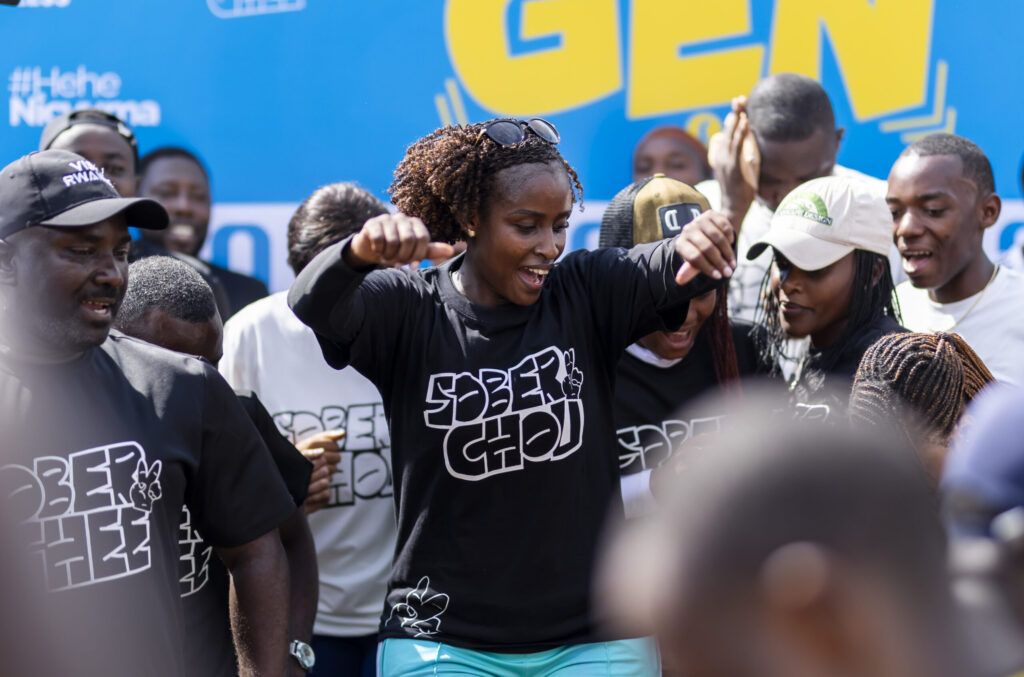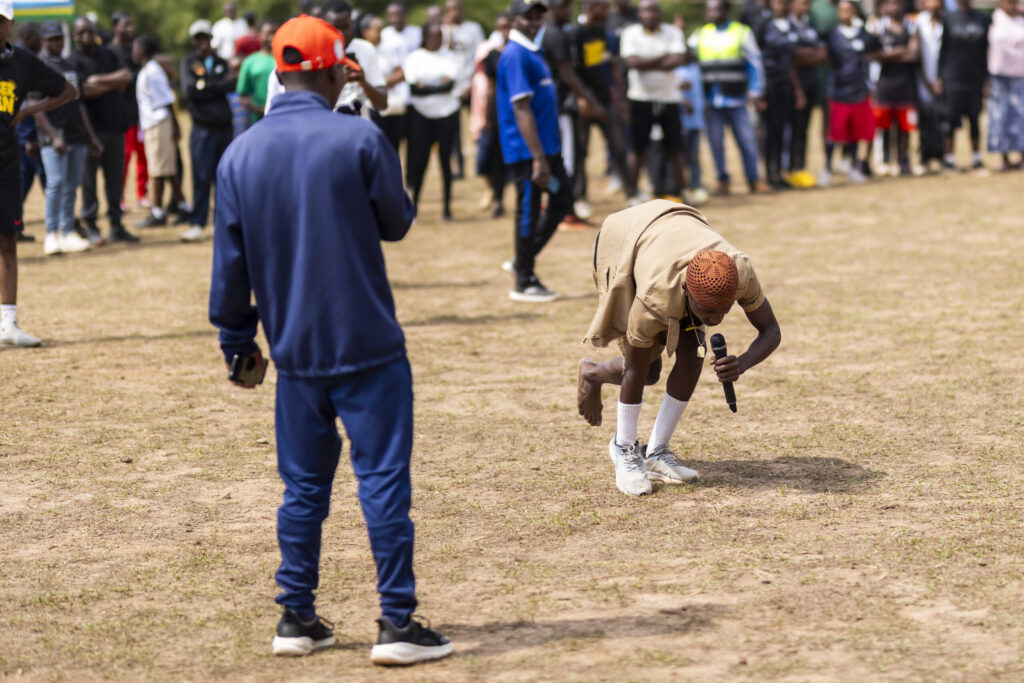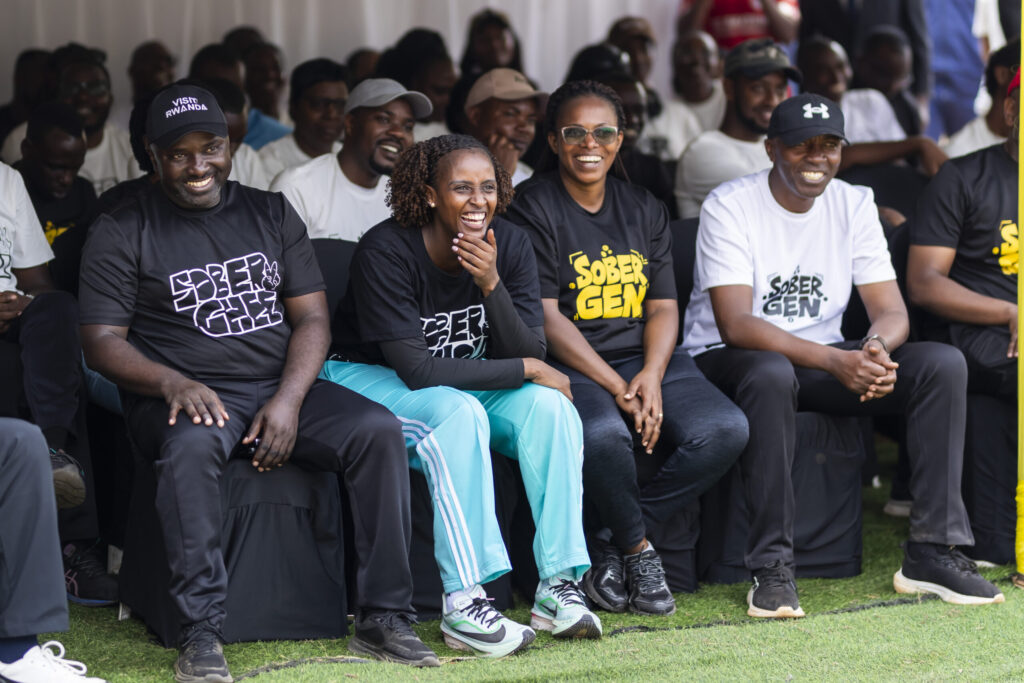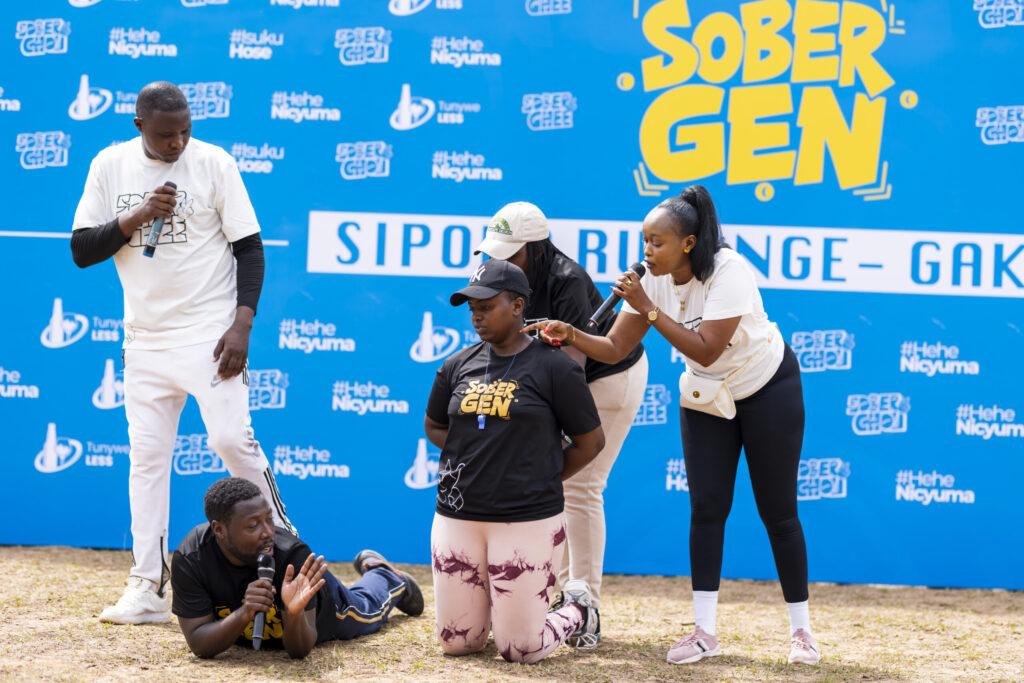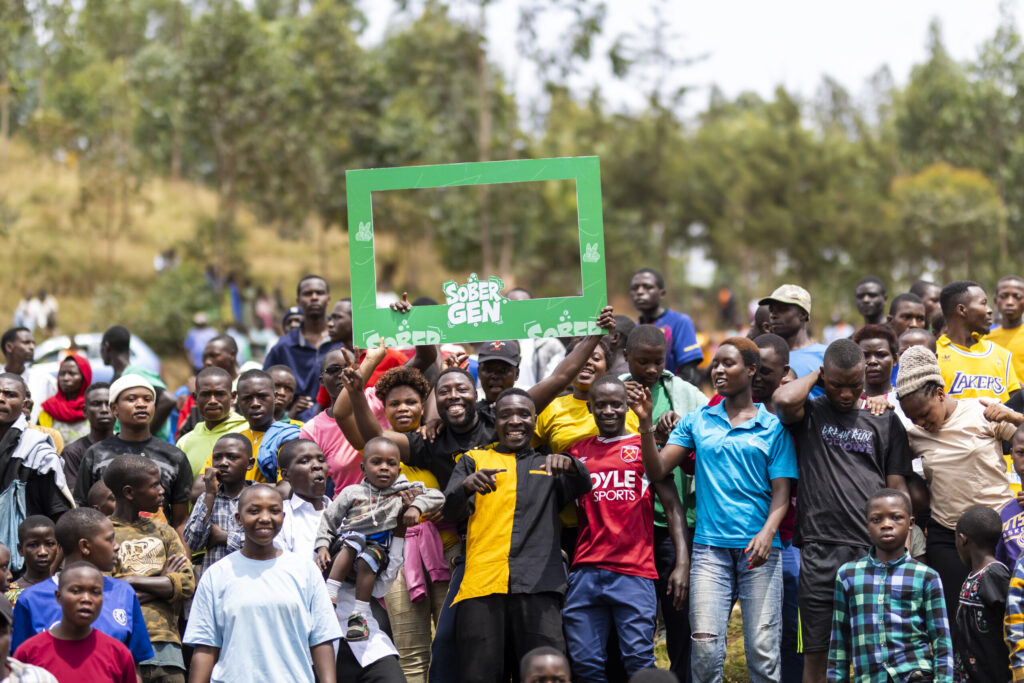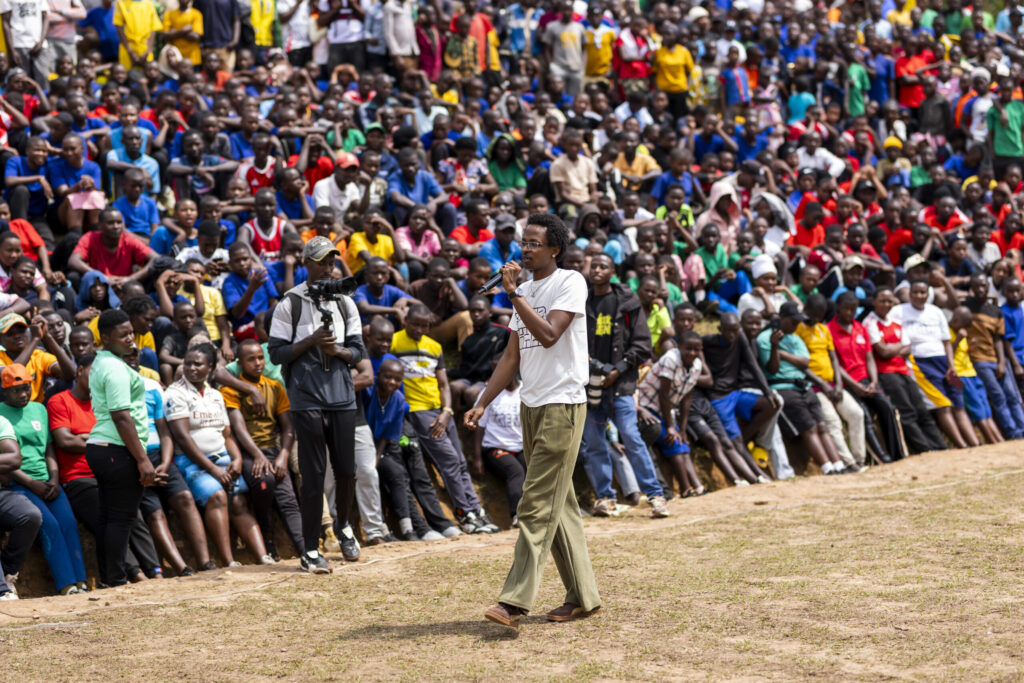


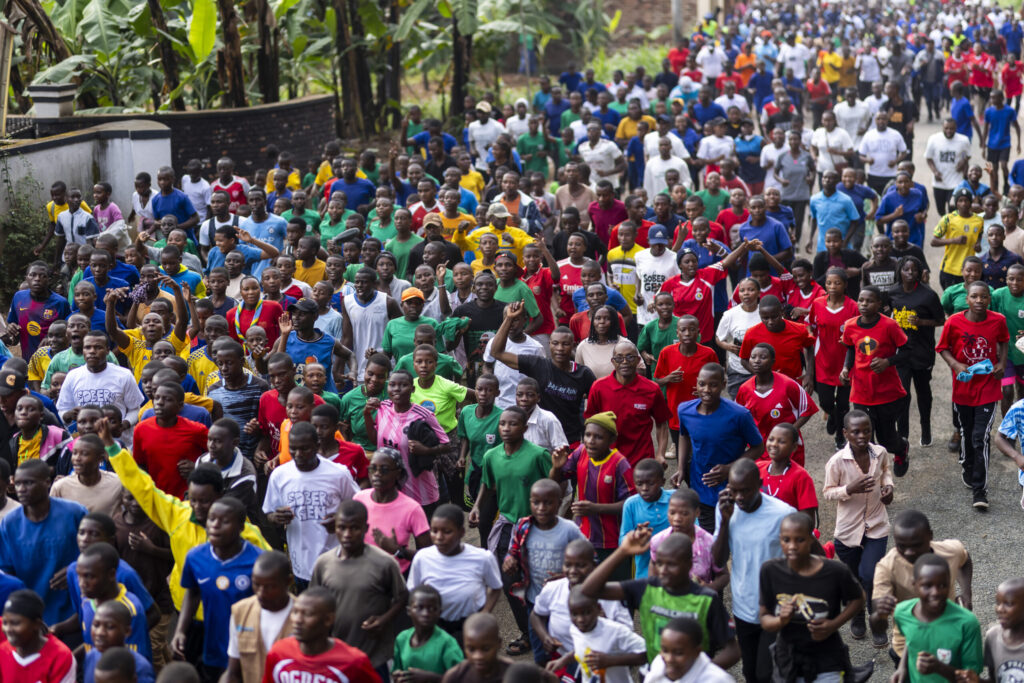
Residents turned up in large numbers in Gakenke district in the special car free day.
GAKENKE – Queen Kalimpinya knows what it feels like to lose time on the road. As a rally driver, she also understands that a wrong turn does not necessarily mean the race is over.
You reverse, get the car back onto the road and push on. If the damage is too much, you ask for help to be pulled back into the race. On Sunday in Gakenke district, Kalimpinya asked residents to look at life in much the same way.
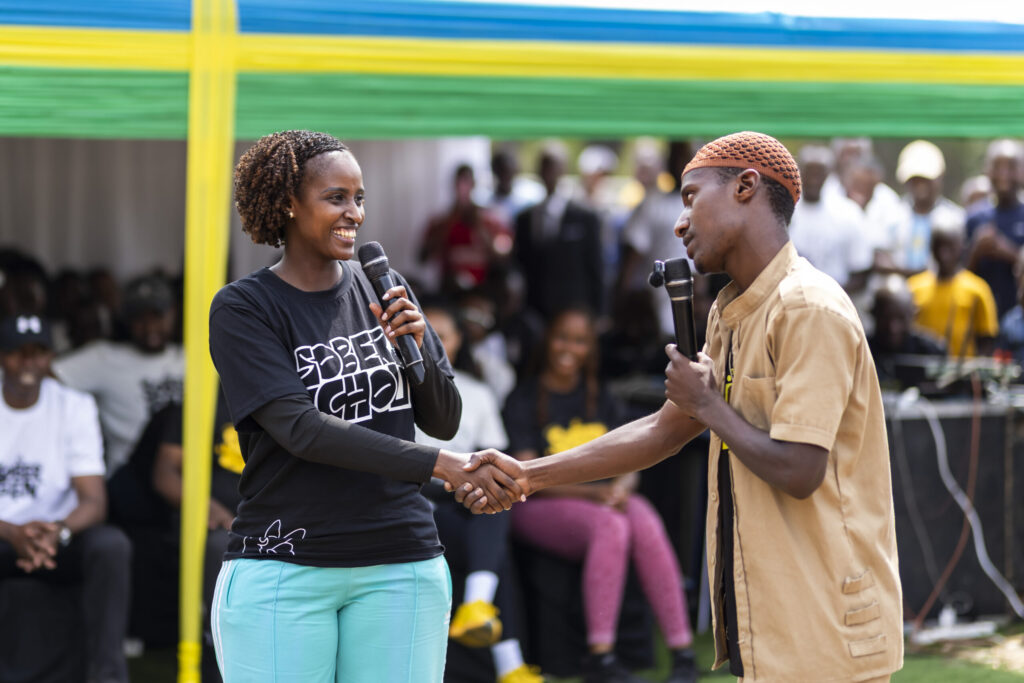
“If you are still on track and you are sober, just stay on track. If you have veered off the road, reverse your vehicle or your life and get back on track,” Kalimpinya told participants during a special Car Free Sports Day in the Northern Province district.
“And for those already struggling with addiction, there is no shame in asking for help. When you feel you cannot get back on track, there are rehabilitation centers, health facilities and counsellors where people can get assistance,” she explained
Her remarks came as Gakenke used a day normally associated with exercise to bring the fight against drugs and illicit alcohol closer to young people.
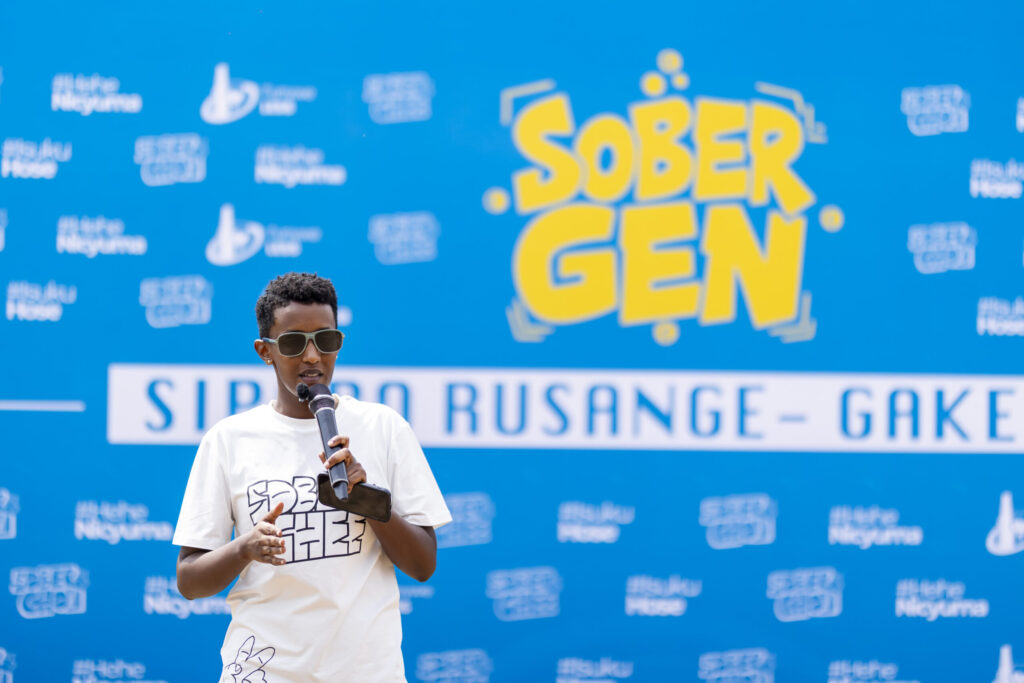
Queen Kalimpinya speaks about what it feels like to lose time on the road.
Residents gathered to play football and volleyball, ran, jumped rope, competed in taekwondo and joined traditional games such as agati.
Musicians, comedians, social media influencers and other public figures also joined the event as part of the wider national campaign for a “Sober Generation.”
For Gakenke, the issue is particularly significant because more than 120,000 of its residents are young people.
The district says its campaign has already moved beyond public messaging with more than 7,500 litres of illicit drugs having been disposed of, valued at more than Rwf18 million, while hundreds of bars operating in substandard conditions have been closed.
The Mayor said the district is taking the campaign through its sectors, with a focus on helping young people develop discipline and make choices that will shape their future.
“Most of these people here will be old adults when we reach Vision 2050. So it is important that we have our youths protected so that in future we can have sober adults who can help in the development of our country,” he said.
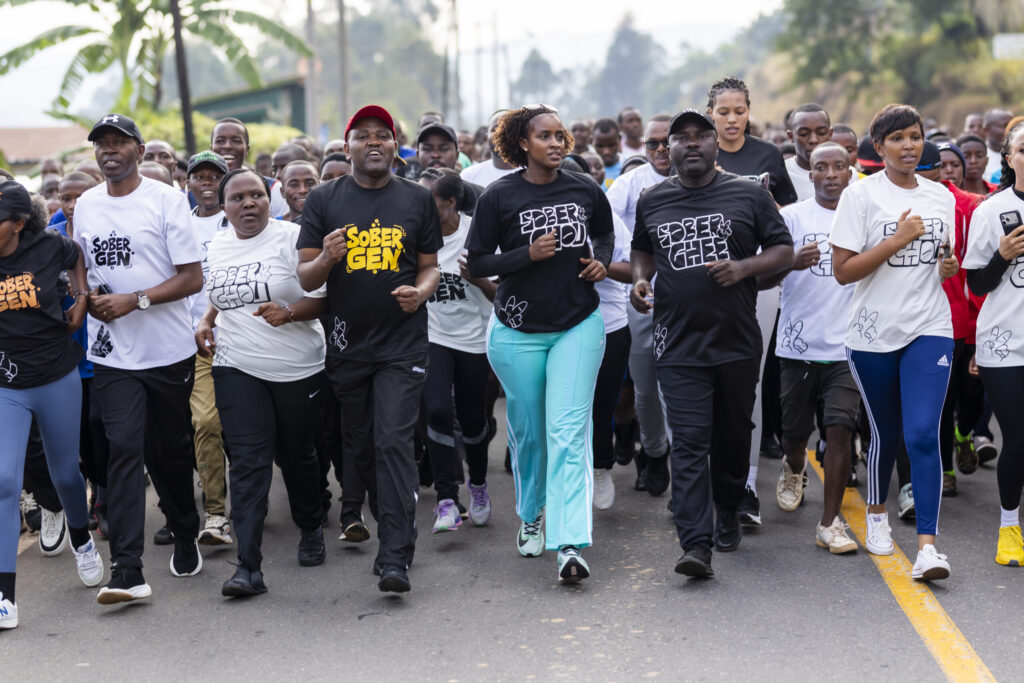
Leaders including Sports Minister and Northern province Governor joined residents in the Car free day.
The district is also focusing on sport as part of that future. Gakenke is planning to upgrade its stadium, while its women’s football team, which won the second division trophy last year, is preparing to compete in the first division of the Rwanda Women Premier League.
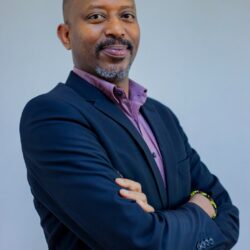
Northern Province Governor Maurice Mugabowagahunde said sport provides an opportunity to keep young people engaged while building habits that extend beyond the playing field.
“Sports is life, and we are encouraged that these are things that we should be using and be close to our youths in order to develop both economically, physically and mentally,” he said, cautioning that the environment in which young people grow up matters just as much.
“If a child grows in a house where the parents are drunkards all the time, they go through bars while going to school, this is very dangerous because the child will develop knowing that that’s the life that they have to live, which is not true,” Mugabowagahunde said.
That is why, he said, the campaign must also reach homes. Residents who still keep illicit drugs or alcohol should surrender them rather than allowing them to remain in the community.
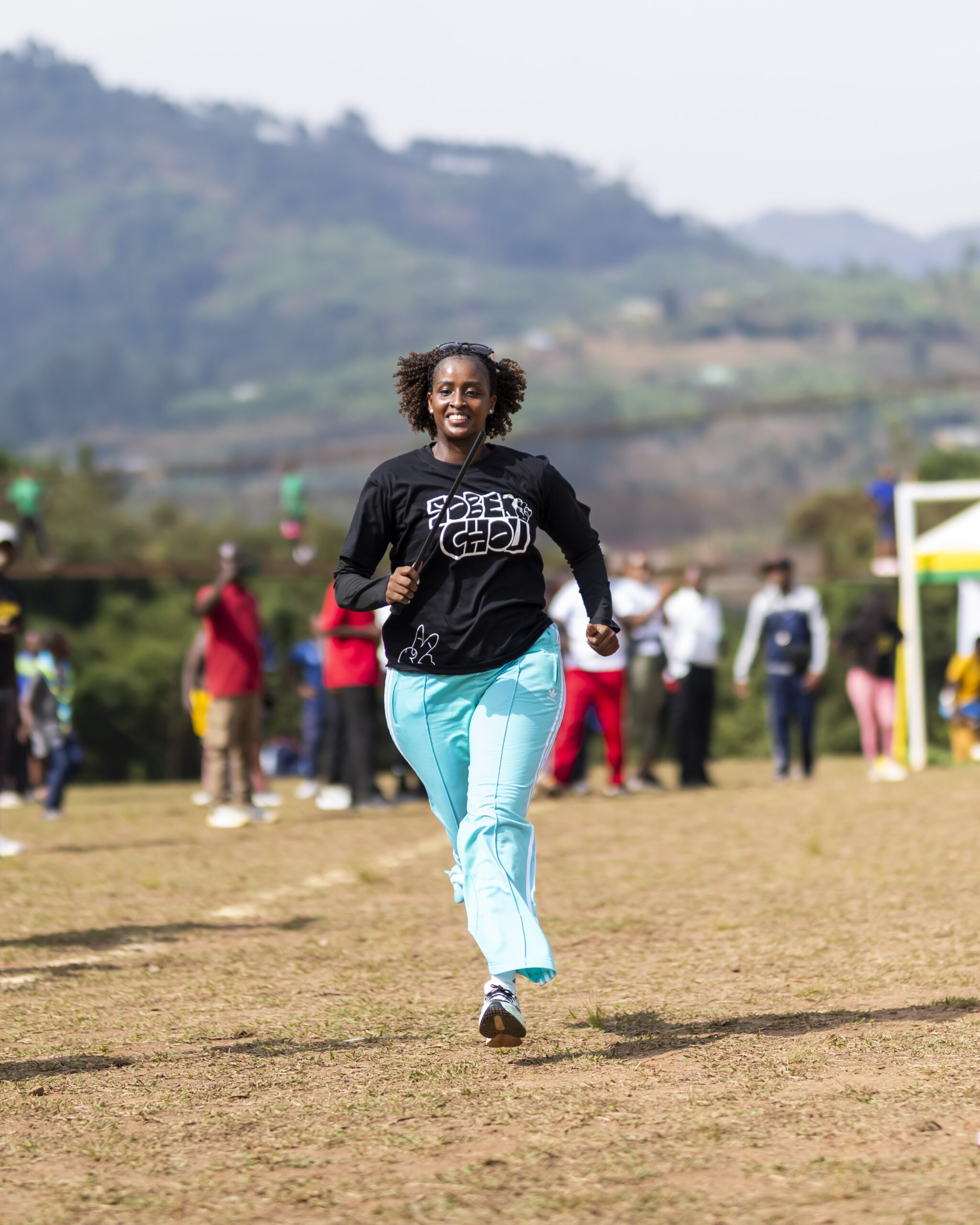
Sports Minister Nelly Mukazayire, who joined the activities, said the idea of a sober generation should not be reduced to a slogan.
“When we say a sober generation, we mean youths who are disciplined, who know the right decisions to take, who know what to do in order to improve their lives,” she said.
The minister, who also joined residents in the activities, urged especially young people to avoid drugs and illicit alcohol and make sport part of their lives.
For Kalimpinya, however, the most important part of the race may come after the mistake.
A driver who has lost time can still try to recover it. Someone who has left the road can still turn back. And when the car cannot move on its own, there is always the option of asking someone else to help out.
“Along the way you have wasted time, you have lost opportunities, you have lost valuable time, but this is a simple way of coming back,” she said.
In Gakenke, that was the point of bringing the campaign onto the playing field to ensure that young people are kept on the road before they lose their way, while reminding those who have already done so that getting back is still possible.