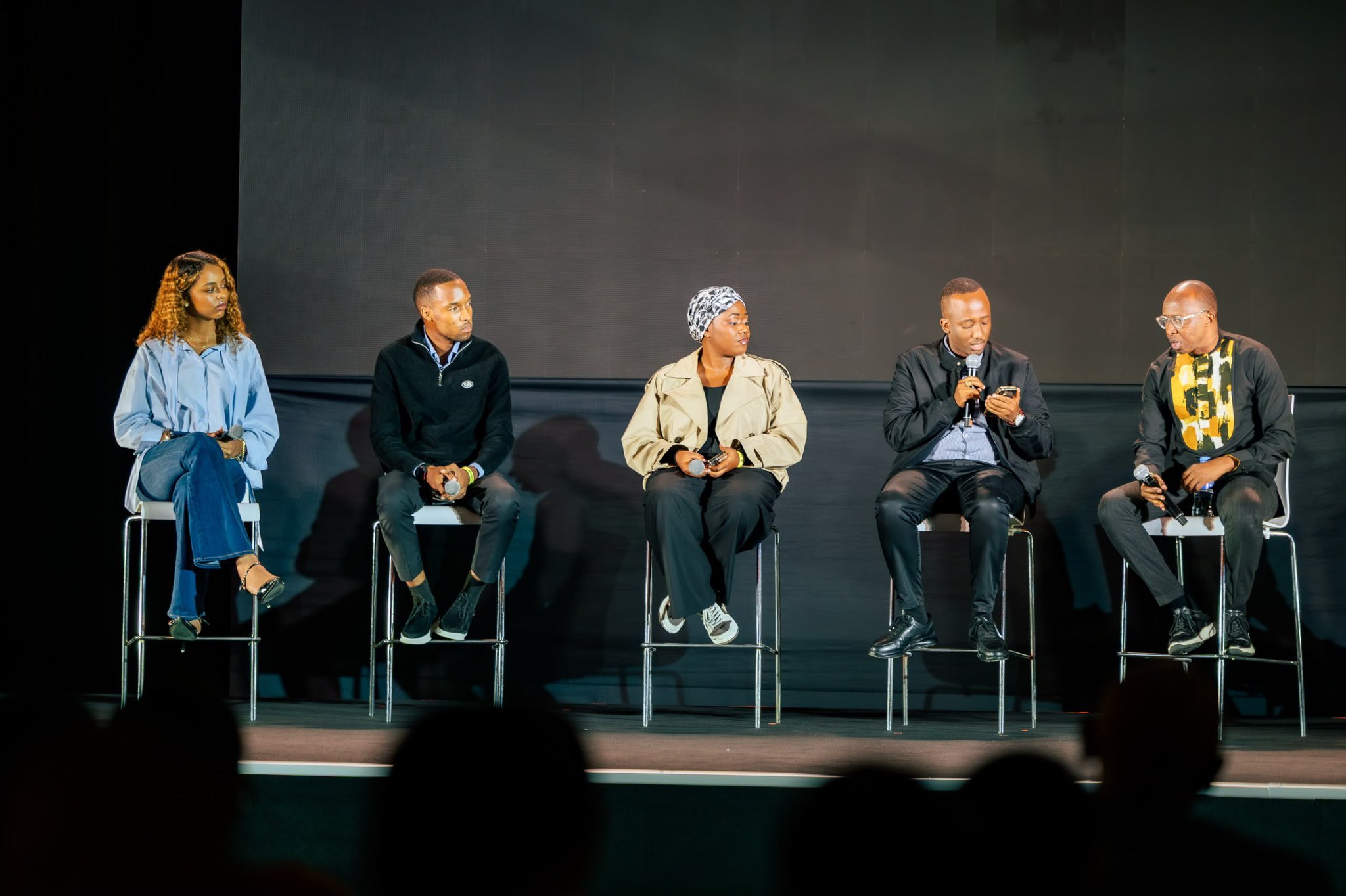

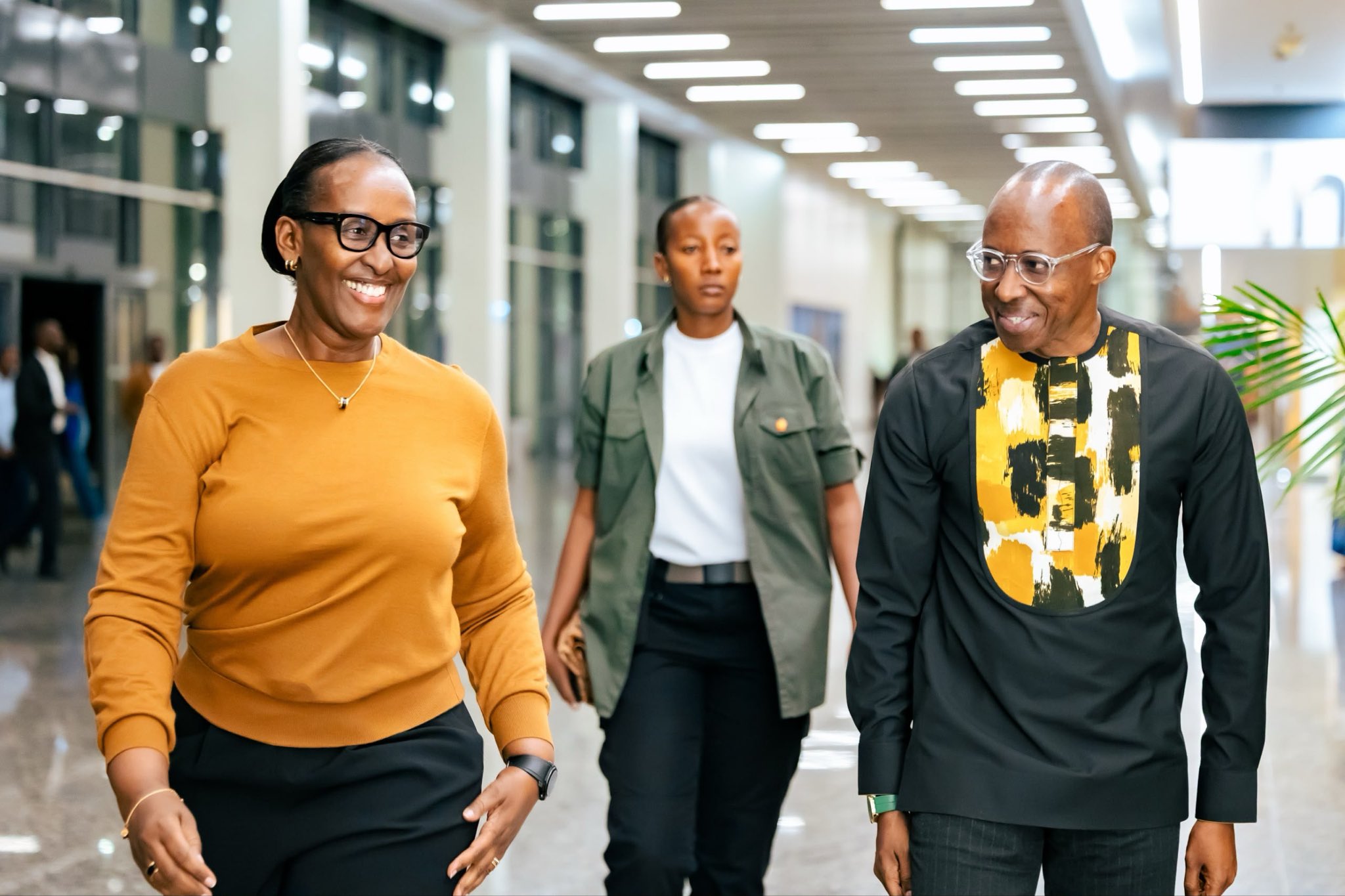
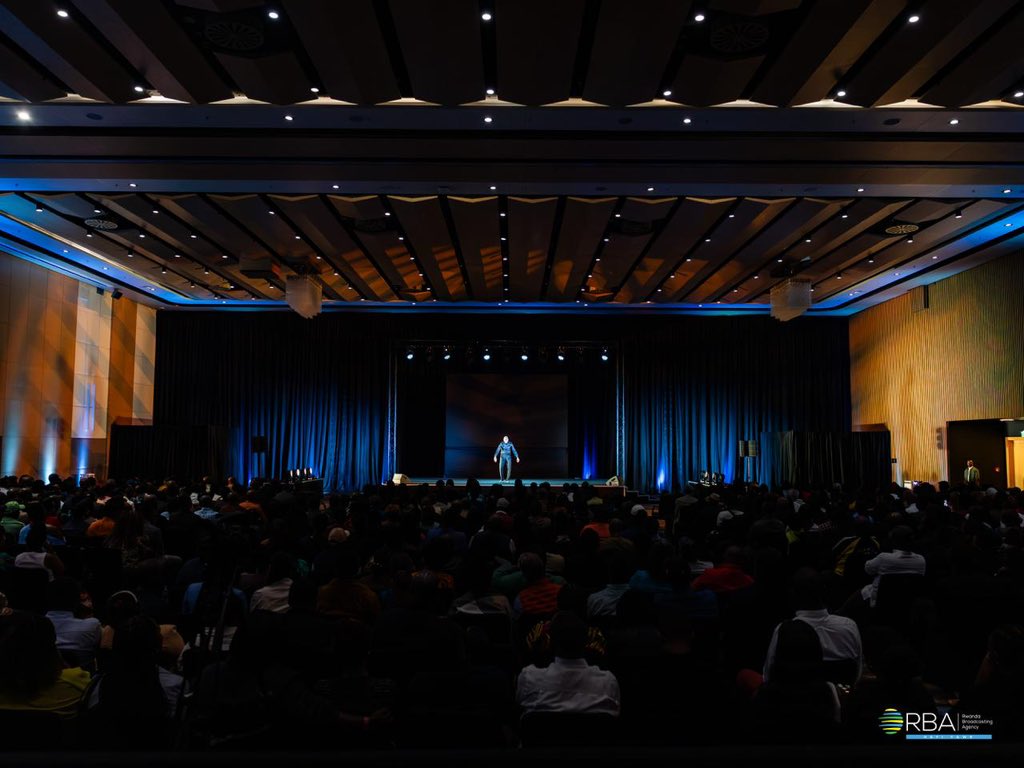
KIGALI — First Lady Mrs Jeannette Kagame joined a predominantly young audience at the Kigali Convention Centre on Saturday evening to watch a play that uses humour, personal memory and storytelling to revisit some of the most difficult chapters of Rwanda’s history.
The play, Carte d’Identité (Identity Card), was written and performed by Rwandan artist Diogène Ntarindwa, popularly known as Atome.
The performance explores Rwanda’s history through the experiences of a family shaped by displacement, exile and the search for identity.
At its centre is the story of Atome’s father, Philippe Niwemuto, whose experiences of leaving Rwanda and living in exile become a way of examining the country’s history and the choices made by a generation of Rwandans.
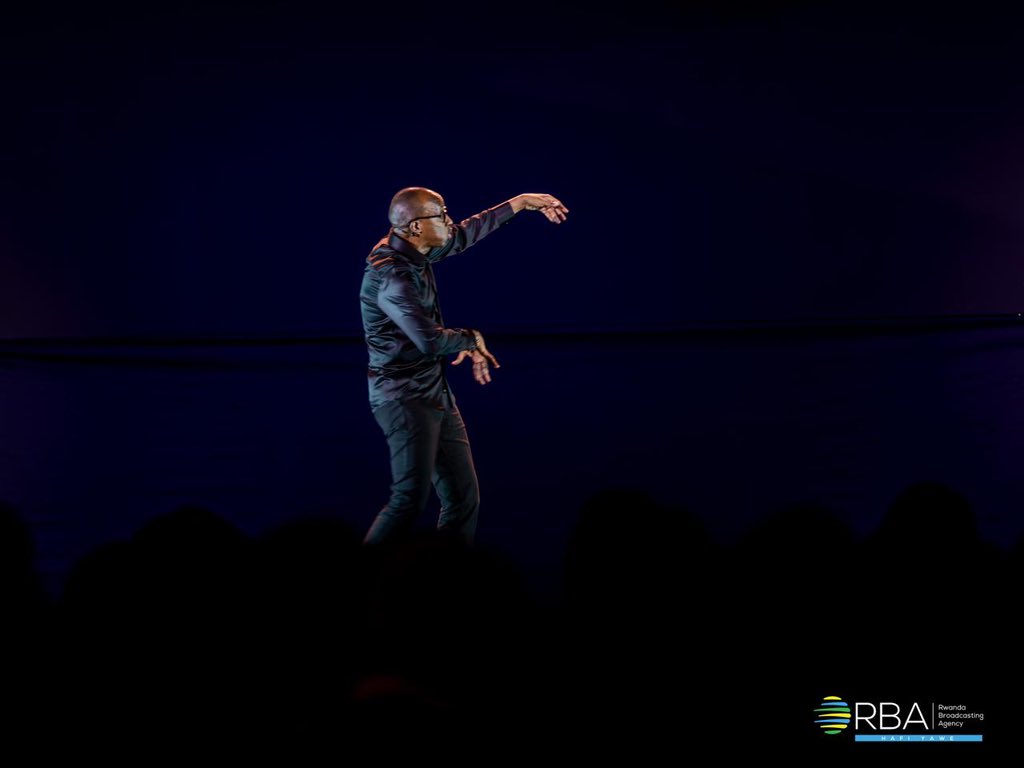
Ntarindwa performs different characters, using humour to tell a story that is also marked by loss, displacement and difficult memories.
The play moves between Rwanda, Burundi and what was then Zaire, now the Democratic Republic of Congo.
It begins with earlier chapters of Rwanda’s history before moving into the experiences of Ntarindwa’s family.
One of the central themes is identity.
Atome recalls his father telling him that he should understand himself as Rwandan above everything else.
That message becomes particularly important in a story shaped by years spent outside Rwanda.
The play recounts how the family left Rwanda through the southern part of the country and headed towards Burundi.
During the journey, Ntarindwa’s father witnessed cattle that had been cut and were bleeding, with blood mixing with milk.
The experience, according to the story told in the play, became one of the moments that convinced his father to leave Rwanda with his wife.
His parents chose to remain behind.
It was the last time he saw them.
The family later found itself in Zaire, where another conflict forced them to continue their journey on foot towards Burundi.
In Burundi, the family grew.
It was also where Atome was born and raised.
He recalls a childhood in which the family survived on simple foods, including cassava and porridge.
The memories are presented with humour, even though the experiences behind them are painful.
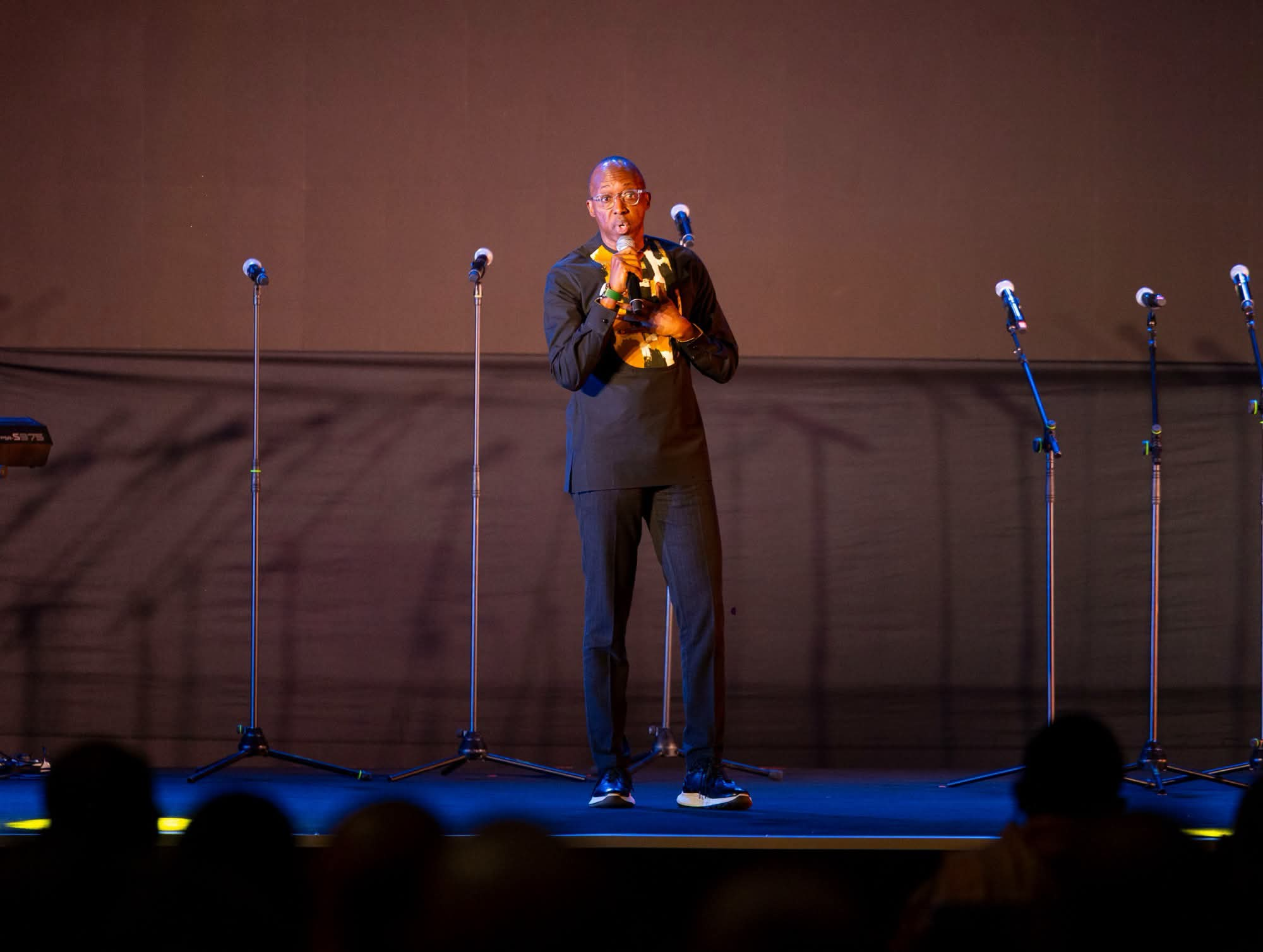
Atome uses the stage almost as a conversation with his late father, returning to memories of their life in Burundi and the experiences that shaped his understanding of Rwanda.
The story also explores the desire to return home.
Although life in Burundi had become familiar, the longing to return to Rwanda remained strong.
But the family faced a country whose authorities at the time did not want refugees returning, with the argument that Rwanda was already full.
These historical experiences are not presented as a conventional history lesson.
Instead, Ntarindwa turns them into a personal story.
He moves between characters, memories and moments of humour, allowing the audience to confront difficult history without losing the human dimension of the people who lived through it.
That combination of humour and painful memory was central to the performance.
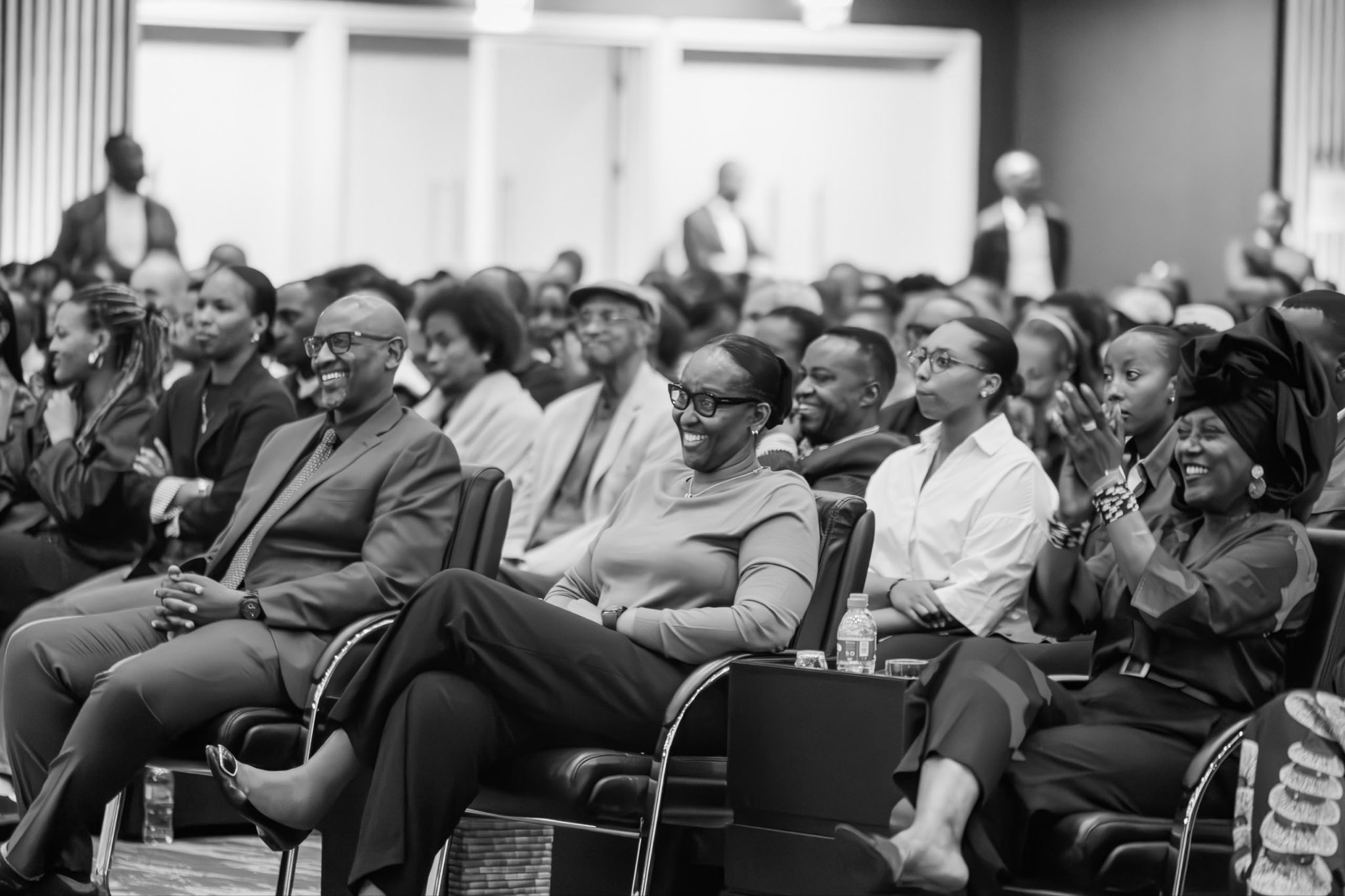
The play attracted laughter and painful memories, all in one evening.
The play touches on exile, identity, personal and collective memory and the relationship between generations.
It also asks younger audiences to engage with a history that many of them know largely through the experiences of their parents and grandparents.
For a production built around memories of displacement, the presence of a predominantly young audience gave the performance an added dimension.
The younger generation was not simply watching a story about the past.
It was being invited into a conversation between generations about where Rwanda came from and how those experiences continue to shape the country.
Jeannette Kagame watched the performance alongside the audience.
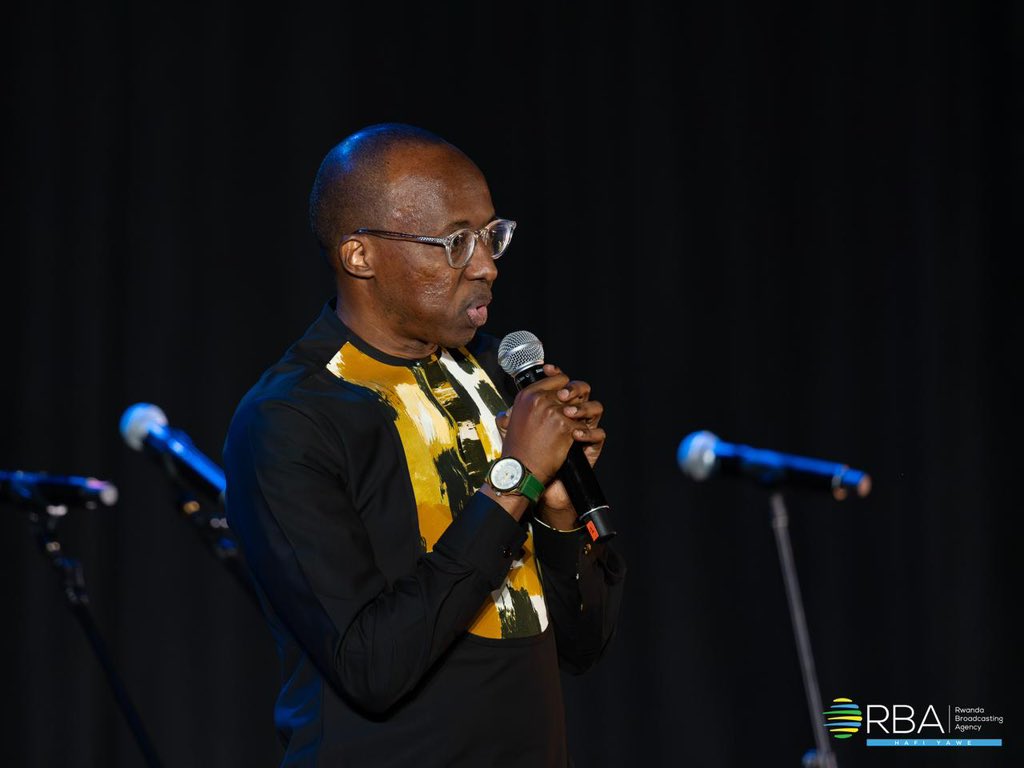
After the performance, Ntarindwa thanked the First Lady for attending and recognized the production team and the audience.
The evening also underscored the role of theatre in preserving and transmitting memory.
Carte d’Identité does not tell Rwanda’s history through dates and political speeches alone.
It tells it through a father and son, a journey across borders, a family separated from home and a child growing up in exile while carrying the memory of a country he had not yet returned to.
Through humour, music, emotion and storytelling, Atome turns those memories into a conversation with an audience that includes a generation born after many of the events he recounts.
The result is a performance that connects Rwanda’s past with its present, while asking a simple but enduring question: what does it mean to belong to a country when history has taken you away from it?