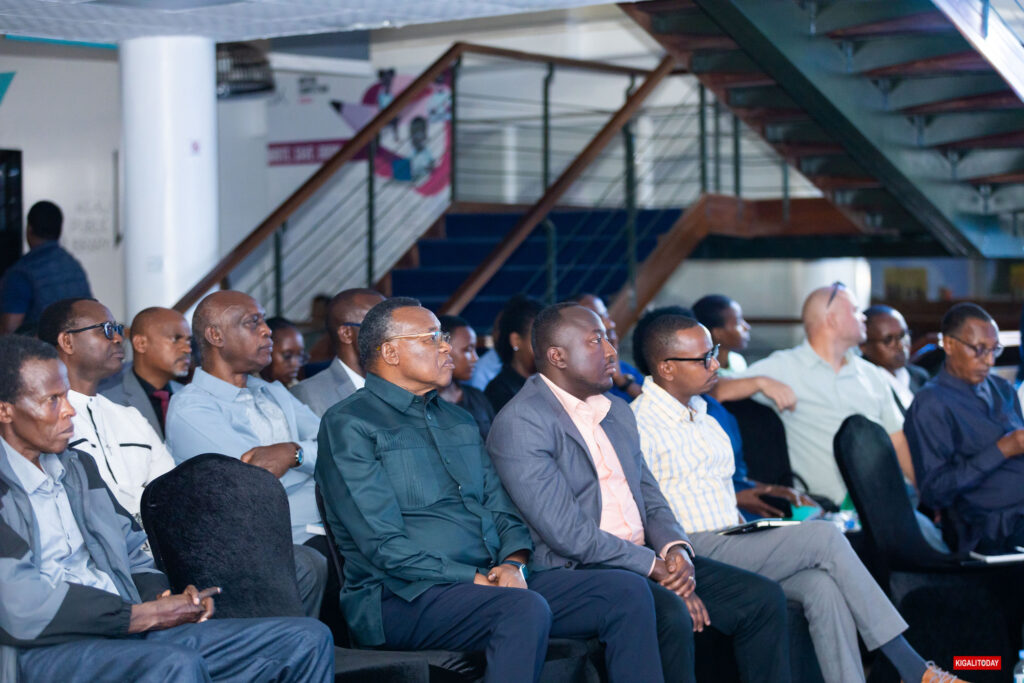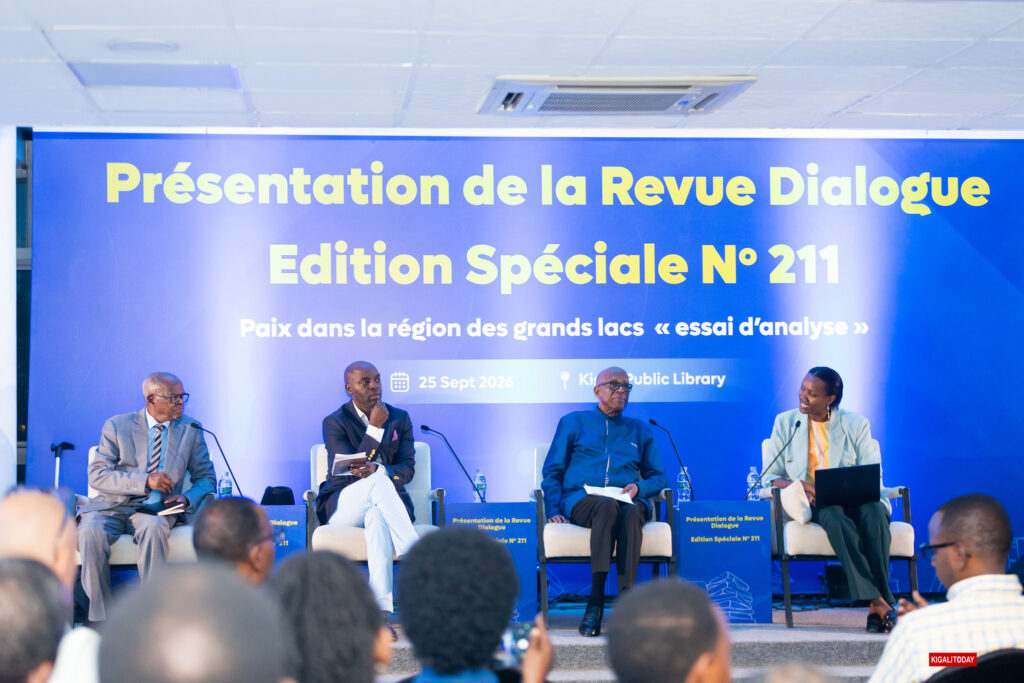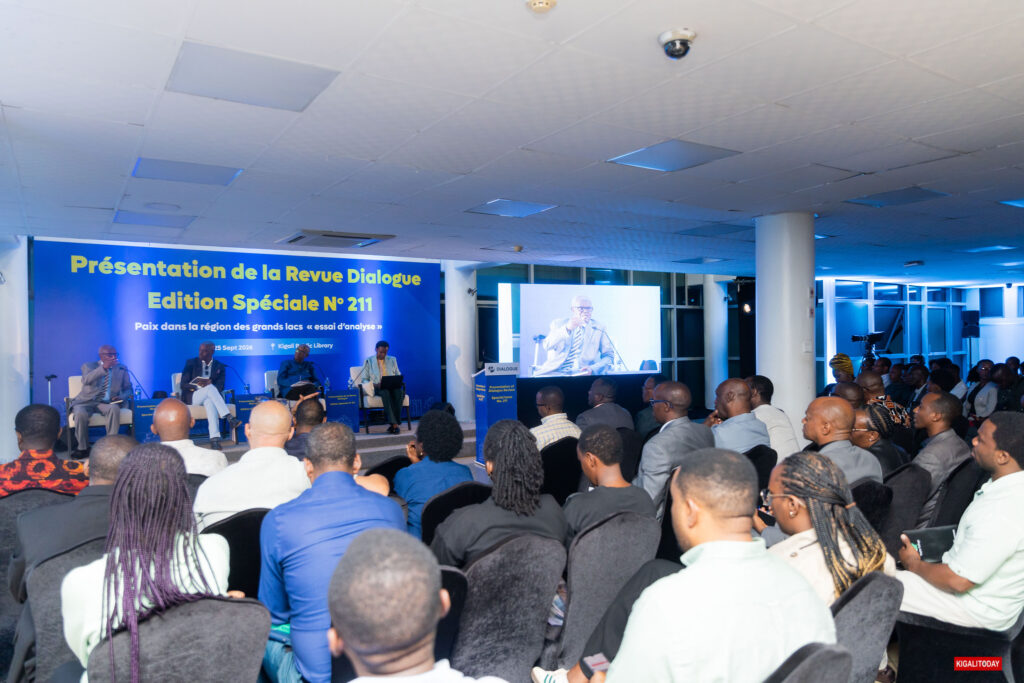
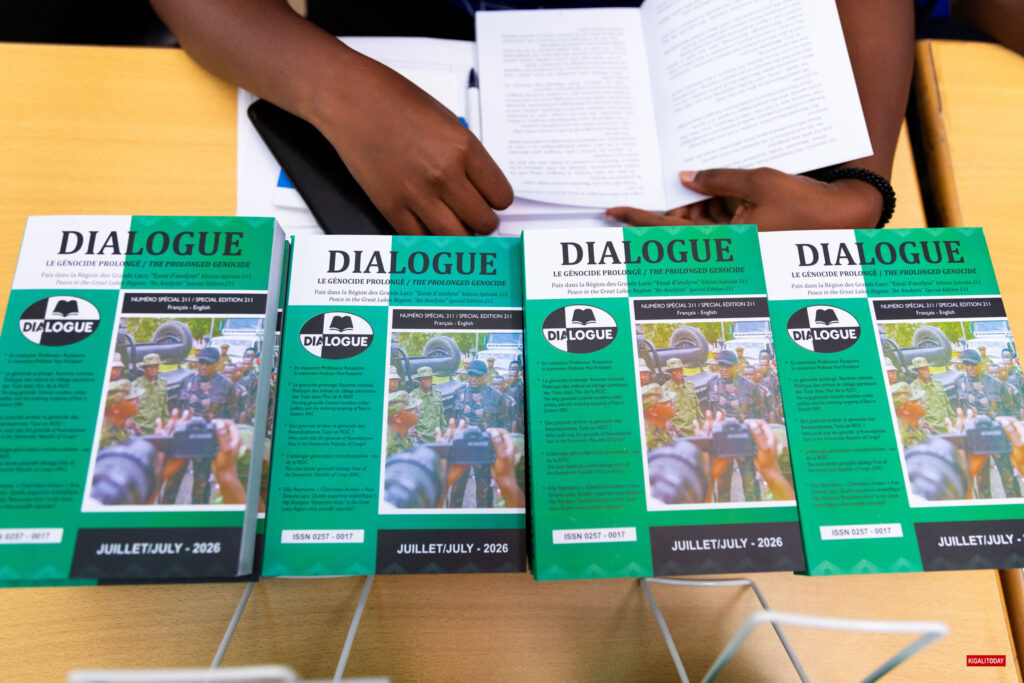
The latest edition of Revue Dialogue was recently presented in Kigali.
KIGALI – Thirty-two years after the Genocide against the Tutsi, one of the hardest questions facing the Great Lakes region today, is how the ideology has survived the people who first carried it across borders.
Although it once became a powerful tool for driving mass killings, experts warn that the ideology is now adapting to new circumstances and reaching a generation that was not even born when the genocide happened.
The latest edition of Revue Dialogue, recently presented in Kigali examines the continued anti-Tutsi violence against Rwandophone communities in eastern DRC and the ideological forces that continue to shape the region.
Edition 211 does not treat genocide ideology as a relic of Rwanda’s past.
Its research examines the political environment in which anti-Tutsi rhetoric is used, the role of armed groups in sustaining it and the ways it can become embedded in everyday social and political life.
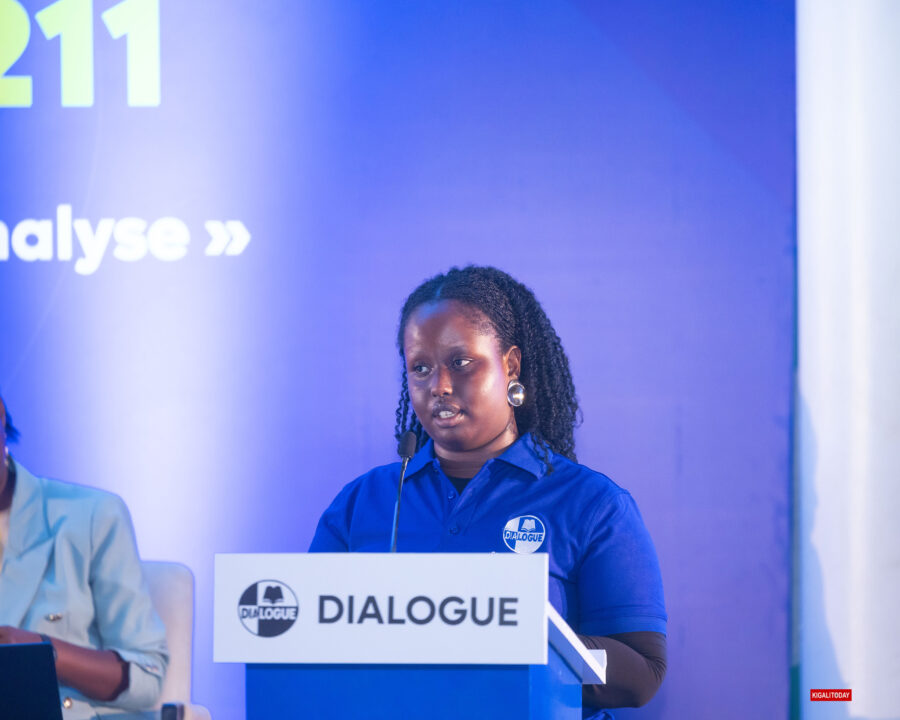
The argument carries a personal history for Freddy Mutanguha, president of Dialogue. Founded in 1967 as a platform for research and intellectual reflection, the publication later became increasingly vocal about political division and discrimination in Rwanda.
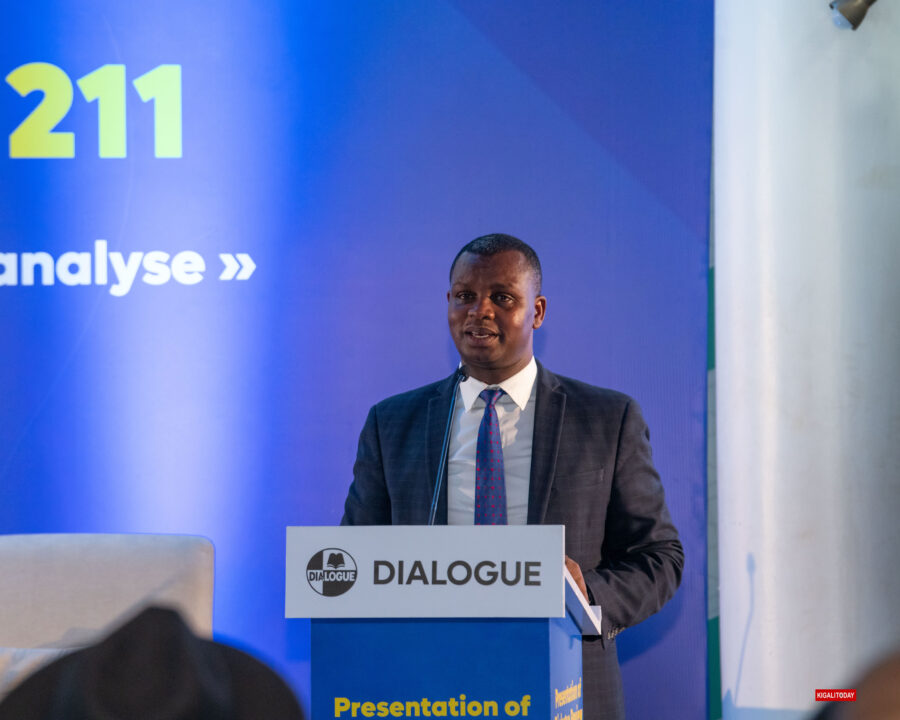
Freddy Mutanguha, President of Dialogue.
Its warnings went unheeded, Mutanguha said. “They didn’t really listen, the politicians didn’t really listen to that, until the 1994 Genocide against Tutsi happened,” he recalls.
Today, his concern is that the people who carried the ideology during the genocide are ageing while the ideas themselves continue through those who come after them.
“Those people who were in Interahamwe and ex-FAR today are old, but they have their children. They have a young new generation that has been trained and equipped with that mindset,” Mutanguha said.
The research in the new edition examines how the FDLR has evolved over the years and how younger people have become part of a movement whose ideological roots stretch back to forces responsible for the genocide.
Major General (Retired) Jack Nziza, Vice Chairperson of the Rwanda Demobilization and Reintegration Commission, argued that the danger lies partly in the ideology’s ability to reinvent itself.
“The ideology has even graduated or been improved compared to what it was before or even during the genocide. There are constant efforts to expose children and young people in eastern DRC to narratives portraying Tutsi as a permanent enemy,” Nziza said.
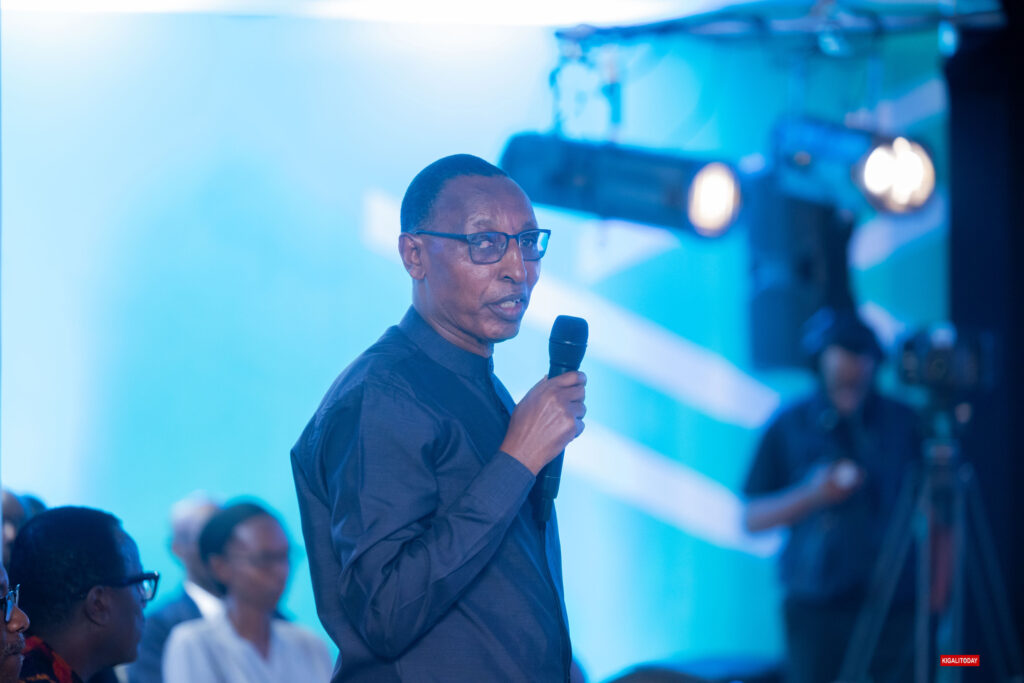
Major General (Retired) Jack Nziza, Vice Chairperson of the Rwanda Demobilization and Reintegration Commission.
He described propaganda, publications and other forms of communication as part of the machinery through which the ideology continues to circulate.
That raises a fundamental question beyond the fate of individual armed groups. If ideology is transmitted to a new generation, military defeat alone cannot necessarily remove it. The battlefield can change while the ideas behind the conflict remain.
According to Alice Karekezi, a Lawyer and contributor to the Dialogues, understanding the present requires going much further back into the political history of DRC, including the weakness of state institutions and the repeated use of ethnic identity in political struggles.
Her conclusion is not that the research has settled the question, but that it has opened a larger one.
“The special edition of Dialogue, for me at least, has raised more questions and called for more research. How can we package that in a way that is directly consumable? How can we help Dialogue play the role it’s showing us it can play?” Karekezi said.
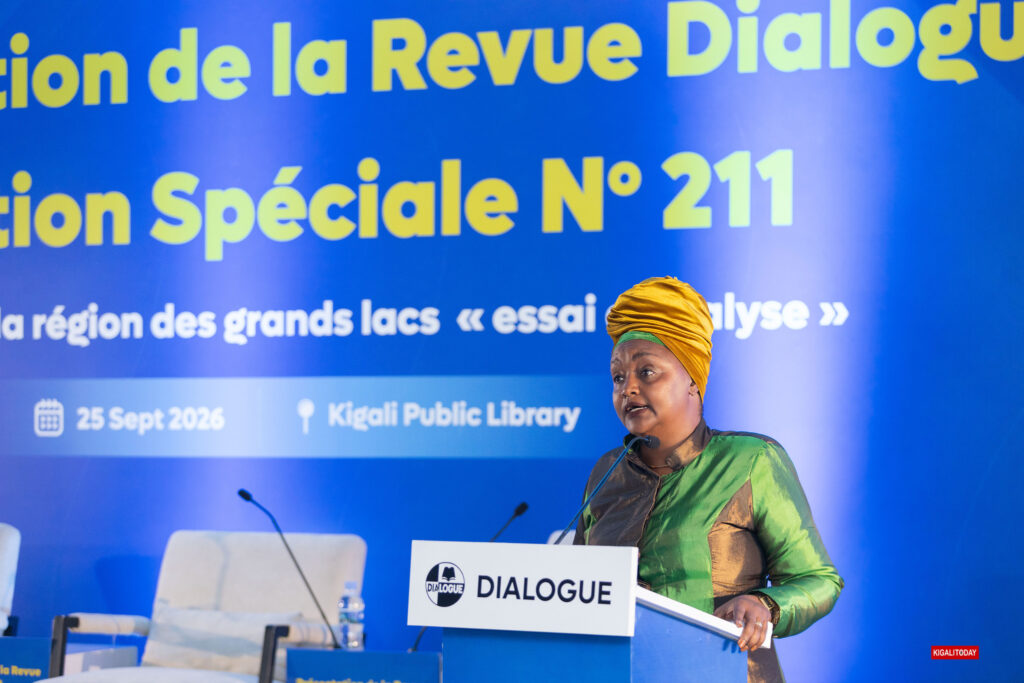
Alice Karekezi, a Lawyer and contributor to the Dialogues speaking at the event.
She challenged researchers to consider what happens after knowledge has been produced. The region has accumulated historical accounts, political analyses and documentation, but much of that knowledge remains inaccessible to ordinary audiences.
The challenge is particularly relevant in an era when misinformation and hate speech can travel through digital platforms faster than carefully researched work.
That concern was echoed by Eric Mahoro, Permanent Secretary at the Ministry of National Unity and Civic Engagement, who said technology has created new opportunities for divisive narratives to spread.
“Today, we cannot ignore the exploitation of genocidal ideology. The regional consequences of such ideology remain part of the unfinished work of preserving historical memory,” Mahoro said.
He linked that work to the responsibility of educating younger generations and documenting facts at a time when misinformation can distort the understanding of history.
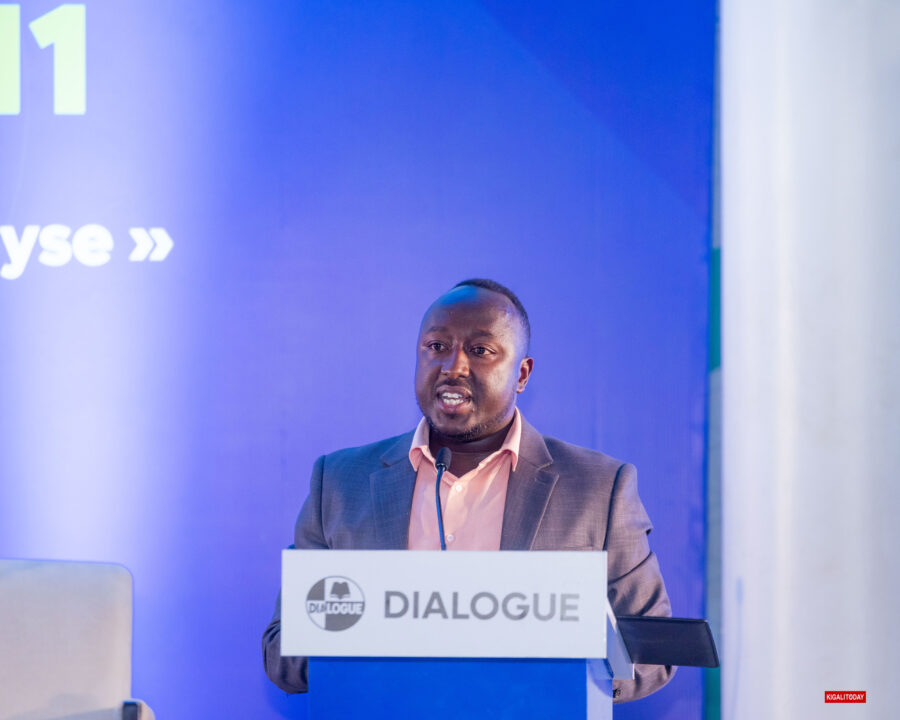
Eric Mahoro, Permanent Secretary at the Ministry of National Unity and Civic Engagement giving his remarks.
The next edition of Dialogue will move from ideology and conflict to another difficult issue what happens when people return to the communities from which they have been separated.
The publication plans to examine social reintegration, including refugees returning from the DRC and prisoners returning after serving their sentences, among them people convicted of genocide-related crimes.
Mutanguha said the research will explore how communities prepare to receive them, how trust can be rebuilt and how those returning can become constructive members of society without disregarding the people who were harmed.
It is a difficult extension of the same conversation because reintegration is not simply about bringing people physically back into society but rather rebuilding relationships in communities where memories of violence remain.
That is also what makes the generational question surrounding genocide ideology so consequential.
An ideology can lose its original political headquarters because its commanders can grow old and military formations can be weakened. Yet if its ideas are reproduced, adapted and passed to another generation, the conflict acquires a life beyond the people who first created it.
This is a constant warning and perhaps the reason this message’s most important audience is not the generation that remembers 1994, but the one that was born after it.