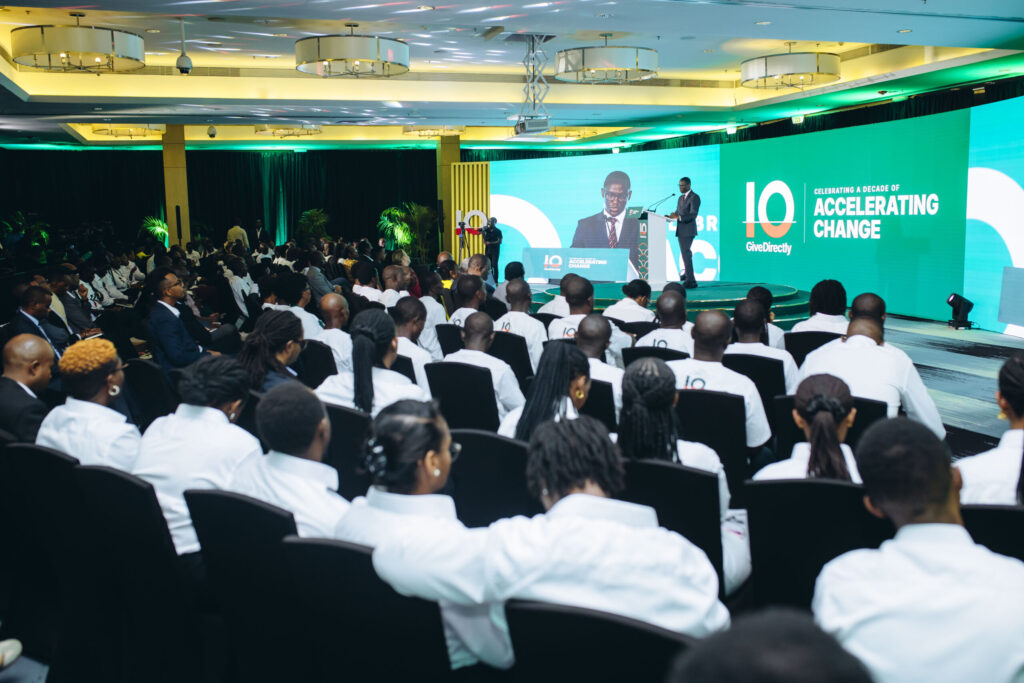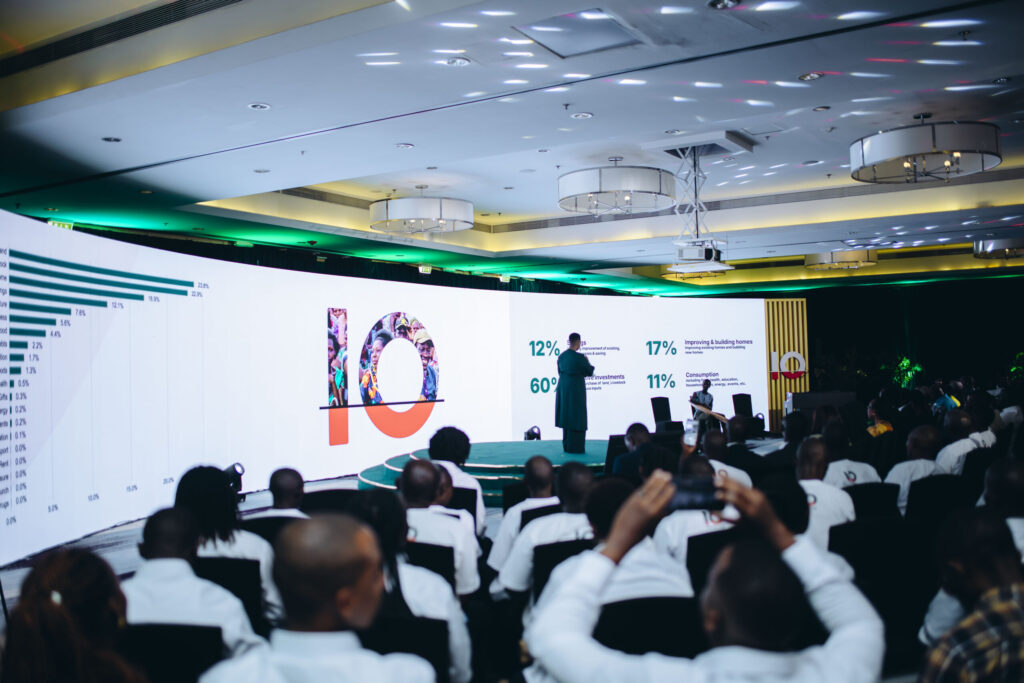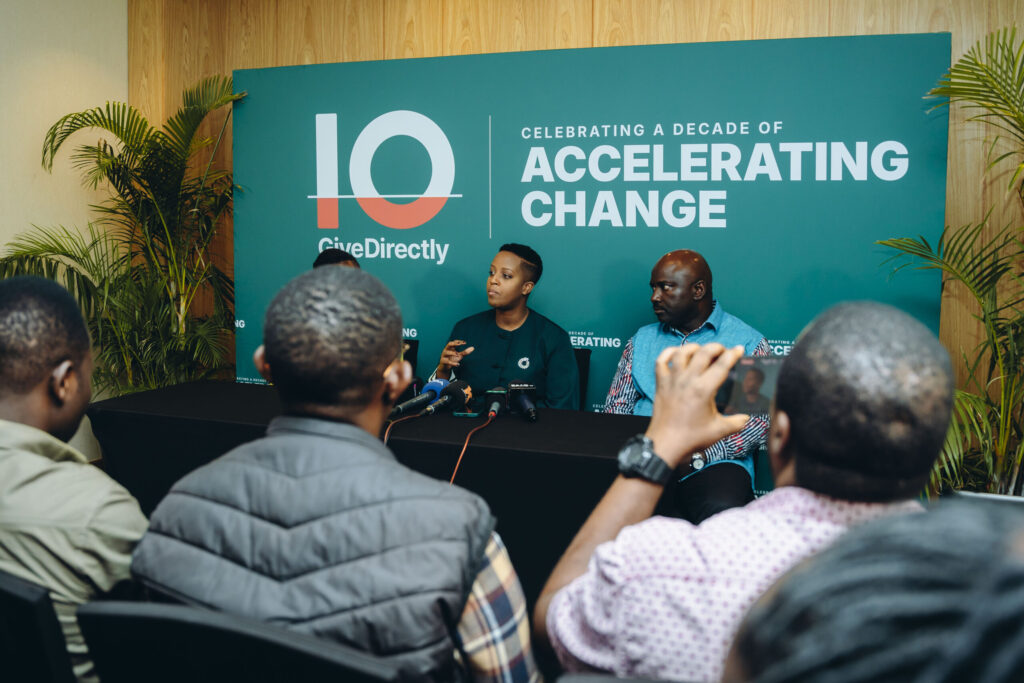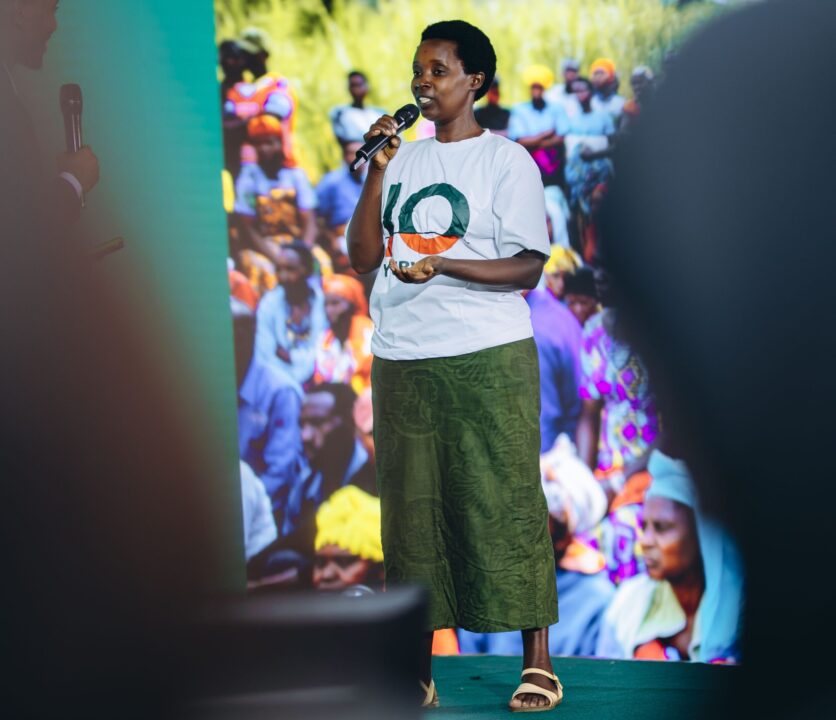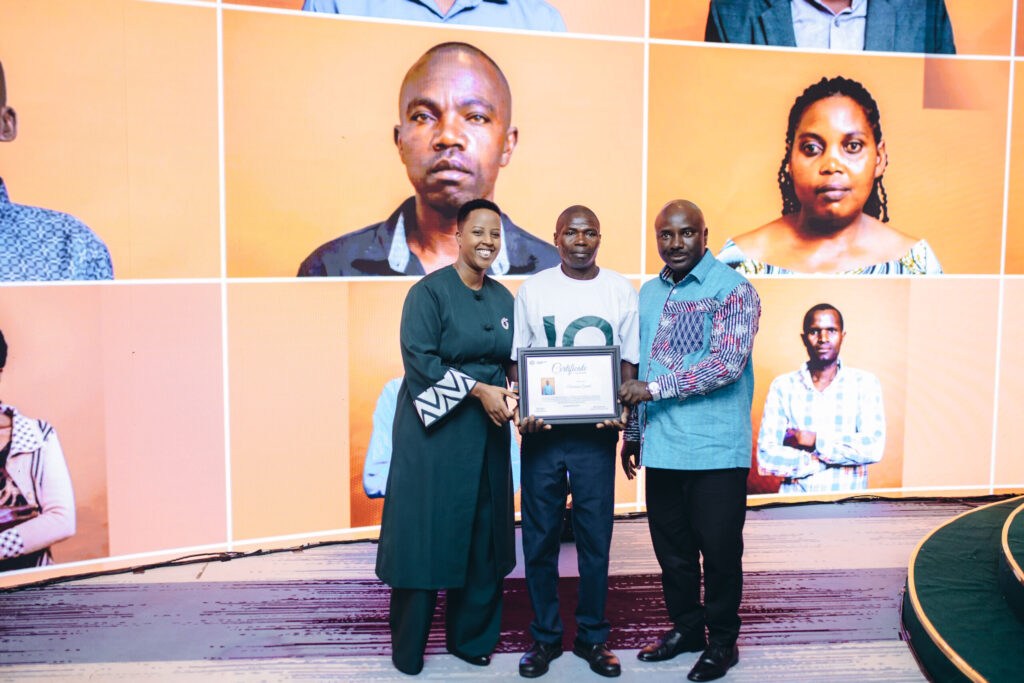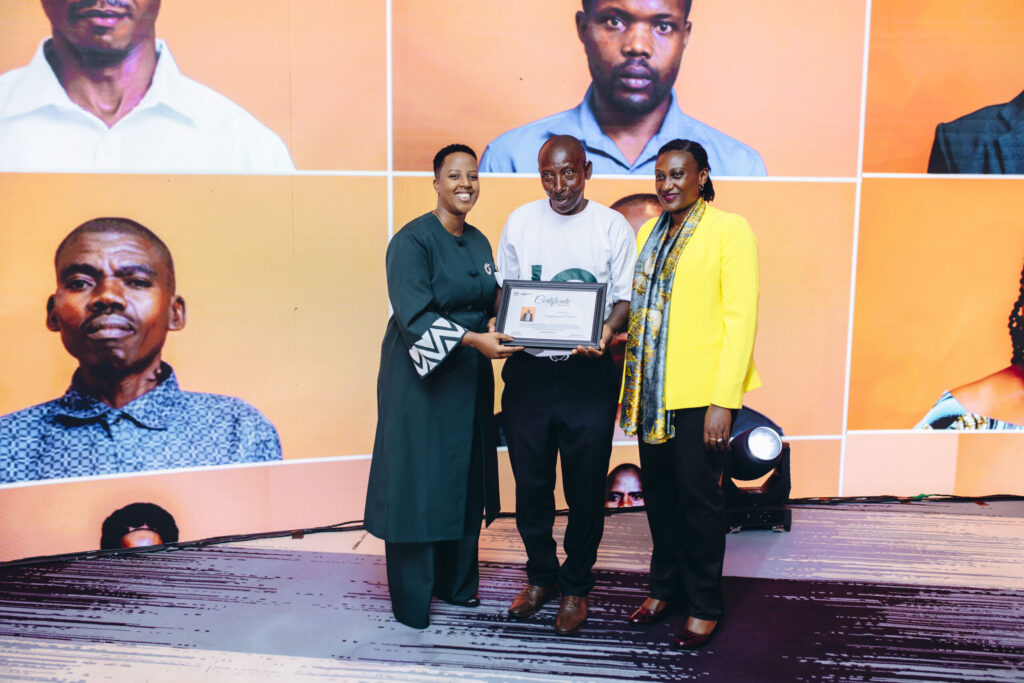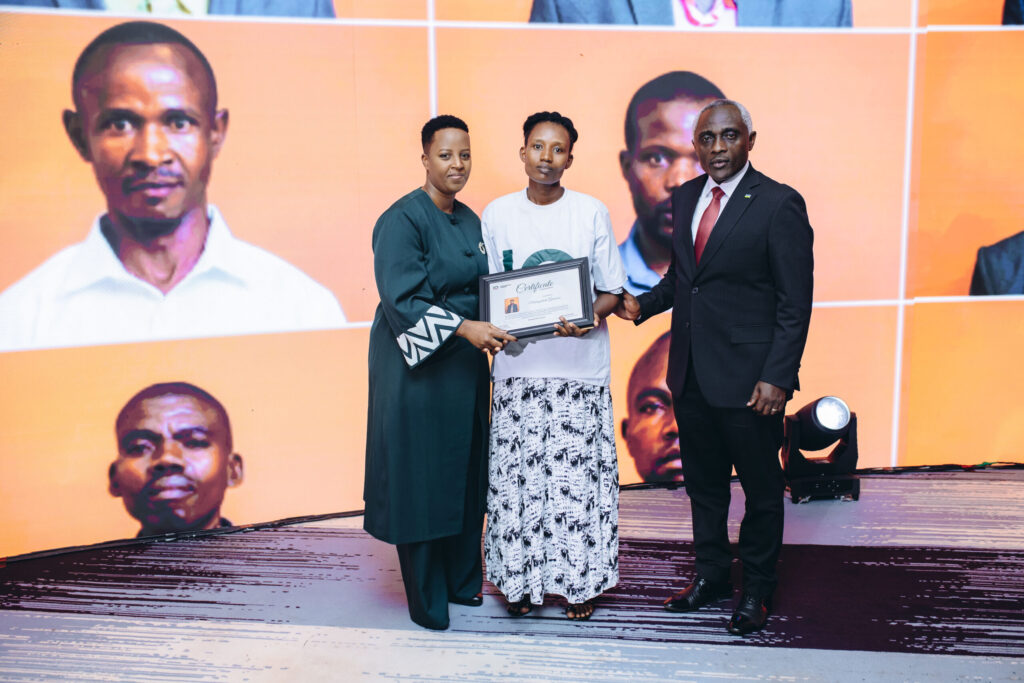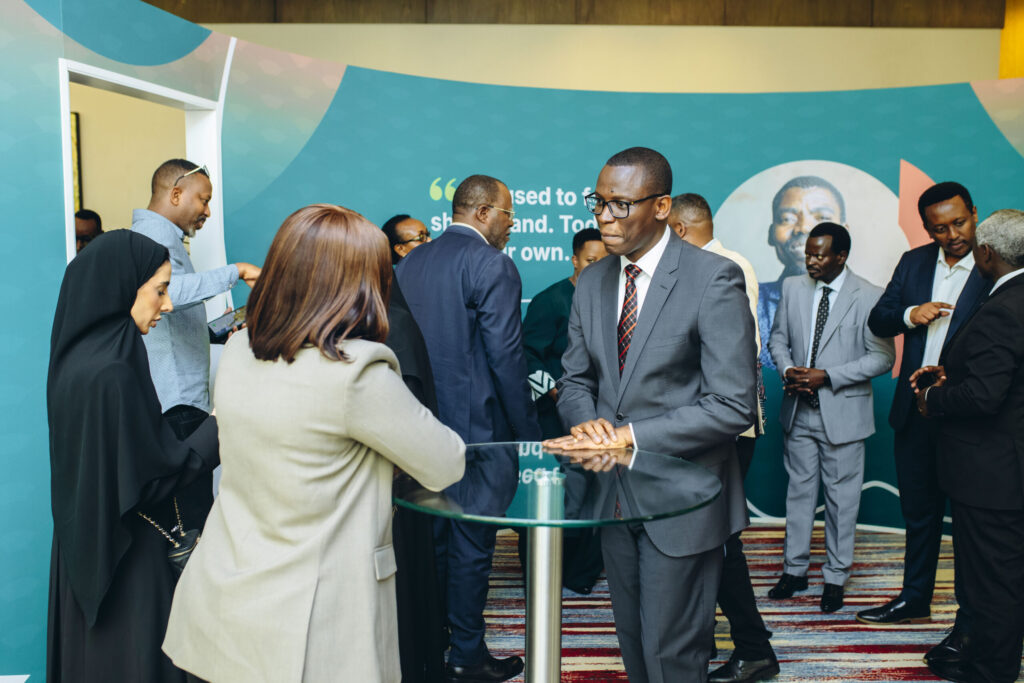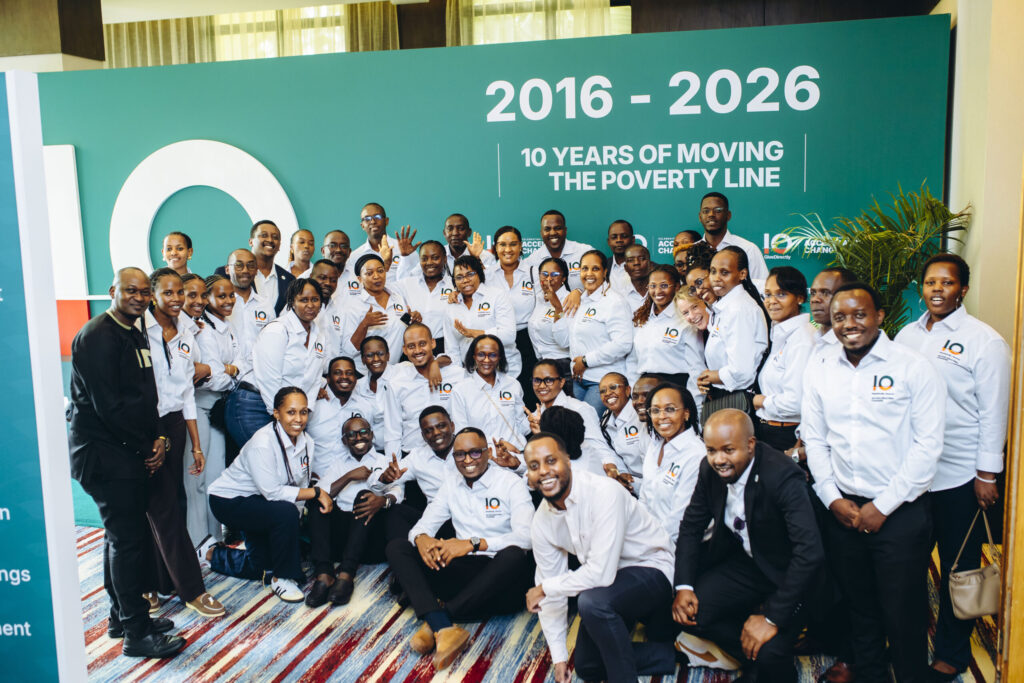



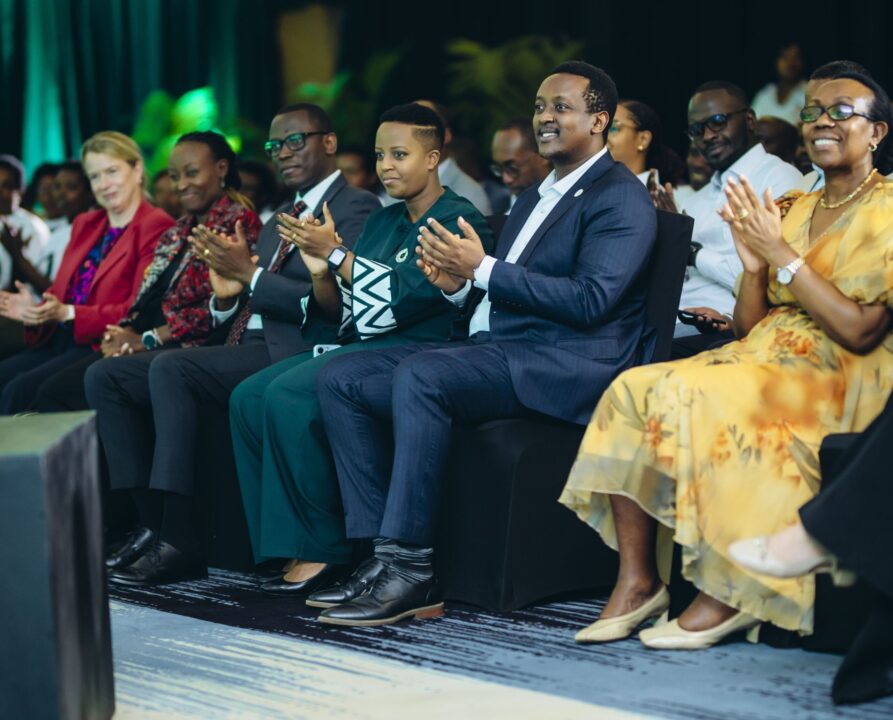
Guesta at the celebration to mark 10 years of GiveDirectly in Rwanda.
KIGALI – For a family that has struggled to put food on the table, keep children in school or find money to invest in a small business, escaping poverty means more than a change in national statistics.
It means having choices that were previously out of reach, and the means to keep moving forward without falling back into hardship.
Jean Baptiste Ntegerejimana, a farmer in Musanze district, experienced that change when financial assistance gave him and his wife the means to expand their farming activities and build additional sources of income.
Previously, their small plot produced Irish potatoes and garlic in quantities barely sufficient to sustain the family.
Rather than spend the first instalment of assistance immediately, the couple decided to consider how best to invest it. When the second instalment brought their total support to Rwf1.7 million, they bought additional land.
Their first harvest from the expanded farm yielded five tons of Irish potatoes. Through their farmers’ cooperative, Ntegerejimana arranged the necessary documentation and transported the produce to Kigali, where he sold it for Rwf1.6 million in a single day.
He has since cleared his debts, bought a cow that has produced a calf, and acquired a motorcycle that he uses for public transport to earn additional income between farming seasons.
His farm now employs other people, and he can afford school fees for his children. “Today I am happy with my family, my children go to school and I am able to pay school fees for them. The future looks very bright,” he proudly says.
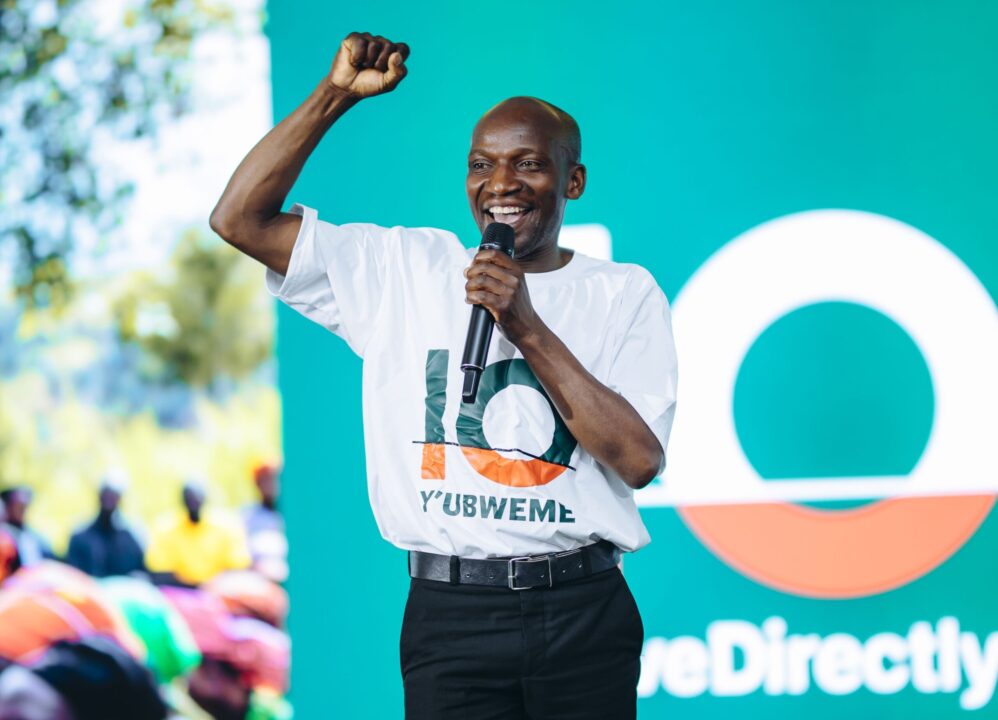
Jean Baptiste Ntegerejimana is a farmer in Musanze district
The Progress and the Remaining Challenge
Between 2017 and 2024, approximately 1.5 million Rwandans such as Ntegerejimana moved out of poverty as the national poverty rate fell from 39.8% to 27.4%, according to the National Institute of Statistics of Rwanda (NISR).
A 2025 World Bank and UNICEF analysis found that sub-Saharan Africa accounted for more than three-quarters of the world’s children living in extreme poverty in 2024, with the region’s extreme child poverty rate remaining around 52%.
With 27.4% of Rwanda’s population still living in poverty in 2024, the country is helping more households improve their circumstances while ensuring those already lifted out of poverty do not fall back.
Minister of Local Government Dominique Habimana addressed this challenge during GiveDirectly’s 10th anniversary in Rwanda on October 16, describing social protection as an investment in longer-term prosperity.
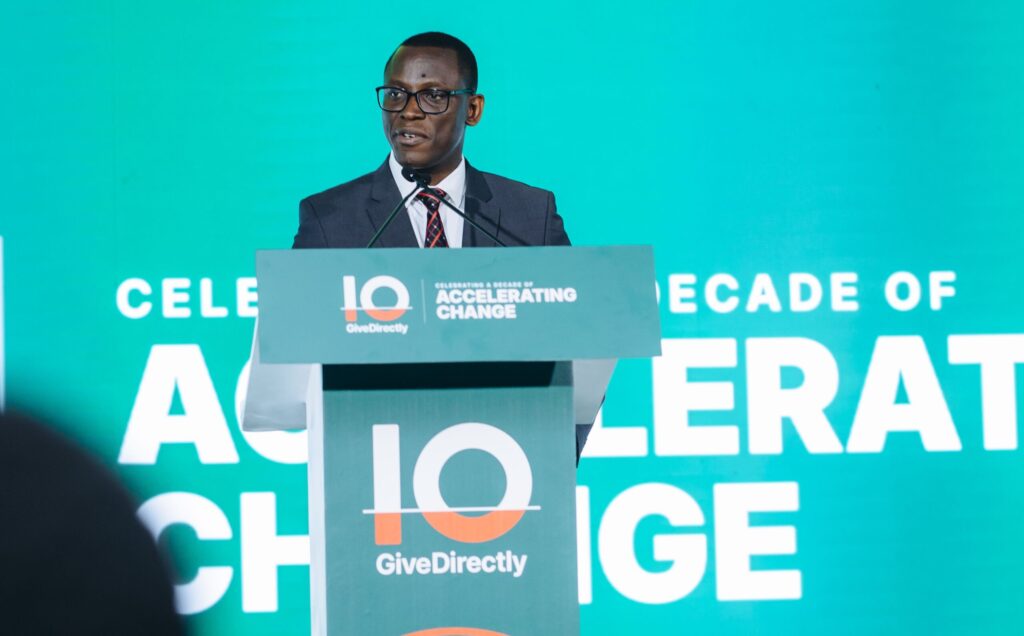
Minister of Local Government Dominique Habimana speaking at the function.
“Social protection is a strategic investment in hope, opportunity and social justice. Our current poverty reduction strategy, into which GiveDirectly fits well, aims to empower households to move from protection towards productive employment and independent prosperity,” Habimana said.
In his view, meeting immediate needs can ease hardship, but lasting progress requires households to build reliable sources of income and acquire assets that can support them over time.
The minister said the government would continue improving how vulnerable households are identified and supported, strengthening accompanying services and preserving recipients’ freedom to decide how to use their transfers.
When Cash Becomes Capital
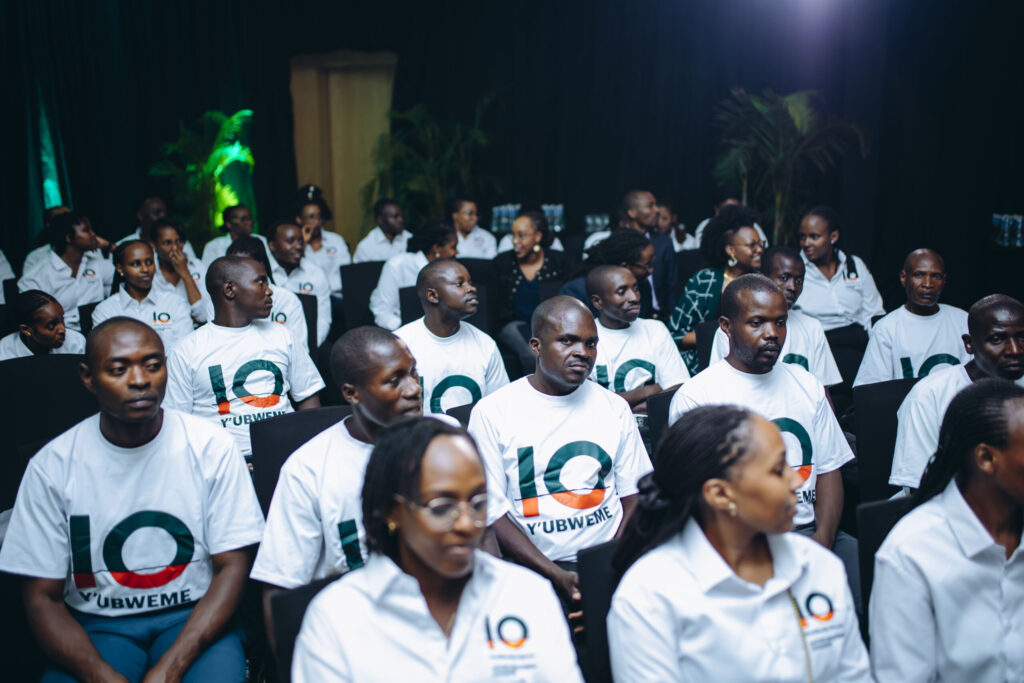
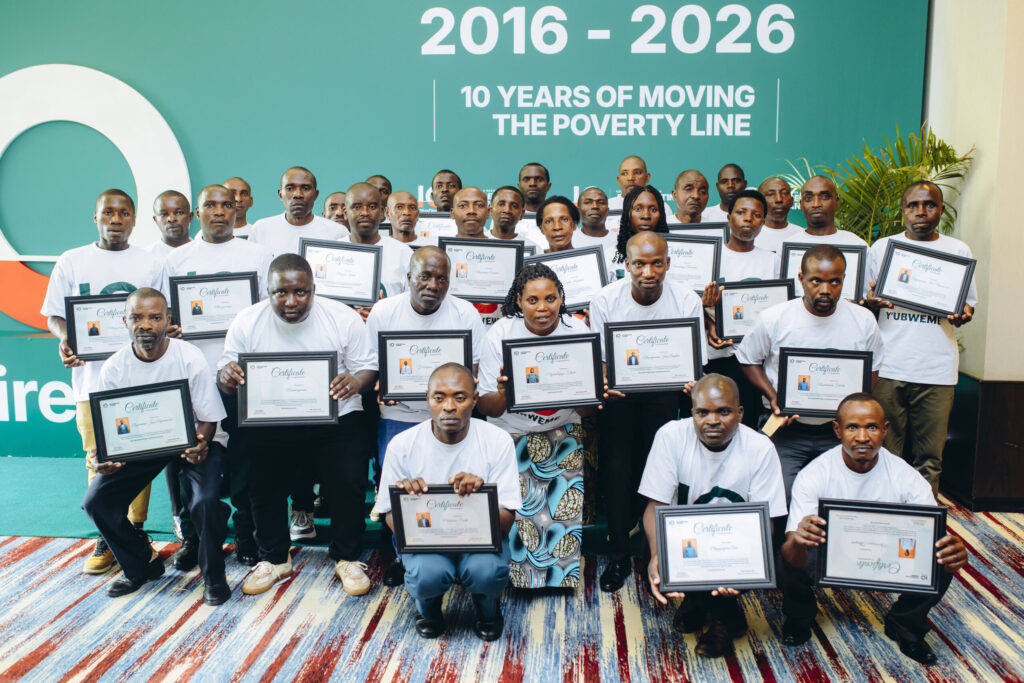
Some of the beneficiaries of GiveDirectly initiative in Rwanda turned up for the celebration.
GiveDirectly has delivered more than $150 million (approx. Rwf 221.3billion) in cash assistance in Rwanda since 2016, supporting households through unconditional transfers that allow recipients to decide how best to use the money.
Gloria Ngabire, GiveDirectly Rwanda’s Country Director, said the organization had tested different transfer amounts and program designs before identifying a large lump-sum payment as its most effective model among those tested in Rwanda.
Under the approach, eligible adults receive Rwf750,000, (approx. $500), providing capital that may otherwise be difficult to accumulate through small, irregular earnings.
Ngabire cited another recipient who had been earning Rwf2,000 a day working on a neighbor’s land with his wife. After receiving the money, he bought land and established a tree tomato plantation. His monthly income subsequently rose to Rwf400,000.
Ntegerejimana’s experience illustrates a similar pathway. His family expanded agricultural production but also diversified into transport, creating another income stream rather than relying entirely on seasonal harvests.
With individual success stories the broader question is whether families can maintain their income, continue investing and withstand financial setbacks after the initial assistance has been spent.
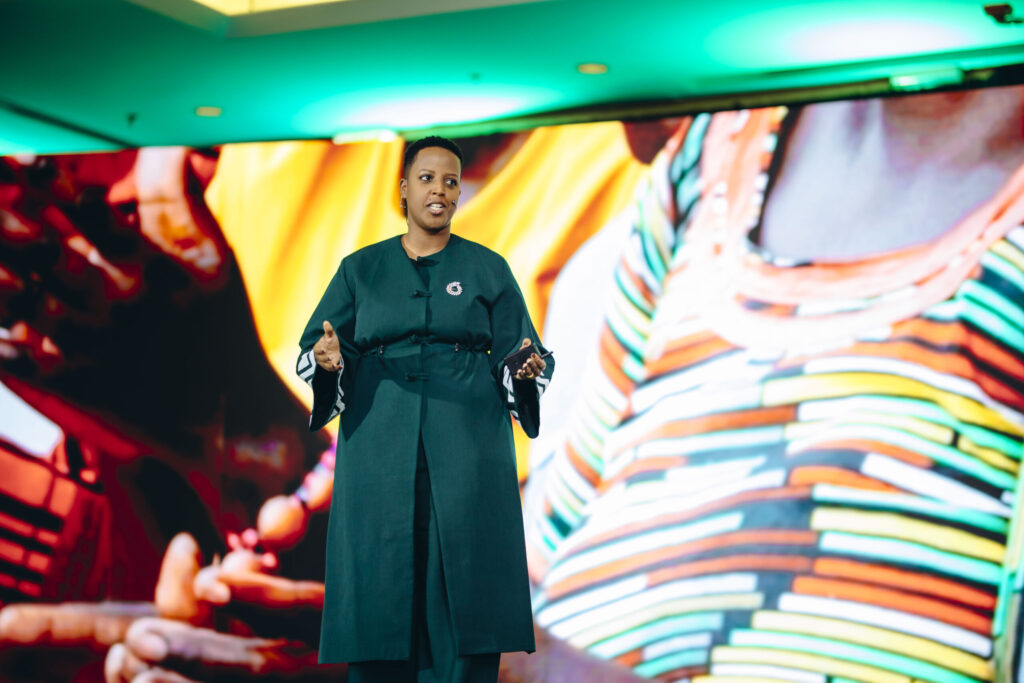
Gloria Ngabire, GiveDirectly Rwanda’s Country Director.
What Must Come Next
GiveDirectly and the government have established a five-year poverty co-financing partnership targeting Gisagara, Nyamagabe, Nyanza, Nyamasheke and Rusizi districts, with the aim of reducing poverty by 25% across the five districts.
Lydiah Wangechi, GiveDirectly’s Vice President of Global Programs, said Rwanda’s social registry, mobile-money infrastructure and commitment to poverty reduction provide a strong foundation for expanding cash-based interventions.
“Because cash works with an economy shaped by public services, infrastructure and market access, we want to learn where cash does the most on its own and where other investments need to sit alongside it,” Wangechi said.
Her observation reflects the realities facing farmers such as Ntegerejimana. Financial assistance enabled him to buy more land, but cooperative support and access to the Kigali market also helped him turn his harvest into income.
His decision to acquire a motorcycle gave him another way to earn money beyond farming. His story shows what becomes possible when financial support gives people room to invest.
The next step now is to extend such opportunities to more Rwandans and ensure that progress in national poverty figures becomes lasting economic security for families across the country.
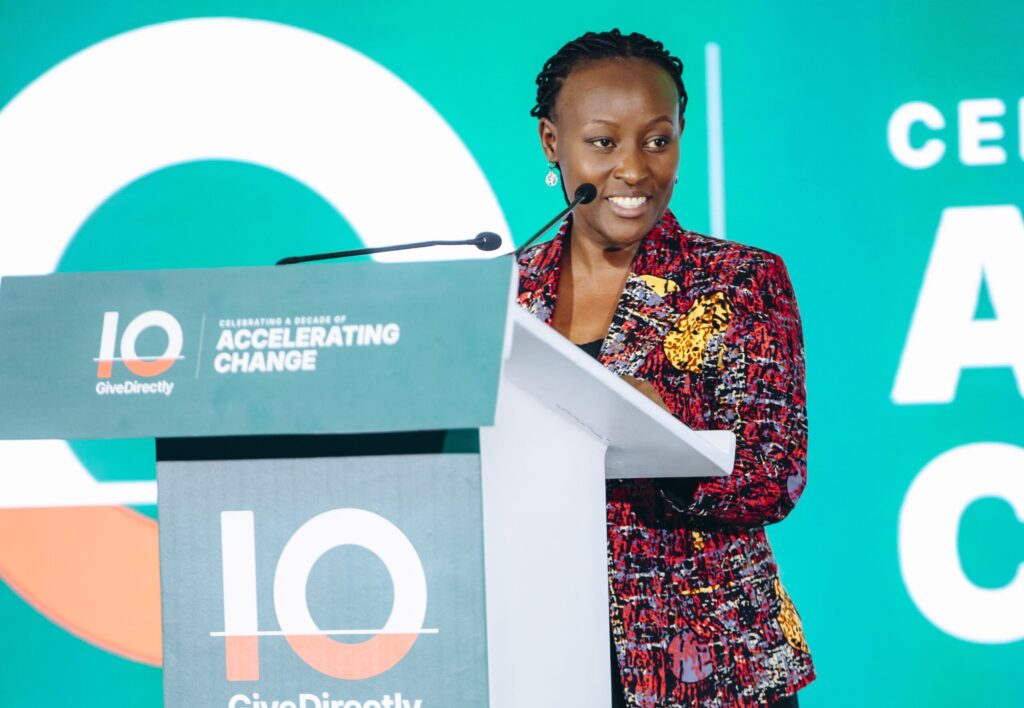
Lydiah Wangechi, GiveDirectly’s Vice President of Global Programs.