


 KIGALI – Rwanda is exploring whether its community-based health insurance scheme, (Mutuelle de Santé), can serve as a foundation for a broader financial protection model that included insurance against agricultural losses, climate shocks and risks facing small businesses.
Herbert Asiimwe, the Head of Financial Sector Development at the Ministry of Finance and Economic Planning (MINECOFIN), said Rwanda could work with stakeholders to sell other products, potentially extending protection to households that struggle to afford multiple policies.
“It is indeed something for us to explore. We can work with RSSB and our insurance industry to bundle community-based health insurance with other products to deliver greater impact and benefits,” Asiimwe said.
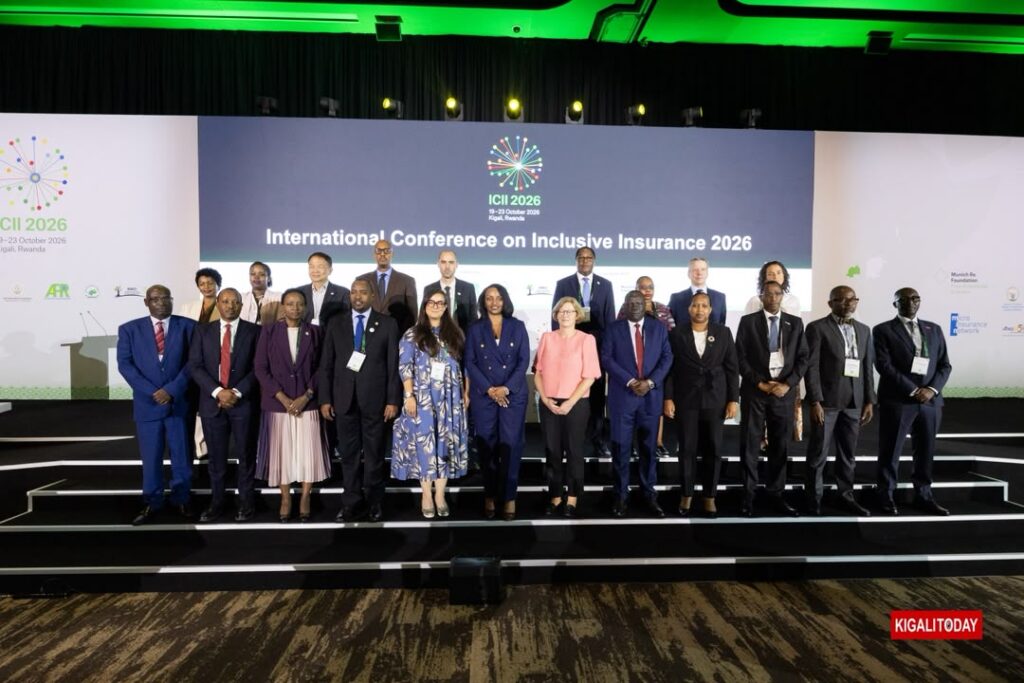
He was speaking on October 20 at the International Conference on Inclusive Insurance 2026 in Kigali, where policymakers, regulators and insurance industry representatives are examining ways to expand affordable protection to underserved populations.
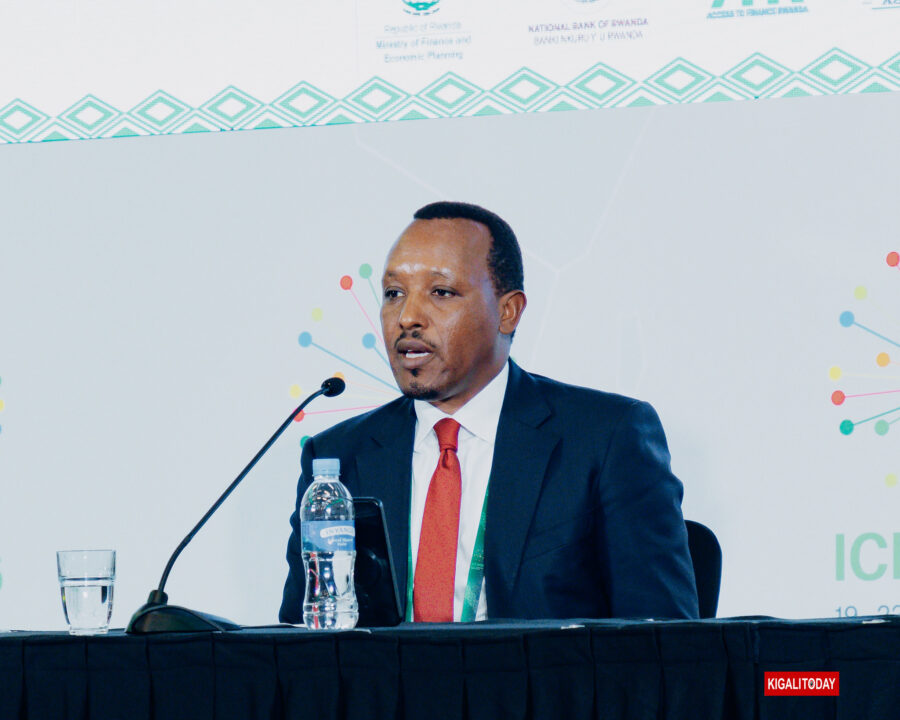
Herbert Asiimwe, the Head of Financial Sector Development at the Ministry of Finance and Economic Planning (MINECOFIN),
The proposal would build on Rwanda’s experience with Mutuelle de Santé, which pools contributions to help people access healthcare, by exploring whether similar approaches could help protect families against a wider range of financial shocks.
For a smallholder farmer, illness can mean medical expenses and lost income, while drought or flooding can destroy a harvest. A small business owner whose premises are damaged by fire may face repair costs and lost earnings at the same time.
Bringing different forms of insurance together could potentially offer more comprehensive protection against these interconnected risks.
Asiimwe said bundling could also make insurance easier to sell, increasing the benefits customers receive from a single package rather than requiring them to navigate several separate products.
However, he emphasized that the idea would need to be explored with the relevant institutions and within Rwanda’s policy and regulatory environment.
Making Multiple Risks Easier to Insure

Laura Elena Rosado, Acting Chair of the Board of the Microinsurance Network, highlighted that Rwanda would need to make bundled insurance understandable to the people it is designed to protect if it pursued the approach.
Combining health, life, agriculture and other forms of coverage could offer wider protection, but it could also leave customers struggling to understand precisely what is covered, what is excluded and when they can claim compensation.
“When you’re addressing people, making sure that they understand what they are being covered for is very, very important. The challenge, therefore, would be to combine meaningful coverage with clear conditions, affordable premiums and reliable claims processes,” Rosado said.
She pointed to the continuing importance of cash, alongside evolving options such as bank transfers and mobile money, in determining how inclusive insurance products reach customers and achieve scale.
Closing Rwanda’s Insurance Protection Gap
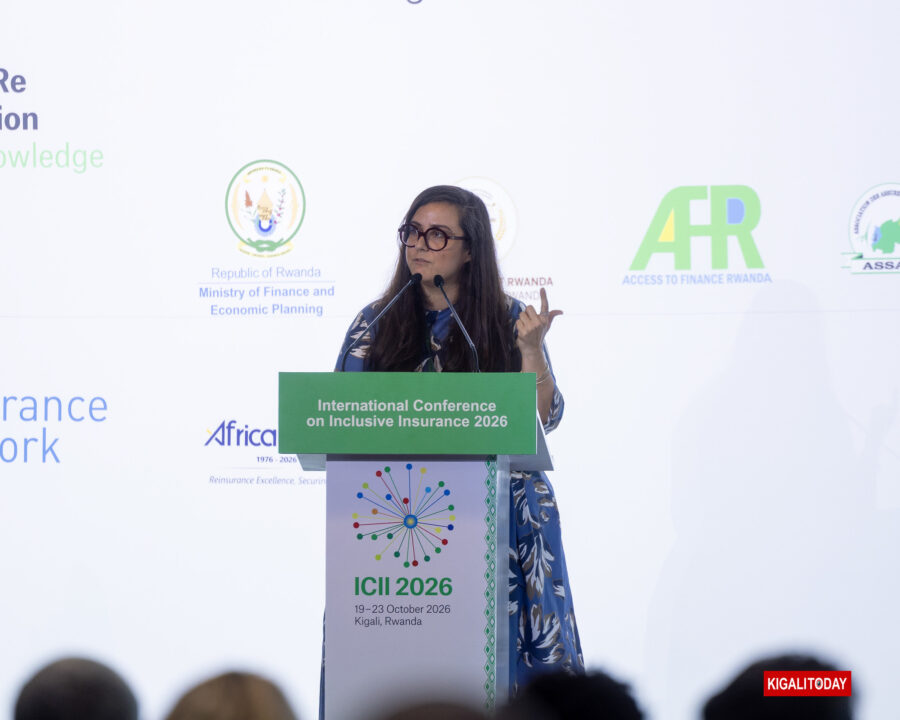
Laura Elena Rosado, Acting Chair of the Board of the Microinsurance Network.
The proposal comes as Rwanda seeks to expand insurance coverage under its National Insurance Strategy, which sets targets for 2035.
Dr. Soraya Hakuziyaremye, the Governor of the National Bank of Rwanda said the FinScope 2024 survey found that close to 70% of the population had experienced climate change-related risks, underscoring the need to protect households against shocks that can threaten their livelihoods.
Private insurance uptake increased from 17% in 2020 to 27% in 2024, while the national strategy targets coverage of 45% by 2035, according to the Governor.
She also pointed to the National Agriculture Insurance Scheme, which receives a government subsidy covering 40% of premiums, as an example of how public support and private sector expertise can make insurance more accessible to farmers.
The Governor called for more customer-centred products, stronger insurance literacy and transparent coverage, alongside digital technologies and distribution partnerships that can reduce costs and reach underserved communities.
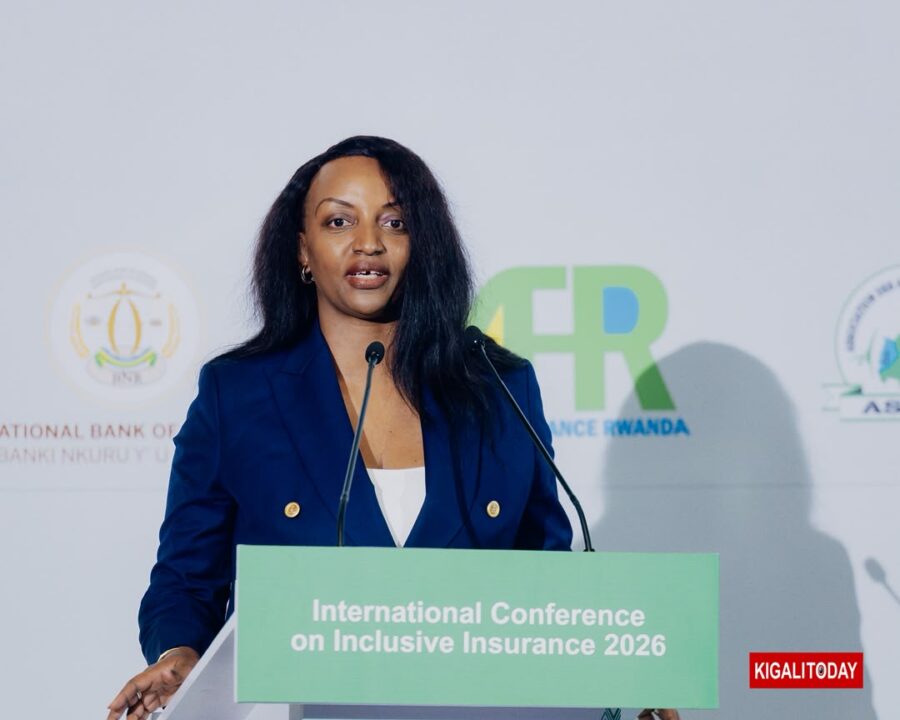
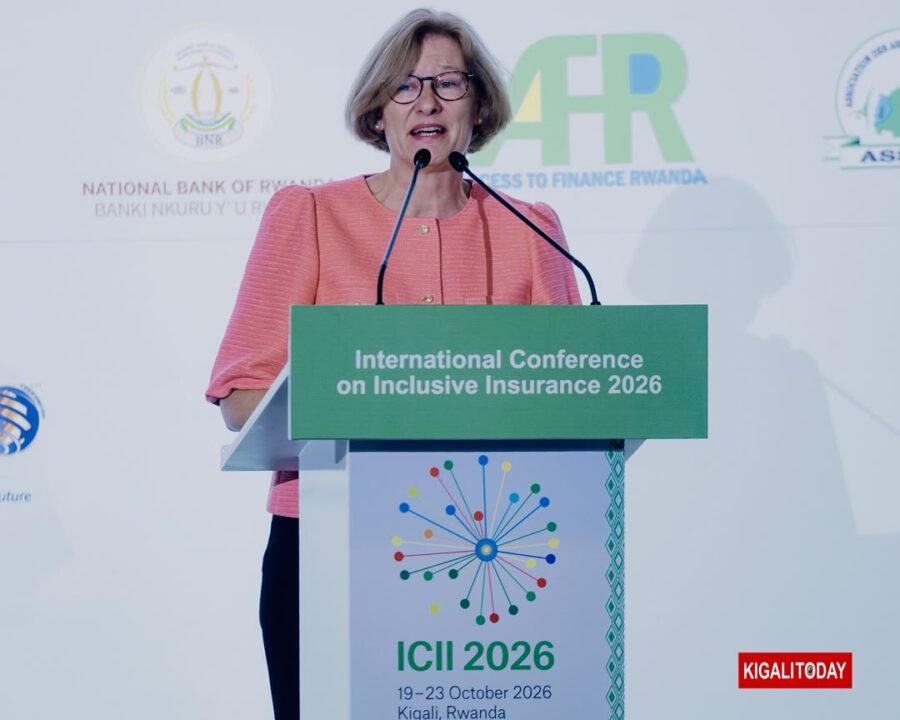
Dr. Soraya Hakuziyaremye, The Governor of the National Bank of Rwanda.
Andrew Kulayige, Chairperson of the Rwanda Insurers Association, said the country’s 2025–2035 National Insurance Strategy provides a roadmap for expanding protection, particularly among smallholder farmers and rural households.
It aims to increase insurance penetration from 1.9% to 5% of GDP by 2035, while raising adult policyholder coverage to 45% and female policyholder coverage to 40%.
Kulayige said expanding access would not be enough unless insurance became an affordable and reliable proposition for the people and businesses that needed it most.
For Rwanda, exploring whether Mutuelle de Santé can inform a broader insurance model offers one possible route towards that objective.
The central objective is how the country can build on an established system of shared health protection to help households manage a wider range of risks without making insurance too complicated or expensive to use.
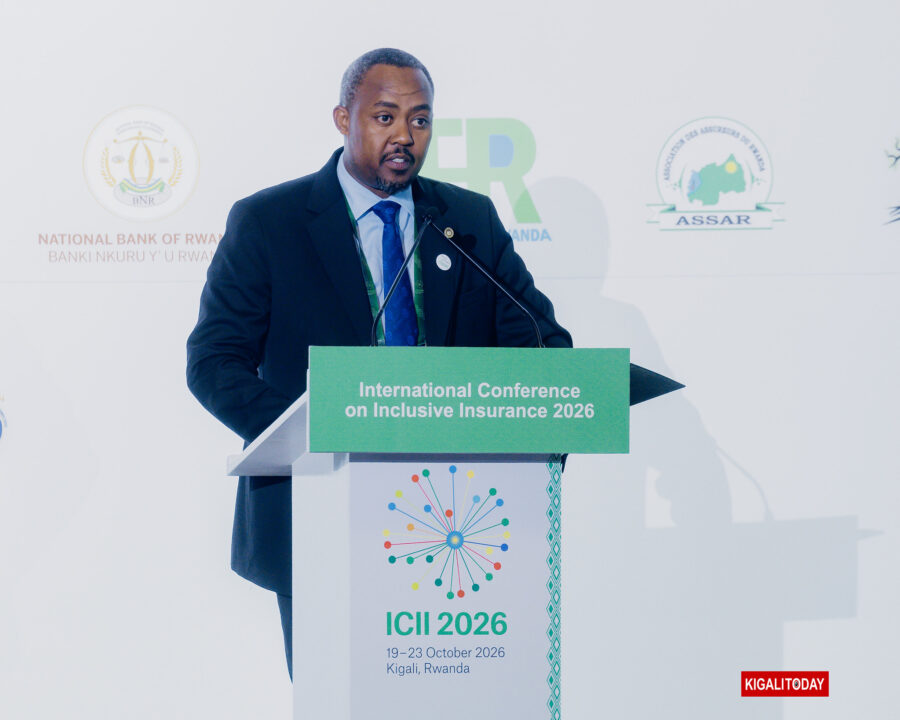
Andrew Kulayige, Chairperson of the Rwanda Insurers Association.