

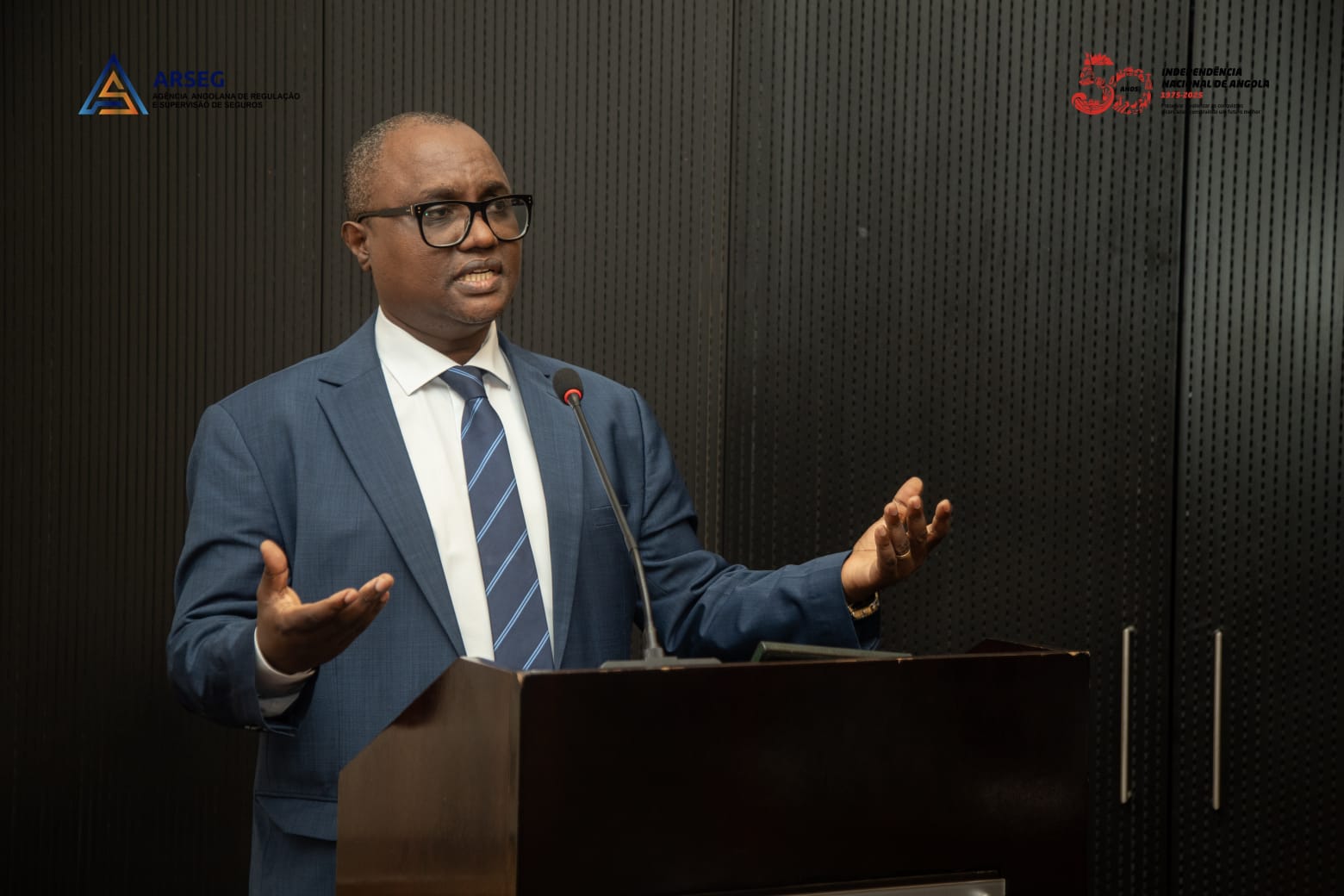
Dr Jean Chrysostome Ngabitsinze, Director General of the African Risk Capacity (ARC) Group
African countries need to strengthen access to agricultural and disaster-risk financing to protect farmers, rural livelihoods and national economies from climate-related shocks, Dr Jean Chrysostome Ngabitsinze, Director General of the African Risk Capacity (ARC) Group, has said.
Ngabitsinze argues that governments must move beyond relying on emergency funding after disasters strike and establish financing arrangements that allow them to respond earlier to droughts, floods and other climate-related emergencies.
He says financial protection must also be accompanied by investments that address the wider challenges facing farmers, including limited access to credit, agricultural inputs, infrastructure, extension services and markets.
His message comes as African countries pursue ambitious agricultural transformation targets, with governments and development partners introducing new financing initiatives. However, a significant gap remains between the resources currently available and the investment required to build resilient and productive food systems.
Financing before disasters strike
African governments often face competing demands on public finances when disasters occur. They must provide emergency assistance while maintaining spending on infrastructure, health, education and other development priorities.
Arranging funds only after a disaster has struck can delay relief and place additional pressure on national budgets.
Ngabitsinze sees pre-arranged financing, particularly parametric insurance, as an important way to address this challenge. The mechanism releases payments when predetermined conditions, such as rainfall levels or satellite-monitored weather indicators, reach agreed thresholds.
According to figures provided by ARC, the organisation has disbursed more than $170 million in parametric insurance payouts since its establishment, providing early-response protection to over 26.4 million people across participating countries.
However, parametric insurance also has limitations. One is basis risk, which occurs when an insurance payout does not adequately reflect the actual losses experienced by communities on the ground.
Ngabitsinze says improving data quality and insurance design is essential to addressing this challenge. He also argues that insurance should complement other financing arrangements, including government reserves, contingency credit and social protection programmes.
The objective is to ensure that governments can access resources quickly when disasters occur without diverting funds from other essential development priorities.
Agricultural transformation requires more than insurance
The need for stronger financing is particularly important in agriculture, where climate shocks can disrupt production, reduce household incomes and undermine food security.
In Rwanda, agriculture remains a major source of employment and economic activity. Prolonged dry spells in eastern districts such as Bugesera and Kayonza, alongside destructive rainfall and landslides in other parts of the country, demonstrate how climate-related events can affect farmers and wider economic activity.
Across Africa, smallholder farmers face challenges beyond changing weather patterns. Limited access to finance, unreliable agricultural inputs, inadequate infrastructure, weak extension services and uncertain markets can make it difficult for them to sustain production or recover after a crisis.
Ngabitsinze argues that improving agricultural resilience requires coordinated solutions. Farmers need access to finance and reliable inputs, alongside stronger agricultural advisory services, infrastructure and policies that allow them to plan ahead.
Producer organisations can also help farmers improve their bargaining power and reach wider markets. Higher productivity, he argues, should translate into better incomes and more secure livelihoods, rather than simply increased production.
To extend financial protection beyond national governments, ARC has also partnered with micro-insurance schemes and organisations, including the World Food Programme and One Acre Fund, through its ARC Replica framework.
Financing gap remains a major obstacle
Although African governments have increased attention to agricultural investment, access to finance remains one of the sector’s major constraints.
A joint report published in April 2026 by the Food and Agriculture Organization, the United Nations Economic Commission for Africa, the World Food Programme and the African Union Commission found that bank credit to agriculture accounts for less than four per cent of total credit in Africa.
The report also noted that government expenditure on agriculture, forestry and fishing has generally increased since 2018, but remains insufficient to meet the continent’s food security and agricultural transformation ambitions.
Small and medium-sized agricultural businesses continue to struggle to access finance because they are often too large for microfinance institutions but too small to meet commercial banks’ lending requirements.
The African Union has, meanwhile, established a continental framework through the Comprehensive Africa Agriculture Development Programme (CAADP) Kampala Strategy and Action Plan for 2026–2035.
The strategy seeks to mobilise $100 billion in investment, increase Africa’s agrifood output by 45 per cent and triple intra-African trade in agricultural commodities and food products over the next decade. It places investment, climate resilience, food security and stronger agricultural value chains at the centre of the continent’s transformation agenda.
These commitments represent an important step towards coordinated agricultural development. Their success, however, will depend on whether countries can mobilise the required resources and translate them into accessible financing and practical support for farmers.
Rwanda showcases new financing partnerships
Rwanda provides an example of efforts to expand financing for farmers through partnerships between government institutions, development organisations and the private sector.
During the Africa Food Systems Forum held in Kigali in September 2026, the International Fund for Agricultural Development (IFAD), Bank of Kigali and Aceli Africa announced a $21 million blended-finance initiative to improve access to finance for farmers’ organisations and smallholder farmers.
The programme combines $12 million in IFAD financing with $9 million in co-financing from Bank of Kigali. It is expected to strengthen approximately 215 farmers’ organisations, provide financing to around 172 of them and benefit more than 35,000 smallholder farmers, particularly women and young people.
The initiative targets value chains including maize, rice, cassava, dairy and horticulture.
The partnership illustrates how blended finance can bring together development funding and commercial financing to reduce lending risks and expand opportunities for agricultural businesses that might otherwise struggle to secure credit.
Such initiatives also reflect a broader recognition that agricultural transformation requires investment not only in production, but also in the organisations and businesses that connect farmers to markets.
Building value beyond the farm
Strengthening agriculture also requires addressing weaknesses along the supply chain, where poor storage, limited processing facilities and weak market connections can reduce the value farmers receive from their produce.
Ngabitsinze sees opportunities in reducing post-harvest losses, expanding storage and cold-chain facilities, supporting local processing and improving access to markets.
These investments can increase farmers’ earnings while creating employment and business opportunities in rural areas. Their success, however, depends on supporting infrastructure, including reliable energy and transport, quality standards and accessible finance.
He also points to the role of agricultural research in identifying ways to improve productivity, use resources more efficiently and expand market access. Researchers, policymakers, extension services and farmers need to work together to identify problems, test solutions and assess their results.
Progress, he argues, should be measured through changes in farm incomes, productivity, resilience and market participation. Programmes should also be adjusted when evidence shows they are not delivering the intended results.
Regional cooperation and the way forward
Climate risks and food markets frequently cross national borders, making regional cooperation important to Africa’s agricultural resilience.
Ngabitsinze says countries can strengthen their ability to manage shared risks by exchanging forecasting capabilities, improving risk models and coordinating disaster preparedness.
Regional risk pooling allows participating countries to spread their exposure to disasters, while cross-border trade can help move food from areas with available supplies to regions experiencing shortages.
He also calls for stronger coordination between finance, agriculture, environment and disaster-management institutions. Climate risks, he argues, should inform national budgets, agricultural policies and public investment decisions rather than being treated as separate concerns.
Ultimately, Africa’s challenge is not only to mobilise more money for agriculture, but to ensure that financing is available before disasters strike and reaches the farmers, businesses and communities that need it.
For ARC, the effectiveness of disaster-risk financing will depend not simply on the amount of money secured, but on whether it arrives quickly enough to protect livelihoods and support recovery.
As African countries implement the CAADP 2026–2035 strategy and pursue new agricultural investment partnerships, connecting financial protection with long-term investment in production, infrastructure and markets will be essential to building resilient food systems.