

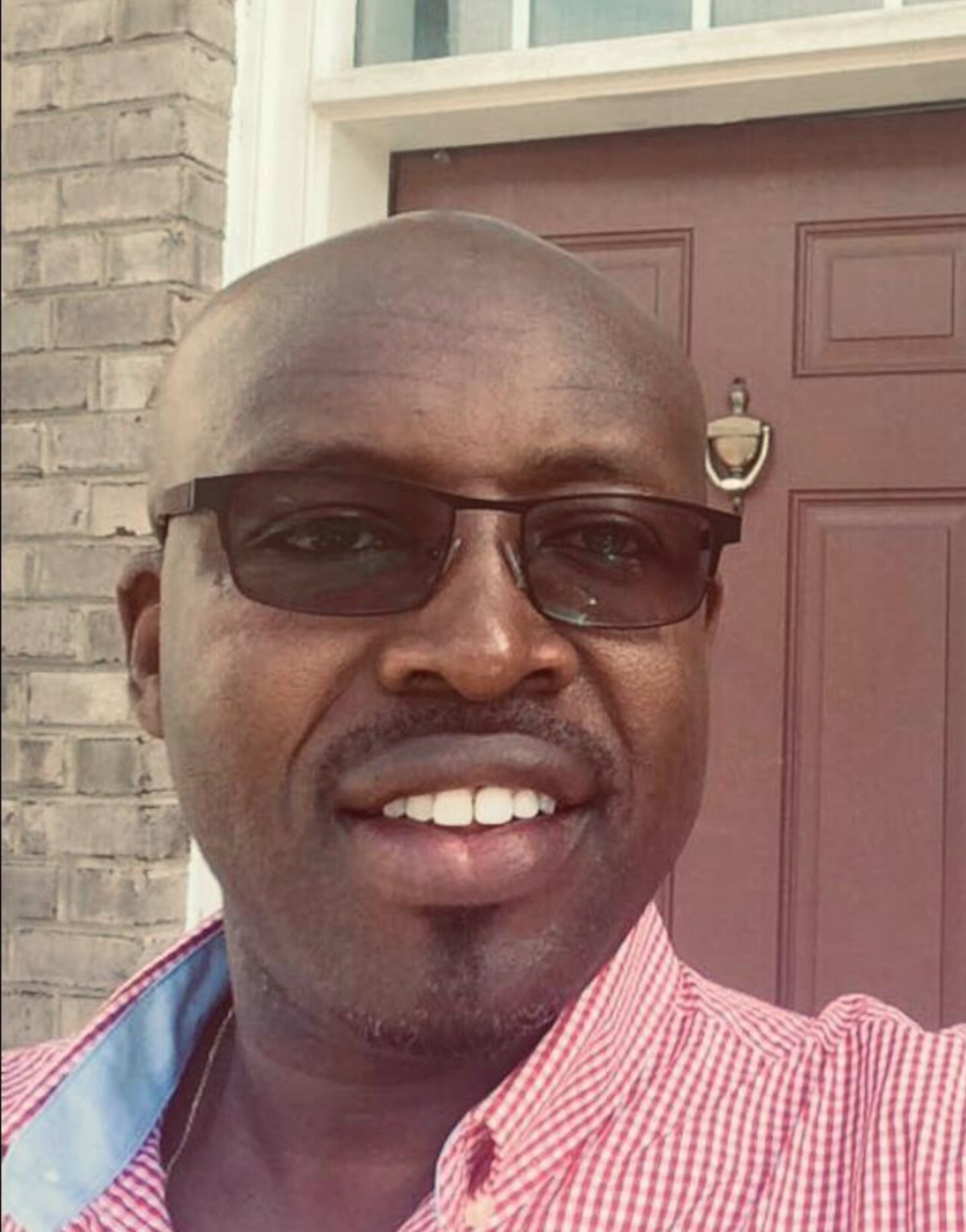
Jean Léonard Teganya take from Canada
KIGALI — More than three decades after fleeing Rwanda at the end of the 1994 Genocide against the Tutsi, Jean Léonard Teganya has been returned to the country, where he is wanted in connection with alleged genocide and crimes against humanity committed in Butare, Southern Rwanda.
The National Public Prosecution Authority said on November 9, 2026 that it had received Teganya following his deportation from the United States.
The plane carrying him touched down at Kigali International Airport around 6pm local time. It had initially been scheduled to arrive around 11am local time.
Teganya was indicted by Rwanda’s prosecution authority in 2014 over his alleged involvement in genocide crimes committed in Butare, now part of Huye District in Southern Province.
His return closes one chapter of a long international case that took him from Rwanda to several countries, including Canada and the United States.
But it also opens another.
Teganya is now back in Rwanda, where prosecutors say he will face the judicial process over crimes allegedly committed during the 1994 genocide.
From medical student to genocide suspect
Teganya was born in 1971 in Gatumba Sector, in present-day Ngororero District, Western Province.
In 1994, he was studying medicine at the National University of Rwanda in Butare, now the University of Rwanda’s Huye campus. He was also an intern at the University Hospital of Butare.
According to evidence presented during his later trial in the United States, Teganya was also a member of the MRND, the political party that dominated the government before and during the genocide.
He was described as having been involved in the Interahamwe, the youth wing of the MRND.
The U.S. government said he participated in martial arts and weapons training through the group.
When the genocide against the Tutsi began on April 7, 1994, Teganya remained at the hospital in Butare.
U.S. prosecutors presented evidence that he led soldiers and Interahamwe members around the hospital looking for Tutsi patients and refugees who were hiding there.
According to the evidence presented at his 2019 trial, people who were found were taken away and killed behind the maternity ward.
Prosecutors also said Teganya led groups that took Tutsi women from the hospital to be raped.
The evidence presented in the U.S. case linked him to the killing of three Tutsi people at the hospital and four Tutsi students whom he found in the dormitory where he lived.
It also linked him to five rapes involving two Tutsi women hiding at the hospital.
These allegations formed the background to a U.S. immigration case that would eventually lead to his imprisonment.
The escape from Rwanda
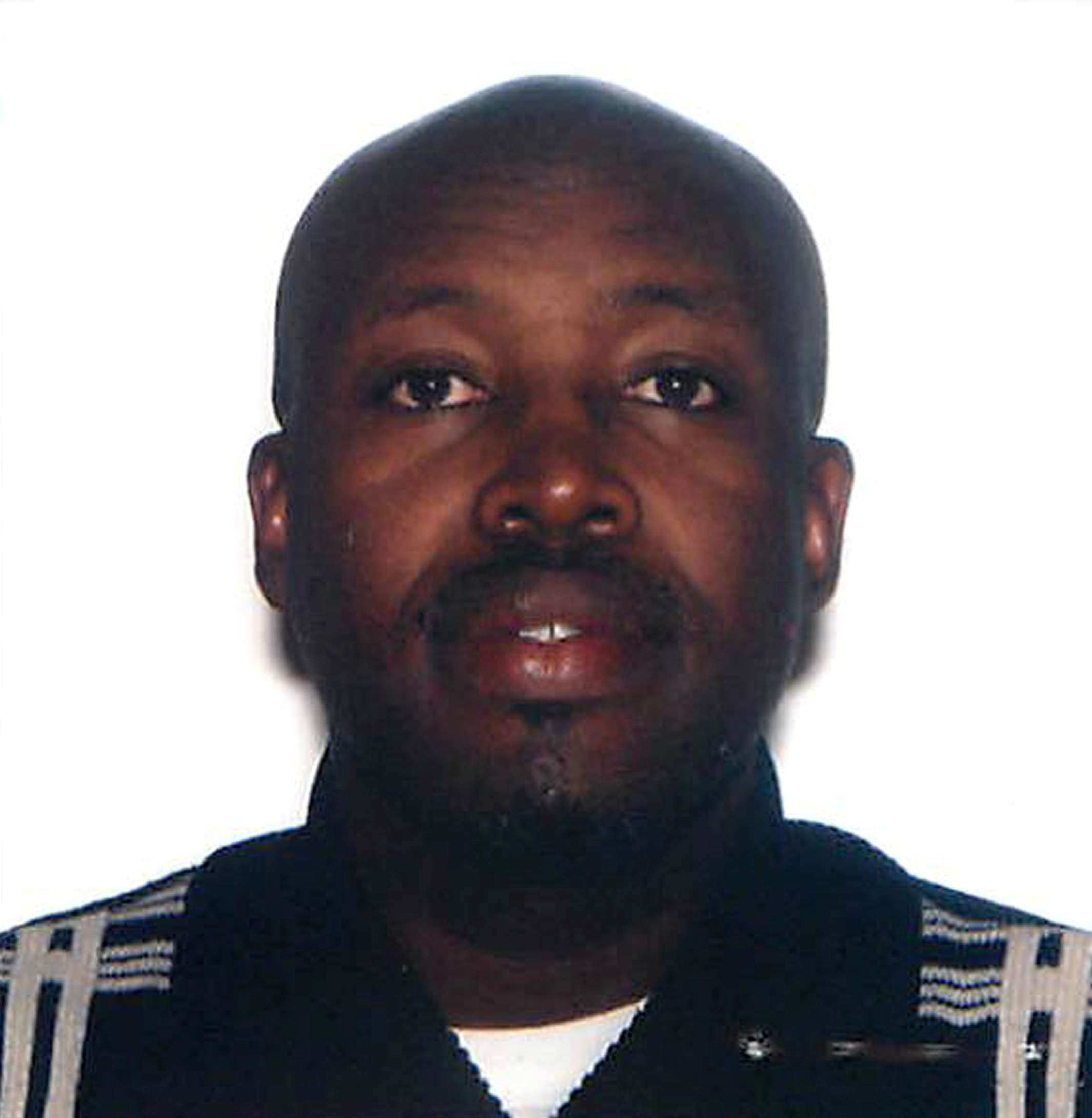
Jean Leonard Teganya, a Rwandan man who U.S. prosecutors said participated in the African nation’s 1994 genocide and who was convicted in April of lying in hope of gaining asylum in the United States, is seen in this undated photo provided by the U.S. Attorney’s Office for the District of Massachusetts, U.S., July 1, 2019. Courtesy U.S. Attorney’s Office for the District of Massachusetts/Handout via REUTERS
As the genocide ended in July 1994, Teganya fled Rwanda.
His journey did not end in a neighbouring country.
According to the record of his U.S. appeal, Teganya left Rwanda for what was then Zaire and later travelled through Kenya and India. In 1999, he obtained a fake Zimbabwean passport and travelled to Canada.
Canada became the next major chapter in his attempt to remain outside Rwanda.
Teganya applied for asylum there in 1999.
Canadian authorities rejected his claim.
According to the U.S. Department of Justice, Canadian authorities determined twice that he was not entitled to asylum because of his alleged involvement in atrocities at the Butare hospital during the genocide.
His Canadian case continued for about 15 years.
Eventually, he was ordered to leave Canada.
Instead of complying, he remained there.
He would later cross another international border.
Crossing into the United States
On August 3, 2014, Teganya was encountered walking after crossing the border from Canada into Houlton, Maine.
U.S. authorities took him into custody.
He then applied for asylum in the United States.
That application became the basis for the criminal case that would eventually send him to prison.
U.S. authorities said Teganya failed to disclose his membership in the MRND and his activities during the genocide.
He also made false statements during immigration proceedings about his past.
In 2017, federal prosecutors in Massachusetts charged him with immigration fraud and perjury.
The case attracted particular attention because the allegations concerned the use of the American asylum system by someone accused of participating in the very violence from which the system is designed to protect victims.
The U.S. government argued that Teganya had concealed his past to obtain immigration protection.
A five-count conviction
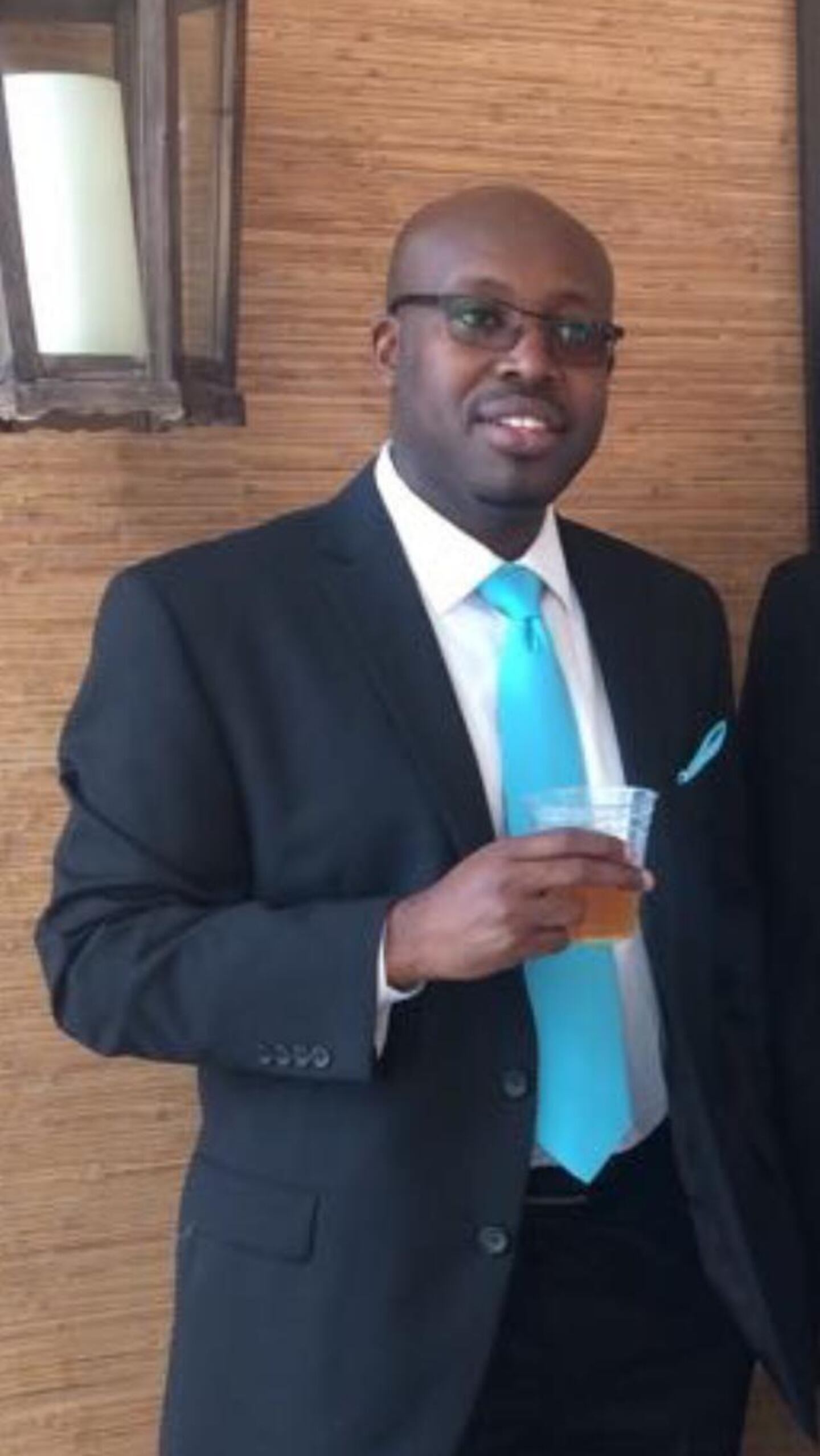
Teganya’s case went to trial in Boston.
In April 2019, a federal jury convicted him on five counts — two counts of immigration fraud and three counts of perjury.
The trial lasted 18 days.
Teganya testified in his own defence and denied the extent of his involvement.
The jury rejected his defence.
The U.S. First Circuit Court of Appeals later affirmed his convictions and sentence.
In its 2021 decision, the appeals court said the convictions were based on his failure to disclose his role in the Rwandan genocide to U.S. immigration authorities.
The court also noted that the trial had focused on the extent of his involvement in the genocide and that witnesses had testified about multiple murders, rapes and other atrocities involving Tutsi victims.
The court upheld the conviction.
97 months in a U.S. prison
On July 1, 2019, U.S. District Judge F. Denis Saylor IV sentenced Teganya to 97 months in prison.
The judge also found that Teganya had obstructed justice by committing perjury during his trial.
The sentence was imposed for the immigration fraud and perjury convictions.
It was not a genocide conviction in the United States.
That distinction is important.
The U.S. case established criminal liability for lying to immigration authorities and for perjury. The allegations about his conduct during the genocide were central to the case and were presented as evidence explaining why he had concealed his past.
After completing his sentence, Teganya was expected to face removal proceedings.
The U.S. government had made clear that his imprisonment would not necessarily end his legal troubles.
Rwanda kept the case open
While the United States prosecuted Teganya for immigration-related offences, Rwanda had its own case against him.
The National Public Prosecution Authority said it indicted him in 2014 for alleged genocide and crimes against humanity.
The alleged crimes were committed in Butare, the prosecution authority said.
That case remained significant because Teganya had never been tried in Rwanda for the genocide allegations described by prosecutors.
His return therefore brings him back to the jurisdiction where the alleged crimes occurred.
The precise next steps will be determined by Rwanda’s judicial authorities.
The prosecution authority has not, in the November 9 statement, announced the charges that will formally be presented in court following his deportation.
A case that crossed continents
Teganya’s history illustrates how cases involving suspected genocide perpetrators can remain active for decades and cross several legal systems.
Rwanda pursued him.
Canada rejected his asylum claim and ordered him removed.
The United States arrested and prosecuted him after he crossed the border from Canada.
The U.S. criminal case focused on his alleged concealment of his genocide history in his immigration applications.
Now Rwanda has received him back.
The National Public Prosecution Authority expressed appreciation to U.S. judicial authorities for their cooperation in the deportation of genocide fugitives.
It also thanked the United States for continued cooperation on mutual legal assistance and for its contribution to international efforts to combat impunity and ensure accountability for genocide crimes.
That cooperation is important because many suspects in the 1994 genocide left Rwanda after the killings and established lives in other countries.
Some were granted refugee or immigration status before their alleged pasts became known.
Others have faced criminal or immigration proceedings years later.
The wider search for accountability
The U.S. government has described Teganya’s case as part of a wider effort to prevent the country from becoming a safe haven for people accused of genocide, war crimes and other serious human rights abuses.
Its Human Rights Violators and War Crimes Center was created in 2003 to help identify, investigate, prosecute and remove suspected human rights violators living in the United States.
The centre has worked with U.S. immigration and law-enforcement agencies on cases involving genocide, torture, ethnic cleansing and other forms of persecution.
In Teganya’s case, U.S. authorities worked with several agencies and international partners, including U.S. Customs and Border Protection and the State Department.
The U.S. Department of Justice has repeatedly described the case as an example of the importance of preventing people accused of atrocities from using immigration systems to obtain protection.
What happens next
Teganya is now back in Rwanda.
The National Public Prosecution Authority confirmed his arrival in Kigali this Monday evening November 9, 2026.
The authority has not yet detailed when he will appear before a court or the precise procedural steps that will follow.
What is clear is that the man who left Rwanda in the final days of the genocide has returned after more than 30 years outside the country.
His journey took him from a medical school in Butare to exile, Canada and the United States.
It included a rejected asylum claim, an illegal border crossing, a federal trial and a prison sentence.
But the U.S. case was never the final word on the genocide allegations against him.
Rwanda had maintained its own case.
Now, with Teganya back in the country, that case moves into a new phase.
For the survivors and families of those killed in Butare, his return represents another step in a long-running effort to bring suspected perpetrators before a court.
And for Rwanda’s justice system, it is the latest test of a principle that has defined its pursuit of genocide fugitives for more than three decades: that crossing a border does not erase responsibility for crimes committed during the 1994 Genocide against the Tutsi.
