



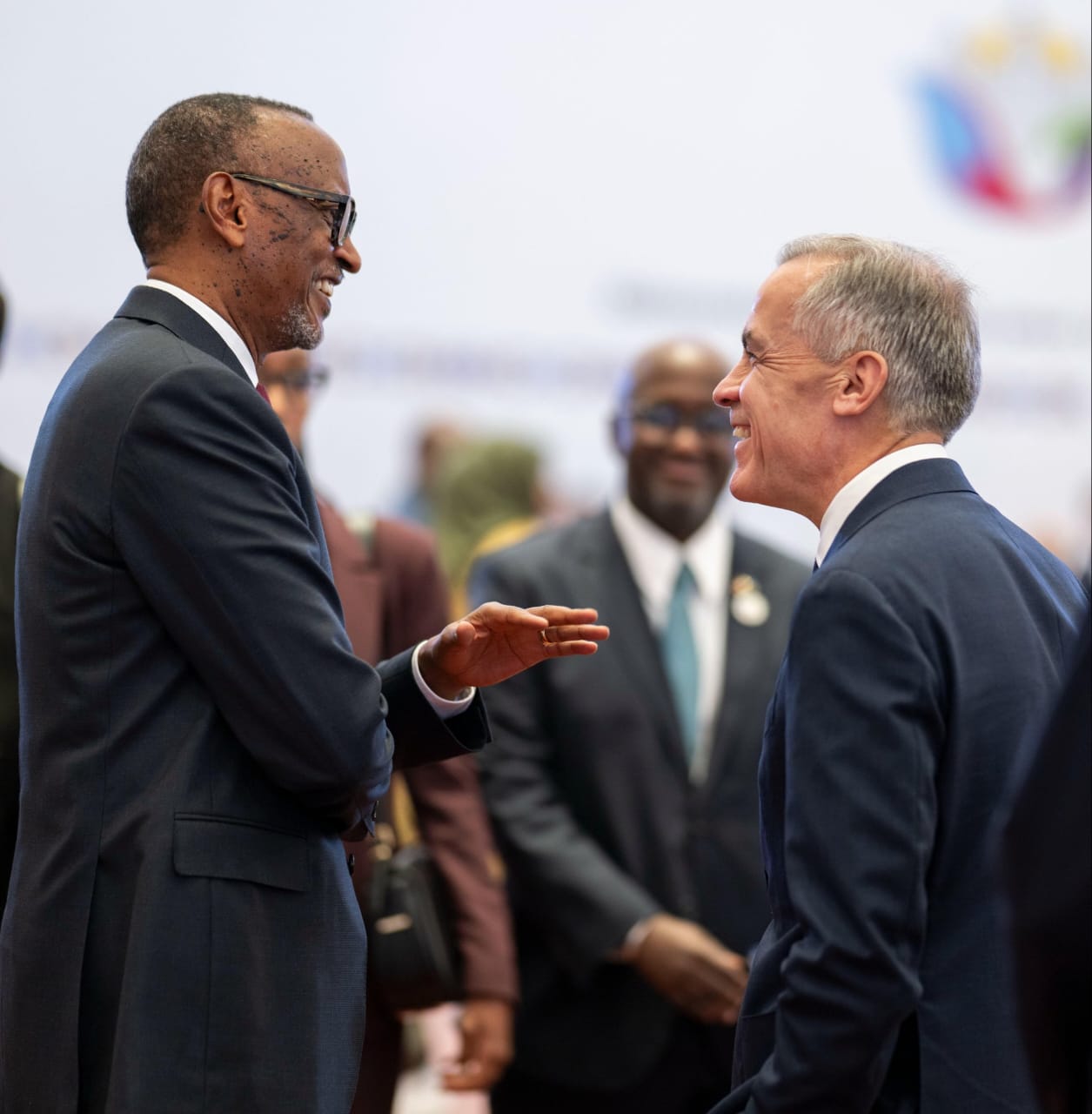
President Kagame engages with Canadian Prime Minister Mark Carney during a break of the Francophonie Summit in Cambodia, as Foreign Minister Olivier Nduhungirehe looks on
For much of Monday morning, November 16, Rwanda was waiting.
Across the country, people followed developments in Cambodia through their smartphones, television screens, radio stations and social media, hoping for news about the future of Louise Mushikiwabo, the Rwandan who has led the International Organisation of La Francophonie (OIF) since 2018.
The negotiations in Phnom Penh were far more complicated than the question many Rwandans were following.
Behind closed doors, leaders were engaged in intense diplomatic manoeuvres, competing proposals and last-minute efforts to prevent a confrontation that threatened to split the organisation.
The drama included reports that Congolese President Félix Tshisekedi left the final meeting before the official announcement, while his Foreign Minister, Thérèse Kayikwamba Wagner, was captured on camera appearing visibly distressed and confronting a camera operator.
The scenes offered a glimpse of the tension surrounding a contest that had become deeply entangled in the Rwanda-DRC political rivalry.
The eventual decision was to postpone the election of a new Secretary-General for one year, allowing Mushikiwabo to remain in office during the transition. She will not seek another term, and Rwanda has committed not to present a candidate in the next contest.
The compromise, largely credited to Senegalese President Bassirou Diomaye Faye, prevented an immediate rupture but ended Rwanda’s bid to secure a third consecutive term for Mushikiwabo.
A contest bigger than the candidates
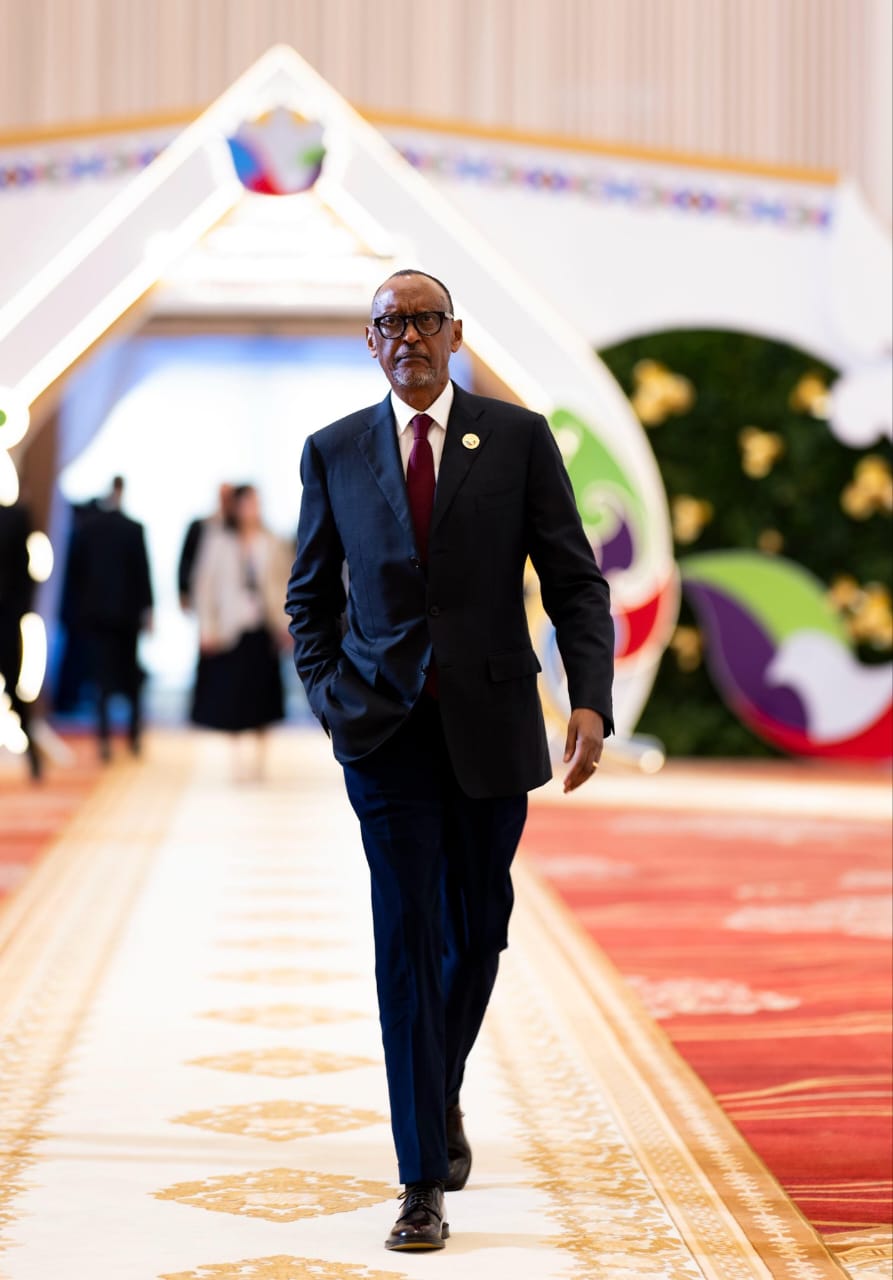
The election had become much more than a contest between four candidates. It was increasingly a reflection of the deteriorating relationship between Rwanda and the Democratic Republic of Congo (DRC).
Kinshasa strongly opposed Mushikiwabo’s third-term bid and threatened to leave the OIF if she was re-elected. It nominated Juliana Amato Lumumba, daughter of Congo’s independence leader Patrice Lumumba, to challenge the Rwandan incumbent.
The other candidates were Mauritania’s Coumba Bâ and Romania’s former Prime Minister Dacian Cioloș.
Lumumba’s candidacy, however, was itself surrounded by controversy. Reports circulating before the summit suggested that she was unhappy with the level of support she had received from her own government. She was reportedly frustrated that promises of diplomatic lobbying and financial backing had not materialised, leaving her struggling to build support among member states.
The claims raised questions about whether Kinshasa had mounted a serious campaign for its candidate or was primarily using her nomination to challenge Rwanda’s bid. Some Congolese commentators subsequently portrayed her withdrawal as an abandonment of a candidate who had not received the support she expected. These accounts have not been independently established, but they added another layer to the political drama.
Macron’s intervention and Rwanda’s resistance
France also became deeply involved in efforts to prevent the leadership dispute from dividing the organisation.
President Emmanuel Macron reportedly asked President Paul Kagame to consider withdrawing Mushikiwabo’s candidacy to make way for a consensus candidate. Cioloș was among the names discussed.
Rwanda rejected the pressure. Foreign Affairs Minister Olivier Nduhungirehe argued that no country could dictate which candidate another member state should present.
DRC, meanwhile, indicated that it was prepared to withdraw Lumumba’s candidacy and consider supporting Cioloș as part of efforts to reach consensus. The precise status of that withdrawal before the final decision was not entirely clear.
The disagreement exposed the influence of France, the OIF’s largest financial contributor, and revived questions about whether its former colonial power should play such a decisive role in the organisation’s leadership process.
Senegal finds a way out
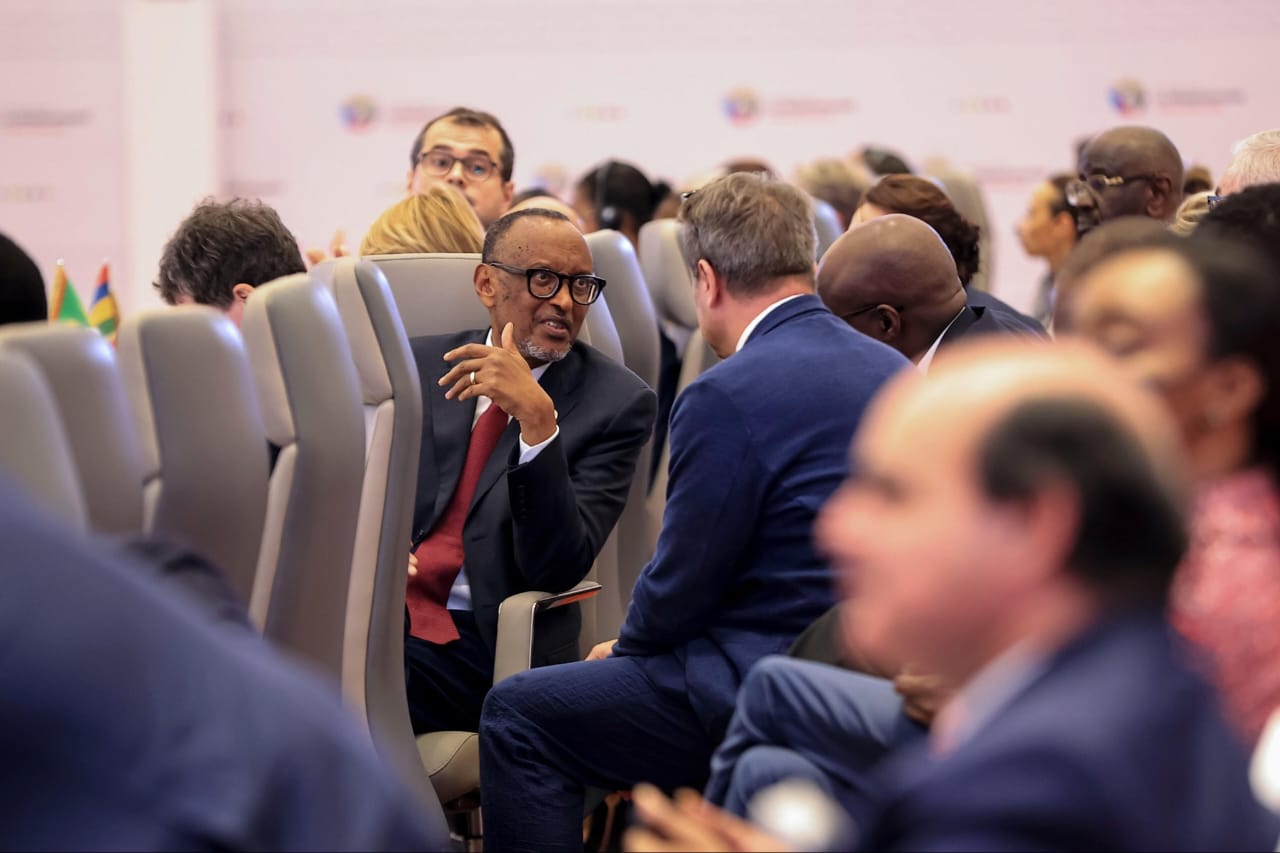
As negotiations dragged on, Senegal’s Faye emerged as a central figure in the search for a solution.
He initiated consultations among leaders and pushed a formula that allowed the different sides to avoid a direct confrontation over the election.
Under the compromise, Mushikiwabo will remain in office for another 12 months. Rwanda will not field a candidate in the next election, while existing candidacies remain open and new candidates may be presented. The organisation will also review the rules governing the selection of its Secretary-General.
The arrangement gave both Kigali and Kinshasa something to take home. Rwanda retained Mushikiwabo in office for another year, while DRC secured an outcome that prevents her from seeking an immediate third term.
Kayikwamba Wagner later welcomed what she called a “wise compromise”, saying it would preserve the unity of the Francophonie. France also welcomed the agreement. Cioloș, however, described the postponement as “a very sad day” for the organisation.
A moment of national attention
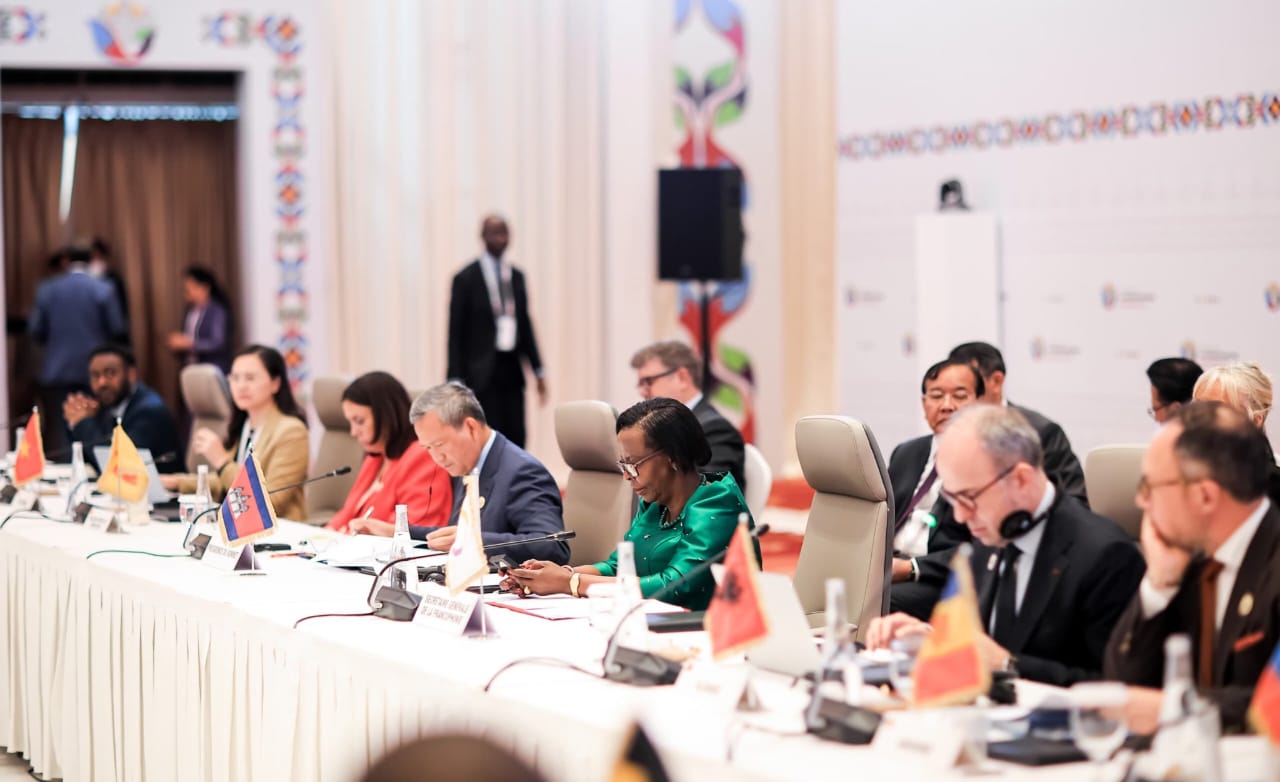
The intensity of the reaction in Rwanda reflected how closely the contest had become associated with the country’s international profile.
For many Rwandans, Mushikiwabo’s position was not simply an appointment within an international organisation. Her eight years at the helm had made the OIF more visible in the country’s public conversation. One Ugandan social media user observed that they had only become aware of the Francophonie after Mushikiwabo became its Secretary-General. The comment was an individual reaction, but it illustrated the visibility her leadership had brought to the organisation.
The outcome was not the clear victory some Rwandans had hoped for. Mushikiwabo remains in office, but the prospect of another Rwandan term has been removed from the next election.
The postponement is also unprecedented in the history of the Secretary-General’s office, created in 1997. Previous leaders were selected through consensus, but the Phnom Penh summit showed how difficult that approach has become amid growing political divisions.
The OIF was already weakened by the withdrawals of Mali, Niger and Burkina Faso. Losing DRC, which has the world’s largest French-speaking population, would have dealt another serious blow to its influence.
Phnom Penh avoided an immediate split. But the extraordinary scenes, diplomatic pressure and competing national interests surrounding the election exposed an organisation whose unity is increasingly difficult to preserve.
