

 KIGALI – African economies continue to export raw materials for processing elsewhere, while African professionals contribute to technologies whose ownership and commercial returns raise questions about how much value the continent captures.
Leaders say the continent’s economic transformation will depend not only on what the continent produces, but also on how much value it retains from its own resources, skills and ideas.
Changing that pattern has emerged as a strong challenge for African countries seeking to build stronger industries, develop homegrown technologies and reduce dependence on external expertise.
The United Nations Industrial Development Organization (UNIDO) estimates that manufacturing accounted for 10.6 per cent of Africa’s GDP in 2024, compared with a global average of 16.5 per cent. Manufacturing value added per person stood at just US$212, against a global average of US$1,937.
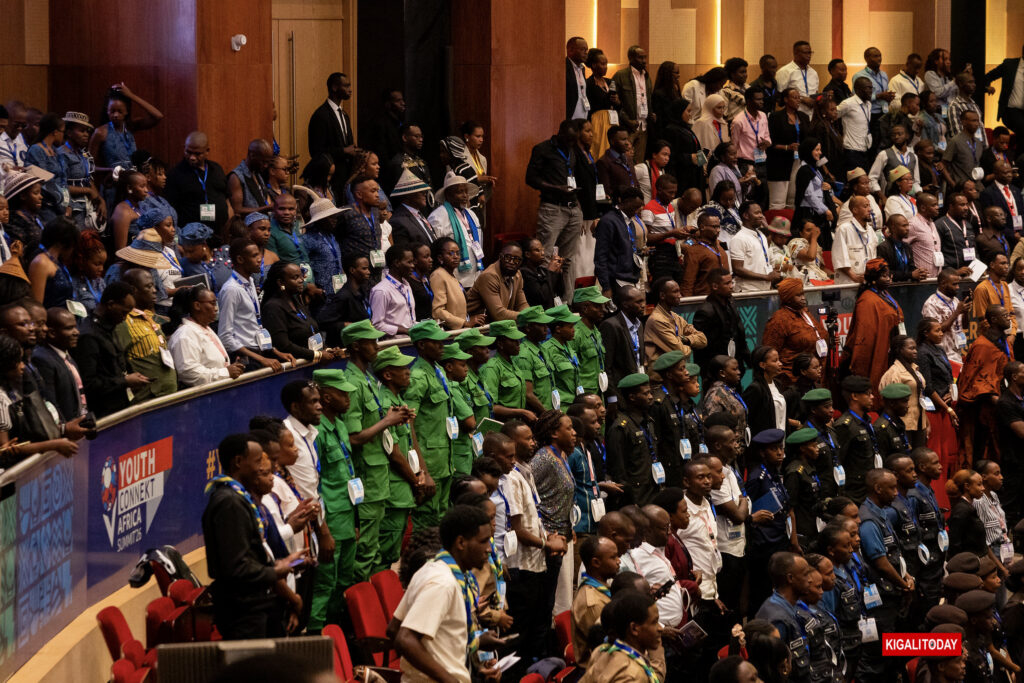
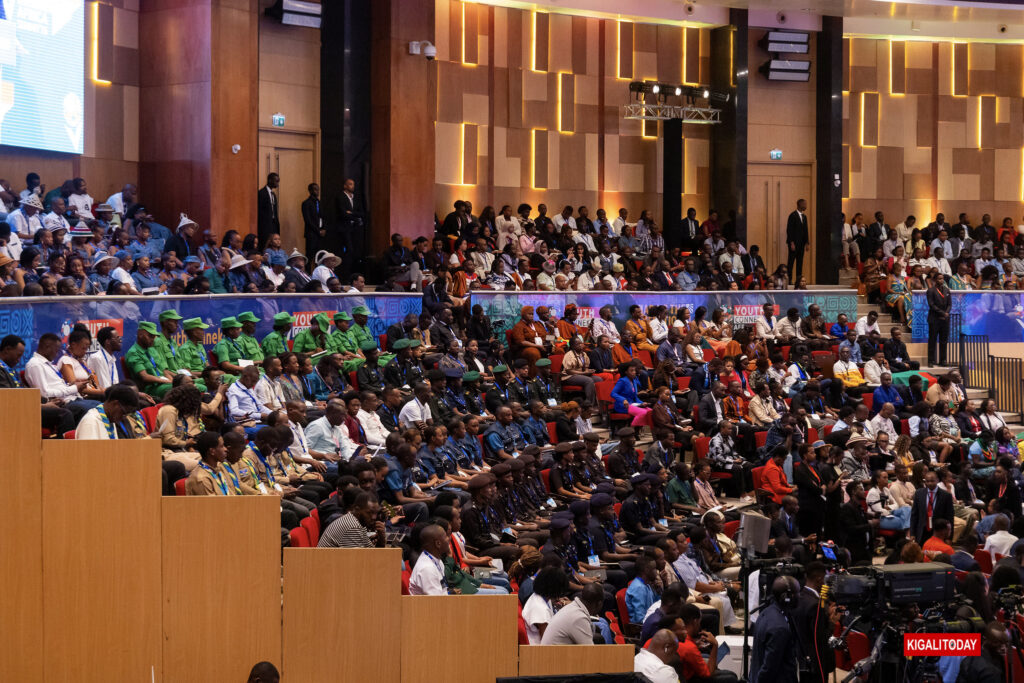
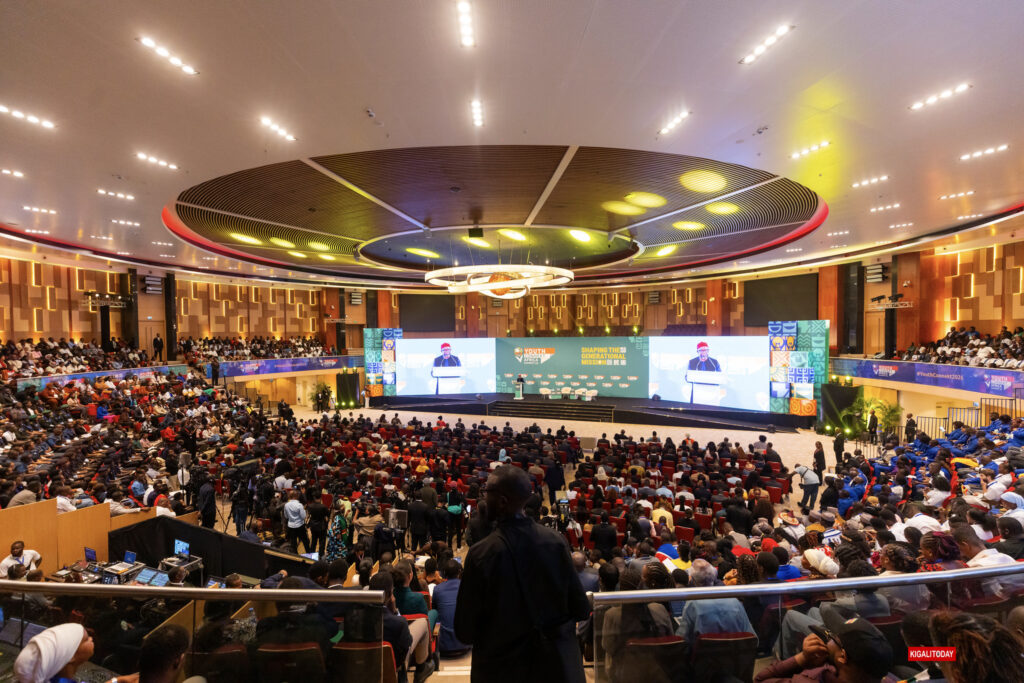
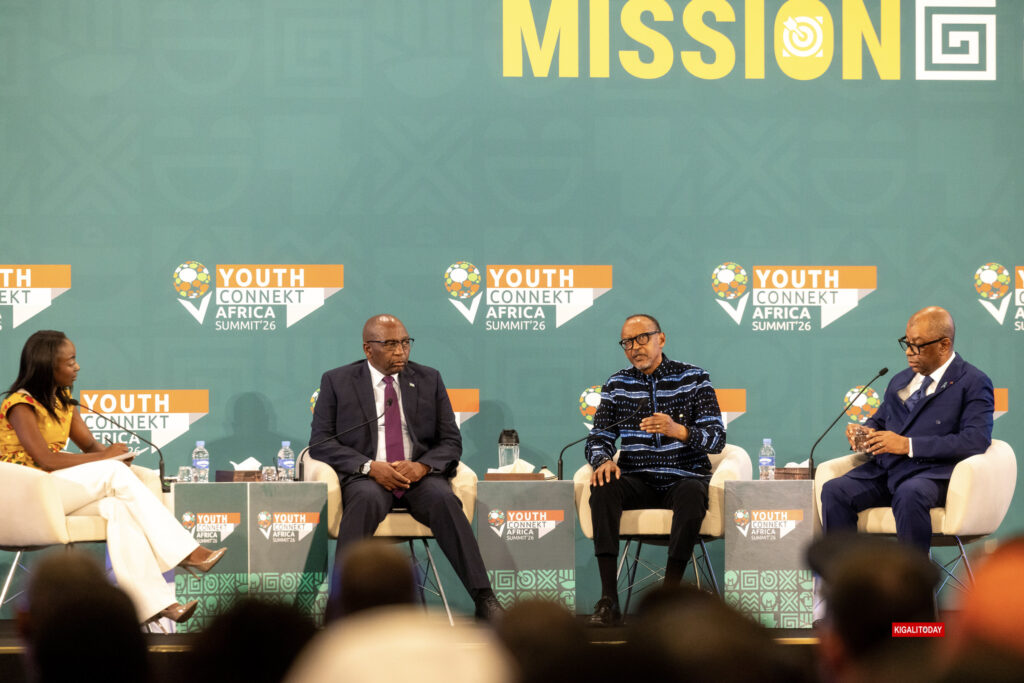
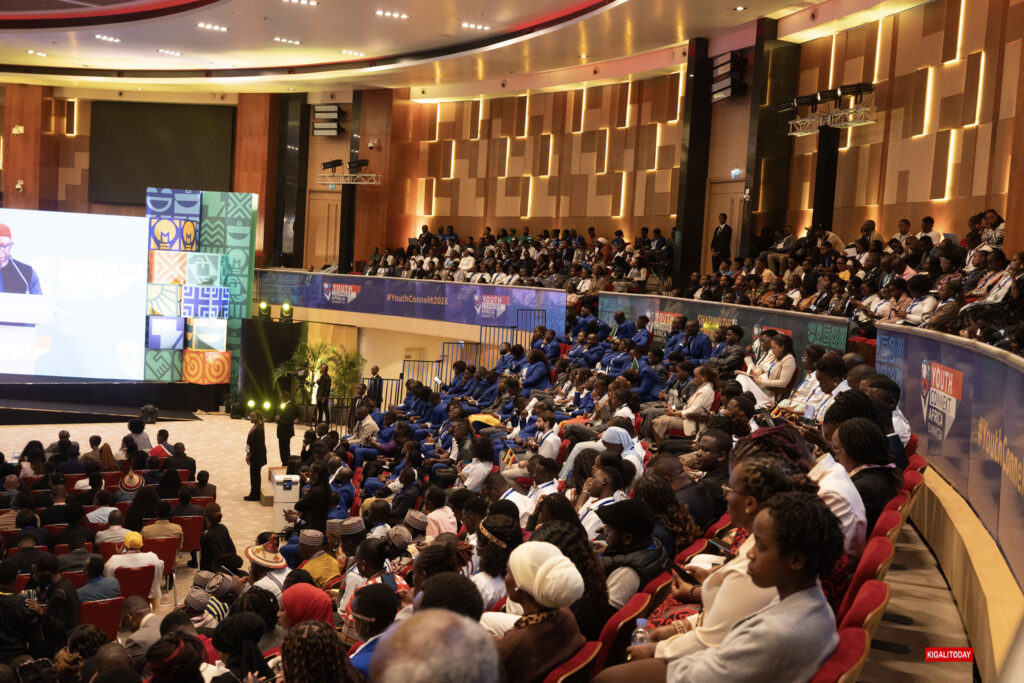
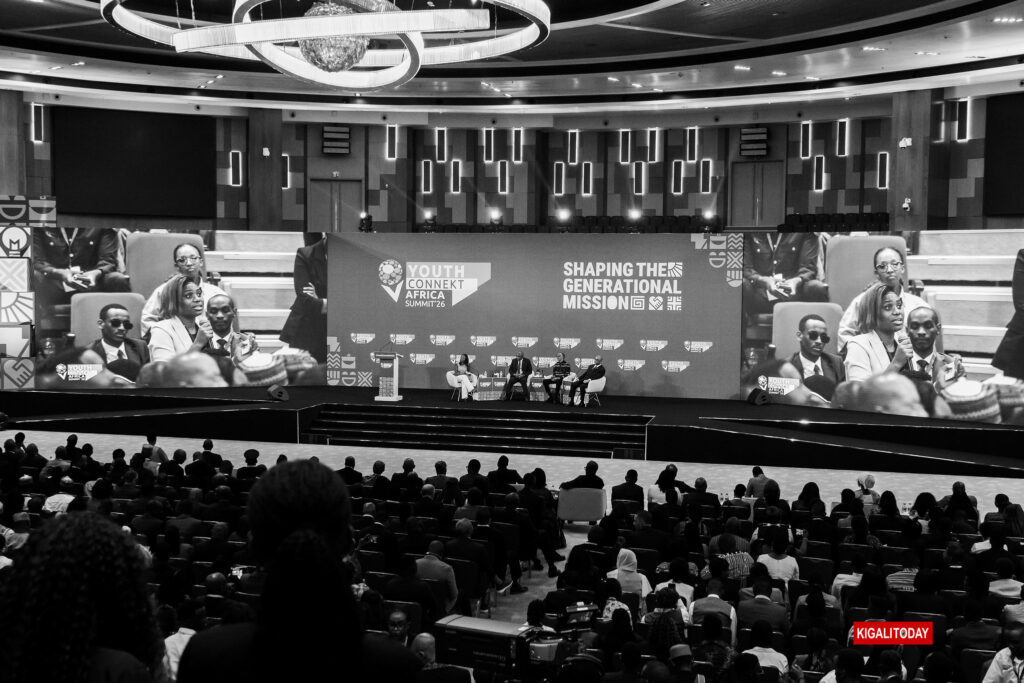
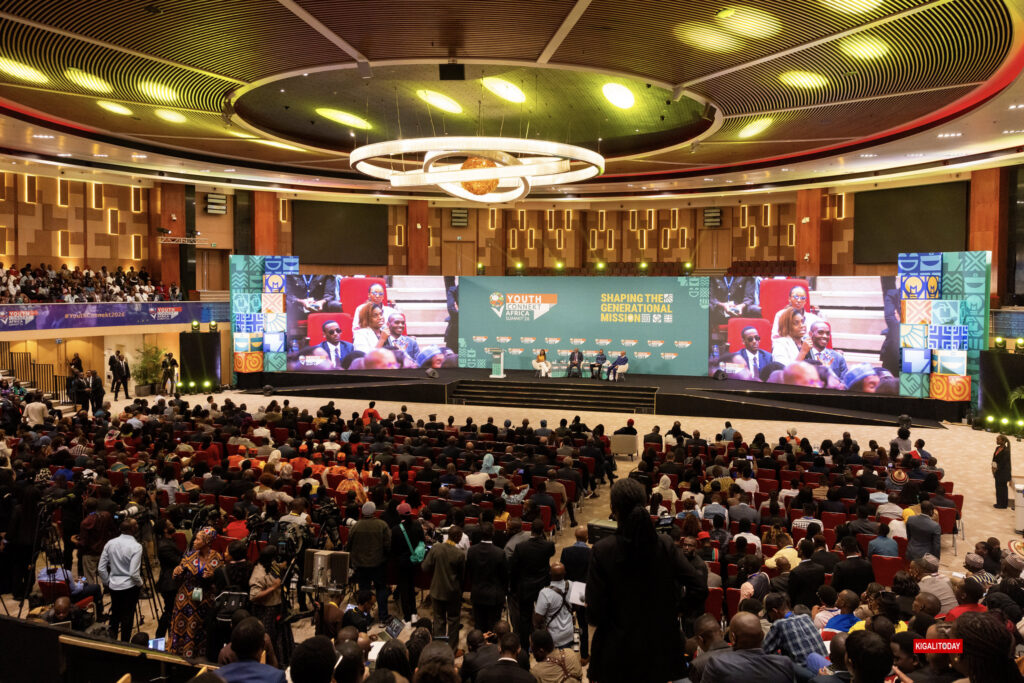
This persistent gap in the continent’s capacity to turn its resources into higher-value products featured prominently during a generational exchange at the eighth YouthConnekt Africa Summit in Kigali on Wednesday, November 25, 2026.
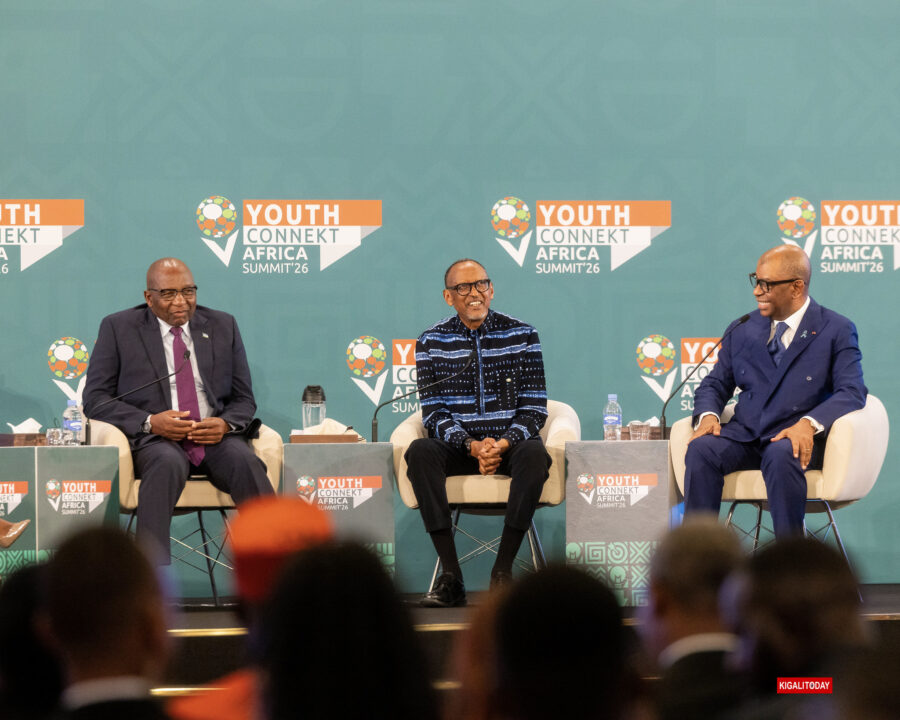
President Paul Kagame, Lesotho Prime Minister Samuel Ntsokoane Matekane and Gabon’s Vice-President Hugues Alexandre Barro Chambrier discussed the economic transformation they want young Africans to drive.
The Cost of Exporting Raw Materials
Barro illustrated the challenge through Gabon’s efforts to diversify its economy and expand local processing of natural resources.
He said the country was reforming its training system to prepare young people for sectors where it has comparative advantages, while equipping them with skills in emerging fields such as artificial intelligence.
But he argued that developing skills would have limited economic impact if African countries continued exporting resources without capturing the value created through processing.
“We can no longer remain producers of timber, only for those resources to be processed abroad and then imported back to our countries. That makes no economic sense. Processing resources locally would create opportunities including jobs in manufacturing and technical services,” he said.
He made a similar argument about manganese, calling for more local processing and stronger trade among African countries to improve their competitiveness in international markets.
An OECD analysis of critical minerals in Africa found that 24 per cent of the continent’s critical mineral exports were shipped in raw form, while a further 72 per cent were semi-processed. This means that even where some processing takes place, much of the higher-value industrial activity remains outside the continent.
Barro said training must therefore respond to the needs of African economies, pointing to cooperation with Rwanda, where Gabonese students are pursuing specialized studies, as one way of building relevant skills within the continent.
From Supplying Talent to Creating Technology
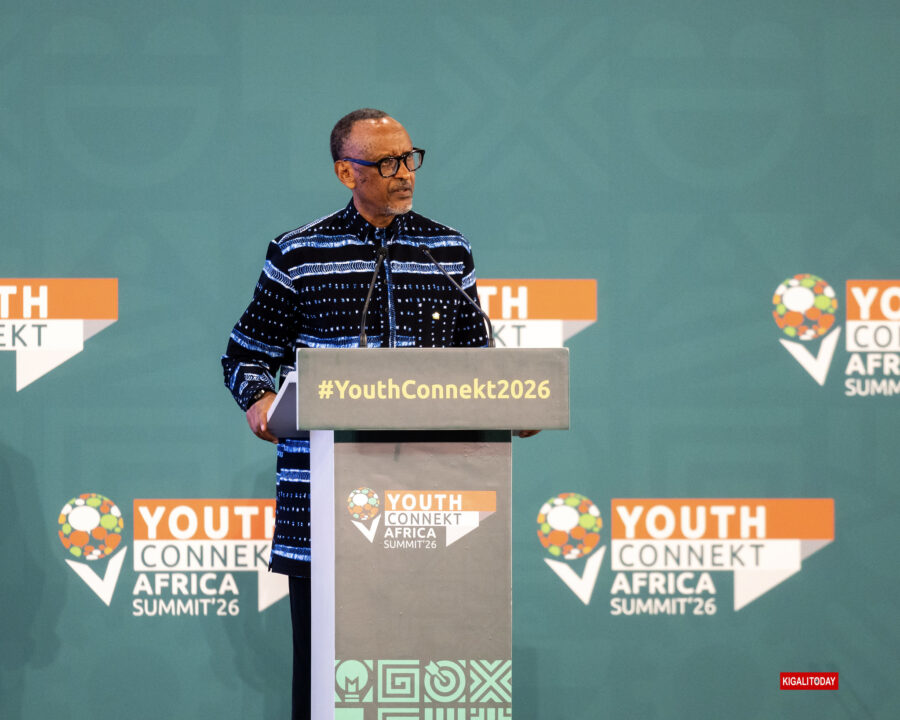
Kagame extended the argument to the technology industry, where he said Africa risks contributing talent without taking a sufficiently strong position in developing and owning the technologies shaping the future.
He noted that many companies behind the world’s most advanced technologies already employ Africans, including engineers, data analysts and innovators.
The continent, he argued, has human capability that could support technological development. What remains is to create the conditions that allow that expertise to produce technologies suited to African economies.
Africa accounts for only about 0.6 per cent of global data-centre capacity, according to the Africa Data Centres Association’s 2026 report. These facilities provide the computing and storage infrastructure needed for cloud services and increasingly sophisticated artificial intelligence applications.
 Their limited availability constrains the continent’s ability to build and operate more of its own digital services. “We should not talk about technology as though it belongs elsewhere and only comes to us because we have requested or begged for access to it,” Kagame said.
The aim, he said, should be to develop technologies that address African needs in areas such as medicine, agriculture and transport, rather than remain dependent on solutions developed elsewhere.
“We cannot continue being junior partners in everything. At some point, we must become equal partners. Partnerships with international technology companies must be based on equality, with African countries taking a stronger role in shaping technological development,” Kagame noted.
According to him, AI offers opportunities to improve productivity across several sectors but its rapid development also brings risks, particularly concerning safety and privacy. African countries must therefore build the capacity to manage those risks alongside the benefits.
Redefining Economic Independence
The discussion also touched on Africa’s wider relationship with the rest of the world, with Kagame insisting that the continent must move away from depending on external generosity and seeking approval elsewhere for its achievements.
He said African success should be recognized on the strength of the continent’s own efforts and ability to work together, rather than depend on validation from outside.
“We have been in that position for too long. It is painful to see that African success and the recognition of Africa’s rightful place in the world often seem to require validation from somebody else,” he said.
Matekane shared the view that Africa has the resources to sustain itself, challenging young entrepreneurs to use the continent’s opportunities for their own benefit and that of Africa as a whole.
“Even those who come from outside the continent do so because Africa has something they need, something they may not have in their own countries,” he said.
He called for fewer barriers to business across African borders, including making it easier for companies to move workers and operate in other countries. Consensus was built around stronger regional markets, lower poverty and greater mobility across the continent.
Trade between African countries reached an estimated US$206.6 billion in 2024, but represented only 15.3 per cent of the continent’s total trade, according to Afreximbank.
That leaves considerable scope for African economies to strengthen regional supply chains and create larger markets for goods produced within the continent.