

KIGALI – Four decades ago, Rwanda and the United Nations Children’s Fund (UNICEF) began a partnership at a time when access to basic services remained a major challenge for many children and families.
The years that followed would bring profound changes to the country, including the devastation of the 1994 Genocide against the Tutsi and the difficult task of rebuilding families, communities and public institutions.
Throughout this period, UNICEF worked alongside the government to support children through healthcare, immunization, nutrition, education and protection programs. The impact of these efforts is reflected in improvements recorded over the years.
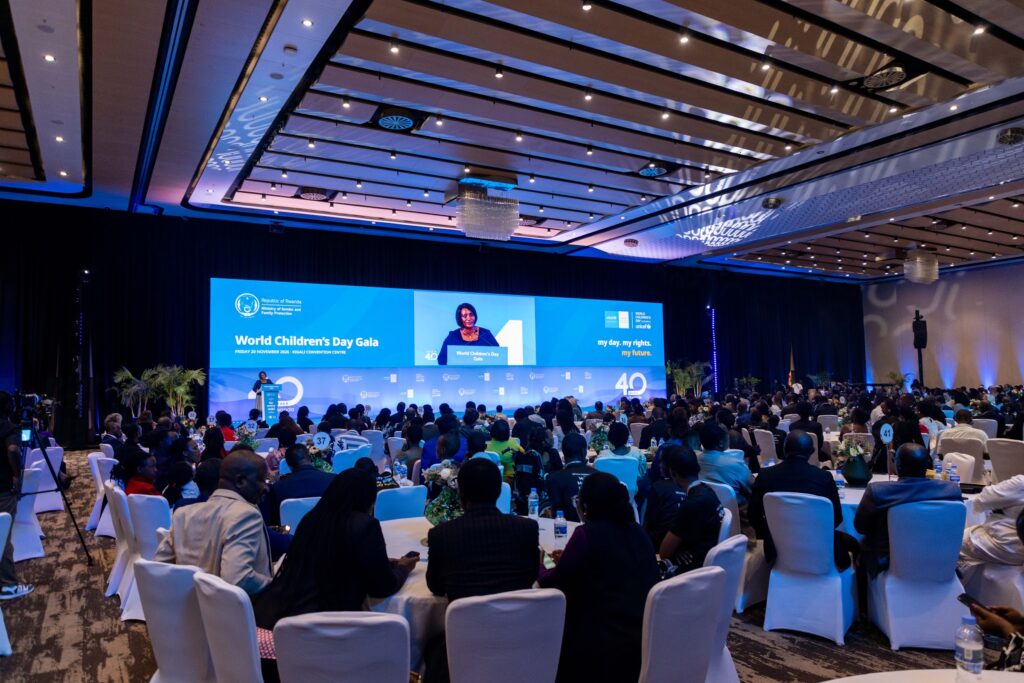
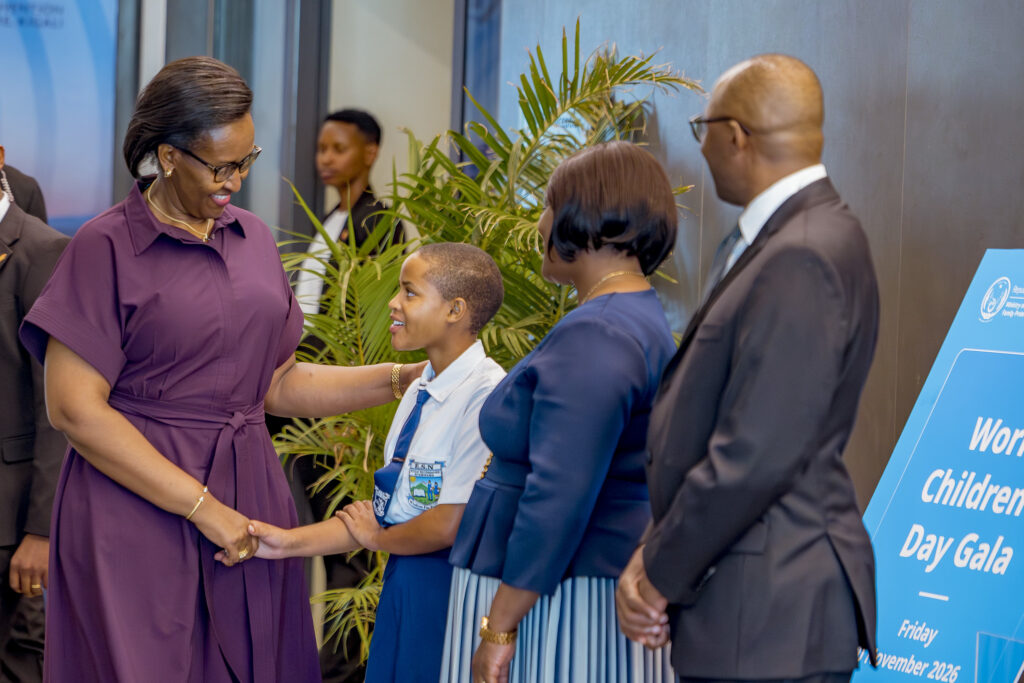
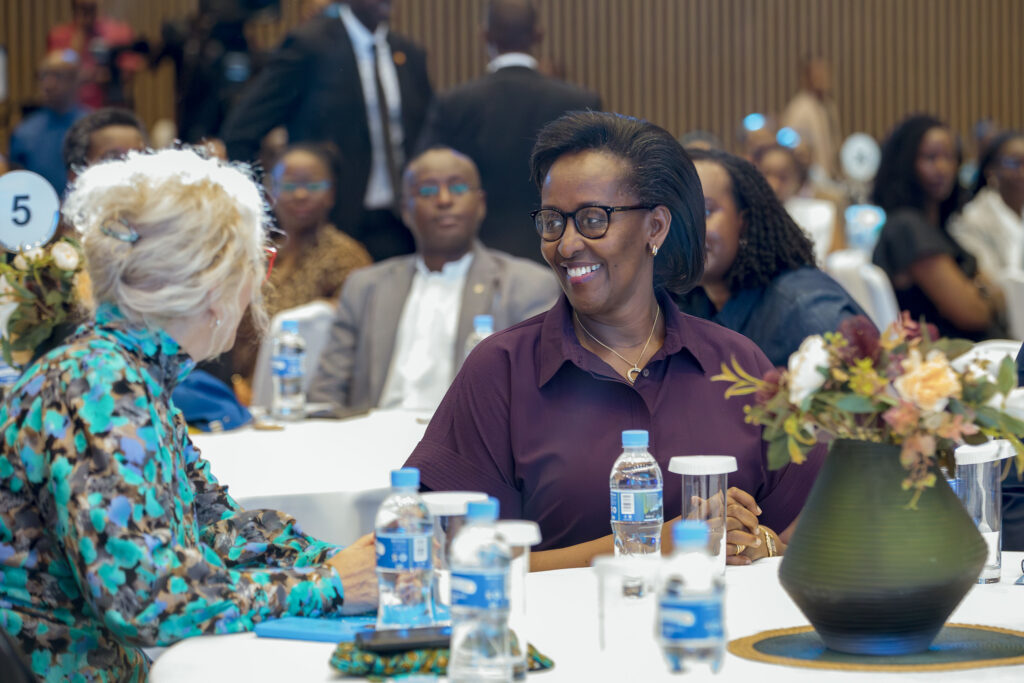
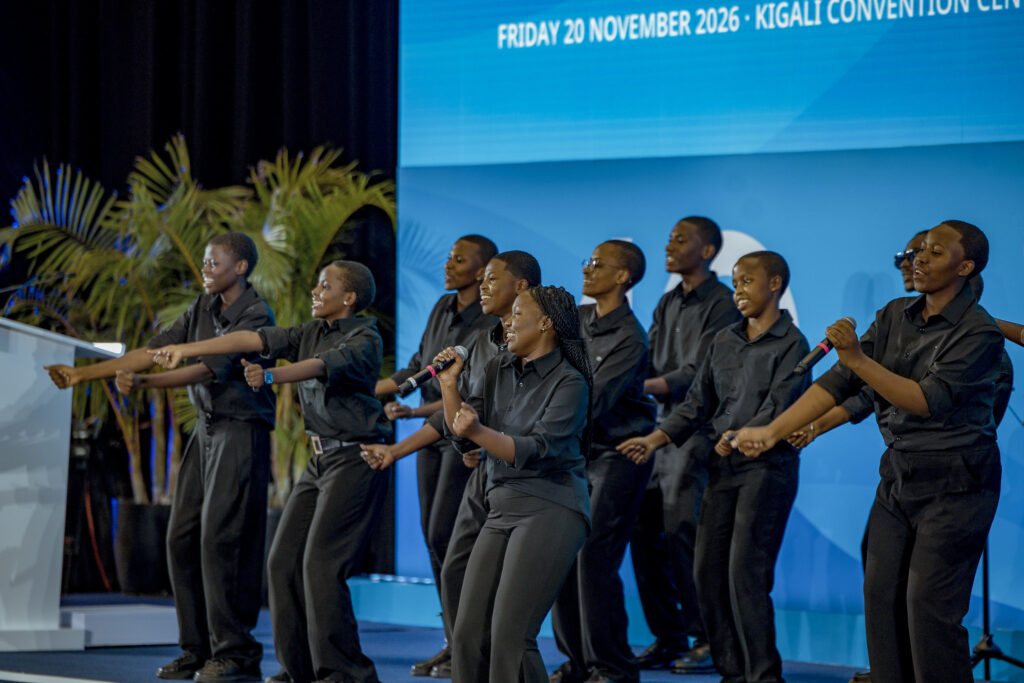
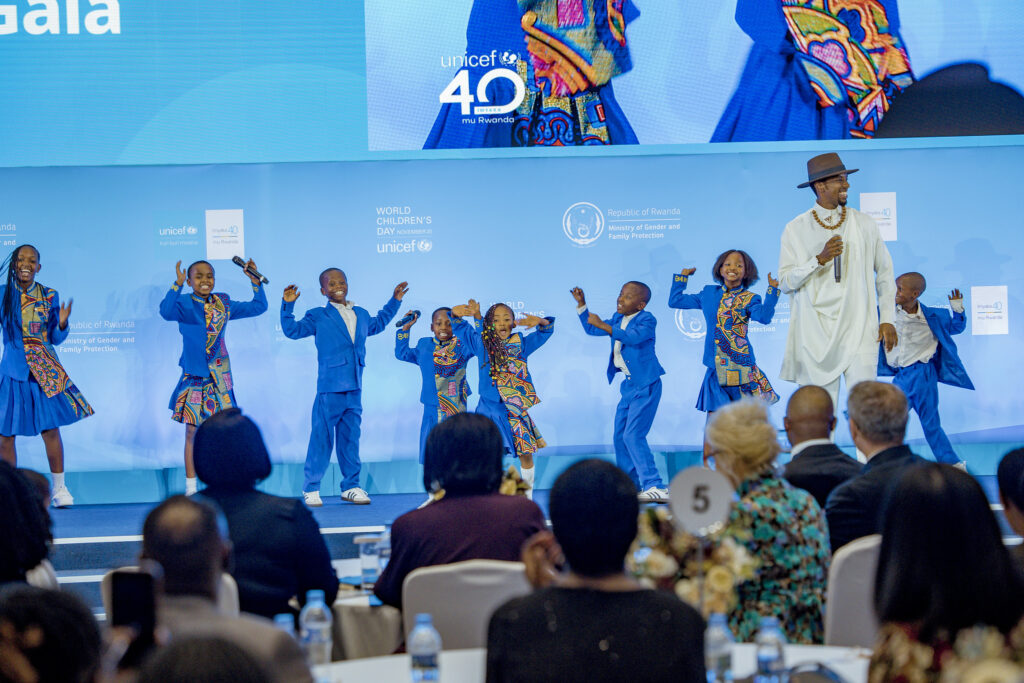
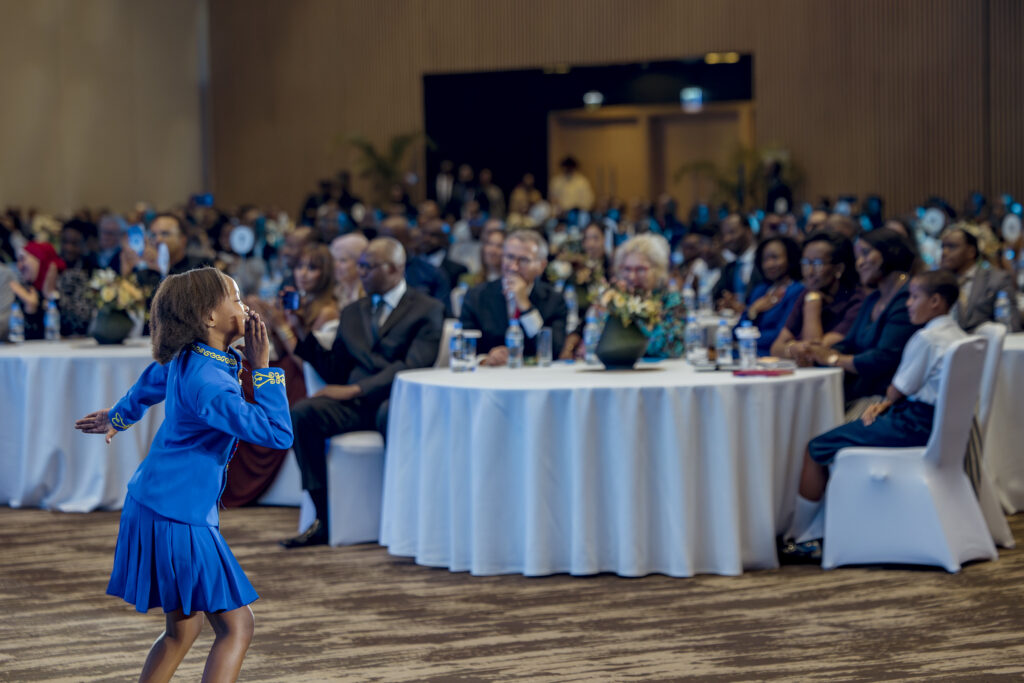
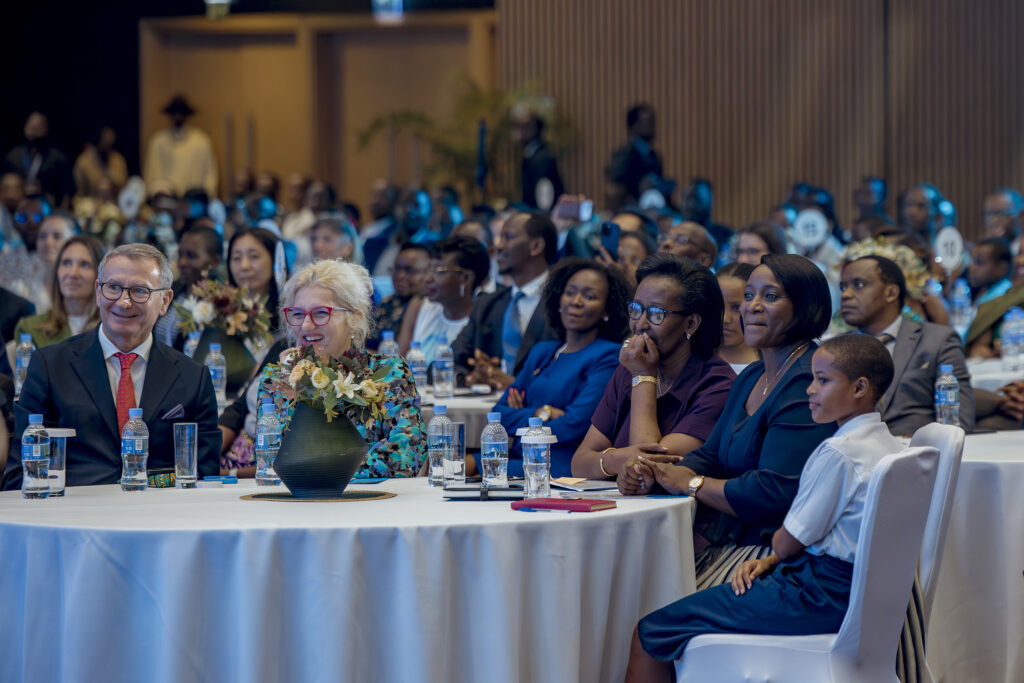
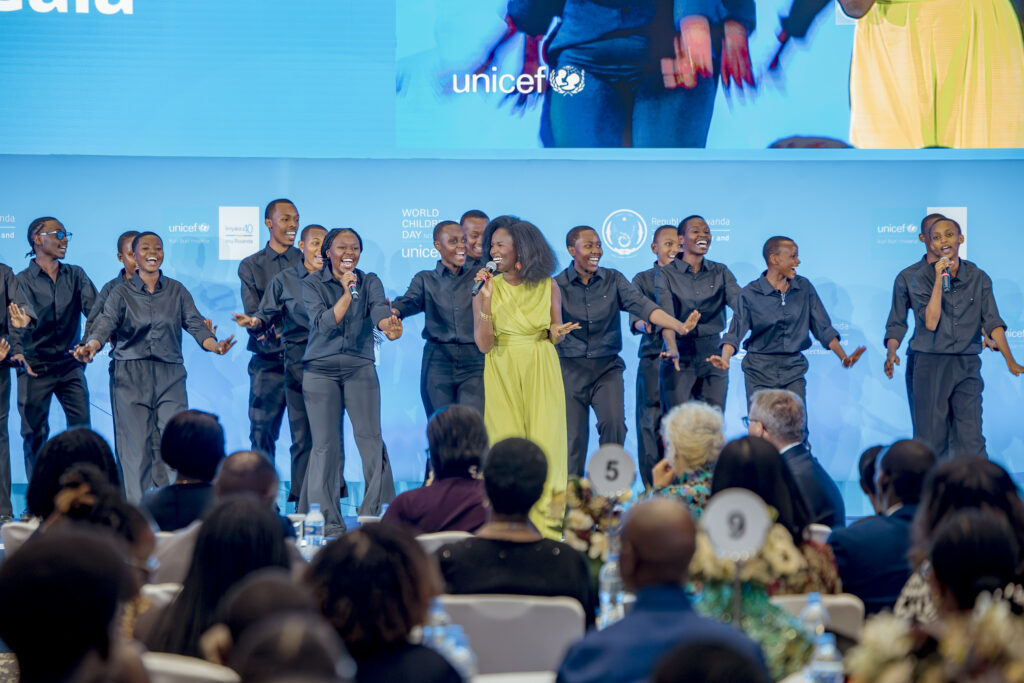
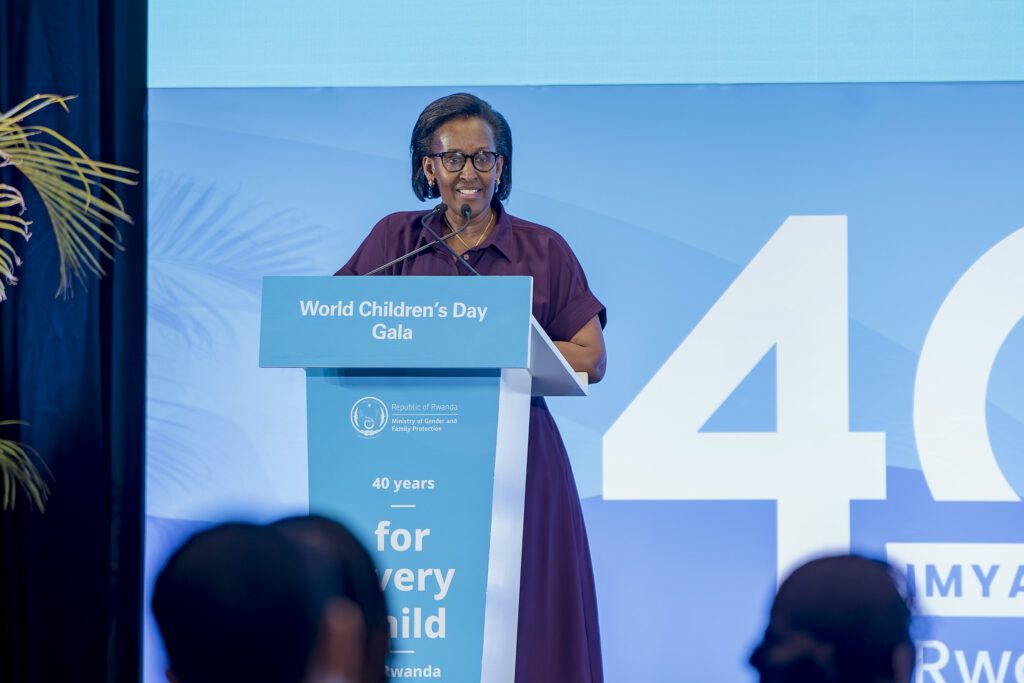
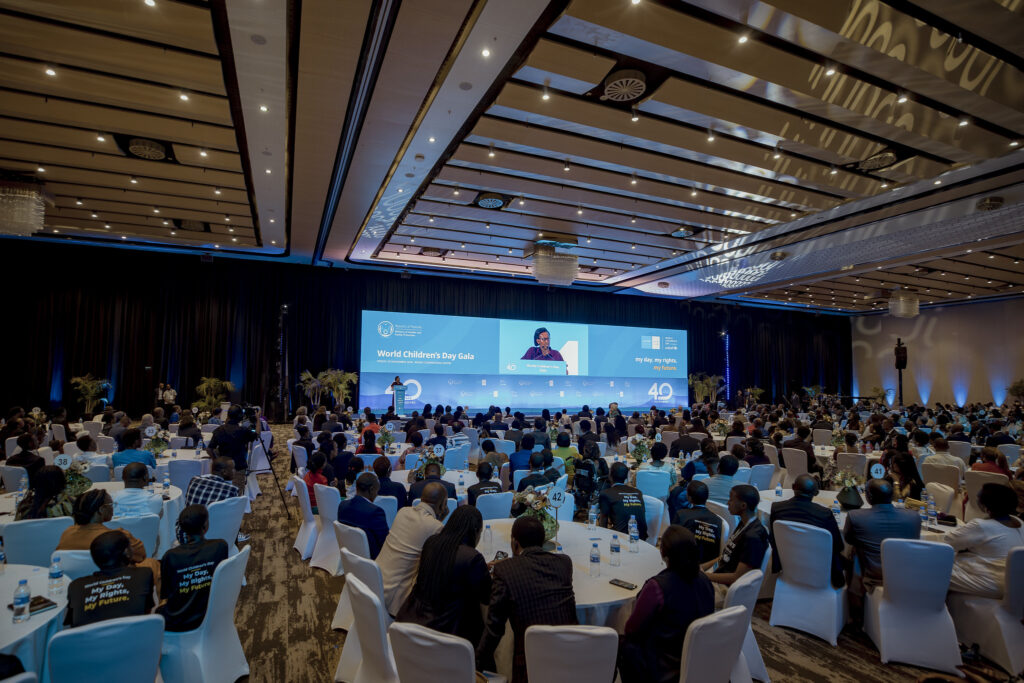
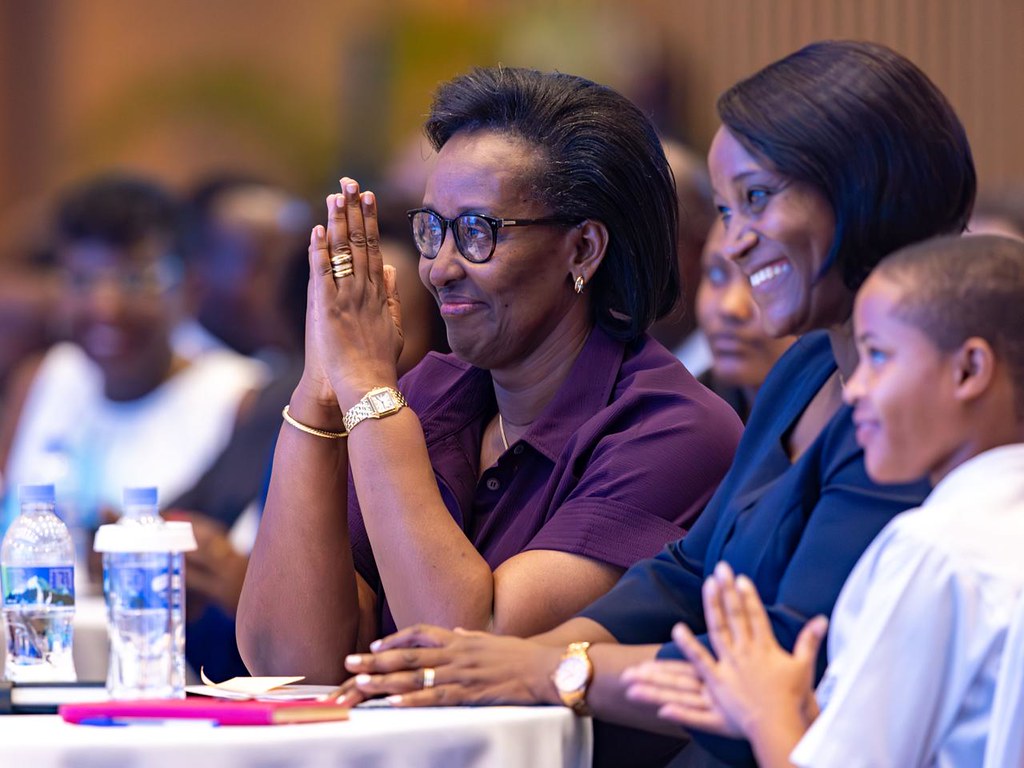
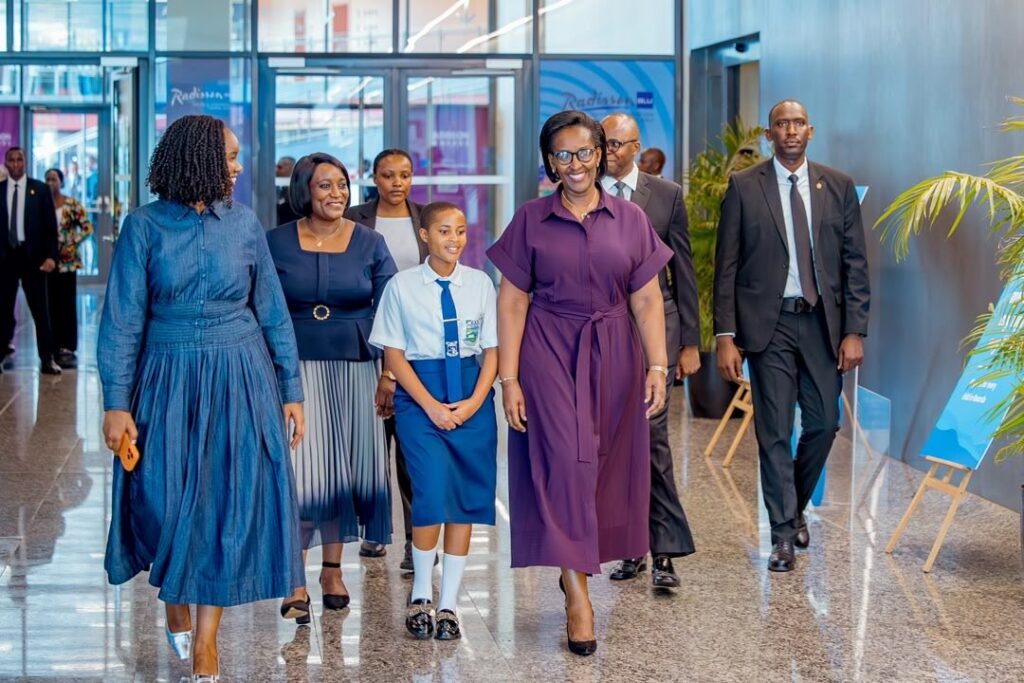
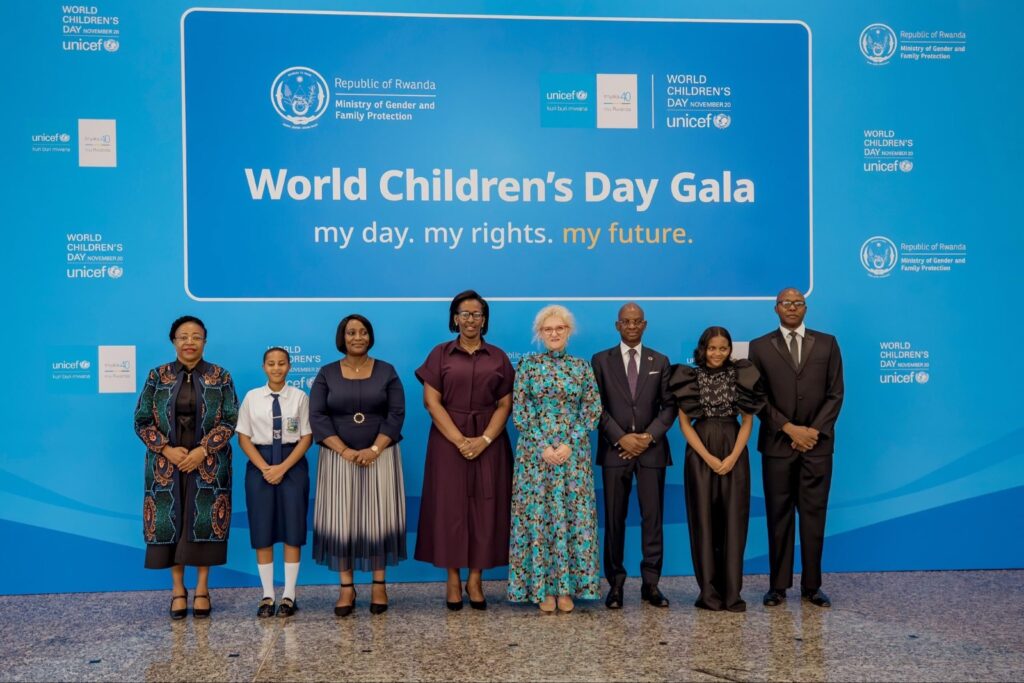
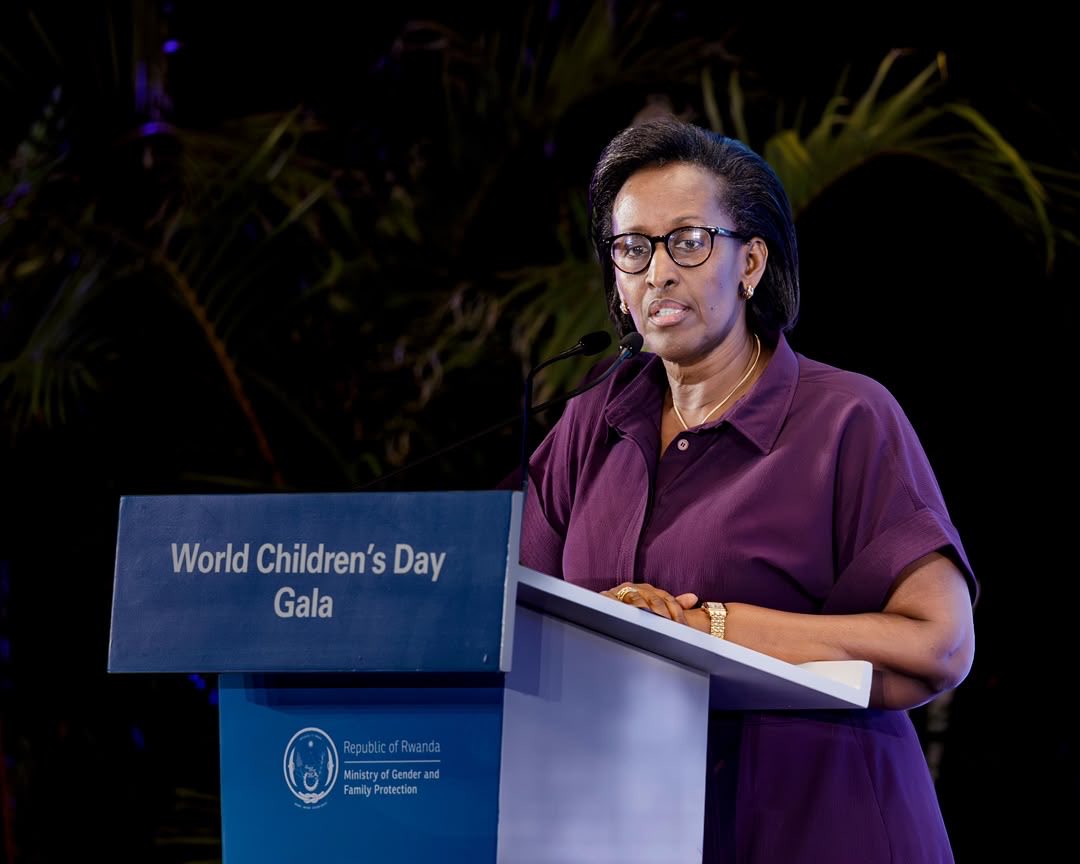
At the celebration of 40 years of UNICEF’s work in Rwanda on Friday, November 20, First Lady Jeannette Kagame said the anniversary was an opportunity to recognize the progress made while renewing the commitment to children who still need support.
Speaking at an event that coincided with World Children’s Day, Mrs Kagame said the partnership should be measured not simply by the number of programs implemented, but by the lives changed through them.
“When I look around this room, I do not just see 40 years of programs, I see 40 years of partnership. Children whose lives were saved through vaccination, those who received protection because someone spoke up for their rights, and others who grew up to become parents, teachers, doctors, leaders and artists because they were supported when they were young,” she said.
Rwanda’s 2025 Demographic and Health Survey found that under-five mortality had fallen from 45 deaths per 1,000 live births in 2020 to 36 in 2025. The same survey recorded a decline in stunting among children under five, from 33 per cent to 27 per cent over the five-year period.
According to the 2025 survey, 94 per cent of children aged 12 to 23 months had received all basic vaccinations, while coverage for measles and three doses of the DPT-containing vaccine stood at 97 per cent.
Education has seen similar expansion. The National Institute of Statistics of Rwanda reported that primary school net enrolment reached 95 per cent in the 2023/24 school year.
These figures help explain Mrs Kagame’s observation that nearly every child now goes to primary school, although access to school does not automatically mean every child completes their education or receives quality learning.
The First Lady said such progress was made possible by the combined efforts of government, UNICEF, civil society, communities, parents and children themselves.
Supporting Girls and Young People To Realize Their Potential
Mrs Kagame also highlighted the partnership between UNICEF and Imbuto Foundation, which has worked for more than two decades to improve opportunities for girls and young people.
The cooperation has supported girls to remain in school, helped adolescent mothers return to education and rebuild their dignity, and promoted early childhood development, youth health, mentorship and efforts to address teenage pregnancy.
She said the two institutions brought complementary strengths to the work. Imbuto Foundation contributed its understanding of Rwandan families and the trust it has built within communities, while UNICEF brought international expertise, resources and evidence.
“Together, we brought change that neither could have achieved alone. The experience shows the value of institutions working together consistently to address the needs of children, rather than treating partnership as simply an agreement between organizations,” she noted.
A Renewed Promise for The Next Generation
Despite the achievements, the First Lady cautioned against treating the anniversary as the end of the work. The latest figures show that 27 per cent of children under five are still affected by stunting, while the need to protect children from violence, neglect and exclusion remains.
She said the next phase of the partnership should ensure that no child is left behind because of where they live, poverty, gender or disability. It should also give children a meaningful voice in decisions affecting their lives.
Addressing children at the event and across the country, she reminded them that their importance should not be postponed until they become adults.
“You’re not just the future, you are the present. Your voice matters now, your education matters now, your health matters now, your safety matters now, and your dreams matter now,” she said.
The First Lady highlighted that investing in children is both a moral responsibility and an investment in the country’s future. “When we protect a child, we protect a family. When we educate a child, we transform a nation. And when we believe in a child, we change the future,” she said.
Rebuilding Families and Protecting Vulnerable Children
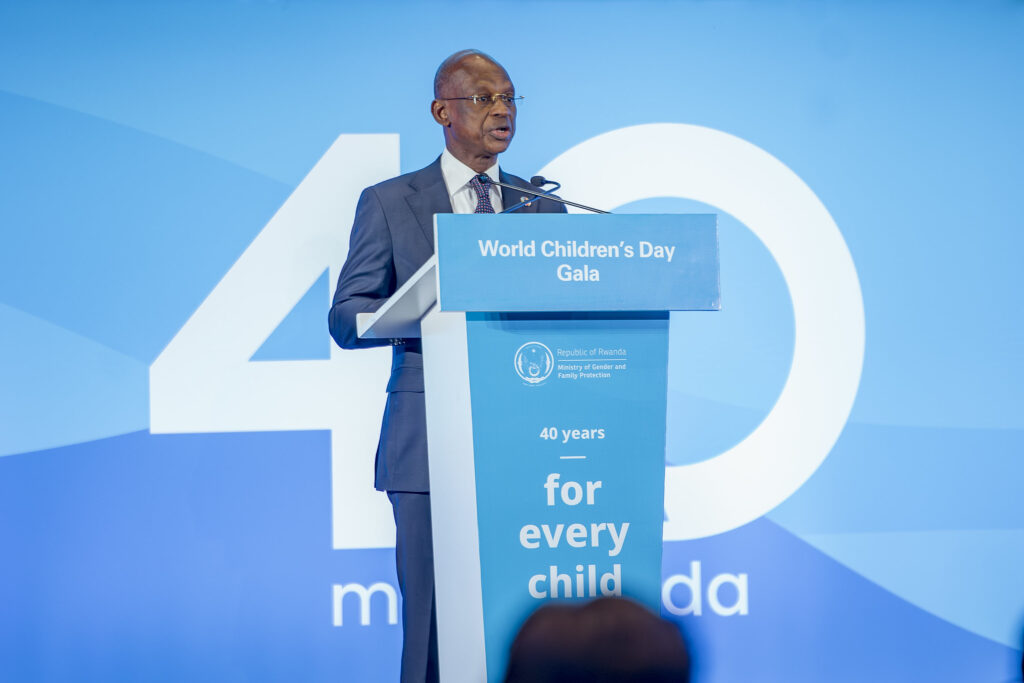
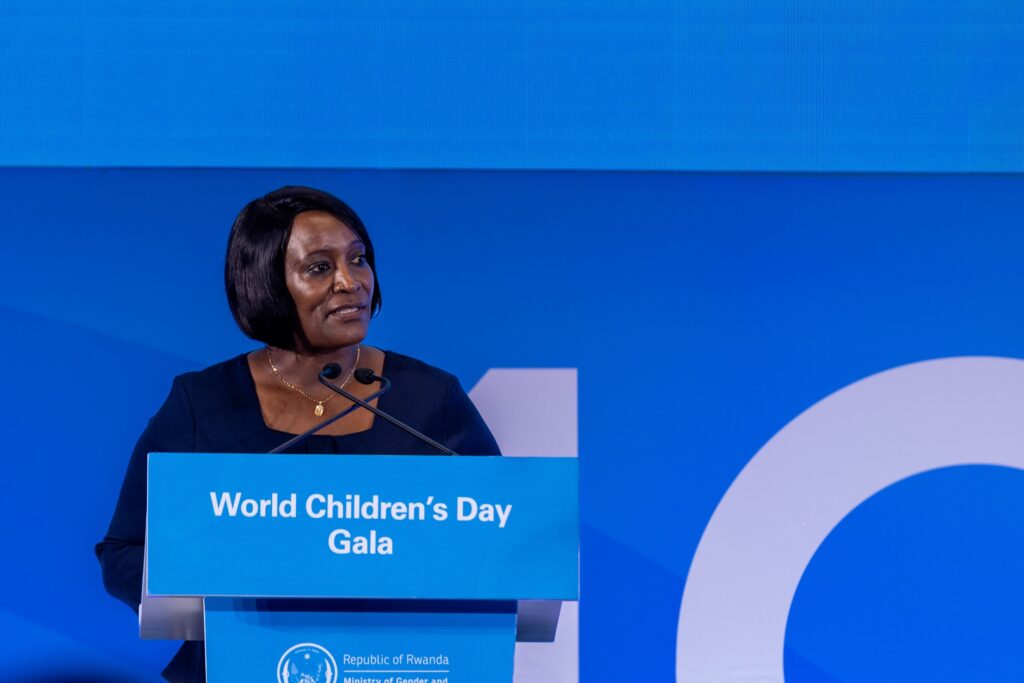 Minister of Gender and Family Promotion Consolee Uwimana said UNICEF had remained alongside Rwanda through different stages of its development, including the period after the 1994 Genocide against the Tutsi, when many children were left without parental care and families and communities needed support to rebuild.
She said the partnership contributed to expanding immunization, strengthening maternal and child healthcare, improving nutrition and reducing stunting. It also supported the expansion of early childhood development services, access to education and improvements in water and sanitation.
Rwanda is advancing a national care reform agenda aimed at ensuring that children grow up in safe and loving families rather than institutions. Uwimana highlighted the role of Inshuti z’Umuryango volunteers, who work within communities to help protect children and support families.
She said the Government would continue investing in health, nutrition, education and early childhood development, while strengthening families and supporting parents and caregivers.
“Every Rwandan child must be born safely, grow up in a loving family, have access to quality early learning and education, be protected from violence, abuse, exploitation and neglect,” she said.
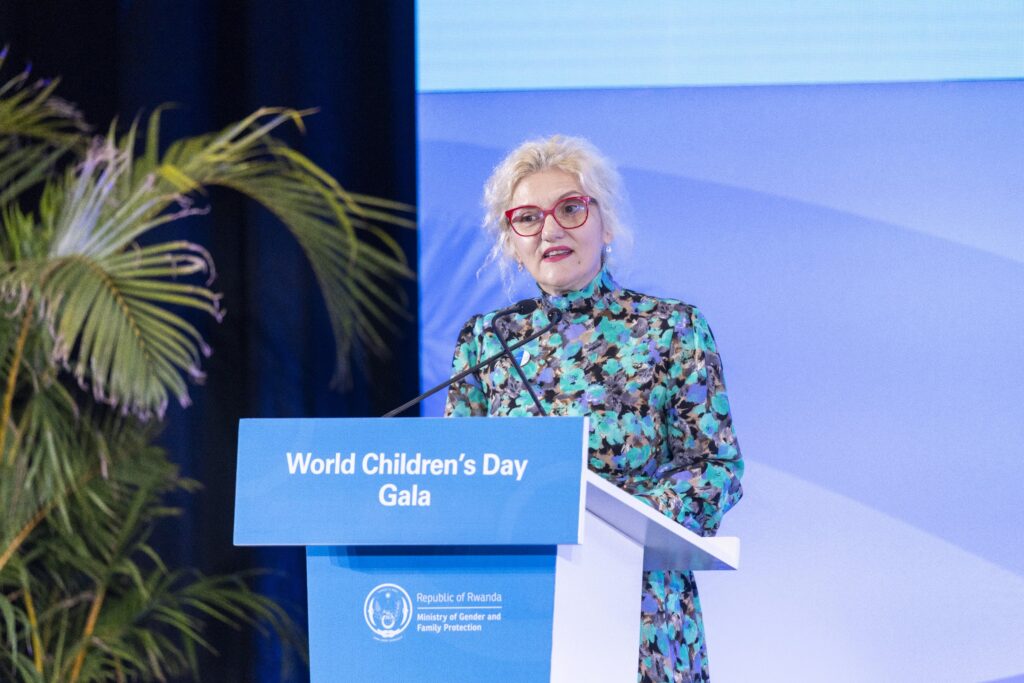
UNICEF Regional Director for Eastern and Southern Africa, Etleva Kadilli, joined children and partners in Kigali to mark 40 years of progress for Rwanda’s children, celebrating the gains made while looking ahead to another 40 years of advancing every child’s rights.