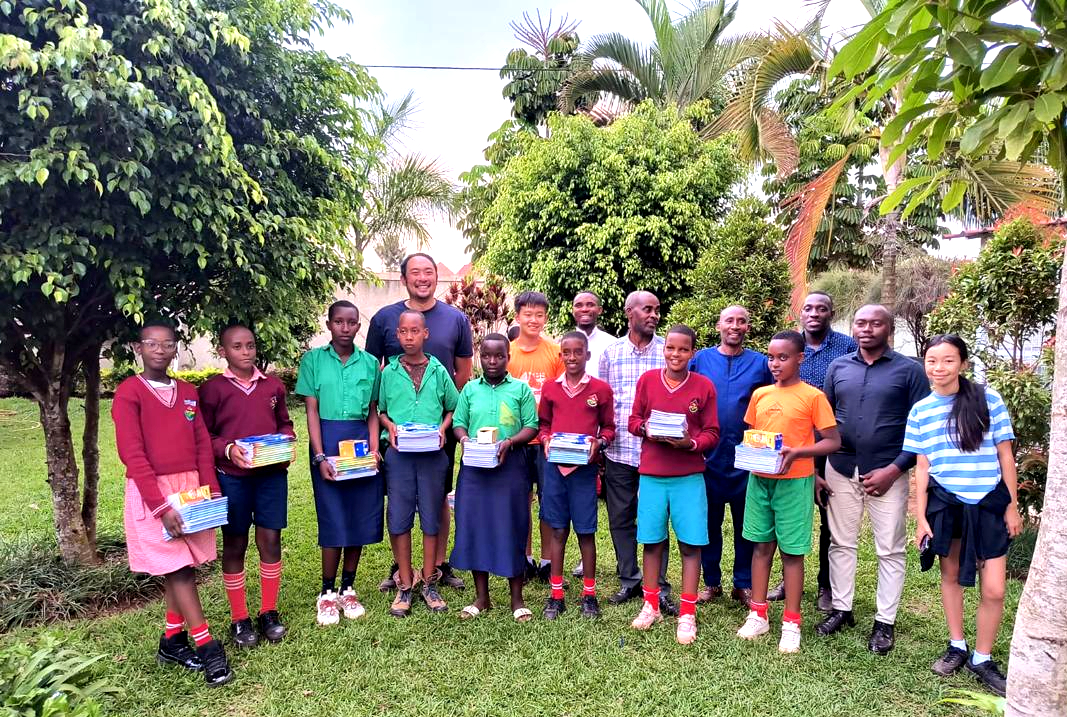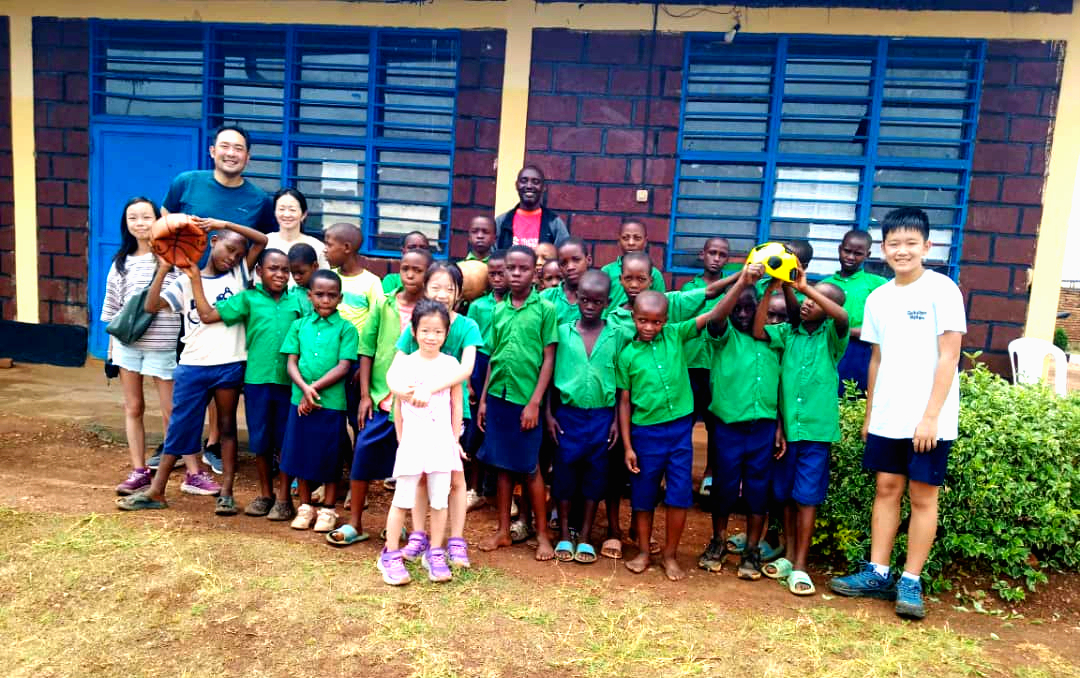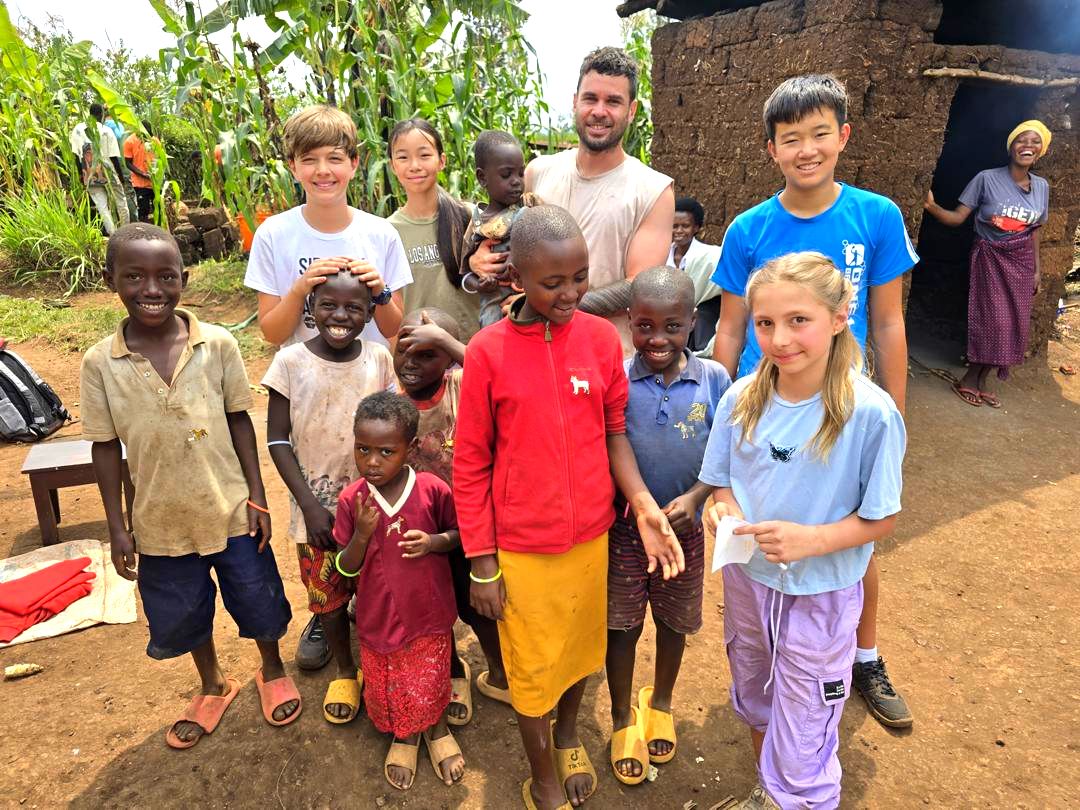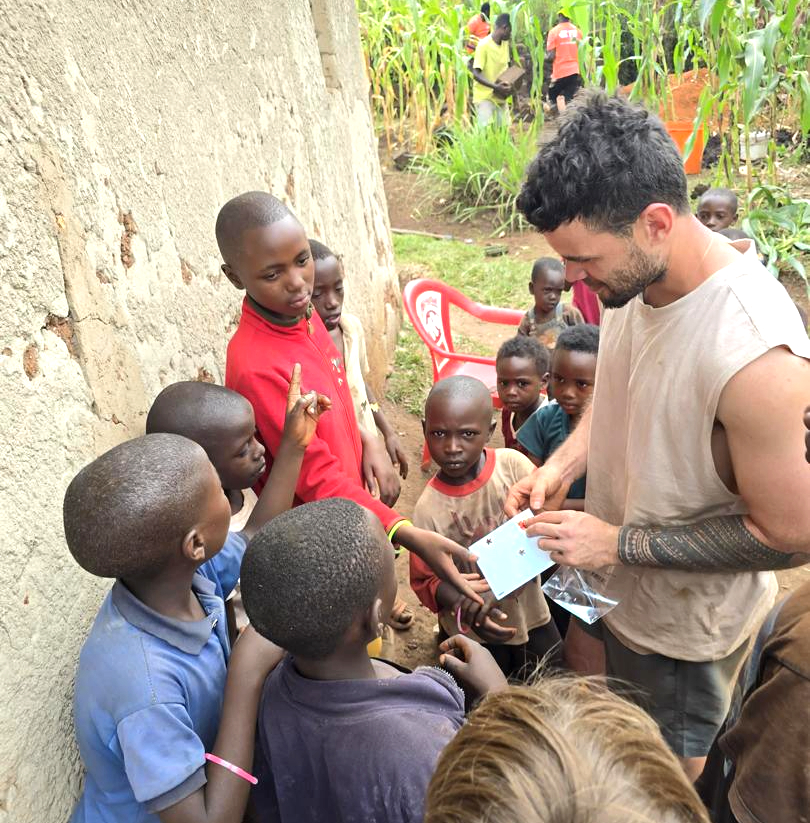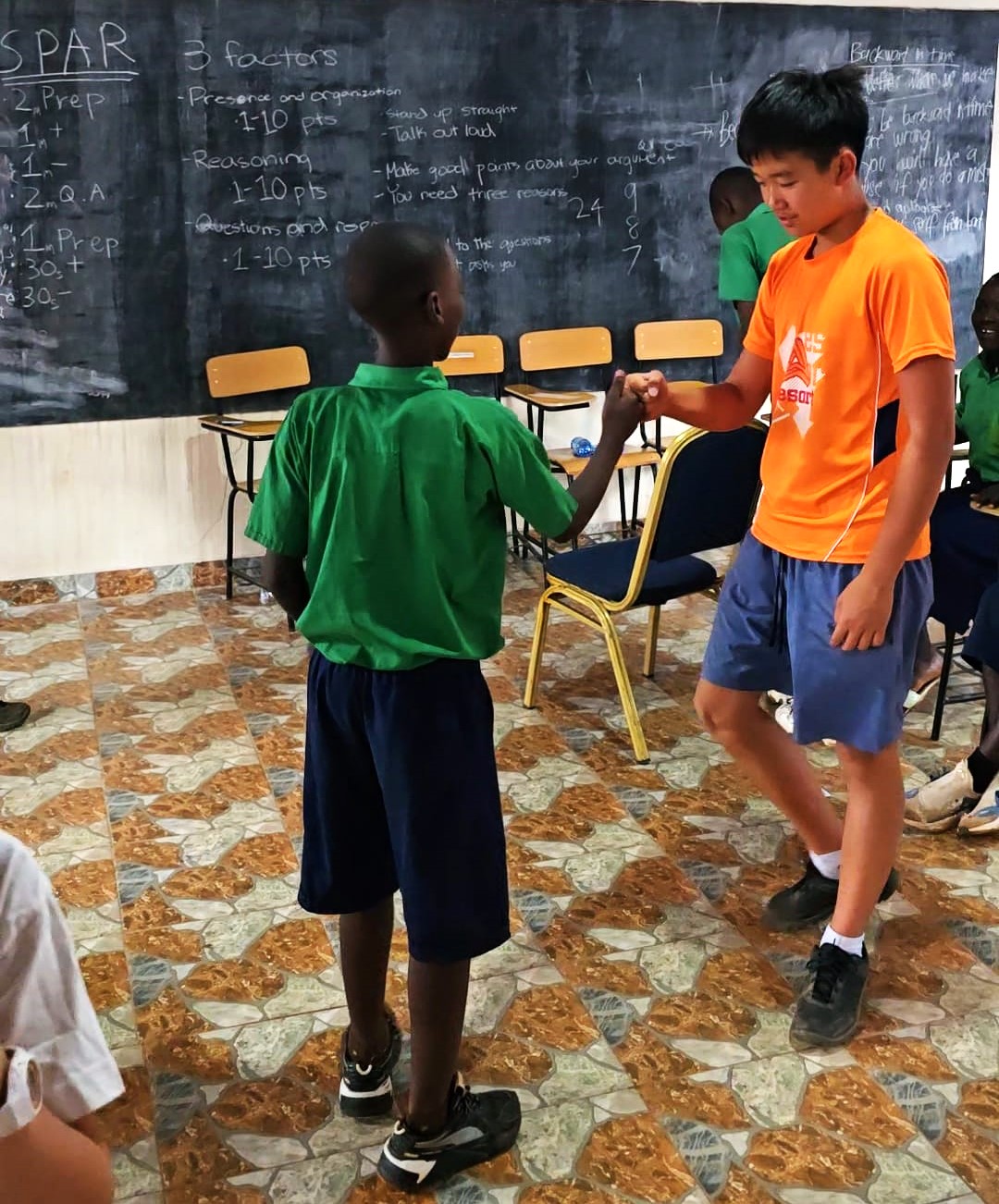



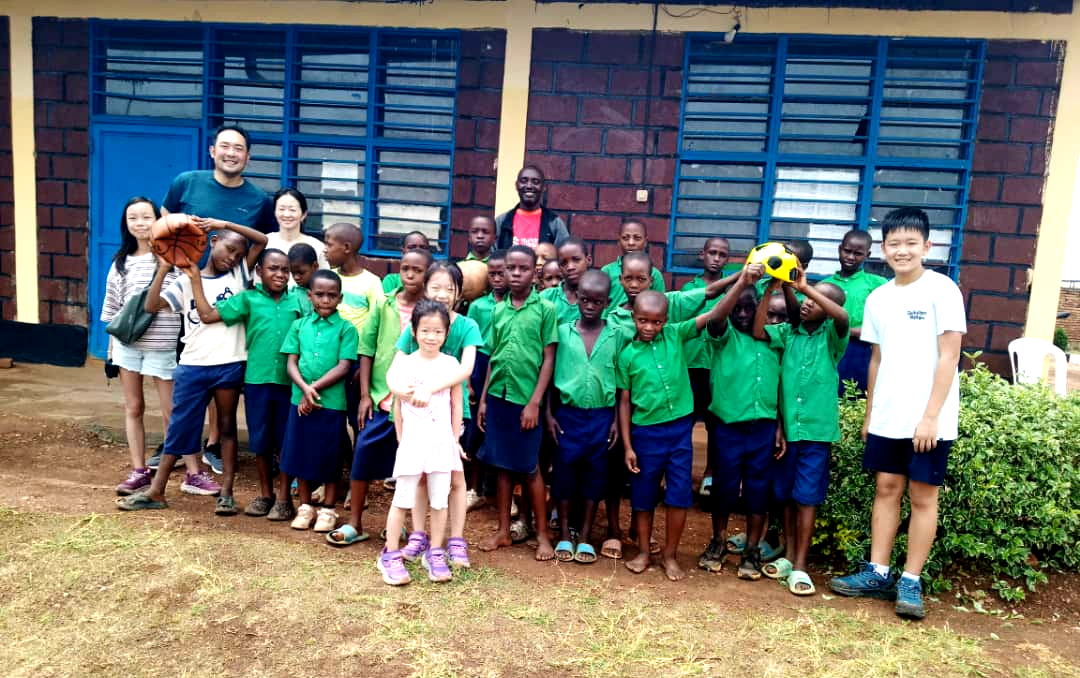
 On a breezy July morning in Kayonza, the lively sounds of laughter and sharp thinking filled the classrooms of GS Mukarange and Orpcare School.
At the heart of it all were two returning faces—Joshua Kau, 14, and Natalie Kau, 12—teen siblings from California who returned this summer with a mission: to work with young Rwandan counterparts to discover the power of their voice.
This wasn’t their first time in Rwanda. The Kau siblings first came to Kayonza in 2024 as volunteers, introducing a beginner Chinese course to enthusiastic students.
This year, they came back with something new: a public speaking and debate camp designed to boost confidence, quick thinking, and self-expression.
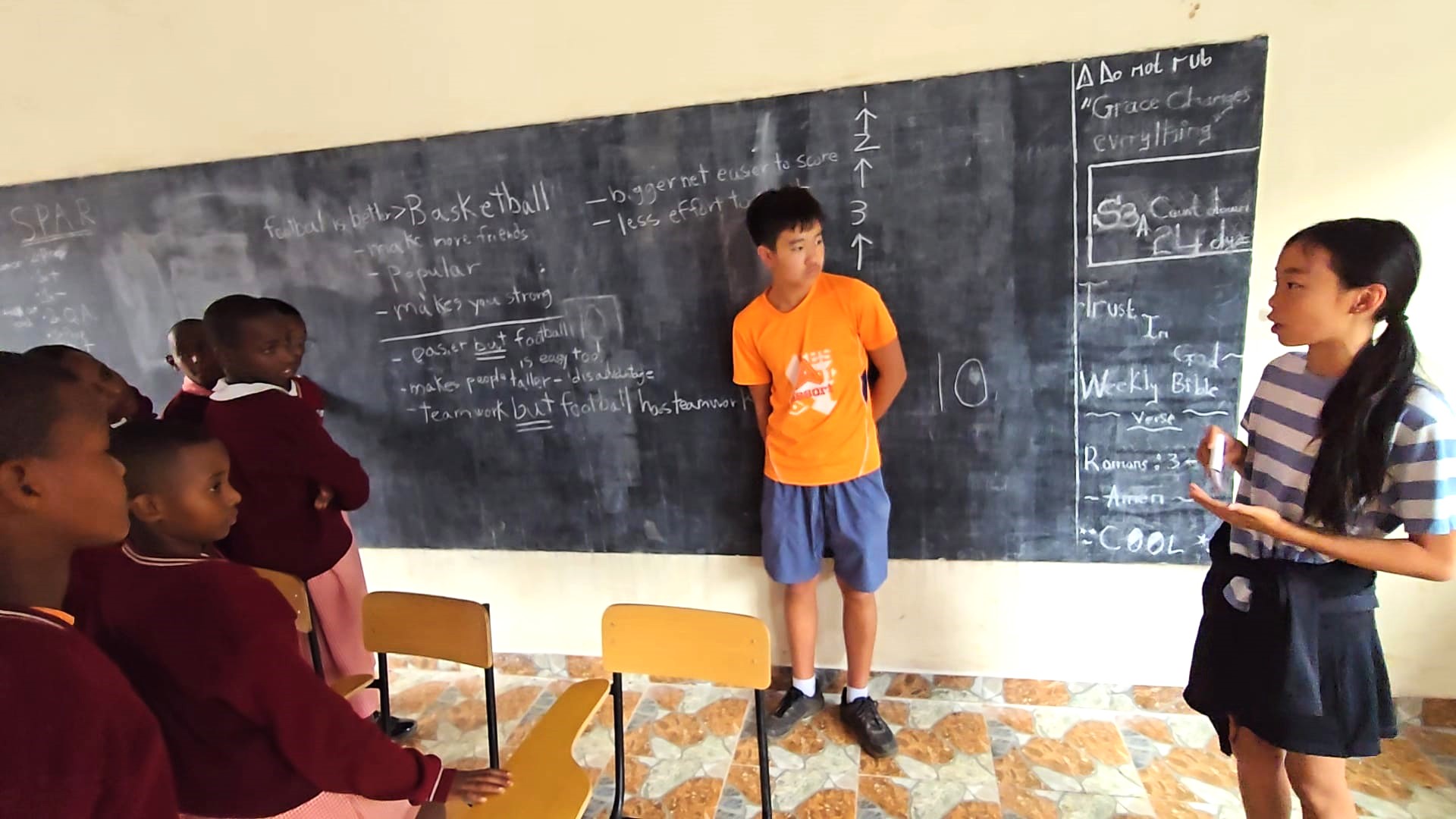
Their program centered around SPAR—Spontaneous Argumentation—a fast-paced and fun style of debate where students are given a topic on the spot, pick a side, and make their case in front of peers.
From silly topics like “Would you rather travel to the past or the future?” to serious questions on decision-making and teamwork, the sessions sparked energy, creativity, and courage.
“At first, I was nervous to speak in front of my classmates,” said one student. “But now I feel like I can even lead.”
What made the program especially remarkable was that Joshua and Natalie led the entire effort themselves. With support from the nonprofit Relief and Development Support Organization (RDSO), they coordinated remotely from California—planning content, communicating with local educators, and even collecting and shipping donated school supplies to use during the sessions.
“Having Joshua and Natalie return meant a lot to our students,” said a teacher at GS Mukarange. “Familiar faces helped them feel safe, especially those transitioning to secondary school. These two didn’t come as tourists—they came as mentors.”
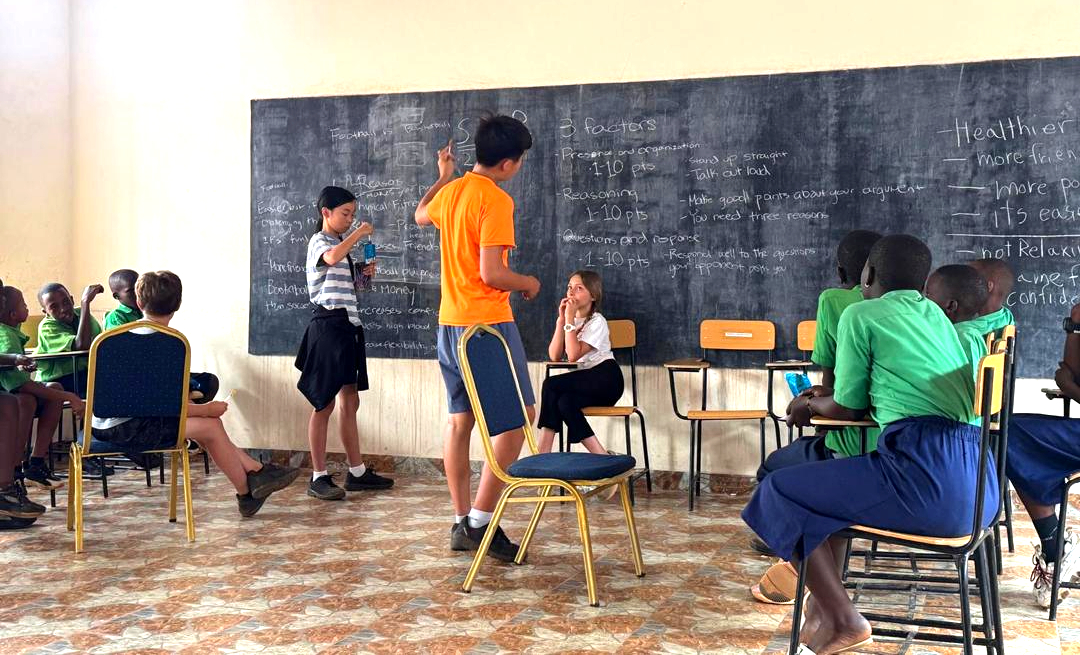
Students, many of whom were starting secondary school, said the camp helped them grow in confidence. They debated ideas, stood up in front of the class, and learned to support one another.
“I used to hide in the back,” said a girl from Orpcare. “But now, I want to share my ideas. I didn’t know debate could be this fun.”
Alongside the debate sessions, the Kaus distributed school supplies—notebooks, rulers, pens, and more—donated by their community back home. It was a thoughtful gesture that had real impact.
“I’ve never had a new notebook of my own,” said one student proudly. “It makes me want to write more.”
Parents and teachers were equally moved—not just by the materials, but by the Kaus’ dedication and consistency.
“It’s rare to see volunteers return,” one parent said. “But these two came back, remembered the children’s names, and showed them that they matter.”

As they return to their everyday lives as middle school students at Fisher Middle School and Los Gatos High School Gatos, in California, Joshua and Natalie leave behind more than debate outlines and worksheets. They leave behind a spark—a renewed sense of confidence, curiosity, and voice.
In the classrooms of Kayonza, the echoes of their camp still ring. And somewhere in those hills, a young student is standing a little taller, raising their hand, and speaking up because someone believed their voice mattered.
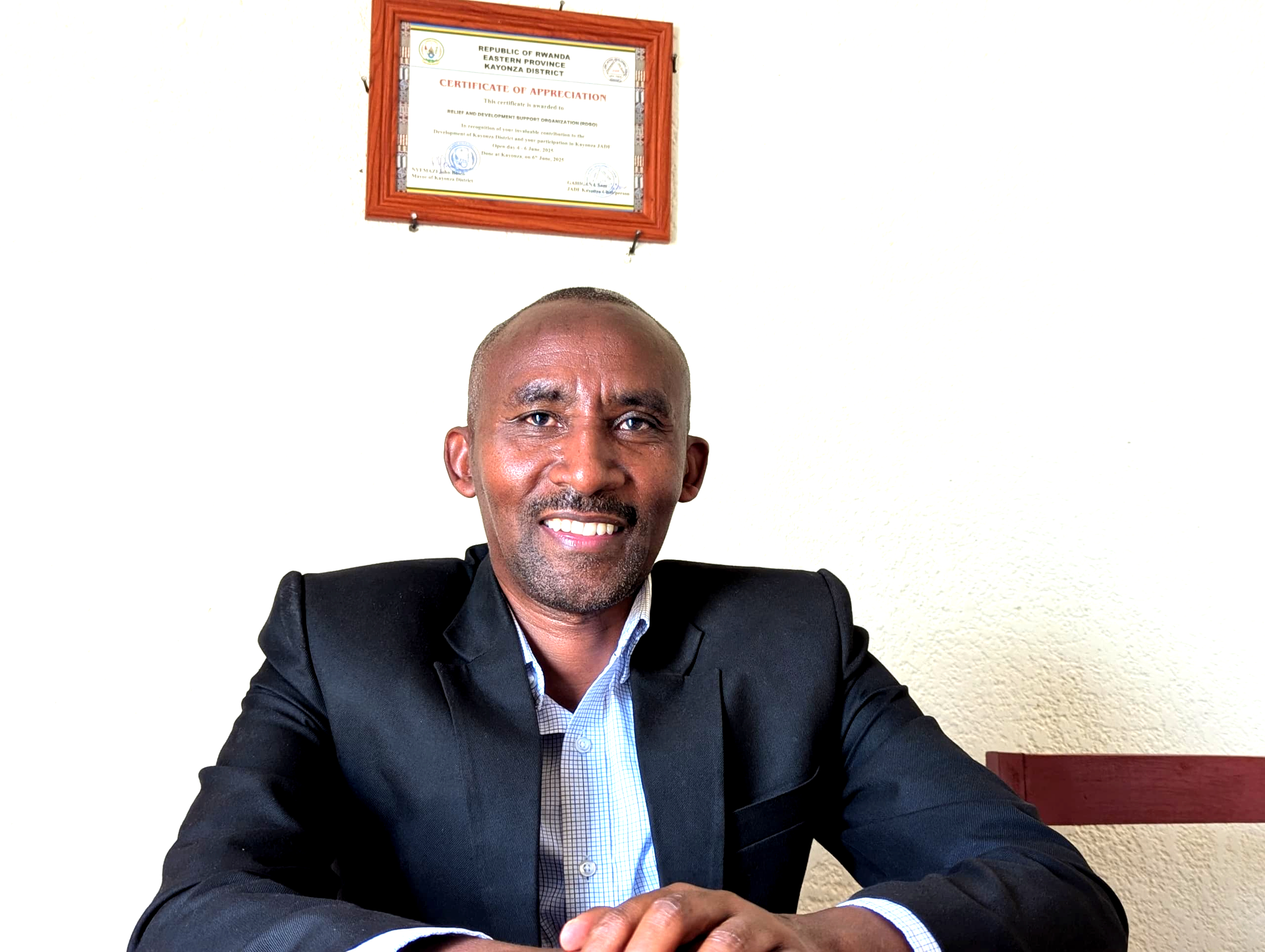
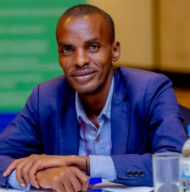
RDSO Legal Representative, Faustin Rubayiza Nkurunziza, said that volunteers like Kau have contributed to the organization’s activities, benefiting over 3,000 children and their families in Kayonza.
“We appreciate what the Kau family has done as a volunteer and returning friend of Rwanda to work with us. I see what he has done for the community as generosity beyond volunteerism,” Nkurunziza said.
Nkurunziza used Kau’s experience in Rwanda to call on other volunteers and potential partners to join the organization to reach out to more students, teen mothers, and disadvantaged families to help them move out of the poverty line.
“We have so many things to do for the community. Out of the 3,000 student beneficiaries at GS Mukarange School alone, 10% cannot afford school feeding fees. This means we need donors like Mr. Kau to spread the message so that we can reach more people and enable the community to come out of poverty,” he stated.
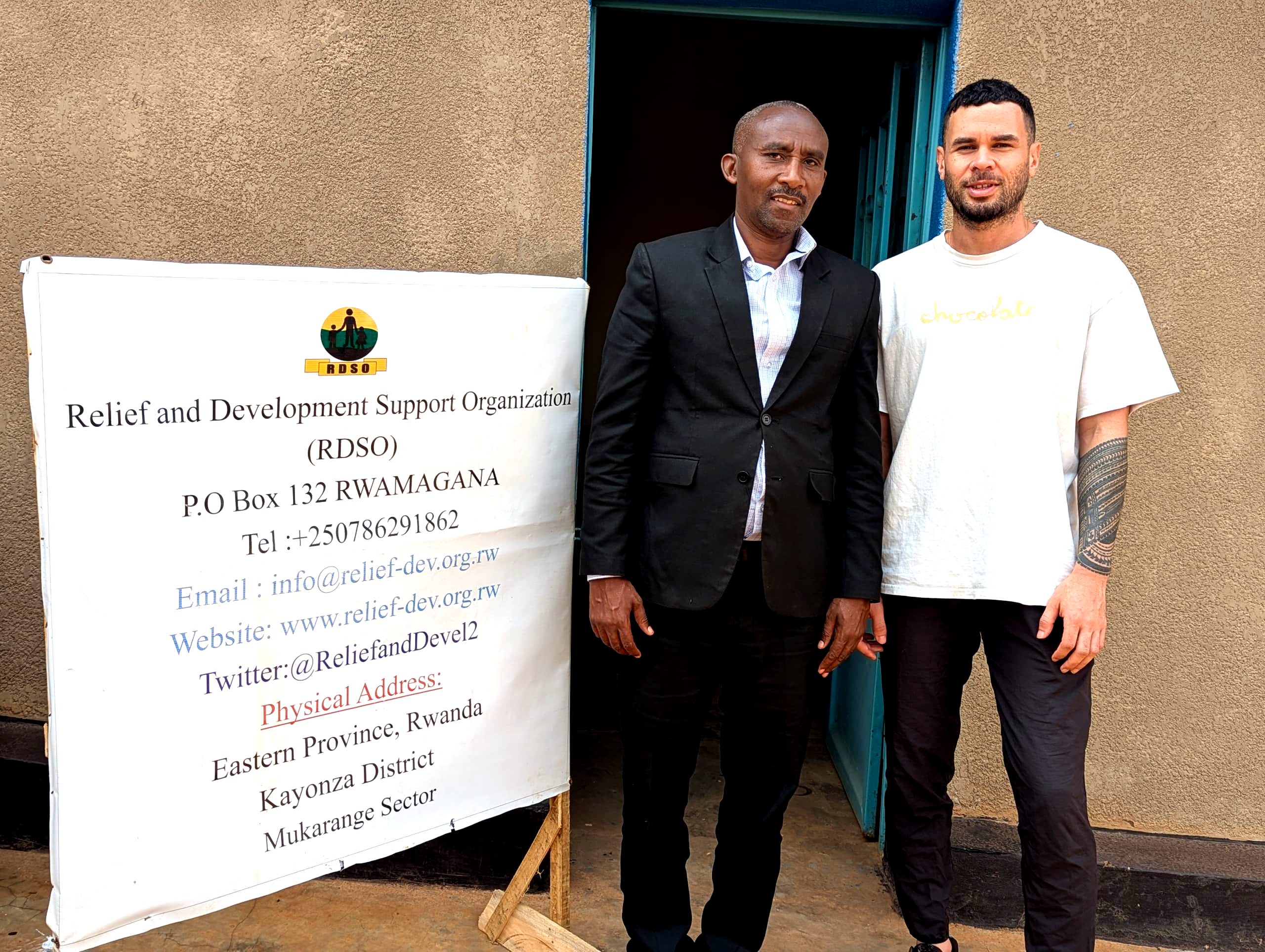
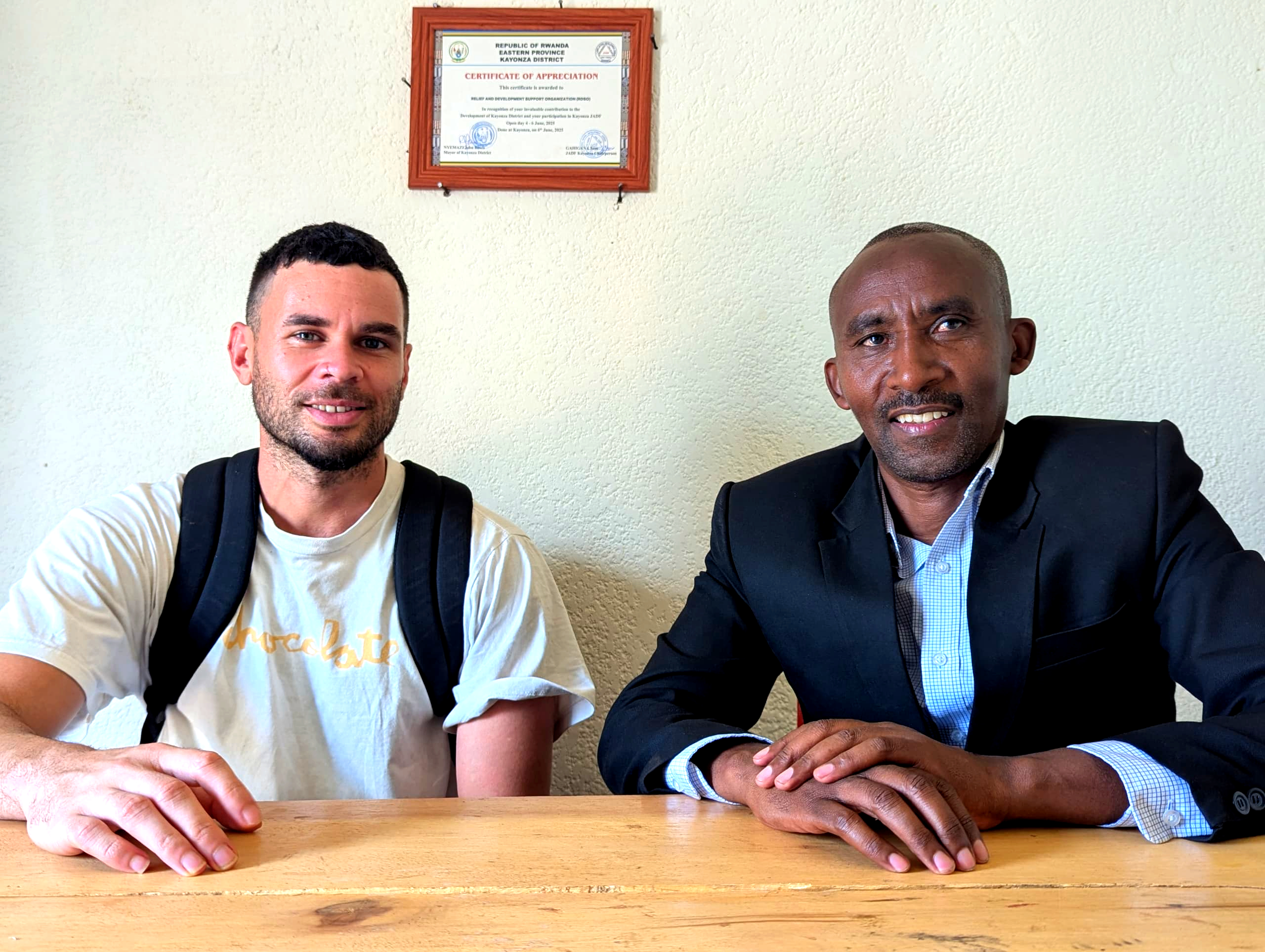
The RDSO is currently operating in a rented two-room office space but needs a place to call home to run its operations with its more than 20 volunteers received annually.
“We need to have our own office, a community center, a vehicle or motorbike for logistics to move volunteers and monitor activities. We also need to hire more staff to do project proposals, resource mobilization, and administration,” he added.