


Ezra Mutabaruka
As climate change brings longer dry spells and unpredictable rainfall, Rwanda is racing to expand irrigation systems to protect food security and improve farmers’ livelihoods.
The Sustainable Agricultural Intensification and Food Security Project (SAIP) has already surpassed its targets, but officials warn that demand for water keeps rising.
SAIP I (2018–2023, extended) and SAIP II (2024–2026) are funded by the Global Agriculture and Food Security Program (GAFSP) through the World Bank and implemented by the Rwanda Agricultural and Animal Resources Board (RAB).
The projects focus on strengthening food security by improving irrigation, increasing market access, and helping farmers adapt to climate change.
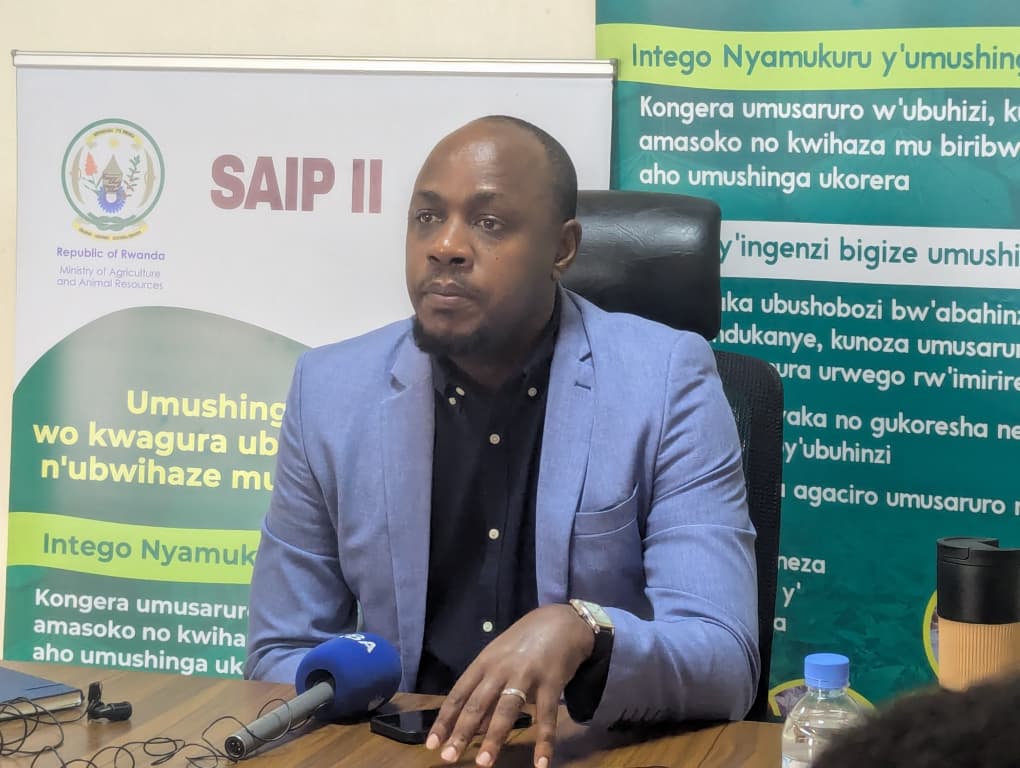
According to Ezra Mutabaruka, the SAIP Project Manager, the progress has exceeded expectations. SAIP I planned for 1,200 hectares (Ha) of irrigated land but achieved 1,367 Ha, while SAIP II has already irrigated 1,078.5 Ha against its 1,000 Ha target.
With more than $51 million invested in both phases, SAIP has directly benefited 3,369 farmers—1,916 men and 1,453 women. But Mutabaruka says the demand for irrigation continues to rise.
“Farmers now recognize that water is key to their development activities. Even though we met our targets, demand keeps growing, and we need more funding for small-scale irrigation,” Mutabaruka told journalists on September 1.
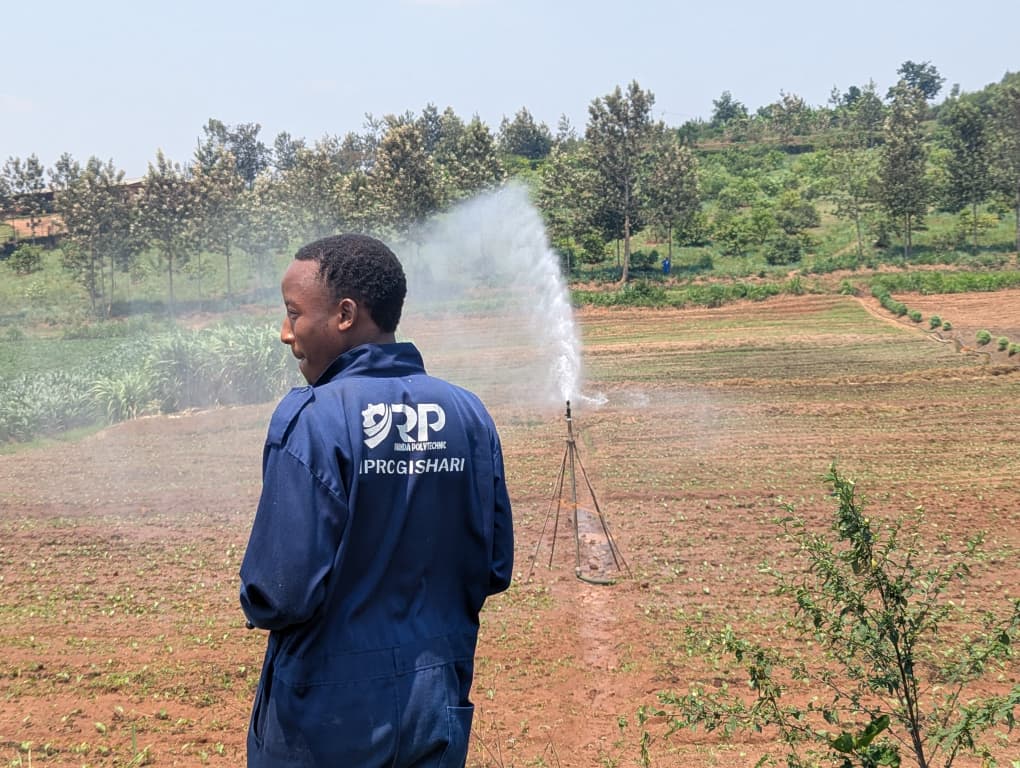
To meet the growing need, SAIP expanded its coverage from 9 districts in phase one to 20 districts in SAIP II, providing subsidized large- and small-scale irrigation through dams, canals, water pumps, and solar-powered systems.
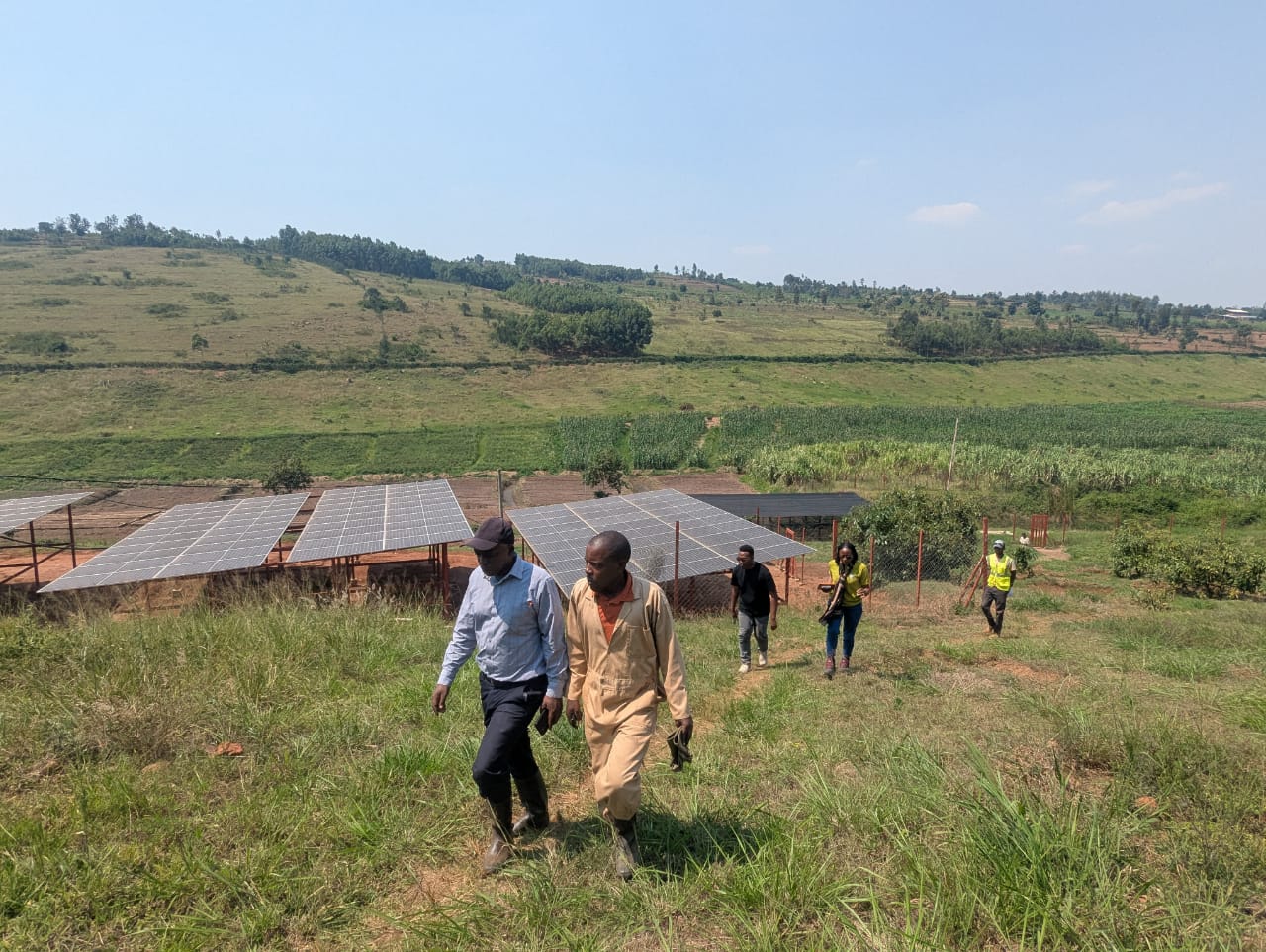
One example is Ferme Umuyenzi in Muyiginya sector, Rwamagana district, which grows maize, French beans, mangoes, macadamia, and avocados. Previously unable to irrigate its 131 Ha of avocados, the farm received SAIP support that boosted water capacity from 450 to 1,000 cubic meters, covering 20 extra hectares.
This is enabled by modern solar powered pumps which the farm received from the SAIP – SSIT (Small-Scale Irrigation Technology) program which encourages use of renewable energy irrigation systems to turn the sun in dry spells into real time opportunities of accessing water.
“Water shortage caused major losses, especially in French beans where we made no returns. But now, with dams and solar-powered pumps, we harvest up to 12 tons per hectare,” said farm manager Valens Ntawihaye.
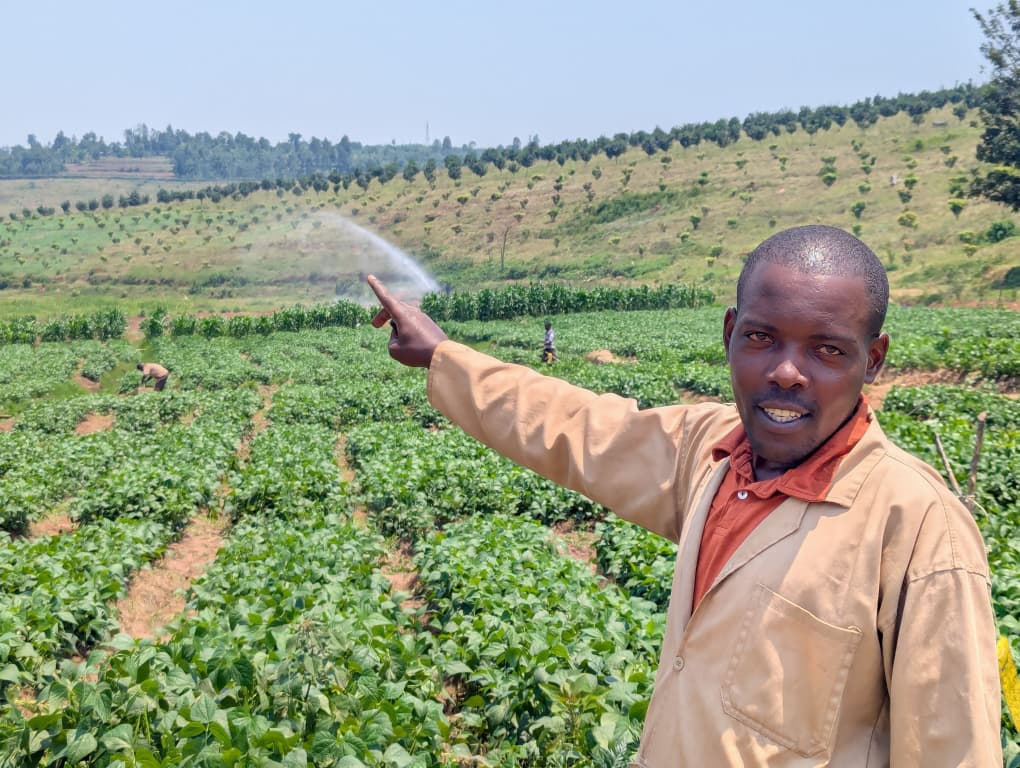
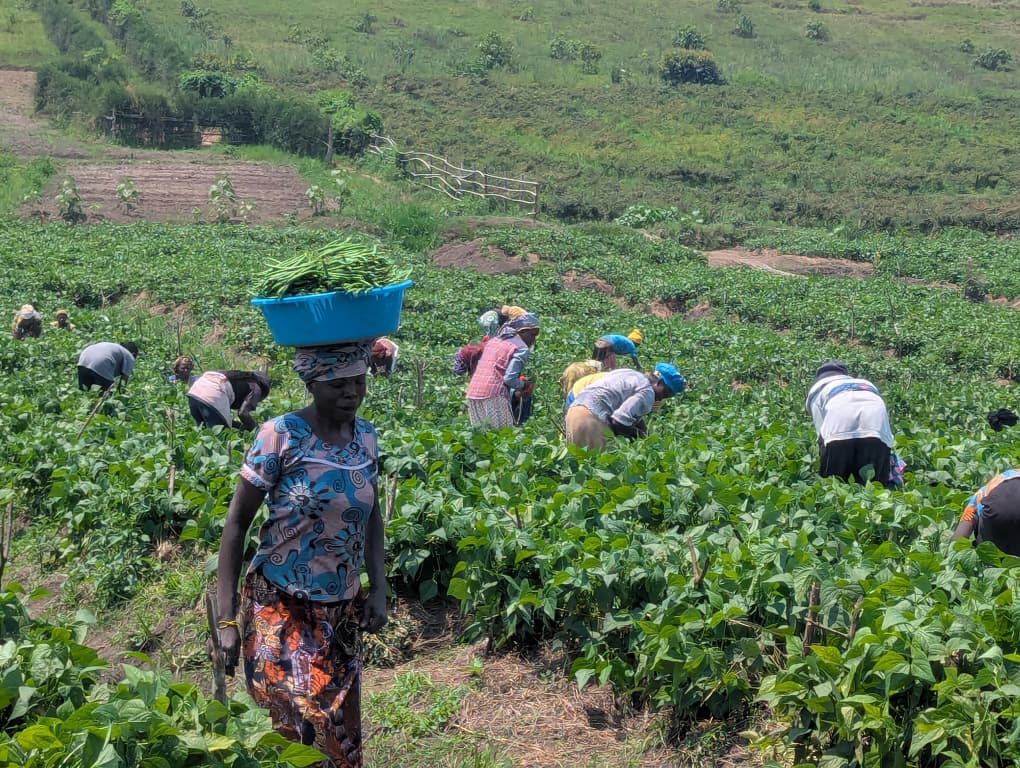
The impact is also felt by smallholder farmers working with the farm. Delphine Uwizeye, a resident of Muyiginya, once spent eight hours fetching muddy water each day, only to harvest 50 kilograms of beans and earn Rwf25,000 per month.
“Today I spend just two hours on the farm and earn Rwf50,000 per month. With irrigation systems and cooperative farming, I now harvest 90 kilograms of beans and no longer worry about water shortages,” Uwizeye said.
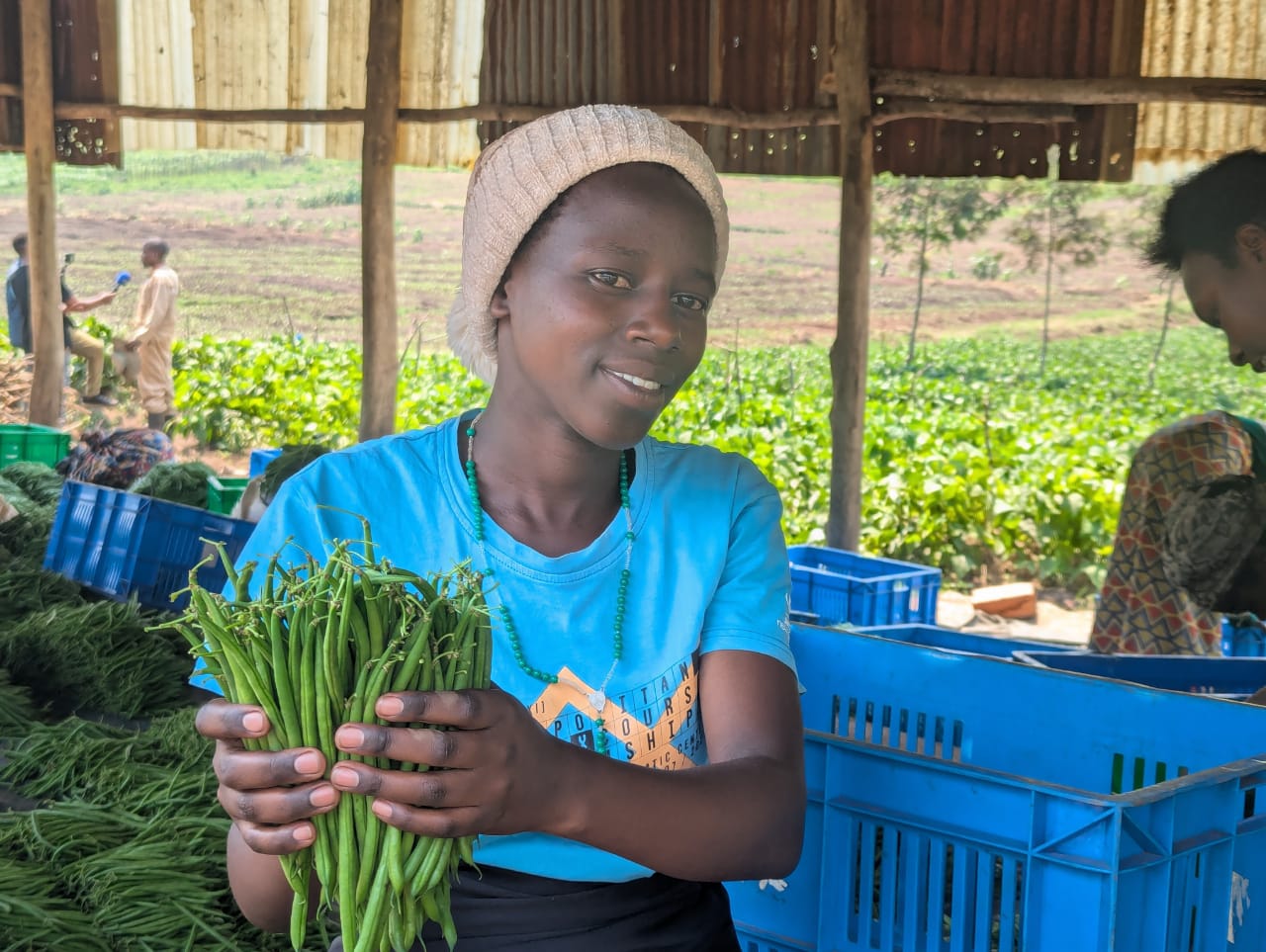
Delphine Uwizeye
At Mugola farm in Kigabiro sector, Rwamagana district, Rhodah Umutesi faced similar challenges. She lost 500 avocado seedlings on 10 hectares due to lack of water, but after receiving an irrigation system worth Rwf66 million (with farmers contributing Rwf16.5 million), she is restarting the project.
“Our biggest challenge was climate change and the high cost of fetching water from swamps. With this new irrigation system, we are confident of success and plan to supply not only local markets but also Tanzania,” Umutesi said.
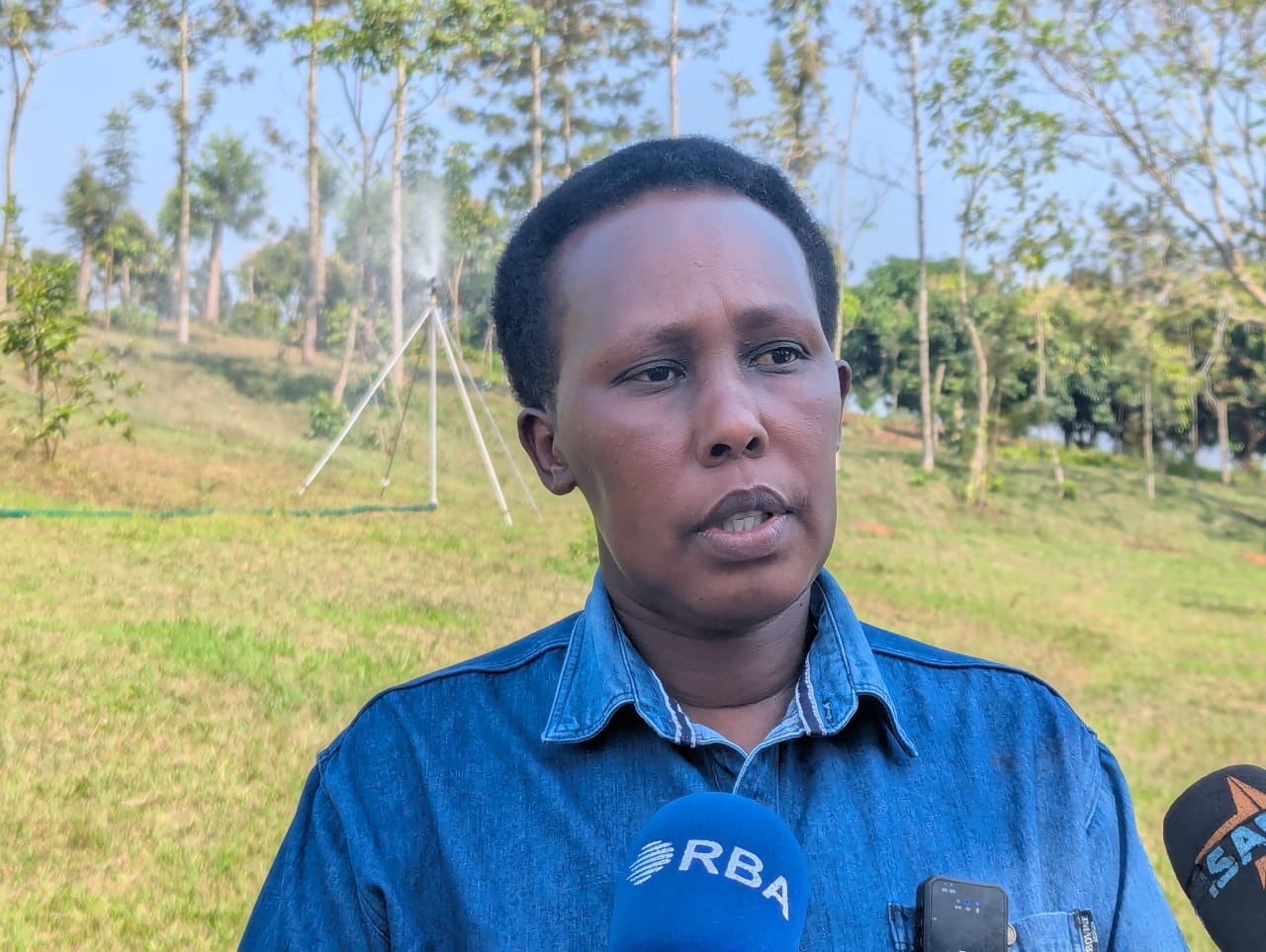
Rhodah Umutesi
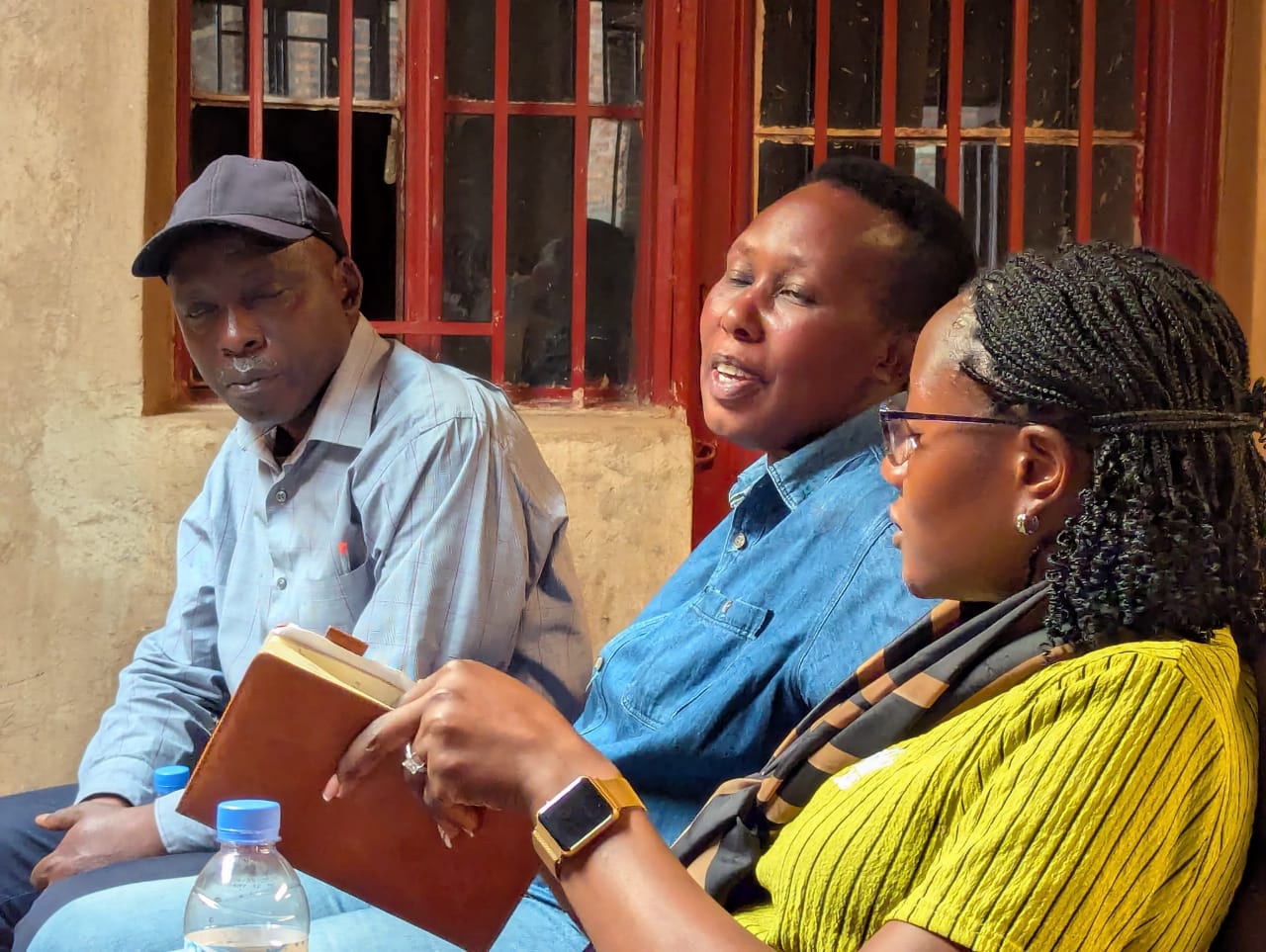
SAIP project staff with Umutesi at her farm and pension house
Rwanda’s agriculture is deeply impacted by climate change, with studies indicating that yields for staple crops including maize, beans, and potatoes could drop by at least 10% under moderate warming, and up to 15% under higher-warming scenarios by 2050.
Meanwhile, recent shifts in weather patterns—such as heavier rainfall events, increased dry spells, erosion, and flooding—have already caused significant crop losses and infrastructure damage.
Officials argue that these stories prove irrigation is key to building resilience against climate change while boosting food production. But with more farmers demanding access to water systems, sustaining SAIP beyond its current phase will require greater investment to expand irrigation nationwide.
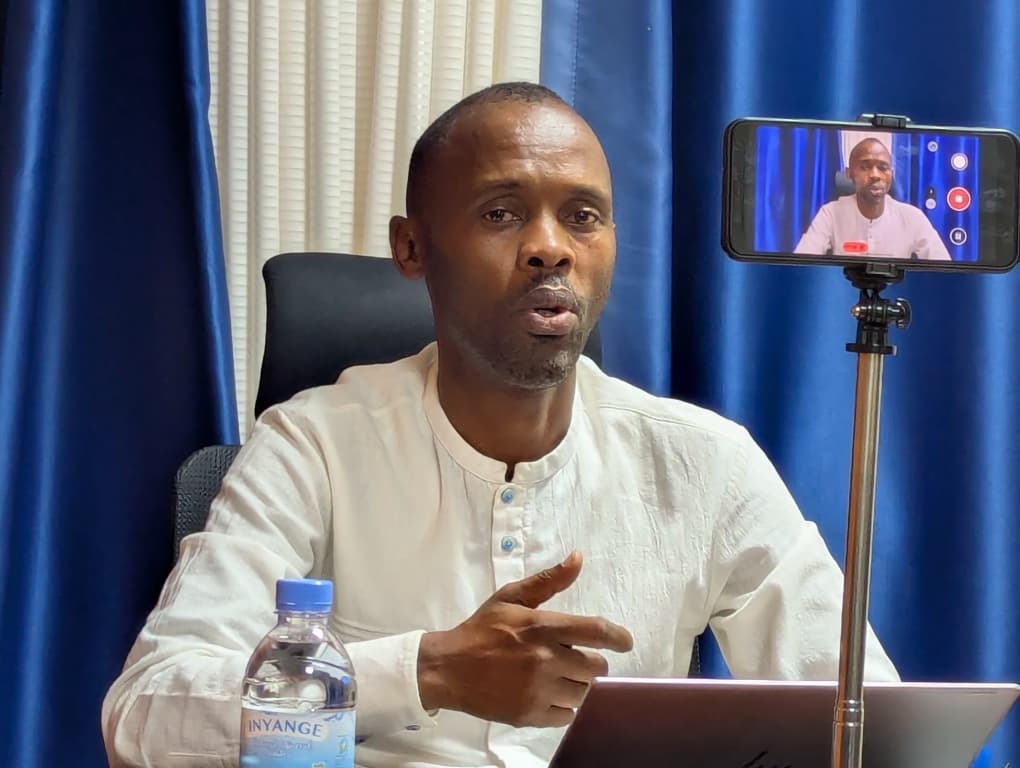
Richards Rwamunono Kagabo
Rwamagana district Vice Mayor in-charge of economic affairs, Richards Rwamunono Kagabo said that the SAIP project has played a key role in community develop, but there is need for sustainability in the future.
Though Rwamagana district leads in implement the SAIP project with over 500Ha covered, it has only covered 11% of the targeted 3,000Ha of irrigable land and the largest percentage comes from the project support.
“To increase our reach, this requires more funding and more community involvement and investment. Our hope rely on the fact that we now know the importance of this project and we plan to mobilise farmers to invest in irrigation as a solution,” Kagabo said.