


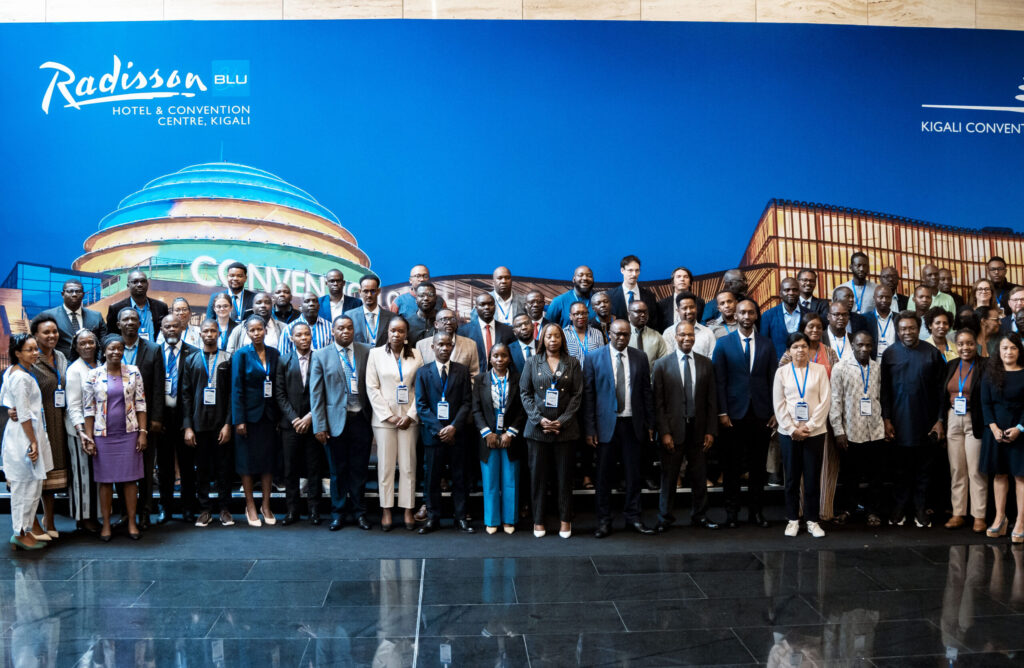
Participants pose for a group photo during the subregional training on monitoring financial protection in health.
KIGALI – Across Africa, universal health coverage has long been measured by how many people can access health services. But growing evidence shows that access alone does not guarantee protection from financial hardship when illness strikes.
According to the World Health Organization, more than 423 million people in Africa experienced financial hardship due to out-of-pocket health spending in 2022, and over 384 million were pushed further into poverty as a result of medical costs.
These figures indicate a critical gap in many health systems where people may reach services, but still suffer financially in doing so.
This is why countries are increasingly focusing on SDG indicator 3.8.2, which measures the proportion of people whose out-of-pocket health payments exceed 40% of household discretionary income, a global threshold used to define catastrophic health expenditure.
Statistics therefore show that universal health coverage can no longer being judged only by access, but by financial safety.
From Coverage to Real Protection
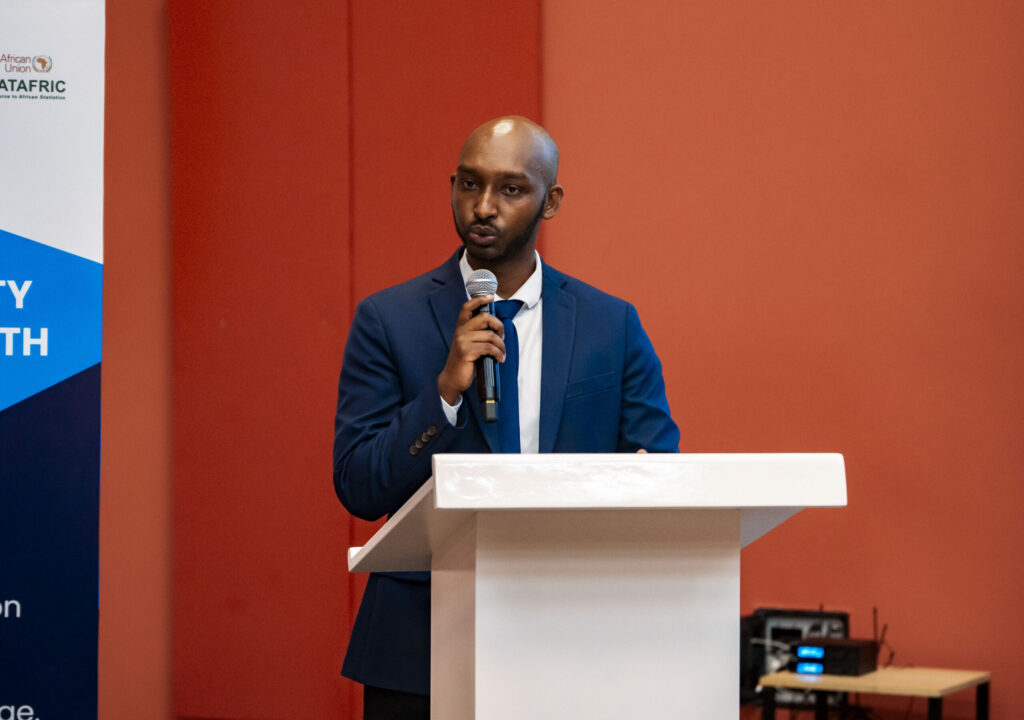
Fernand Rwamwejo from Rwanda’s Ministry of Health speaking a the training.
In countries such as Rwanda, community-based health insurance (CBHI) systems like Mutuelle de Santé have significantly expanded coverage and reduced out-of-pocket payments.
However, policymakers say coverage figures alone do not fully explain whether households are truly protected.
Fernand Rwamwejo from Rwanda’s Ministry of Health says the key question is no longer just who is covered, but what that coverage means in real life.
“We’ve made investments to ensure our population is covered and protected. But when you see that 90% have access to services, the question becomes, are all of them actually protected from financial hardship?”
He notes that data is essential in identifying gaps that are not visible in administrative coverage statistics.
“Data informs what you do. If you see changes in coverage levels, it tells you where more advocacy and communication is needed so people understand the benefits of CBHI.”
For him, financial protection data directly shapes policy decisions, including what services are covered and how health benefits evolve.
“By looking at this data, we are able to make policy-informed decisions for example, what services are not being accessed and what needs to be added,” Rwamwejo said.
He points to Rwanda’s continued expansion of benefits, including coverage for advanced treatments such as kidney transplants, services that previously required patients to seek care abroad.
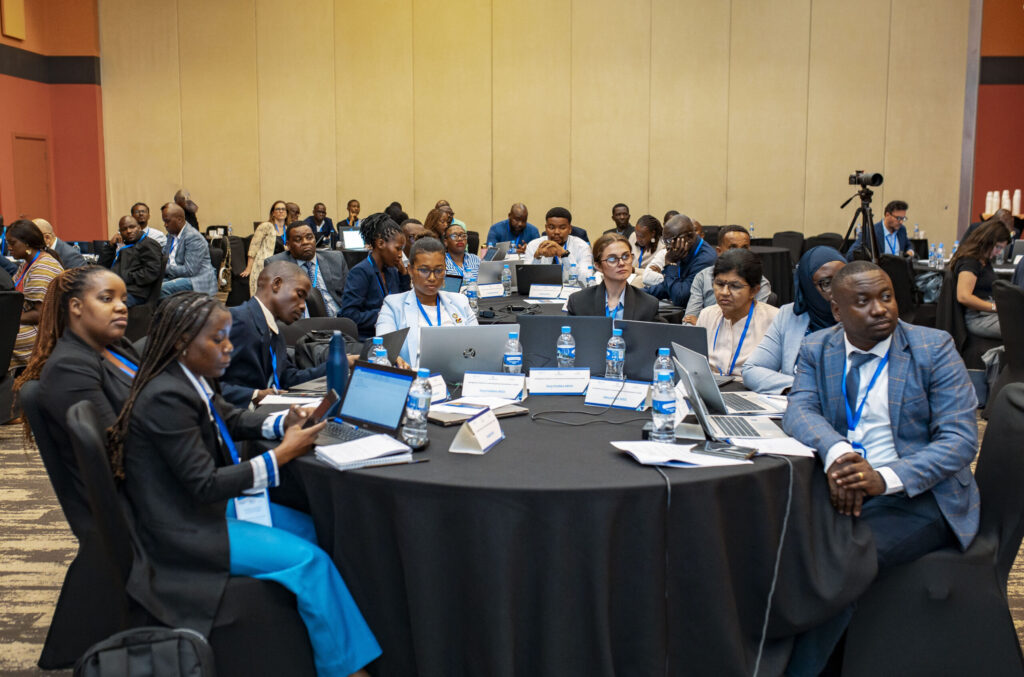
A subregional training on monitoring financial protection in health is underway in Kigali.
What Financial Protection Really Means
In simple terms, financial protection means that people can obtain the healthcare they need without being forced into financial hardship or poverty.
Dr. Brian Chirombo, the World Health Organization (WHO) Head of Mission and Country Representative to Rwanda says that at the global level, this principle is fundamental to universal health coverage.
“We cannot truly achieve universal health coverage if people are still being pushed into poverty by the very services meant to protect them.”
He explains that even where insurance coverage is expanding and out-of-pocket spending is declining, financial risks can remain hidden unless they are carefully measured and understood.
“Even when coverage improves, we must still ask who is being left behind and who continues to face financial hardship when seeking care.”
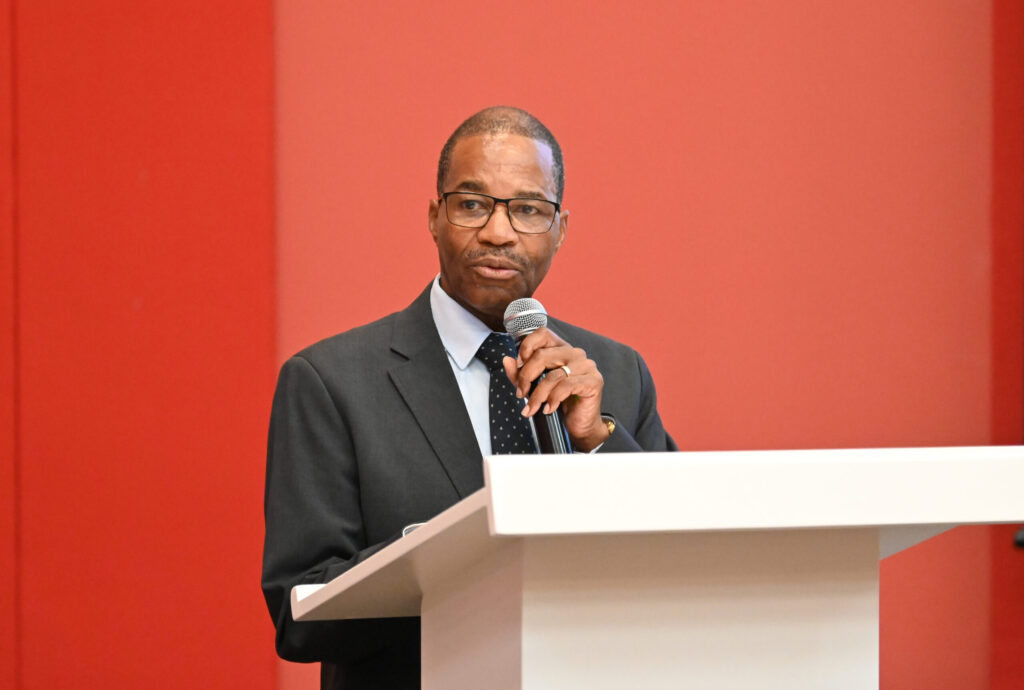
Dr. Brian Chirombo, the World Health Organization (WHO) Head of Mission and Country Representative to Rwanda.
Why Measuring Financial Protection Matters
Across Africa, countries use indicators such as SDG 3.8.2 to determine whether households are spending a catastrophic share of their income on healthcare and whether health financing policies are achieving their intended goals.
This is where the African Union’s statistical agency, STATAFRIC, plays a critical role. By harmonizing methodologies across member states, it helps ensure that countries are measuring financial protection in the same way and can learn from one another’s experiences.
Nzingoula Gildas Crepin, a senior statistics and research officer at STATAFRIC, says consistency is essential for meaningful comparisons and effective policymaking.
“You can have two countries producing the same indicator name, but if the methodology is different, you are not comparing the same reality. We need information to monitor whether countries are doing well or not. This evidence is what helps review or update policy,” he said.
He added that statistical offices generate the evidence, while ministries of health interpret it for policy. Without that connection, data cannot drive change.
These perspectives reinforce a growing consensus that universal health coverage is not only about access to healthcare services, but about ensuring that people can use those services without suffering financial distress.
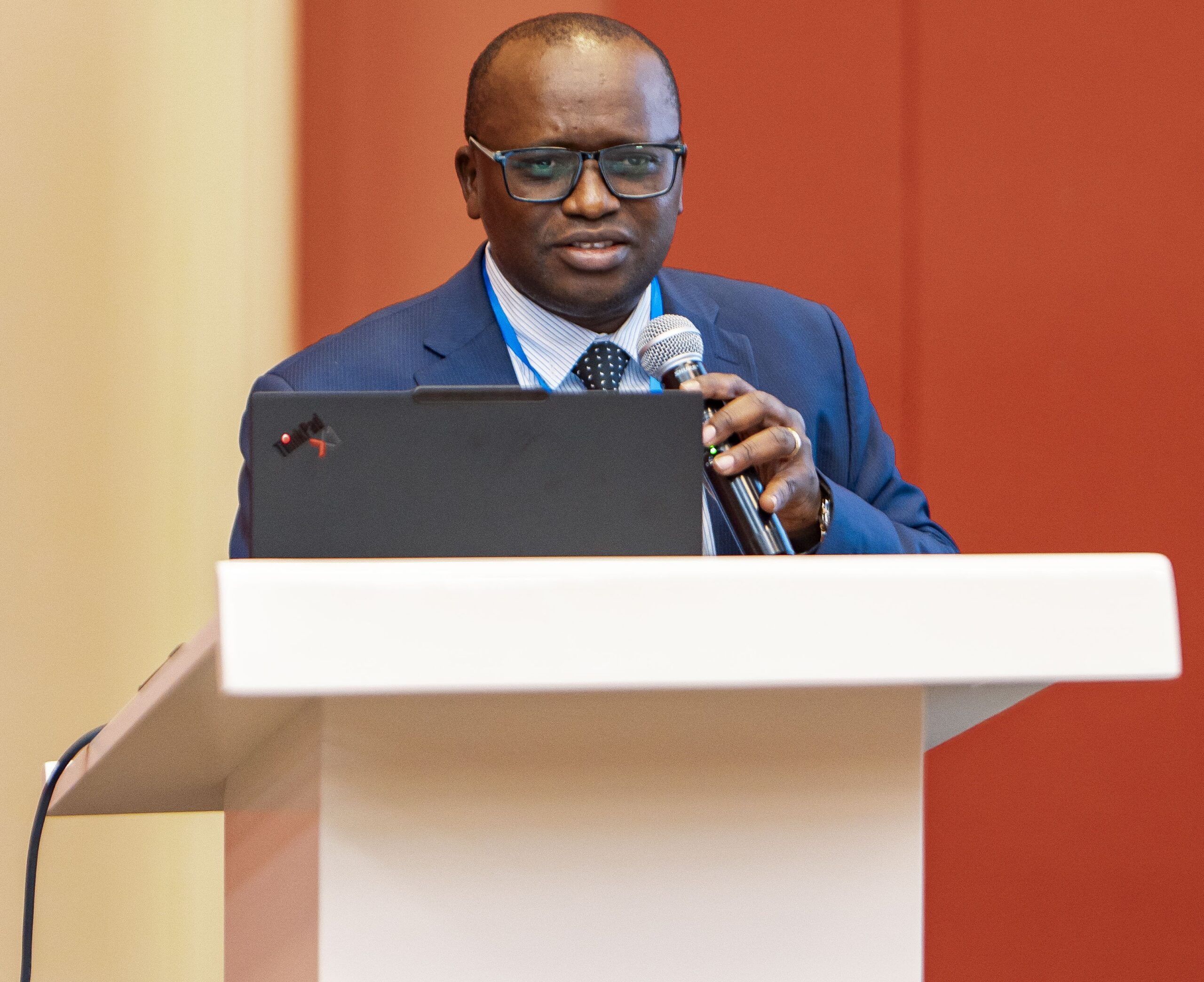
Nzingoula Gildas Crepin, a senior statistics and research officer at STATAFRIC, says consistency is essential for meaningful comparisons and effective policymaking.