



The Russians have said the vaccine will be available in coming few weeks free of charge. Unclear how and when it will reach Rwanda.
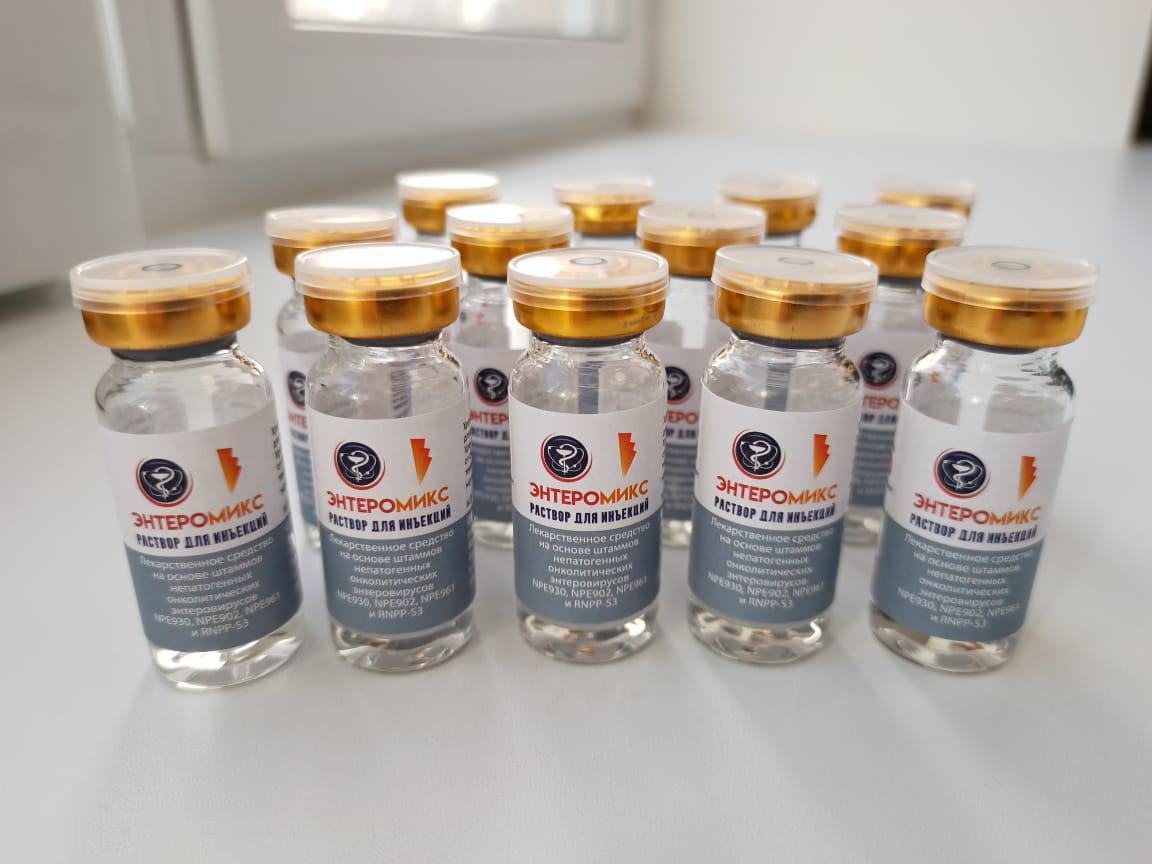
MOSCOW – In a breakthrough that could reshape preventive medicine, researchers from Moscow’s Gamaleya Center have announced promising results for a new vaccine designed to prevent colorectal cancer.
The vaccine, named “Enteromix,” reported a 100% success rate in preventing tumors in initial animal trials, according to a study released this week.
The development holds particular significance for nations worldwide witnessing a sharp rise in colorectal, or gut, cancer cases.
This cancer, which affects the large intestine and rectum, is the third most common cancer globally. While often associated with older populations in Western countries, its incidence is soaring in developing nations, presenting new public health challenges.
The urgent need for new prevention strategies is starkly illustrated by situations like Rwanda’s. Recent data shows the number of colorectal cancer cases in the country has increased by more than 70% in the last decade, with several hundred deaths annually.
Unlike in Europe or North America, many patients in Rwanda are diagnosed at a young age and, critically, at a late stage when the disease is vastly harder to treat.
This pattern is largely driven by the lack of national screening programs, which are standard in high-income countries. Without routine checks, patients often only reach a doctor when symptoms become severe, drastically reducing their survival chances.
While the Rwandan government has made cancer care a priority, access to treatment—often concentrated at specialized centers like the Butaro Cancer Centre of Excellence—remains difficult and costly for many.
This story is repeated, with variations, in many developing nations, highlighting a pressing global health equity issue.
The Russians have said the vaccine will be available in coming few weeks free of charge. Unclear how and when it will reach Rwanda.
How the New Vaccine Works
The Enteromix vaccine uses a method similar to the Gamaleya Center’s Sputnik V COVID-19 vaccine. It employs a harmless virus to deliver genetic instructions that train the body’s immune system to recognize and destroy specific markers found on the surface of colorectal cancer cells.
In essence, it shows the body’s immune defenses a “wanted poster” of the enemy. If a precancerous or cancerous cell ever appears, the immune system is primed to attack it immediately, preventing a tumor from forming.
In the study, the vaccine achieved a 100% success rate in preventing malignant tumors in lab mice genetically bred to develop the disease.
The research team has also completed the first phase of human trials with a small group of healthy volunteers, reporting the vaccine was safe and well-tolerated, with no serious side effects.
However, scientists globally urge cautious optimism.
“A 100% result in animals is every researcher’s dream, but history tells us it doesn’t always translate to humans,” said one independent oncologist not involved in the study.
The true test will be large-scale Phase III human trials.
If ultimately successful, a preventive vaccine could be a game-changer, especially for individuals with a genetic predisposition to the disease.
For countries facing a rising tide of colorectal cancer without the infrastructure for widespread screening, it could offer a powerful new tool to curb the epidemic and save lives. For now, the world watches and waits for the next round of data.
