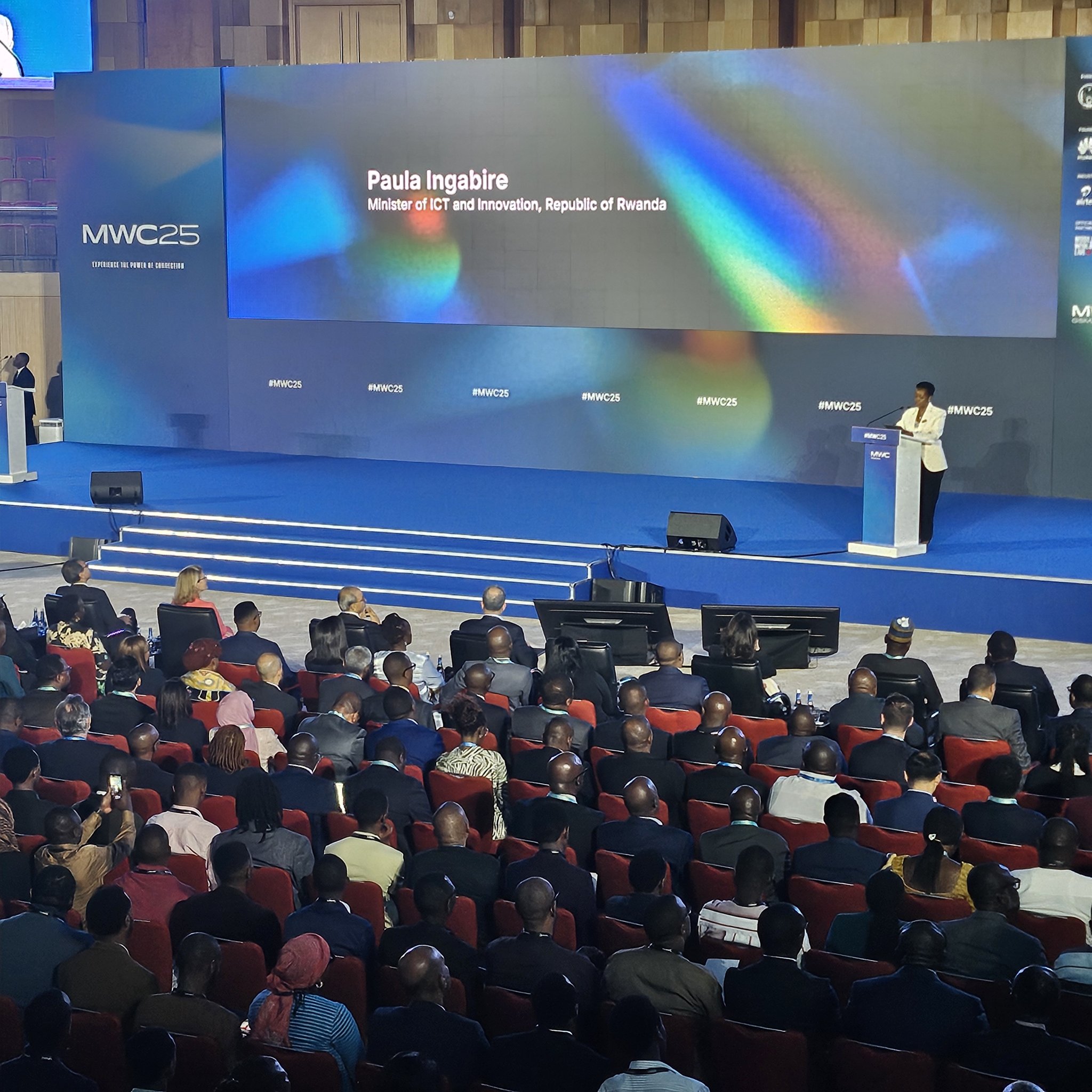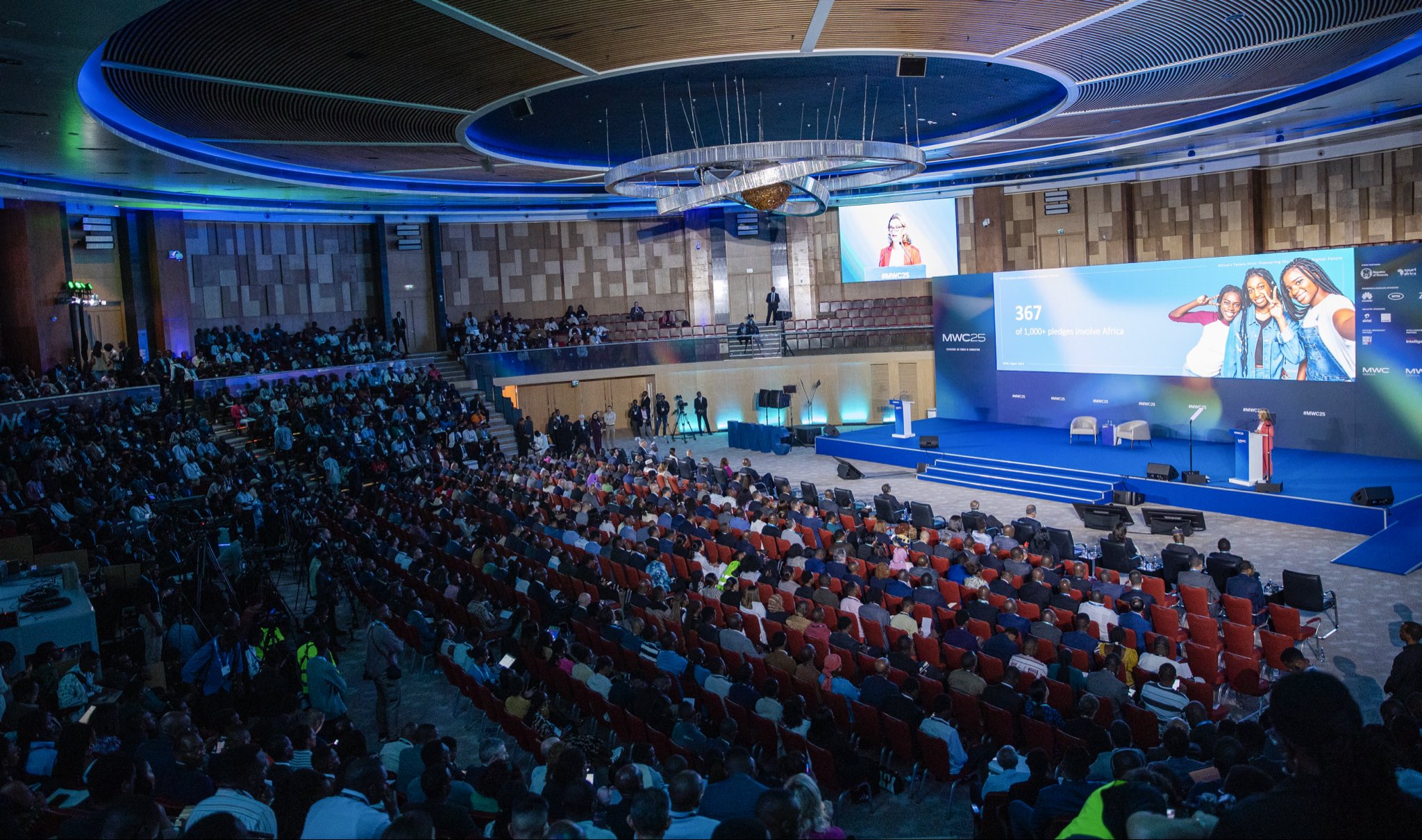
The Mobile World Congress (MWC) Africa 2025 opened in Kigali, bringing together influential leaders, innovators, and policymakers from across the continent to share their vision for a digitally connected Africa. The event aims to showcase how mobile technology is driving inclusion, innovation, and economic transformation across industries and societies.
President Paul Kagame, who officially opened the sessions, cited Rwanda’s own journey as proof of how technology can be a catalyst for national transformation. He said the country’s belief in the power of technology has been central to its drive toward a middle-income economy.
Using the example of mobile money, Kagame said what began as a simple mobile application has evolved into a powerful financial tool that is transforming lives, especially in rural communities. He highlighted emerging technologies such as artificial intelligence, next-generation networks, and smart devices that continue to make “the impossible possible.”
However, Kagame cautioned that Africa must act urgently to bridge the digital divide, noting that only a small fraction of Africans are connected compared to the global average.
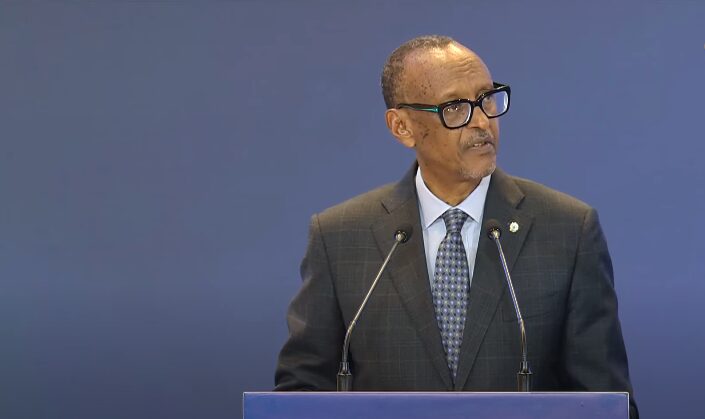
“If this gap persists, the same technology meant to expand access will instead widen inequality,” Kagame said. “The most important conversation we should have is about people—how digital skills and tools can reach everyone.”
He added that Rwanda views digital transformation as part of its broader vision to build a knowledge-based economy, integrating artificial intelligence into national planning while prioritizing research and human capital development to boost productivity and improve public services.
While acknowledging Africa’s significant challenges, Kagame emphasized the continent’s vast growth potential through collaboration, policy harmonization, and an enabling environment for innovation.
“This will enable our data and payment systems to flow securely across borders and connect our economies,” he said, citing ongoing efforts by the African Union and Smart Africa Alliance to cut costs, reduce barriers, and create a single digital market.
“Such cooperation will scale African solutions globally while retaining their value here. The future we must build is an Africa that is bold, connected, and competitive.”
GSMA Perspective:
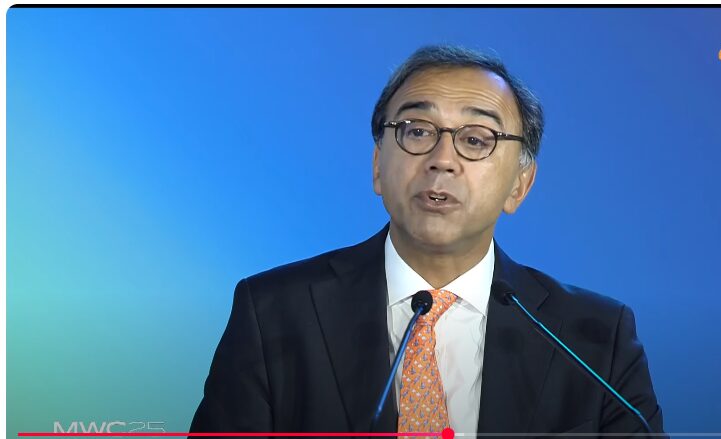
Vivek Badrinath, Director General of GSMA, commended Rwanda for emerging as a true technology leader in Africa, embracing digital transformation to improve lives and public services.
He attributed this progress to visionary leadership, supportive policies, and the mobile sector’s role as a catalyst for change, expanding access to education, health, financial services, and business opportunities.
Badrinath noted that Rwanda now enjoys 99% mobile coverage and 13 million connections, though efforts to expand mobile internet access continue.
“Rwanda reminds us that progress is not an aspiration—it is a deliberate choice,” Badrinath said. “Through sustained investment in technology and innovation, it has shown what determined leadership can achieve.”
Rwanda’s Mobile Internet Journey:
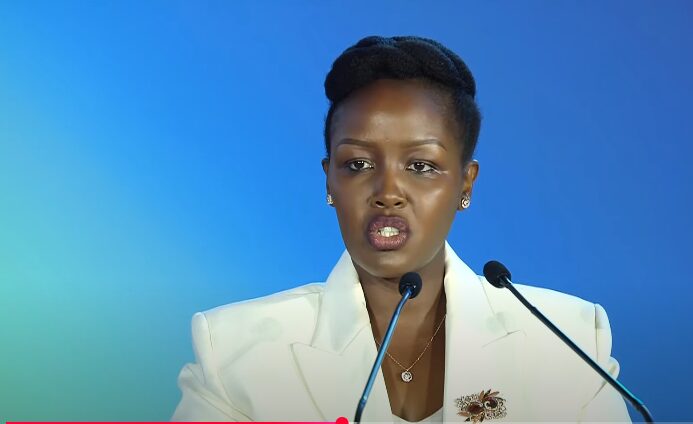
According to the Ministry of ICT and Innovation, Rwanda had about 500,000 4G users in 2023, but through policy reforms and competition to extend coverage, that number has grown tenfold to 5 million users by June 2025.
The country has also launched 5G services to enhance access to education and healthcare, connecting nearly 1,000 health facilities and 4,000 schools, while training over 4.5 million citizens in digital literacy.
ICT Minister Paula Ingabire said Rwanda’s vision is to make Africa a market for innovation and digital product leadership.
“Our commitment to the future is simple—to build a mobile-driven future defined by collaboration, scalable solutions, and African innovation,” she said.