


KIGALI — The Rwanda Environment Management Authority (REMA) has renewed its push to scale up electric mobility as part of national efforts to curb greenhouse gas (GHG) emissions banking on a four-year project aimed at speeding up the shift from fuel-powered vehicles to electric transport.
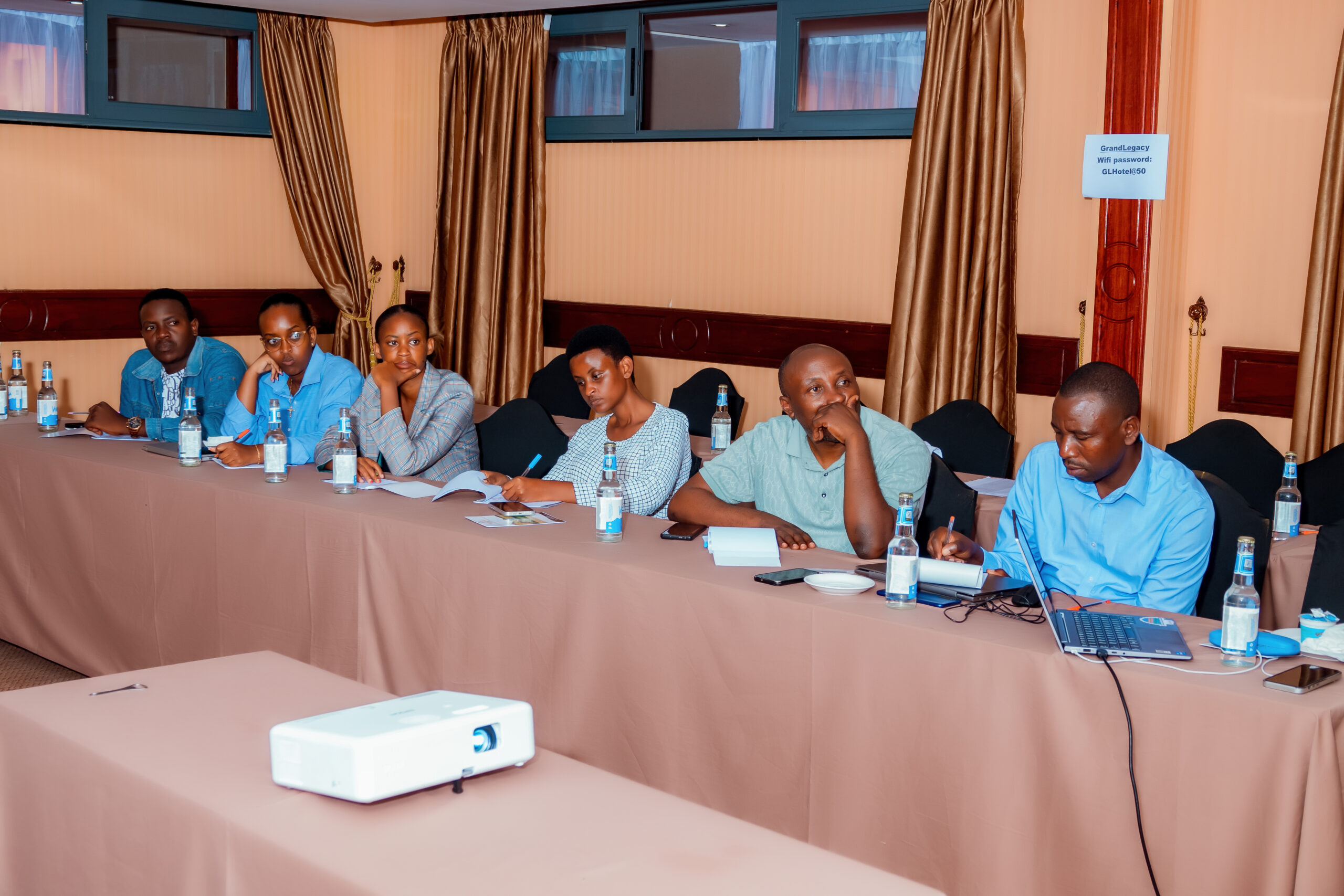
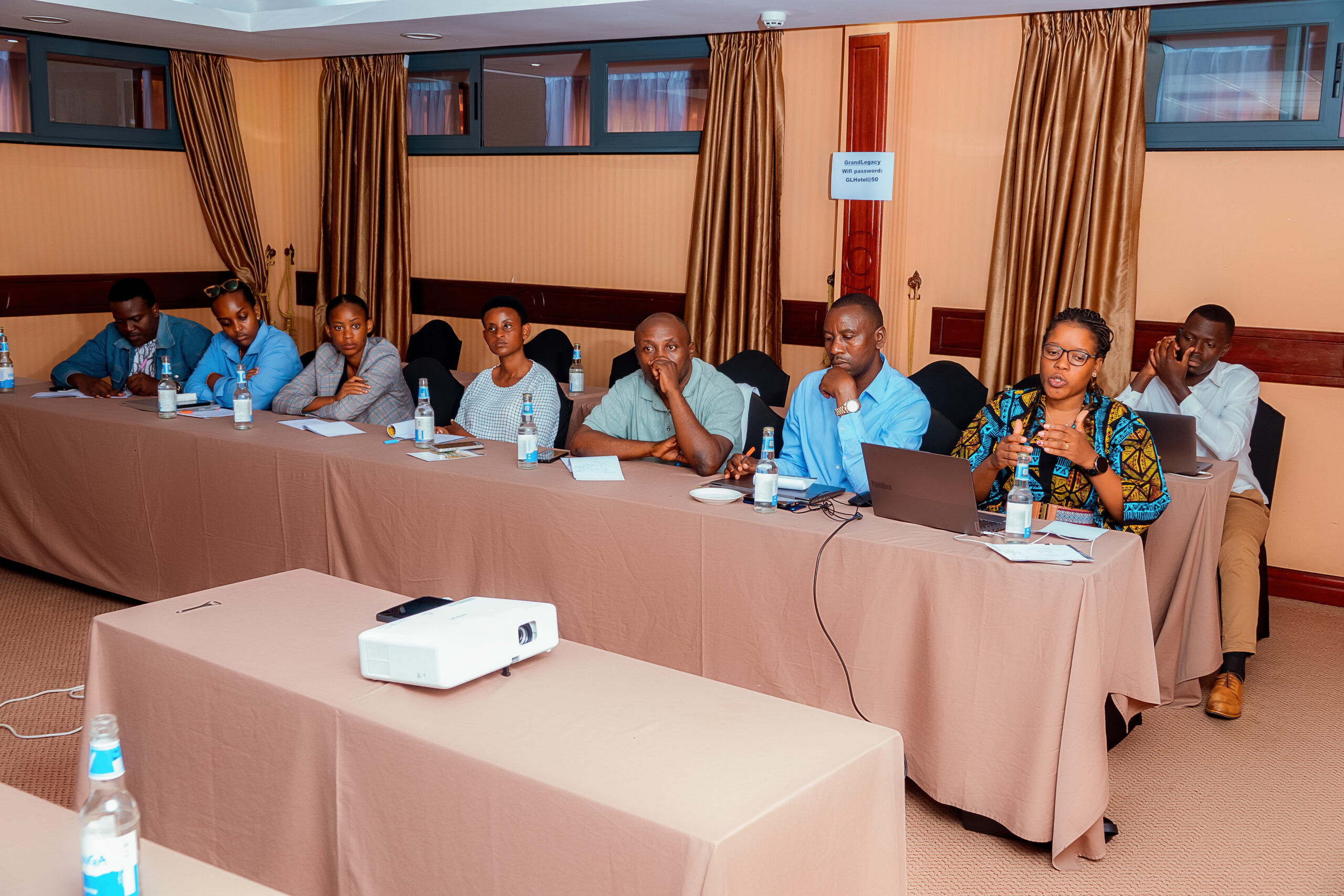
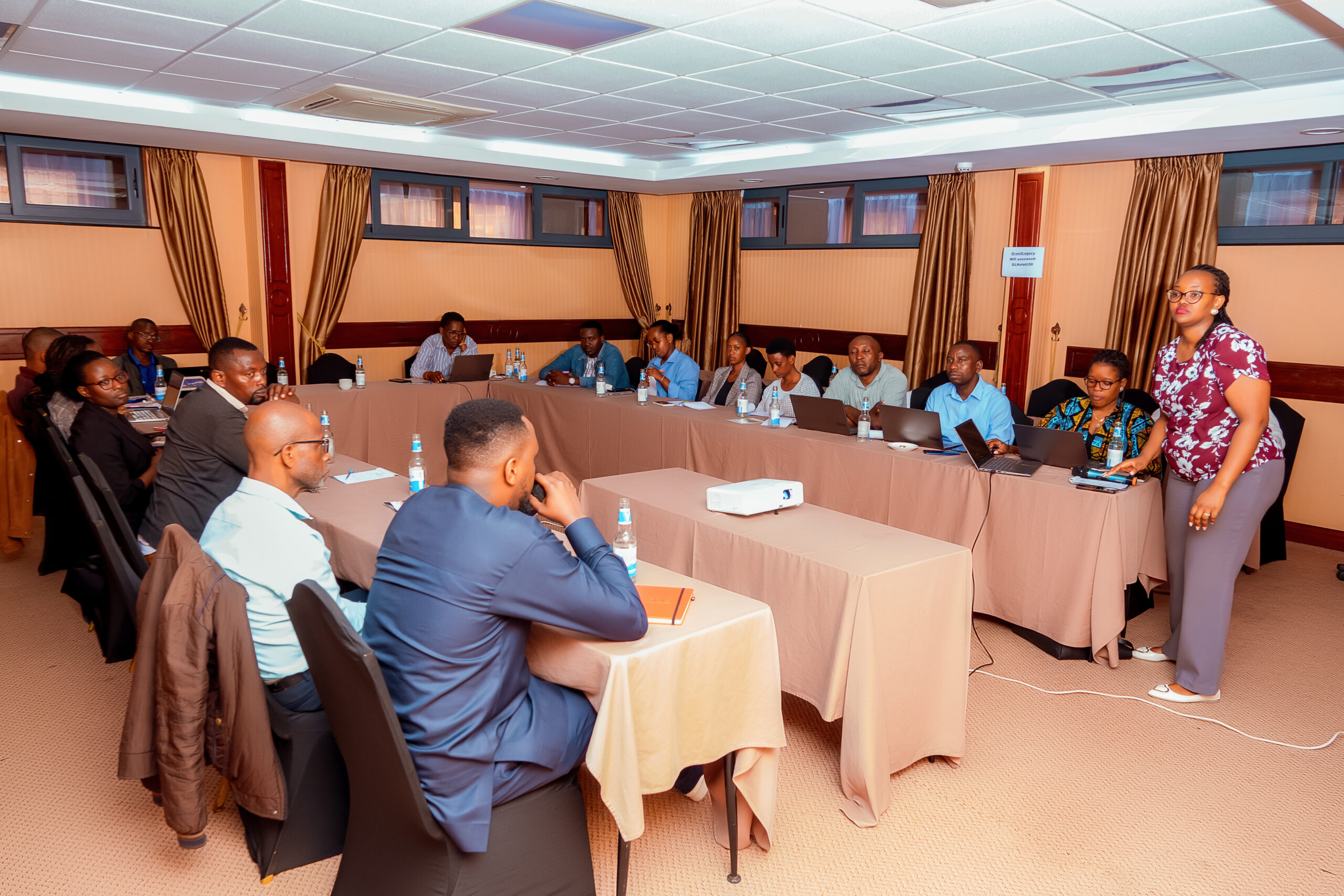
During a stakeholder engagement meeting held in Kigali, REMA and the UN Environment Programme (UNEP) highlighted the urgent need to reduce emissions from the transport sector—currently Rwanda’s second-largest source of GHG emissions—while addressing emerging risks linked to the management of electric vehicle (EV) battery waste.
Transport Remains a Major Source of Emissions:
Presenting findings from Rwanda’s latest National Inventory Report, REMA’s Olive Byukusenge noted that road transport continues to generate the bulk of emissions within the energy sector.
“The Dominant greenhouse gas Emission in transport sector is Carbon dioxide from internal combustion of Diesel and Gasoline,” Byukusenge explained,adding that methane and nitrous oxide from incomplete combustion as well as air pollutants.

Olive Byukusenge
Emissions from energy sector have more than tripled between 2006 & 2022, transport is the biggest & fastest-growing contributor.
It accounts for 57% of all energy-related emissions,up significantly from 37% previously. CO₂ from fossil fuels makes up 73% of transport emissions
Rwanda’s updated Nationally Determined Contribution (NDC 3.0) shows that Energy sector accounts for 18% of total national emissions.
The country aims to cut around 13 million tCO2e, equal to a reduction of 53% by 2035—with electric mobility expected to play a defining role.
New $1.7 Million Electric Mobility Project Introduced:
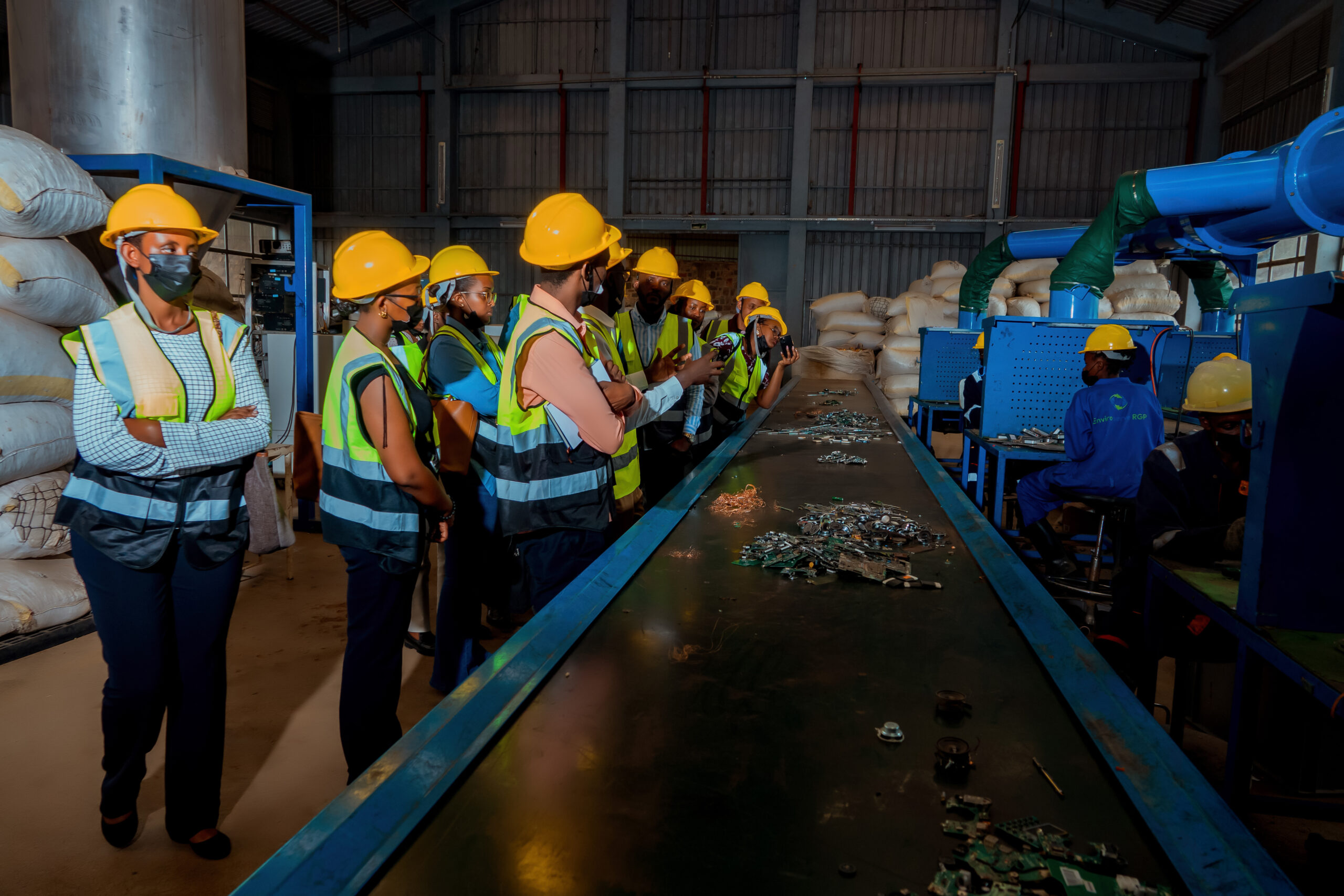
REMA introduced a new four-year initiative titled “Accelerating the Transition to Electric Mobility in Rwanda”, which is set to begin next year with an approved $1.7 million in funding.
The project seeks to address four barriers to e-mobility adoption: institutional, operational, regulatory, and market-related, while safeguarding the environment from long-term risks such as EV battery waste.
The project’s four components include:
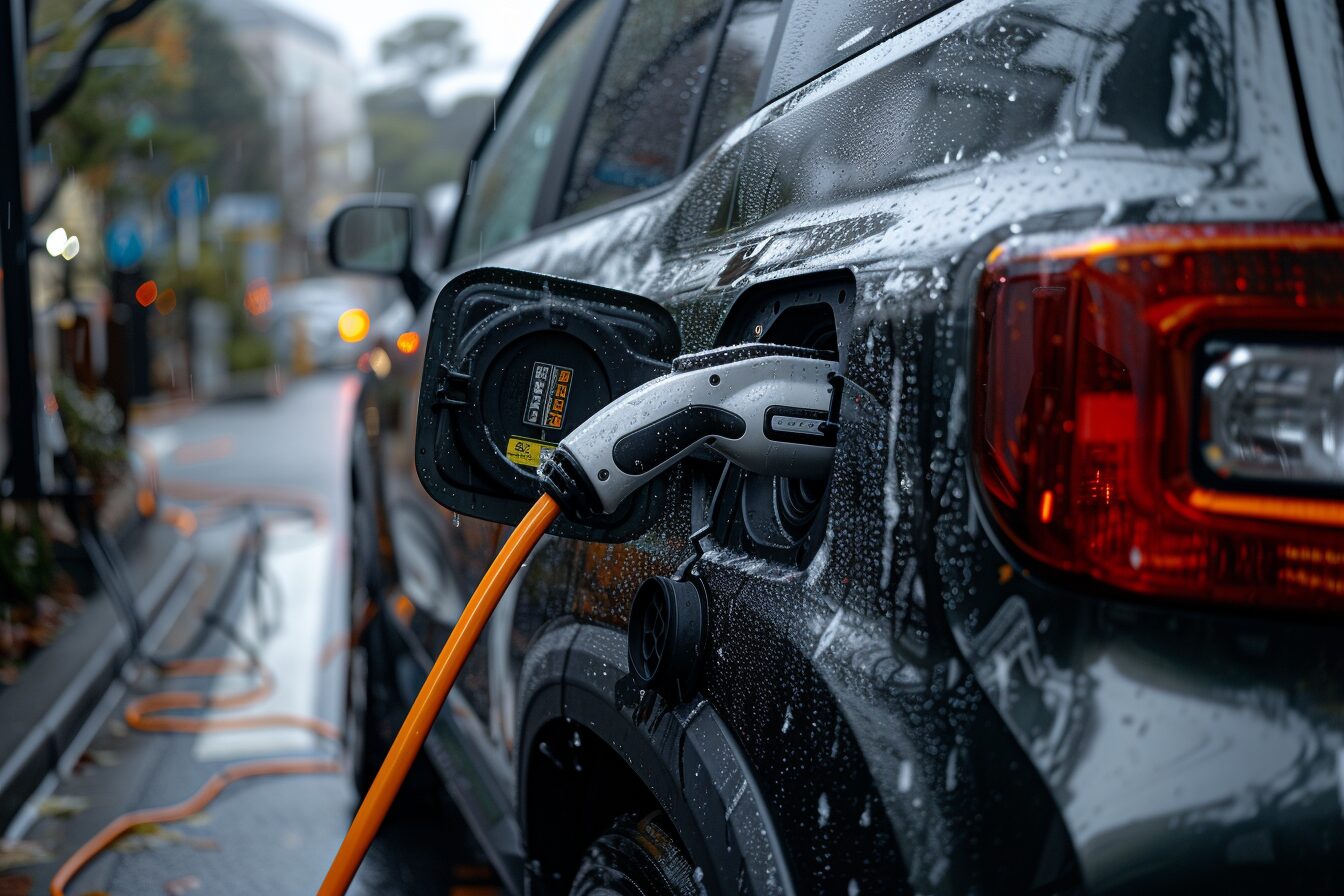
1. Institutionalisation of Electric Mobility: Creation of a national intersectoral coordination body, Consolidation of stakeholder efforts and reduction of duplication, Integration of gender-responsive strategies, Establishment of a national online knowledge management platform
2. EV Battery Management Pilot: Demonstration projects on EV systems, Screening and scoping of EV battery end-of-life handling
3. Scaling and Replication: Expansion of electric mobility using existing infrastructure, Development of a national charging station plan, Proposal of financing mechanisms for e-mobility investments
4. Long-Term Environmental and System Impact Studies: Assessing long-term effects of EV charging on Rwanda’s electricity grid, Drafting a national EV battery e-waste management policy.
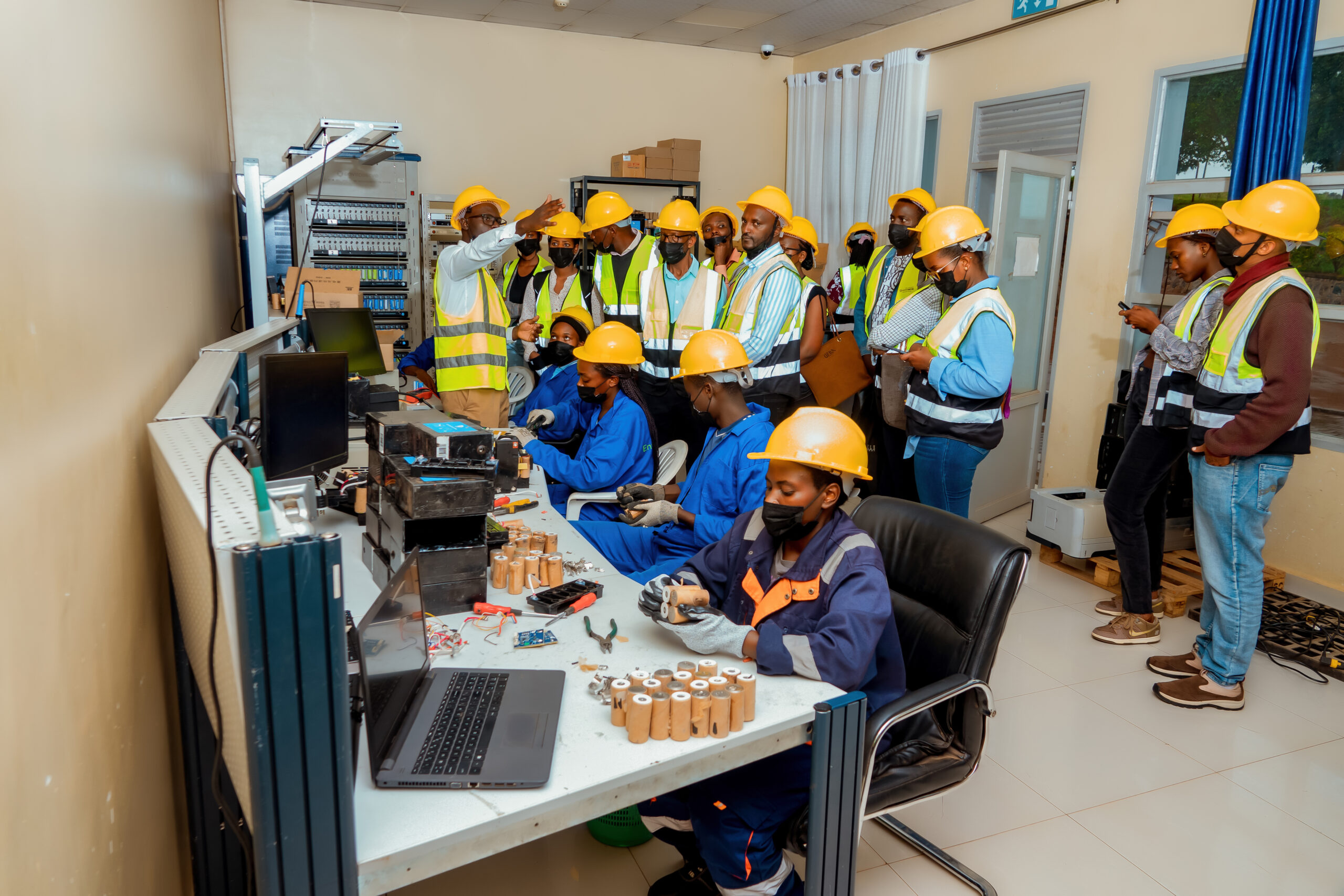
REMA’s Climate Action Specialists emphasized that capacity building and knowledge sharing will be central to the project’s success.
Stakeholders called for harmonization of EV gadgets on the local market, increased charging infrastructure and skills development as key steps moving forward.
Rwanda Inspectorate, Competition and Consumer Protection Authority (RICA) representatives reiterated that while EVs themselves are reliable, “battery maintenance is the biggest issue,” calling for stronger regulation and more training programs.
Academia participants encouraged the adoption of an Extended Producer Responsibility (EPR) framework to ensure manufacturers play a role in the lifecycle management of EV batteries.

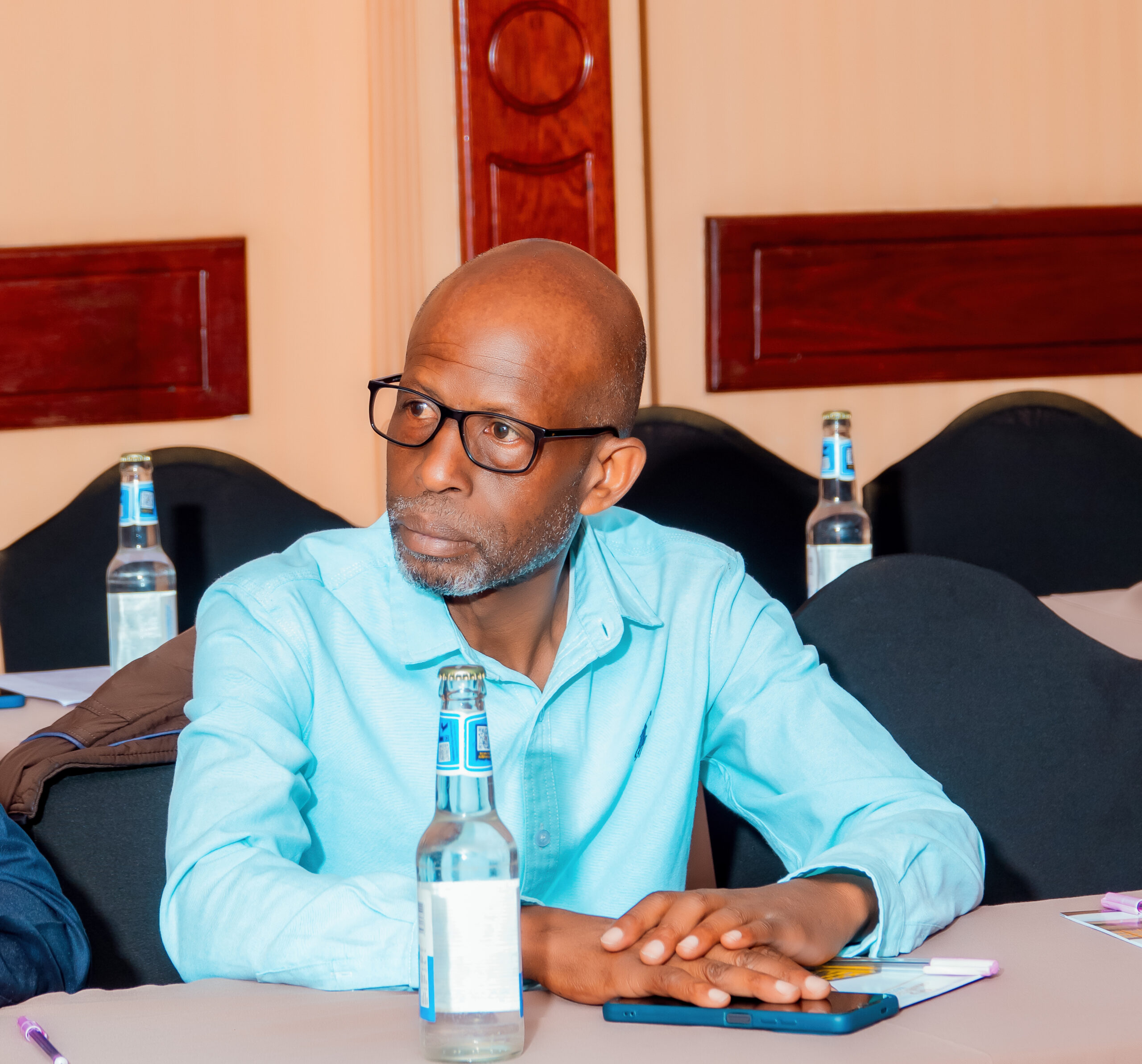
Janvier Twagirimana (left)
According to Janvier Twagirimana, Green and Inclusive Mobility Coordinator at MININFRA, government policy aims to “kill three birds with one stone”—transition to electric mobility, cut emissions, and eliminate the old vehicle fleet.
He confirmed that Rwanda’s EV charging masterplan includes all existing private installations as strategic assets, with new incentives planned for expansion. However, he also warned that EV battery disposal has become a growing issue:
“After five years of incentives, we now need EPR because we see more disposed batteries entering the system.”
Private Sector Push:
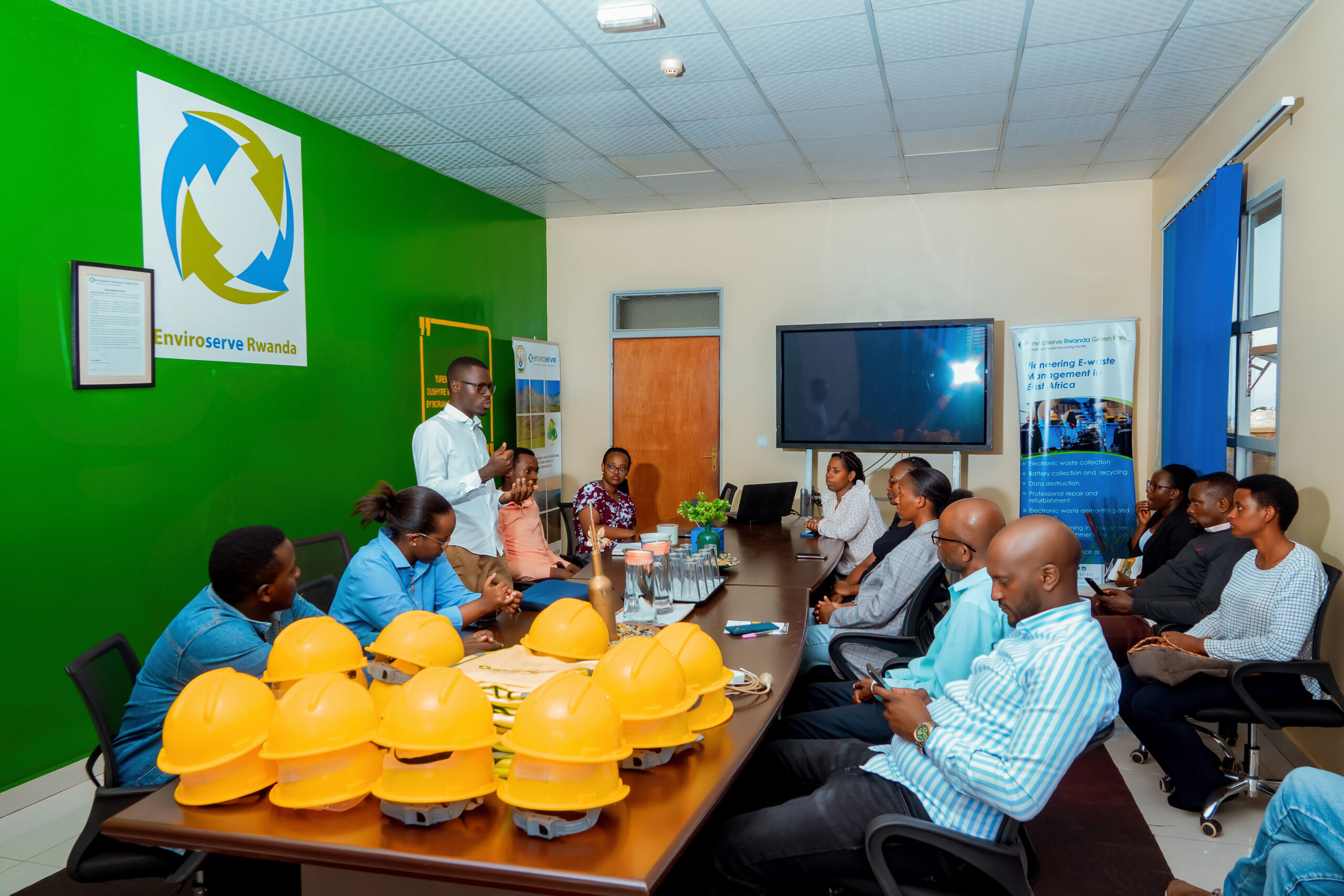
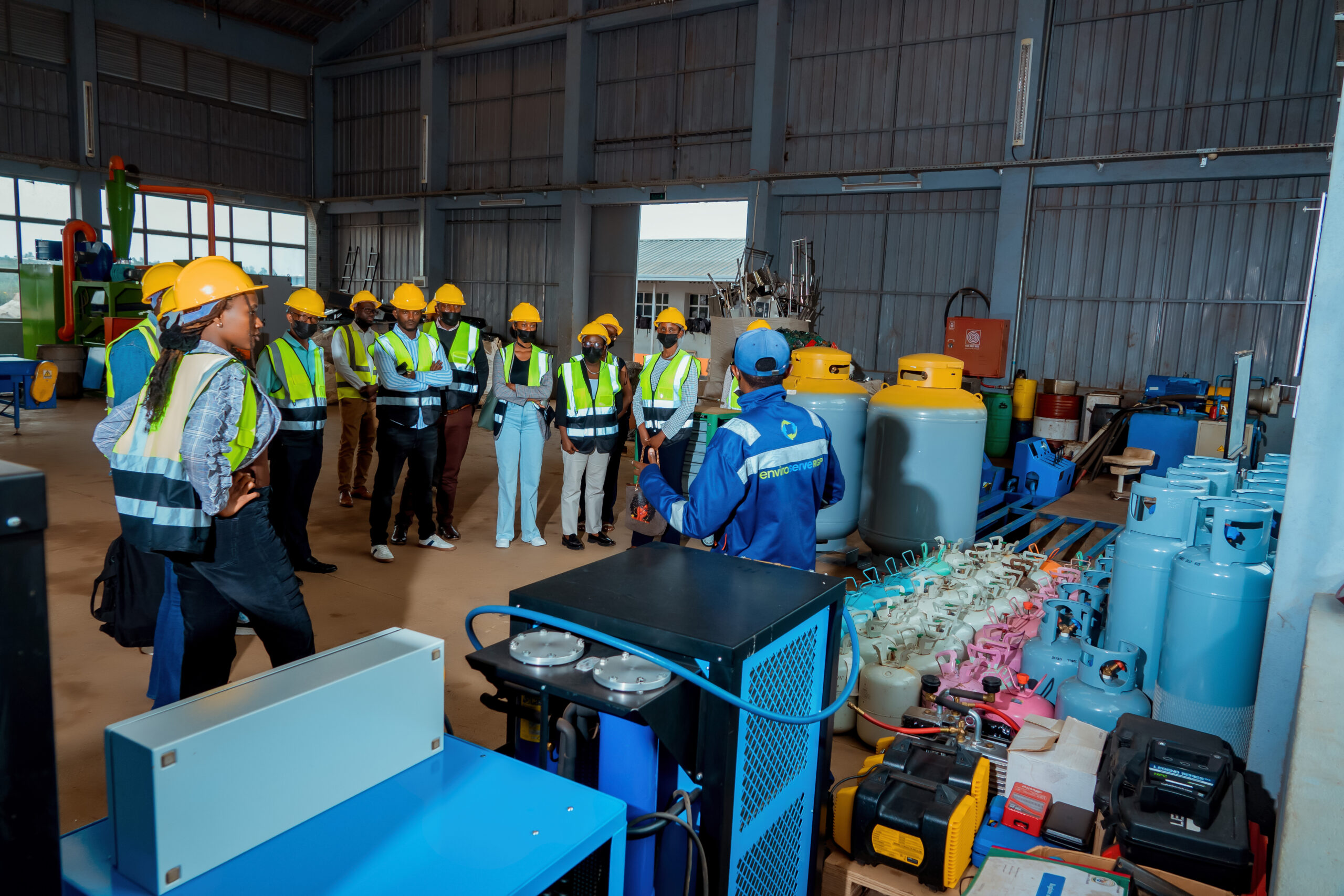 Enviroserve Rwanda, the country’s leading e-waste recycler, welcomed the new project as an opportunity to strengthen local recycling capacity.
Officials highlighted major obstacles, including rapidly changing battery chemistries, high recycling costs, limited regulatory enforcement, and public misconceptions.
Enviroserve’s work since 2018 includes 7,306 tons of e-waste collected, 22,931 computers refurbished for schools, 6,400 tons of CO₂ mitigated, and over 1,200 jobs created.
However, Enviroserve stressed that “processing is still costly,” and Rwanda will need to aggregate more waste—including from the region—to achieve economies of scale.
Complementary Measures:
Other proposals included: Promoting bicycle for transport use through incentives, suggested by a University of Rwanda representative, strengthening after-sales service requirements for EV dealerships, better coordination with power utilities to ensure charging stations have reliable electricity supply.
Rwandan e-mobility transition could now also count on China’s new rule barring export of EVs older than one year was also highlighted as a factor likely to influence Rwanda’s EV market.
REMA emphasized that Rwanda’s transition to electric mobility will require strong inter-ministerial coordination, private sector investment, and continuous technical capacity development.
As Rwanda accelerates its transition to clean transport, stakeholders warn that the country must address infrastructure, standards, and battery waste management challenges to avoid “solving emissions only to create a bigger problem.
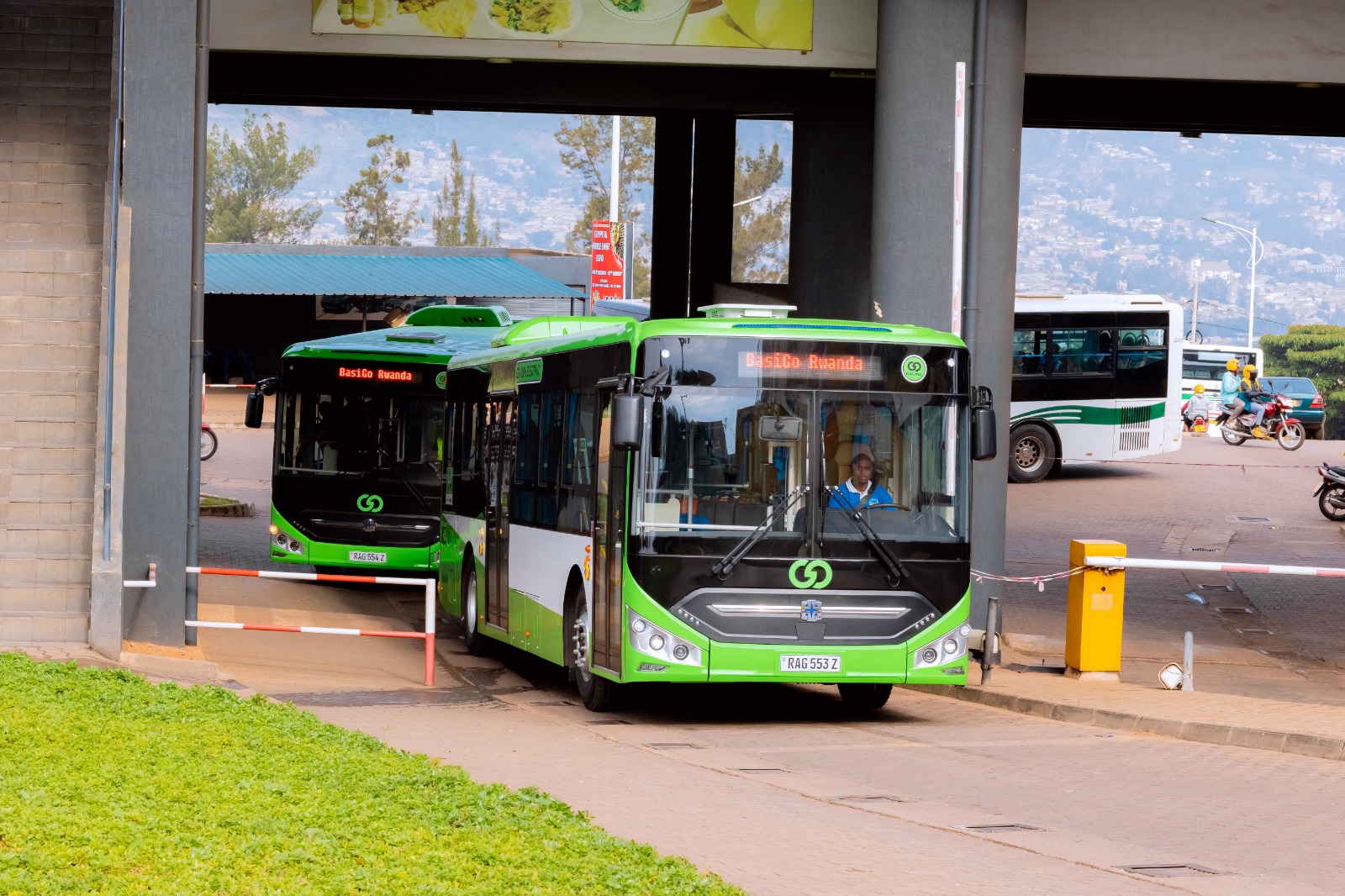
BasiGo electric buses on trial in Kigali.