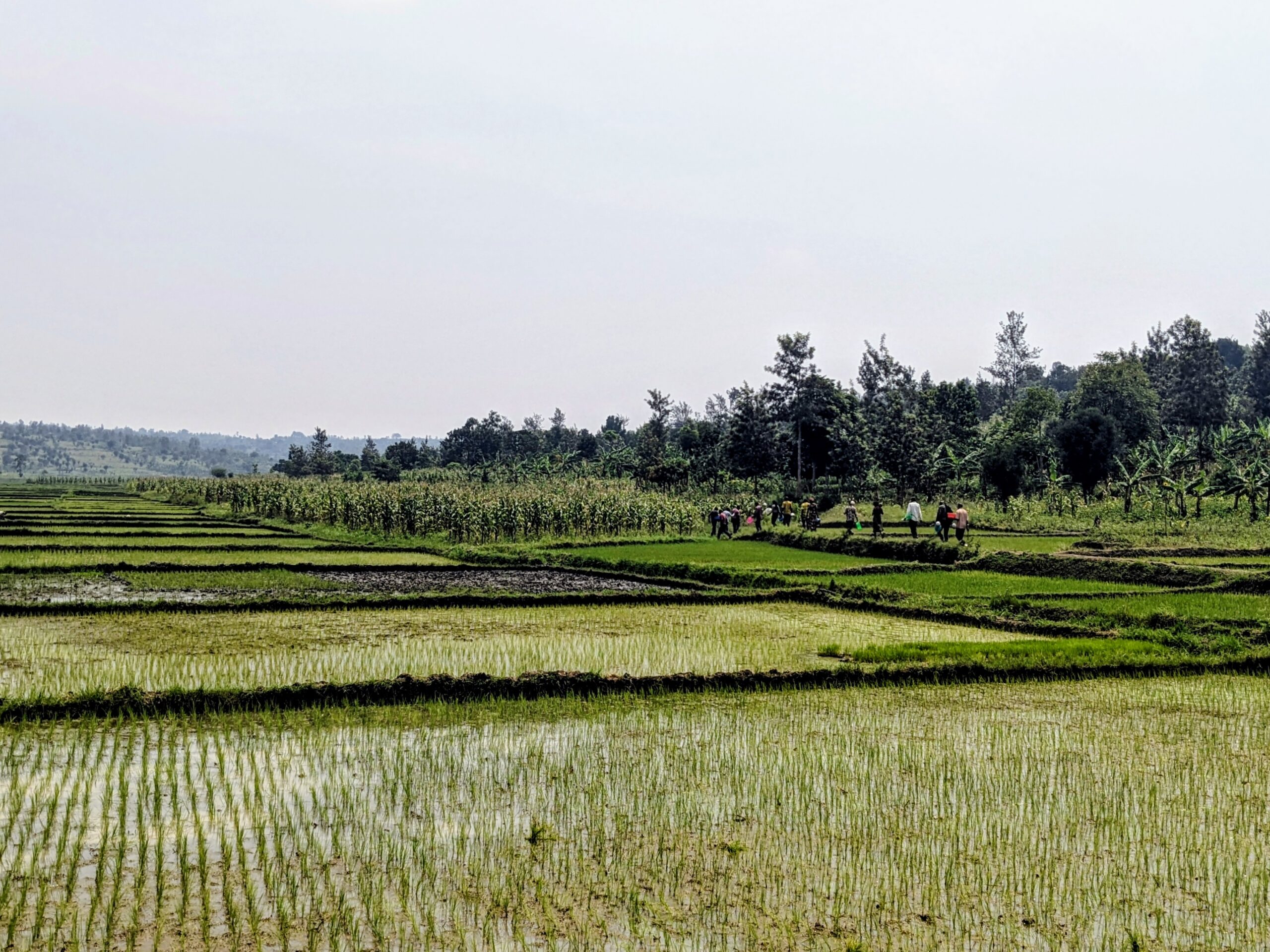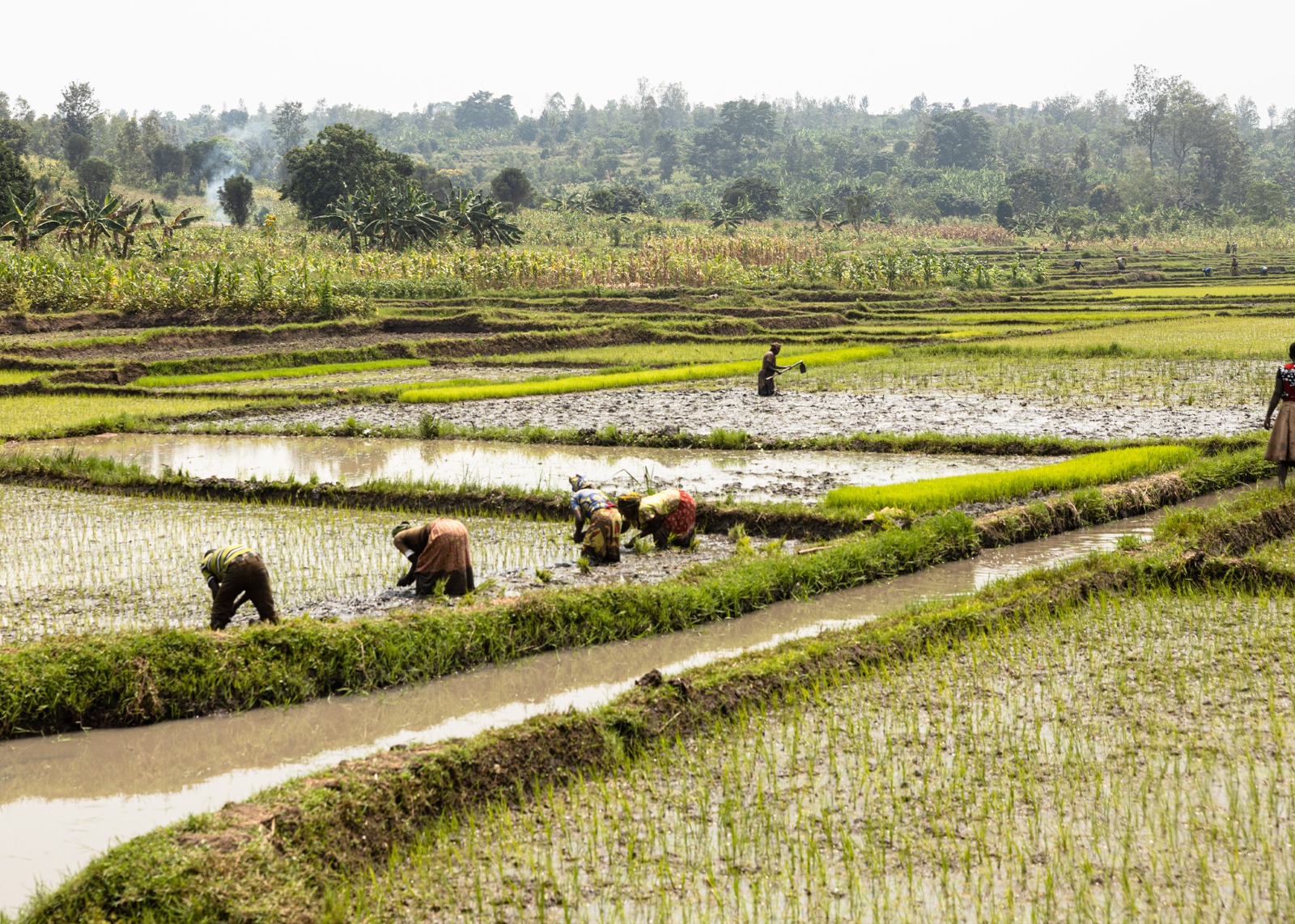




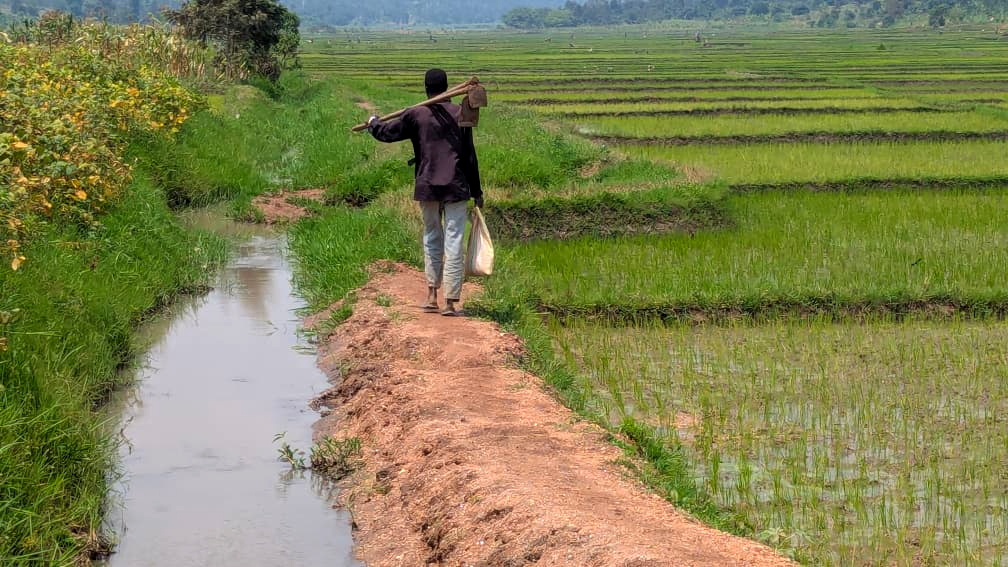
Rwanda Biomedical Centre (RBC) has set plans to eliminate bilharzia through community-based sustainable models, which include equipping farmers with hands-on skills to physically remove and destroy the snails and larva in endemic areas.
Bilharzia is one of the nine Neglected Tropical Diseases (NTDs) prevalent in Rwanda and commonly affects rice farming communities living and working along marshlands and wetlands in 1,013 (47%) villages in the country.

Besides Bugesera and Ruhango districts, which have a bilharzia prevalence rate of 15%, the other marshland communities in the remaining 28 districts in Rwanda stand at a rate close to 80%.
This makes bilharzia one of the priority diseases that Rwanda has to eliminate as it affects both the nutritional and economic capabilities of citizens due to disease ignorance.
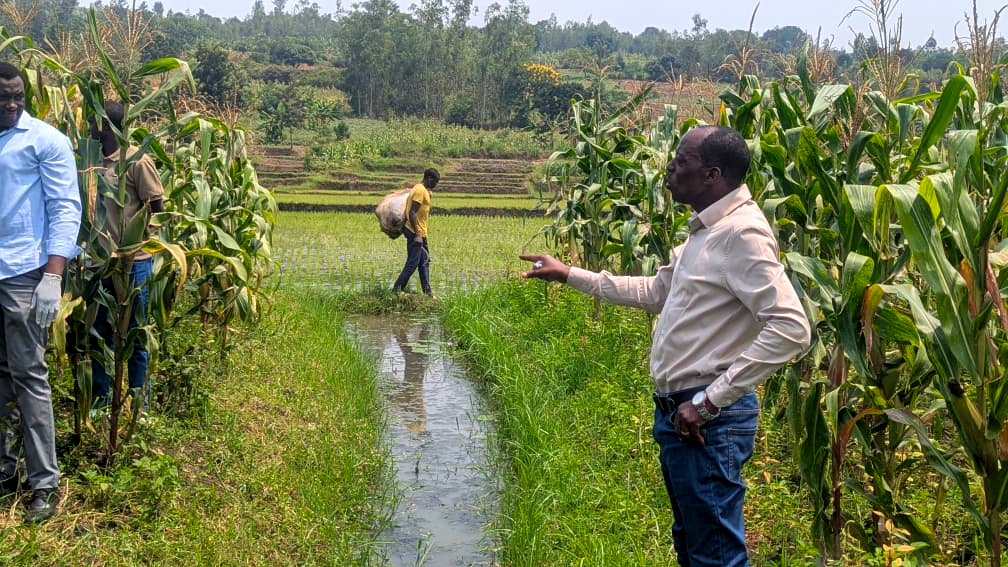
For example, bilharzia has a direct correlation with poor hygiene and sanitation and has a causal effect on the current 27% stunting cases in Rwanda, yet the rate of reduction remains at an average of 1% every year.
Many experts have attributed this to existing gaps such as lack of awareness, access to clean water within a short distance, prevention skills, and limited public sanitation facilities, among others.
In order for Rwanda to attain the targeted 15% reduced stunting by 2030, it requires an increased level of literacy, a citizen-based approach, and efforts to eliminate bilharzia from its breeding areas.
Apparently, Rwanda, alongside CHOGM and the World Health Organization (WHO), has, through the Kigali Declaration on NTDs (signed in 2021), set a 2030 roadmap to defeat NTDs and improve the lives of millions.
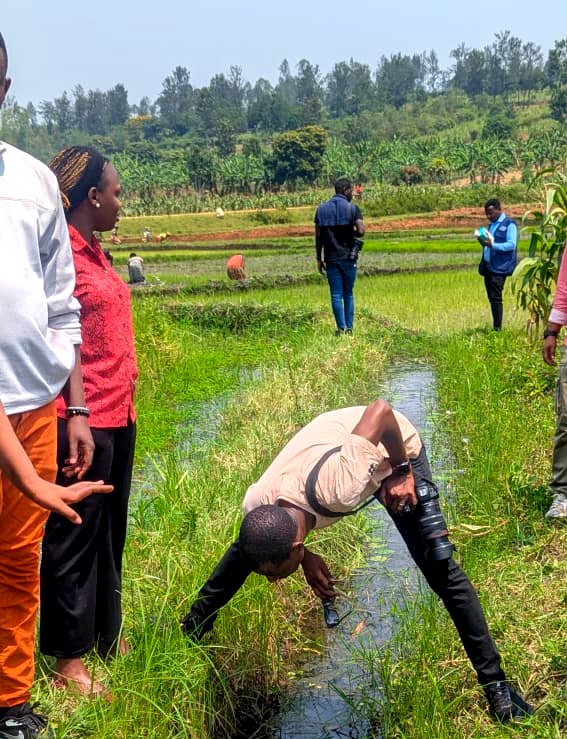
This requires funding, resources, political will, and advocacy, but in a timeline where health funding is dwindling globally, these goals could be far-fetched even when they remain valid on paper.
RBC officials think that in order to attain these goals and zero bilharzia, focusing on increasing hands-on skills education will add to already existing initiatives such as providing free deworming tablets annually, construction of proper toilets, and increasing access to WASH.
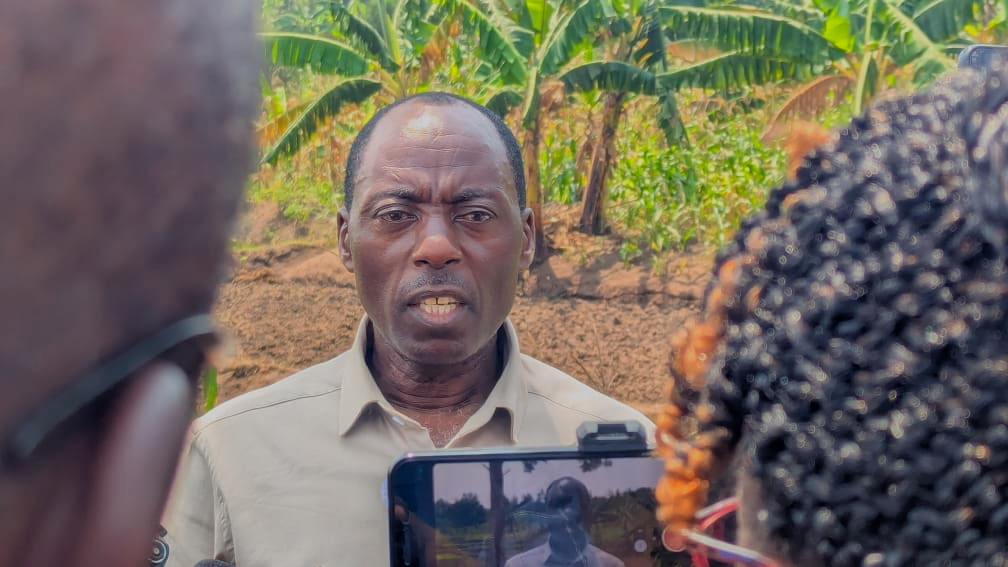
Nathan Hitiyaremye
Nathan Hitiyaremye, the NTD-WASH Coordination Officer at RBC, said that the government is focusing on increasing citizens’ abilities to detect and destroy bilharzia breeding areas, which are commonly seen in weeds and grasses around marshlands or wetlands.
“Lack of knowledge about such a disease is worrying in attaining these goals, and that is why we want citizens to know how bilharzia breeds, take direct action to prevent its growth and spread,” Hitiyaremye said.
While Rwanda has not achieved its goals to have 100% access to clean water, this approach has seen a 90% coverage in all endemic communities, and according to RBC, the plan is to cover the remaining 10% with the support of local organizations and partners in tackling four stagnating areas.
These include increased access to clean water, constructing more toilets, social and behavior change, and community mobilization, all of which need resources and funding.
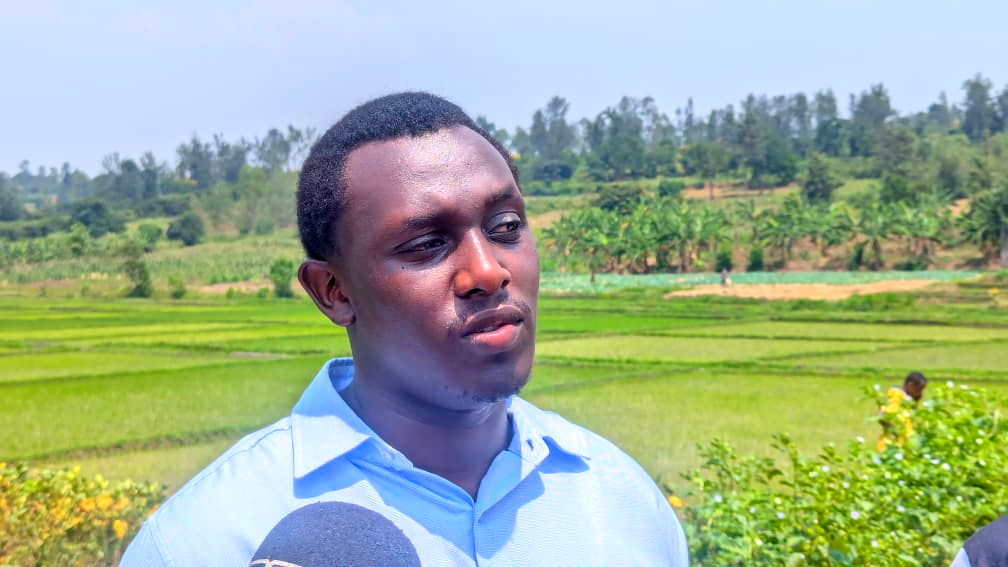
Eric Saramba
Eric Saramba, the NTDs Coordinator, Rwanda NGO Forum On AIDS And Health Promotion (RNGOF), said that in order to eliminate bilharzia and intestinal worms (both waterborne and common in marshlands) by 2030, they are supporting the government to increase citizens’ and leaders’ capacity.
For instance, through a three-year Interruption Of Transmission (IOT) program, they have trained close to 3,000 citizens, including health workers, religious and opinion leaders, to increase awareness in Bugesera and Ruhango communities.
These individuals were equipped to increase personal prevention skills, mass mobilization, and provide technical support at intervention levels.
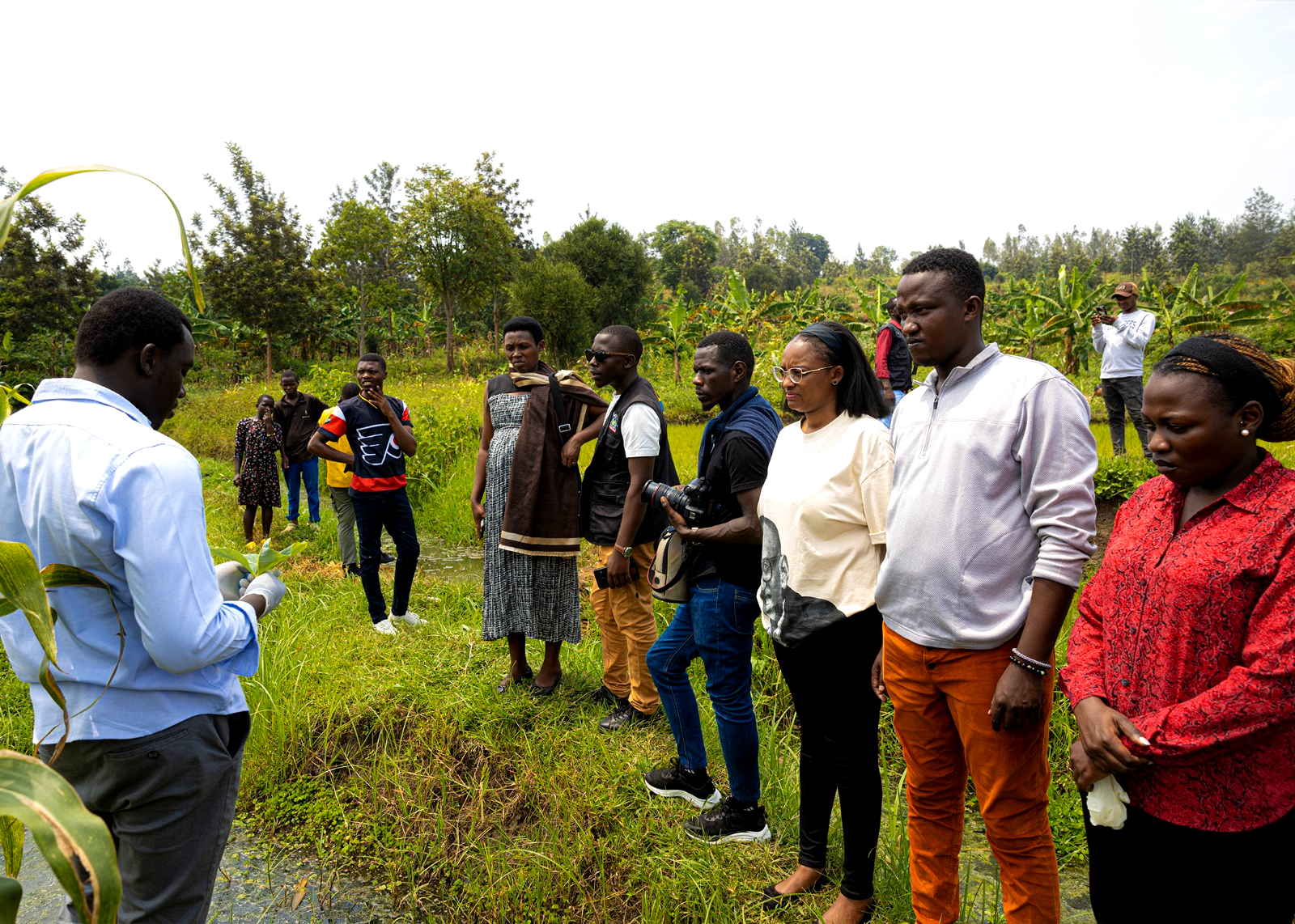
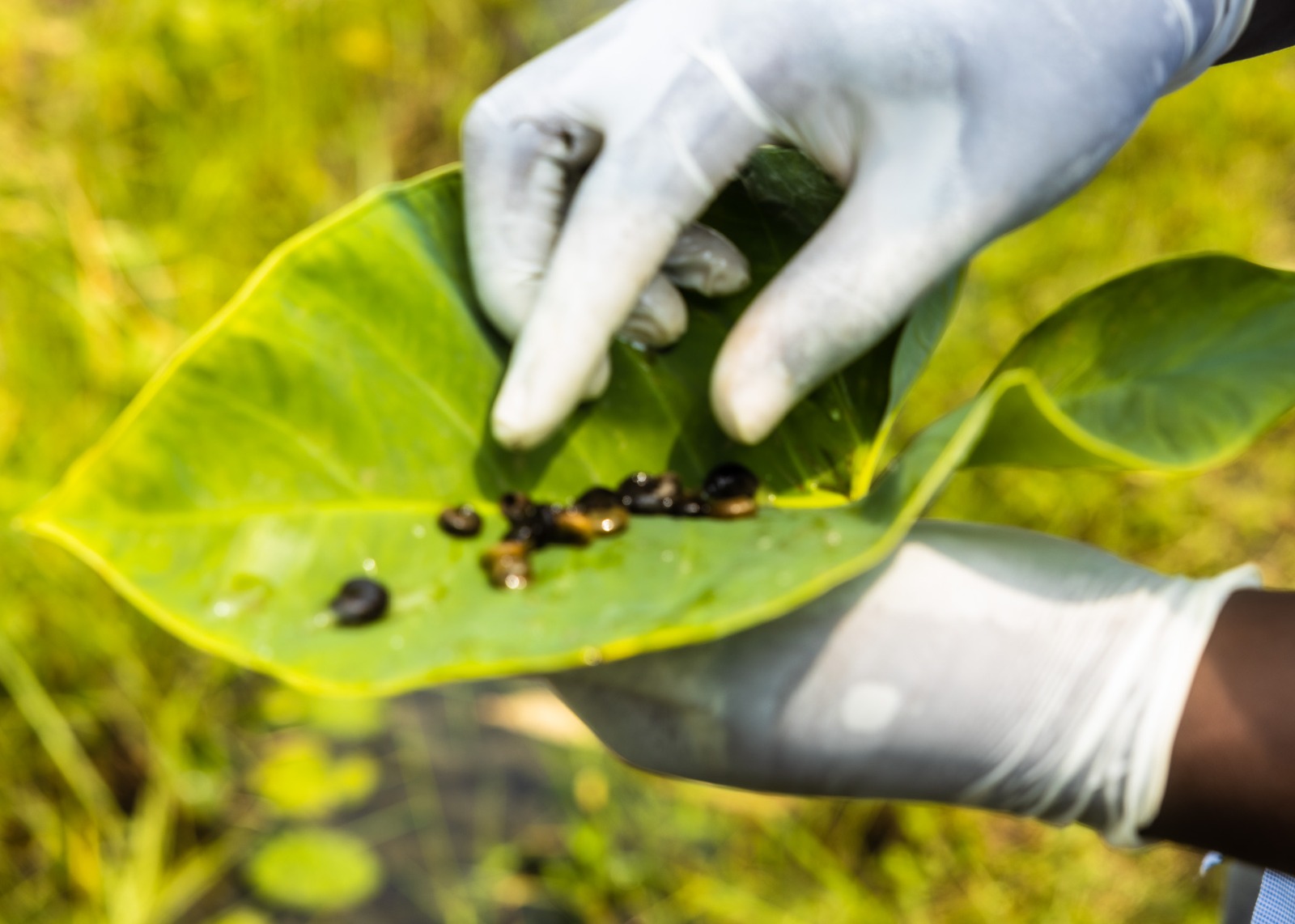
Saramba explained that the choice of piloting this approach in low-prevalence districts (Bugesera and Ruhango) was intentional to inform the next evidence-based rollout phase of best practices to other affected districts.
“We chose this citizen-based empowerment model because it is sustainable, and we expect results in practical adaptation, behavior change, and community engagement in constructing their own toilets. This impact will enable us to roll out the program by 2027,” Saramba said.
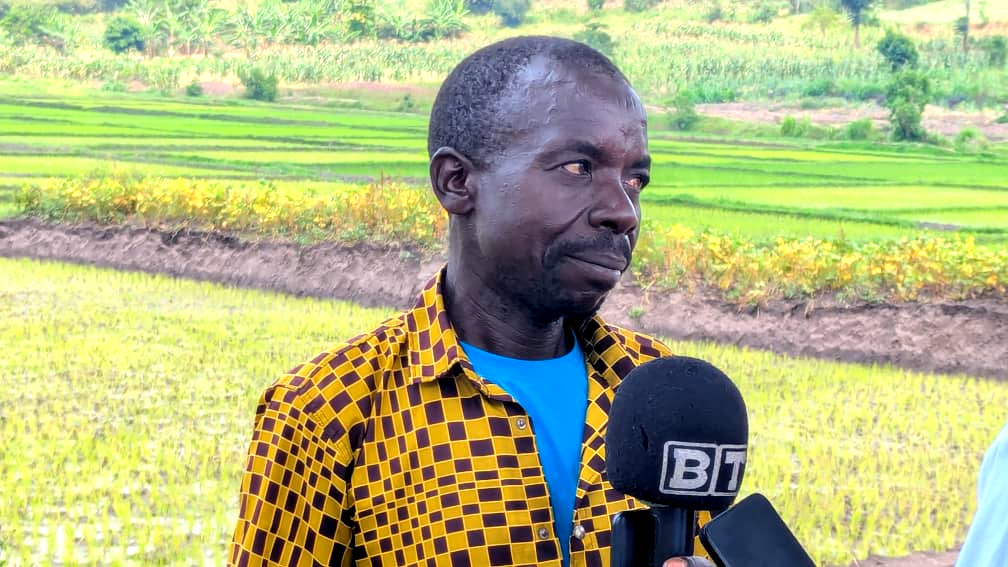
Donacien Nirere
Rice farming beneficiaries like Donacien Nirere say that the skills have enabled communities to be aware and take personal action; however, the challenge remains in behavior change, especially in preventive practices of wearing boots and gloves while in the fields under the hot sun.
RBC says that they are working closely with local organizations and partners to support farmers in acquiring adaptive and conducive gear that can serve the same purpose as boots and gloves.
As health partners, RNGOF said that even though they currently depend on funding from The END Fund, the next steps of ensuring sustainability will be crucial, especially in ensuring local ownership through soliciting resources internally.